
Translated material
Chemistry and life
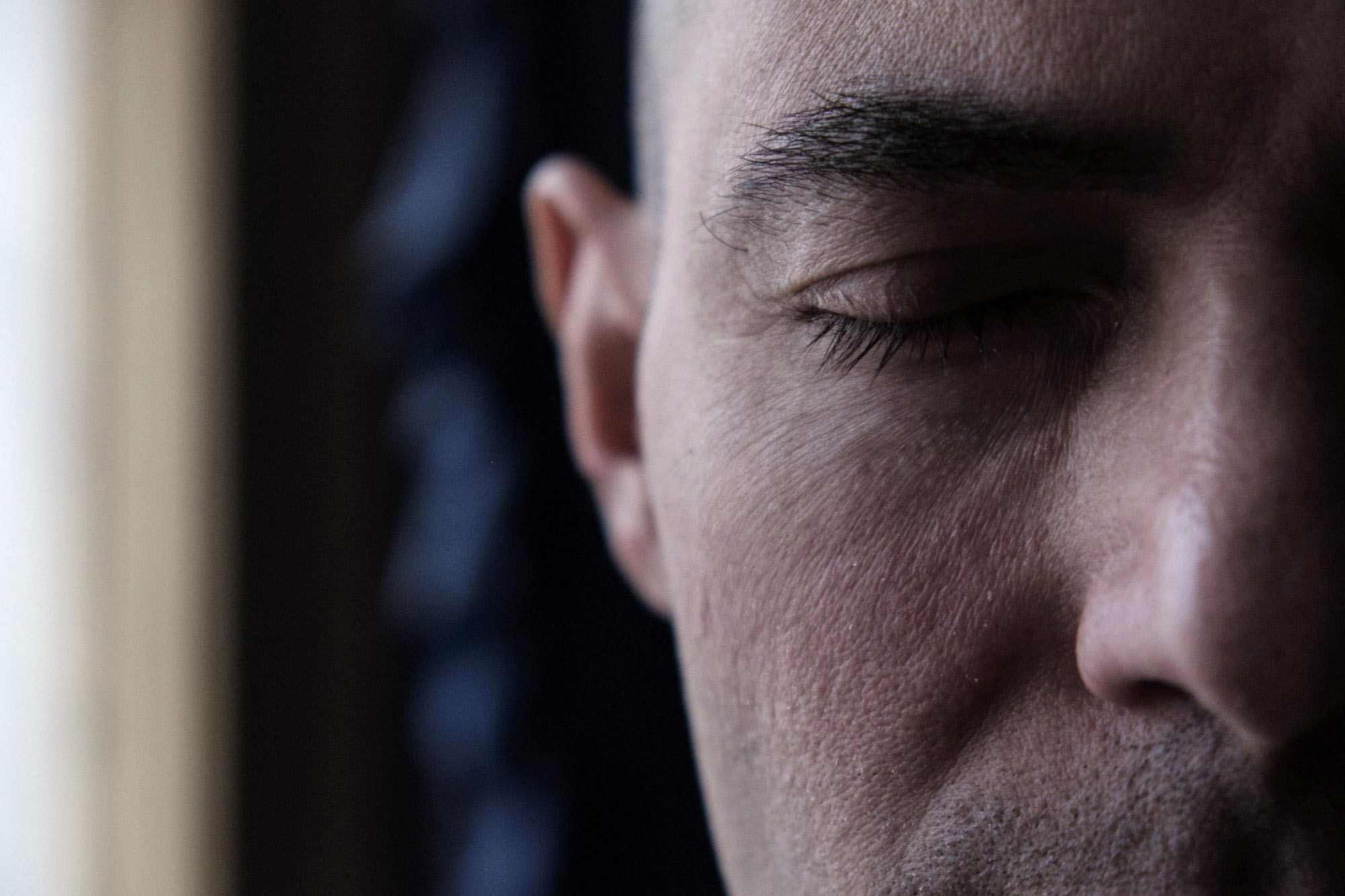
Syrian Feras has been living in Russia for 25 years. Ten of them he fights with leukemia. Due to the consequences of bone marrow transplantation, he does not see well and walks with difficulty. This could be avoided if in Moscow there was a device for photoferez
We help the prevention of complications during bone marrow transplantation collected 3,862,445 R required 3,750,000 rThe collection of funds is over
Syrian Feras in the east hospitable. Five minutes later, I felt at home: on the table of coffee and cakes, Feras smiles broadly and presses my hand gratefully. Now the apartment in the north of Moscow froze in anticipation: in the evening Feras’s mother comes from Syria, and he carefully tidied up and prepared a delicious dinner.
On the walls are icons everywhere. There are as many of them as the paintings usually hang in the artist’s workshop. One of the icons, the smallest, is against the background of a typical Russian landscape: a birch grove and a river that goes somewhere beyond the horizon. Immediately on the shelves under the icons there are drops - for the eyes that dry all the time, and pills - for the lungs, which all the time pamper. But despite all the diseases, Feras is an amazingly cheerful person.
Feras came to Moscow from the Syrian city of Homs 25 years ago. He entered MGMSU (“Third Honey”), then studied in RUDN, and graduated from the MNTK of the eye microsurgery. After graduate school, he worked as an ophthalmologist, rolled on rollers, read Shakespeare. But under the new 2007 year, everything went wrong.
On December 31, Feras was taken to intensive care. He spent all the holidays in the hospital and the next ten years of his life. The correct diagnosis - leukemia - was made only from the second time and chemotherapy began on the same day. In the first year, Feras went through six courses of Chemistry and quickly entered remission. Frats from chemotherapy went on his eyes: he was operated on the cataract twice, and for ten months he almost blinded. The disease blew up Fers's health, but not his principles: “We must believe. It seems to me that no one will take our life from us until we let it go, the exception is only accidents. ”
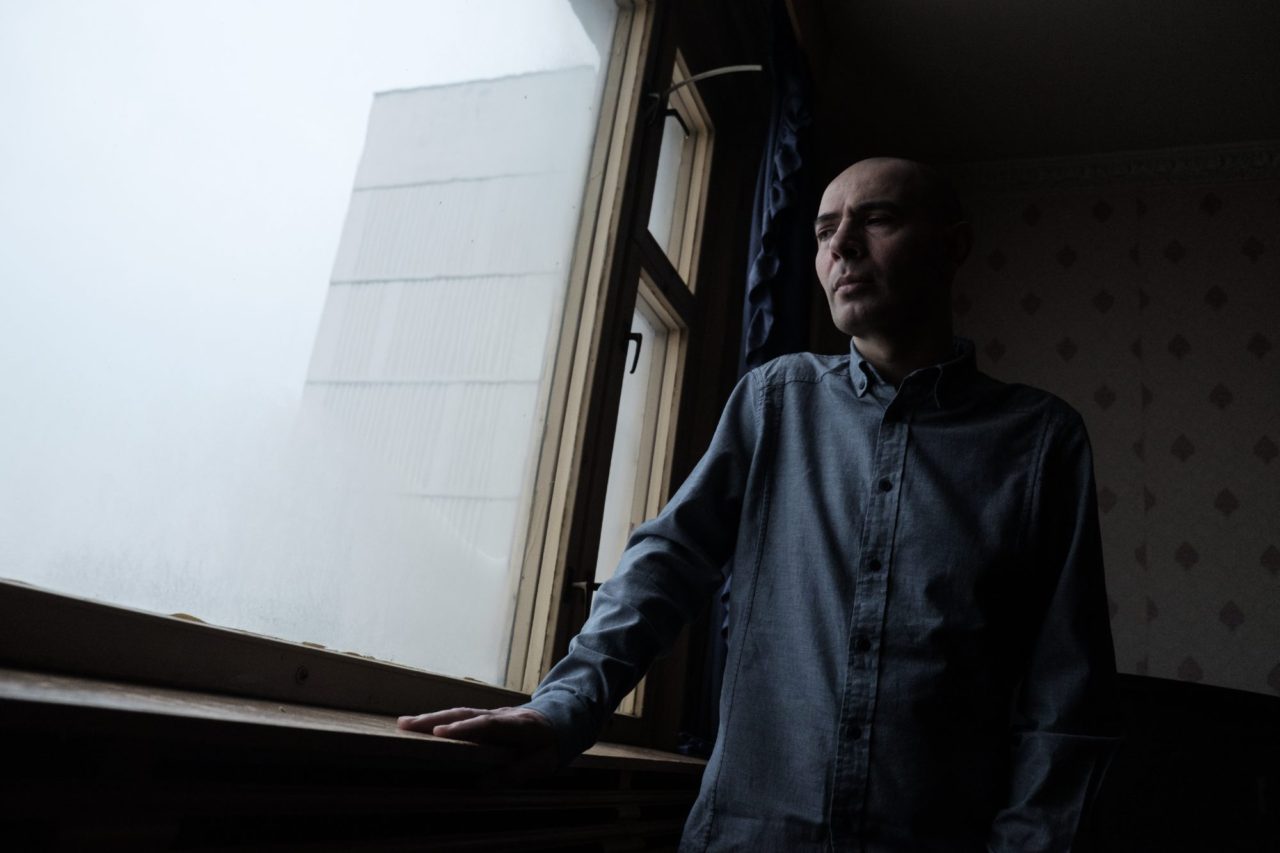 Feras looks from the window of the apartment photo: Anton Carliner for TD
While Feras survived after the courses of Chemistry, the doctors were looking for a donor for bone marrow transplantation. Of the seven native brothers and sisters, only one sister came up. They made a transplant, and Feras remained to learn to live with new cells, which at first did not want to take root at all.
Feras tells about his misadventures very simple and somehow easy. One eye is only a little red due to the recently made injection. Feras is a little lame, but it is impossible to guess that he needs to change four joints. From a long emotional conversation on his cheeks, a light blush performs, but you can’t say that a week ago he suffered fineumonia, probably for the twentieth time.
There are two types of bone marrow transplantation: kinship and non -native (allogene). With related transplantation, the cells take root better, and the consequences are not so serious, but still there is no guarantee that the leukemia will not return. It is believed that if the disease has not returned four years after transplantation, the person is healthy. Two years after the transplantation, Feras rarely appeared in the hospital and again began to work as an ophthalmologist in the clinic, but he was not considered healthy: Cancer came, as for the first time, unexpectedly and again absorbed his whole life. Doctors began to look for another donor - this was the last opportunity to save Feras life.
The only suitable donor lived in Brazil. Feras understood that he could not transfer this operation, but firmly decided to survive and took a chance.
“I would like to know my donor, he is clearly a very good person. Every day I pray for him, and God forbid him health. I hope that if I recover, I will find it. Imagine that only three people are similar around the world: I, a sister and this Brazilian. For seven billion people. " True, the unknown Brazilian slightly tormented Feras: he, apparently, has an allergy to some types of fish, and Feras now cannot eat white fish at all.
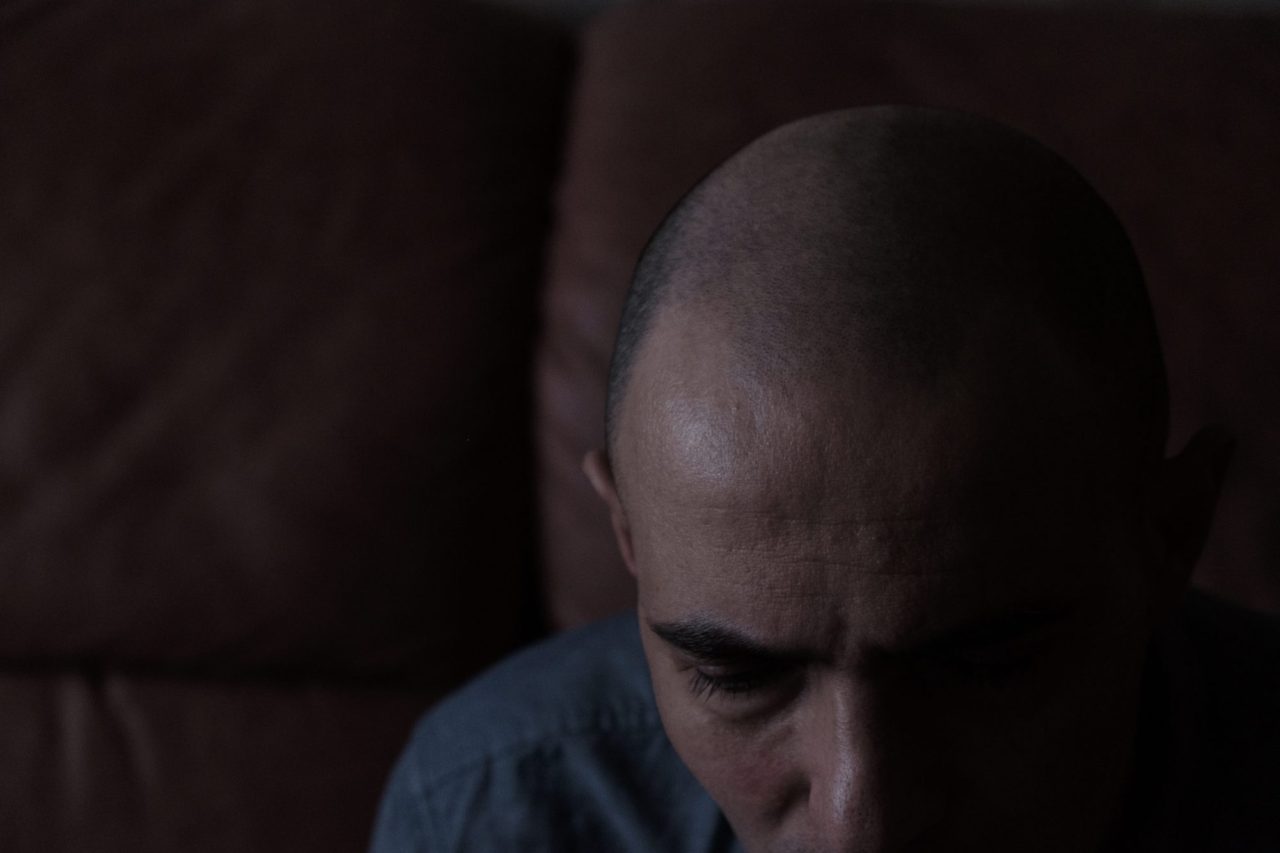 Feras photo: Anton Carliner for TD
If you do not know the history of all the hospital ordeals of Feras, you can’t say that it has passed through the hell of the “transplant against the owner” (RTPH) syndrome - when the cells of the transplanted bone marrow perceive the new organism as one great threat and try to destroy it. And since the bone marrow is an organ of hematopoiesis, it gets to every cell in the body and destroys it. Hence the symptoms: the dying of the skin, the dryness of the mucous membranes, the refusal of some organs to work. Feras began the intestinal RTPH - one of the most complex types of this reaction. For six months he ate only a decoction of rice. At the same time, there were complications from hormonal therapy. Hormones that suppress immunity are used to stop the destructive bone marrow and reduce the symptoms of RTPH. At the same time, it becomes even worse from them: for several months, Feras practically did not sleep due to constant anxiety, eyes fell ill again, the joints swelled, and I had to walk on crutches. In three months, he lost thirty kilograms of weight, and four joints were destroyed so much that they must be replaced with metal ones.
Then the doctors gave Feras the number of the fund of the fight against leukemia, and the fund helped him with medicines. Not all the drugs that people need after transplantation are generally in Russia, and those that are are very expensive. Antifungal, antiviral, immunoglobulin, the state often does not distinguish or distinguishes in very small quantities, but without them a person can die.
“The disease taught me to concentrate only on the good: for example, my knee hurts. But everything else does not hurt! " - Feras in everything is a sunny optimist. And now his main dream is to recover and return to work.
“I believe that God gives power, God in any difficult situation gives patience and wisdom. I also believe in the doctors, I was very lucky with them. Everything that happened to me more approved my faith. Because I realized that God gave us endless resources, and he is with us at any difficult moment, we just have to believe. ”
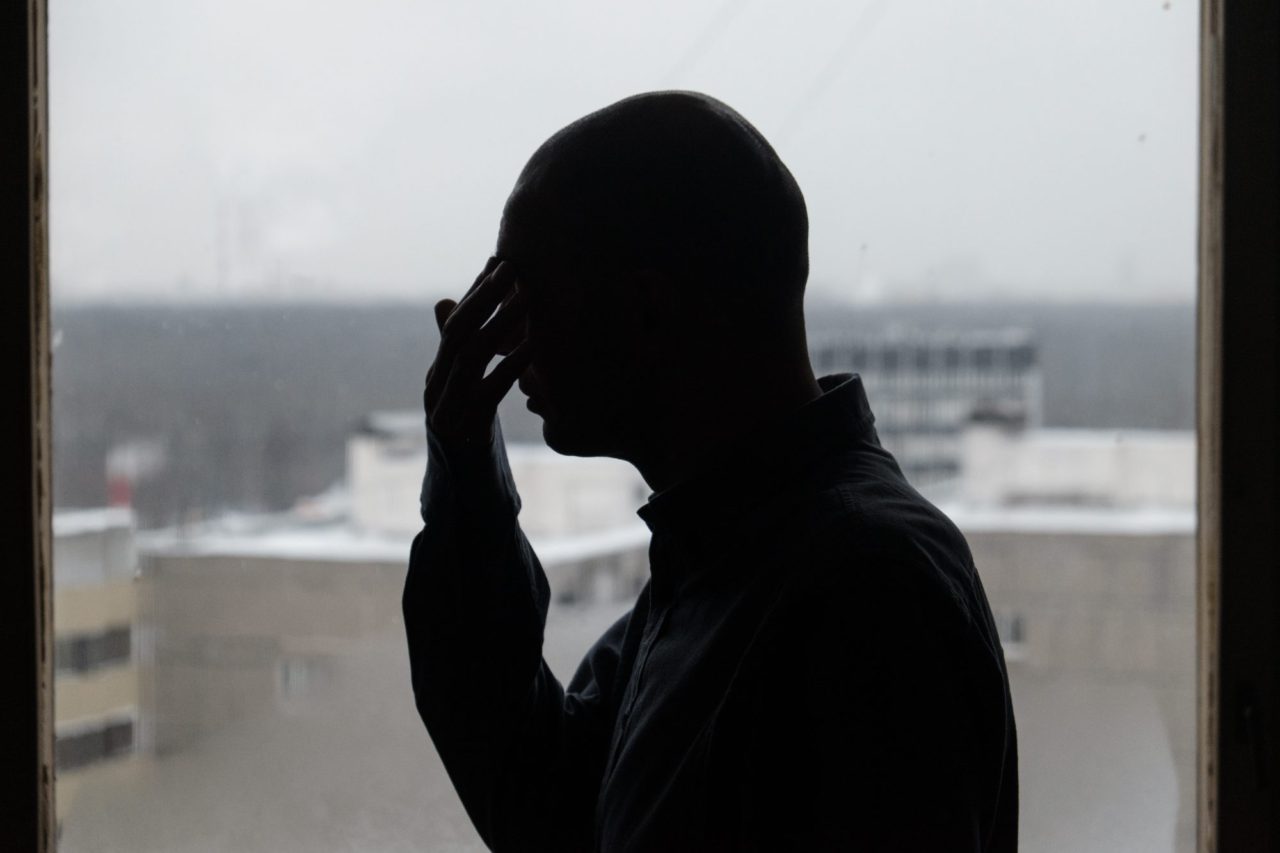 Feras in the apartment of his relatives photo: Anton Carliner for TD
Feras first fell ill ten years ago. Now he can at least sleep, because he no longer accepts hormones. It only cannot work yet, because he still sees badly. There are rarely days when Feras does not go to the hospital. And he will go there for a long time and treat the consequences of hormonal therapy, which not less than RTPH destroyed his eyes, lungs and joints.
The only option to avoid hormonal therapy is a photorese: when they take the patient’s blood and irradiate X -ray rays in a special apparatus, and then poured back. As a result of irradiation, leukocytes lose the ability to attack human immunity, and RTPH passes. But in the largest hematological scientific center in Moscow, where most bone marrow transplantations are made for adults, there is no apparatus for photoferez, because the Ministry of Health does not have money for it. And the photoreza should be carried out directly in the clinic where the patient lies.
Ten years ago, the Chulpan Hamatova charity foundation raised money for a photo pavez for children, and since then the survival of children with blood cancer has grown ten times.
They have not found money for adults for adults. But if our state believes that seven and a half million on a device for photoferez, and in other words, to save Feras and thousands of other patients, that is, those who consider it differently, right? And if we regularly sacrifice some money, then very soon the fund of the fight against leukemia will be able to buy this apparatus, and survival after bone marrow transplant in our country will increase sharply.