
Translated material
Old Believer treasures from Karelia

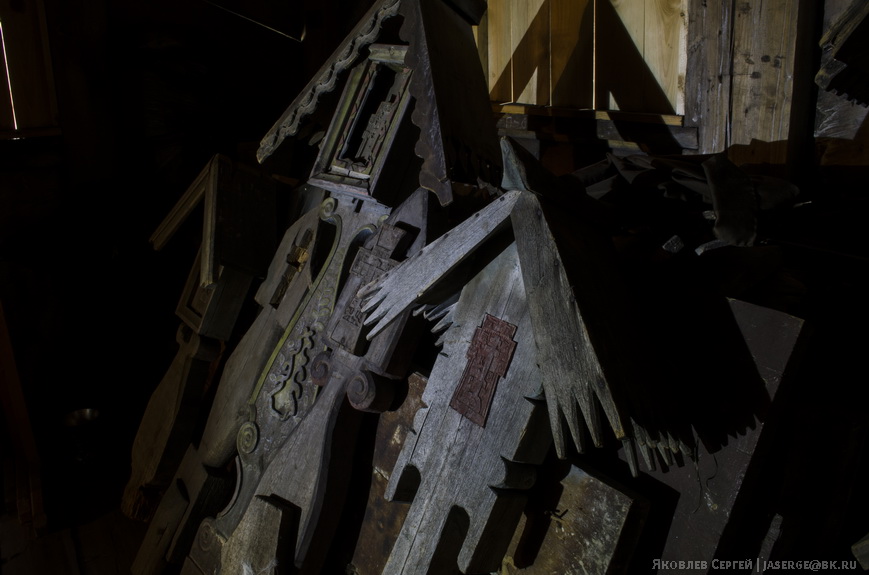
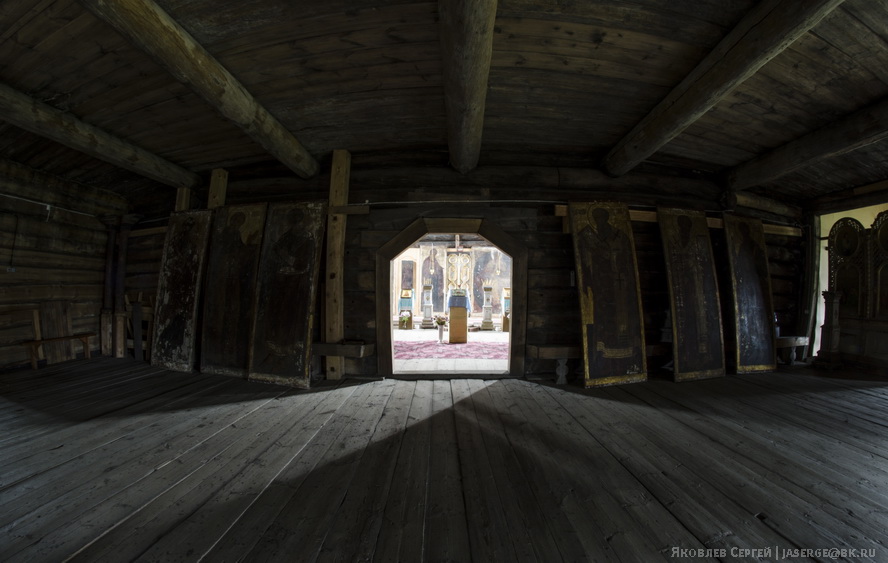
In secluded places - in attics, in povets, in woodsheds - unique Old Believer treasures are hidden. These are gravestones of Old Believer wooden carved crosses. These monuments are extremely valuable, original and rare. And they can well be called a kind of “wooden gold”. There is a wonderful collection of such crosses in the Kem Assumption Cathedral; it is usually closed and getting there is not so easy, but during one of my trips I managed to get inside this ancient temple of the 18th century.
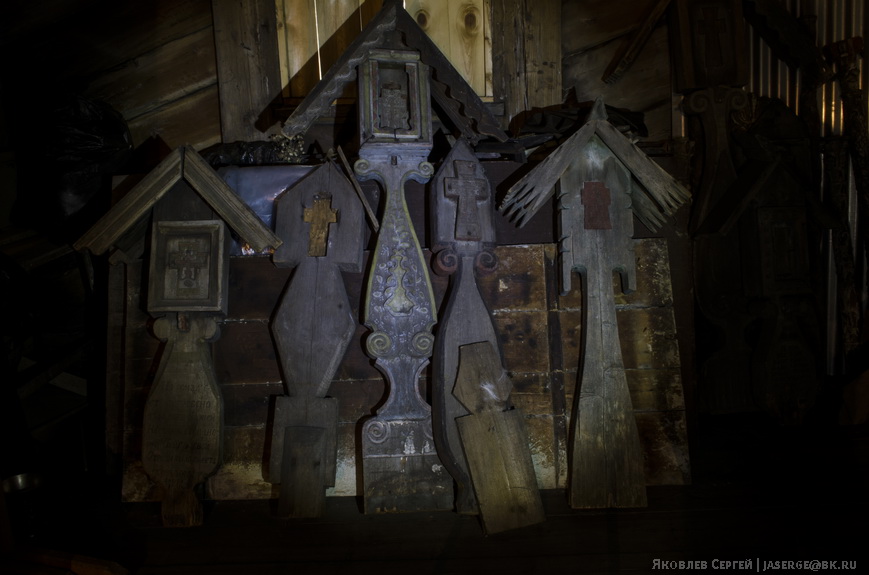
Other names for similar crosses are column, golbets
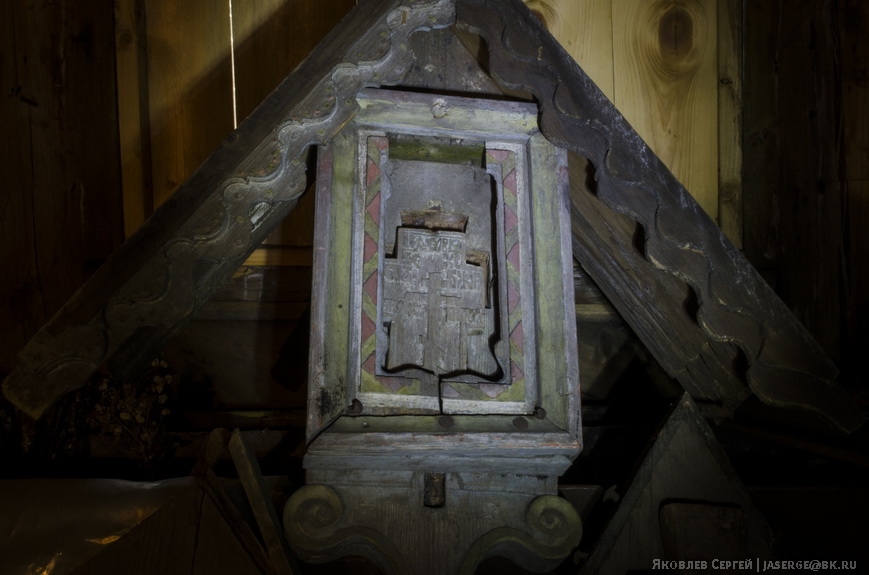
In Rus', the word “stuffed cabbage” had several meanings. First, a gravestone. Second, a structure covering the descent into the underground (where all the undead lived). All these meanings go back to “depth”, “grave”.
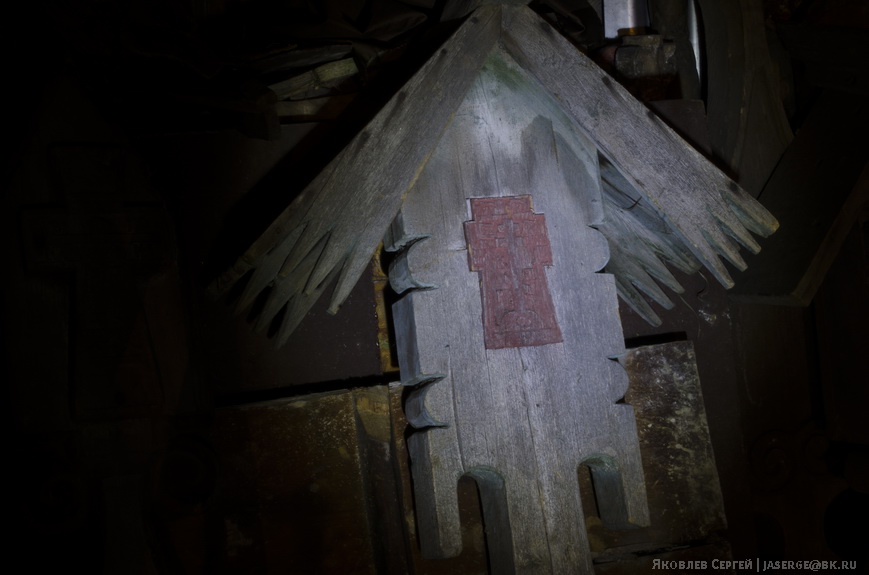
Stuffed cabbage rolls were banned by the Orthodox Church. Maybe this was due to the persecution of the Old Believers, or maybe with the pagan roots of the tradition of installing cabbage rolls.
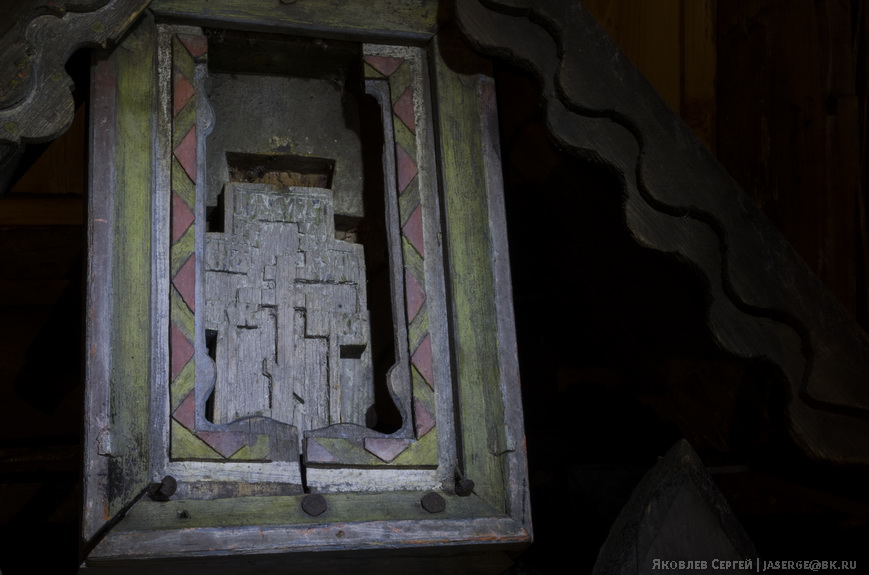
In Karelia, cabbage crosses became widespread, and the Old Believers were strong here. Such crosses often became the object of attention of scientists, for example, an expedition of the USSR Academy of Sciences led by I.V. Makovetsky to the village of Shueretskoye on the shores of the White Sea (former patrimony of the Solovetsky Monastery).
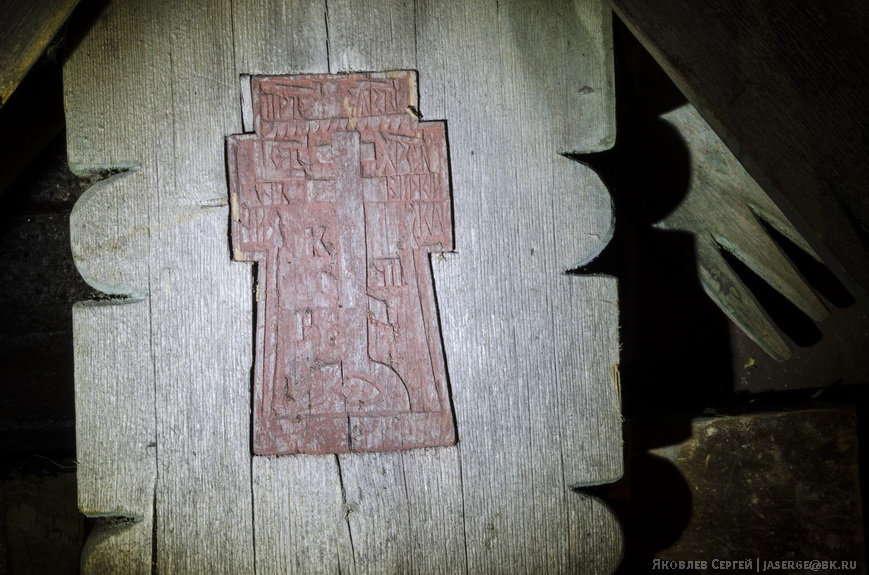
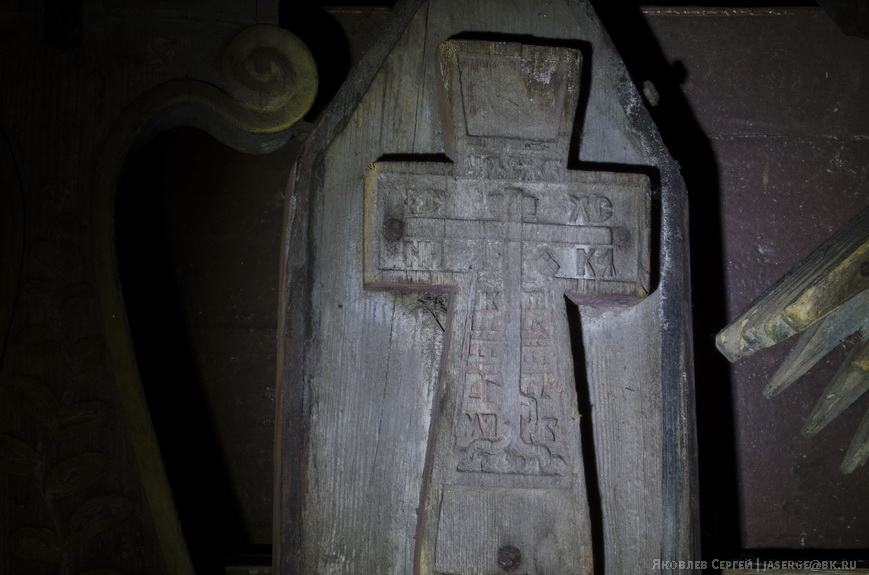
Then the rarest examples of cabbage rolls in the form of columns with icon cases were discovered and recorded; they were processed with carved beads, ropes, croakers, grooves, towns and other motifs found on the most ancient monuments and on the houses of Zaonezhie.
The cathedral itself, where the crosses lie in a pile, is a great attraction. It was built at the beginning of the 18th century. Now it is quite well preserved, thanks to the restoration of the 60s of the 20th century, carried out by Opolovnikov. The height of the temple is 35.5 m.
Now the cathedral has been transferred to the Kemsky Annunciation Monastery.
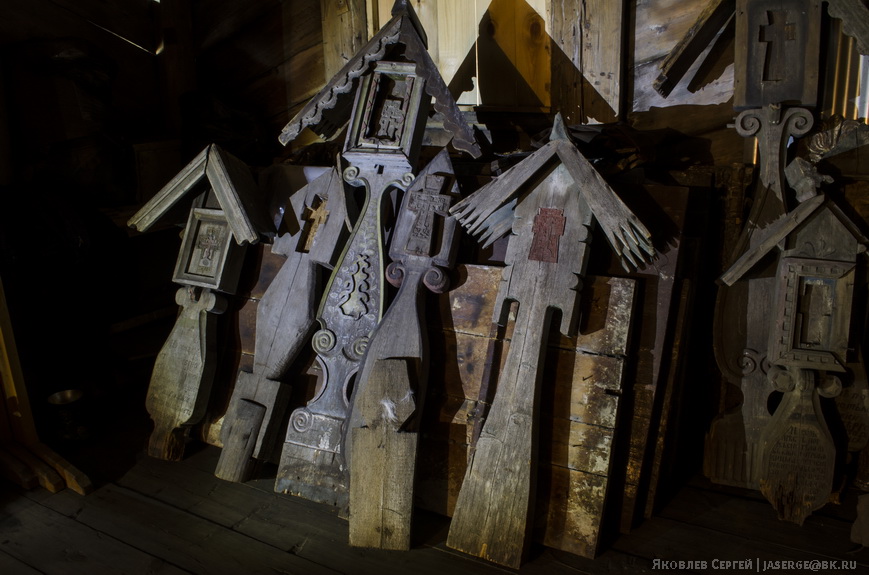
There are other crosses in the temple and chapel nearby, no less interesting.
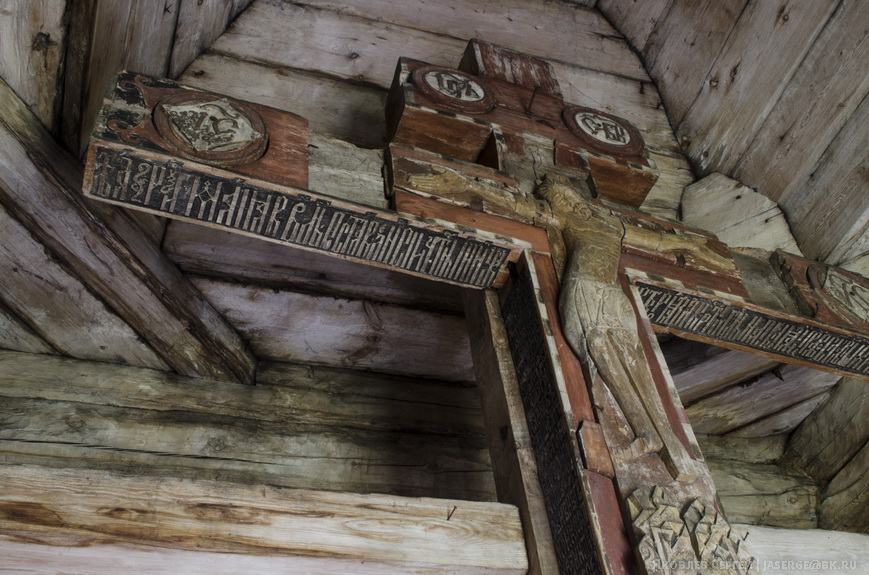
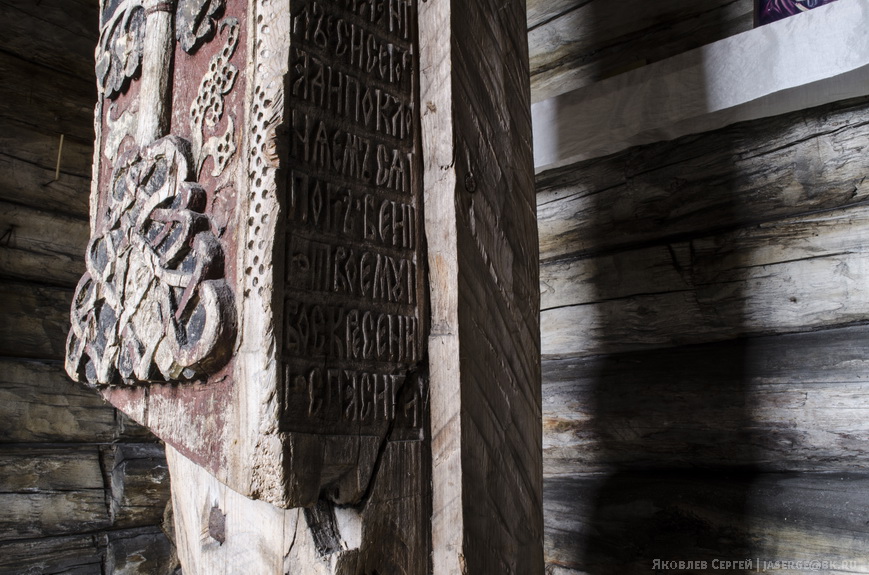
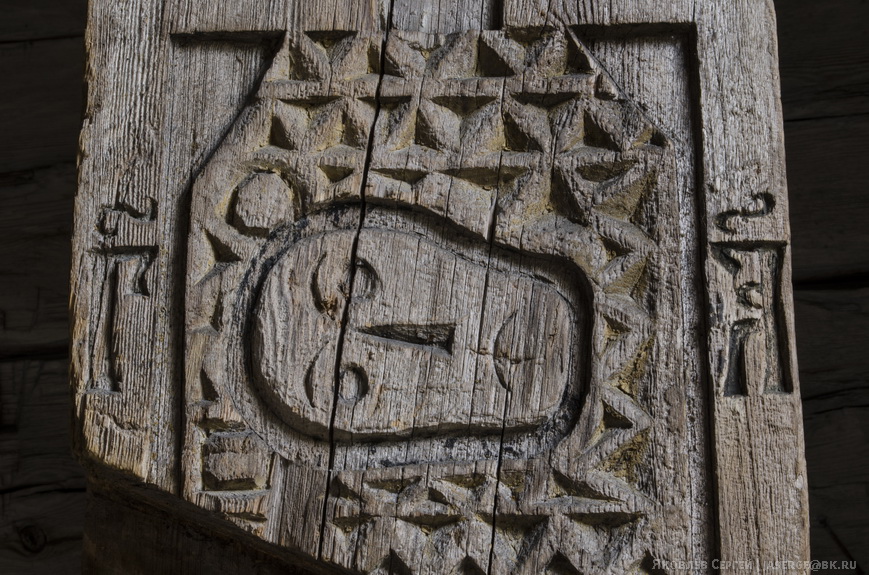
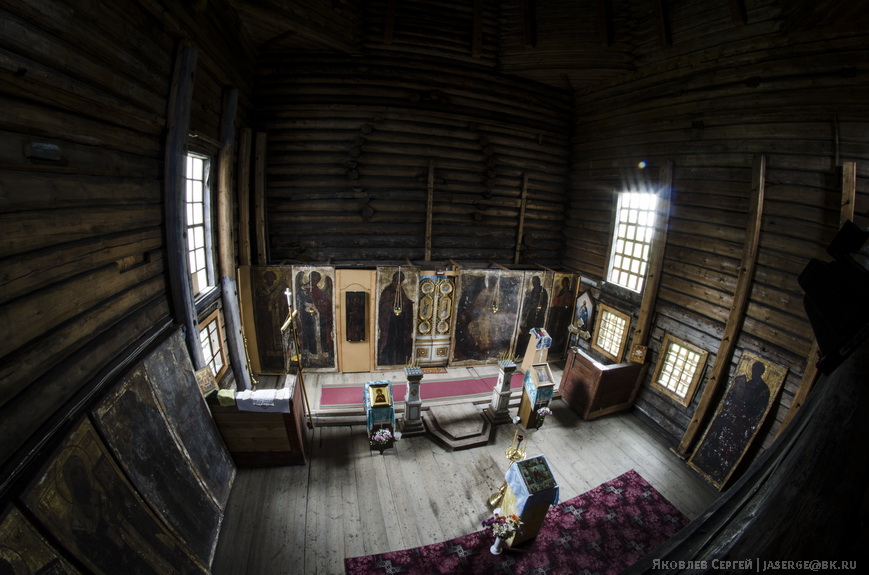
One of the aisles of the temple.
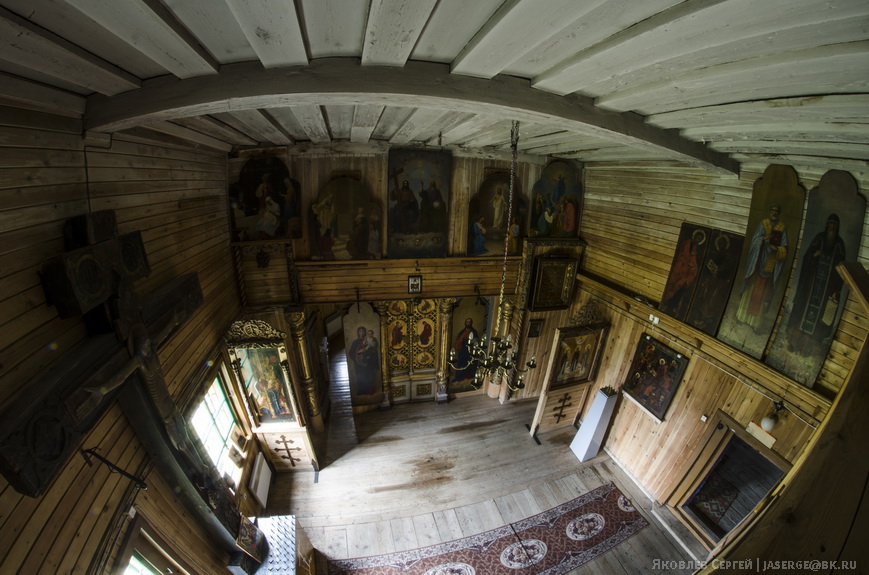
Also preserved inside is the Deesis tier of the iconostasis.
And this is the refectory. “Issues about the construction of ships and warehouses were discussed here, and disputes flared up between traders and fishermen. The “worldly spirit” of the refectory was also consistent with its decoration: planed walls, simple benches without an “edge”, sparsely cut pillars and two stoves in the corners adjacent to the entryway (currently they do not exist). From the refectory you can go to the three “pillars” that surround it” ( I.A. Bartenev, B.N. Fedorov. Architectural monuments of the Russian North ).
Now the cathedral is being restored and it is unlikely that it will be possible to get inside, but they promise to complete it by the winter of 2017. I don’t know whether the cabbage crosses will be in place. Hope.