
Translated material
Teaching is darkness
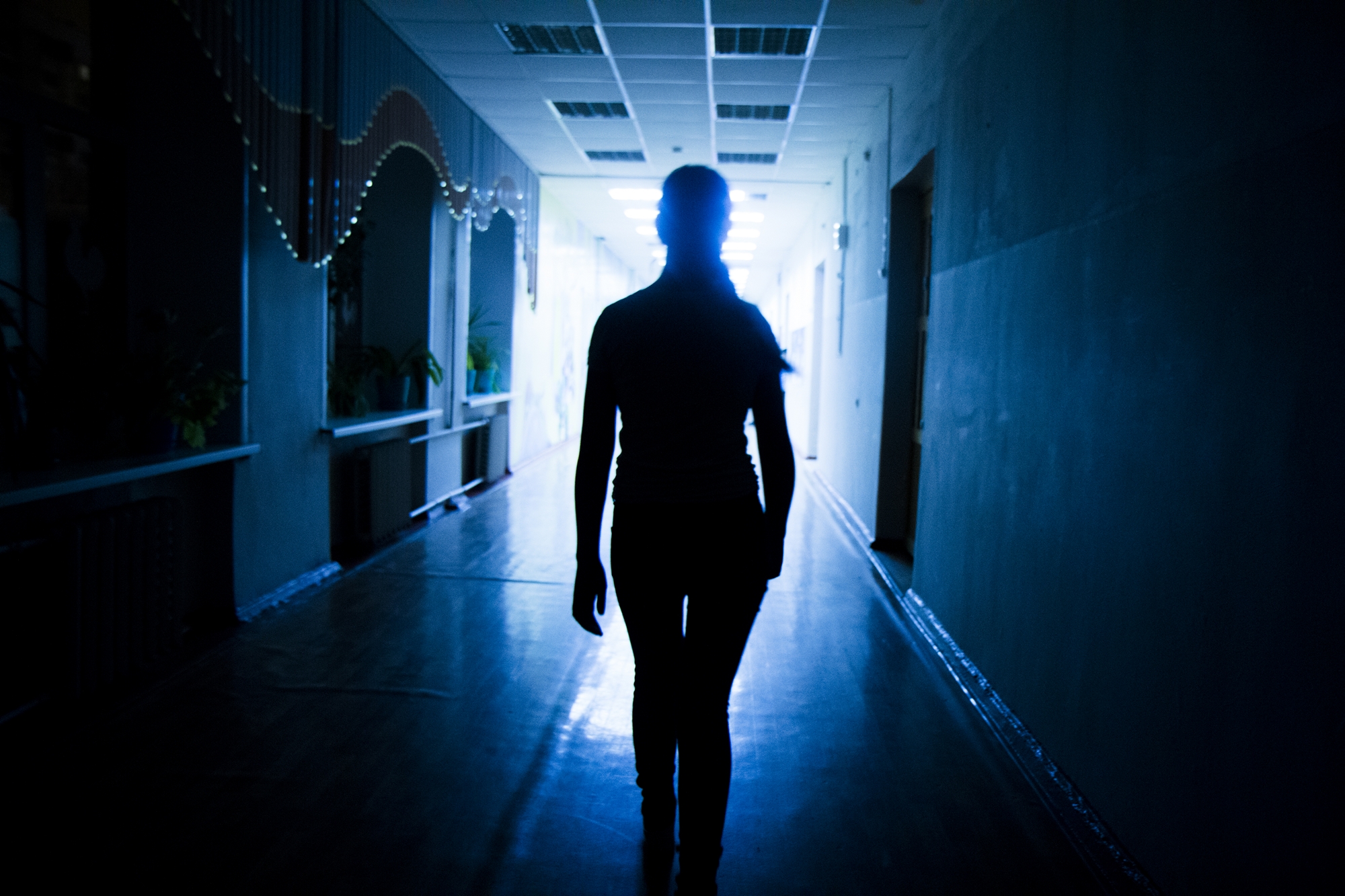
200 kilometers to school: how blind schoolchildren get to the place of study every week
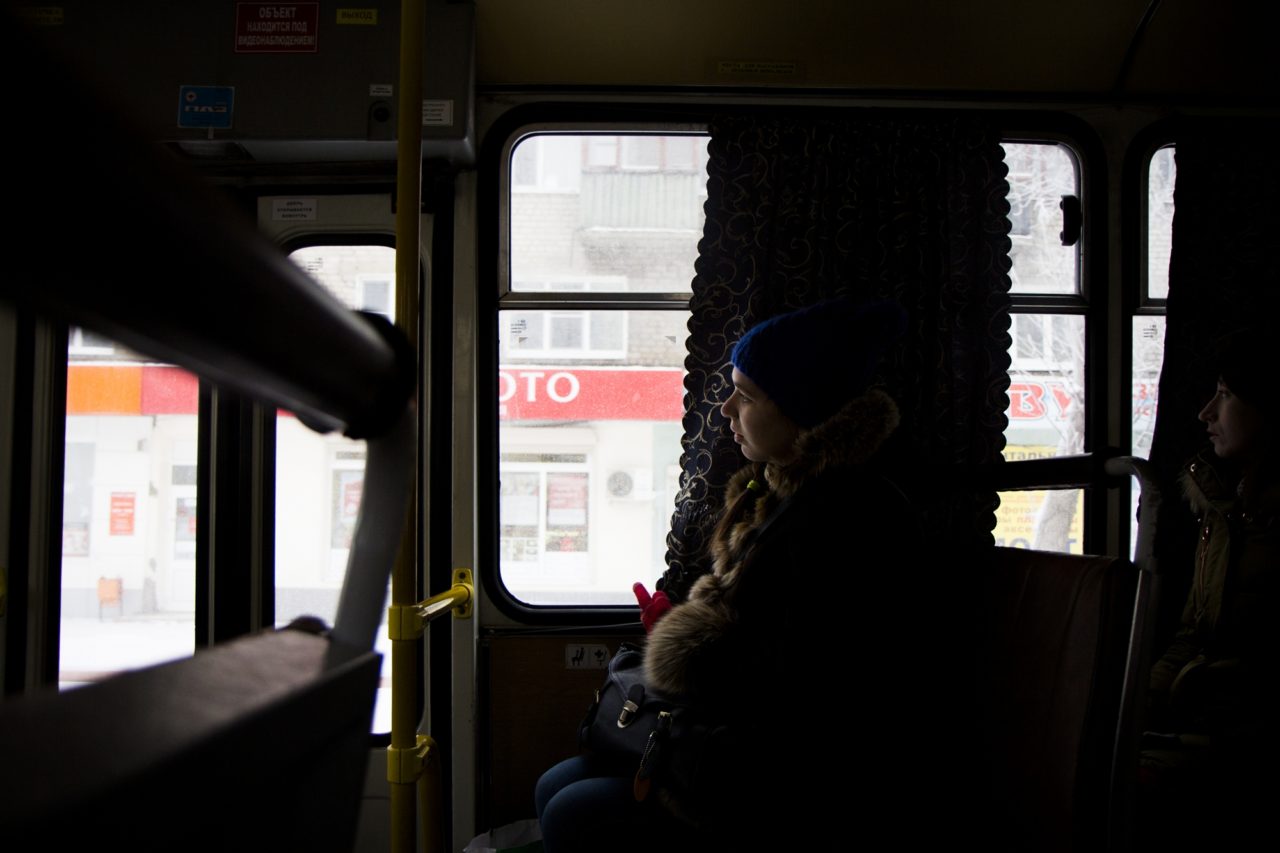
Seven in the morning. Minus twenty degrees. At the stop in the village of MAZ four people - we are with the seventeen -year -old Ksyusha and two men. Ahead of Ksyusha and I eight hours of road to a boarding school in Samara - two buses, an electric train, metro. A weak -winging girl makes this path twice a week.
***
Since September 2016, students of the Samara boarding school for the blind and visually impaired No. 17 can no longer stay at school for the weekend. The school switched to a five -day mode of operation, and now on Friday the students need to go home, and on Monday to return to the first lesson.
21 people live ten kilometers from the school, and they are inconvenient and expensive to ride. Among them is Ksyusha. She studies in the 11th grade, lives in the village of MAZ, it is 200 kilometers from Samara.
Ksyushina has two daughters and three sons. Of the five children, the three vision problems - Ksyusha and Fedya were born with glaucoma, later they developed cataracts, Seryozha had strong astigmatism.
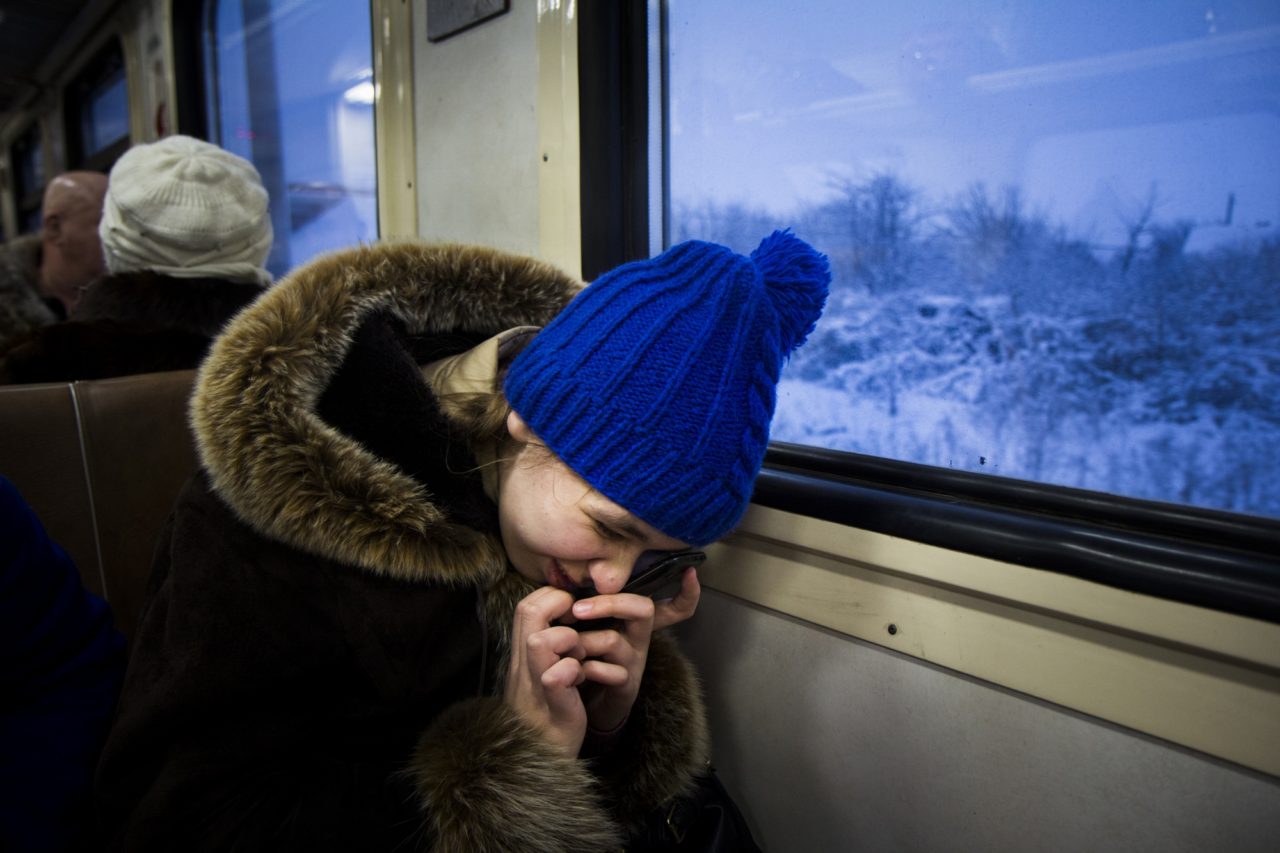
Ksyusha does not see his right eye and very poorly left. The girl distinguishes between colors, vaguely sees large objects and reads large -bore books. He uses mobile - to dial the number, to the end he brings the screen to the left eye. More than anything, Ksyusha is afraid of darkness. Not because monsters live in it, but because in the darkness Ksyusha does not see anything at all and does not orient himself.
First stop: MAZ
Maza is a small village 28 kilometers from the Shigona district center. They do not catch MTS and Beeline, there are three students in a local school, and you can get out of there on a rare minibus or with local men who are earned by caring.
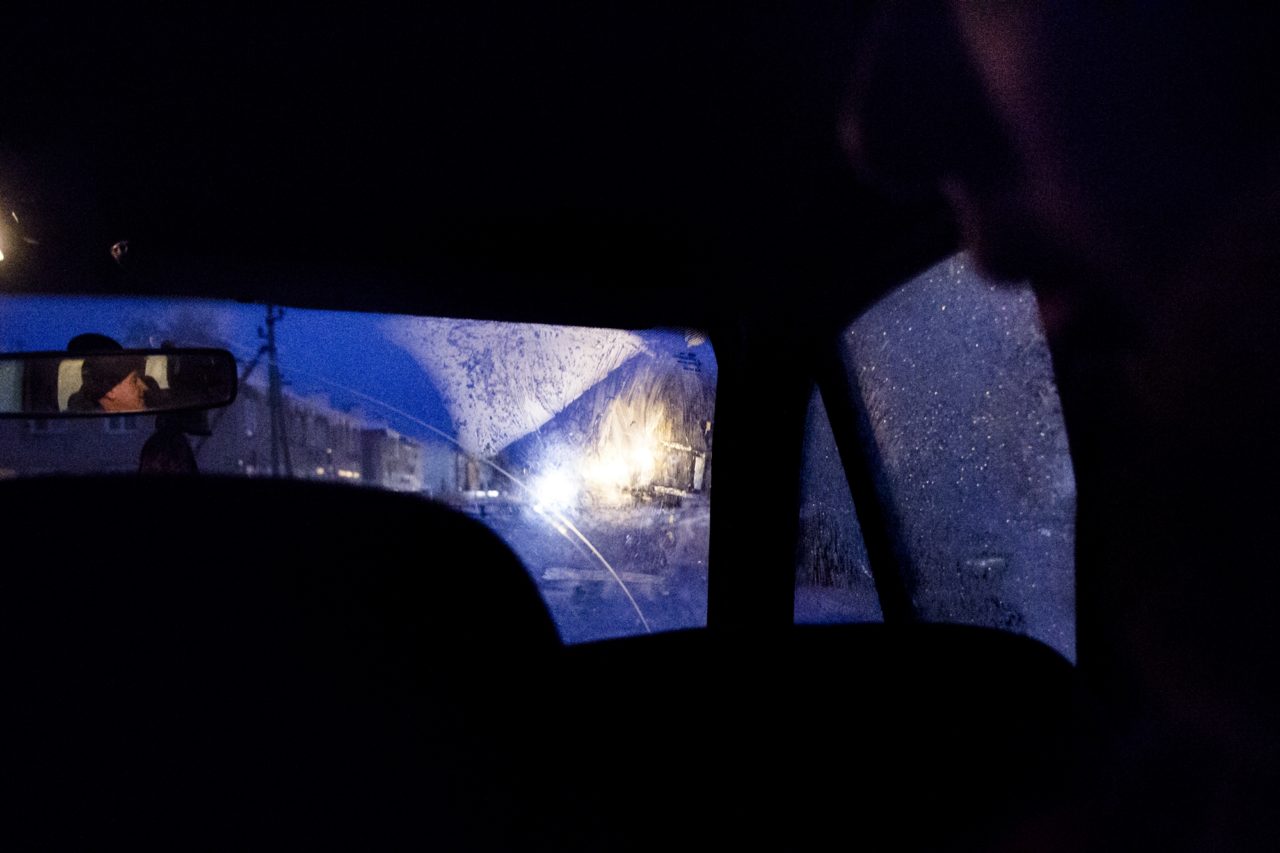
The photographer and I come from Samara in Shigona on Sunday evening by bus. Transport does not go to the MAZ, so the mother of Ksyusha Tatyana comes for us by car with a local librarian. She is not used to it: she has to go for her daughter to Shigon every Friday. For the road, the librarian takes 500 rubles.
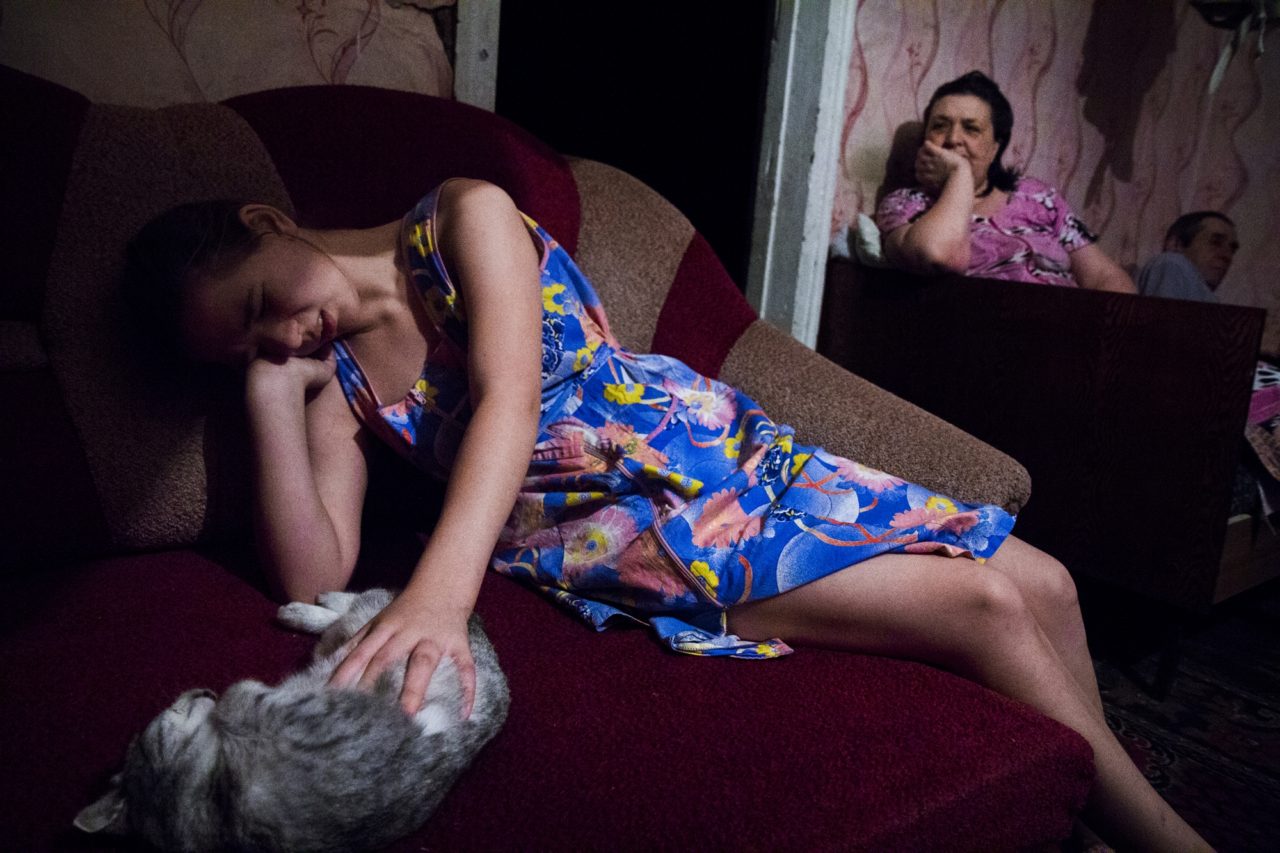 Ksyusha, her mother and stepfather's photo: Kristina Syrchikova/Schschi for TD
The Zamytski family lives in a wooden house without amenities - a rural classic. There are few places in the house: the kitchen and one room, most of which occupies the stove. However, closely here on the weekend, when the children come. On weekdays, there is only Tatyana, her civil husband Alexander, the youngest daughter Natasha and three cats. The eldest son Fedor is studying in Samara in the magistracy, Sergey at Togliatti at the school, Victor works in Togliatti, and Natasha studies in the third grade in the neighboring village.
Problems with vision were transmitted to Ksyusha and other children inherited from his father - he has a glaucoma. He threw his wife and children when Ksyusha was very small.
Tatyana does not work: all her life she takes care of children with disabilities. The roommate is also unemployed - fishing feeds a little. The main income of the family is pensions and benefits of children in disability. For Ksyusha, for example, the state allocates 5500 rubles. Tatyana is very shy about the poor atmosphere of the house and admits that it was always difficult, but now that Ksyusha spends a thousand rubles weekly on the road to the boarding school, it has become even worse.
Ksyusha is going to study at Samara - she learned all the necessary turns and stops. Local drivers know her: at the request of her mother, they help to sit in transport.
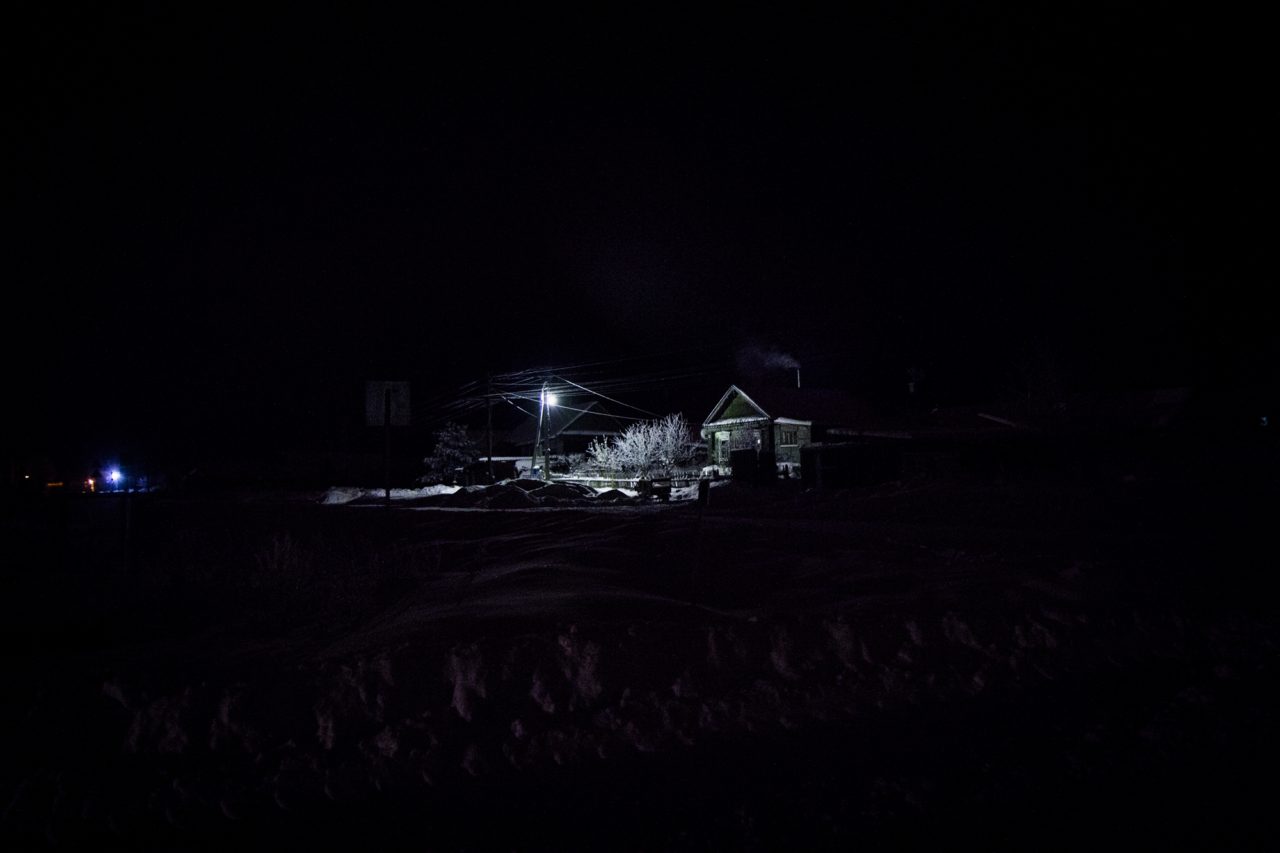 The village of MAZ photo: Kristina Syrechikova/Schschi for TD
“The fact that Ksyusha will no longer be able to stay at school for the weekend, I told me, you won’t believe it, the son of Fedya,” says Tatyana. -He recognized from somewhere and called me. Now Ksyusha misses half the lessons on Monday and the whole Friday. To leave home on Friday, she has to leave school early in the morning. She arrives by train in Syzran, transferred to the bus and travels to Shigon. And from there nothing goes. So every time I ask someone to take me after her. And this is 500 rubles. But the most offensive is that Ksyusha has problems with study. She put deuces for passing the lessons - in literature, geography. These items, as luck would have it, on Monday and Friday. She roars constantly. And do I hire a helicopter? How to ride something? "
To prepare breakfast for her daughter on Monday, Tatyana gets up about five in the morning. The first from her steps and bright light, cats wake up, and then the whole house.
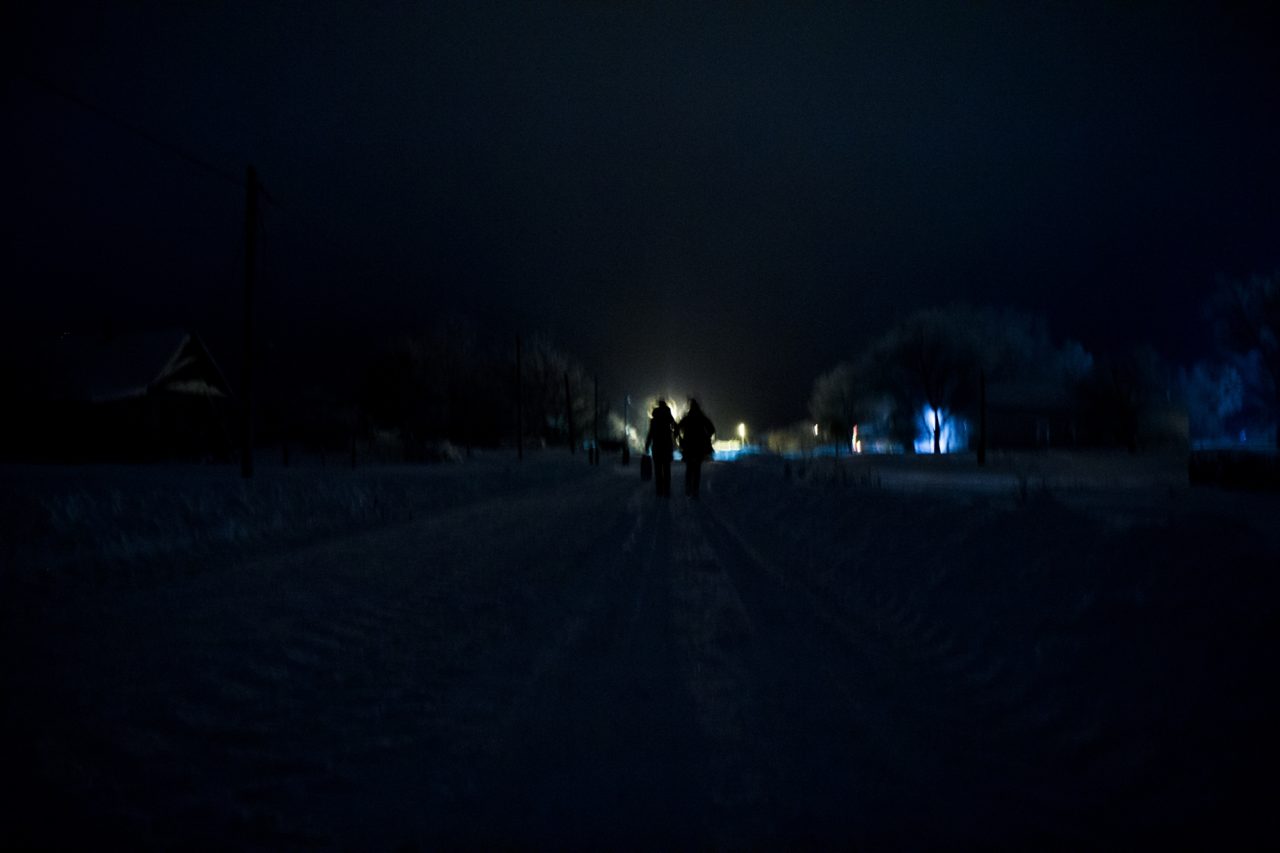
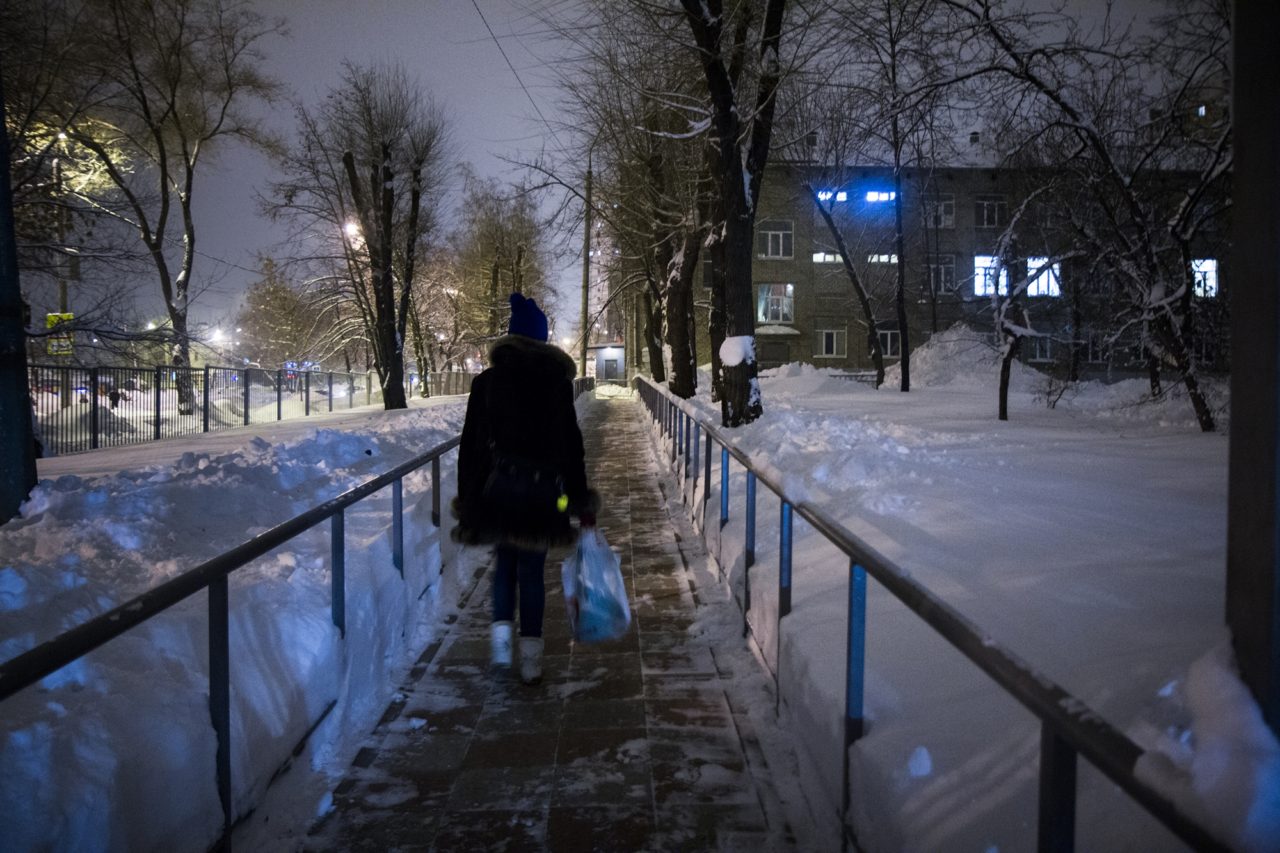
Usually, a mother escorts Ksyusha to a stop: even on the usual road to go to a girl in a pitch darkness. Today, instead of my mother, I - I hold Ksyusha tightly by the hand while we go to the stop along the snowy highway.
The minibus arrives at 7.30 in the morning, to Shigon half an hour drive. During this time, in cold transport, my legs freeze to death, but Ksyusha does not complain - I got used to it.
Second stop: Shigons
Typically, in Shigon, Ksyusha is transferred to the bus at 8.30 and rides to Syzran. He sits on an electric train and gets to the boarding school by two hours. Today she needs to go to the clinic - after the holidays, she needs to take a certificate of health for the school.
It lights up, and Ksyusha becomes more confident: he lets go of my hand and tries to go ahead. On an unpeeled road, her legs fall into snow porridge - the girl sways, but continues to go confidently.
To the pediatrician queue. Ksyusha takes a short haircut for a woman and sits nearby, so as not to lose sight of her. A few minutes later, the woman leaves without warning Ksyusha. The girl begins a panic: she does not know who the woman was for, and will not see her when she returns. We sit closer to the office, I fix everyone who came after us.
Ksyushina Medcard is very thick. "Inborn glaucoma, cataracts, complaints about the blindness of the right eye and severe headaches."
"I get headaches often. Very much. When there are many lessons, when I worry about something, ”says Ksyusha. -On Mondays and Fridays, it usually always hurts-because of the tedious road. Tablets do not help, I just endure. "
An hour later, when five people remain in front of Ksyusha (some went out of line), a man with a child squeezes past her. The skirmish begins in the line, and then Ksyusha gets up.
- Man, how are you not ashamed? She says. “We have been sitting here since eight in the morning!”
- But I need!
- Everyone needs, have a conscience!
- I occupied, just left!
- I don't care when you occupied, you were not here for an hour! Now I will go, and the point.
Having received a certificate, Ksyusha explains that the first time when she walked around the hospitals, she always cried. Because people, using her blindness, often squeezed out of line and even rude. She had to learn to defend her rights.
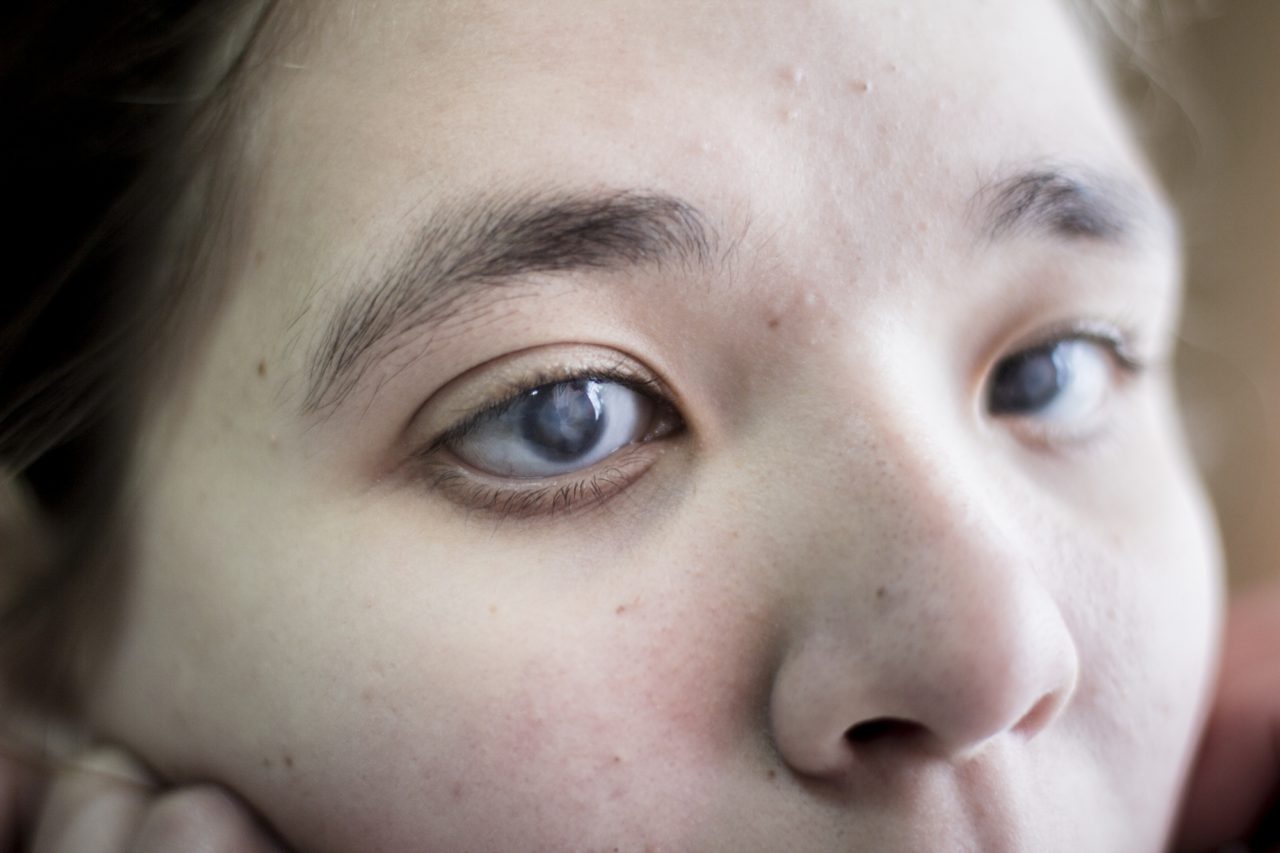 Ksyusha has blindness of the right eye, congenital glaucoma and acquired cataracts. The left eye has vision 2% photo: Kristina Syrchikova/Schschi for TD
The bus from Shigon leaves at 13 o’clock and goes to Syzran an hour. Another hour will have to sit at the station in anticipation of the train. We are shorting the time to the bus in a small cafe - there is warm and cheap tea.
Ksyusha says that she likes to study, although it turns out not too well: she does not understand some objects. But he loves literature and books very much-he constantly reads something, participates in the competitions of readers. The last thing that shocked her was the “poor Lisa” of Karamzin. Speaking that the literature teacher puts deuces for absenteeism, Ksyusha is barely restraining so as not to roar.
“What I missed should be taken. The only option is to do it at a break. The teacher does not always accept me, in the mood. And all the time he says that I should be in the lessons. This is so unfair! "
Without ten hours, we come to a stop. There is no bus yet, nobody is also nobody. Ksyusha is nervous, and not in vain. It turns out that the driver left ten minutes earlier. "Is it possible to do this?" - Ksyusha is upset. The next bus is two. This time we come to a stop at half -past 3 in order to have time for sure. The bus has not yet come up yet, and Ksyusha is already thinking about how he will run to the train: the train will come to Syzran back, there will be five minutes to transfer.
- Well, how do you like this quest? - Ksenia asks with a smile already on the platform. We managed to run, even a couple of minutes remained.
“Horror,” I admit. - I froze and really want to sleep.
- And I still have lessons tonight.
Third stop: Syzran
There are many people on the platform. Ksyusha distinguishes backs and shocks: getting into the train is the most difficult part of the quest. As soon as the train approaches the platform, people break into the door. The crowd sucks me inside, I turn around and see how Ksyusha carries a human stream. She tries to grab the railing, but misses. I grab her hand, help you climb. Ksyusha breathes heavily: “This is like this every time. I am always scared precisely at this moment, when everyone shoves. People do not see that I'm blind. And if they saw, it was unlikely that something had changed. In the summer, while landing in the train, a little boy was broken. And once, already at the exit, the child was pushed out of the train. I was below, he flew on me - I could barely catch it. ”

I ask Ksyusha what she does in Samara except for her studies, where she likes to walk. He replies that they have eight to nine lessons in their schedule, then they need to do home. And with whom and where will she go? A large city scares the blind girl with the number of roads and pedestrian streets. Therefore, her whole world - lessons and books - is enclosed in a boarding school and a small wooden house in Maz.
Fourth stop: Samara
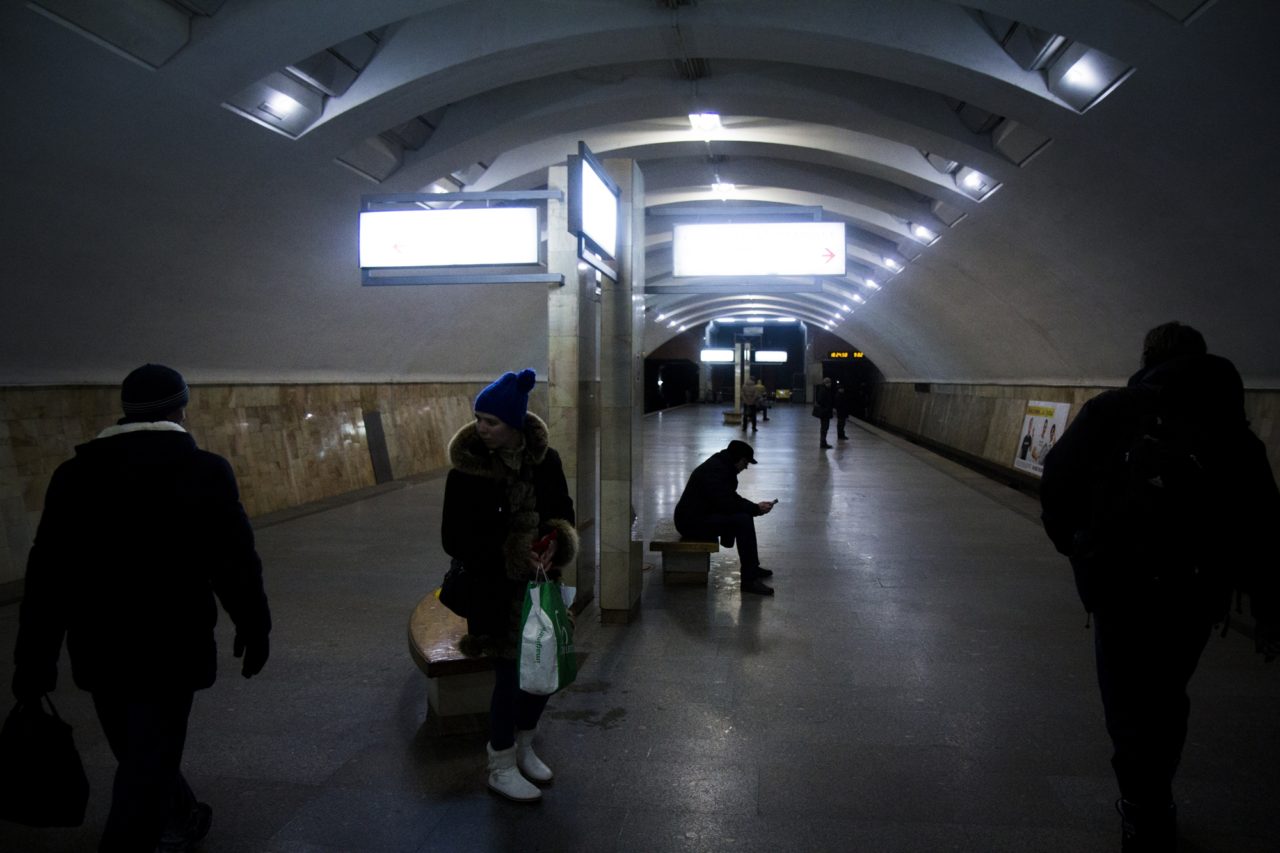
In Samara, Ksyusha enters the five -year plan station. Time is the seventh hour, it is dark again, and the boarding school is still quite far away. Leaving the train, she almost runs to the turnstile. While the wagon doors are open, the snow underfoot is slightly illuminated. And it is necessary to have time to run up until a terrible darkness has come.
We are walking past the Kirov market. Ksyusha hardly gets forward along the snow porridge. “I wish our sighted deputies tried to walk from the train to school,” she said unexpectedly. The woman walking towards the girl almost knocks the girl off her feet: Ksyusha does not see the approaching figure in the dark. When a collision occurs, she does not pronounce a sound and, slightly staggered, without a shadow of reaction on her face goes on.
Along the way, Ksyusha almost crashes into an iron fence, stumbling several times, but reaches the subway. Friendship comes out at the park - you need to go through it all. And then, finally, we got.
It takes 40 minutes on the road from the train to the boarding school. When Ksyusha does not stop in the hospital and arrives in the afternoon, it turns out faster. Already seven in the evening, before going to bed you can have time to make lessons. Ksyusha says that there is no strength, and all she wants to go to bed. I understand her well: the twelve -hour road was tired of me. And what the blind girl feels, for whom this whole path is also difficult to physically, is difficult to imagine.
“You’ll come home,“ be sure to call me, ”Ksyusha warns. “I will worry.”
"Nobody complains"
Anna Patokina, deputy director of the boarding school for educational work, does not understand what the problem is. She refers to the approval of SanPiN 2.4.2.3286-15 . He says that nothing unnatural that students can now remain on the weekend. Moreover, no one complains.
“Since September 1, 2016, our boarding school, like other educational institutions in Russia for students with disabilities, switched to a five-day school week. We held meetings by classes, then the parent conference. And they brought to the attention of their parents that children will no longer be able to stay with our weekend. They did not ask us a single question, and not a single complaint came from them. ”
I studied the situation of sanitary and epidemiological rules and standards of SanPiN 2.4.2.3286-15 and did not find a point in it that for the weekend students should go home from boarding schools. In the paragraph of General Provisions, for example, there is subparagraph 1.1, which says the following: “... Sanitary rules apply to organizations that carry out educational activities for adapted basic educational programs for students with disabilities (hereinafter referred to as students for students with disabilities) with daytime or round -the -hour (year -round) stay of students with disabilities ...”
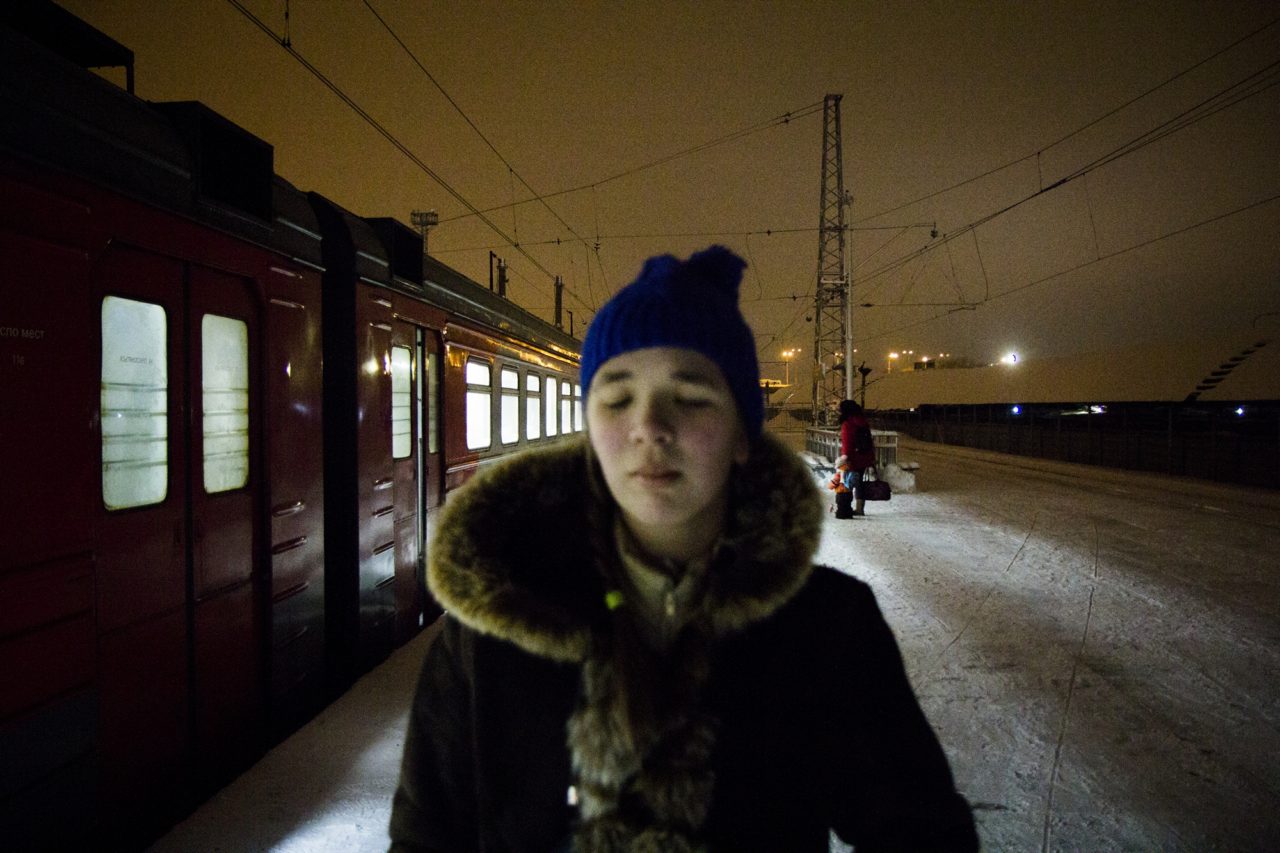 In the evenings, Ksyusha tries to run to the terminals until the train moved away, because then it will be completely dark. And in the dark, she does not see anything photo at all: Kristina Syrchikova/Schschi for TD
When asked why the five-day school week prevents nonresident students from staying in the boarding school, as it was before, Anna Patokina replied that until 2013, orphans were studied at the boarding school, who lived in it year-round. And the children from the districts lived with them. Since 2013 , the legislation has changed, orphans in the boarding school are no longer studying.
“Now we are not equating to orphanages, and the state no longer allocates money for the living of children on the weekend,” she explained.
- But what about 2014, 2015 and half of 2016? How did the students remain on the weekend all this time, despite the lack of funding?
- Then they needed one day, and now it has become two days. In the fourteenth and fifteenth years, few children remained for the weekend, two or three people, and these were exceptions to the rules.
Anna Patokina said that if her parents turned to her and explained that they were uncomfortable to take the child to study on Monday and take on Friday, the leadership of the boarding school would meet and made an exception. True, once and one of the weekends.
- We can, for example, leave the child until Saturday or allow us to come on Sunday. Not constantly, but if necessary. There is a law, it is one for everyone. But we can find points of contact.
Ksyusha Primetsky Patokina knows about the situation. He says, with her family, the leadership of the boarding school is “difficult to cooperate, Ksyusha’s mother does not communicate with us.”
At the end of the conversation, Anna Patokina made it clear that the initiative to “turn” Saturday and Sunday does not come from the leadership of the boarding school.
- We have a Ministry of Education, we have many bosses over us, our actions are regulated by more than one document. We can make concessions, but we cannot go against regional decisions.
I called the neighboring Saratov, a boarding school for the blind AOP No. 3. From this school year, a five-day school week was also introduced in the boarding school. The deputy director for educational work, Natalya Panina, said that they have no problems with the weekend.
“Our children remain for the weekend and holidays, because some parents physically cannot carry them back and forth. Many families in the areas are low -income, live only for children's pensions. We enter their position: if they take children every Friday, and bring it on Monday, it will be invoice. At the weekend at the school there are duty officers at the rate of one teacher for ten people. We received no orders from the accounting department or from the Ministry of Education about the weekend. ”
Brother Ksyusha Fedor Zamytskiy, a graduate of the boarding school in which Ksyusha is studying, are trying for six months to achieve the return of the weekend. He says that he also does not understand how the five -day is connected with the weekend. Another graduate, his blind friend Valery Remizov, sent a request to the Samara Ministry of Education and received exactly the same answer as I am from Anna Patokina - about Sanpin and five days. According to Fedor, the matter is most likely in saving the budget.
 Ksyusha with his older brother Fedor Photo: Kristina Syrchikova/Schschi for TD
“I think the Ministry of Education does not want to allocate money for the sake of students left for the weekend: after all, on Saturday and Sunday, you need to leave the teacher on duty and organize the feeding of children. But so far this version is not officially confirmed, all these are just guesses. ”
I ask if Tatyana really did not turn to the leadership with a request to solve the problem with the weekend.
“Mom does not like to swear and is shy, I turned instead of her. He spoke with the director, she promised to resolve the issue with Sunday - supposedly Ksyusha could come on this day. But in the end, Ksyusha also dismissed. ”
"Unknown to everyone"
I talked with other parents from areas who are uncomfortable to take and take children from a boarding school every week.
Blind from birth 13-year-old Sonya is taken to the boarding school. Sonya lives in the village of Khilkovo - 85 kilometers from Samara.
“First you have to get from Khilkov to Red Yar,” says Lidia Kolentieva. - At eight in the morning, Sonya and I are standing on the highway - we catch a passage. It happens that we are standing for half an hour, and it happens, and an hour ... we reach the Red Yar, from there to Samara there is a minibus. I escort it to school and the same way I go back. For two, we get 700 rubles. On Friday, I take it early in the morning - and we are going the same way: first a minibus, then a passage. In the fall, no matter where it went, but in winter it is very difficult. The roads are not cleaned, it is cold to stand on the highway. Once we stood for a long time, Sonya became very ill. When there were severe frosts, and the cars did not start, we didn’t even go to study, we just left it for a week at home. ”
According to Lidia Gennadievna, that she would no longer be the weekend, she found out in September when she brought Sonya to study. She could not come to the meeting before, because she was in an uncomfortable time.
Grandmother tried to speak with Anna Patokina, but she said that nothing could be done: the order “from above”.
“It is inconvenient for everyone,” says Lidia Gennadievna for other parents. “But what are we, we’ll go to the way if we tell us that nothing to do?” I was offered Sonya to bring on Sunday. Like, you can do this sometimes. And what's the point? Это даже хуже — забирать ее домой по такой дороге ради одного дня. И все это у нас называется — забота об инвалидах!»
Соня пропускает половину уроков в понедельник и все в пятницу. Из-за этого у нее проблемы с математикой. Лидия Геннадьевна надеется, что ситуация с отсутствием выходных временная, ведь, по ее словам, раньше на выходные оставались человек десять-пятнадцать, а это все-таки не мало.
Пятиклассница Лена живет в Кошках — 140 километров от Самары. Чтобы успевать в понедельник на уроки, Лена с папой просыпаются в четыре утра, быстро собираются и едут в Самару на машине. Иногда дочь на учебу везет мама на автобусе. Он уходит в восемь утра, и Лена опаздывает в интернат на несколько часов.
По словам Натальи, о том, что теперь нельзя будет оставаться на выходных, она узнала, приехав в школу 1 сентября. Она не скандалила, потому что ее просто поставили перед фактом, но надеется, что ситуация изменится.
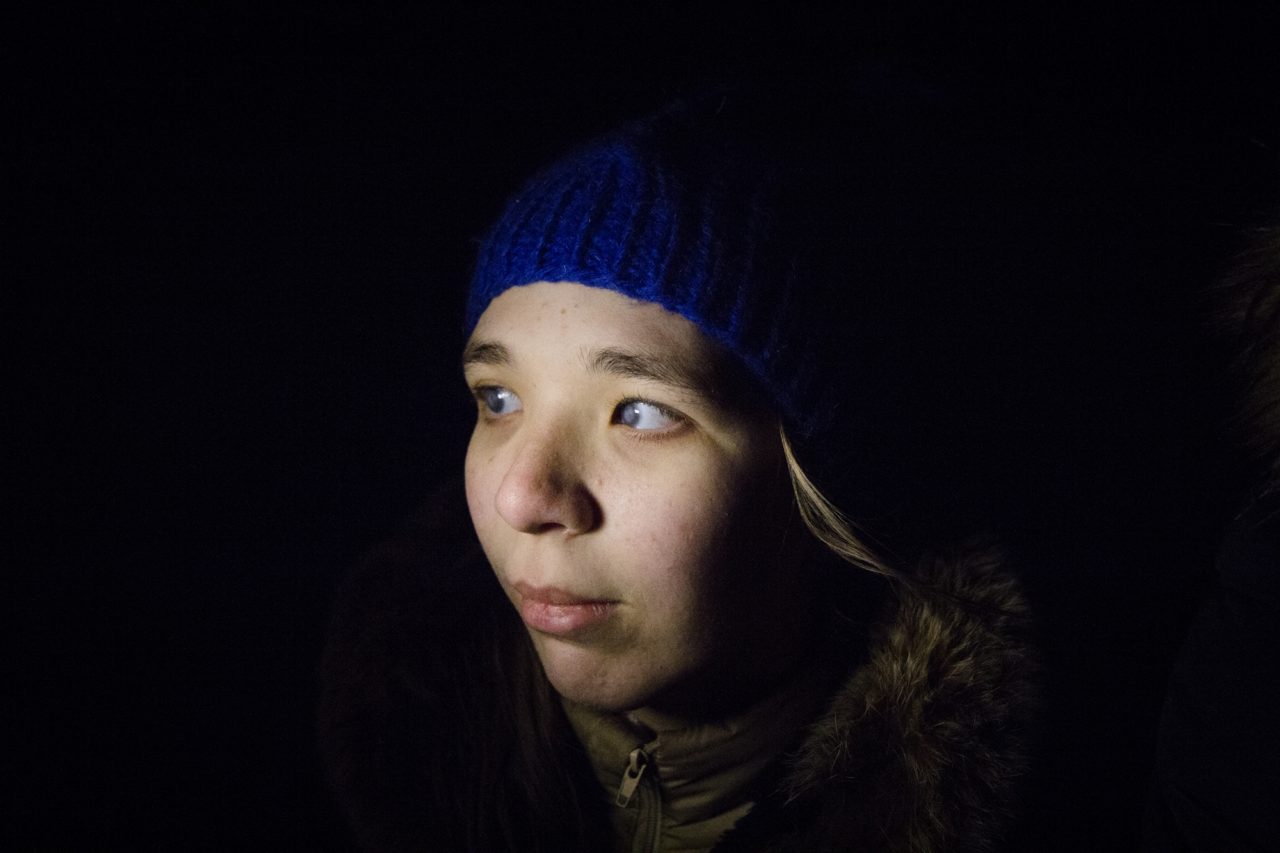 Ксюша Фото: Кристина Сырчикова/SCHSCHI для ТД
Жительница города Октябрьска Евгения Вершинина воспитывает слабовидящую дочь-пятиклассницу. О том, что оставлять ребенка на выходные теперь нельзя, Евгения, как и другие, узнала за два дня до учебного года — позвонили из школы. Нравится это или нет — не спросили. А им не нравится.
От Октябрьска до Самары 120 километров, электричка уходит рано утром. Чтобы на нее успеть, мама с дочкой просыпаются в 3.45. Поезд приходит в город в семь утра — на уроки в понедельник девочка успевает. В пятницу же Евгения приезжает за ребенком утром, чтобы успеть на поезд — весь учебный день пропадает.
«Этот интернат мы выбрали потому, что можно было дочь оставлять на выходные. Раньше мы ее забирали раз в месяц, иногда два, нас это устраивало. Я беременна третьим ребенком и совершенно не представляю, что мы будем делать в следующем году, кто будет ездить с дочкой в школу, — переживает Евгения. Она говорит, что пыталась обсудить эту проблему с руководством школы, но ей ответили, что оставлять персонал на все выходные ради двух-трех детей никто не будет».
Валерий Ремизов считает, что родители не бунтуют по разным причинам.
«Кто-то боится, что у ребенка будут проблемы с учебой, кто-то считает, что ничего не изменить, ведь в школе им объяснили про закон и СанПин. Но неудобно всем, и руководство интерната понимает это. Я думал, что такая проблема есть во всех интернатах страны, но связавшись с другими интернатами, узнал, что это не так. Думаю, руководству школы нужно было проявить инициативу, обратиться в Министерство образования и доказать, что для этого интерната нужно сделать исключение».
***
После того, как мы расстаемся с Ксюшей, я добираюсь до дома поздно и не звоню, как она просила. Вдруг уже легла спать? Но она не спит. Прижавшись лицом к старому, разбитому смартфону, Ксюша пишет мне сообщение во «ВКонтакте». Она ставит точки вместо пробелов и не видит, что телефон автоматически исправляет некоторые слова.
- You. Where? Why. Не позвонила?
Отвечаю капслоком, чтобы было виднее.
— ДУМАЛА, ТЫ СПИШЬ. ЧТО-ТО СЛУЧИЛОСЬ?
— Даже да.
- WHAT'S HAPPENED?
— Не буду. Мучить. You. Свами. Проблемами. Let's. Застройки. About. Этом. Поговорим?
— ХОРОШО, Я ПОЗВОНЮ ТЕБЕ ЗАВТРА.
— Саперной. Ночи.