
Translated material
The curator and theme of Moscow Biennale were declared
The curator and theme of Moscow Biennale were declared
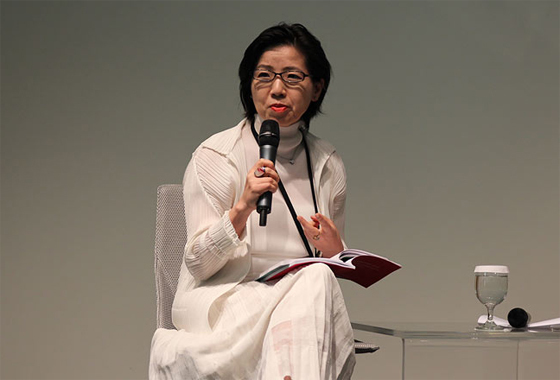 © Haupt & Binder
The main curator of the Museum of Contemporary Art of Tokyo Yuko Khasegava is appointed curator of the 7th Moscow Biennale of Modern Art. The theme of the main project is “Crassic forests”.
This was announced today, on January 23, at a press conference in Moscow, a special representative of the President of the Russian Federation on international cultural cooperation Mikhail Shvydka, TASS reports.
Yuko Khasegava previously organized Biennale in Istanbul, Sharge and San Paulo, was the commissar of the Japanese pavilion at the 50th Venetian Biennale in 2003.
“I am glad that our Japanese colleague, which is known all over the world, has become the curator. - said with a mug. - She works a lot not only in Tokyo, but also in Europe and America. This is a tribute to this particular curator with a remarkable understanding of what is happening in the world of contemporary art. ”
“Contemporary art has become part of the exhibition strategies of our large museums, and this is very important. This allows you to educate certain tastes of the public. It is important that all the Biennale combine not only bold curatorial projects, but also educational programs, ”said Shvydka.
The seventh Moscow Biennale of Contemporary Art will be held in the Central Exhibition Hall "Manege" from September 15 to October 28. The theme of the main project Biennale Yuko Khasegava chose “Sweeter Forests”.
“If literally, the project is called the“ Forest-Oblast ”, in Russian-“ Crassic Forests ”. - explained the curator. - There are two metaphors. Forest is what causes associations with craft, manual labor, traditions. This is something tied to a specific place on Earth. And the metaphor of clouds is a metaphor for a new space, the Internet where new communications occur. And now, I think, artists are working at the junction of these concepts and are trying to combine them. ”
According to Khasegawa, it is supposed to participate in the main project of 50 artists from different countries. The curator also expressed the intention to observe the balance between the works created using digital technologies and the works created without their use.