
Translated material
The thorny lion of the revolution
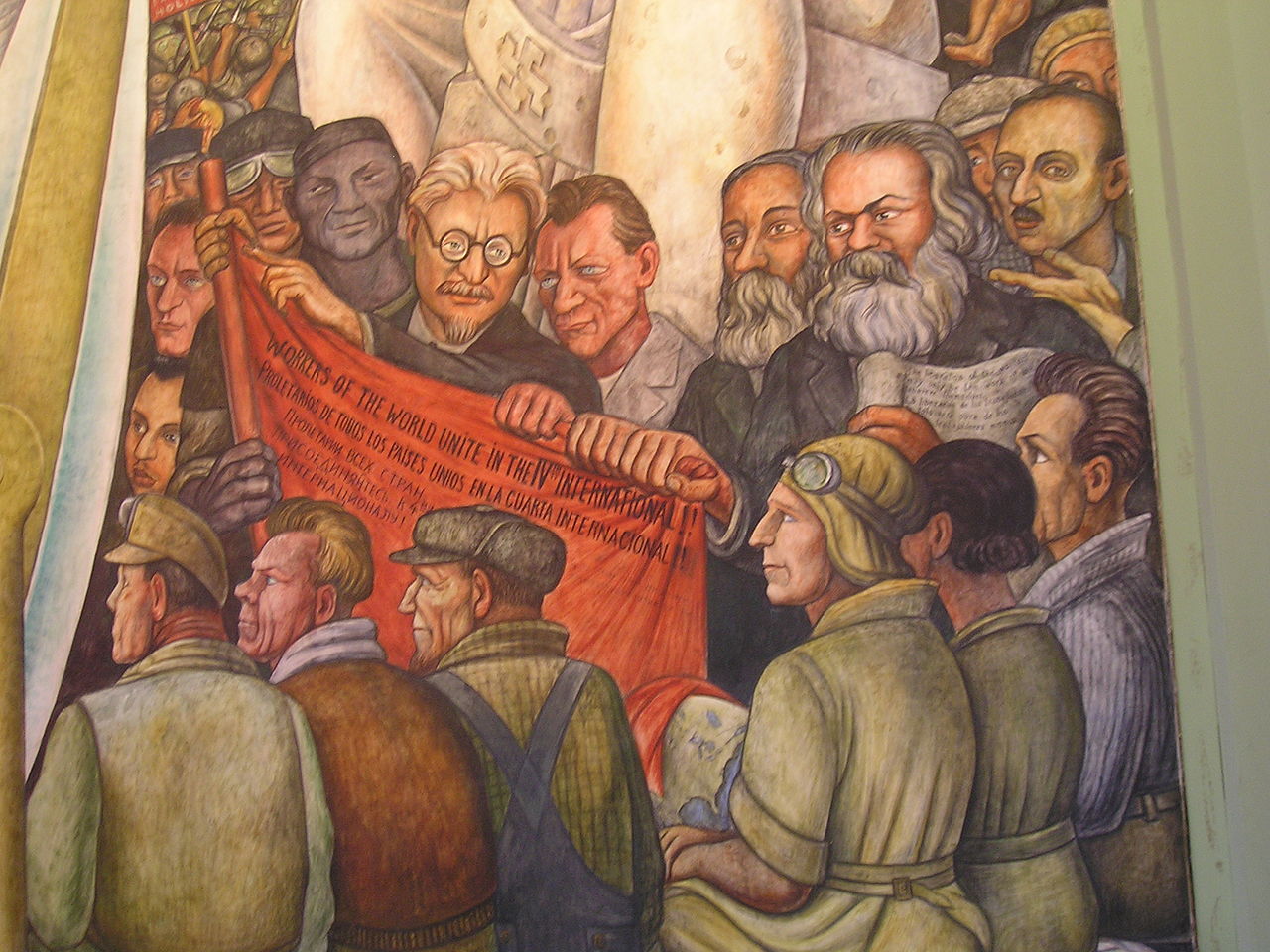
“The uprising of the masses does not need justification. What happened is an uprising, not a conspiracy. We openly forged the masses of the masses to an uprising ... Those who have left here and who come up with proposals, we must say: you are miserable units, you are bankrupt, your role is played. And go where you must be on the weaved basket of history.” So he said on the day of the October Revolution of 1917, speaking at the II All -Russian Congress of Soviets and addressing part of the delegates, protesting against the seizure of power by the Bolsheviks, one of its main organizers - Leo Trotsky.
After 10 years, about there, in the "weed basket of history", the defeating group of Stalin sent Trotsky himself and his allies in the intra -party opposition. In 1940, the former revolutionary leader expelled from the USSR was killed in Mexico by a Soviet agent, and his historical role in his homeland openly and without ideological cliches did not talk to the "perestroika" 80s.
The Russian reader will be able to learn more about Leo Trotsky, who played one of the leading roles in the history of Soviet Russia and international communism. This year, two books devoted to him are published at once: the monograph "Trotsky and comrades: the left opposition and political culture of the RCP (b), 1923–1924" and the anthology "L. D. Trotsky: Pro et Contra", containing documents dedicated to Trotsky, memoirs and other materials. The interlocutor of Radio Liberty is Alexander Reznik , candidate of historical sciences, post -core at the University of Basel (Switzerland), author of the first and editor of these books about Trotsky.
- Many leaders of social revolutions, including the Bolshevik, were not at all from the poor, proletarian layers. Trotsky is one of them. How and why such people were drawn into the revolutionary movement, that is, they moved to the other side of the social barricade and even headed, as in the case of the same Lenin and Trotsky, representatives of this "other side"?
Free time made it more likely to become a revolutionary than its absence
- Trotsky himself in his memoirs “my life” makes it clear that he had an heightened sense of injustice, in childhood he came into contact with the workers who worked for his father on the farm. From his memories, it is clear that his family was wealthy, and he had the opportunity to get an education, and there was free time. It made it more likely to become a revolutionary than his absence.
-This is a direct recommendation to parents: occupy something of your children, otherwise they will go into the revolution.
- Of course, I often came across this.
-Trotsky for a long time was something like such a very talented Enfant Terrible of the Russian Revolutionary Movement. For a long time he did not adjoin any party firmly, and the Bolsheviks ended finally only by mid -1917. Did this fact somehow affect his political biography in general and his reputation in the party?
- Certainly. Trotsky became a Bolshevik only after the July events , although after the February Revolution almost nothing separated him from joining the party, except for past conflicts with the Leninians. Of course, he was a new man for the Bolshevik party. But here it should be noted that the Bolshevik party itself changed a lot in 1917. Trotsky belonged to the so -called "inter -district" , we can name several more famous names from this circle - these are Lunacharsky, Uritsky with their supporters in Petrograd.
- How did their program differ?
-In short, they insisted on the need to converge all revolutionary elements in the Russian Social Democratic Party, wanted to overcome the conflict between the Mensheviks and the Bolsheviks.

Chairman of the Petro -Soviet Lev Trotsky - from an appeal to the constitutional democrats (cadets), December 1917:
"You should know that no later than a month, terror will take very strong forms following the example of the great French revolutionaries. Guillotine will be waiting for our enemies, and not just a prison."
- That is, the Trotsky model of 1917 looks like a more moderate figure compared to Lenin?
- No, in 1917 their differences were erased in many ways. Trotsky of the leaders of Bolshevism was closer to Lenin at the time of the October Revolution. Lenin praised him, said that since Trotsky admitted that the formation of the coalition government of various socialist parties was impossible, there was no better Bolshevik than him. At the same time, Lenin until 1917 very sharply criticized Trotsky for attempts to unite social democracy. Therefore, later, already in 1923, to Trotsky’s opponents - at first Zinoviev, then Kamenev, Stalin and Bukharin, it was quite easy to create a myth of such an organically Antilenin Trotsky.
- The role of Trotsky in the organization and conduct of the October Revolution was very significant. How much? Is it possible to say that without Trotsky, if he had not been in the Bolshevik leadership at that time, the Bolsheviks would not have managed to seize power, or it turned out, but not so smooth?
The unconditional leader of the Bolsheviks was Lenin, a man with a huge authority, whom Trotsky did not have
- Trotsky himself answered this question. He said that if Lenin had not been in 1917, then most likely the revolution would not have happened, and if he had not been, Trotsky, then it would have happened anyway. I think he was not cunning here. Despite the fact that Trotsky was self -confident, he understood that, using only oratory abilities, it was impossible to lead the revolution, this still needed an organization. The unconditional leader of the Bolsheviks was Lenin, a man with a huge authority that Trotsky did not have.
-Lenin and Trotsky had some kind of competition, or Trotsky clearly and voluntarily took the position of a man standing close, but still behind Lenin? How did their relationship develop?
Trotsky describes how Lenin communicates very confidentially with him, and the day after the coup at night they rest, cannot fall asleep, talk. This is a very Freudian scene
- In 1917, their gradual rapprochement occurred. Moreover, we have very few sources that illuminate the personal aspects of this rapprochement. Of course, there is a classic episode from “my life”, where Trotsky describes how Lenin communicates with him very confidentially, and the day after the coup at night they rest, cannot fall asleep, talk. This is such a very Freudian scene. Then Lenin repeatedly expresses trust in Trotsky’s actions at the head of the People’s Commissariat for Military Affairs and the Revolutionary Military Council , supports him against Stalin. But I am inclined to the fact that Lenin considered it necessary for some balance of forces within the party, and by this I explain his rather sharp struggle with Trotsky in the late 1920-early 1921.
- What was this struggle connected with?
- It was the so -called discussion about trade unions, although in reality it was a discussion on how to manage the party in the conditions of military communism and later. Roughly speaking, Trotsky argued that if we have a military situation, then it is necessary to manage more administrative, rigid methods. Lenin formally insisted that there was no, that we should give more independence to the trade unions, but not allow them to be the opportunity to be in the spirit of revolutionary syndicalism by the authorities, on which even more left elements insisted.
- On the eve of death, Lenin writes that the old Bolsheviks called him a political testament , where all the Bolshevik leadership, as they say, all sisters, are heard in earrings. About Trotsky there was a double review, a combination of respect and criticism: "Comrade Trotsky, perhaps the most capable person in the real Central Committee, but also excessively grabbing self -confidence and excessive enthusiasm for a purely administrative side of the matter." Lenin never, as I understand it, did not consider Trotsky as his unambiguous successor. Why?
-In this case, it was not about some successor in the sense that monarchs or dictators transfer power to each other. It was not about sole power. Actually, even Lenin had no such sole power. It can be considered a dictator, of course, but in a completely different sense, not in which modern person is more familiar.
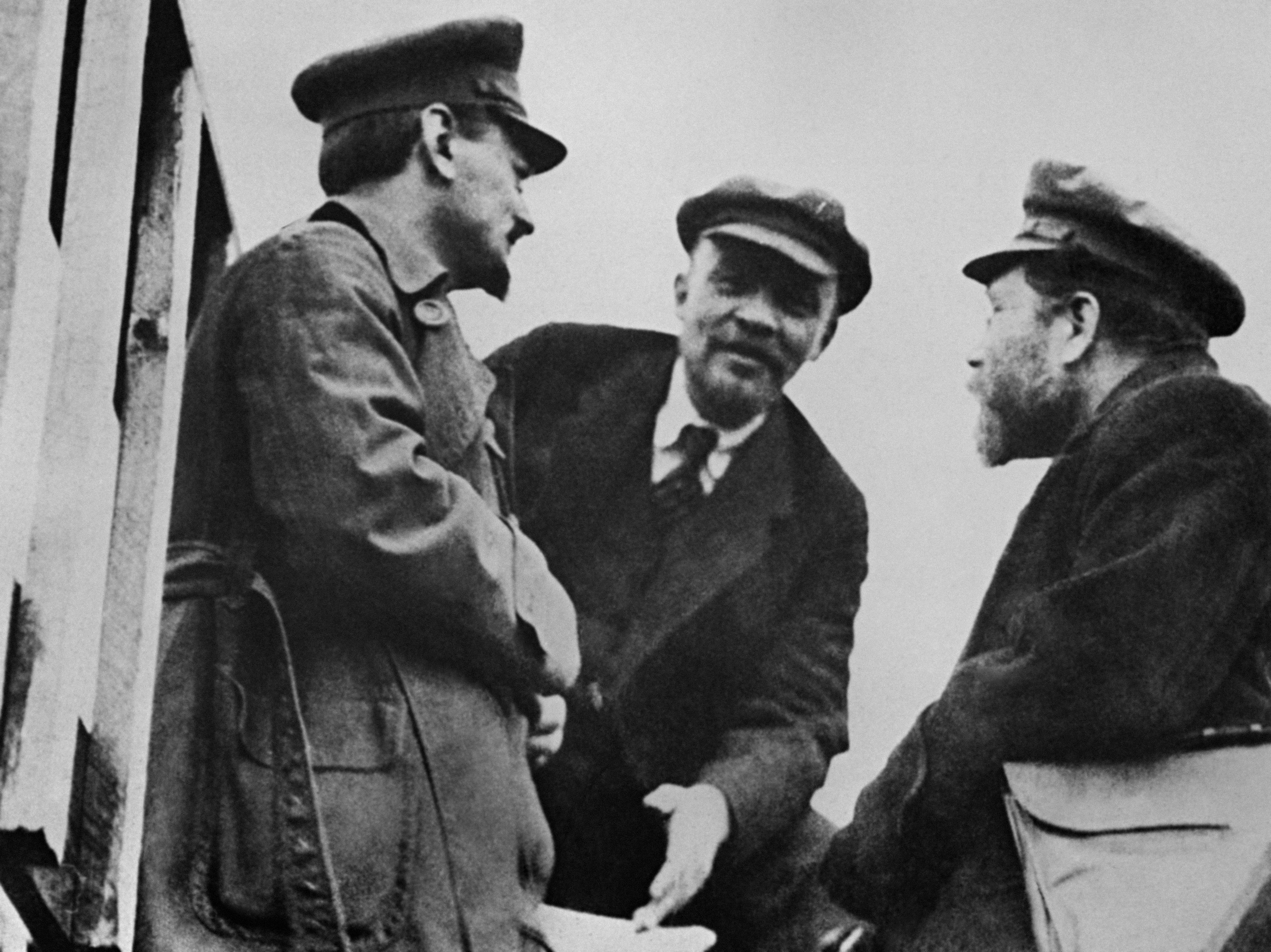
From the memoirs of Leo Trotsky "My Life" (1930):
"There is no doubt that in many cases it was more convenient for Lenin to rely on Stalin, Zinoviev or Kamenev than on me ... I had my own views, my methods of work, my techniques ... He understood too well that I was not suitable for assignments."
- You want to say that Lenin was by virtue of his charisma and authority among the Bolsheviks with such a natural dictator?
-He possessed a very great authority and the ability to overcome some conflicts within the leadership. That is, Lenin was such a mediator. This is a little contrary to the fact that we know about his strict actions, but the Bolshevik party and its leadership were not uniform then. It was the history of fractions, intra -party disputes. Although, as such, the struggle for power, in my opinion, was not there until 1923. But when Lenin left the stage, she became inevitable. The point is not even his personality, the fact is that the party has changed, the state changed, such a system of power could not be eternal. But as soon as Lenin fell ill and moved away from active participation in politics, Zinoviev, Kamenev, Stalin and their supporters were scared: they were convinced that Trotsky was dangerous as a possible “red bonaparte” as a potential dictator.
- Did Trotsky feel like such a Bonaparte or not?
I did not find evidence that Trotsky created an effective political machine to seize personal power
- In the materials of the in -party struggle of 1923–24, which I studied in great detail, I did not find evidence in favor of the fact that Trotsky created an effective political machine to seize the personal authority or power of his faction. Moreover, in many fierce political discussions of that period, Trotsky did not take personal participation, because he was sick. Although his oratory talent could easily convince, for example, the Moscow party organization, that you need to vote for the opposition. This is regarding the beginning of the 1920s. Now I am studying the political cult of Trotsky during the Civil War, and I still do not have a ready -made answer. The only thing that is quite clearly traced in the archives is that Trotsky did not have any personal apparatus to create his own cult, like Alexander Kerensky in 1917, for example.
An interesting story is connected with the only propaganda brochure, Trotsky’s biography under the name "Tribunes of the Revolution", written by George Ustinov, a friend of Yesenin. Ustinov wrote this brochure, apparently, at the end of 1918. But precisely because its content seemed so inappropriate in the then context, when Lenin himself began to pull the propagandists in order to reduce this pathos against himself, not to mention Trotsky, the brochure came out only in 1920 by a very small circulation and remained almost unnoticed. Some historians draw strange conclusions based on this brochure that there was some incredible cult of Trotsky’s personality.
Trotsky did not have any personal apparatus to create his own cult, like Kerensky
- The cult is not a cult, but by the end of the civil war, the popularity of Trotsky in Soviet Russia was very great due to the fact that it played a large role in the victory of the Reds. In this regard, the question: during the civil war, Trotsky manifests itself as a very solid, powerful military organizer of the Red Army, but then, in the 20s, he loses to Stalin in the struggle for power, and for organizational reasons-Stalin better builds a system of hardware. Why did this happen, where did the organizational abilities of Trotsky go? Or was Stalin just such a brilliant apparatchik?
- Here it is necessary to distinguish between administrative power and political. Trotsky could never create a normal fractional organization. This was indicated even by his opponents during the intra -party struggle. In 1924, they mocked him the mouth of Zinoviev, that Trotsky "creates poorly fractions." In fact, Trotsky was really a talented administrator, but even if he wanted, in my opinion, as a new person for the party, he could not have lured most of the communists to his side. Subjectively, he did not strive for this.
The political culture of the 1920s was, in principle, was not yet ready for some personal authority
Surprisingly, the entire analysis of his activities, including the documents of his personal archive and the archive of his secretariats, speak of the lack of large -scale work on the rally of allies, to search for friends. He had his own clients, let's say for whom he was a cartridge. Trotsky could give them some kind of symbolic resource, for example, he could write a laudatory review of a book of poems, as he did in relation to Alexander Bezimensky , he in response supported him during the intra-party struggle, but immediately after that he left, signed up for Stalin's supporters. The political culture of the 20s, in principle, was not yet ready entirely for some personal authority.
- Stalin built a new political culture, which was “sharpened” for such power?
- Of course, but at the same time he maneuvered. Plus, some other molecular processes took place in society. You can track by numerous letters to Stalin, who are in the archives, as gradually more and more ordinary people, peasants and workers write to Stalin as the head of the party’s apparatus, treat their problems and ideas. Although, of course, there is no need to talk about some cult of Stalin in the 20s. But gradually forms, I would say, authoritarian thinking.
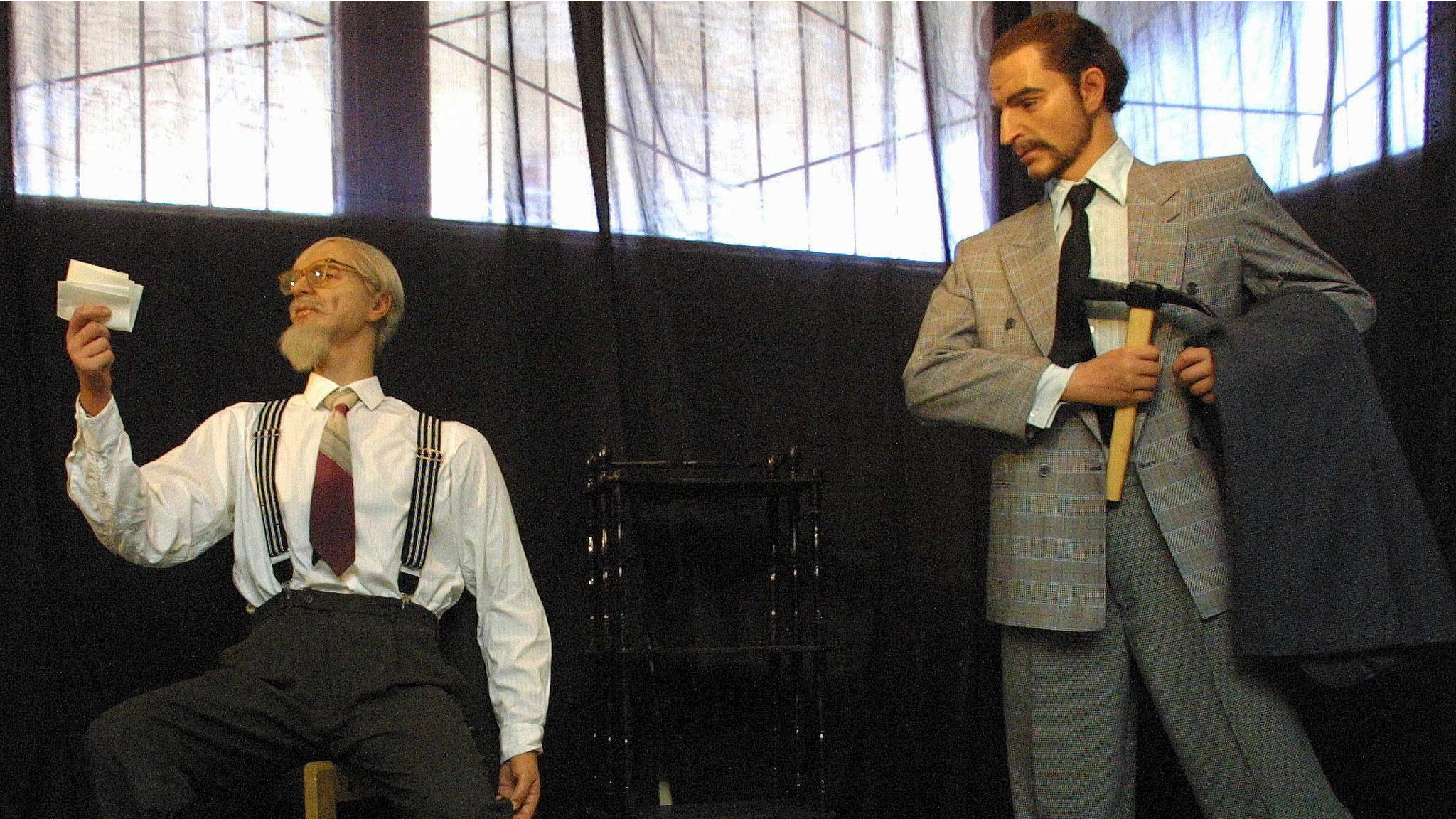
From the speech of Mikhail Tomsk, the opponent of Trotsky, at the Plenum of the Central Committee of the All -Union Communist Party of Bolsheviks, November 1927: "There can be two and four parties in the atmosphere of the dictatorship of the proletariat, but only under one condition: one party will be in power, and all the rest in prison."
- And what kind of man was Trotsky, how much was he, for example, cruel? He played a large role in organizing the Red Army, in its victory in the civil war. Many of his ruthless orders in relation to not only enemies, but also his own - for example, the execution of every tenth soldier of one of the regiments of the Red Army, who at the end of the summer of 1918 near Kazan, retreated without an order. It was a fanatic, a "knight of the revolution", ready to sink everything in the blood in the name of his ideas and discipline, or is it a more complicated nature?
- Trotsky as a person was a rather prickly person, it was difficult for him to be friends. Stalin looked much more friendly in a narrow circle. Trotsky was more pedantic, he often in the Politburo, for example, refused to participate in informal meetings.
- Informal - this is for vodka and a snack, relatively speaking?
- And that too. In the mid-20s, when Trotsky created the block already with Kamenev and Zinoviev, he somehow could not stand at the Kamenev party, returned home, said, they say, I can’t, this is a nightmare and bad taste. He had a little close friends. Those who were mainly devoted to him, but by the 30s they were broken by one way or another. This is the story of Christian Rakovsky , Evgeny Preobrazhensky . If we talk about personal cruelty ... In the memoirs of various people about Trotsky, I did not face it. The exception is one of Trotsky’s most famous biographies, written by his ally of the first socialist organization, this is Grigory Ziv , the biography was written in 1921. He was very negative about Trotsky, emphasized some of his talents, but at the same time claimed that Trotsky was some kind of emotional cripple, was predisposed to get up at the head of the army and give merciless orders.
Ziv claimed that Trotsky was some emotional cripple
- So it was?
-Ziv himself emphasizes the paradox: in personal communication, Trotsky could be very sincere and kind, but still some instrumentalist idea of people prevailed in it. It seems to me that this psychological mystery is not disclosed and will never be disclosed, because we cannot look into the soul of a person who lived a hundred years ago.
- A couple of times publicly, Trotsky explained his refusal to accept high positions in the Bolshevik hierarchy - in particular, the deputy chairman of the Council of People's Commissars, when Lenin was already sick - his Jewish origin. Is it really a significant point for him?
Trotsky was a fundamental opponent of national identities
- This is a question that he partially tried to avoid as much as possible. But his refusal to take the position of the chairman of the Council of People's Commissars, then the deputy was indeed motivated by this. Одновременно с этим Троцкий стремился не касаться тех вопросов, в которых, скажем так, его происхождение могло сыграть роль. Поэтому он не участвовал, например, в деятельности еврейской секции в партии, не заявлял о себе как о громком борце с антисемитизмом. При всей его плодовитости как публициста он, наверное, не больше 10 статей написал, в которых так или иначе касался еврейского вопроса. В действительности Троцкий был принципиальным противником национальных идентичностей.
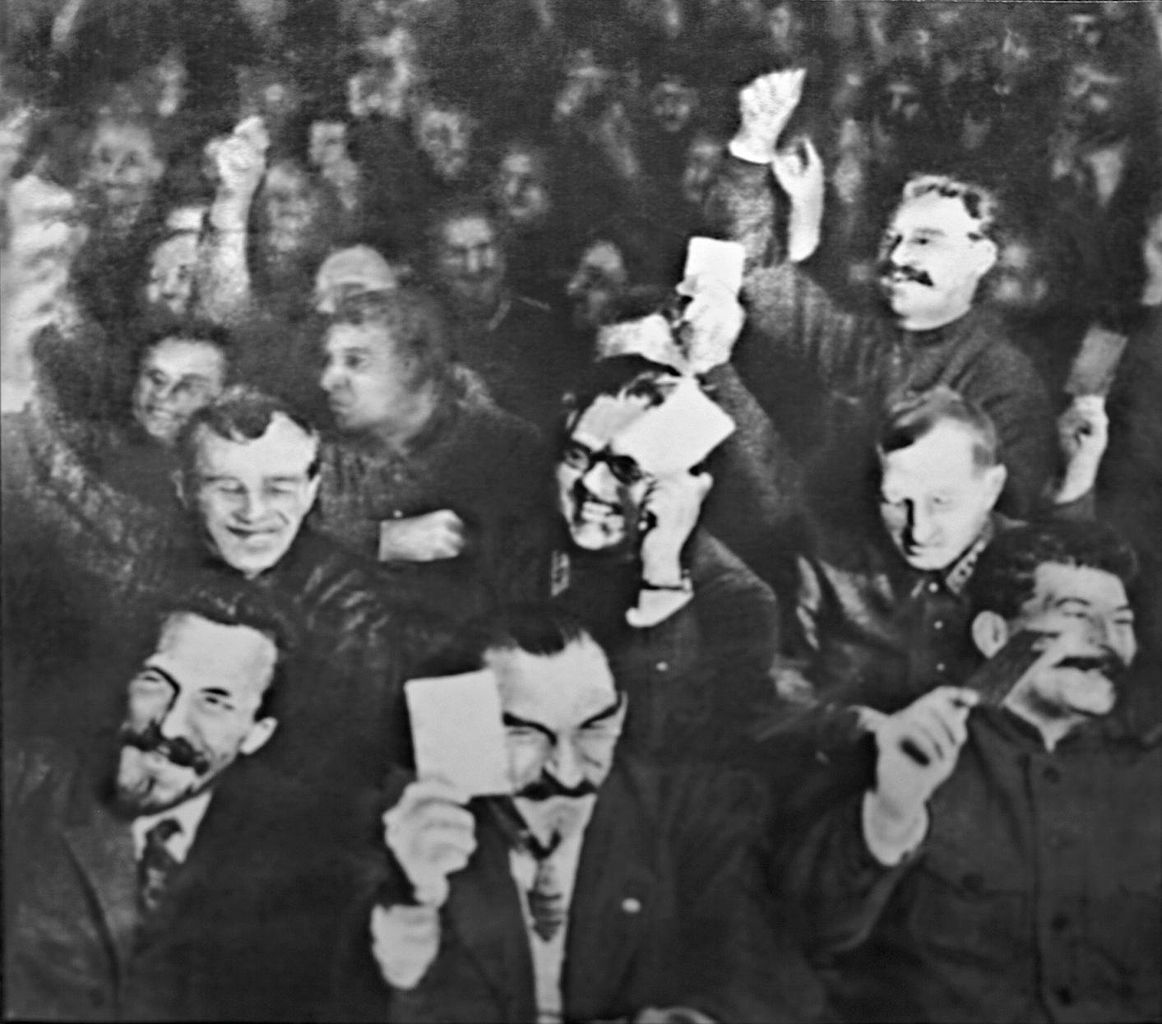
Из выступления Сталина, 1927 год: "Мы боремся против Троцкого, Зиновьева и Каменева не потому, что они евреи, а потому, что они оппозиционеры".
– То есть он был подлинным интернационалистом, как и положено коммунисту?
– Он себя таковым и считал. Он просто это еще и обосновывал тем, что еврейская культура не коснулась его в детстве сколь бы то ни было заметно. В детстве он говорил фактически на суржике . Его родители не были особенно религиозны. Потом уехал учиться в Одессу, затем в Николаев, где жил в интеллигентных семьях своих родственников и в общем воспитывался как подданный Российской империи, без конкретной национальной привязки. Он очень резко выступал против таких еврейских организаций, как Бунд и Поалей Цион , потому что считал, что все это неважно, что нужно объединяться всем радикальным социалистам в единое движение, вне зависимости от национальностей.
– У Троцкого была какая-то своя стройно разработанная концепция, представление о том, как нужно строить социализм и коммунизм? Можно ли говорить о троцкизме как о полноценной идеологии, а не только об идеологическом ярлыке, который впоследствии Сталин навесил на Троцкого и его последователей?
Троцкизм не давал ответов на то, как построить социализм пошагово
– Это вообще интересная история – как ярлык постепенно становился самоназванием движения, уже после смерти Троцкого, конечно. Есть политические группы, которые говорят о троцкизме как о какой-то полноценной идеологии в рамках социализма. На мой взгляд, во-первых, "троцкизм" – это очень неудачный термин, а во-вторых, у Троцкого не было ответов на все вопросы, как и не было их у Ленина. Ни ленинизм, ни троцкизм не являются полноценными идеологиями – это такие направления в социал-демократическом, затем в коммунистическом движении, которые отвечали на конкретные вопросы. Троцкизм не давал ответов на то, как построить социализм пошагово.
– Но в рамках большевистской системы после революции Троцкого можно считать носителем какой-то реальной альтернативы? Если бы ему вдруг бы удалось одержать верх в борьбе за власть, советский проект развивался бы как-то существенно иначе?
– Это очень популярный вопрос, но, на мой взгляд, он не совсем правильно сформулирован. Если мы говорим о замене Сталина Троцким в качестве диктатора, то это из разряда фантастики. Мы не знаем в действительности, как бы себя повел Троцкий, может быть, он был бы более мягким диктатором, не устраивал какой-то фантасмагорический террор с обвинением всех своих бывших соратников в измене. Но я считаю, что Троцкий не мог быть альтернативой в таком виде, как диктатор. Его альтернатива заключалась в том, что он предлагал другой способ управления партией.
Его альтернатива заключалась в том, что он предлагал другой способ управления партией
– Какой именно?
– Мой анализ его опубликованных и неопубликованных статей, его дискуссий с товарищами меня убедил в том, что Троцкий склонялся к возвращению к каким-то более демократическим нормам внутри партии. Он справедливо полагал, что если партия начинает слепо следовать решениям верхов, то это целиком меняет смысл и содержание движения, потому что сковывает инициативу. Он действительно верил в то, что инициатива рядовых членов партии и советской общественности, как он выражался, необходима для построения социализма.
– А он тут не видел фундаментального противоречия? Потому что если мы допускаем, как говорил другой коммунистический лидер , "плюрализм мнений" в рамках правящей партии, то это ведет к тому, что она перестает быть единственной партией. Ведь она неизбежно разделится на разные платформы, а потом, глядишь, и на разные партии. Как тут удержать все в рамках однопартийной системы?
– Троцкий оставался в плену тех ограничений и иллюзий, которые возникли в 1921 году в момент Кронштадтского восстания , когда большевики наложили суровые запреты на внутрипартийные объединения. Но уже к 30-м годам он пришел к мысли о том, что не только внутри партии допустимы фракции, но в принципе после политической революции, которая должна свергнуть группировку Сталина, возможна и многопартийность. Однако, конечно, он не выходил за рамки социалистической многопартийности.

– Троцкий в изгнании, в те годы, которые предшествовали его убийству , в чем-то раскаивался, писал, говорил о том, что, мол, тут я ошибся, тогда-то и тогда-то был неправ?
– Он неоднократно подчеркивал, что был не прав по вопросам партийного строительства до революции 1917 года, то есть в своих спорах с Лениным. Но обострение политических дискуссий и маргинализация Троцкого как политического лидера подвели его к некритической оценке своей деятельности, в том числе во время Гражданской войны. Он настаивал на том, что авторитарные методы на тот момент полностью отвечали обстановке. Он отказывался признать, например, что Кронштадт был колоссальной ошибкой. В принципе можно обнаружить у него нотки покаяния относительно своей какой-то политической наивности в 20-е годы. Постепенно Троцкий приходил к пониманию того, что он проиграл не какому-то ничтожеству, каковым он считал Сталина, а человеку, который оказался более хитрым и способным захватить власть и утвердить свою диктатуру.
– Троцкий пережил большую личную трагедию: у него погибли почти все родственники, которые остались в СССР и до которых смог дотянуться сталинский режим. Он что-то об этом говорил или переживал это сугубо внутри, наедине с собой?
– Дневники и письма Троцкого в основном опубликованы. Он, конечно, очень сильно переживал прежде всего гибель всех своих детей. (Младший сын Троцкого, Сергей Седов, был расстрелян, старший, Лев, умер в Париже при подозрительных обстоятельствах – сам Троцкий считал, что его отравили советские агенты. Одна из дочерей Троцкого, Нина, умерла от туберкулеза, вторая, Зинаида, покончила с собой. – РС) . В письмах Троцкого к жене видно, насколько сильно он отличался в эмоциональном плане от того же Сталина, у которого мы не найдем личных документов. У Троцкого действительно сильная палитра чувств. Но, например, свой дневник он писал из расчета на его публикацию, поэтому был недостаточно откровенен там.