
Translated material
The investigation leads the theater
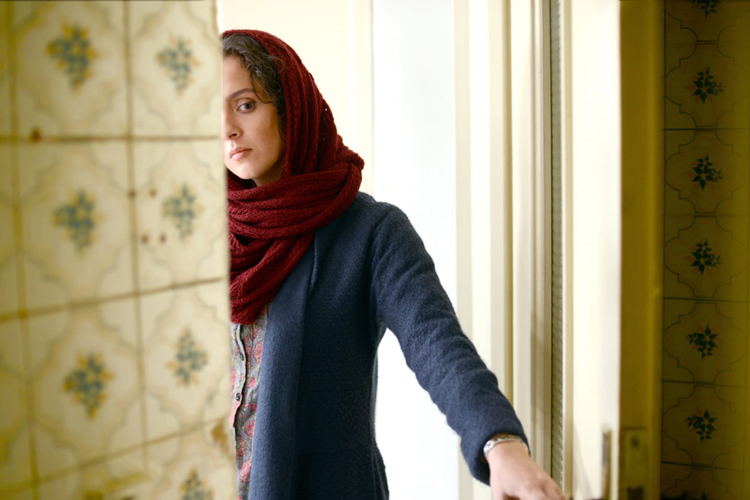
The new drama of Asgar Farhadi begins with an ominous omen: Emad and the wound, a married couple from Tehran theater bohemia, hastily flee from their luxurious apartment in a self -destructive new building (the causes of the disaster are not very clear: either the earthquake, or the attack of the distraught excavator - in one of the rapid frames, we see the machine that is almost pushed by The bucket is in the foundation of the house - either rock). Leaving almost all their belongings in the cracked building, they hastily find housing in the old (but also incredibly spacious) apartment of their colleague Babak, director of a little theater, where in the evenings the family rehearses the “death of a salesman” by Arthur Miller (he plays Willy Loman, she is his wife Lindu). The apartment goes without collateral, but with we burdening - one of the rooms is busy with the things of the previous Zhivka, who stubbornly refuses to take her good. The encouraging each other (the process of birth of circular bail and collective - and therefore, a draw - is responsible for Farhadi in each film), the heroes take out belongings and clothes that are absent in the stairwell, in the rain and wind, and heal a new cozy life.
But not for long. Literally the very next day, in the absence of the owner, one of the many friends of the former tenant accidentally gets into the apartment, a woman with a bad one, as it is gradually becoming clear, and, having accepted the wound in his soul for old love, holds out his dirty hands to her. However, having realized the mistake, the uninvited guest hurries in a hurry, leaving several evidence behind: a lump of bills, a mobile phone, car keys and a gray toe, as if hinting that the worst thing happened. The rest of the remaining film family - more precisely, an insulted husband - will investigate the incident, simultaneously rehearsing on the stage of Miller, ridiculously adapted to the requirements of Iranian censorship.
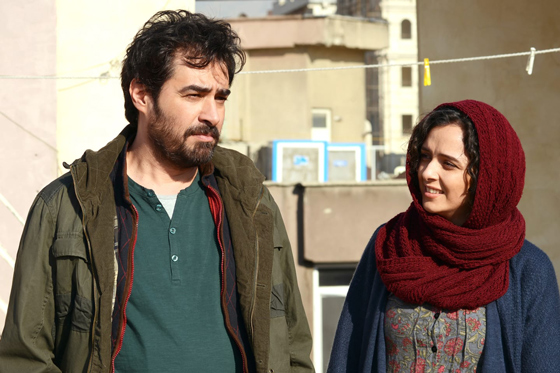 © Farhadi Film Production
The "Communist Party" is not much different from the previous works of Farhadi: this is all the same quasi -process, during which not only interesting details of the mysterious case are revealed, but also the darkest sides of human characters. In this constancy, not boredom of predictability is felt, but the confident hand of the real Auteur 'a. Farhadi is Hitchcock, Trier and Ryazanov in one person (the American press also often compares him with Antonion, multiplied by the Haneca): the householder of modern Iran (and neighboring abroad, a traditional place of emigration from Iran) with all his apartment drama, love tragedies and deaths of heroes - reception, reception is non -flow Breaking the hearts of the audience in any country. From the picture to the picture of Farhadi, it only improves its skill in the viewer of subtle manipulation, building a real household thriller from vital everyday life with a rapid, dizzying transformation of characters from victims into villains and vice versa, with a carefully thought -out microdural episodes, in which all the same passionate ambiguity is preserved, and unobviable at first glance, but thoroughly and difficult work with a thorough work with a thorough work with a thorough work Mizan scenes: As in a clean judicial drama, the action here rarely goes out into the fresh air, and the heroes locked in four walls themselves are likened to theatrical actors - with the only difference being that Farhadi carefully masks the speculative convention of their plot of an ultraralist, dynamic shooting manner of shooting.
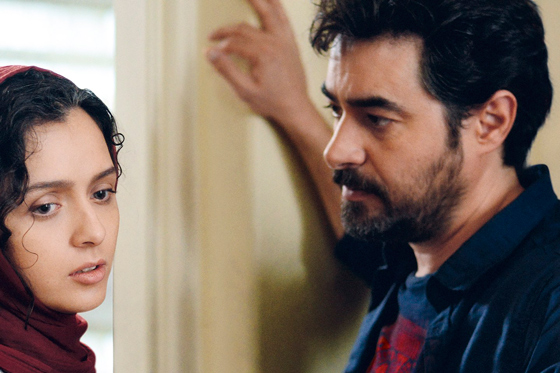 © Farhadi Film Production
Nevertheless, with all its obvious social realism for the viewer living outside the Islamic Republic of Iran, these films (and the “salesman” is not an exception) is an archaic family, and therefore, as if not mundane, but high drama. Actually, outside Iran, they look as a conditional abstraction as Arthur Miller’s play - inside the modern Iran (for example, by virtue of censorship restrictions of the actress, playing Willy Loman's mistress on stage, leaves the shower in a cloak and hat). The reason for this removal is in the main source of both the plot conflict and the dizzying final twist: they always have “traditional values”, the old -fashioned Moral Issues . Widely - and in several medieval terms - a realized honor in the "History of Ellie" (hysterical remake of the "Adventures" of Antonioni) or religious principles in the "Divorce of Nadera and Simin". The depth of the experience here is aggravated by a double game of plots: the general pathos of Miller’s play (sympathy for the little hero as the victim of the capitalist system) here flows into the antagonist who is wanted by Emad - it is unlikely to be a spoiler that he was also occupied by traveling trade. The westernized enamad intellectual, on the contrary, becomes part of the power that wants to do the best and forever creating evil, reaching in his revenge to the grotesque stage of moralization - and fundamentalism. This psychological equalibrics, of course, acts on the viewer without fail, causing empathy even among the public, far from the moral severity of Iranian customs. But empathy, the eternal instrument of Farhadi, is discredited here by the director himself: the audience crying over the death of the Iranian merchant is not much different from the theater public, which sobs through the fake fulfillment of Miller in Tehran Theater.