
Translated material
Due to doping, Russia lost the seventh medal of the 2012 Olympics
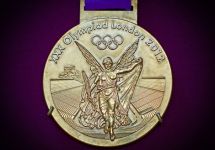
The International Olympic Committee deprived the silver medals of the 2012 Olympic Games in London of the Russian women's relay team in 4x400 meters. This was reported by the press service of the organization.
Such a decision was made due to the positive doping of a member of the Russian team Antonina Krivoshapka, in which the prohibited substance Turinabol was discovered.
This is the seventh game medal in London, which Russia is deprived of samples taken in 2012.
IOC also canceled the results of the Russian throwing of the hammer of Vera Ganeyeva. She took 23rd place at the games in London. In Ganeyeva test, a prohibited substance was also found.
Last week, the IOC deprived two silver medals of the Olympics in Beijing by Russian athletics Tatyana Lebedev after re-checking her 2008 doping industry. The sample also found Turinabol. Thus, Russia has already been deprived of 13 medals of the 2008 games.
On December 9, Canadian lawyer Richard McLaren presented the second part of the report prepared for WADA. The investigation showed that over 1,000 Russian athletes in almost 30 types of Olympic and Paralympic sports were involved in the doping program of Russia. After that, the IOC announced the start of the investigation against 28 Russian athletes participating in the Games in Sochi.
On December 31, in the New Year's appeal, the head of the IOC Thomas Bach said that the International Olympic Committee would take additional measures to combat doping after studying the McLaren report. Bach called the conclusions of this document "shocking." According to the head of the IOC, in 2016 there was a threat of the Olympic movement, and the IOC intends to resist this threat. "The most actual threat is presented in a shocking McLaren report regarding doping and doping manipulations in Russia. These data caused damage to the reputation and integrity of sports. We created two commissions that are engaged in this issue. They will give all the parties a chance to be heard, after which the IOC will make a decision on further measures and sanctions," the head of the IOC said.
All 254 urine samples taken from Russian athletes in Sochi, as well as all samples from the 2012 London Olympiad, will be checked in the IOC. "These additional measures are only fair for the authority of the Olympic Games and for the mental peace of the athletes," the head of the IOC noted.