
Translated material
Cancer will win
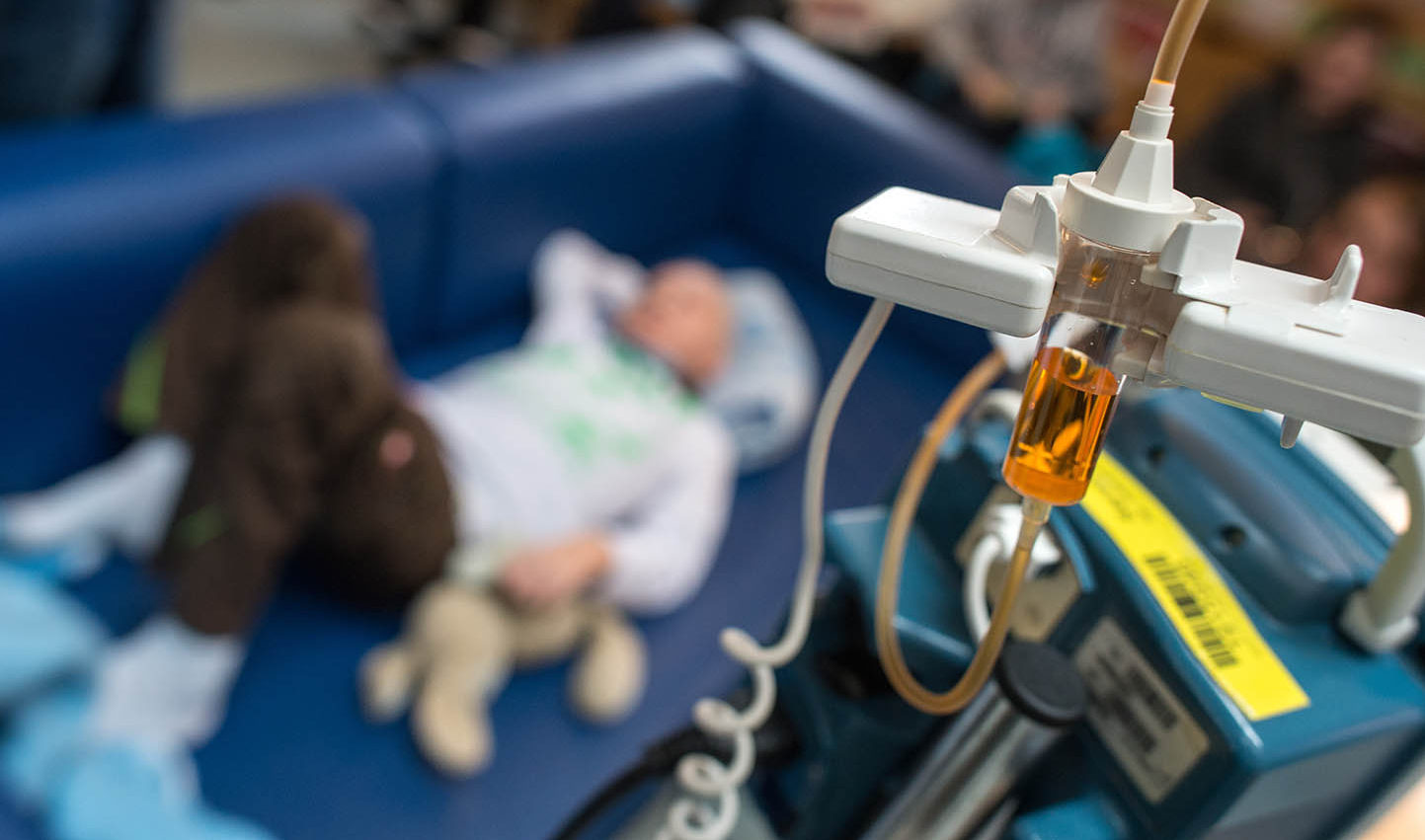
“Such matters” talked with young interior doctors about how people learned to understand the nature of the disease, why each tumor is individual, and most importantly, whether it is necessary to look for a cure for cancer
Help not to help in vainFor 12 consecutive years on February 4, the day of the fight against cancer has been celebrated around the world. Over the years, thousands of scientists examined the main disease of civilization, created new drugs and methods of its treatment.
***
Ekaterina Baron, Clinical Officer of the Research Institute of Oncology named after N.N. Petrova, resident of the Higher School of Oncology
Over the past 10-15 years in the world, the idea of what cancer is. It becomes clear that with the help of surgery alone, we are unlikely to be able to win it, so the future is for systemic therapy. Now it is mainly chemotherapy. With its help, it would be possible to defeat cancer for a long time if, together with sick cells, it did not kill the healthy cells of our body.
Therefore, in recent years, Targeted therapy or the so -called "therapy of targets" has been gaining popularity. This therapy acts pointily on certain molecules that help tumors grow, share and spread throughout the body. Ideally, when entering the bloodstream, targeted drugs do not affect healthy cells and tissues, but act only on the tumor. Now a number of new drugs have several nuances - high cost and side effects. But this is still a big leap, because these drugs are effective in the last stages of the disease, when tumor metastases spread throughout the body. The fact is that the tumor creates these same metastases thanks to special molecules, and it is these molecules that have several new drugs. In most cases, it is impossible to completely stop the metastasis process, but you can significantly slow down and extend the patient's life.
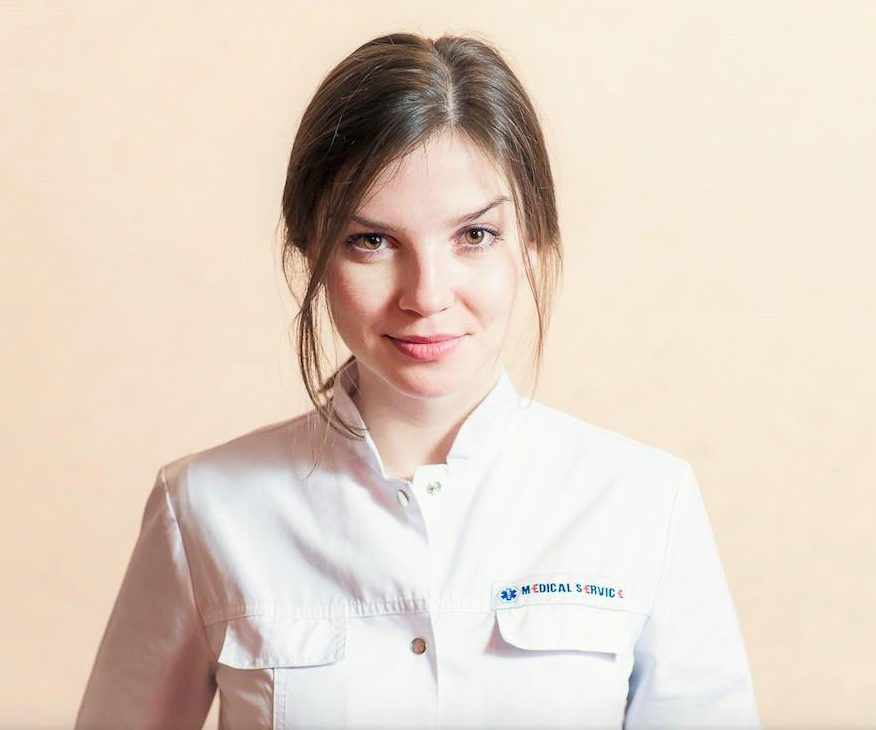 Ekaterina Baron, Clinical Officer of the Research Institute of Oncology named after N.N. Petrova, resident of the Higher School of Oncology Photo: Olga Molostova
Another important point is the development of precision medicine in oncology. What does this mean: if earlier cancer of the colon or breast cancer is one disease, then at the moment it is dozens of different diseases. Such a division occurred just due to personalization: the genetic portrait of the tumor is studied, and this gives information about which drugs it is sensitive to. Studies of increasing forms of cancer - the mammary gland, a number of gynecological tumors, colorectal cancer are moving along this path.
For each tumor, we are looking for our own approach - we study the characteristics that they possess, genetic mutations. This is called tumor biology. So to speak, her nature. By and large, all oncological science is aimed at finding out as much as possible about the tumor, to find new molecules that will allow us to find out more about how to treat it.
How many years will be needed to get away from chemotherapy, which gives many side effects, to a more gentle method of treatment is still unknown. However, sooner or later it will inevitably happen.
Alexander Petrachkov, Clinical Officer of the Research Institute of Oncology named after N.N. Petrova, resident of the Higher School of Oncology
If we talk about new methods of therapy, now everyone has immunotherapy. Its essence is that special antibodies act on cancer cells, like a target. There are already a lot of such drugs, and each of them is specific, but if you choose it correctly, you can get a good result.
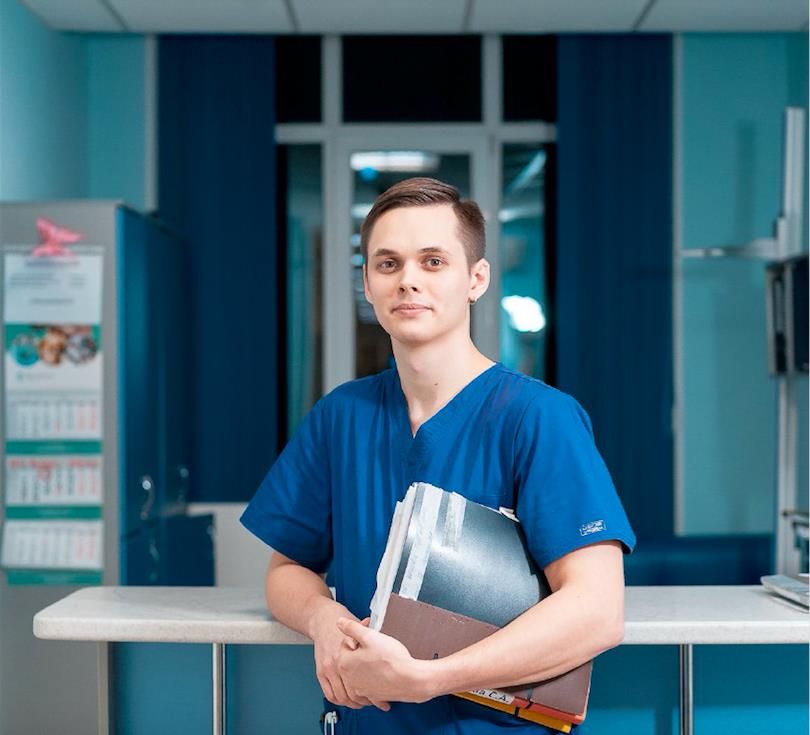 Alexander Petrachkov, Clinical Officer of the Research Institute of Oncology. N.N. Petrova, resident of the Higher School of Oncology Photo: Olga Molostova
The prospects for immunotherapy are large, because in the future these drugs can be used in the treatment of many diseases, not only cancer. At the moment, a large number of drugs for immunotherapy are in one or another stage of clinical tests, so there are no final data on their effectiveness. Nevertheless, some drugs already have an evidence base, and they are now actively used.
As for surgical methods of treatment, now minimally invasive surgery is actively developing. We move away from the practice of large -scale surgical interventions when possible. The use of laparoscopy, thoracoscopy, robot-aciergic surgery, endoscopy is studied. If earlier in oncology there was an installation to remove the entire organ due to fears of the further spread of the disease, now studies indicate that when the tumor is localized at an early stage, we can try to preserve the organ by removing only the tumor. Of course, not in all cases this is possible, but the general trend is just that. And it is this fact that indicates the importance of early diagnosis and screening. The earlier the disease is detected, the more chances of a positive result.
The fact that oncology has developed this way in recent years is the merit of scientists around the world. This is due to the fact that we partly learned to understand the molecular nature of cancer: the way these cells can multiply by what laws they live and grow. And, unfortunately, the main stimulus of this development is the incidence of cancer-it still remains extremely high. In our country, oncology is in second place after cardiovascular diseases.
Julia Zaitseva, clinical resident of the oncology Research Institute named after N.N. Petrova, resident of the Higher School of Oncology
To date, progress in oncology is obvious - new drugs and methods of treatment are being developed, optimal combinations and dosage of already known drugs are investigated. However, most of these studies are conducted by our foreign colleagues. In this regard, we are still a little behind, but still, science does not stand still. In our country and abroad, a large number of conferences are held to increase the level of knowledge of oncologists, where the results of scientific research are reported.
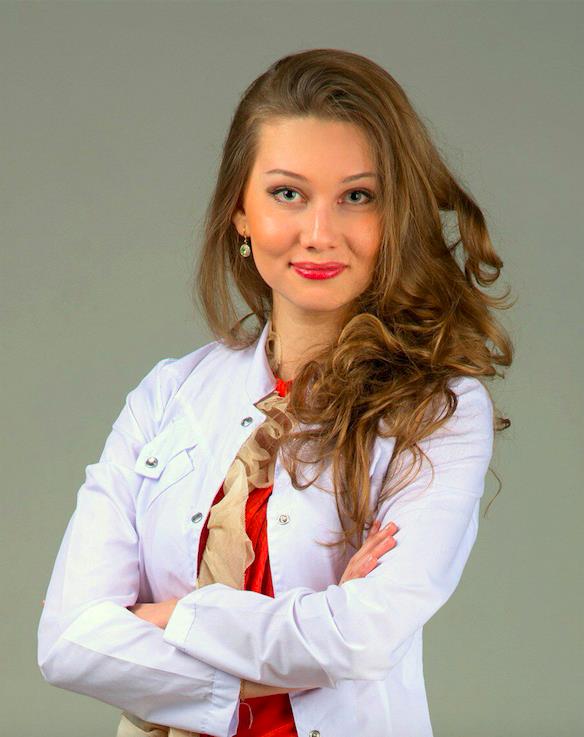 Julia Zaitseva, Clinical Officer of the Research Institute of Oncology named after N.N. Petrova, resident of the Higher School of Oncology Photo: From Personal Archive
So far, a scientific approach - the use of modern research in practice in Russia is not as common as we would like, especially in remote regions. Most doctors focus on their own experience, moreover, each medical institution has its own internal standard.
The differences in therapeutic tactics in different regions are due not only to the fact that conferences are held more often in large cities, but also by the level of motivation of specialists to professional growth. It is important for a doctor to constantly update his knowledge, because medicine develops at high speed.
Despite the high pace of development of science, it is impossible to accurately answer the question "When will we defeat cancer?" Cancer is a very complex disease, in the development mechanism of which genes play the role of. But genes are different for different people. Of course, targeted drugs that can suppress the products of some genes affecting the development of cancer are now invented. However, it is still impossible to influence the changed function of all oncogenes. It is difficult to invent a universal medicine for each patient. The tumor is individual in the same way as a person is individual.
Most likely, we will not be able to completely defeat cancer soon, but now it is already possible to transfer it from a deadly disease to a chronic one. In addition, some types of cancer in the early stages are quite good to treat. For example, breast cancer, thyroid cancer or lymphoma. You just need to change the relationship to this disease. In a person, this is so laid in his head, he always wants to completely recover. But it is important to convey to people the idea that you can live with cancer, and quite high quality.
That is why now much attention is paid to the quality of life of cancer patients, which primarily depends on its psychological state. The set of measures to improve the quality of life includes a lot: reconstructive operations, eliminating pain and complications of chemotherapy, but psychological support is a special aspect. Now even a separate science of oncopsychology has appeared. It is very important to take your illness and learn to live with it, because it is part of rehabilitation.
***
Read also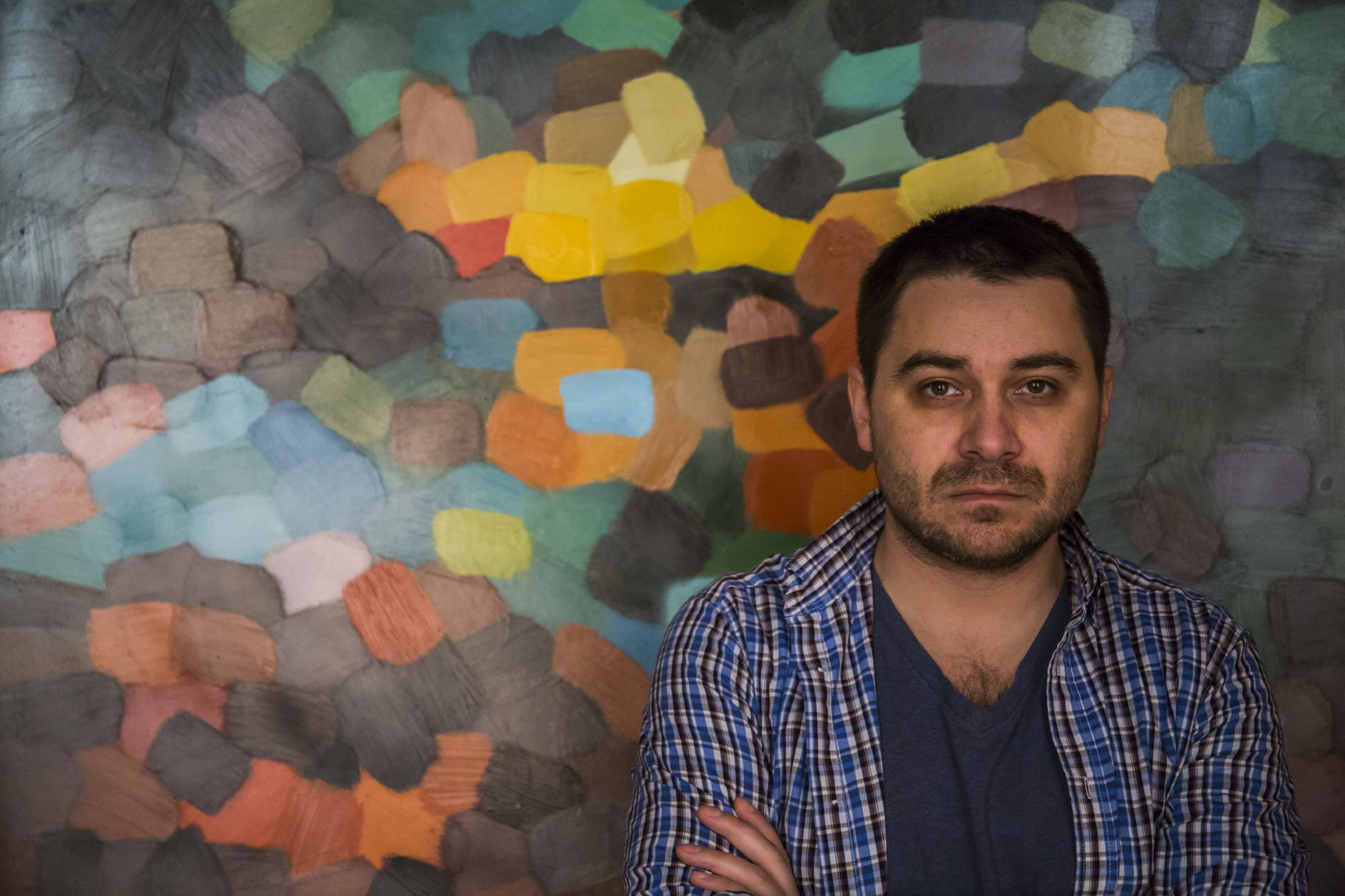 “She already has cancer, but she does not know about it” Ilya Fomintsev, the director of the Cancer Prevention Fund, tells why everyone needs to do screening, and how this will reduce mortality in Russia
Catherine, Alexander, Julia and several other young doctors are studying in the project “Higher School of Oncology” to become new generation specialists and change the situation in Russian oncology for the better. The program participants in two years will attend the courses of the largest oncologists in the world. The only condition is work in Russia at the end of the program. The “Need help” fund collects funds for the preparation of young doctors - payment for training, the payment of scholarships so that students are not distracted for part -time jobs, because they will study almost without days off.
Please subscribe to a regular donation, because 100 or 200 rubles given now will become a great contribution to the future. These doctors and their students will save the lives of thousands of people.