
Translated material
"They do not judge for beliefs"
30 years ago, in February 1987, the release of political prisoners began in the USSR. Five years later, the last camp for “political”-“Perm-35” was closed
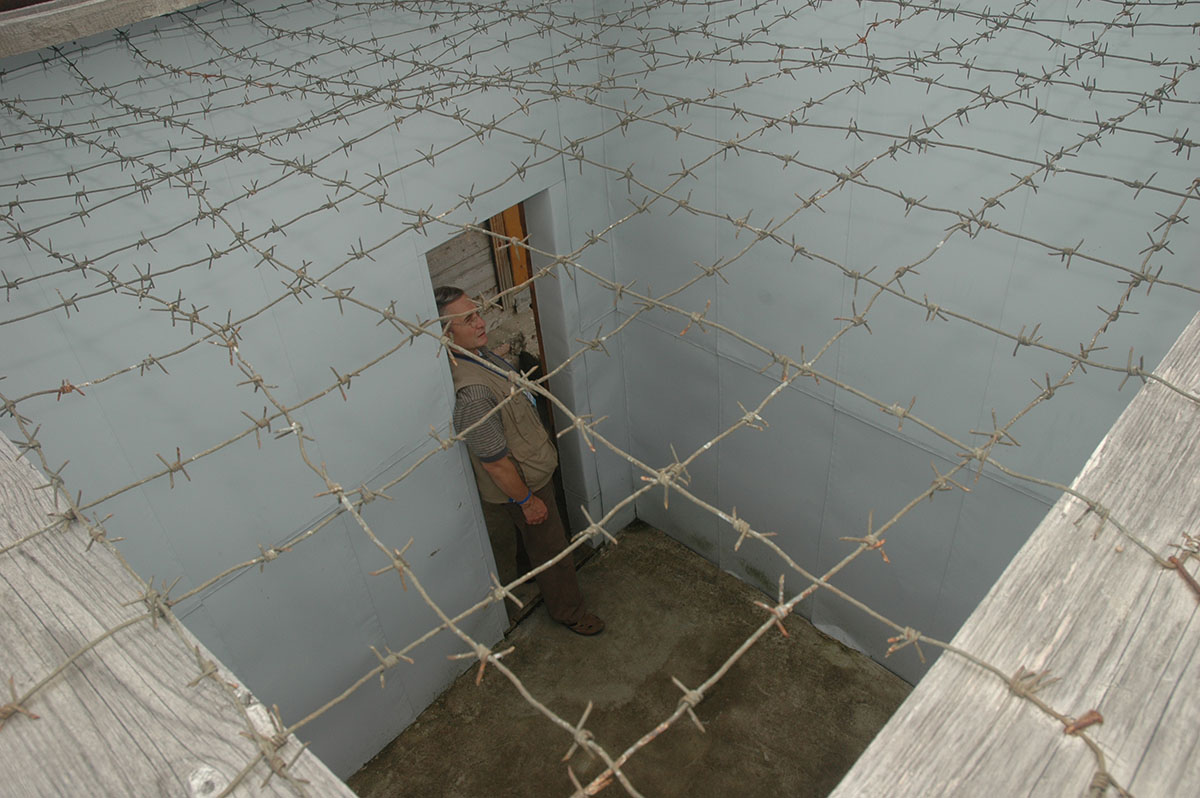
“As for the political prisoners. We do not have them ”-Soviet and Russian society have heard in different variations from almost all the heads of state over the past half a century: from Nikita Khrushchev (Pravda, 1959) and Mikhail Gorbachev (1986, interview with L'Humanité) to Vladimir Putin (2012, at a meeting with political scientists) and Prime Minister Dmitry Medvedev (2013, interviewing the state TV channels). After the 1956 amnesty, it seemed that the era of political camps was over.
In 1959, Khrushchev said that in the USSR there are no political prisoners, and only mentally abnormal people can resist communism. Indeed, since 1959, the KGB has reduced the number of arrests for political reasons and moves on to the so-called “prevention” in order to reduce protest activity-this included “conversations” with citizens who were seen in communicating with foreigners or the spread of samizdat, and a ban on traveling abroad, and relieving publications, and studying in the Partys of newspapers (by the late 1980s of the 1980s About half a million people were subjected to “prevention”). However, it is believed that it was this statement by Khrushchev that became a trigger for the large -scale use of psychiatry for punitive purposes. All talks about the liberation of political prisoners did not concern prisoners of psychiatric hospitals, since the latter formally and so were “released from punishment”. Nevertheless, people were kept in psychiatric hospitals for political activities back in 1991.
"For slander" and "For war"
It is significant that when Andrei Sinyavsky and Julius Daniel were arrested in 1965, the Moscow Society with horror thought that the writers would go to the camps for criminals. In 1967, Anatoly Marchenko’s book “My Testiments”, describing the post-Stalin political camps, was published in Samizdat.
In 1960-1972, there was one conglomeration of camps, where they sent “political” (diluted by military criminals or, in the expanse, convicted “for the war”), Dubravlag in Mordovia. By 1972, three stalls of maximum security and one were left. By 1980-only jx/385/3 (male and female zones). It should be borne in mind that convicts under easier political articles (that is, for example, by religious or for the “distribution of slanderous fabrications ...”) served a sentence in ordinary criminal camps.
On February 8, 1986, Mikhail Gorbachev told L'Humanité: “Now about political prisoners. We don’t have them ... We are not judged for beliefs, ”but a year later,“ non -existent ”prisoners of conscience had to be released
In 1972, new political camps opened-Perm-35, and Perm-36, and Perm-37, to which it was more difficult to get to the relatives of the prisoners. The most fame was gained by Perm-36 (now there is a museum). In August 1972, more than a hundred political prisoners were transferred from Mordovia to Perm, which, in addition to the camps, were also contained in two prisons-Vladimir and Chistopolskaya. In 1978, after Galina Salova, the wife of dissident Kronid Lyubarsky, the manager of the Fund for Assistance Political Personnel and one of the founders of the Political Prisoner Day in the USSR, took a picture of the Vladimir prison building, the political prisoners were transferred from there to Chistopol prison in Tatarstan. Vladimir enters the tourist gold ring, and foreigners could see the odious building.
"I promise not to participate"
With the onset of perestroika, the authorities initially followed the traditional path of denial. On February 8, 1986, Mikhail Gorbachev told L'Humanité: “Now about political prisoners. We don’t have them ... We don’t judge for beliefs, ”but a year later,“ non -existent ”prisoners of conscience had to be released.
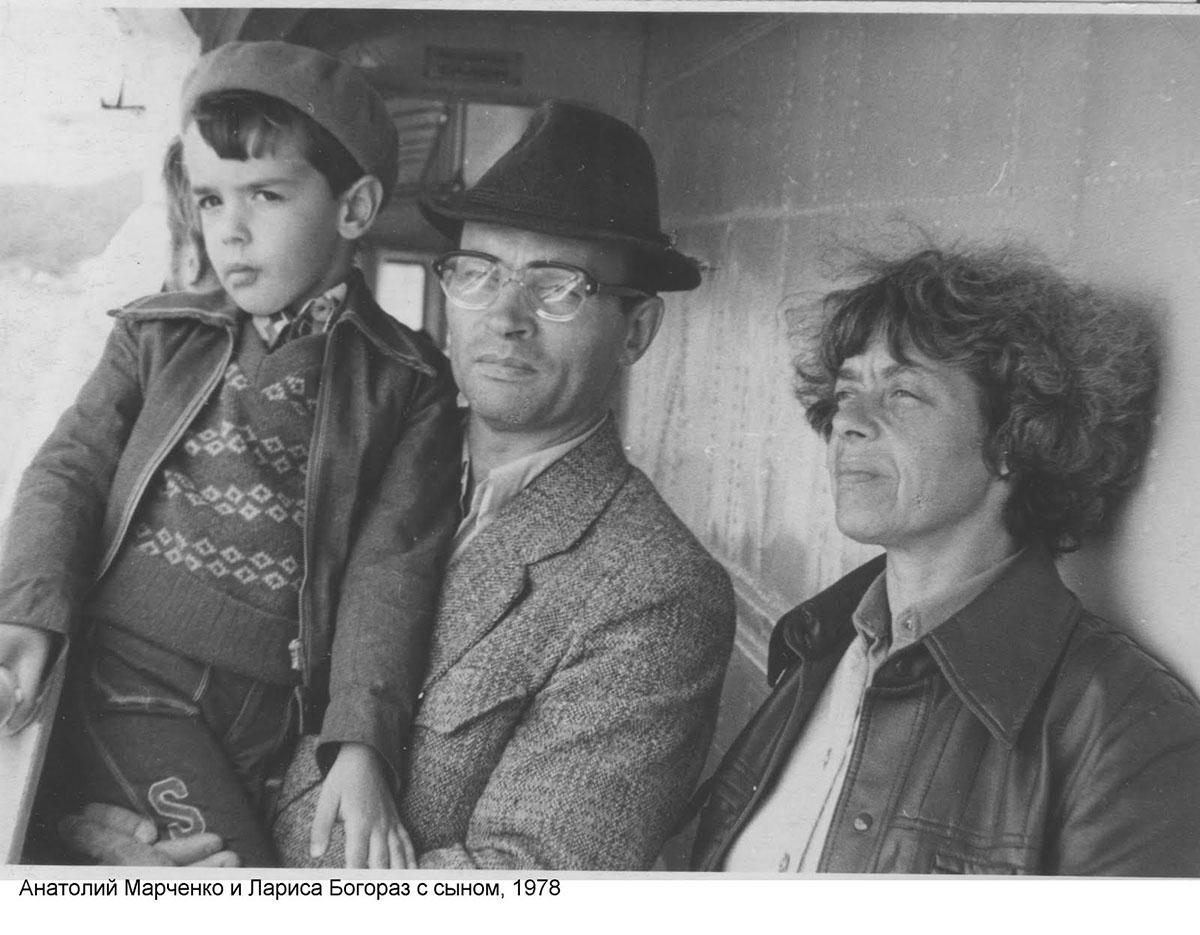
Andrei Sakharov wrote to Gorbachev a letter in which politely and patiently, as a true scientist, explained who the political produces are and why they should be released. On August 4, 1986, Anatoly Marchenko began an unlimited hunger strike in Chistopol Prison with a demand to free all “political”.
On September 25, 1986, the KGB chairman Viktor Chebrikov reported at a meeting of the Politburo that the number of convicts for “especially dangerous state crimes” was 240 people. It is clear that the figure was approximate. On the one hand, it was deliberately (in order to create confusion and deceive the number of “political” itself), people convicted of purely criminal offenses, for example, foreign exchange fraud are included. On the other hand, people were not included at compulsory treatment, as well as convicted under the “slanderous” (1901) article and “religious” 142nd and 227th.
In 1986, a number of political prisoners were very serious pressure so that they signed an application with the refusal of public activity (such a promise was also taken from Academician Sakharov before returning from the Gorky exile). They were taken out for several weeks to a pre -trial detention center at the place of residence, carried along the familiar streets and promised immediate freedom. The poetess Irina Ratushinskaya, for example, gave a date with her husband, and “showed humanity” - allowed to hug. After the refusal to sign the application, she was sent back to the Mordovian camp.
Known by name
On December 8, 1986, Anatoly Marchenko died as a result of a hunger strike in Chistopol. Perhaps, under the influence of the resonance, which received his death in the foreign press, the Politburo decides to free the political prisoners. One of the main requirements of dissidents was formally satisfied, but in reality the process of liberation and closing of political camps dragged on for 5 years.
At the very end of December, the Moscow correspondent of The Sunday Times announced the creation of a special commission on this issue in the USSR; The court decisions on the cases of convicts for "anti -Soviet agitation" began to be reviewed. Oddly enough, the reasons for such the humanity of the Soviet government were called honestly: political affairs "caused inconvenience for us in the past and created tension in our relations with other countries."
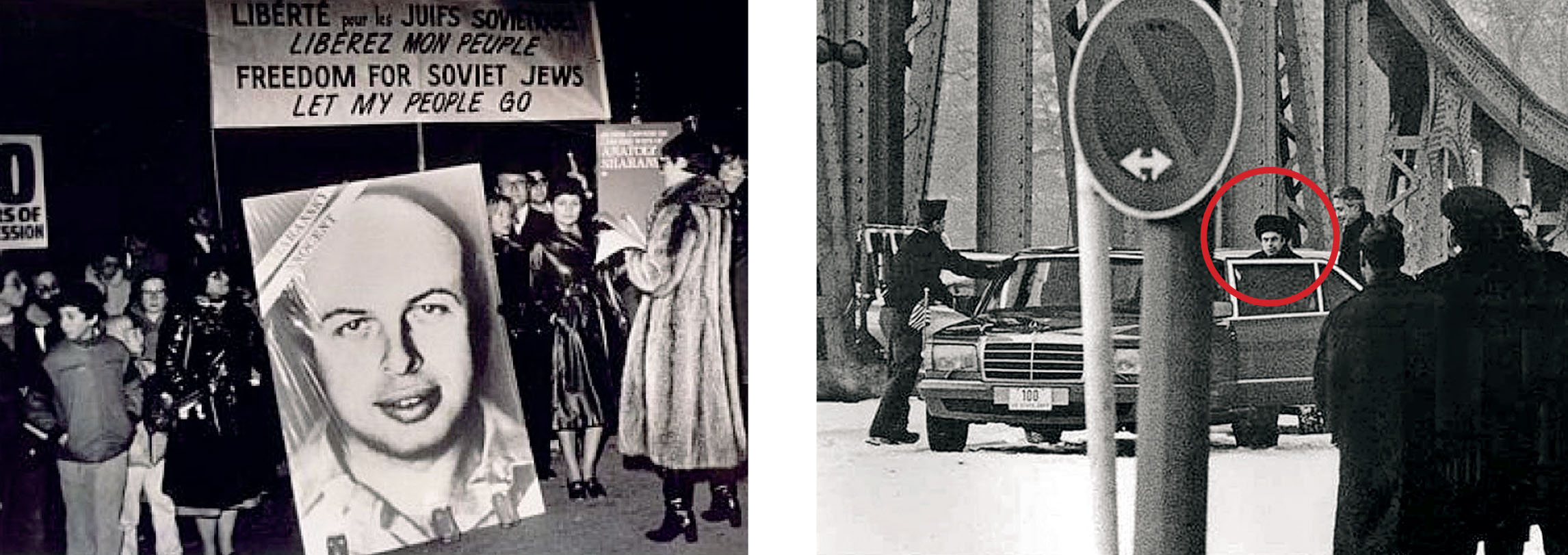
Interesting numerical estimates are interesting. The head of the Department of Humanitarian and Cultural Relations of the USSR Ministry of Foreign Affairs Yuri Ka Ka -Kaleslev claimed that less than 200 people are serving a sentence under “heavy” articles 70 (“anti -Soviet agitation and propaganda”) and 1901 (“spread of obviously false fabrications that defeat the Soviet state and social systems”), while completely silent about religious articles. Meanwhile, in the “list of political prisoners of the USSR” Kronid Lubarsky, twice as many people, including approximately 300 “political”, were serving a sentence on falsified criminal charges.
It was reported that all the released turned to the authorities with the petitions of pardon. In the minds of the intelligentsia and power, this act was and remains related to the admission of guilt
After returning to Moscow in February 1987, Sakharov again raises a painful question in Gorbachev’s letter. On February 11, the representative of the Foreign Ministry Gennady Gerasimov said that 140 people were released and it is planned to free the same amount. At the same time, it was reported that all the released turned to the authorities with the petitions of pardon. In the minds of the intelligentsia and power, this act was and remains associated with the admission of guilt, although legally this is not true.
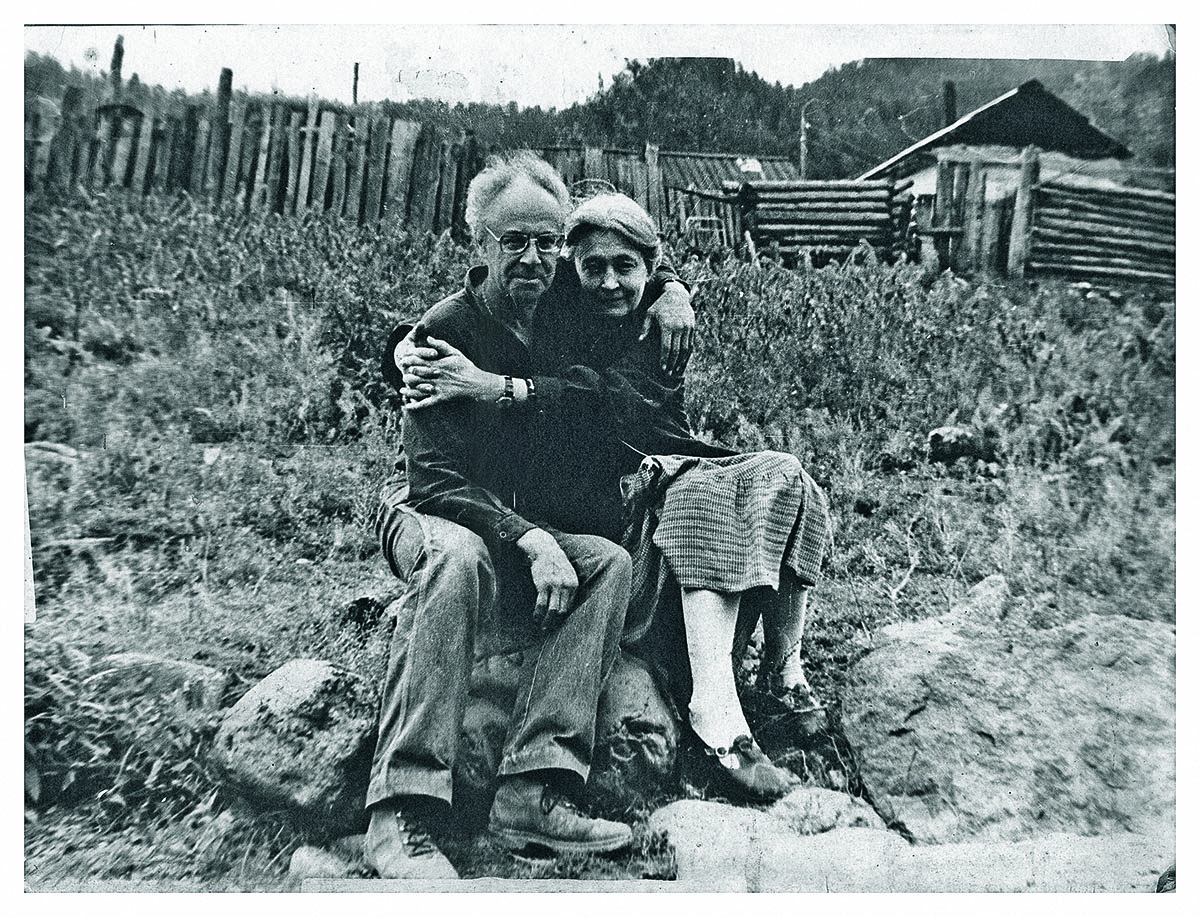
As the writer and human rights activist Zoya Krakhmalnikova later wrote, who refused (like her husband Felix Svetov) to sign the “pardon” in March 1987, “We could be released, return home, to our children and grandchildren. In exchange for freedom, we were offered to give certification that we will not violate the law. So, indirectly admit that we violated him, confessing our faith. ”
With dissidents who categorically refused to ask for pardon, they acted differently: say, the “refuser” Joseph Begun and the priest Sigitas Tamkevichus were not immediately released, but they were released after a couple of weeks. And Vladimir Rusak, who was brought from the camp to Lefortovo, after the refusal to write a statement went back to the camp. Anatoly Koryagin generally refused to discuss this topic for the investigation of the use of psychiatry for political purposes, nevertheless, a month later he was released. The human rights activist Tatyana Velikanova, sentenced to 4 years in the camp and 5 years in the link “For anti -Soviet agitation and propaganda”, was released by the same “explicit order” and, for the entire investigation, did not give any evidence and did not sign a single document. In response to the uninvited pardon, Velikanova said that she did not recognize him legal and demanded rehabilitation, and voluntarily remained in the Kazakh link, returning home only at the end of July 1987, for family reasons, not having spent only two months before the expiration of the sentence.
The process of liberation
Most of the Soviet political prisoners were released in February - April 1987. As “News from the USSR”*, as April 1987, Perm-36, for example, contained 37 people (5 political prisoners, the rest were convicted of war crimes or espionage).
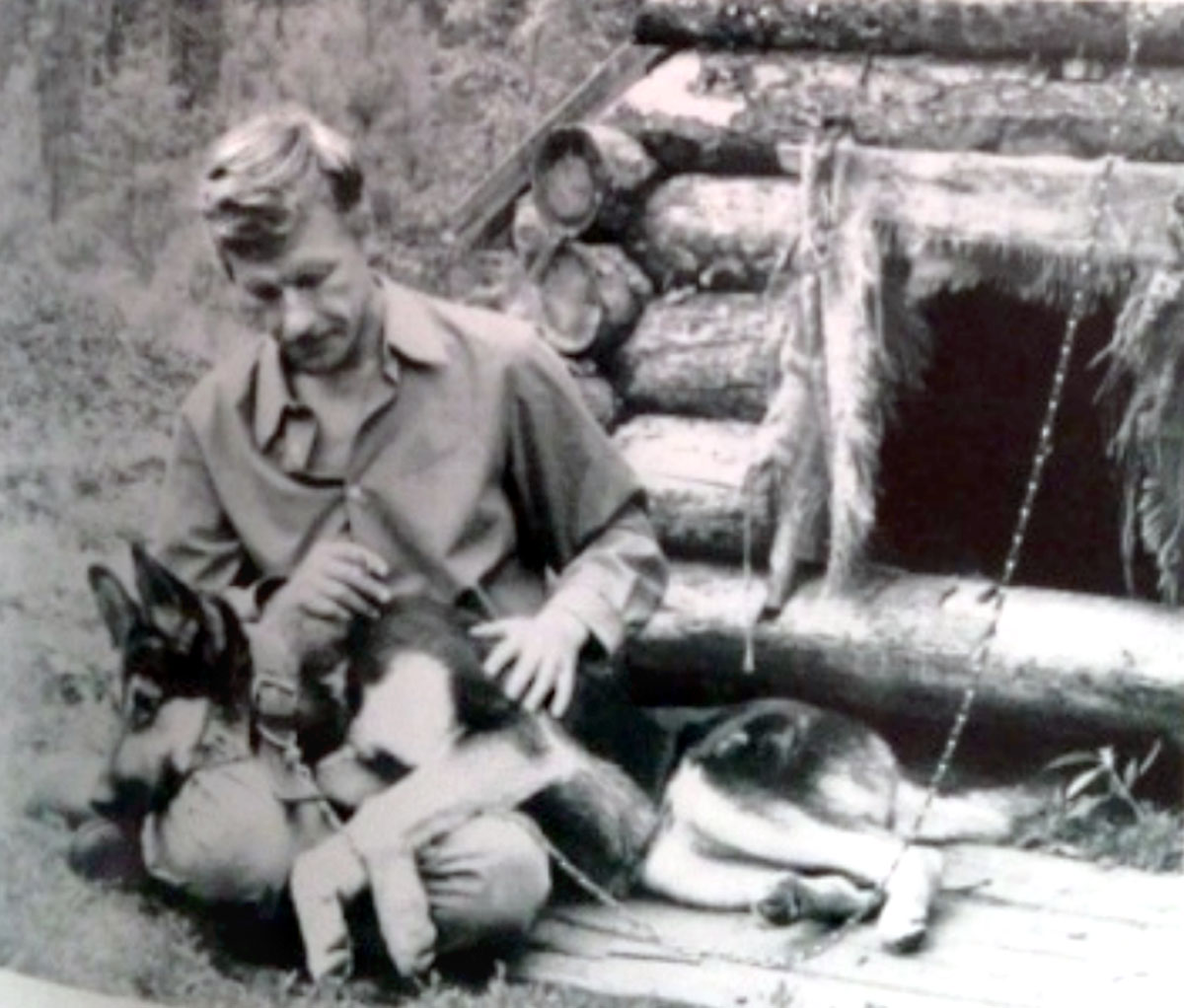
On June 25, 1987, the first political prisoner of the Perm-36 special regime was released-Leonid Borodin. Those political prisoners who were sitting on fabricated criminal charges, for example, were released, for example, storage of drugs, were released ahead of schedule.
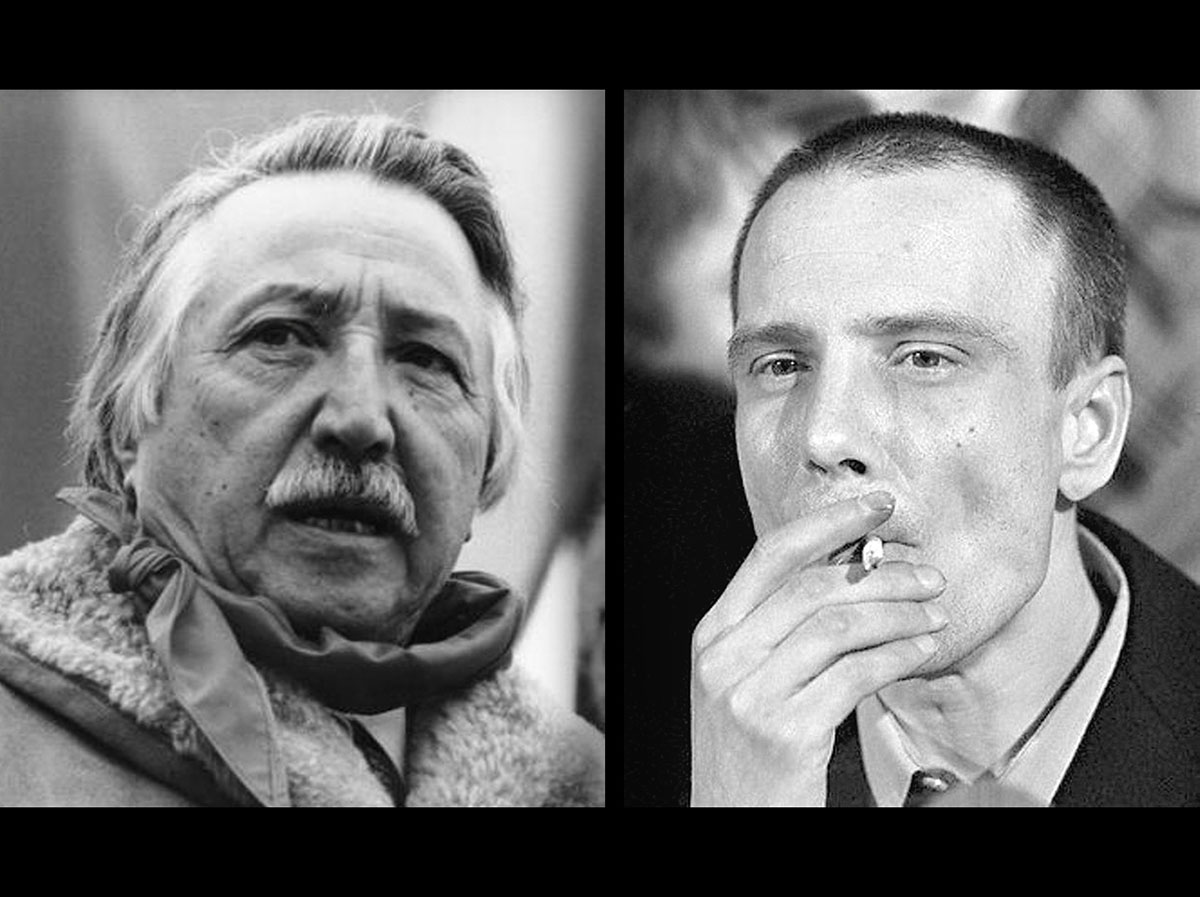
Then the process slowed down, requiring certain efforts of human rights communities in the case of “especially dangerous criminals”. So, on January 15, 1988, Academician Sakharov handed to Gorbachev a list of prisoners, in respect of which the cases should be revised.
One of the most difficult and controversial moments concerned convicts under the 64th article (“treason to the homeland”). The Perm prosecutor in one of the conversations stated that people who were convicted not for espionage, but for trying to escape abroad, would also be released, and indeed, in some cases the 64th article was re-qualified, and the deadline was reduced to actually left.
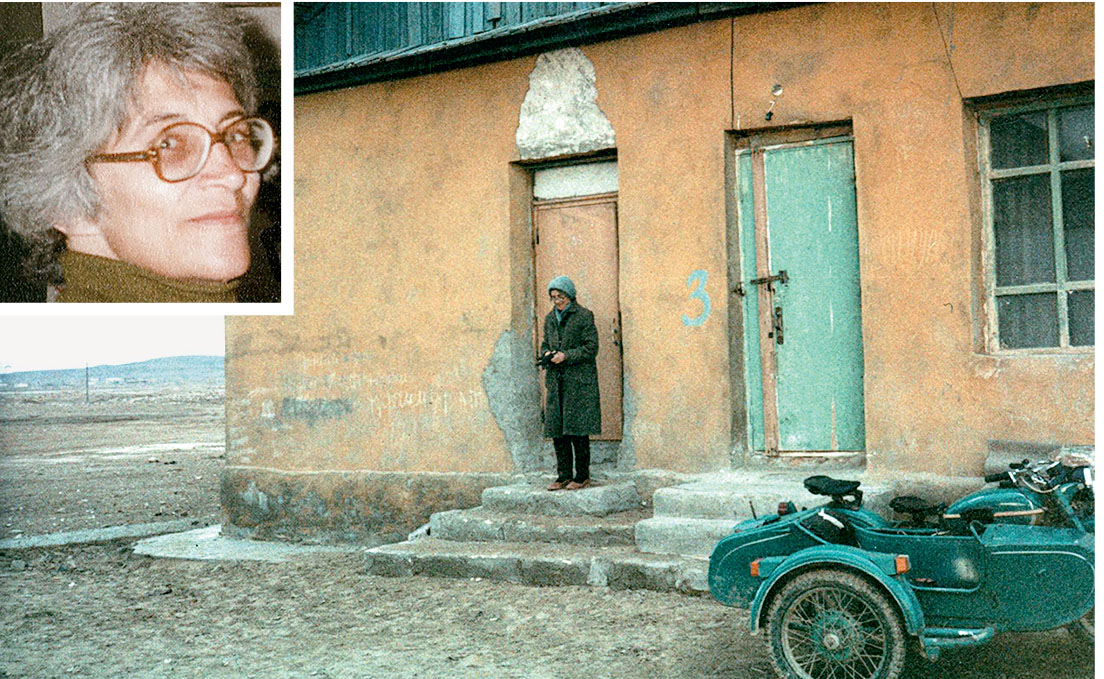
Nevertheless, political persecution continued - although on a much smaller scale. Apparently, the last political affair in the USSR can be considered the case of Valeria Novodvorskaya and Viktor Danilov, which was discontinued on August 23, 1991 "in connection with a change in the situation."
The day after the failure of the putting, a group of former political prisoners (among them Tatyana Velikanova and Elena Sannikova) addressed the President of Russia Boris Yeltsin calling for the question of the immediate release of the remaining political prisoners (most of which were sitting for the transition of the state border and a refusal to serve in the army for religious reasons). The appeal ended with the words: “The decrees on the release of political prisoners should not be like those hypocritical and humiliating decrees that we were released in 1987-1988. Today's liberation <...> should be complete and urgent. "
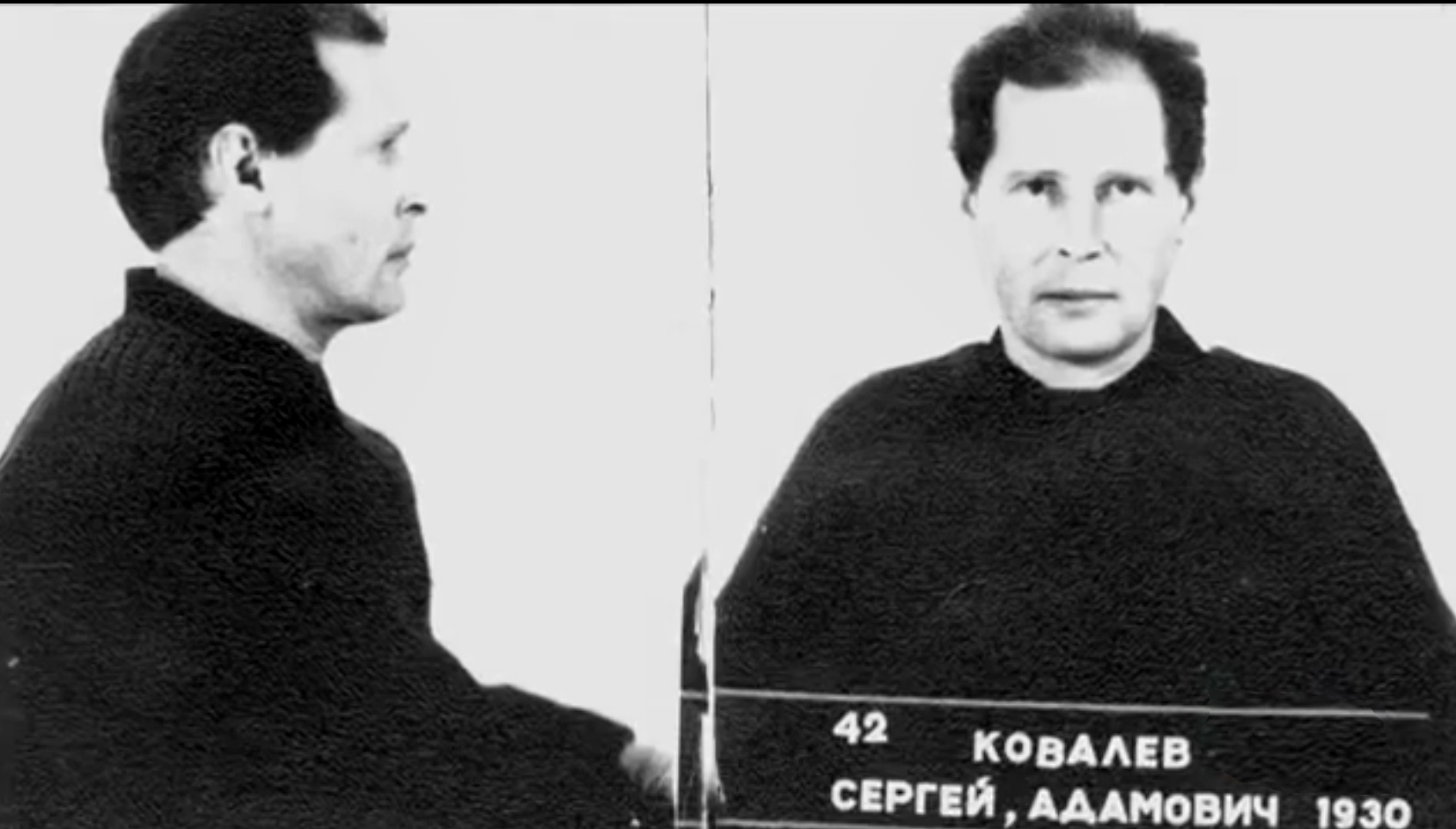
In 1991, the Human Rights Commission already existed, which was headed by the former political prisoner Sergey Kovalev, foreign delegations and journalists came to the only remaining remaining political camp of Perm-35, and the hunger strikes reported on Soviet radio ...
Only on February 7, 1992, the last seven people were released from Perm-35. On the same day, the head of the camp resigned.
To be continued
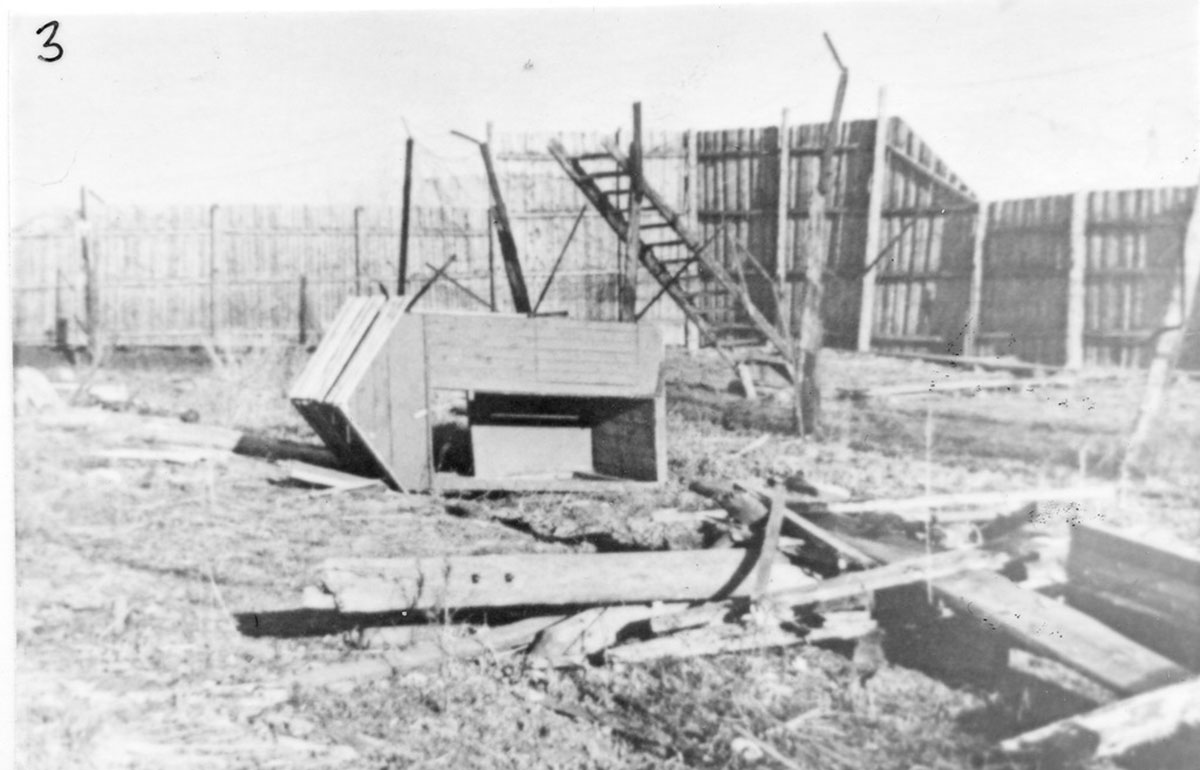
The Perm-36 camp for “convicts for especially dangerous state crimes” in 1998 became the Museum of the History of Political Repression-people with a variety of views passed through it, but which one united: they fought with the Soviet government, and it was afraid of them. Russian nationalist Leonid Borodin, Ukrainian nationalist Vasily Stus (died in prison), Zionist Nathan Scharan, Orthodox dissident Gleb Yakunin, human rights activist, chief editor of the Chronicle of current events Sergey Kovalev - cold chambers of the camp and heaven in a cell in a walking chamber - so they lived for years. But on March 3, 2015, the Perm-36 Museum, declared by the State Propaganda “Fifth Column”, stopped his work.
The last political affair in the USSR can be considered the case of Valeria Novodvorskaya and Viktor Danilov, which was discontinued on August 23, 1991 "in connection with a change in the situation"
In modern Russia, there are no individual camps for "political". Politzes are serving a sentence in various places of imprisonment, including with a “glorious” past - Nadezhda Tolokonnikova sat in Potma in Mordovia, Maria Alekhina in Perm. Again there are political prisoners in Vladimir prison - for example, Nikolai Karpyuk, a famous Ukrainian nationalist. It is possible that Maxim Panfilov, passing in the “Swamp Case”, will become another Politzek (his predecessor was also “Bolotnik” Mikhail Kosenko), who will be sent for forced treatment to the famous white pillars - a psychiatric hospital through which at least 50 dissidents passed.
Officially in our country, as in Soviet times, there are no political prisoners.
* Human Rights Bulletin, published by Kronid Lubarsky in Munich in 1978-1991.
Photo: Pavel Marchenko Archive, Leonid Borodin archive, Zoya Sveta Family Archive, are represented by the agency’s press secretary David Shekhter, “Paralls of the Events of America” (Voice of America, 2013–2015, N. Boltyanskaya, dir. K. and K. Sakharov), screenshot Russia.tv, archive of Varvara Babitsky