
Translated material
Faces are non -accurate expressing
On February 17, in Moscow Multimedia, Art Museum, within the framework of the 10th International Biennale, opens an exhibition of Igor Mukhin, who recorded the time of change
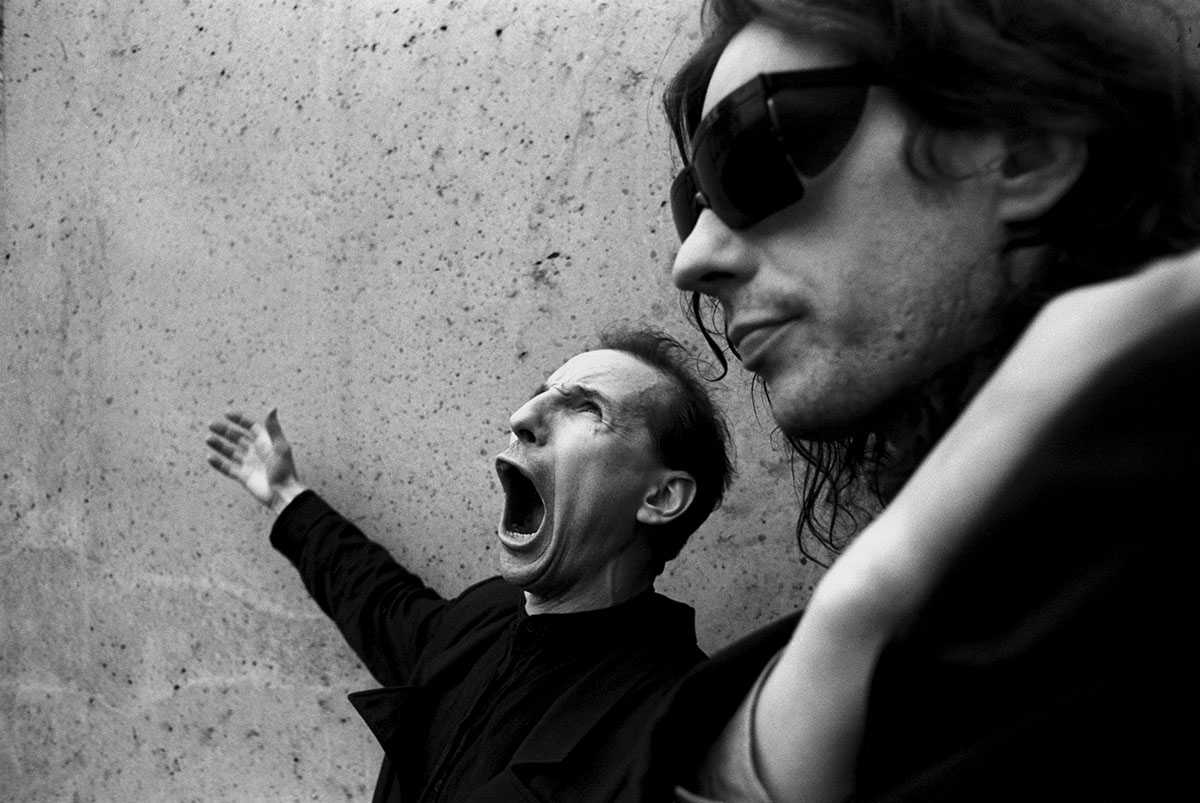
Igor Mukhin shoots reporting photos, shoots a lot and sometimes inaudible. But it was this quality that made him a kind of chronicle of the past era of the late 1980s-early 1990s, that cultural cut, which was thinned over time and almost completely disappeared. And today, referring to the pictures of Mukhin, we understand that in some surprising way he turned out to be almost the only one who removed all these musical parties, the St. Petersburg underground, the life of Moscow artistic wards, Bohemia, who was lucky to live in a piercing through spring wind of changes.
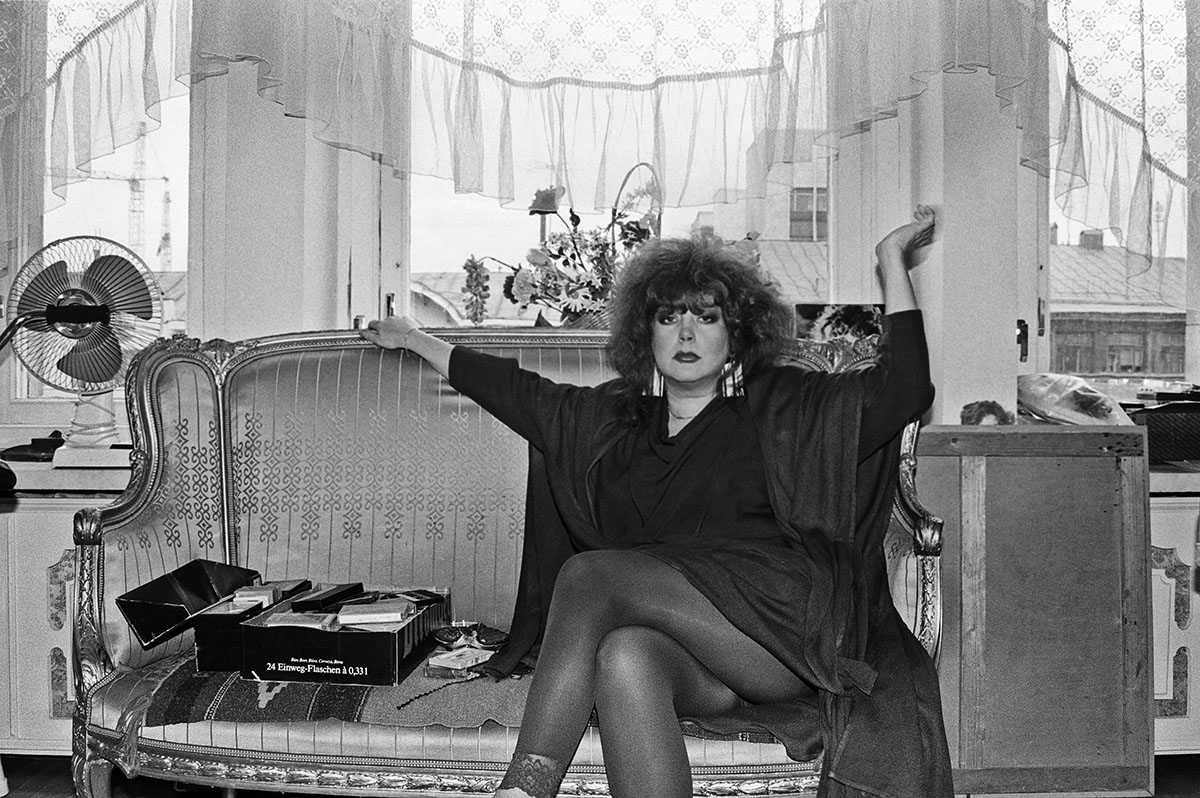
Heroes Rock-n Roll
The theme of the 10th International Biennale “Fashion and Style in Photography” is the youth subcultures of the 1980s. Multimedia Art Museum (MAMM) will present the exhibition of Mukhin "I saw rock and roll" last summer in St. Petersburg. Well, of course, it’s not literally the same: “It will have a different set of photos, another weight, I will add something,” the photographer says, “but in general the layer will be the same.”
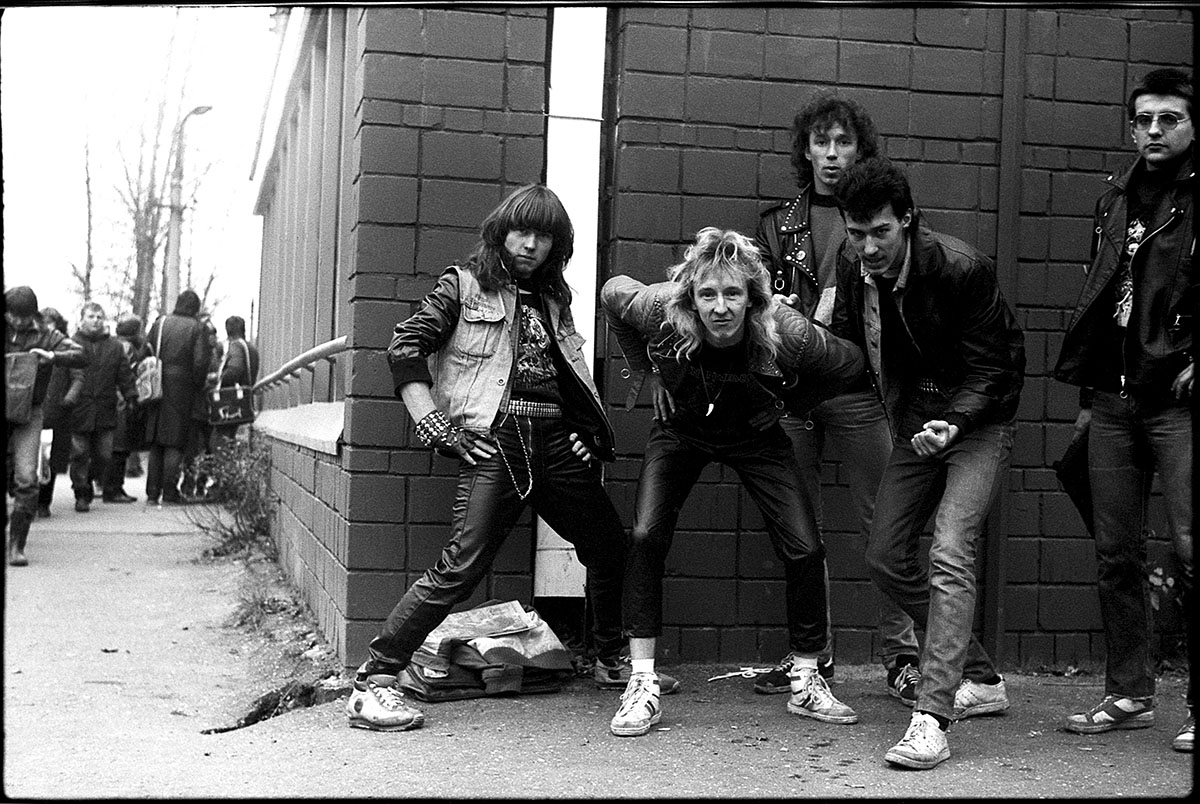
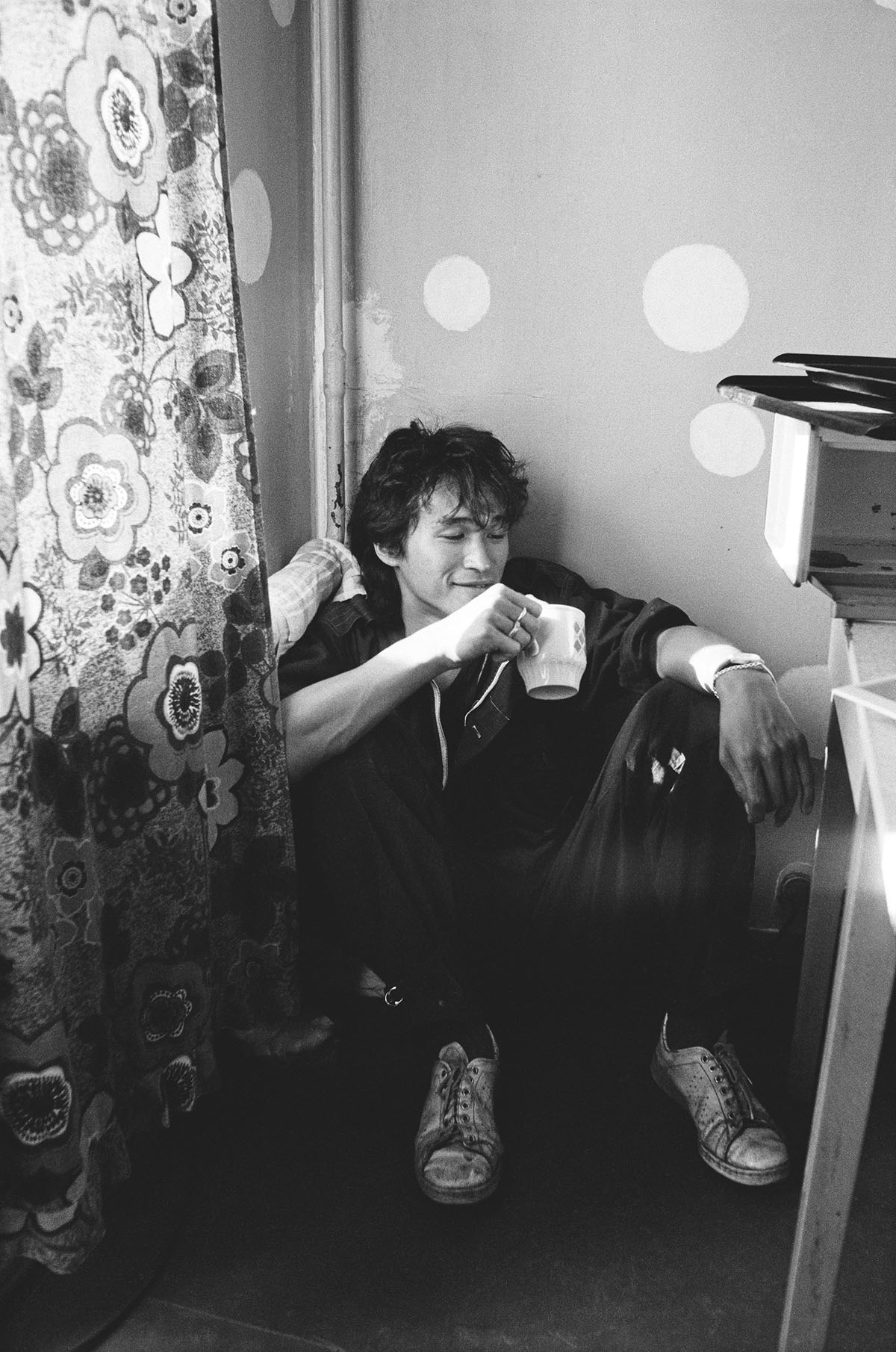
Young, not yet shaved “Heroes of Rock and Roll”: Boris Grebenshchikov and Oleg Garkush, Viktor Tsoi and Yuri Shevchuk, Konstantin Kinchev and Peter Mamonov ... These are not staged pictures: heroes often do not notice the shooting
Mukhin’s photographs are captured by young, not yet shaved “Heroes of Rock and Roll”: Boris Grebenshchikov and Oleg Garkusha, Viktor Tsoi and Yuri Shevchuk, Konstantin Kinchev and Peter Mamonov ... These are not staged pictures: the heroes often do not notice the shooting, but even when they build facilities in the object-the presence of an observer does not affect the course of the experiment; The photographer simply becomes part of their airspace, the atmosphere that they breathe and in which they live.
At one time, the pictures of Henri Cartier-Bresson became a revelation for us (with whom Mukhina is regularly and reasonably compared). They say that the master sealed the metal parts of the camera with black island so that they would not shine and attract the attention of others. Mukhina is also not visible in the crowd, although it is not particularly hidden. His colleague, also a photographer, said that they somehow shot a demonstration together. A long and thin, in a black jacket, Igor towered above the crowd, and no one paid attention to him, and she immediately found herself under the unfriendly sight of her views with her camera. The ability to seem to be your and inconspicuous is one of the main requirements for a photographer working on the street. As for the bohemian life of the 1990s, then, according to the photographer himself, the legendary pictures appeared naturally-Mukhin simply spent a lot of time on rock concerts and shot them.
Just life
Photos of Igor Mukhin are fascinated by their apparent ingenuousness. The heroes of his pictures (with rare exceptions, such as Alla Pugacheva) do not pose, but simply live their natural life. The essence of the talent of a reporting photographer is that he automatically selects the only exact frame from all possible, his eyes work for him, almost uncontrolled. Mukhin says that the frame develops often quite by accident: sometimes the hero thinks that they shoot him, but in fact it turns out to be only part of the overall picture. For example, in the frame are members of the Corrosion of Metal group, but without two bored police officers in the background, the photograph would be completely different. Now, looking already from the side of his old pictures, the photographer sees additional value in them - not only the characters caught behind his usual life are interesting, but also, say, the objects of the departed material culture, the signs of everyday life: “People are interested in watching how time it looked then. Here I actually photographed the ray of the sun, but now this photo is interesting because it can be seen on it a large radio that stood in people in the kitchen ... "
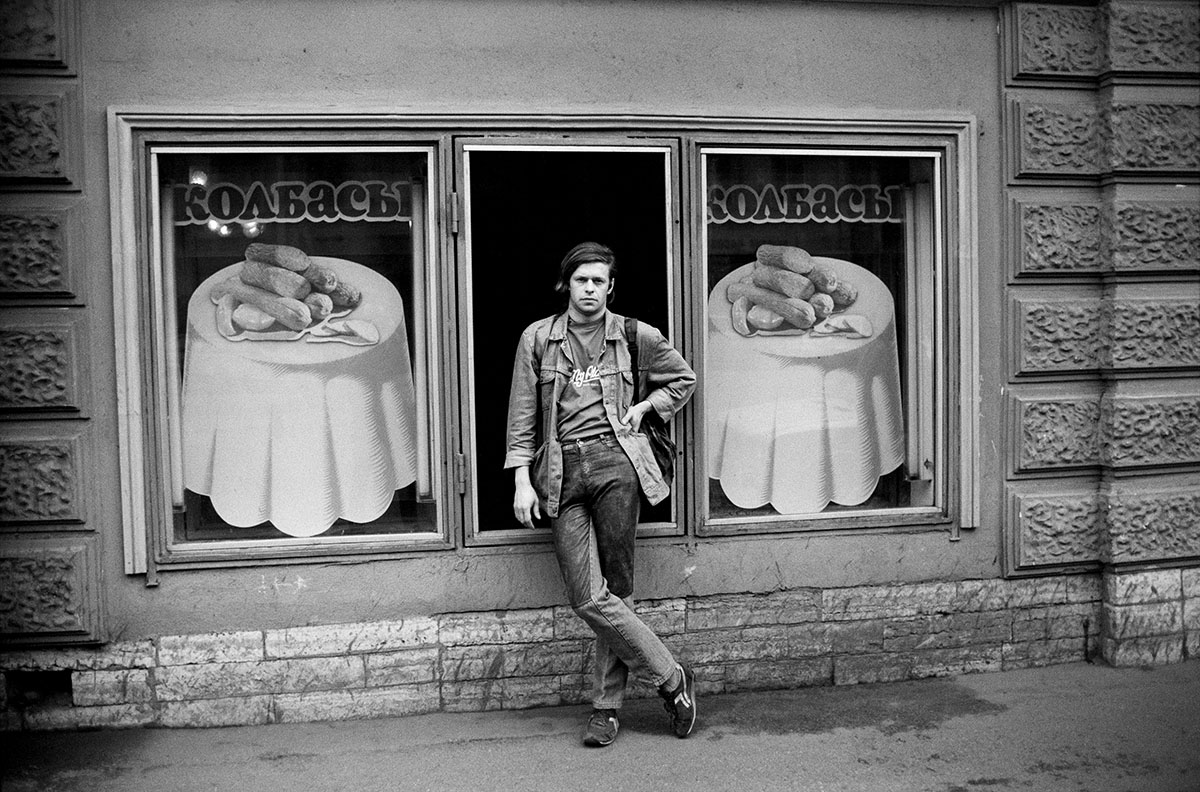
Rock music has dried up in our country as a movement uniting free and independent people. In the words "We are waiting for change!" Hope sounded at one time, but the changes never came. The rock music has become part of the show business, and it was already difficult, as the photographer admits, to meet with “stars” just like that, in an informal or home environment.
Secrets of craft
At one time, Mukhin began to shoot primarily not ordinary people, but famous, creative - naturally that it was these photographs that became classic over time: Eric Bulatov, sitting with a detached look in his workshop, Vladimir Sorokin, who squatted down in front of the old Volga, Peter Mamonov in a moronic cream, who revealed his mouth in a crazy grimace ... however, Mukhin often photographed his future idols. Millions before they gained wide fame, something like a foreboding. Five years ago, he had a project under the mysterious name “accomplices”, in which Mukhin united the photographs taken over the 25-year period of people who at one time a young creative intelligentsia. According to the photographer himself, his and his heroes are united by communications in creativity, and also the fact that they are all artists, art critics, poets-make up something like a sect: inside a narrow circle, of course, are known, but “man from the street” is incomprehensible and not needed.
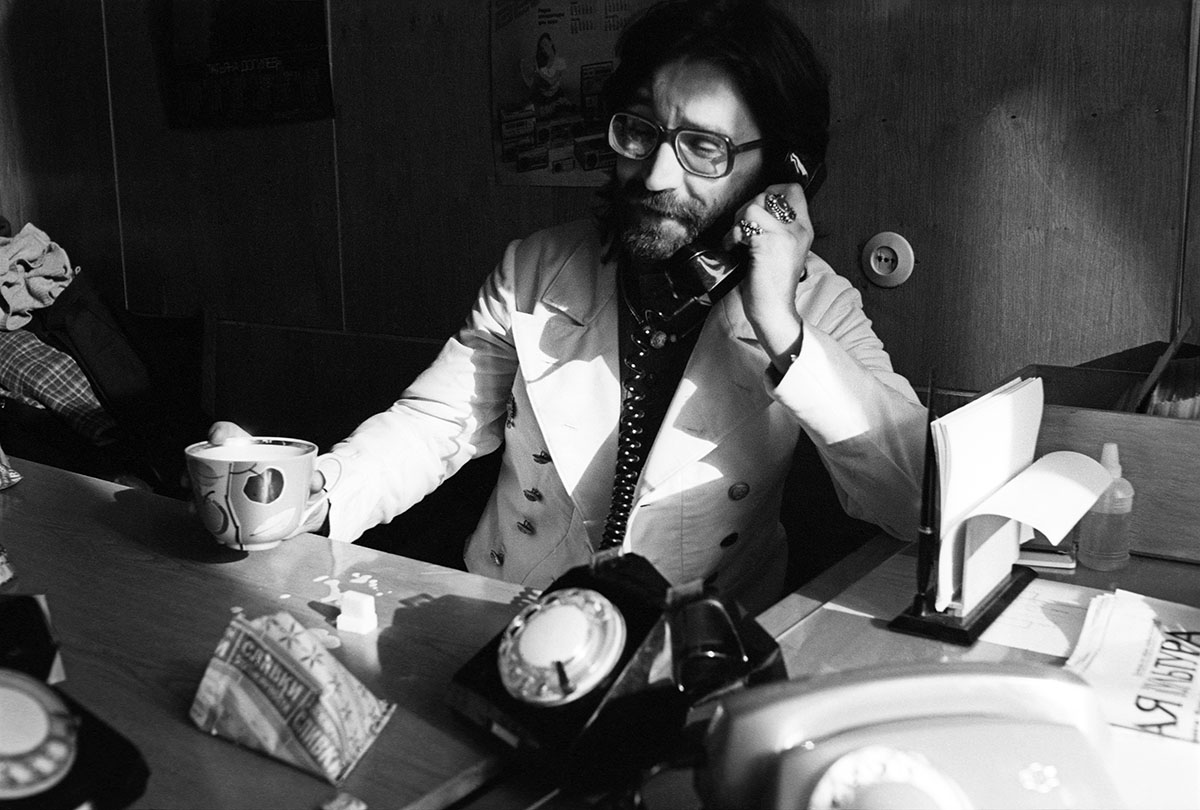
Mukhin simply considers life around him, and this life, seen through the lens of the photographer, as through a magnifying glass, turns out to be tragic, tender, and helpless in his sunset
And only recently, the photographer began to manifest more keen interest in ordinary genre, household photography. This can be a rally in Bolotnaya Square, and a crazy “Russian vacation”, when crowds of people, often naked, bathe in small rivers near Moscow, splashed carelessly in the water with the whole family, then they warm up under the vodka and beer ... These pictures are somewhat reminiscent of the Kharkov cycle of the homeless Boris Mikhailov, the Soviet (Ukrainian) master of social (Ukrainian) photo documentary. But unlike Mikhailov, who works on the Western audience, Mukhin simply considers life around him, and this life, seen through the lens of the photographer, as through a magnifying glass, turns out to be tragic, tender, and helpless in his sunset.
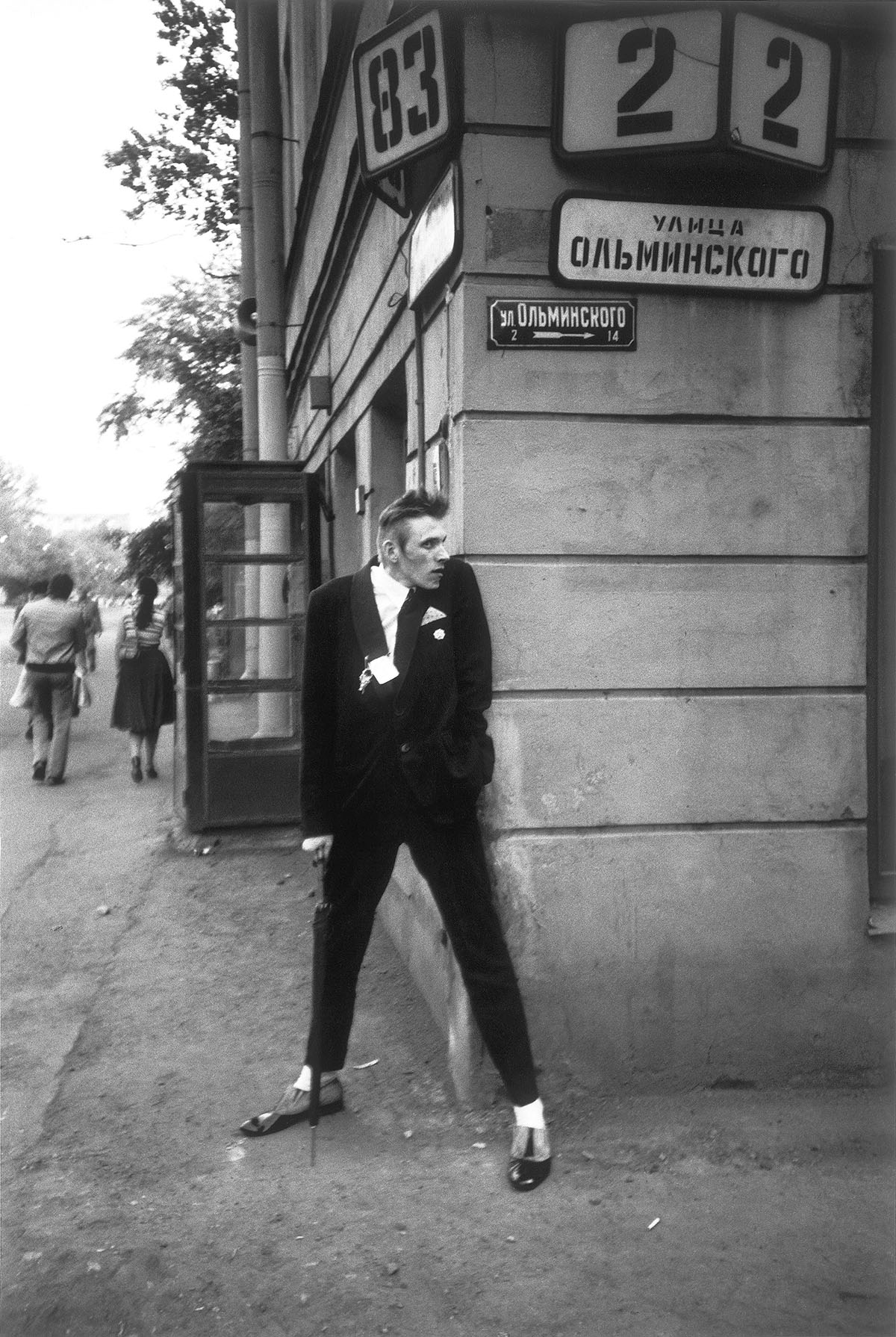
Very seductive through the thickness of photographs that the master - anyone - makes throughout his life to break through to him. But if the artist with each next picture, figuratively speaking, digs himself up, goes deep into his own personality, then the photographers are far from all revealed in their pictures. Does this happen to Igor Mukhin? Perhaps not. It is believed that only seven pictures remain from each photographer in eternity. Igor Mukhin has already chosen his own. Which ones are unknown. But we, his contemporaries, have to hope that we will still wait for the retrospective, which the master deserves and which, unfortunately, has not yet had.
Photo: From the Mamm collection