
Translated material
The fight against corruption: closed show
Who and how has removed the head of the customs of Belleninov from the post and why the Clan war now continues on Lubyanka
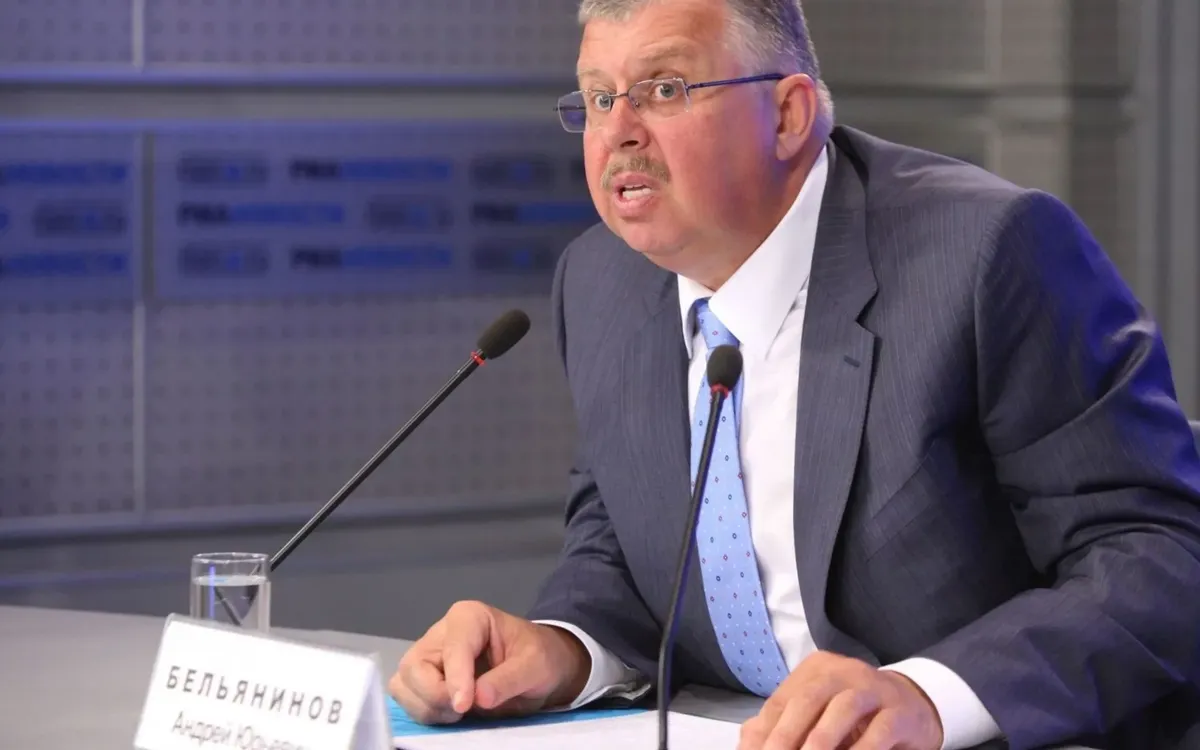
In July last year, operatives of the Office of their own security (USB) of the FSB came with searches for the then head of the Federal Customs Service (FCS) Andrei Bellyaninov. Photos from the house of Belyaninov, in which he in a tracksuit he took out a shoe box with a shoe with cash with an antresoli, instantly flew the Internet and became the main topic of news releases on federal television.
Then few doubts arose that the broadcast of the interior decoration of the Belleninov house in the context of the news about the criminal case is standard information support for further “landing”. These are the laws of the genre: if the search staff shows on TV, the plot hero will most likely change his mansion to the camera of the Lefortovo investigative insulator.
However, contrary to the current practice, Belyaninov was not charged - the next day he filed a petition for a resignation, and information about the search disappeared from news reports.
Since then, television has returned to the customs topic twice. First, on December 1, 2016, during the advances of the President to the Federal Assembly, when Vladimir Putin called to the hall: “Unfortunately, we began to practice the information noise around the so -called resonant cases. And often, representatives of investigative and law enforcement agencies sin. I want to pay attention to it. The fight against corruption is not a show ”(at that moment the camera grabbed the figure of the Secretary of the Council of People's Commissars Nikolai Patrushev). Then on December 23, during the annual press conference: “There was no case against Belyaninov. And pre -investigative actions and searches thrown into the media - this is unacceptable! "
Such a speech of the president left no doubt: a search in the house of Andrei Belianov, who led to his resignation, pursued a number of goals that were not brought to the attention of society.
Six months later, we replenish the gap and reveal the circumstances of the investigative actions in the house of the former head of the FCS.
Why the search was carried out on the eve of the meeting of the head of the FCS with the president, how he led to the resignations of influential Lubyansk generals and the actual collapse of the most powerful FSB service and why the Investigative Committee continues to investigate the case, the defendants of which people from the closest encirclement of the ex-head of customs can become.
... In early September last year, the senior investigator for particularly important cases of the Main Investigative Department (GSU) of the TFR in Moscow, Alexei Efimov, arrived in the investigative insulator "Bear". By that time, the lieutenant General of the Customs Service, Alexei Shashaev, a close comrade of the recently retired head of the FCS Andrei Bellyaninov, was in custody for a little more than a month and therefore took the young “Vazynyak” with anxiety. In July, the general was sentenced to five years in prison on charges of fraud and before leaving for a colony, which preceded the consideration of an appeal in the Moscow City Court, he did not count on the next meeting with the investigating authorities.
However, this young investigator was very different from those who recently sent him to prison: politely apologized for anxiety, inquired to the well -being and conditions of detention, and suggested smoking.
Gradually, the investigator and the prisoner’s conversation began to flow into interrogation on abstract topics, from which Shashaev became clear the reason for the visit of Efimov: the TFR resumed the investigation of the criminal case concerning the implementation of the contract for the needs of the FCS of complex software. Shashaev, who signed the act of work performed under this contract, was supposed to be questioned as a witness.
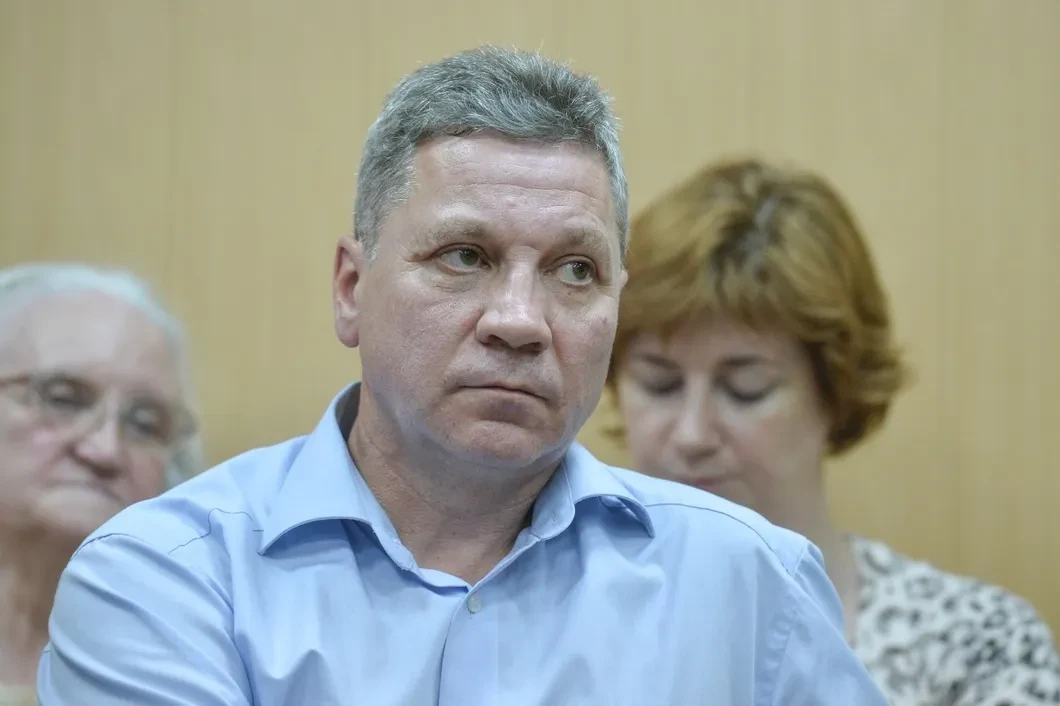
The general did not manage to be upset with this circumstance - the very first questions on the merits of the case returned him to working condition. Dice the sentenced phrases such as “integrated components” that seemed to the investigator part of the tongue twister, for Shashaev were rather control words that launch the thought process.
When the interrogated realized that he was talking to the investigator in different languages, he took a sheet of paper and began to draw a diagram. The lessons of artistic skills lasted more than three hours, during which the investigator Efimov carefully listened to the general. “If I were free, I would have brought this matter to the end,” said Shashaev at the end of the interrogation and carefully expressed surprise at the sudden interest of the TFR in the information support of the customs authorities. And the investigator, who had preferred not to discuss the reasons for the resumption of the investigation, for some reason dropped for some reason: “You understand, the special services war are ongoing.”
The conspiracy of the generals
On July 21, 2016, the highest command staff of the 6th Service of the USB FSB carefully studied photographs of the land plot taken from the quadrocopter flying over the elite district of Konakovo of the Tver region. Even for the operational installation of the object of interest, as some operatives of the FSB USB subsequently explain, he was catastrophically lacked - for the preparation of the search, they had less than a week.
The operational task itself also looked ridiculous - to remove everything that is of high value.
True, for the operators of the service that took part in almost all the high -profile arrests of federal and regional officials in recent years, the rich interiors of huge mansions have long turned into ordinary scenery - without the help of experts, they have already learned to distinguish expensive paintings from fakes, and unique jewelry - from cheap jewelry.
The object of the upcoming “raid”, which was supposed to be the head of the FCS Andrei Belianov, did not cause any emotions among the FSB officers. There were few of them-the former Governor of the Sakhalin Region Alexander Khoroshavin with kilograms of gold jewelry, the ex-head of the Komi Republic, Yuri Gaiser with countless houses and apartments. As one of the officers explains, "all on one face."
Another thing is the powerful Generals of the Lubyanka, who dreamed of reaching the main customs officer of the country for the past four years. Over the past few months, at least twice they reported to the President about violations in the system of customs authorities, but in response they received their own multi -page certificates on the “red forms” with an empty resolution - a painting about familiarization, without instructions about further actions.
And on the eve of the head of the 6th Service of the FSB, Colonel Ivan Tkachev finally launched an order to prepare a search with Andrei Belleninov. The first steps of the 6th Service of the FSB’s Council of FSB resembled the organization of filming of a television reality show: both houses, apartments and a Belleninov’s office in the FCS building on Novozavodskaya Street were equipped with objective control means, and on all contacts and movements of the “object” was reported in the online “upstairs” mode.
There were enough reasons for the FSB for the invasion of the related special service-the customs was shocked by loud corruption scandals, mainly related to the work of the North-West Customs Administration (SZTU). In the zone of influence of SZTU, the smuggling canal was opened, as a result of which some large business players were in custody. The arrest was crowned on charges of smuggling of alcohol products of billionaire Dmitry Mikhalchenko-Operator of the Brill Sea Port, a family friend of the then director of the FSO Evgeny Murov, one of the richest and most influential businessmen of St. Petersburg.
It was the case of the illegal import of several batches of alcohol under the guise of building sealant, which was investigated in the central apparatus of the Investigative Committee, and was supposed to become the basis for the production of operational investigative actions in the FCS. And the senior investigator for particularly important cases of the GSU of the TFR Sergey Novikov, who often investigated the cases together with the 6th Service of the USB FSB, signed a resolution on the production of emergency investigative actions in the dwelling of Andrei Beligninov.
“There was no time to wait for the court’s sanction,” the FSB officer explains, referring to the short time of the operation.
Exactly a week later, on July 27, 2016, a personal meeting of Andrei Belleininov with President Vladimir Putin was supposed to take place, at which the head of customs planned to discuss his future.
There were several options for employment by Andrei Bellyaninov, according to a friend of the government and an employee of the presidential administration, to a friend of him. The most likely is the governing bodies of Vnesheconombank or VTB. “Andrei once said that he could lead the State Bank if the president gives the go-ahead,” the federal official, familiar with Belleaninov, indirectly confirms this.
The transition of high -ranking security forces to banking business has not been surprising for a long time, but in the case of Belyaninov it looked even logical. The head of the FCS, who in the 80s responsible for the material support of the Soviet residency in East Germany through the first main department of the KGB, connected part of his life with the financial market: in the period 1992-1999 he headed REA-Bank and Novikombank, then founded his own oil industry.
However, the State Banks were far from the only potential place of work of Andrei Belleninov. According to the Presidential Administration, for some time, Belyaninov was considered as the head of the foreign intelligence service (SVR), in which Mikhail Fradkov was prepared.
“Belyanin, if you remove the scandals aside, this is a biting and conflict servant. Such a set of qualities corresponded to the priority tasks of the service - control of the meetings of Russian officials abroad, the search for their assets, etc. And the president needs people who serve and report objective information, and do not bite and lead by the nose, ”says an employee of the presidential administration.
One way or another, Andrei Belianov did not have time to discuss the new work with Vladimir Putin: in the early morning of July 26 - the day before the appointed meeting - three FSB operaces came to the building on Novozavodskaya Street and two suburban houses of the head of customs.
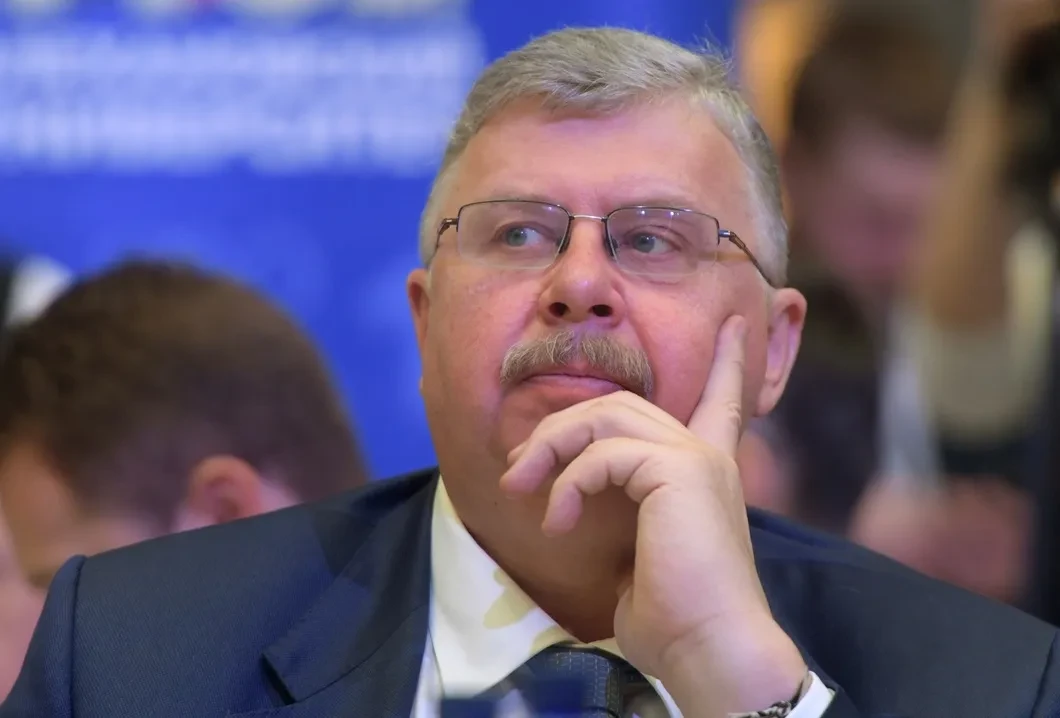
"Button" for the president
Andrei Belleininov, according to the FSB officer, the special forces found during fishing.
For several days now, the head of the FCS was on the official vacation, which he carried out at the cottage in Konakovo. The FSB was well known about this, so at 5.00 they sent several Volkswagen minibuses there.
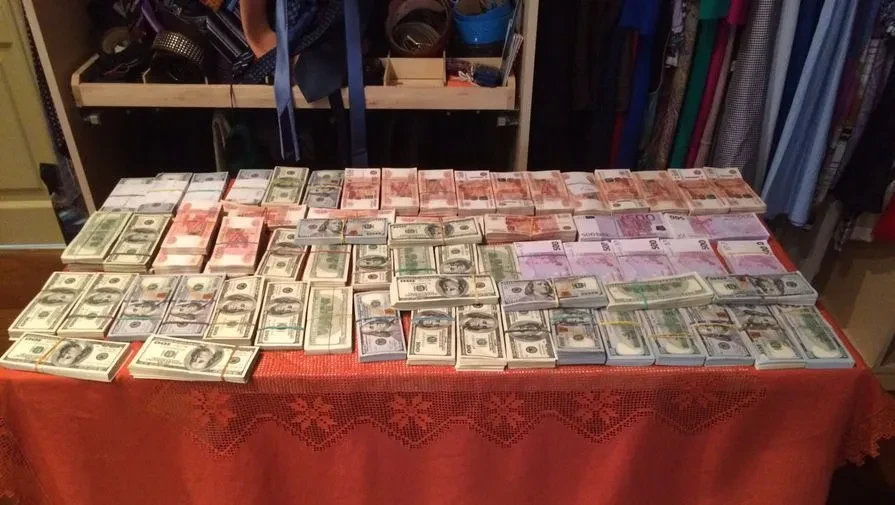
After the short bickering of Belyaninov, they put in one of them and taken to the area of the New Moscow, where his main place of residence was located. The head of customs, recalls one of the operatives, immediately seized both mobile phones, and upon arrival in the main dwelling began the inventory of the main values - cash (more than 66 million rubles were seized in various currencies), four paintings, two icons and a rare book “Sacred Coronation. Alexander II ".
Photos of the seized money, jewelry and paintings made by one of the members of the operape, even before the end of the search, the Internet and federal television channels flew up: all day news stories talked about the luxurious life of the next official who fell on the FSB network. Closer to midnight, television weakened the grip. “Apparently, the president at that time first turned on the TV,” the entrepreneur familiar with Belyanin says with irony.
“This is a rare case of violation of the work of the state mechanism. The “button” of the TV was included not just without the knowledge of the president, but contrary to him, ”the presidential administration confirms and recalls the reaction of Vladimir Putin to searches during the message to the Federal Assembly:“ The president writes in recent years during such events, by hand. This part [about Belyaninov] also wrote. This is not surprising. After such plots, people go to prison, and are not transferred to the personnel reserve. So started. "
Be that as it may, for Andrei Belleininov this no longer had fundamental importance. The party was played for one search - so the faithful member of the president’s team turned into a person publicly torn off the system.
The defeat of the "six"
Pretty surprisingly, the meeting of Vladimir Putin and Andrei Belleininov on the appointed day nevertheless took place. According to the FSB officer, because of this, the investigator Novikov even had to transfer the interrogation of the head of the FCS for a day.
The result of an hour-long conversation with the president was the logical resignation of Belyaninov and the approval of the candidacy of the new head of the customs, which became the presidential envoy in the North-Western Federal District (North-West) Vladimir Bulavin, a former subordinate Secretary of the Security Council of Nikolai Patrushev. In October, after the expected resignation of Mikhail Fradkov, the SVR was headed by the State Duma speaker Sergey Naryshkin, on the initiative of which the Duma structure was created at one time, which studied abuse and violations in the department of Belleninov.
“The defeat occurs after the victory,” said Andrei Belleninov at a farewell press conference.
The words of the now former head of the Russian customs turned out to be prophetic: within a month, the law enforcement block left eleven senior employees - from the official representative of the TFR of Vladimir Markin to one of the most influential generals of Lubyanka, the deputy head of the FSB of the FSB Oleg Feoktystov. The first became the deputy head of RusHydro, the second headed the Rosneft security service.
It was Feoktistov, according to our sources, as the founder and curator of the 6th Service of the FSB Council of People's Commissars, that the organizers of the search with Andrei Belleininov.
Having gained fame thanks to the investigations of a number of high -profile criminal cases, the victim of which was also the head of the FSKN operational support department, Alexander Bulbov and the head of the State Unitary Enterprise of the Ministry of Internal Affairs of the Ministry of Internal Affairs Denis Sugrobov, General Feoktistov was considered the main contender for the post of chief of the USB FSB.
The 6th service he supervised almost immediately after his departure lost the status of the most dangerous FSB unit: first, the “six” was deprived of the right to wiretapping, and then other fundamental powers in the implementation of operational-search activities.
“This service will only be engaged in ensuring the physical security of persons subject to state protection,” the FSB officer believes, adding that after a search in the house of the FCS, the operational support of most resonant criminal cases began to be carried out by the 2nd Service of the FSB, the 2nd Service of the FSB.
For some time, the prospects of the chief executor of investigative actions in the FCS, the head of the 6th Service of the USB FSB Ivan Tkachev looked foggy. Shortly before the fatal search, Colonel Tkachev, for unquestioning subordination to the bossal orders, received the nickname of the soldiers from colleagues, was considered the main contender for the replacement of the head of the Office “K” SB FSB. This unit is engaged in counterintelligence support for the credit and financial sphere and is considered the most significant in the system of economic security-it, in particular, oversees the banking business and customs authorities.
It was this management of the duty of the service that fought with the department of Andrei Belianov, engaged in the deep operational developments of his subordinates and initiating criminal cases.
At the end of September, the candidacy of Tkachev was nevertheless agreed by the Presidential assistant to the personnel Evgeny Shkolov-and the most famous Specialist of Lubyanka was retrained in the main financial counterintelligence.
In a new quality, he will investigate a criminal case, the threads of which will again bring him to the office of the head of the FCS.

Close circle
It is not known how the fate of the former Soviet intelligence officer Alexei Shashaev would have developed, he would not get acquainted in the early 90s with Andrei Bellyaninov. A graduate of the faculty of applied mathematics of the Higher School of the KGB, Shashaev, unlike most classmates, after the collapse of the Soviet Union did not move towards free capital, but remained faithful to the state security authorities. In Lubyanka, he, according to the backward employees of the FSB, was remembered by official discipline and naivety unusual for the Chekist. “He always believed in formal logic. This faith still prevents him from understanding what he is sitting for, ”one of them jokes.
With his future chef Andrei Bellyaninov, Shashaev continues, the interlocutor continues, for the first time he saw during the campaign in the Moscow region to the Rozhaika River, where once a week, immigrants from the KGB liked to fit the weekend.
Pretty quickly, the FSB Officer Shashaev and the banker of Belyaninov became friends. “They are both of the Balagurs. Wherever we rest - in the forest, on Pirogovsky or Ruzsky reservoirs, - Lesha and Andrey started the audience. Lesha was a full -time guitarist, Andrei loved to sing, ”recalls the acquaintance of Shashaev.

In 2001, friendship grew into official relations: Alexei Shashaev, in the status of a personnel employee of the FSB, took the position of first deputy head of the information technology department of Rosoboronexport, which was led by Andrei Bellyaninov.
А в 2006 году отправился вслед за товарищем в ФТС, заняв пост начальника Главного управления информационных технологий (ГУИТ), где отвечал за техническое обеспечение ведомства.
Формально в таможне Шашаев подчинялся сослуживцу Бельянинова по КГБ Владимиру Малинину, но по факту работал с оглядкой на командировавшую его Лубянку. Спустя год Шашаев станет первым кадровым чекистом, снявшим погоны полковника ФСБ и перешедшим на таможенную службу (где довольно скоро дослужится до генерал-лейтенанта).
«Как раз в то время Бельянинов боролся с опекой контрразведчиков, добиваясь упразднения института прикомандированных сотрудников применительно к ФТС. На расширенных коллегиях [ФСБ] он неоднократно заявлял, что коллеги из сопредельной службы мешают реализовывать задачи, поставленные президентом», ― напоминает бывший высокопоставленный сотрудник ФСБ.
Надо заметить, что жалобы Андрея Бельянинова не были лишены оснований, ― сотрудники ФСБ составляли костяк правоохранительных структур Главного управления по борьбе с контрабандой и Управления противодействия коррупции ФТС.
Добившись изгнания прикомандированных чекистов, Бельянинов замкнул всю борьбу с контрабандой на себе, в частности лишив ФСБ оперативно-технических возможностей таможни. «К концу 2011 года Лубянка полностью утратила влияние на процессы внутри таможни», ― констатирует экс-сотрудник ФСБ.
Тогда же, продолжает собеседник, спецслужбой были усилены меры по выявлению преступлений коррупционной направленности в таможенных органах: «Первым признаком надвигающейся бури стала активизация Воронина ( бывший начальник Управления «К» СЭБ ФСБ .― А. С. ), которого с Бельяниновым связывали в целом приятельские отношения. Когда Бельянинов изгонял прикомандированных сотрудников, он не стал трогать служившего в УСТМ ФТС ( Управление специальных технических мероприятий . ― А. С. ) родственника Воронина».
Мобилизация силовиков коснулась даже лояльной к ФТС Госдумы, внутри которой был создан координационный совет по проблемам внешнеэкономической деятельности. По словам бывшего депутата Госдумы, инициатива создания совета исходила от спикера Сергея Нарышкина, а «содержательным наполнением» работы парламентариев занималась ФСБ.
Весной 2012 года началась череда проверок и арестов работников Управления рисков и оперативного контроля ФТС, Управления тылового обеспечения, Центрального таможенного управления и региональных таможен, а также связанных с ними грузоперевозчиков.
7-й отдел Управления «К» СЭБ ФСБ, который непосредственно курировал работу таможенных органов, быстро стал рекордсменом управления по количеству уголовных дел, возбуждаемых на основании материалов его оперативных сотрудников.
Иногда чекисты реализовывали оперативную информацию через коллег из МВД. По словам бывших сотрудников ГУЭБиПК МВД, на основании материалов ФСБ летом 2012 года по подозрению в коммерческом подкупе ими был задержан советник подведомственного ФТС ФГУП «РОСТЭК» Александр Романов, выходец из 9-го управления КГБ и давний приятель Андрея Бельянинова.
По версии следствия, Романов вместе с руководством одного из филиалов РОСТЭКа незаконно взимали с грузоотправителей деньги за беспрепятственное и ускоренное оформление их товаров. В 2014 году Романов был осужден на пять лет лишения свободы. И хотя фамилию Бельянинова не упоминали на стадии предварительного и судебного следствия, а сам он после задержания Романова провел жесткую служебную проверку, стало понятно: силовики взяли курс на окружение главы ФТС.
Дело Шашаева
Осенью 2013 года 7-й отдел Управления «К» СЭБ ФСБ получил оперативную информацию о вероятных нарушениях при исполнении государственного контракта на поставку для нужд ФТС программного обеспечения Oracle.
Начальная цена работ составляла более 322 млн рублей и не поменялась в ходе аукциона, что послужило сигналом для чекистов. Формированием стоимости работ и разработкой технических требований к участникам аукциона занималось ГУИТ ФТС, возглавляемое Алексеем Шашаевым. Единственным допущенным участником стало ООО «СБЛ-Технолоджис», которое получило от российского представительства Oracle статус эксклюзивного дистрибьютора программного продукта.
Спустя год после заключения этого контракта директор ООО «СБЛ-Технолоджис» Вячеслав Лысаков обратился в ФСБ с заявлением об имевшем место ценовом сговоре заказчика и своей компании, признав нанесенный государству ущерб в размере более 100 млн рублей. По словам Лысакова, с предложением принять участие в аукционе «на выгодных условиях» к нему обратились знакомые предприниматели Игорь Береговский и Станислав Сорокин. При этом, как заявил Лысаков, бизнесмены сообщили ему о необходимости передать 15% от суммы договора в качестве «отката» для должностных лиц ФТС.
Незадолго до этого у самого Лысакова возникали проблемы с правоохранителями ― и его заявление выглядело скорее как часть сделки, а не явка с повинной.
Оперативники ФСБ, используя своего заявителя, организовали несколько контролируемых встреч с Береговским и Сорокиным, на которых снабженный комплексом аудио- и видеозаписывающей аппаратуры Лысаков стал интересоваться получателями «отката». В ходе этих встреч назывались фамилии Шашаева, Малинина и Бельянинова. Как впоследствии пояснит Лысаков, он действовал по инструкции сотрудников 7-го отдела Управления «К» СЭБ ФСБ.
Однако ни результаты контролируемых встреч, ни сводки прослушки телефонных переговоров не дали контрразведчикам исчерпывающих доказательств причастности работников ФТС. Тем не менее 13 декабря в ГСУ СКР по Москве было возбуждено уголовное дело по факту мошенничества, в рамках которого были задержаны Береговский и Сорокин.
Как установило следствие, реальная стоимость работ составила чуть более 180 млн рублей, а часть полученной разницы была распределена участниками преступления по фиктивному договору субподряда, заключенному с фирмой-помойкой.
Важная деталь: расчет реальной стоимости работ по запросу ФСБ произвело екатеринбургское ЗАО «Эй-Си-Эс».
Спустя неделю по подозрению в превышении должностных полномочий была задержана начальник отдела планирования ГУИТ Елена Соболева, которая, по версии следствия, передала двум фигурантам информацию о параметрах будущего контракта, создавших конкурентные преимущества для «СБЛ-Технолоджис».
Спустя почти год, в октябре 2014 года, в числе подозреваемых оказался и Алексей Шашаев. По версии следствия, генерал подготовил бюджетную заявку на финансовое обеспечение деятельности ГУИТ ФТС, «умышленно завысив расходы на поставку и поддержку информационных продуктов». Единственным доказательством вины начальника ГУИТ стали показания Вячеслава Лысакова, который по иронии судьбы из заявителя превратился в подозреваемого, и бизнесмена Станислава Сорокина, заключившего досудебное соглашение.
Оглашение приговора всем обвиняемым по делу, назначенное Тверским районным судом на 28 июля 2016 года, было отложено на час. Когда судья начал зачитывать сроки, распоряжение Дмитрия Медведева о прекращении полномочий Андрея Бельянинова уже было подписано.
6-й лот
В ноябре 2015 года, когда Алексей Шашаев уже находился под следствием, в ГУИТ ФТС прошел очередной обыск.
Более двух десятков сотрудников ФСБ, МВД и СКР изымали документы и электронные носители, относящиеся к контракту на разработку и внедрение сложного программного продукта, автоматизирующего рабочие процессы таможни.
В стенах ФТС этот контракт получил емкое название «6-й лот». Уголовное дело по признакам все того же мошенничества было возбуждено в отношении неустановленных должностных лиц ФТС и руководителей разработчика системы ― ЗАО «Ай-Теко». Заявителем выступило то самое ЗАО «Эй-Си-Эс», чьи расчеты годом ранее позволили ФСБ уличить ГУИТ генерала Шашаева в ценовом сговоре.
Следственные органы не предавали огласке это дело, расследование которого было приостановлено до отставки Андрея Бельянинова, а спустя месяц после ― возобновлено. «После некрасивого увольнения Бельянинова было принято решение расследовать дело тихо», ― признается сотрудник ФСБ.
Существо этого уголовного дела выглядит следующим образом.
В 2009 году Международный банк реконструкции и развития (МБРР) в рамках программы развития таможенных органов России выделил ФТС 14 млн евро на создание программного продукта, позволившего автоматизировать основные рабочие процессы таможни.
Сотрудник ФТС, участвовавший в разработке технических требований к программе, описывает этот продукт образно: «Представьте здание ― фундамент, четыре стены, потолок. Таким было техническое обеспечение таможни более десяти лет назад. С развитием технологий стали появляться «пристройки» ― программные средства, упрощающие деятельность таможни. Автоматизация всех процессов в ведомстве, приносившем более половины средств в доходную часть бюджета, была неизбежна. Но в результате «застройка» привела к хаосу ― в ФТС было около 80 программных средств… Тогда было принято решение уменьшить количество программ до десяти наиболее значимых и завязать их на единую интеграционную «шину».
Победителем открытого аукциона, проведенного МБРР, стал один из лидеров рынка интеграционных продуктов ― ЗАО «Ай-Теко». В 2013 году поставленный разработчиками продукт был принят на баланс ФТС ― подпись под актом выполненных работ поставил Алексей Шашаев, а утвердил приемку председатель набсовета программы Владимир Малинин.
Однако внедрять продукт в систему ФТС таможенники не стали, на что сразу обратили внимание Счетная палата и ФСБ.
«В этом проблема большинства контрольных органов ― они изучают следствие, но не хотят видеть причины, ― жалуется сотрудник ФТС и поясняет суть разногласий с правоохранителями на очередном примере: ― В свое время в Оренбургской области, на границе с Казахстаном, был построен пункт пропуска ― комплекс административных зданий с площадкой для досмотра автомобилей. На стройку пришлось потратить до полумиллиарда рублей. Незадолго до ввода объекта в эксплуатацию наступил Таможенный союз: взимание таможенной пошлины за оборот товаров между Россией и Казахстаном было отменено ― пункт пропуска оказался не нужен. Когда нам в вину вменяли нецелевое использование бюджета, мы разводили руками: кто знал, что Путин, Назарбаев и Лукашенко придумают ЕАЭС и отменят границу? Та же ситуация и тут, разве что объект ― не физический, а виртуальный. За четыре года правила структурирования данных поменялись донельзя, а разработчик создавал продукт с учетом старых технических требований. Мы обращались в МБРР с просьбой скорректировать техзадание с учетом новых стандартов, но руководство банка навстречу не пошло».
Когда на Россию легла кредитная нагрузка в размере 14 млн евро, в правительстве обязали ФТС модернизировать полученный программный продукт.
Конкурс на модернизацию одного из десяти компонентов ― управление таможенными доходами ― был проведен только в 2015 году, его победителем стало все то же ЗАО «Эй-Си-Эс». Однако когда срок исполнения договора подходил к концу, руководство «Эй-Си-Эс» обратилось в ФСБ. Суть заявления сводилась к следующему: ФТС передала исполнителю на модернизацию «пустые диски», из чего следует, что выделенные на разработку деньги были попросту украдены. В ФТС уверяют: программа работает, о чем свидетельствуют пробные запуски, производившиеся в присутствии сотрудников ФСБ.
По данным СКР, в настоящее время программное обеспечение проходит компьютерно-техническую экспертизу в Минюсте, от результатов которой зависит судьба уголовного дела. Впрочем, по словам сотрудника ФСБ, позиция следствия пока остается неизменной ― преступление есть, а значит, в уголовном деле должны появиться подозреваемые. Под ударом основные «подписанты» ― Алексей Шашаев и Владимир Малинин.
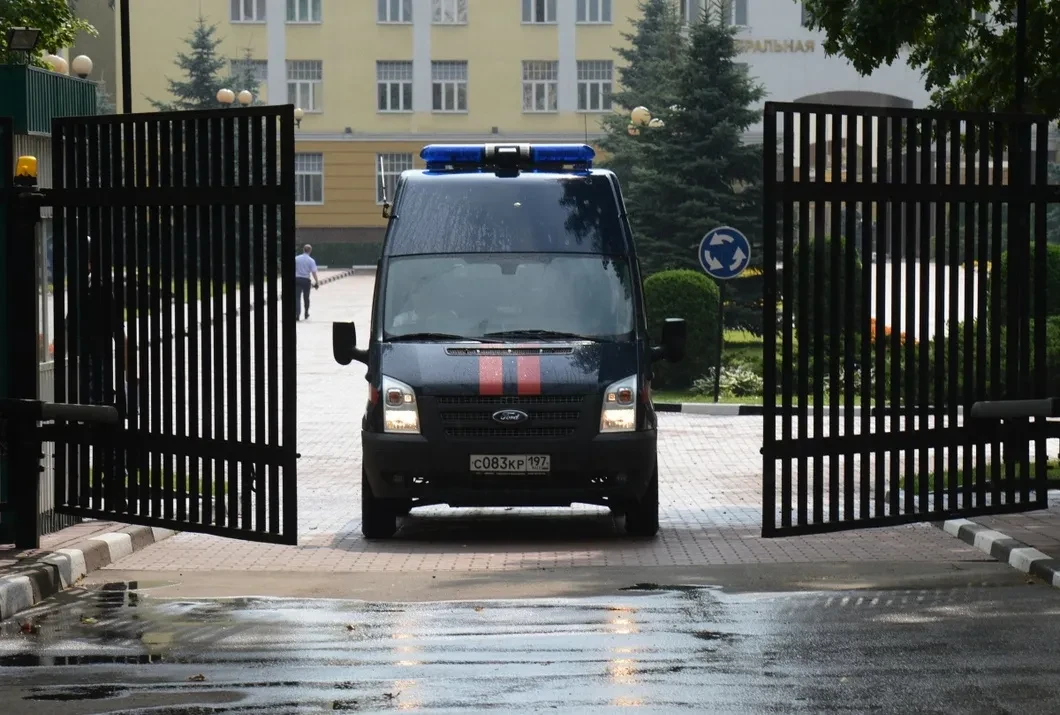
Предвестник бури
Новый глава ФТС Владимир Булавин за минувшие полгода сильно изменил отношение к таможне со стороны правоохранительных органов. Отменив несколько незначительных приказов Андрея Бельянинова, Булавин оживил деятельность общественно-консультативного совета, направил внеплановую проверку в проштрафившееся СЗТУ, а главное ― вернул в таможню прикомандированных сотрудников ФСБ. Причем первым командировался он сам ― Булавин возглавил таможню в статусе действующего генерала ФСБ. Вторым стал его заместитель еще по полпредству в СЗФО Сергей Серышев, сменивший Владимира Малинина.
Однако в процессе кадровой ротации новый руководитель таможни не стал избавляться от некоторых бывших подчиненных Бельянинова, на чем настаивали его коллеги из ФСБ. Более того, в октябре прошлого года Владимир Булавин направил в администрацию президента представление на награждение Владимира Малинина орденом «За заслуги перед Отечеством» IV степени.
По словам сотрудника ФСБ, это «повергло в шок» лубянский генералитет: «Начальник Управления «К» Ткачев лично пытался переубедить Булавина не делать этого, но не был услышан».
Последним спорным решением нового главы таможни стала отмена приказа Андрея Бельянинова о запрете растаможивания отдельных грузов в центрах электронного декларирования (ЦЭД).
Следует напомнить, что внедрение ЦЭД в свое время позволило ФТС развести в разные регионы физический досмотр товара и его электронное декларирование. Так, товар, например, ввозился через пункты пропуска во Владивостоке, а декларировался в Щелковском ЦЭД Московской области.
Это привело к дезорганизации работы таможенных органов: сотрудники пунктов пропуска не видели декларацию, а инспекторы ЦЭД ― реально ввозимый товар.
За довольно короткий отрезок времени сама ФТС стала отмечать увеличение случаев недостоверного декларирования товаров. Через портовые регионы страны ― Владивосток, Санкт-Петербург и Новороссийск ― хлынула контрабанда: под видом строительных материалов и бытовых принадлежностей в промышленных масштабах перевозилась дорогая электроника, одежда и ювелирные украшения.
Бюджет стал терять миллиарды таможенных пошлин.
ФСБ, в свою очередь, докладывала руководству страны, что не в силах пресечь это: отсутствие полноценного обмена сведений между пунктами пропуска и ЦЭД вкупе с разницей в часовых поясах между регионами лишали шансов правоохранителей на документирование факта контрабанды и, как следствие, возбуждение уголовного дела.
Поэтому в 2015 году Андрей Бельянинов направил руководителям ЦЭД телетайпограмму с запретом декларировать наиболее популярные виды товаров. Предписания этой телетайпограммы были отменены директивой Владимира Булавина 10 февраля текущего года, в 23.20 по Москве.
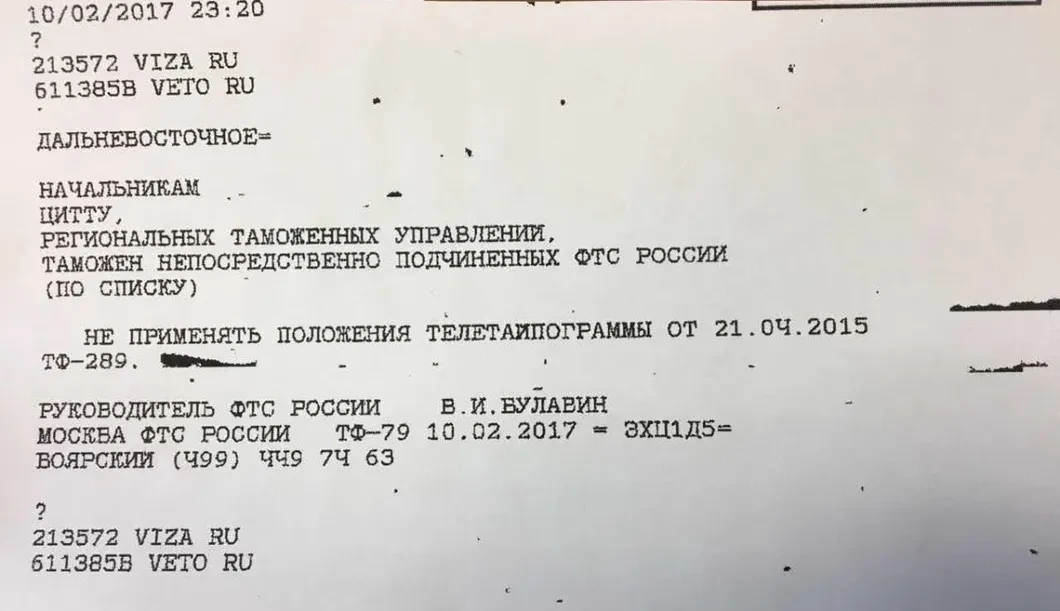
Несколько оперативников ФСБ, ознакомившиеся с директивой благодаря «Новой газете», были удивлены решением главы ФТС. «Это неизбежно приведет к волнообразному скачку контрабанды в портах страны в самое ближайшее время», ― говорит один из них. «Будет новое обострение в отношениях с таможней», ― прогнозирует другой оперативник.
Так закончился этот раунд борьбы за кресла начальника таможни и главы внешней разведки. Однако еще не все козыри сыграли.
Впрочем ― и это признают сами офицеры ― на этот раз война спецслужб развернется скорее внутри Лубянки, часть кланов которой и делегировало в таможню Владимира Булавина. Но кто они ― зрители федеральных телеканалов не узнают. Шоу на телеэкранах станет меньше.