
Translated material
Do not survive without arsenic
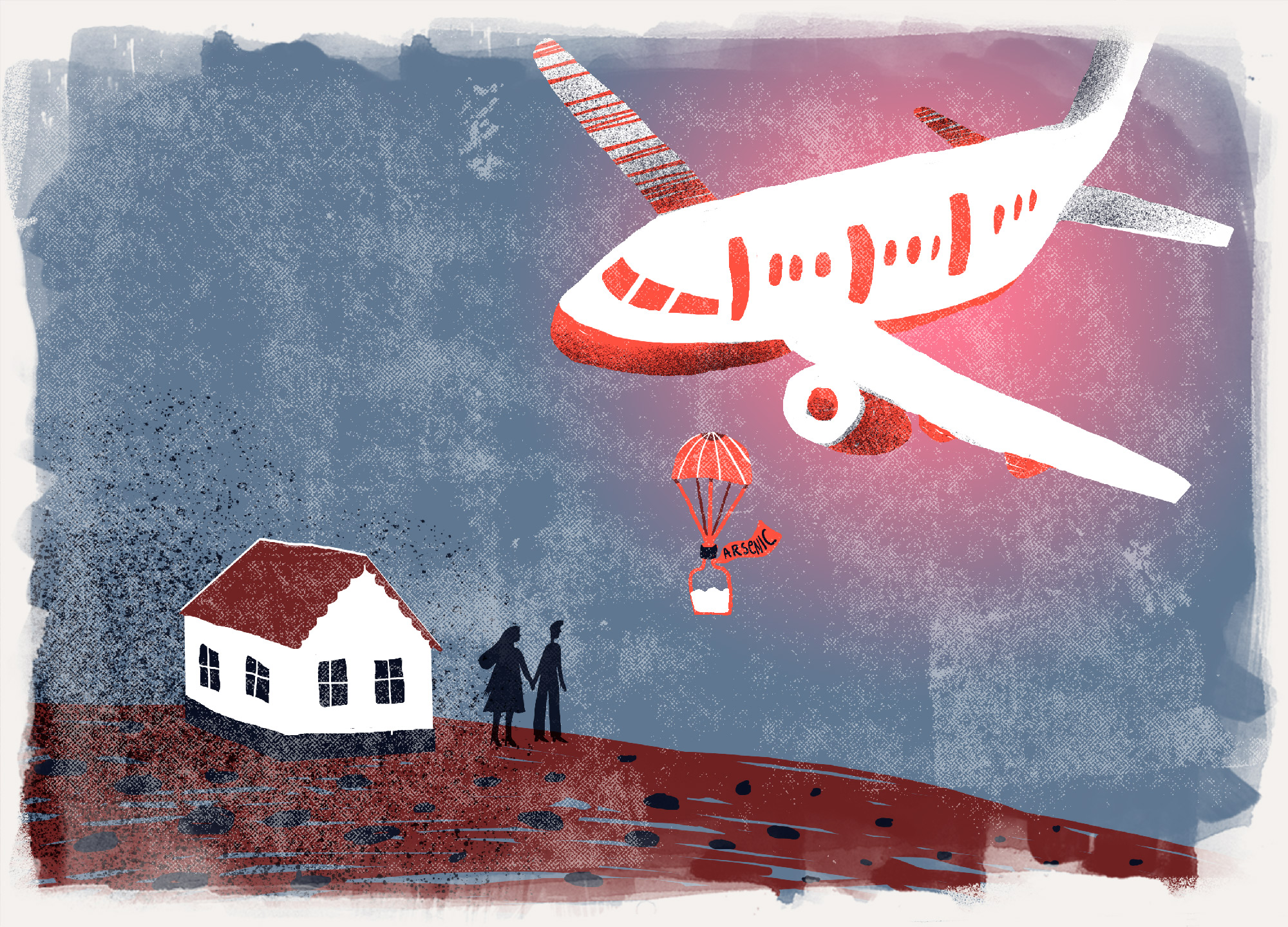
To save Vanya Prokudin from the village near Nizhny Novgorod, the Fund for the fight against leukemia equipped the expedition to India. Ampoules with arsenic trioxide in a box with the inscription "Dangerous" from Delhi have already brought a volunteer twice
The expedition is hardly the last to get to the Russian market, the pharmaceutical companies are forced to conduct the entire cycle of clinical studies of the medicine, even if it is successfully registered in the rest of the world. While clinical studies are going on the second time, in Russia patients continue to die who need treatment, who cannot be obtained in our country.
***
Ivan yes Anya
On that New Year's Eve, Vanya wandered near Spasski - there is such a village in the Nizhny Novgorod region. He knocked on all houses in a row, asked: "Where is Anya?" Even in a snowdrift, he got stuck in a car - well, at least that the tractor driver pulled out.
Anya called him to celebrate the New Year, although they were familiar then for only a few months. It was so - Vanya and his friend were issued in the dispensary at the university. In front of them, Anya stood in line - a funny, fragile girl.
“Everyone stood with open passports, and she, seeing my place of birth, asked with surprise:“ Are you from Spassky? ” - says Vanya. Parents live in Spassky with Vani. And Ani has a great -grandmother. - I was surprised and confirmed that yes, from Spassky. Then my friend joked that, they say, "guys from the Spassky campaign in price."
Anya herself is from Cheboksary, and came to study in Nizhny Novgorod. Vanya and Anya were later surprised - they were full of common acquaintances, at the same University of Nizhny Novgorod studied, and met only in the last year.
They remembered the jokes about Spasskoye, he joked, she treated him to Cheboksary sweets, and in parting called together to celebrate the New Year. “She said by the simplicity of the rustic, sincere,“ they say, go to celebrate, did not expect at all that she would decide, ”Anya recalls and laughs.
On that New Year's Eve, Vanya Anya found. True, at first he fell through the surroundings - mixed up the village, and then the connection disappeared. The force got out onto the track, and there Anya explained to him how to get. In that New Year, Vanya made a desire. He wrote on a piece of paper, burned, threw it into a glass of champagne and drank to the bottom, and kept a match for a whole year. On the sheet, Vanya wrote that he wants to find love.
Spasskoye - albeit a village, but large, from a cafe on the main square and his hospital. They rarely walked around the doctors, Vanya next to the fragile Anya was always like a hero. “In the eleventh grade, logs of three -meter length dragged logs,” says Vanya. “I always dreamed of such a guy that you could hide behind my back. As I thought, I met this, ”Anya admits. That year they went a lot to Spasskoye - to her grandmother, to his parents. And the next year, on the eighth of March, Vanya made an offer. They sent seventy invitations and found Ana a white dress. There was a month left before the wedding - the tailor was joking Vanin costume.
That morning, Vanya went through his nose. First, bleeding was taken as a complication from the sore throat, but soon the gums began to bleed and the temperature rose - Vanya was taken along the "ambulance" to the city hospital. “Blood flowed from the nose, we could not stop it,” Anya recalls. - Vanya again fainted. Doctors put the tampons in the nose to stop blood, and put in the corridor. " Anya believes that the doctor who paid attention to the patient's bleeding and suspect a blood disease saved Vanya. On the same day, Vanya was transported to the Nizhny Novgorod Regional Hospital named after Semashko. It turned out that the score was on the days, Vanya was diagnosed - acute myelobilic leukemia.
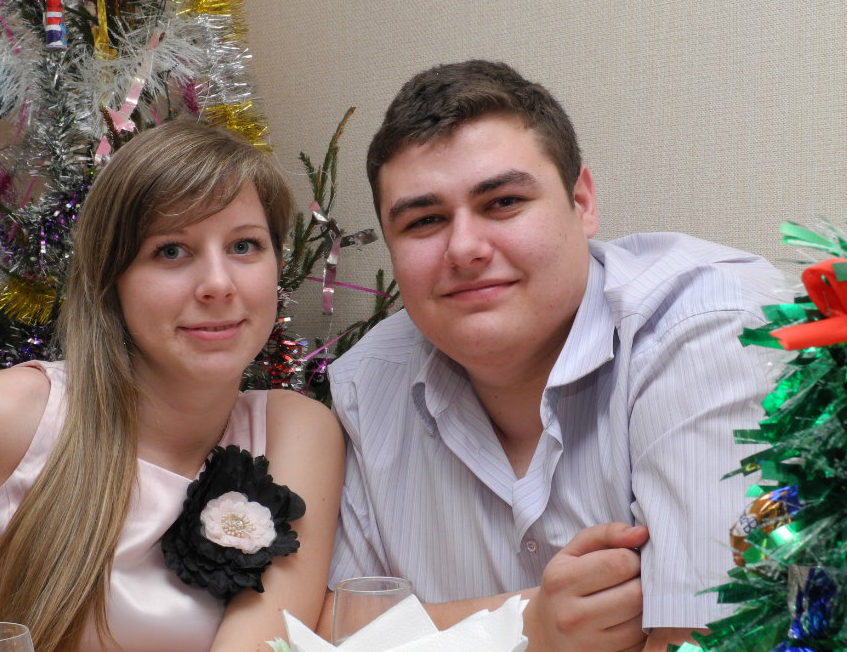 Anna and Ivan Photo: From the personal archive of the author
Over the next two years, Vanya suffered four main chemotherapy courses. Anya learned to make injections and ensured that Mercaptopurus and Metrectorsat were released in the local pharmacy of Vanya. To do this, I had to write a complaint to the Ministry of Health.
The proskudins played the wedding as soon as Vanya became better, and he was transferred to supportive therapy. Anya and Vanya signed, and then went to Spasskoye, their parents met them at home with bread and salt.
“It was sunny all day, and then it suddenly snowed,” Anya recalls. - In the morning we open the curtains - and there are snowdrifts. So we decided that this day is the happiest. ”
Indian campaign
But in October 2016, after remission, Vanya had a relapse. He was sent to the hematological scientific center of the Ministry of Health of the Russian Federation and was prescribed treatment - a mouse trioxide. Arsenic, an element under the number 33 in the Mendeleev table, causes the plots of British detectives in memory - its oxide when dissolved in water leaves neither taste nor smell.
Arshyak trioxide has completely different properties, he attacks proteins responsible for the growth of cancer cells. Doctors prescribe arsenic trioxide, if other treatment for patients with acute propheilocytic leukemia does not help, or if the disease returns.
Arsenic trioxide entered the standard of treatment around the world back in the mid-2000s, but is still not available to patients in Russia. Because it is not registered in our country. Under Russian legislation, the results of clinical research abroad are not accepted in Russia. This means that on the way to Russian pharmacies, Western drugs are required to undergo research, even if for years they have been used by patients around the world.
Arsenic trioxide - exactly such an unregistered medicine. Over the past year, the three largest funds in Russia supporting patients with oncgetology have barely gained ten patients who need this drug.
But the arsenic trioxide is indispensable in the treatment of a special version of myeloid leukemia, the so -called acute propolocytic leukemia. These are only 5-10% of cases of myeloid leukemia, which themselves are quite a rare disease. But at the same time, there is actually nothing to replace. Without this drug, patients with a rare diagnosis - acute pro -molocyte leukemia - most likely will not survive.
In order to save Vanya Prokudin and other patients with such a diagnosis, in 2016 the Fund for the fight against leukemia twice sent its employee to India, and the family, doctors and the fund had to spend precious time on the collection of documents that made it possible to import the drug. The expedition to India is not only the time that goes to the delivery of the drug, the funds are forced to spend considerable amounts to pay the courier tickets to another country.
The original preparation based on the Trioshok - Trisenox (Trisenox) of the Israeli company Teva in Russia is not in Russia, it goes through the registration procedure. Anastasia Gavrushina, acting The head of the registration department of Teva Russia, said that the medicine was submitted for registration in December 2015 and received the status of an Orphan, that is, a rare drug. This means that registration for the drug is simplified, but patients still have to wait.
“Teva expects a registration certificate in the second quarter of 2017. The terms of receipt depend on the process of examination by the Ministry of Health of the Russian Federation, ”commented on the situation in Teva.
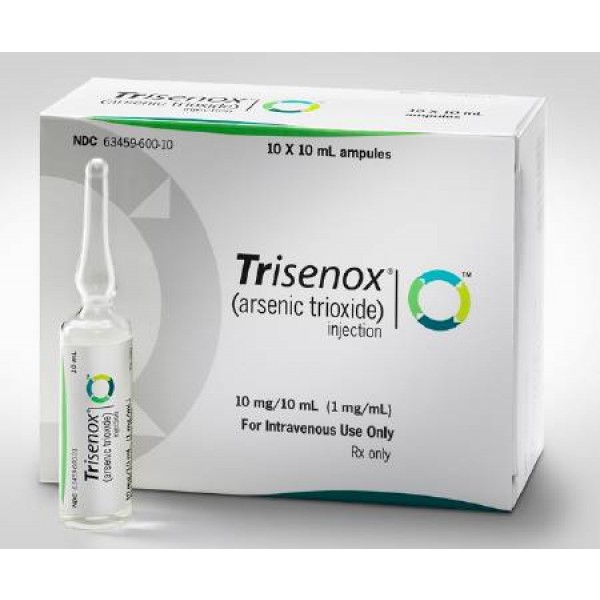 TRIZOKS photo: press service archive
In such a situation, the law allows patients or his relatives to buy and bring an unregistered drug to Russia on their own costing no more than 10 thousand dollars. The trouble is that such trips are often not affordable for patients, and to look for medicine in an unfamiliar country is not always an easy task. The funds are helped out - they either send an employee for the drug or draw up delivery. Funds can do this only after receiving special permission from the Ministry of Health, the design of which usually takes a week.
During this time, officials study a pack of documents submitted by the patient, and first of all - the conclusion of the clinic’s medical consultation that the patient is shown just such therapy.
In addition, the medicine must also be found. In the fall of 2016, four patients, who required arsenic trioxide, contacted the Lukemia Fund at once. The Director of the Foundation Anastasia Kaflanova said that the medicine for patients was searched in Thailand and Israel, but found in India.
“For two years now, the Mouse's trioxide from Taiwan has been imported,” she says. - But it turned out that the drug has risen in price. Then we began to look for our channels in Israel and Greece, but even there it was too expensive. As a result, we stopped at India, in 2016 our courier went there twice. It so happened that the drug was needed urgently - the doctors had rapidly ended with the reserves of the medicine for patients. ”
The original drug - Tyzox of Israeli production Teva - managed to detect only $ 500 per ampoule, but the total cost of a course of 11 million rubles for the prosecutors was unbearable. In Greece, the same medicine was cheaper - 360 dollars per ampoule, but Prokudins would not have pulled such expenses.
Thai production generic TTY BIOPHARM - Asadin, was originally sold by an order of magnitude cheaper, only $ 10 per ampoule. The course of treatment for Vani would cost 300 thousand rubles. “The amount is unbearable, but they would find it,” Anya sighs. But in the summer, Assadin jumped twenty times in price, and Prokudin offered a medicine for $ 200 per ampoule. The cost of the course amounted to 3.6 million rubles. The exit was found in India - the Arsenoks INTAS fund as a result bought $ 12 per ampoule. Prokudin took 320 thousand rubles instead of the original 11 million. With the help of a page on the website of the Prokudin Foundation, this money was collected in just three days.
The miracles of pricing were not the only adventure on the way to the arsenic trioxide. Anastasia Kaflanova says that it would not be possible to buy a medicine without the help of an oncologist from Moscow of Indian origin Somasundaram Subramanian.
“He helped us organize this supply,” she says. - The first delivery of the medicine coincided with the financial crisis in India. The ATMs were on duty crazy lines of people who tried to withdraw cash. - I do not know how much we would stand and receive a bag of these rupees from an ATM in a foreign country. Dr. Soma helped to find cash to pay for the medicine. ”
For medicine in India - in November and in December, with a difference of a month, the Foundation volunteer Tatyana Usmanova traveled. “The first time I brought two large boxes with ampoules, in the second one,” she says. - A volunteer and a driver was assigned to me. I told the airport employees a thousand times how valuable is the load, what am I driving. Stuartov asked to be with boxes as careful as possible, they handed over the ship to the captain, and he to Moscow. The cargo was all pasted with the inscriptions “dangerous”, “charity”, “fragile” - so that it was clear that these boxes can only be worn on the hands. ”
There were no questions at the customs to the fragile load, Tatyana says: “Employees turned the folder with documents in their hands, made a photocopy and released it.”
Now Vanya Prokudin is treated in the Nizhny Novgorod Regional Hospital named after Semashko. In total, he has to take five courses. The first, the most difficult, ended in Moscow in December.
Not only arsenic
It would be nice if the mouse trioxide was the only medicine that oncology patients have to cause from abroad. But only in 2016, “Give Life” and the Lukemia combat Foundation delivered more than 40 names of drugs from abroad, without which their wards cannot do.
In 2016, unregistered drugs needed more than 200 wards of the “Give Life” fund - children with cancer and hematological diseases. Given the delivery, the fund spent 276.8 million rubles for these purposes. And the Fund for the fight against leukemia, where five patients needed unregistered drugs - more than four million rubles.
At the same time, most of these drugs successfully passed registration abroad and is available to patients with oncology. But not in Russia. In our country, clinical studies conducted in other countries are not recognized.
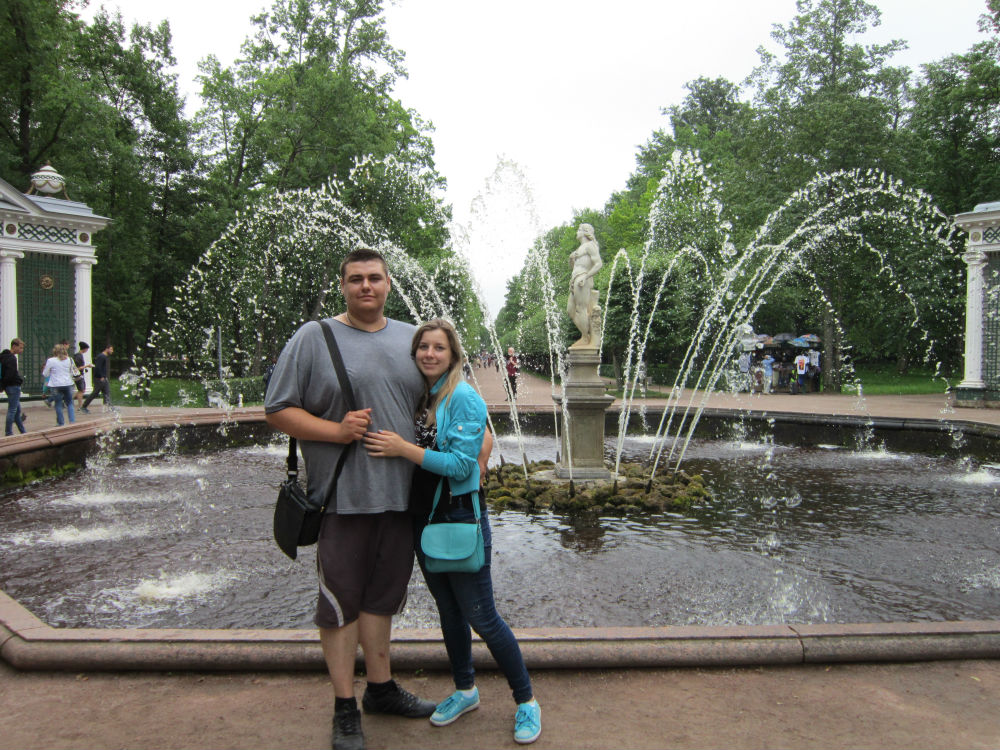 Ivan and Anna Photo: From the Personal Archive
Therefore, in order to get to the Russian market, pharmaceutical companies are obliged to re -conduct and pay for the entire cycle of clinical research. According to the Vedomosti newspaper, a second clinical study in Russia costs from five to 50 million dollars, and the registration period of the drug may take up to five years.
“The preparation of the drug on the Russian market depends on the manufacturer, it should have a commercial interest,” Elena Gracheva, coordinator of the ADVITA Foundation, explains the situation. “If the number of patients is small, it is very doubtful that, with these requirements for registering new drugs in our country, the Russian market will be interested in the Russian market.”
The abolition of the requirements would save a lot of lives.
“If the special registration of the medicine in Russia had not been required, the question of importing would not be at all: the patient appears - the company brings through any distributor and sells,” concludes Elena Gracheva.
And this means that the medicine for Vanya Prokudin would be in the village of Spassky and without an Indian expedition.