
Translated material
Refusal of home
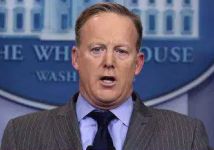
To journalists of a number of leading American media, as well as the BBCs, were banned at the Friday briefing of the press secretary of the White House Sean Spicer. It is reported by the BBC.
Representatives of the CNN TV channel, The New York Times and Los Angeles Times, as well as Buzzfeed News and Politico, could not visit the briefing. The assistants of Spice selectively held other reporters to his office, whose participation in a briefing, in the expression of the White House, "was confirmed in advance." Journalists of The Associated Press and Time magazine, who were also allowed to pass, did not take part in a briefing in protest.
The New York Times notes that the Friday briefing "under the recording", but "without cameras" at the White House spokesman is usually visited by a "small group" of journalists. However, the administrations of previous US presidents never selected reporters for these meetings "manually."
The White House correspondent Association made a harsh criticism of what had happened. "The Association Council expresses a tough protest against how the White House conducted today's briefing. We ask the organizations that were allowed to the briefing, share the materials received with those who were refused. The Council will discuss the situation with the White House," the president of the Association of Jeff Mason said.
Meanwhile, Donald Trump himself once again performed with a sharp criticism of the press. The US President called the "great danger to the country" to the "spread of" fake news ", mentioning CNN and The New York Times.
At a briefing, Spicer said that Trump and his team in improper ties with Russia are worth nothing, except for unproven leaks in the press from anonymous sources. According to the spokesman, Trump has already given exhausting explanations of how many times and what he talked about with Russian President Vladimir Putin, as well as the lack of any interests in Russia about. The President cannot refute what is not, as well as prohibit an investigation that is not, or to hind him, Spicer emphasized.
On February 17, Trump said that false information about Russia, distributed by the American media, interferes with the establishment of relations between the two countries. At the same time, he noted that it would be easier for him to take a tough course towards Russia, but he chose a different path. “I like to negotiate, I do it well, I like it all. Perhaps I will not be able to agree with Putin. But I want to tell you that the fake media reports that you have prepared, terrible, fake messages only complicate the work to agree with Russia,” Trump said.
In his speech, Trump also touched the topics of the resignation of his national security assistant Michael Flynn. According to the president, Flynn "simply did his job," including when he talked with representatives of "more than 30 countries." In response to the clarifying questions of journalists, the president said that he did not give an assistant to a direct assignment to discuss the topic of anti -Russian sanctions, but "he could well give such an instruction, since this is his work." He also stated that, as far as he knows, before the election “no one” from the headquarters of his election campaign did not support contacts with the Russians.