
Translated material
Battle for the balcony
Ilya Zhegulev - about how the presidential administration works under Sergei Kiriyenko
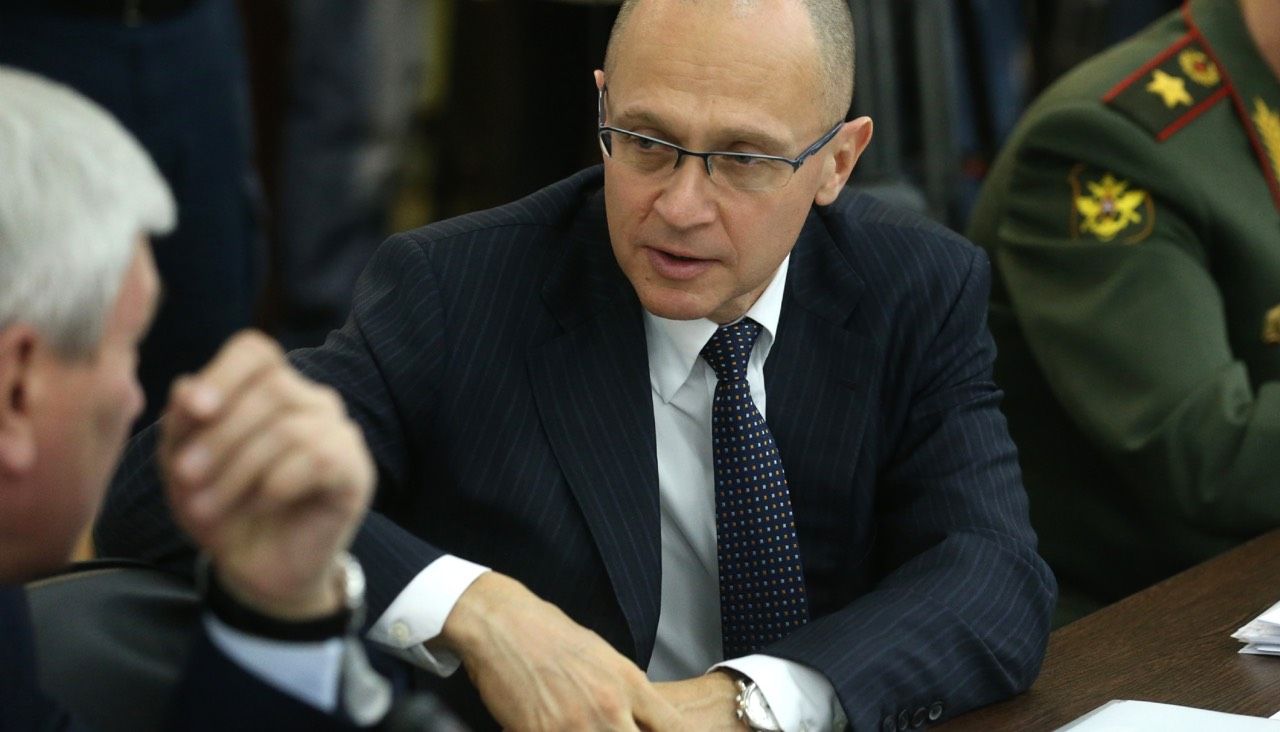
The presidential administration has long been considered to be almost the main managing body in Russia - and on its leadership it may greatly depend on how the political climate changes in the country. The last changes occurred in 2016, when Anton Vaino came to the place of the head of the AP, and then Sergey Kiriyenko, the former head of Rosatom and Prime Minister of the Russian Federation in 1998, was his deputy, responsible for domestic policy. The Special Corps of Medusa Ilya Zhegulev tried to find out how the presidential administration works with the new leadership and how her relations with the new State Duma and journalists are being built.
Kirienko against Volodin
Despite the fact that formally the speaker of the State Duma is the fourth person in the country, for Vyacheslav Volodin this appointment was offended by resignation; This is evidenced at once by several sources of Medusa, close to the leadership of United Russia and to the presidential administration. According to them, to manage parliament from the Kremlin, having in addition to this, levers of influence on a lot of other political processes, much more liked the first deputy head of the UP, as the first deputy head.
However, Vladimir Putin decided differently. Sources of Medusa explain the permutations in the presidential administration differently. According to some data, Putin was dissatisfied with the election results; Especially-by failure by a turnout in two capitals that happened largely due to the complete stripping of the political field, in which Volodin and his people took an active part.
According to another version, Putin had no repressive intent. According to a source close to the presidential administration, Mikhail Fradkov, a former prime minister, who was sent in 2007, sent to lead the foreign intelligence service in 2007. The president has long been through his people received negative reviews from employees of the department. “Everyone in the SVR complained that [Fradkov] was afraid of everything and the main thing for him is his own ass,” the source explains. In the situation of personnel hunger in the place of Fradkov, the president wanted to put the speaker of the State Duma Sergey Naryshkin, a proven person with whom Putin worked at the St. Petersburg City Hall. The option with the appointment of Volodin in the Duma instead of Naryshkin lay on the surface, reasoned the source of Medusa: Volodin worked with the Duma for a long time and knew everyone in the parliament, and in the government, and in the presidential administration - at the same time, in contrast, for example, his predecessor in the AP of Vladislav Surkov, did not shy away publicity.
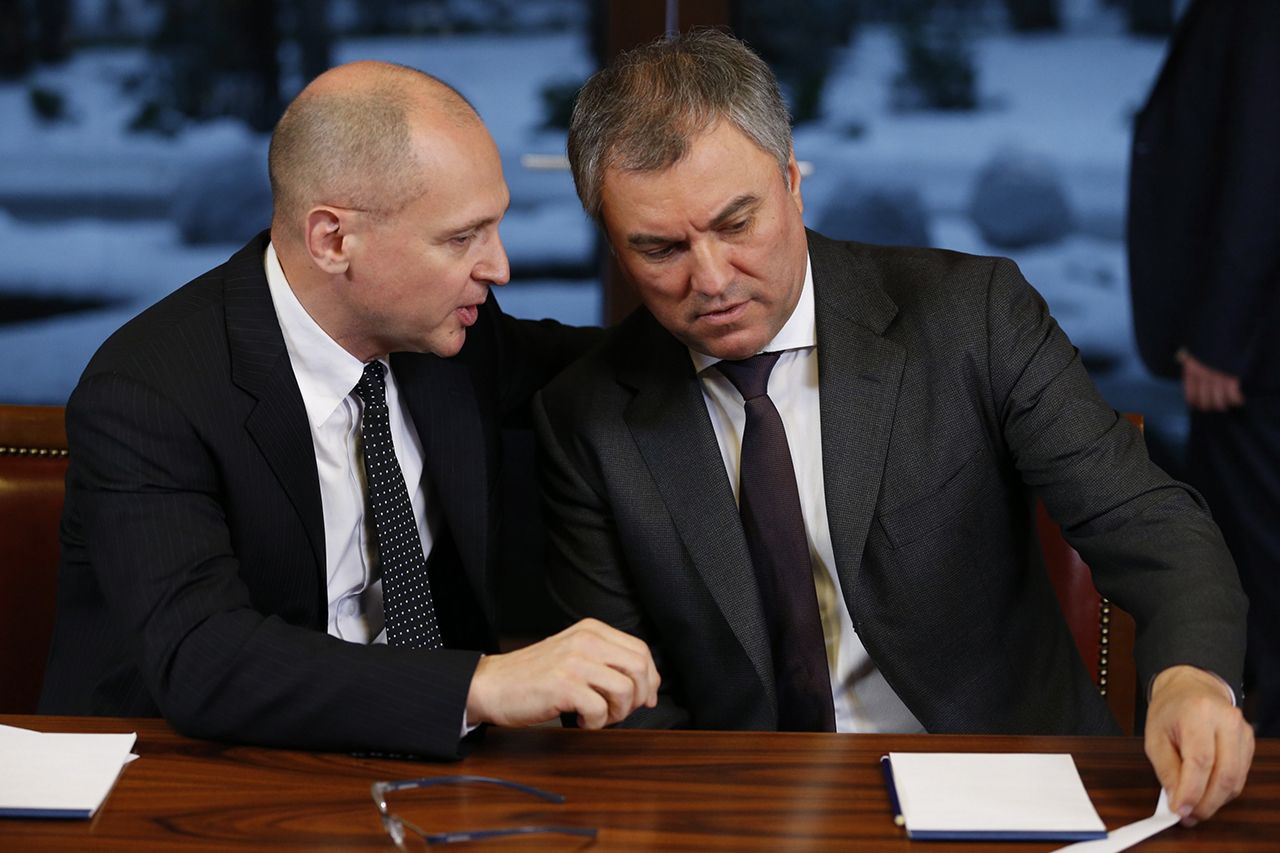
For Sergei Kiriyenko, appointment to the post of first deputy head of AP became a new challenge. It was Kiriyenko, as the prime minister, who in 1998 represented the public of Vladimir Putin in the new position of the head of the FSB for that position. Over the next years in the civil service, he proved his loyalty to power, but he was not his man for United Russia and never swore allegiance to the party (unlike the same Volodin). From the party activity of Kiriyenko, who once headed the parliamentary faction of the Union of Right Forces, he retreated back in 2000, when Putin appointed him his plenipotentiary representative in the Volga Federal District; Then he headed the State Corporation "Rosatom" for more than ten years.
As RBC wrote , Kiriyenko’s candidacy for the post of curator of domestic policy in the presidential administration could arise at the suggestion of the brothers Mikhail and Yuri Kovalchukov close to Putin. Rosatom is part of their sphere of interests: the son of one of Kovalchukov worked there as deputy Kiriyenko; Mikhail Kovalchuk himself heads the Kurchatov Institute, engaged in research in the field of atomic energy. In addition, Kiriyenko could have played a role with the head of the Kremlin Directorate on the issues of civil service and personnel Anton Fedorov, who, before the arrival of the Kremlin, headed the regions at Rosatom.
One way or another, the relationship between the Duma and the Presidential Administration has changed with human changes. “There are no buttons now,” explains the source close to the AP. - If earlier the decision -making center was in the Kremlin in the administration of domestic policy, now it has much shifted to the Duma. And this is a big problem for Kiriyenko. ”
According to the sources of Medusa, representatives of the presidential administration simply stopped letting go to parliament. At first, they were closed to meetings of the Council of the Duma, allowing them to go there exclusively to the presidential envoy in the State Duma Harry Minhu (in his reception "Medusa" they reported that Mingha was not in place, but he usually did not give comments anyway). Then - they closed for Kiriyenko people even access to the government box, a special balcony in the general meeting hall - now for everyone except Mingh, they simply include a broadcast in the deputy hall in front of the entrance to the hall. For the first time since the time, when the speaker was the communist Gennady Seleznev, the Duma began to act strictly according to the regulations - Volodin publicly indicated to the Kremlin officials to a new alignment of forces. In early February, in an interview with Kommersant, Volodin even stated that he wanted at the expense of the lodge for representatives of the government and the AP to reconstruct the meetings hall: “Well, why [State Duma deputy Nikolai] Valuev is sitting in an airless space ...”
The battle for the balcony, as this conflict was nicknamed in the near -Duma circles, ended with the dismissal of the deputy head of the internal policy department of Sergei Smirnov. At one time he was appointed to supervise the activities of the parliament Volodin himself - but with the advent of Kiriyenko, the former subordinate was on the other side of the barricades and was forced to try to decide a dispute between the former and new bosses. Nevertheless, Smirnov did not succeed, and he was asked to sign a letter of resignation - and the dispute was eventually resolved by the fact that the Kremlin officials began to be allowed into the Duma, but in agreement with representatives of the parliament.
Kiriyenko against the media
Given the past of Kiriyenko and his general reputation as an intelligent liberal, he was expected from a political thaw. But no noticeable changes in the first few months occurred. All experts and political strategists interviewed by Medusa converge in one thing: until the new administration has taken any noticeable steps that would determine its special style.
For example, journalists connected the latest news from the Prosecutor General’s Office - the department asked to cancel the sentences to Ildar Dadin and Evgenia Chudnovets - with the personal decision of Kiriyenko, but the source of Medusa, close to the leadership of the prosecutor's office and was directly related to both stories, denies it. According to him, the initiative proceeded from the inside of the department itself and was mainly connected with the arrival of new people to the prosecutor’s office - for example, Leonid Korzhinek, who has been working as deputy prosecutor general since November 2016. It was he who, the source claims, petitioned for the abolition of sentences to Dadin and Chudnovets.
According to a source close to the leadership of United Russia, Kiriyenko gave six months to get used to and write a new concept of domestic policy and presidential elections. Something from this concept leaked into the press. For example, as Vedomosti reported , starting from April, the government’s profile departments will have to report monthly to the presidential administration, talking about events in regions that can negatively affect politics and economics - and, accordingly, large businesses will report on the risks.
As for the presidential election, the position of the administration now is that they should become a "referendum on trust Vladimir Putin." AP will try to hold the elections as transparently as possible, to achieve a large turnout, to attract young people to vote and not to nominate “artificial” competitors for Putin.
The publication of information about the AP strategy in the elections, among other things, demonstrated the strategy of Kiriyenko and his team with journalists. In one week, situations were repeated twice when a number of publications - in the range from Rain and Vedomosti to Komsomolskaya Pravda and Life - released actually the same materials built from the unnamed source in the Kremlin. February 21, this information concerned future elections; February 17 - the fact that the authorities of St. Petersburg transferred the Isaacievsky Cathedral of the Russian Orthodox Church without coordination with Vladimir Putin.
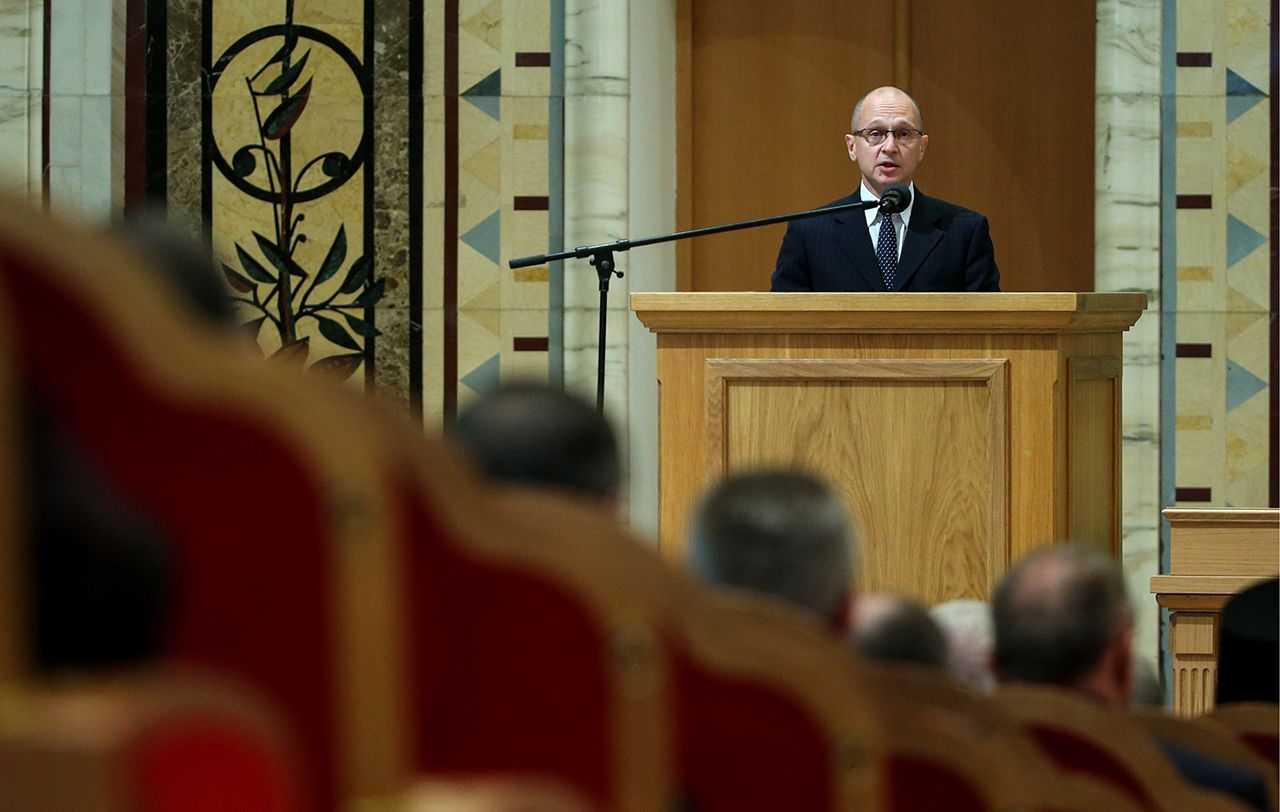
As Medusa told several sources in the pool of the presidential administration (out of fears that they could be removed from this pool, journalists talked with Medusa on anonymity conditions), both news were reported at a joint briefing by Sergey Kiriyenko and the deputy head of the internal policy department of Sergei Novikov, who was held on the evening of February 16. Such briefings were regularly carried out by the predecessor of Kiriyenko Volodin - together with the predecessor of Novikov Timur Prokopenko; They called the profile correspondents Vedomosti, Kommersant and other leading Russian publications. After part of the former RBC team switched to rain, representatives of the television channel began to go there - and Kiriyenko additionally expanded the number of participants in the meeting at the expense of news agencies.
Such briefings, according to the sources of Medusa, have their own established rules. Most often, journalists come there without voice recorders, the conversation does not go under the recording - however, the quotes of the meeting organizers can later be used in publications. So that everyone is on equal terms, journalists agree among themselves about the embargo - that is, that materials based on the results of a briefing are published no earlier than a certain time; For news about the elections, this time was midnight on February 21.
According to one of the journalists from the administration’s pool, the simultaneous publications of similar notes occurred earlier, but they were noticeable when briefings began to invite representatives of agencies. Sources of Medusa, familiar with the situation, associate this with the fact that the administration simply did not provide for the effect of simultaneous publications. “Communication with the press is in the failure,” the official explains with the situation. - If Volodin in the daily mode was engaged in Prokopenko and [the former deputy head of the internal policy department] Olga Sitnikova, now no one is engaged in. They did not hire anyone on this work, and even the old employees of the internal policy department do not understand what to do. There is no direct contact with Kiriyenko. The boss does not give out any tasks. ”
“Their press does not care at all. Kiriyenko abandoned the curator of the media and does not really understand why he needs them, ”confirms another source close to the presidential administration. At the same time, according to the members of the pool, the briefings themselves have become more interesting: Kiriyenko behaves much more relaxed than his predecessor, and is ready to talk on different topics, and not just express “boring stories about“ United Russia ”” and about internal rearrangements.
As the source in the administration explains, in daily mode with federal media with a wide audience, Alexei Gromov, who has been the post of deputy head of the AP since 2008, continues to work. He regularly collects the leaders of television channels and resolves issues with painful publications in print media. Sergei Novikov, who came to the presidential administration along with Kiriyenko from Rosatom, does not interact with the press on his own, mainly accompanying his boss at briefings. But many journalists of the Kremlin pool at the end of November were called to the premiere of the opera Mermaid, the director of which Novikov performed.
Nevertheless, as the source that is familiar with Kiriyenko explains, he intends to act - simply by other methods. “Kiriyenko has ambitions, and internal pain has remained in relation to a not very successful premiere,” the interlocutor of Medusa explains. “There is a desire to rehabilitate themselves.”
It is partly beneficial for Kiriyenko that his immediate superior - head of the presidential administration Anton Vainino, who previously worked in the administration of the protocol, does not interfere in affairs. According to a source close to the presidential administration, unlike the previous head of AP Sergey Ivanov, Vaino regularly goes to work and does not go on unnecessary business trips around the country; At the same time, he approaches his work “technocratic” , and according to the regulations to his duties.
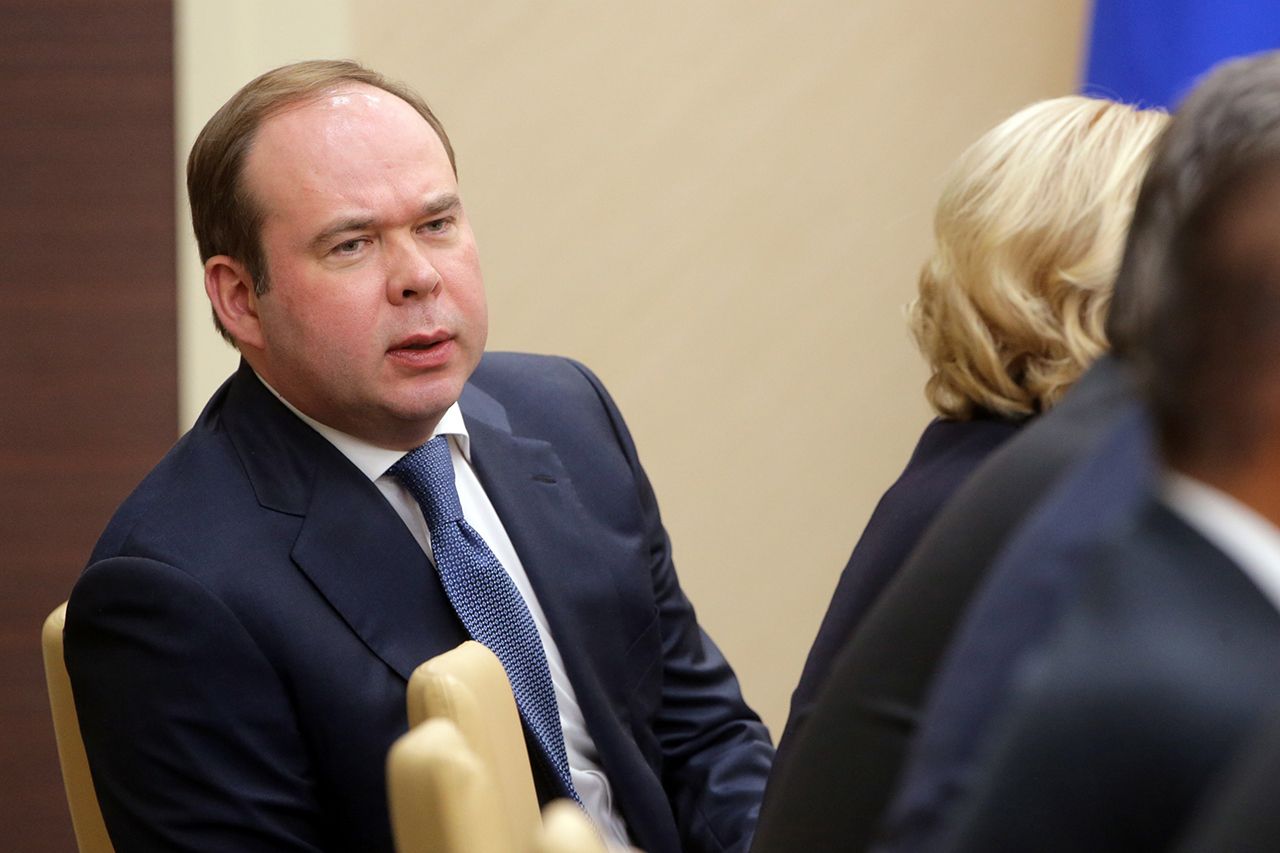
“He [Vaino] will not really affect his weakness not by virtue of his weakness, but due to the fact that he literally perceives his tasks:“ I am responsible for general coordination - it means that I will carry out general coordination, ”the source explains. - Personnel, corruption - he will do this. He never had political work, he was responsible for the schedule and for the protocol. He is not a politician. "
Ilya Zhegulev , Moscow