Translated material
From GPU to communal apartment: Dictionary of the Stalinist Leningrad
15 words, without which the detective Julia Yakovleva cannot understand "Suddenly the hunter runs out"
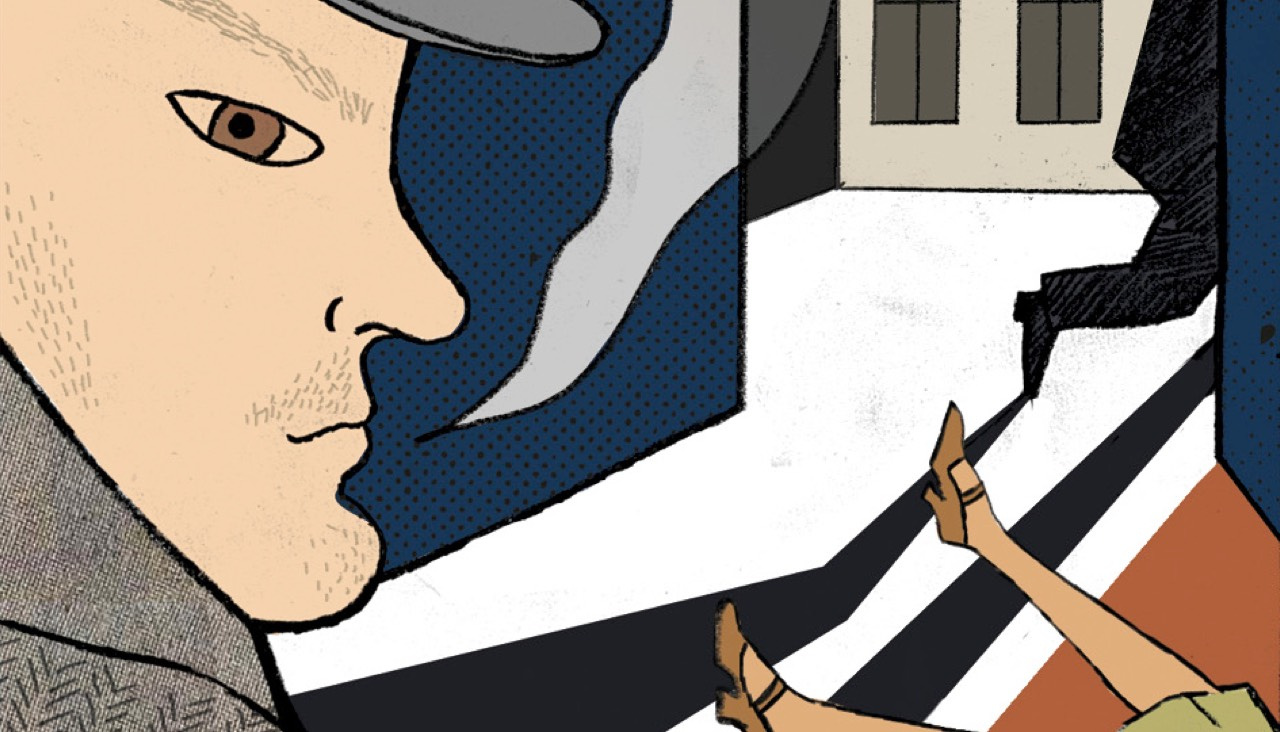
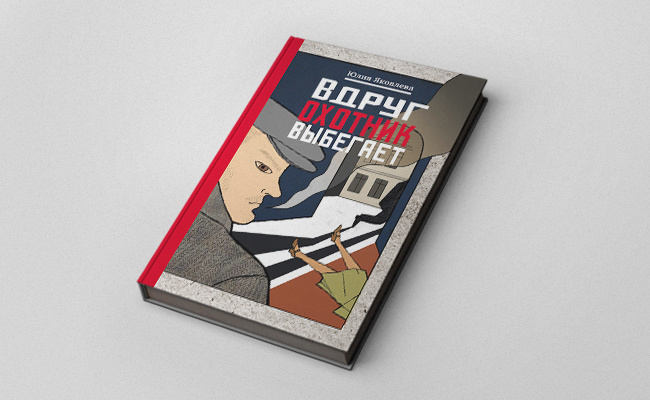
In the publishing house Eksmo, a new novel by Yulia Yakovleva “Suddenly the Hunter runs out” was published. This is a detective, whose action takes place in Leningrad in 1930. The chief hero, investigator Vasily Zaitsev, will have to not only reveal the crime, but also to know on himself all the frightening power of the already neglected car of terror and repression. At the request of Medusa, the author of the book Julia Yakovleva chose 15 important terms and heroes describing the Soviet reality of the early 30s, the knowledge of which will help to better understand the novel "Suddenly the hunter runs out." And we explained all these words.
The year of the great turning point
Or just a great turning point-as in the Soviet Union they called the 1929th. The name of this year was personally given by Stalin in his article of the same name “The Year of the Great Turning Minor: by the XII anniversary of October.” The fact is that in 1929 the economic course of the country was decisively and sharply changed. The NEP was completely eliminated, and the collectivization of agriculture launched back in 1927 went an accelerated pace. The great turning point turned into mass repressions against the peasantry, primarily against wealthy villagers, the so -called fists. Ground arrests, ruin of farms, eviction of kulaks with families to Central Asia, riots in villages - this is what happened in the year of the Great Fracture.
The action “Suddenly the hunter runs out” for the most part in 1930, so the heroes of the novel very well see the difference between “it” and “became”. The city of NEP, signs, casinos and private entrepreneurs become Leningrad Soviet - “Stalinsky” and “pre -war”. Returning from prison, the protagonist - investigator Vasily Zaitsev - does not know much or does not find in the usual places.
GPU
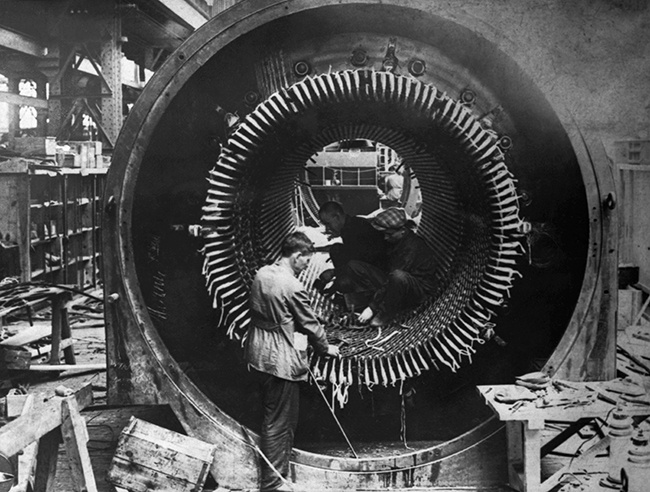
The State Political Administration - the organization is hiding behind this name, the forces of which in the Soviet Union already launched the first wave of repression. However, the star hour of this terrible car, which destroyed more than one million people, will break through later, during the years of great terror. This political service conducted all cases under the 58th article of the Criminal Code, the same one that the vast majority of political cases were carried out. In 1930, the GPU already had a different name-the OGPU at the Council of People's Commissars of the USSR. That is, the United State-Political Administration under the Council of People's Commissars of the USSR. In 1934, the name will change again, the OGPU will become part of the NKVD-the People’s Commissariat of the Interior.
Galust Gulbenkyan
Galust Gulbenkyan was a major businessman and one of the most famous entrepreneurs of his time. “Own time” in this case is the end of the 20s-30s of the twentieth century. The British industrialist of Armenian origin, he was born in Constantinople, and began his career in the service of the Ottoman Empire. Gulbenkyan had a passion for antiques and arts. His collection totaled about 6,000 exhibits, from ancient gold coins to paintings and rare manuscripts. With a fortune of 3 billion pounds, Gulbenkeyan could afford to buy cultural objects in state museums. At the turn of the 20-30s, he acquired several paintings from the Hermitage collection, the trace of these purchases in the book “Suddenly the Hunter runs out” and discovers the investigator of Zaitsev. According to rumors, the businessman called his children to Gulbenkyan exhibits.
Vladimir Kishkin
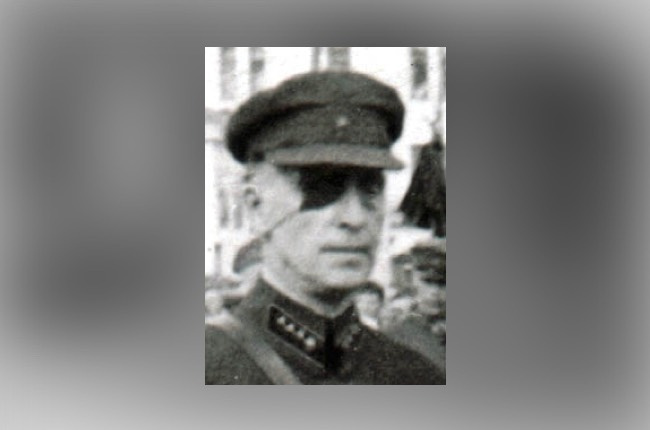
Vladimir Kishkin, nicknamed Cyclops, is the famous head of the Petrograd (then Leningrad) criminal investigation. For more than ten years, he has been the destruction of the bands who had operated in the city. In the past, Kishkin was a Baltic sailor and an ardent supporter of the revolution. In the novel, Yakovleva, the hero appears as a person already broken by a system and trying to adapt to the new Stalinist realities.
Communard
An indispensable attribute of Soviet social life. A communal apartment is an apartment in which several families live at once. How much-depends on the case: there may be two or three, or maybe ten to twelve. But most often neighboring families were from five to eight. Each family is one room, a corridor, a hallway, a toilet and a bathroom - common. Well, of course, a common kitchen. It was in those days that the expression “one by four” was born, which meant one burner, on which several families were prepared at once. In such an apartment, there was no hide from the neighbors. The whole life of a person passed in front of other inhabitants of the communal apartment. In Moscow, communal services finally disappeared only in the late 90s, and in St. Petersburg they can be found today.
Leningrad
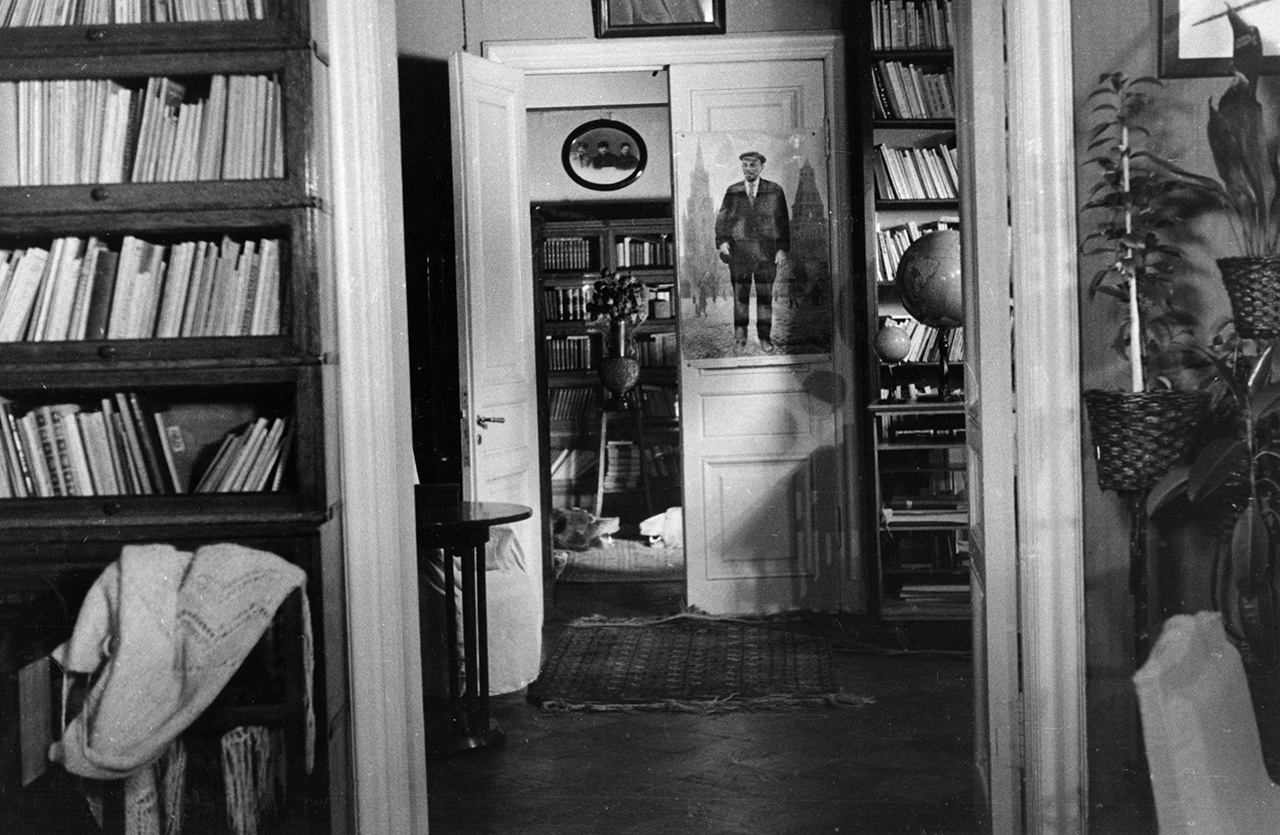
Leningrad is Petersburg. The city was renamed in 1924 in honor of the just deceased Lenin. He retained this name until 1991 - and all this time remained the most important in terms of ideology to the city of the USSR. After all, Leningrad is a cradle of revolution. In 1934, it is here that repressions would be found when on December 1, they shot the main communist of the city on the Neva-Sergey Kirov.
Police
The police became the police in 2011. The main character of the novel “Suddenly the Hunter runs out” - police officer, investigator Vasily Zaitsev. In the 30s, the Soviet police represented a very heterogeneous company. Among the Soviet policemen of the new wave, many experienced operatives who served in the organs in the royal times were closed. At the same time, the police were actually engaged in all matters except political. From hooliganism and apartment thefts to banditry and murders.
"Punishment of a hunter"
This is the name of the painting of the brush of the Dutch artist Paulus Potter (1625–1654) - a bright representative of the golden age of Dutch painting. The canvas for its time is very unusual: it is divided into 14 episodes, which consistently talk about the life of the hunter. He puts traps, hunts, and his faithful dogs kill and torment animals. In the center of the picture, the plot of the suffered beasts, which joined forces and gave their tormentor according to the merits. The dogs were hanged, and the hunter himself was fled on a spit. The picture, as art historians believe, contains a warning for those who builds intrigues to others. They finish their days as a hunter from Potter's canvas. The picture itself is in the Hermitage.
"Detection of Moses"
Everyone who picked up the Bible or at least heard something about it, is known for the famous story about how the baby Moses found the daughter of the Egyptian pharaoh in reeds on the banks of the Nile. Artists have repeatedly turned to this plot, including Paolo Veronese - a prominent Italian painter of the 16th century. His painting “Detection of Moses” was in the Hermitage collection, but in the fall of 1930 it was sold Andrew Mellon. Now the canvas is located in the National Gallery of Arts in Washington.
Culture and rest park
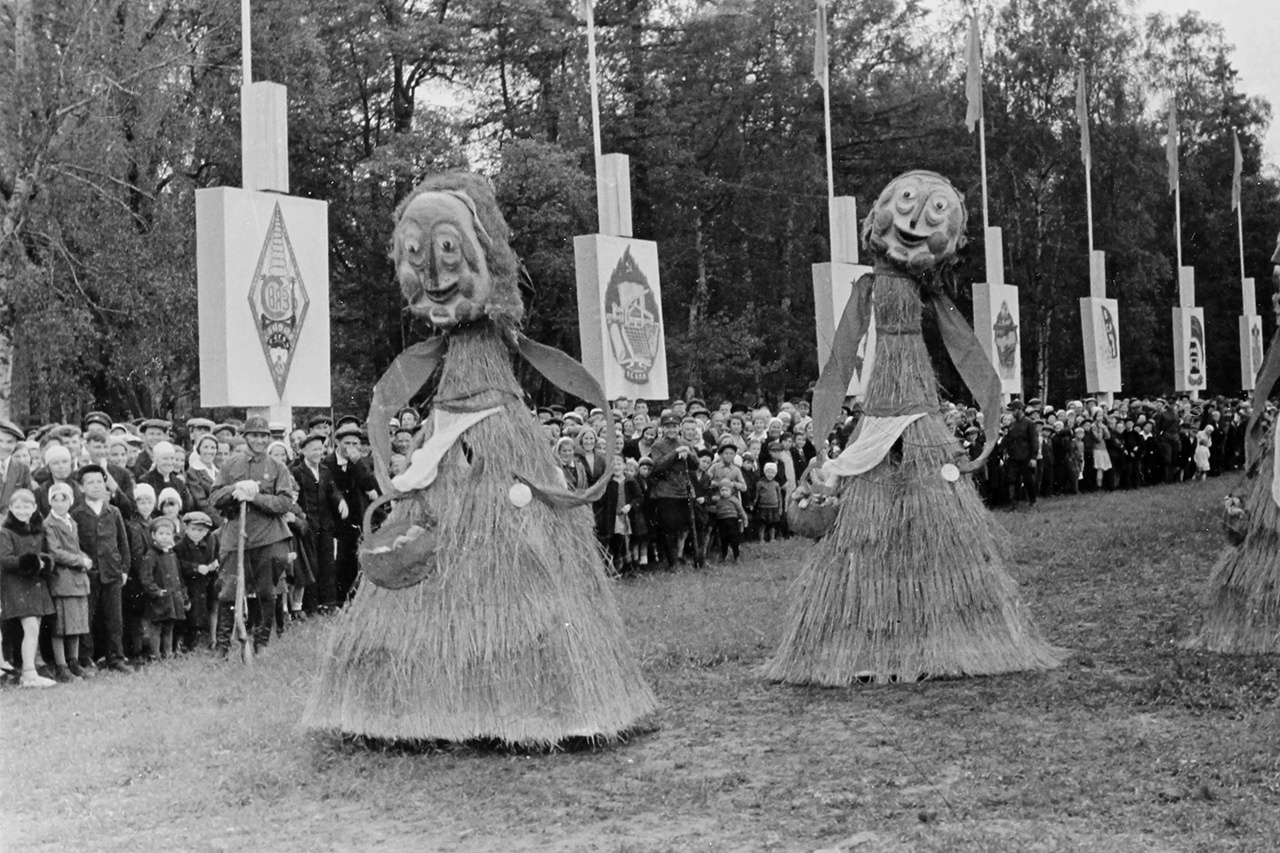
The Park of Culture and Rest is not only in Moscow. In St. Petersburg, a similar structure is located on Elagin Island. The full name is the Kirov Culture and Rest Park. In the novel by Yulia Yakovleva, a crime is committed here, which should be revealed by investigator Vasily Zaitsev. True, in 1930 there was no park on Elagin Island yet. It will be laid only in the summer of 1932.
Cleaning
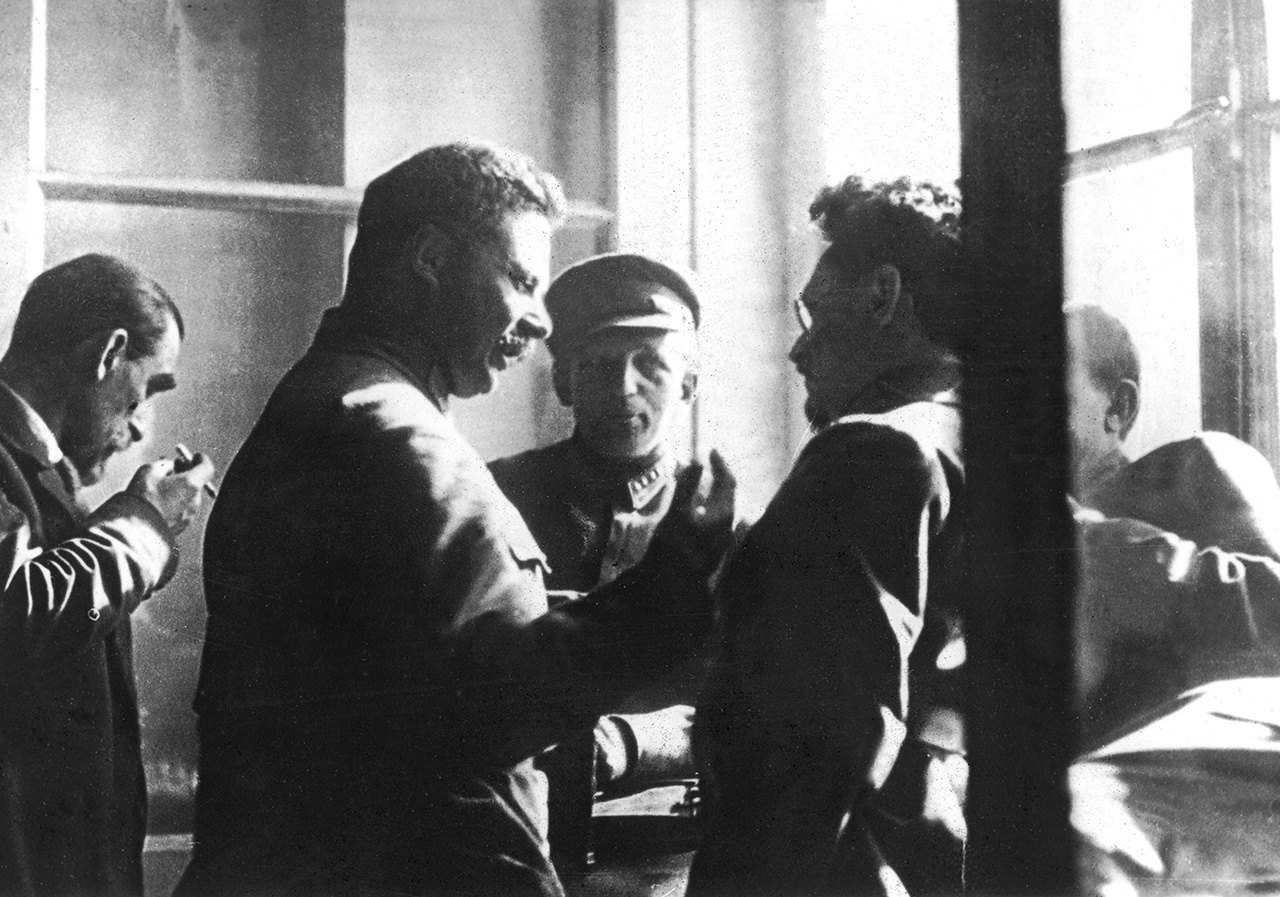
It is curious that the word “cleaning” is often called mass repressions of the second half of the 30s of the twentieth century. But this is not entirely true. The first cleaning occurred much earlier. The USSR met this phenomenon back in 1921, when, by decree of Lenin, cleaning of the CPSU (b) was arranged. The party got rid of the "petty -bourgeois element" and other "fake" communists. In 1925 and 1929, Stalin, who got rid of the Trotskyists. Trotsky himself, according to the results of cleaning of 1929, was expelled from the USSR. But only many ordinary citizens, whom the bodies recorded in the Trotskyists, suffered from his supporters.
Tatyana Lilova
Tatyana Lvovna Lilova in the 30s was an employee of the Hermitage and unsuccessfully tried to stop the mass sale of art objects to the West. She wrote tearful letters not only to the director of the Hermitage to Boris Legrand, but also to Stalin himself. Nevertheless, the sale of paintings continued. Titian, Rubens, Van Eyka were exported to Europe and the United States. And the buyer was not only Gulbenkyan, but also many other major businessmen, including, for example, the famous American banker Andrew Mellon. Unfortunately, Lilova was not able to stop the sale of paintings.
Sale of Hermitage paintings
Sadly, but the fact. In the period from 1929 to 1934, many paintings from the Hermitage collection were sold to the West. With the official permission of the party and government, but without wide publicity. Dozens of famous canvases, including the work of Rafael, Rembrandt and Van Dyck, went to the museum and private collections of Europe and the United States. Later, experts consider that the sale of paintings did not bring any benefit to the state - on matches the USSR earned more than on canvases. The end of this process was laid only in 1934. On the one hand, due to the economic crisis, American businessmen were not up to paintings, on the other hand, the Communist Party caught on the USSR. The director of the Hermitage Boris Legrand was fired, and a ban was on the sale of masterpieces.
"Nutcracker"
The famous Tchaikovsky ballet through the fairy tale of Hoffmann in the novel is in the avant -garde version. Vasily Zaitsev visits the ballet in the production of the famous choreographer Fedor Lopukhov, who put the Nutcracker in 1929 on the Mariinsk stage. Less than a year will pass - and Lopukhov from Mariinka will be expelled with a crazy formulation "For love for bureaucrats and truants." The vanguard will be closed for a long time to the Soviet scenes, and Lopukhov himself was subjected to persecution in the press. The choreographer will find a job only in 1935, and Vasily Zaitsev in the novel is likely to look at one of the last avant-garde ballets of the Soviet era.
Black American Communist
It may seem strange, but in the USA there is also a Communist Party. It was founded in 1919, but never had political success. As of 2013, its members were approximately two thousand people. In the 20-30s of the twentieth century, the number of American communists was slightly larger, but the party had no chance to achieve anything in the United States. Therefore, many of its members hastened to move to the USSR, which they considered the country of dreams. The black -hearted American communist, mentioned in the novel, was invented by Julia Yakovleva. However, the very migration of supporters of Marxism-Leninism from the USA to the USSR was widely covered by the Soviet press. By the way, many of these migrants in the “Dream Country” were waiting for repression.
Detective Julia Yakovleva “Suddenly a hunter runs out” can be bought in the Labyrinth.ru online store.