
Translated material
Time threads
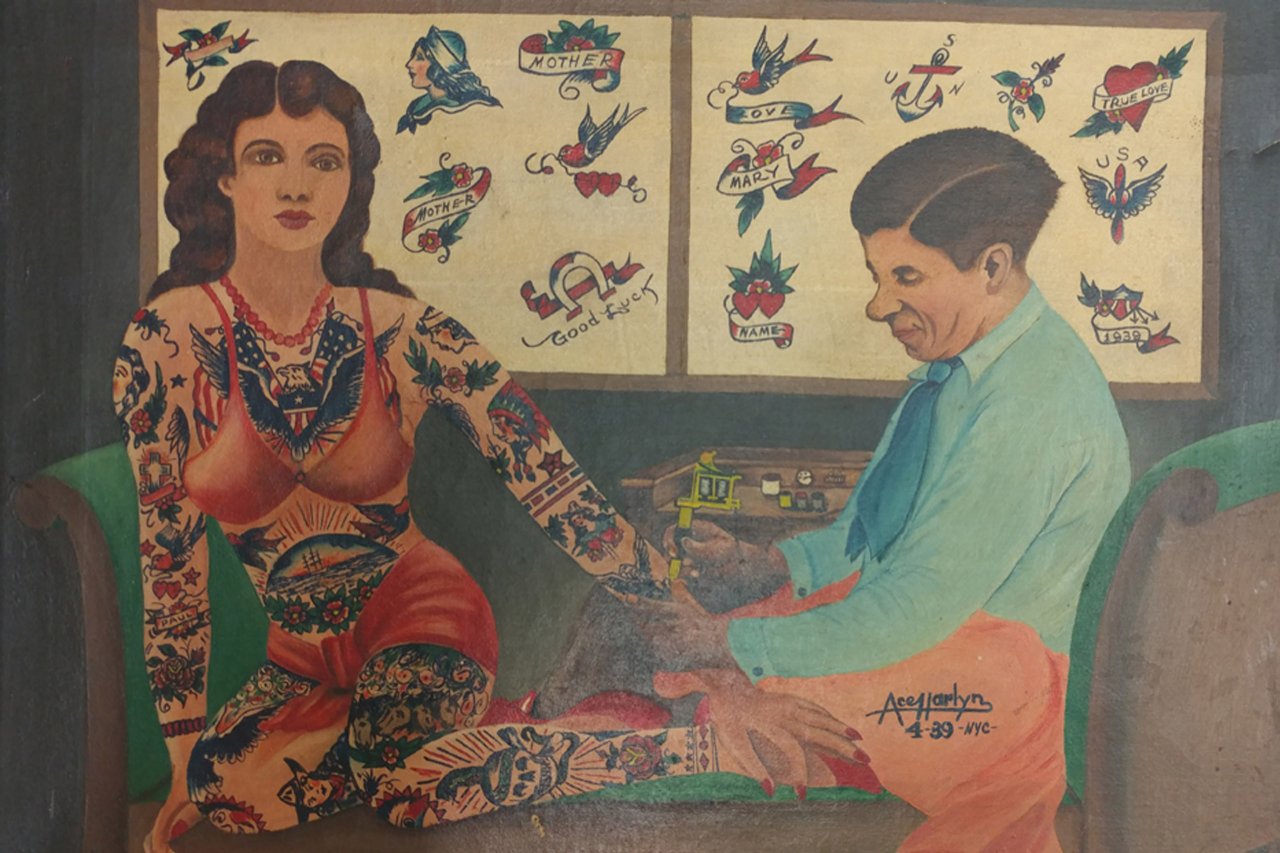
Tattoo exhibition in New York
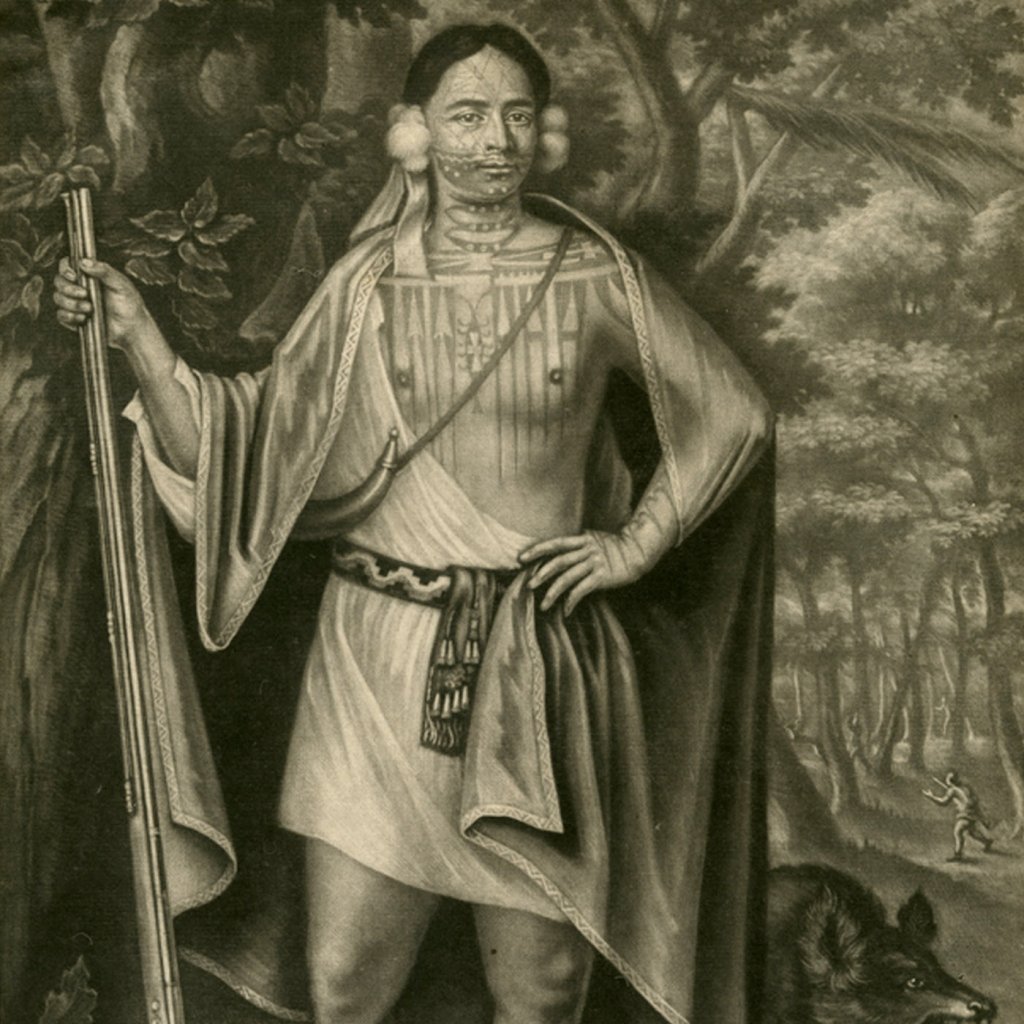
The New York Historical Society, founded back in 1804, the Museum of City Antiquities, arranged a fascinating and timely exhibition of tattoos. The exposition organized by the curator Christian Panaita opens up with an engraving of tattooed Mogikanin, one of the four "Indian kings", who went to acquaint England in 1710. Following him, the tattoo was closed almost exclusively on the sailors. However, in the civil war, Martin Hilderandt found her much more dramatic application. The soldiers leaving for the front prompted their names on the body so that in the event of death they knew who they would be buried.
A person with a tattoo may turn out to be your doctor, lawyer, congressman or hairdresser
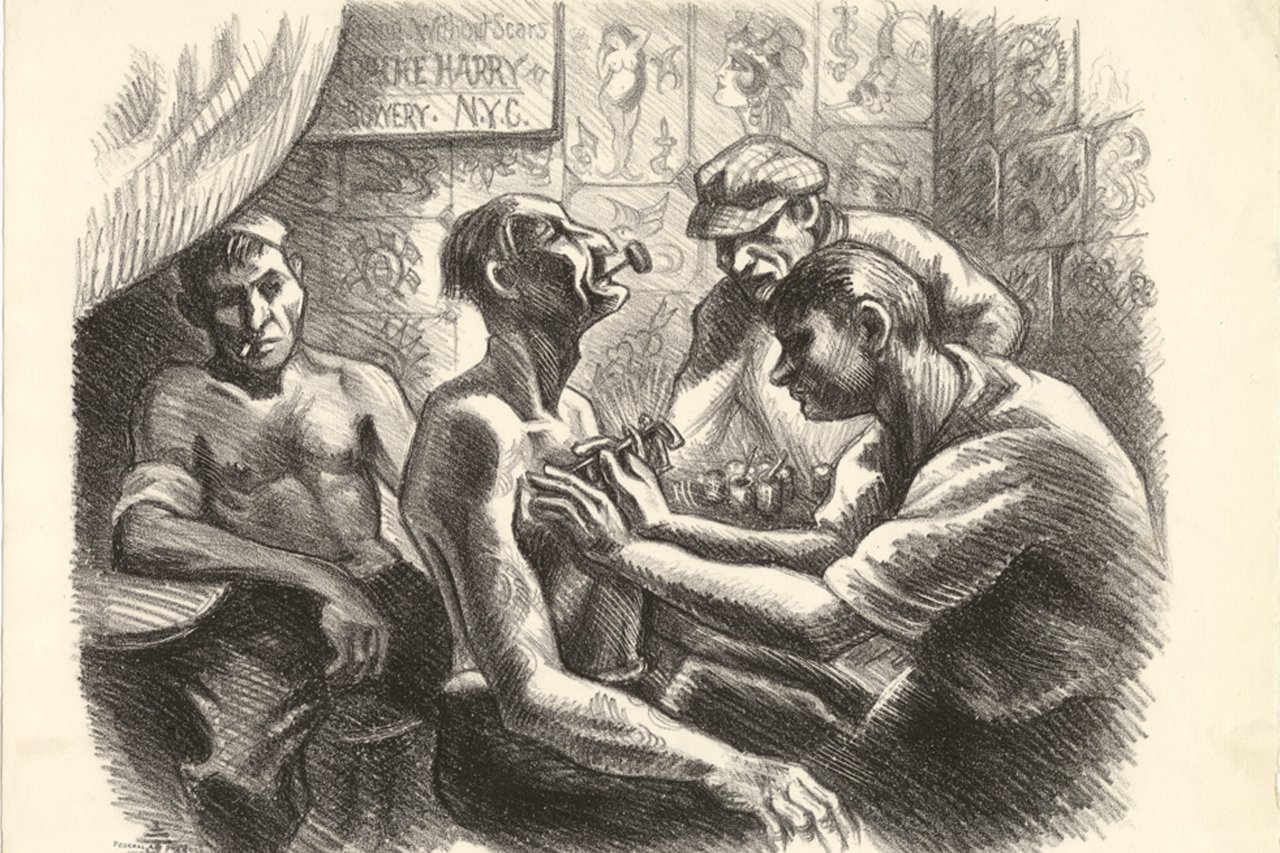
Gradually, the plots of tattoos became more complicated, and their masters became known. Such, for example, were Charlie Wagner, "Michelangelo Tattoos", and Frederico Gredgio, nicknamed "Electric Rembrandt". In 1961, however, the city authorities, having decided to clear New York on the eve of the World Fair, declared tattoos of hepatitis tattoos and banned them. This decision led to the opposite result. Tattoos became popular symbols and weapons of counterculture, until the ban was canceled in the 1990s. Since then, the tattoo has become a truly mass phenomenon. More recently, in America there was a hundred or two tattoos-now more than 10 thousand. As a result of their violent activity, a person with a tattoo may turn out to be your doctor, lawyer, congressman or hairdresser.
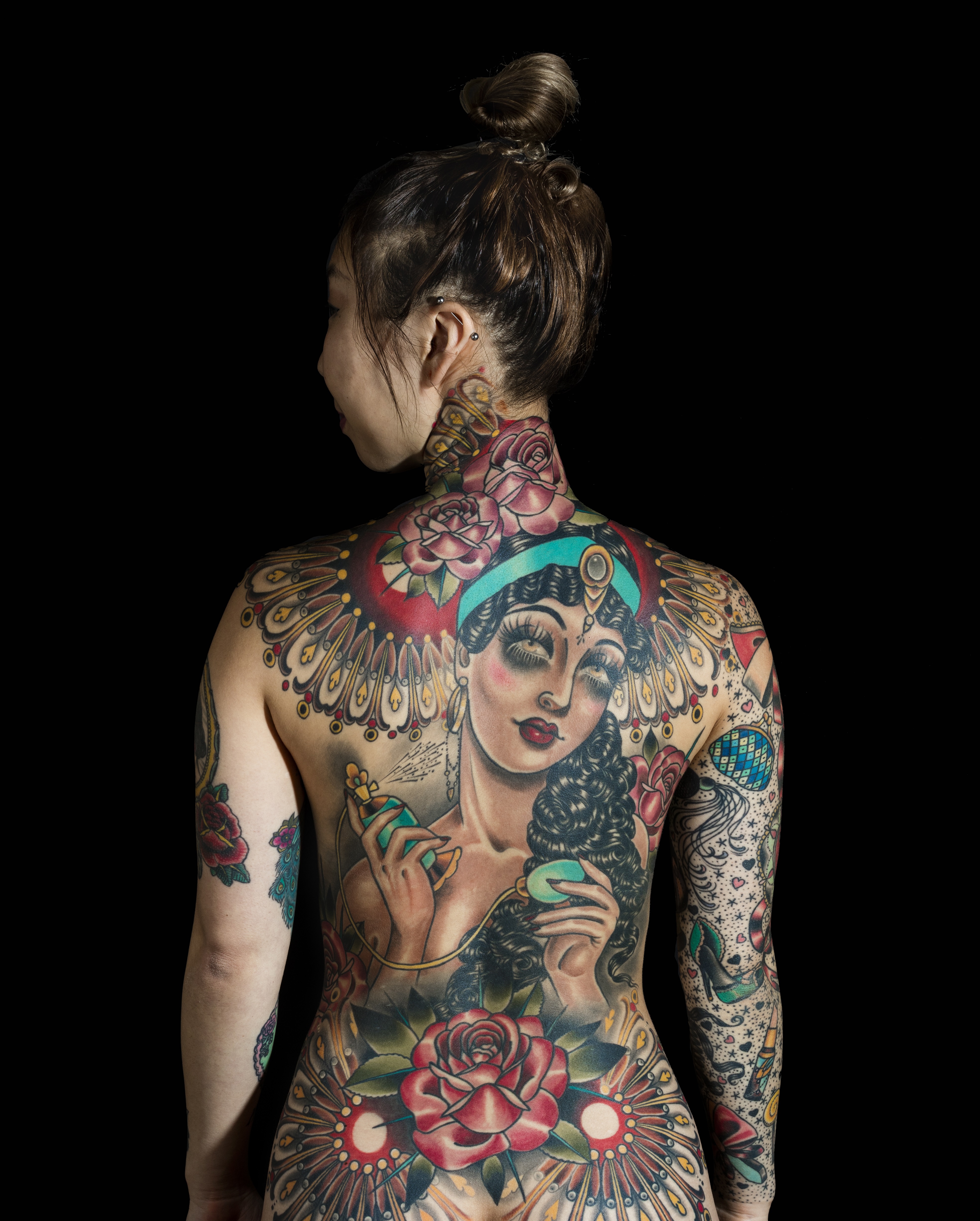
This does not mean that the tattoo has lost its marginal status. On the contrary, it is he who gives it the spices of the temptation: the tattoo allows you to move to a social curb, without leaving a safe center. Today, the tattoo does not so much interfere with success as it shakes it. Therefore, it can be seen in the basin of a first -class hotel, and in an expensive resort, and on a socialite.
But still it is impossible to say that a tattoo in fashion. Rather, this is a challenge to her: the fashion is changing, and the tattoo always remains the same. The needle with the pigment burns on our body a division of eternity, where physiological walkers stop. Here the tattoo enters the game with us: we are aging, it is not. The contrast between the durability of its spring and the inevitability of our fall gives rise to a monumental art form. Even the immortalized vulgarity gives itself the significance of art.
However, in a tattoo, it is important not what is depicted on our body, but that the image will survive us. Tattoo is a time thread. Its lifetime is only a few days higher than ours. The flesh facing the canvas revives the artist’s work, but also kills it: no matter how strange it sounds, the tattoo is the only thing that we take with us to the grave.
Memento Mori, inherent in any tattoo, recalls its mystical origin. Bloody art, turning the spirit into the body, is too close to religion to stay in the sphere of aesthetics.
The sacred nature of the tattoo quarreled it with Christianity. The church referred to the 19th chapter of Levita’s book: "Do not make rifles on your body and do not prick the written written." Approaching indelible traces to the skin, a person violates the prerogative of God. In other words, we are not the owners of our body, for it is rented to our souls. Freedom of choice was granted to her, but not to him. We do not choose the body, it is our rock, our fate, our punishment. The body is fatally hopeless. It is a brave dungeon, in which the spirit of eternal separation is doomed to languish.
But, as Oscar Wilde said, "those who distinguish the soul from the body have neither one nor the other." Tattoo is a leather version of this decadent paradox. A crack in the wall of theology, it raises a spontaneous rebellion against the Cartesian antithesis of the soul and body. It is not for nothing that the tattoo returns from the archaic outskirts that did not know this separation in the bosom that has expelled it to the western civilization.
The rehabilitation of bodily again accustoms us to the idea that the house of a person is his body. A tattoo is an attempt to live your housing, furnishing it to your taste.
The same Wilde, the author of the classical parable about the tattoo "Portrait of Dorian Gray", wrote: "We must either be a work of art or wear it." Tattoo is the only way to fulfill both tips at once.