
Translated material
Management

Is it possible to manage people righteously?
Yakov Krotov: Management is a foreign word, and quite new. But it, it seems to me, is identical to the word that has been used in Russia since ancient times to refer to the will of God, that is, fishing. In the modern world, managers are really like gods (such as engineers were such). The question arises: what about God's commercial? And what is modern management and modern manager, are it generally necessary people or any exploiters? By asking questions about people, we ask questions about God and about the meaning of our own life.
The program participates in the program: according to Skype from Odessa - Boris Kherson , Orthodox, poet, psychiatrist and teacher of clinical psychiatry, and in the Moscow studio - Maxim Zharinsky , Orthodox, poet, not a psychiatrist, but a manager of a rather high level.
Once again, they try to justify repression, persecution of the Church, the destruction of millions of people, Stalinism and Leninism, calling this effective management
We will start with an interview that his remarkable employee, historian, culturologist Solomon Volkov , author of the book about Stalin gave our radio. After all, the direct reason for the program, unfortunately, is not dying: they are again trying to justify repression, persecution of the church, the destruction of millions of people, Stalinism and Leninism, calling this effective management.
Solomon Volkov: At the moment when you pronounce the words "Stalin - Manager", people immediately throw themselves (and probably fair). What was he a manager? He was a politician, and from this point of view, he must be evaluated. He headed the Soviet state for a certain time and, as a leader, pursued a certain cultural policy, which seemed to him appropriate, primarily for the realization of his political goals.
The most important predecessor of Stalin in this area was Nicholas I, because he was the first to implement a large -scale cultural policy. Before him, Russian monarchs naturally did this. Nikolai entered into personal contacts with great figures of Russian culture of his time (Pushkin, Gogol), which was subsequently very important for Stalin ...
Stalin, as you know, was self -taught, he did not graduate from universities, studied at the theological seminary, but was a very, very good expert on Russian history. And in the same seminary where he studied (first in Gori, and then in Tiflis), Pushkin was at that time a very sign figure, and a very strong emphasis was placed precisely on the issues of Pushkin’s relationship with the sovereign. Of course, he was aware of the relationship between Nikolai with Pushkin.
Stalin, first of all, was a politician, it was, as they say, a "political animal"
And I think that in many ways it is precisely such a personal relationship between the monarch, the leader, if we use this term in relation to Stalin ... and he learned it - how to enter into personal contact, in personal relations with cultural figures. Stalin, first of all, was a politician (which is often forgotten), it was, as they say, a "political animal", and used all other instruments and mechanisms in order to promote his political agenda. And one of these most important tools for him was a culture.
Yakov Krotov: "Political animal" is the term of the ancient Greek philosopher Aristotle. I would add, based on the historical experience of two and a half millennia: there are people - "political animals", and there are people - "political cattle".
It seems to me extremely interesting equalization of Stalin and Nicholas I. In my opinion, it would be necessary to equalize Stalin and Lenin and talk, rather, about the differences that 1917 brought.
But let's start with an attempt to at least approximately define concepts. Still, "Stalin as a manager"-this implies that we know what management is. There are close words in the Bible - this is “management,“ manager ”,“ economy ”,“ saving ”. In Church Slavonic there was such heavy tracing -paper -“ house -building ”, that is, conducting households. From here the concept of“ homebuilding in salvation ”came from here: salvation - as a certain house that God builds over the centuries, starting from Abraham and to the present day.
Is any government any management? Or, after all, not every ruler can be called a manager?
Maxim Zgarsitsky: Manager - and manager, and also the owner. To begin with, the ruler of such a level as Nicholas I, and, probably, Stalin (although the posts are different), along with the official tasks that they had to fulfill according to the laws, had some internal principles. It is very important that he says to himself. Sometimes he shares it with other people, and sometimes not.
It is very important that the life of such people, such politicians is hidden management. He obeys himself, and he himself controls by some internal instructions. It can change in time. What is sometimes written about the young Nicholas I, and about him is middle -aged are a little different things.
This may change, but, most importantly, there is a bright person in a person, for everyone is open, and is not bright, not open to anyone, and this is the principle of the leader, the owner.
There are close words in the Bible - this is "management," manager "," economy "," saving "
Yakov Krotov: Boris Grigoryevich, do you think that we can talk about Stalin as a manager or the owner of the Russian state? You also see a similarity, do not see the gap between Nicholas I and the Bolshevik period, between Lenin and Nikolai II? Are these just new forms, new naming positions, but the essence is the same?
Boris Kherson: For me, the word "manager" is just a new fashionable word. There are managers of various links. In the end, the universal manager, or, as they are still abbreviated, admin is also a manager. In any, even the smallest company, there is a manager.
The main difference is that Nicholas I is the king, the monarch, whose autocratic power at that time was legitimate. Moreover, with him there were advisers, that is, even the autocratic king did not solve everything alone. And Stalin is a tyrant. A tyrant is a person whose powers are not the same as his actions. That is, almost Stalin was to obey the Stalinist constitution, but it is clear that he did not obey any laws. His law was his will.
Nicholas I, of course, was not the best, most liberal Russian king. We know that he hung five rebels-Decembrists, told Pushkin that he should redo the play "Boris Godunov" in the romance in the spirit of Walter Scott, and in general, made him a chamber junker. And the fact that he then paid all Pushkin’s debts, we do not really know this. But he was never known for cruel repressions regarding the population. Here we have before our eyes these five brilliant Decembrists, as on the manuscripts of Pushkin ... And now imagine a huge mass of people destroyed under the leadership of Stalin ...
A tyrant is a person whose powers are not the same as his actions
In general, this is a destruction manager. If there can be such a position, then it is quite Stalin, and he completely managed this. Yes, Stalin collectivized agriculture, but followed the Holodomor and the destruction of agriculture. Yes, Stalin was industrialized by society, but what a heavy and clumsy this industry was! Stalin won the war (well, not only he, we had allies), but what the cost, with what terrible miscalculations, with a preliminary union with Hitler, ignoring intelligence data, with completely ridiculous requirements - let’s accept Kyiv by November 7, which led to absolutely fantastic losses during the crossing ... This Stalinsky management, of course, is completely indifferent. And in general, even if the clumsy, albeit cruel Russian monarchy, but this is still not Bolshevik tyranny. The difference is clear!
Yakov Krotov: You should talk about this difference. Let's take the best people. The famous phrase from the song of Bulat Okudzhava : "We will not stand at the price." This is not written by order. I think that my father, who almost died in forcing the Dnieper and received the order for participating in this nightmare, could also be so to speak. Maxim Davidovich, there is such a slogan in management - "We will not stand at the price"?
Maxim Zgarsitsky: Yes, this happens. Under the Soviet regime on TV, they said everywhere: everyone is managed, and live, do not live-these are already details, the main thing is that they are doing something. This is Soviet administration. The first to formulate this was probably the Trotsky year in 1919.
With the development of civilization in business, restrictions are very important
What does the situation look like now? Now we cannot officially say: colleagues, you go to some economic indicators, lose life, if necessary. There are some restrictions, and this is a fundamental moment: over time, with the development of civilization, restrictions are very important. So I lived under the Soviet regime, then not under the Soviet regime: these are different restrictions. Now they are also changing, and we, as managers, are making management decisions, taking into account all restrictions.
Yakov Krotov: Are the words “not to kill” such a restriction, said somewhere three thousand years before today?
Maxim Zgarsitsky: And if we take our country, are we "not murdered"?
Yakov Krotov: Consent to the murder is peering for the words "effective management" when management refuses to consider human lives. This was also observed in the "dashing 90s" when there was a Chechen war. But I must note, quoting President Trump that "and we have killers," as he said, justifying the Kremlin. Indeed, transnational companies in the 19th century, and in our time, can sometimes be easily poisoned by hundreds of thousands of people with some chemicals, so to put up the earth that life is impossible. In this sense, the commandment "not to kill" has not yet reached the stove of management.
Maxim Zharnytsky: Because our task sometimes reaches some limits, an example is Ukraine, now - Syria, and even sometimes within Russia we cross all limits.
Consent to the murder is visible for the words "effective management" when management refuses to consider human lives
Yakov Krotov: Our studio is decorated with the frescoes of Michelangelo from the Sistine Chapel, where the great artist beats three movements of the human hand. One thing is the God-father, holding out the hand (imperatively elongated index finger) and inhales life into Adam. The second is the return, limp, as if from the resuscitation of the gesture of Adam, which accepts the Holy Spirit. And the third is the movement of the Savior’s hands on the Fsculse “The Secret Supper”, where the Savior protects himself from the villains who beg for forgiveness with his right hand, and the left sends them to torment. It seems to me that these are four hypostases of management, management. And how would you formulate: God can be called the manager of human history, human life?
Boris Kherson: I think that to call God a manager is in a sense to belittle God to the level of earthly affairs related to business, with money. You can glue this word, for example, to Stalin, but I would not call Stalin a manager. And I am very annoyed by the expression "effective manager". God is absolutely sovereign, and the manager still obeys the laws of the market, the laws of the situation. God can move away, give us to solve our problems ourselves, as Adam once in the Garden of Paradise, and we, as a rule, do not solve them in the best way. And then what you talked about - house -building, God's plan of salvation, God's work comes into force. And the case of perdition is more human business, we will organize it for ourselves. I would not pronounce the word "manager" in relation to God.
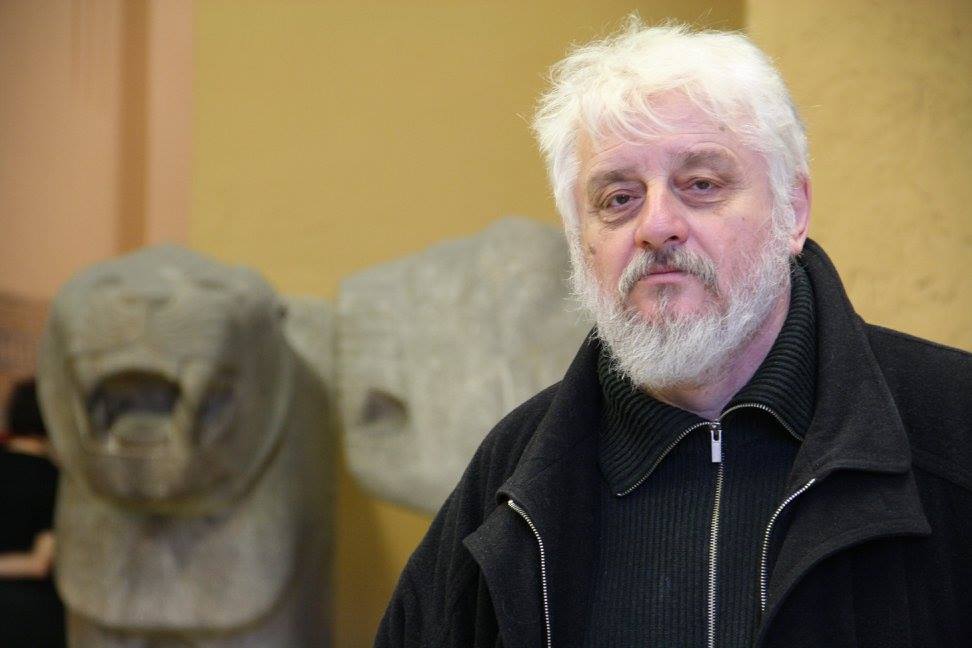
Yakov Krotov: Boris Grigoryevich, it’s strange for me to hear it from you, you are a poet! There are several parables in the Gospel that use the words "economy", "housekeeper": I think here we can say "manager". The most famous of them and at the same time causing perplexity even among a believer is a parable about the crafty manager who, in order to report to the owner, rewrites debt obligations. People owe the owner of the estate, and the manager rewrites the obligations so that they will be less, and expects that then, if they are fired, these debtors will be grateful to him for such fraud. Morality read how the Savior gives her, this: acquire friends with unrighteous wealth (I would say - unrighteous management). But this parable has another aspect. It seems to me that this ruler is the Lord Jesus Himself, because he attributes, forgives debts.
Maxim Zgarsitsky: Here is a person who is clearly visible that he is a manager, a manager is Jesus Christ. And in fact, everything, stated in four books, and what his students write further about it. And he also thinks so to himself.
We are another matter, we perfectly understand that this ideal is not just built everywhere, and we all live like that. This is a goal! But we approximately imagine how you can go to her and our loved ones. This is an ideal, this is not every day, not every minute. But if you have a minute when you feel all this, you go to this goal, then this is an amazing feeling!
The Gospel has several parables that use the words "economy", "housekeeper"
Yakov Krotov: And what does it mean - not every day? The prayer "Our Father" is given for every day, we ask for the daily bread every day, which means that we must also forgive daily.
Maxim Zgarsitsky: It is clear that God thinks about us every day, every second. The question is whether we are so dialogue every second, we communicate, or: we prayed - and enough ...
Yakov Krotov: Let's get back to the parable. “All power is given to you,” the Savior says to the disciples. The power to untie, the power to forgive ... The church tradition adds to this that the apostle Peter and each of us in his face are given the keys to paradise, but not the keys to hell, that is, we can let people into forgiveness, the world of happiness, to the world of freedom, but we cannot send them to the underworld. We are God's managers in this world: is such a metaphor acceptable? And what then should Christian management be, Christian treatment of evil, sin and criminals in this world?
God is absolutely sovereign, but the manager still obeys the laws of the market
Boris Kherson: I would say that this is a matter of taste. I can call myself the slave of God, the servant of God. Perhaps the pope (but he would never have done it) or Patriarch Kirill, or any other patriarch, can call himself a manager. I know that the Alexandria Patriarch, among very many titles, even has such as the “bishop of the bishop”, the judge of the entire universe, and this is such a manager that it would seem to be a higher cannot be presented.
And in this parable there is not only the manager, but also the owner. And now the Lord is the owner, and the ruler ... You can, of course, say that it is Christ, for Christ forgives sins, but the thing is that Christ and God the father are actually united, and to separate and say that in this guise he is only the owner, and in this-only the ruler, this is heresy.
It seems to me that the meaning of this parable is generally quite applied. Even if you made a wealth unrighteous, you can properly dispose of it. And the expression "in God to get rich" is very close to this. It seems to me that this parable corresponds to the phrase "and leave us our debts, but we also leave our debtors." That is, this crafty ruler accumulated the debts of people and expects that his sins will be forgiven by people.
As for the church: I read so many times in Rome on the facades of the churches: "Indulgence of the Cotidian"-the daily forgiveness of sins ... and, of course, the Church in a sense manages the doctrine. It is difficult to say how successful this management is. In some periods, it is very successful, sometimes in history it was catastrophic.
The fashionable word that came to us from the business, I would hold aside from the Holy Scriptures. At least when writing a poem on a religious topic, I would categorically not insert it into a line.
Yakov Krotov: Well, if Boris Kherson refuses to insert some word into a poem on a religious theme, then it is better not to insert ... Boris Kherson’s poems on the themes of the Holy Scripture and Vera, in my opinion, is one of the most remarkable means of preaching the gospel in the modern world.
We ask for the urgent bread every day, which means that we must also forgive daily
Let's talk about the secular side of the question. After all, the words "effective management" were heard in the "dashing 90s", and they strongly resemble the sheep's skin not at all on the sheep. But the question is not even about specific personalities that speak of management where there is only a embezzlement, so Saltykov-Shchedry N and the “gentlemen of the Tashkents” are recalled.
The question is different. You say that in business management has some restrictions ... But the capitalist will really kill his mother, as Marx said for thousands of percent of profit. And the same Marx bequeathed to the proletariat: do not be embarrassed, your managers drink blood out of you - answer them the same, the dictatorship of the proletariat may be bloody. In this sense, Lenin and Stalin are managers, faithful to Marx’s covenants, although I suspect that Marx would have staggered with horror when he saw what this led to. But then is it not here the source of cynicism and inhumanity?
Maxim Zgarsitsky: Let's still share two subgroups: capitalists, businessmen, owners - and managers, managers. В частном случае они могут совпадать: есть те, кто всем владеет и одновременно управляет, а есть те, кто чем-то владеет, но не управляет, они кого-то нанимают. И в этом случае функция управленца сводится к этому найму, а дальше он раз в год принимает отчеты. There are many such people.
Яков Кротов: Но они ставят цель – тысячи процентов прибыли.
Максим Жарницкий: Цель очень простая – деньги. Раз в год генеральный директор отчитывается, показывает свои результаты, и ему говорят: "хорошо" и дают премию, или "нехорошо" и увольняют.
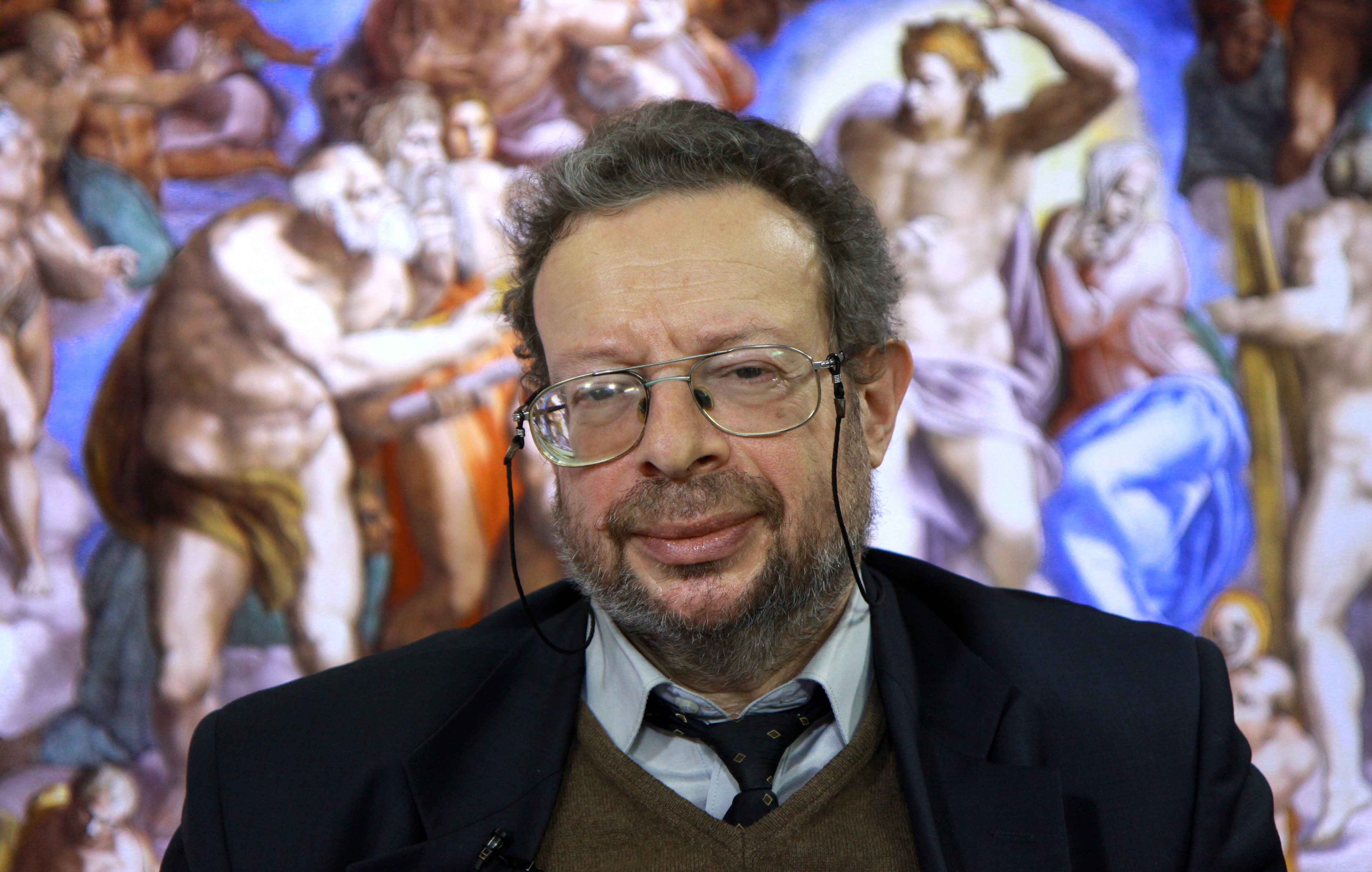
Яков Кротов: А убил гендиректор бабушку или не убил – это никого не интересует.
Максим Жарницкий: Это другой вопрос. Нам важно, что у владельцев есть две подзадачи, которые можно сочетать или нет, - работать, управлять и получать деньги. Это важные задачи. Если у него задача – получать деньги, то первый вопрос – как и чем он будет заниматься. Есть куча разных официальных бизнесов, еще больше неофициальных, можно комбинировать их друг с другом.
Второй вопрос: когда мы что-то выбираем, как мы будем этим управлять? Выбор - это принципиальный вопрос. Очень многие люди, учившиеся на металлургов, например, занимаются совсем другим: продажей пекарен, аудитом...
Капиталист ради тысячи процентов прибыли убьет родную мать, как говорил Маркс
Яков Кротов: Борис Абрамович Березовский не на металлурга ли учился?
Максим Жарницкий: Насколько я знаю, у него докторская в области физико-математических наук.
Яков Кротов: И кто-то из МИСИСа там был.
Максим Жарницкий: Я сам оттуда, и много кто еще оттуда вышел, потому что они энергичные люди.
Яков Кротов: Целеустремленные. И готовы зарезать бабушку?
Максим Жарницкий: Это уж как получится.
Яков Кротов: Эффективный менеджер отключает электричество во всей области, и человек гибнет на операционном столе…
Максим Жарницкий: Увы, это не самая страшная вещь из тех, что происходили.
Яков Кротов: Не вы лежали на том операционном столе…
Максим Жарницкий: Серьезное управление экономикой на уровне государства – это достаточно сложно и даже опасно. Землетрясения, дожди, снега, морозы, рухнул самолет, крушение поезда…
Яков Кротов: А свобода или жизнь человеческая не входит в число ваших обстоятельств?
Максим Жарницкий: Откройте газеты… Я открываю газету "Известия", и там видно, что происходит столько всего плохого! Всем управленцам приходится входить в локальные проблемы. Страна большая, и проблем очень много, они возникают повсюду, от медицины до космоса. Система выводит гигантские сложные задачи, и управленец постоянно с этим сталкивается.
Яков Кротов: А вера что-то изменяет? Вот царство Божие как цель…
Серьезное управление экономикой на уровне государства – это достаточно сложно и даже опасно
Максим Жарницкий: Да, безусловно. Ты понимаешь: несмотря на то, что вокруг тебя все это происходит, у тебя и у других есть вера, над тобой и над другими есть Бог, и если ты это чувствуешь, то это очень сильно меняет жизнь! Поскольку я жил и до того, и после того, я понимаю, что жизнь оценивается немножко иначе.
Яков Кротов: Есть ли пределы управления? Насколько вера, сознание того, что жизнь не заканчивается со смертью, меняет отношения человека с теми должностными инструкциями и задачами, которые ему ставят, с доходом, с бизнесом? Вы, Борис Григорьевич, как психолог, психотерапевт и психиатр, наверное, имели дело и с так называемыми деловыми людьми. В конце концов, быть матерью или отцом – это ведь тоже разновидность менеджмента и домостроительства. Вера что-то меняет в целях и средствах управления?
Борис Херсонский: Она меняет, прежде всего, отношение к самому себе и уже опосредованно влияет на то, как ты распоряжаешься властью, которая дана тебе над людьми.
Мы не очень затронули такой аспект управления, как власть над людьми, а это очень важно именно с точки зрения веры или неверия. С людьми можно делать все, что угодно, если над людьми никого нет. Я вспоминаю знаменитую максиму у Достоевского: "Бога нет, и все позволено", но все забывают продолжение – "и даже антропофагия, то есть каннибализм, будет разрешен", то есть людей можно будет просто есть (в переносном и, к сожалению, в прямом смысле).
И поныне кое-где еще существует каннибализм. Я вспоминаю, что "эффективный менеджер" Средне-Африканской империи был каннибалом - наверное, очень эффективным каннибалом и менеджером. В конце концов, французы спохватились, высадили десант и навели хоть какой-то порядок в своей бывшей колонии, и в холодильниках у "эффективного менеджера" нашли части человеческих тел.
Сталин не ел людей буквально - наверное, потому, что не мог бы столько съесть, сколько он отправил на тот свет. Интересно, что в Сталине дремала какая-то темная вера, он все-таки учился в семинарии. В какой-то период он, конечно, уничтожил Церковь, но потом, тоже в интересах менеджмента (надо было что-то делать с войной) он начал ее восстанавливать и превратил в декоративное, подчиненное ему образование. Тот период, по-моему, и поныне тяготеет над нами.
Вера меняет, прежде всего, отношение к самому себе и уже опосредованно влияет на то, как ты распоряжаешься властью
Но если человек действительно верит, я думаю, он будет избегать употребления власти над другими людьми. Я, например, верю, что если я кого-то к чему-то принуждаю, то я, с одной стороны, ограничиваю власть Бога, а с другой стороны, ограничиваю свободу этого человека. Мне приходилось занимать якобы руководящие должности, и я надеюсь, что те, кем я управлял, никогда не почувствовали мою стальную руку или оскорбительное отношение. Я всегда был менеджером попустительского типа. Есть такие типы управления – авторитарный, демократический и попустительский.
Яков Кротов: Максим Давидович, вы верите в свой менеджмент? Вообще, можно сказать, что попустительский менеджмент – это святой менеджмент?
Максим Жарницкий: Давайте сначала рассмотрим такую вещь, как управление религией с церквями, всеми этими отношениями. В Церкви есть люди, которые занимаются управленческими задачами. Теоретически их можно назвать и менеджерами: они занимаются теми задачами, которые решают менеджеры. Я называю их управленцами. Но здесь слово "святость" я бы поставил в кавычках. Это как бы обозначенная цель, и вот они где-то, а выше – святость. А внизу - "святость" в кавычках.
А есть люди, которые могут быть на другой работе, но в них сидит святость без кавычек. Вот они святые. Я бы не назвал это менеджментом. Это другая ось. Там была трехмерность, а это четырехмерность.
Яков Кротов: Но это совместимо с управлением?
Даже если ты святой, ты иногда вынужден решать какие-то управленческие задачи, но это не твоя основа, ты выше
Максим Жарницкий: Это может совпадать в частностях с управлением, и если ты святой, ты иногда вынужден решать какие-то управленческие задачи, но это не твоя основа, не твоя задача, ты выше. Вот есть Бог, есть ты, святой, и есть задачи, которые ты решаешь, и важно, что ты - между. Если ты там, то это "святой" в кавычках. Но если сейчас мы в ком-то из живых ощущаем эту святость, то это просто подарок - спасибо Богу!
Яков Кротов: К вопросу о попустительском управлении можно вспомнить замечательное произведение братьев Стругацких "Понедельник начинается в субботу" . Оно довольно атеистическое, и там изображен Создатель как начальник лаборатории в Институте волшебства, Семен Федорович Киврин, который может все. Он открыл уравнение абсолютного всемогущества, но оказалось, что у этого уравнения есть одно условие: чудо, которое совершает человек, произнося соответствующее заклинание, никому не должно причинять вреда. И в результате Семен Федорович не творит никаких чудес, потому что даже Бог не может себе представить чудо, которое никому не наносит среда.
Когда вы были попустительствующим экономом, случалось ли вам увольнять людей, делать выговор, чтобы защитить, может быть, одного подчиненного от другого? Можно ли управлять людьми, в том числе как-то организовывать детей, совсем не причиняя людям зла? Это вопрос и о вас, и, извините, о Создателе.
Борис Херсонский: Вот уже больше года, как я не работаю заведующим кафедрой в университете. Сейчас я работаю в Институте психотерапии и психологии в Киеве, преподаю там, занимаюсь научно-методической работой, у меня есть там официальный титул, но я имею мало руководящих обязанностей. Причинял ли я зло людям, уволил ли хоть одного человека? Это было не в моей компетенции. Причинял ли я своим попустительством вред процессу обучения? Наверное, все-таки причинял, потому что некоторые вещи были мало терпимы и в конечном итоге привели к тому, что я решил оставить этот пост.
Если говорить о Боге Ветхого Завета, то никак нельзя сказать, что Бог в стороне от вреда, который наносится людям
Мне кажется, в конечном итоге Бог допускает зло, иногда даже, если мы почитаем Ветхий Завет, дает очень жесткие инструкции: допустим, не щадить никого во взятом Иерихоне, и никаких вещей нельзя брать, иначе в наказание огонь пожрет тебя, появившись из-под земли. Я уже не говорю о всемирном потопе…
Если говорить о Боге Ветхого Завета, то, конечно, никак нельзя сказать, что Бог в стороне от вреда, который наносится людям. Вообще, Бог Библии и Бог богословия – это, наверное, разные понятия. Бог ведь раскаивается после потопа и говорит: "Я радугу кладу – завет между вами и мною. Нашлю я воды на землю, увижу радугу и вспомню свой завет, и потопа больше не будет". Оказывается, библейскому Богу доступно раскаяние, оказывается, ему, всеведущему, нужно напоминание в виде радуги, для того чтобы слишком не разгневаться. "Ибо возгорится вскоре гнев его и воспламенится ярость его" – второй псалом…
Мы понимаем, что Бог Библии имеет и карающее лицо. И если бы мы смотрели на Бога просто как на менеджера по прощению всего, что угодно, то, конечно, опять-таки у нас появилась бы калька с этого выражения: "Бог есть, и, значит, все позволено, и даже антропофагия будет разрешена, ибо Бог прощает все"! Ежедневная и насущная индульгенция…
Максим Жарницкий: Вот говорили – теодицея , ленинодицея… И очень важная постановка вопроса – я-дицея.
Яков Кротов: Скорее – эгодицея, аутодицея. Самооправдание, как нечто противоположное покаянию.
Максим Жарницкий: Это не самооправдание, а самоопределение! В том числе, это может быть самоосуждение, самообвинение, а может быть и самовознаграждение.
Сталин, Хрущев и прочие представляются мне просто клонами Ленина, его идейными отпечатками
Яков Кротов: Используя эту метафору, я предпочитаю говорить о Ленине, потом что Сталин, Хрущев и прочие представляются мне просто клонами Ленина, его идейными отпечатками. Как с гравюрами - по мере использования медного листа исходный вариант гравюры стирается, так и Брежнев или Черненко уже не очень напоминают Ленина. Но это все равно именно Ленин, а не Николай I. У Николая I не было тех задач, которые поставил Ленин перед собой и перед теми, над кем он взял власть. В этом смысле контакты Николая I с Пушкиным… Даже если Николай Павлович участвовал в безобразной истории, которая привела к гибели Пушкина, он все-таки был пассивным участником. То, что сделал Ленин с поэтами во время Гражданской войны руками ВЧК, это все-таки качественно другой уровень.
Максим Жарницкий: Ленин спас 1028 человек, выслав их по морю из России!
Яков Кротов: Да, был такой момент, когда он предпочитал торговаться с Западом и скрывать, что он антропофаг. Но значительно больше тысяч были убиты, включая поэтов и прозаиков. Я уже не говорю о гонениях на духовенство... Какова цель менеджмента? Николай I – все-таки человек верующий. Владимир Ильич – просто бизнесмен.
Максим Жарницкий: Владимир Ильич не бизнесмен, он управленец, у него другие задачи. Он управляет государством.
Яков Кротов: Но с какой целью? Добиться хорошего для всех людей?
Максим Жарницкий: А он ставил перед собой цели, причем менялих во времени, 1917 год и 1919-20 годы – это разные задачи, а особенно - 1922-ой.
Яков Кротов: Но глобальная цель у него была – превратить жизнь в рай, уничтожив всех, кто этому мешает.
Максим Жарницкий: Нет, вот про рай не знаю. Он хотел что-то уничтожить, и с того момента, как погиб его брат, и дальше, пока он сам не умер, он занимался уничтожением разных вещей. Он ставил задачи – что надо уничтожать, с кем надо воевать, кого надо свергнуть. Вот эти задачи он решал достаточно эффективно.
Христианский менеджмент не может быть качественно другим, чем любой другой менеджмент во имя любви, а не во имя разрушения
Яков Кротов: Ну, эти задачи решал, скорее, Троцкий как администратор. Но все-таки цель большевизма, пусть и дурно реализованная, - это создание мира без контрибуций, войн и эксплуатации.
Максим Жарницкий: Да, но это была далекая цель. Она была в книжках, издавались книжки, и все аплодировали, но работали над решением других задач. Это тактика и стратегия, стратегия - очень высоко и далеко, а тактика – вчера, сегодня и завтра.
Яков Кротов: Царство Ленина, царство Сталина, царство земное далеко ставит счастье. Царство Божие, царство Христово, царство небесное – благая весть в том, что оно наступило и приблизилось к нам, как приближается заноза под кожу, как приближается любовь в сердце: оно здесь и сейчас. И поэтому христианский менеджмент не может быть качественно другим, чем любой другой менеджмент во имя любви, а не во имя разрушения, во имя воскресения, а не во имя гибели.
-
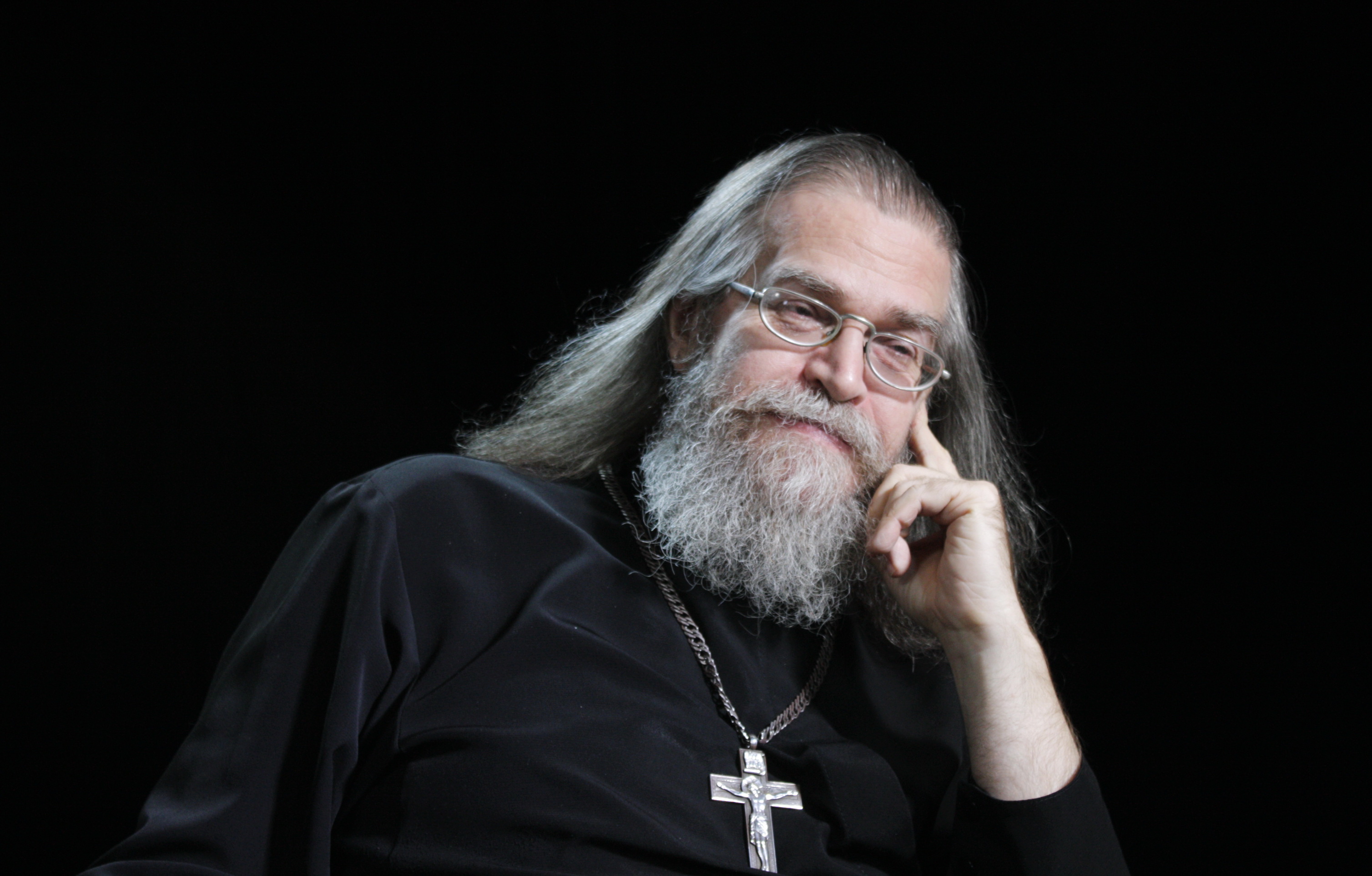

Yakov Krotov
Historian and priest, leading Radio Freedom Radio "Between Vera and Belief"
ykrotov@yahoo.com