
Translated material
Art of a state scale
The 1st Triennale of Russian Contemporary Art was opened in the Garage Museum-an ambitious project to study the country's art landscape. Including its disputed territories
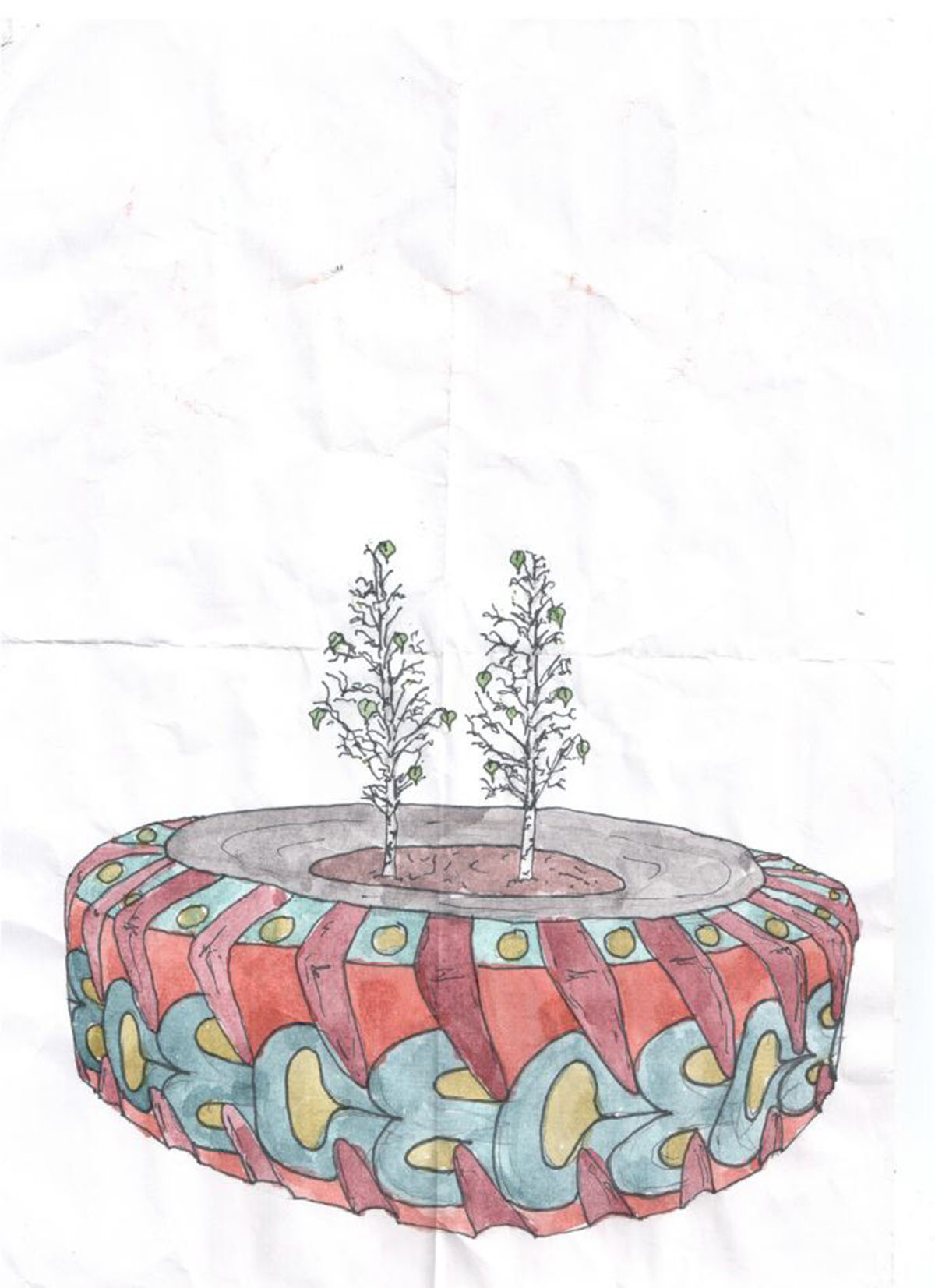
Triennale - an exhibition or festival, which takes place every three years, is a form of a cultural event that is quite suitable for modern art. Indeed, in three years, the picture of the world sometimes changes so much that art is simply obliged to catch up and reflect these changes. Regular art fits are held, and less often, such as Documenta in Kassel (Germany)-almost the most authoritative international exhibition of contemporary art, which happened every seven years-and more often, like the Venetian Biennale, which has been going on two years (in 2017 for the first time in many years, these two largest events will be explosive). The next fall, the next Moscow Biennale of Contemporary Art is waiting for us, which is important not to confuse with Triennal. The difference between them is that the traditional Moscow show, which will take place in the “Manege”, claims to be international status, while Triennale considers only what is created in Russia.
The curators did not dare to show the entire section of modern Russian art and, just in case, collected in the halls of the “garage” actually the classics - that which is guaranteed to be successful
There is another difference. If the Moscow (and any other) biennale of contemporary art is always subordinated to a single topic declared by the curator, then the “garage” festival, which will last until May 14, refused this practice. The Commissioner Triennale is the main curator of the Garage Kate Faul - and her team considered that the program should only reflect the “spirit of time”, no matter what it means, and represent the whole variety of trends and directions that form regional artistic life today.
The art of a metropolis
For several months, the curators of Triennale managed to go around 40 cities in Russia, to meet with more than 200 artists aged 19 to 69 years. However, unexpected discoveries did not happen: all 63 author whose projects are included in the program represent the most active in the artistic sense of the city. Among them are megalopolis-St. Petersburg, Nizhny Novgorod, Yekaterinburg, Kaliningrad, Vladikavkaz and Samara, where (and in some places have long been) regional branches of the State Center for Modern Art (GCSI), which until recently worked in Moscow. Soon another should open, in Vladivostok, where there is also his leader in the local artistic environment-the art community “33+1”, known for its murals of facades and street objects: they are also represented on Triennal.
Meanwhile, the famous GCC in Moscow-a unique state institution that worked for 20 years and in many ways creating a modern Russian art environment-de facto no longer. In May 2016, by order of the Minister of Culture, Vladimir Medinsky, the Center joined the State Museum and Exhibition Association of Rosiso, having lost independence and loss of a significant part of the team. The future of the Center in its new quality is vague, but its functions of institution, developing contemporary art in the entire space of the country, partly took on the Private Garage Museum - having arranged Triennale.
Looking back at the authorities
The will of the Museum team of Triennale is divided into the "Directory", but in this word you should not look for a hint of a hint of
Hierarchy: This refers to tracing paper from English, meaning literally “direction”, “region”. The first directory-the Master Figure-presents the most authoritative names: the legendary shareholder Pavel Aksyonov, a participant in the commune in Trekhprudny Lane, an emigrant who returned from London to his native Izhevsk; Dmitry Bulatov - a well -known theoretician of art, curator of the Kaliningrad branch of the GTCSI; The leader of the E.T.I.i-and-and-laws movement Anatoly Osmolovsky; Patriarch of Russian art scenes Andrei Monastyrsky, representing Russia at the 54th Venice Biennale ...
All of them informally influenced and continue to influence the art process. But even in the next directory - it was called “Author's mythology” - on a par with unfamiliar artists were the capital's celebrities - Evgeny Antufiev, Pavel Pepperstein, Alexander Posner.
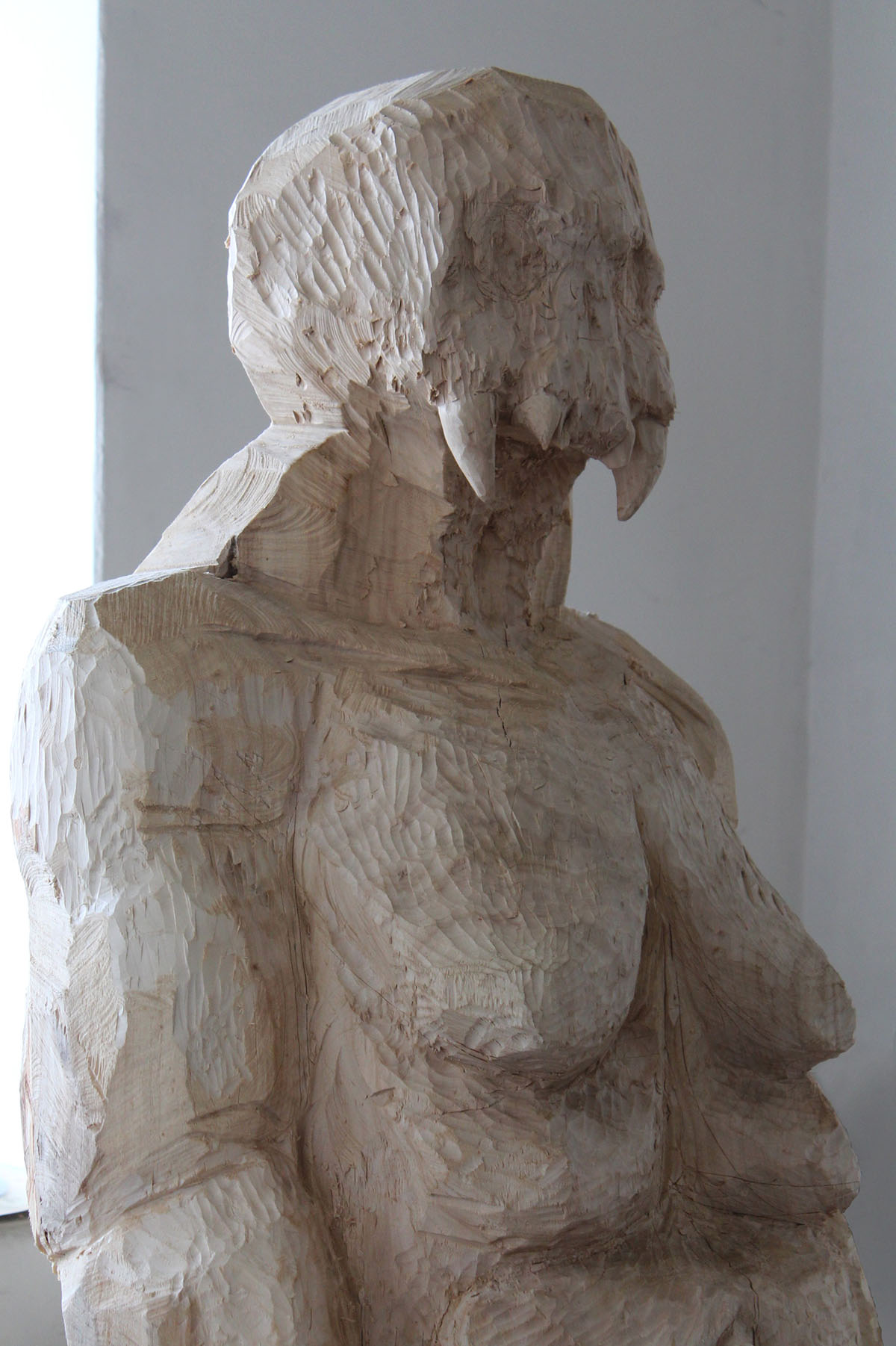
The same is observed in the section “Fidelity to the place”, where we see, in particular, Taus Makhachev - a performanist and video artist, who still works, despite world fame, in his native Makhachkala. However, let's look at the truth: Makhacheva-the laureate of the Kandinsky and Main National Russian Art Prime Innovation, it was selected this year to participate in the main project of the Venetian Biennale. Showing Taus Makhachev is like presenting a gold chervonets.
The section of “General Language”, which has united by universal, not requiring the “translation” of contemporary art, was the project of the famous video artist Viktor Alimpiev, the work of a very popular punk group of SIPs from Krasnodar and video art of Yevgeny Branilshchikov, another laureate of the Kandinsky Prize.
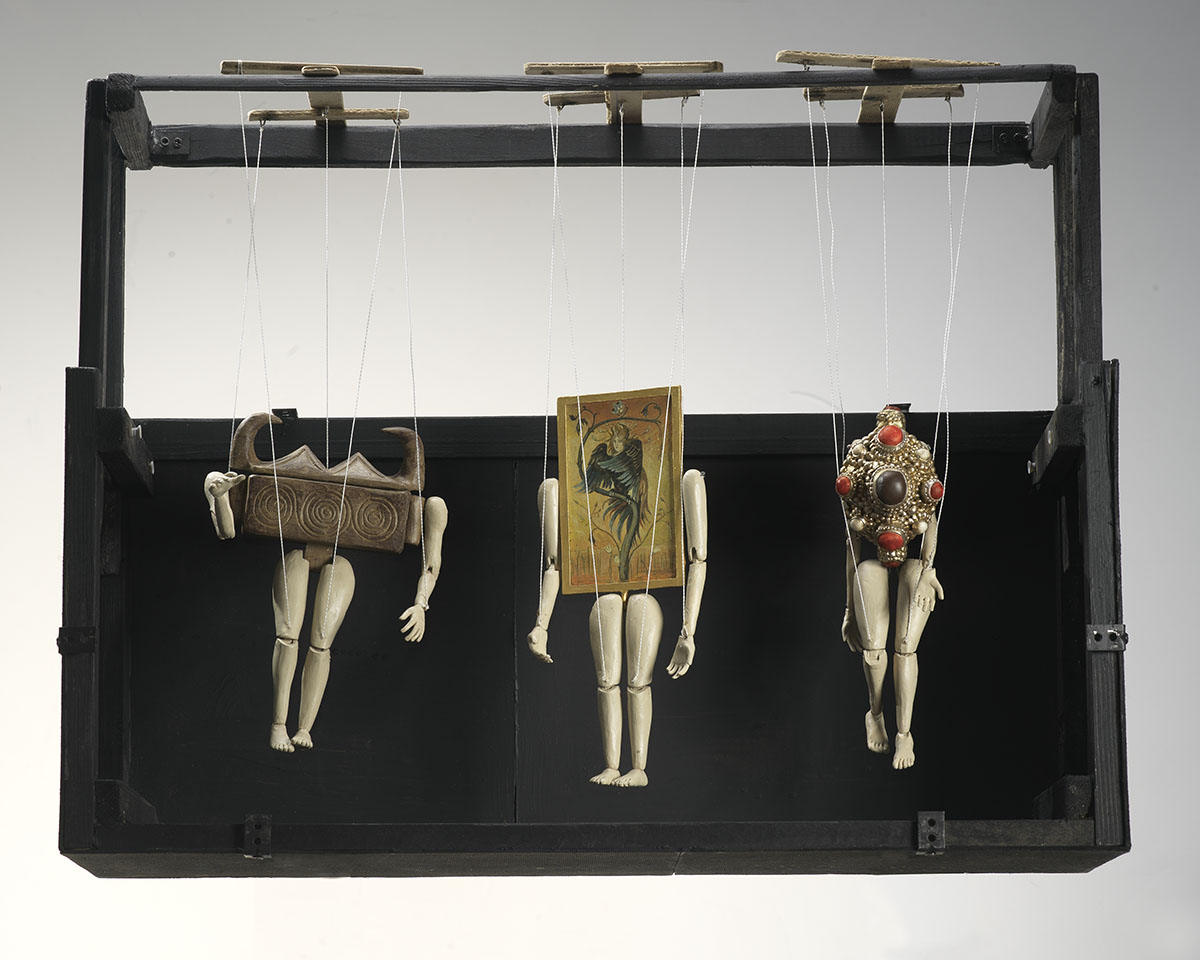
In the Street Morphology dedicated by the Street Arts, the Nizhny Novgorod group “TO”, Yekaterinburg “Evil” and Moscow Street artist Alexander Shishkin-Khokusai. The section “Local stories of art” involved, in addition to artists, also philosophers, curators, museum workers who have something to say about the local context.
Perhaps the only section where the bet is made on the young is “the art of action”. But well -known persons, in particular, the author of the Novosibirsk “Monestation”, Artem Loskutov, participate in it. And then - a video from the shares of Peter Pavlensky, the War and Pussy Riot.
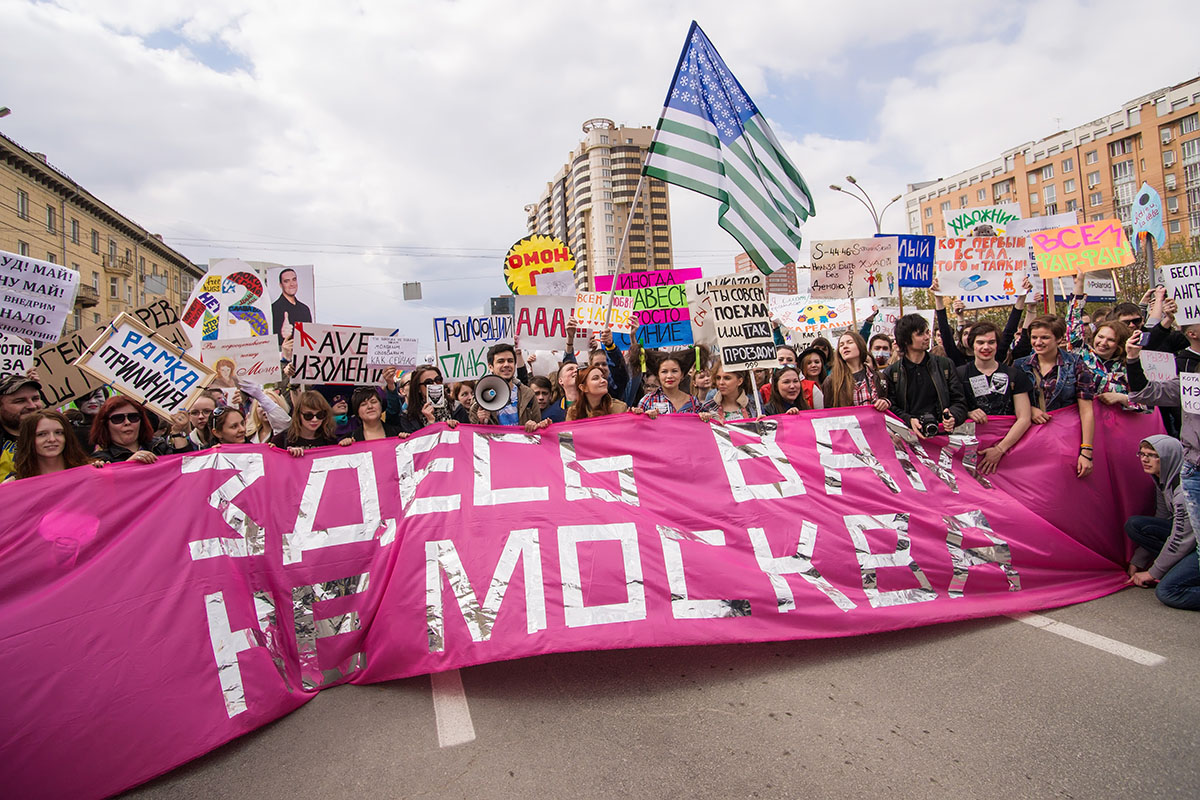
It seems that the curators, contrary to the ambitious application, did not dare to show the entire section of modern Russian art and, just in case, gathered in the garage halls in fact the classics - that which would be guaranteed to be successful.
Another politically nervous theme arose: among the Russian regions that were investigated in the pursuit of the talents of the Garage messengers, the Crimea peninsula turned out to be
Export quality
The impression is that Triennale rather shows the “export version” of Russian contemporary art than explores, as stated, the artistic life of the regions is also supported by exhibitions, which are held in the “garage” in parallel with the Triennale: “in the direction of the source” (the work of Vyacheslav Kuritsyn, Vladimir Logutov, Andrei Monastorsky, Kirill Savchenkov and Olga Chernyshheva, Olga Chernyshev. Inspired by the documents from the garage archive, reflecting the artistic process in the USSR, starting from the 1950s), and the giant three-level installation of the already titled Irina Korina, the author with easily recognizable handwriting and another participant in the main project of the Venetian Biennale of 2017, exhibited in the atrium of the museum.
A special department allotted to the work of Dmitry Aleksandrovich Prigov, who has not been with us, is also hinting at the “export quality”. The curators explain this by the exceptional influence of Prigov on the art environment: he traveled a lot around the country, people learned about contemporary art from him; At the exhibition, we see things inspired by Prigov, or Ommage to him.
The logic of the organizers is clear: well-known names attract attention to Russian art as a whole, and this contributes to the rise in the level of the entire Russian art environment. In the exposition, of course, there is something to admire, but still Triennale suggests and even promises the study of the art process, a certain experiment, and this is the lack of this.
In the province by the sea
“In 2017, Russia celebrates the centenary of the October Revolution of 1917,” the festival press release reports, “and it is the 1st triennale of Russian contemporary art that will become the contribution of the Garage museum to the celebration of the anniversary.” This phrase forced the expert community to be alert and look for a catch in the program. Explanations about the Russian avant -garde, “inextricably linked with the revolution”, could not recapture this strange taste, especially since another politically nervous theme arose: among the Russian regions that were investigated in the pursuit of the talents of the “garage”, the Peninsula of Crimea turned out to be.
The least could be expected from the “garage”, which, for all three years that have passed since the historical “conquest”, skillfully held a balance and kept loyalty to liberal principles.
It seems that now nothing has changed. But, as the director of the Garage said Anton Belov, today Crimea has become a subject of the Russian Federation, and the garage cannot ignore it. The curator Sasha Obukhova went to Crimea with a research mission. During the recent “round table”, arranged by the Arthid Internet resource about Triennale, she described the situation found on the spot: “In the Crimea, which was deleted from the cultural policy of Ukraine before the annexation, not a single exhibition site that would be engaged in modern art.”
This, apparently, for a short while: the mentioned above Rosiso plans to open the Crimean branch of the HCCI. As Maria Kravtsova, chief editor of Arthida, noted, along with some Patriot Biker Park on Mount Gasfort and the Tavrida All-Russian Youth Educational Forum, is perceived as an ideological annexation of the territory after the political, and the garage with its wilness or not only is integrated into the same paradigm.
Actual art really ended up in the Crimea in the dead zone. Both Ukraine and Russia are not up to him. The authors who use in creativity are not the most affordable artistic language (and who did not leave after the annexation) have to face, according to the curator, with an aggressive Xenophobic environment. The servile position of the museum, which decided to such a compromise, was somewhat ambiguous in this case, it turned out to be in vain: not a single artist from Crimea in the Triennale program as a result.
In defense of the position of the “garage”, however, says the fact that the specially invited expert Maria Udovchenko, a former employee of the GCS, will say in Triennal about the artistic situation in the Crimea, she moved to live on the peninsula for personal reasons far from politics a few years ago. Here they will also show the record of “Monestations” in Simferopol 2014, when ten of its participants went outside with apolitical slogans like “buckwheat” or “cool weather”, but the crowd was produced due to political inertia.
Photo: press service of the Museum of Modern Art "Garage"