
Translated material
Open & Big Data Hackathon 2017 in St. Petersburg: results, photos, videos and presentations of projects
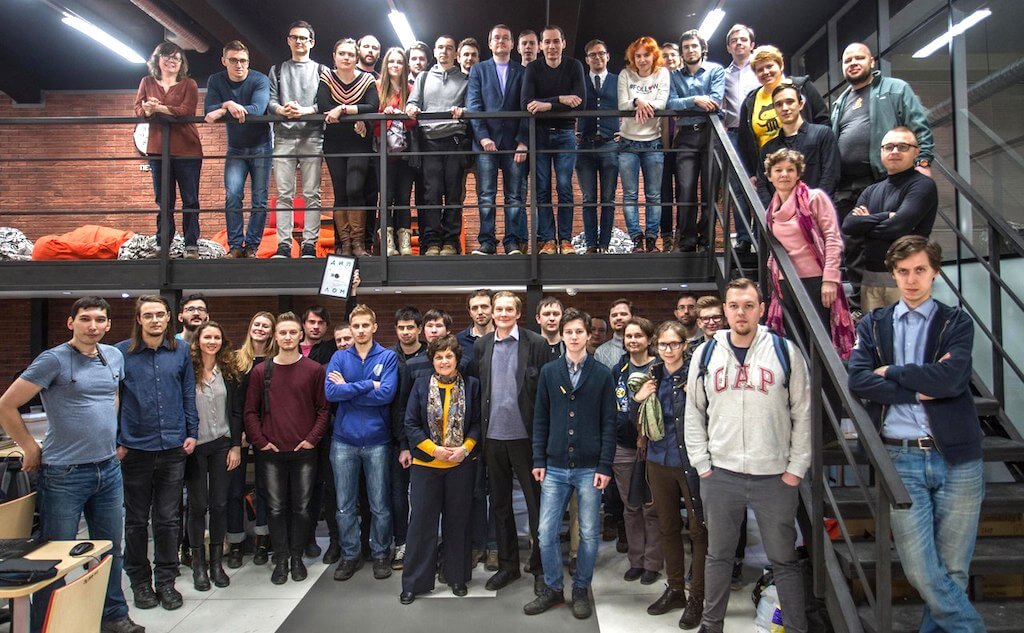
The Open City Foundation and the greenhouse of social technologies on the International Open Data Day on March 4 and 5, 2017 held Open & Big Data Hackathon 2017 in St. Petersburg. Project topics corresponded to 17 goals in the field of sustainable development of the UN program. For representatives of non -profit organizations , a workshop for NGOs was held within the framework of Hakaton.
- Photos of the event on Facebook , VKontakte and Google Photos ;
- Hakaton event on Facebook .
Civil activists, programmers, designers, analysts, journalists and entrepreneurs took part in Hakaton. For two days, the teams worked on their projects in order to get closer to the solution of one or more of the 17 goals of the UN program “goals in the field of sustainable development” , and present the result to the independent jury.
The discovery of the hackathon
Alexey Sidorenko , head of the greenhouse of social technologies , and Vitaly Vlasov , representative The Foundation is an open city , talked about the format of hackathon, the importance of creating and using open and big data to solve sustainable development problems.
Report on 17 goals of sustainable development
Irina Shmeleva from the Institute of Sustainable Development Strategies, told Khakaton to what the purpose of sustainable development is and how to work with them within the framework of projects.
Data workshop projects for NPOs
Within the framework of Hakaton, a workshop was held for representatives of non -profit organizations. The organizers, together with invited specialists, helped to process and analyze the data that activists and organization collect and produce within the framework of their activities.
These data can become the basis for creating a service or a media project, to be published as open data or become the basis of a visual public report or infographics.
Six organizations and projects took part in the workshop: “Observers of St. Petersburg” , “Delactor” , “K.L.A.V.A.” , "Beautiful Petersburg" , NP "E.V.A." And the Raul charity fund.
1. "Observers of St. Petersburg"
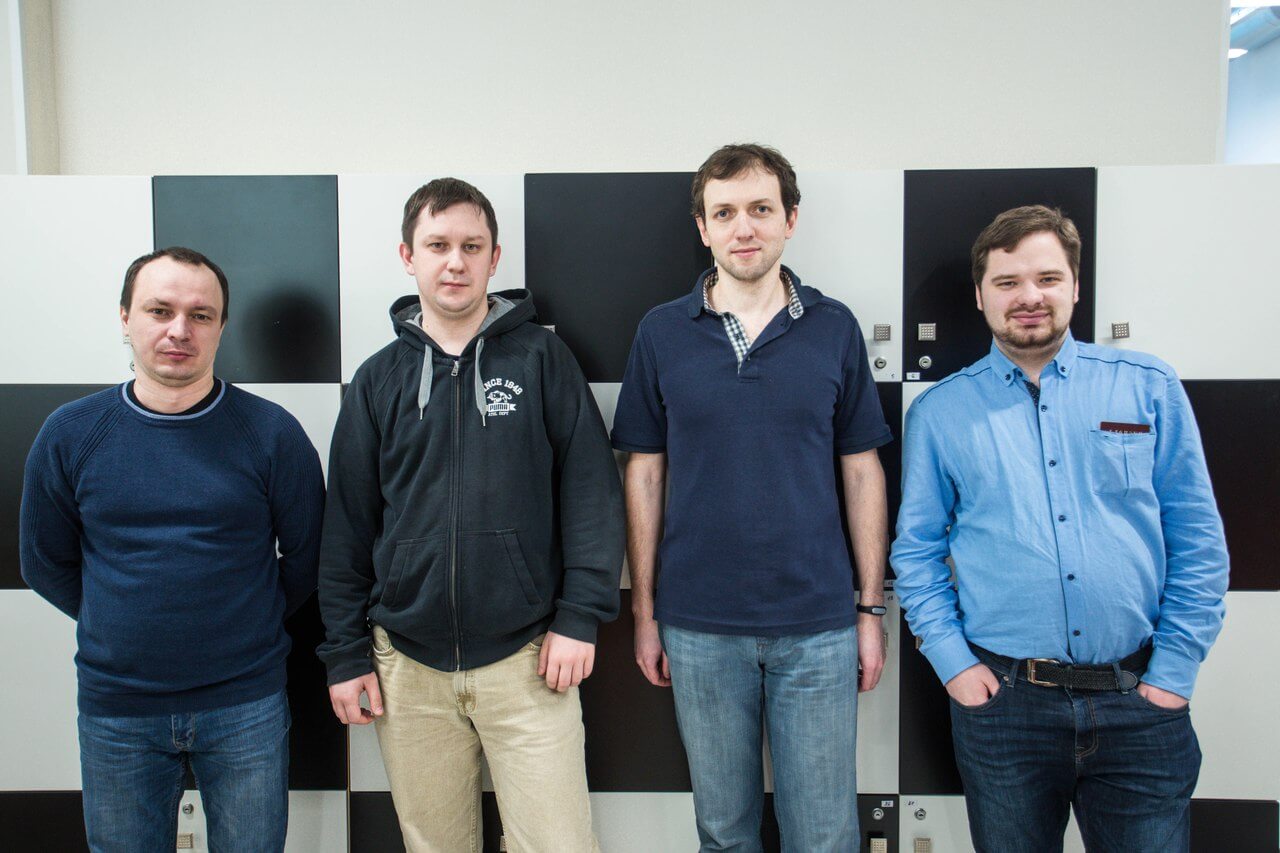
Leo Krylenkov, together with the NEXTGIS team, combined the majority of data sources and made a single database of St. Petersburg houses, as well as a Wiki base with the possibility of SQL request.
2. "Delainer"
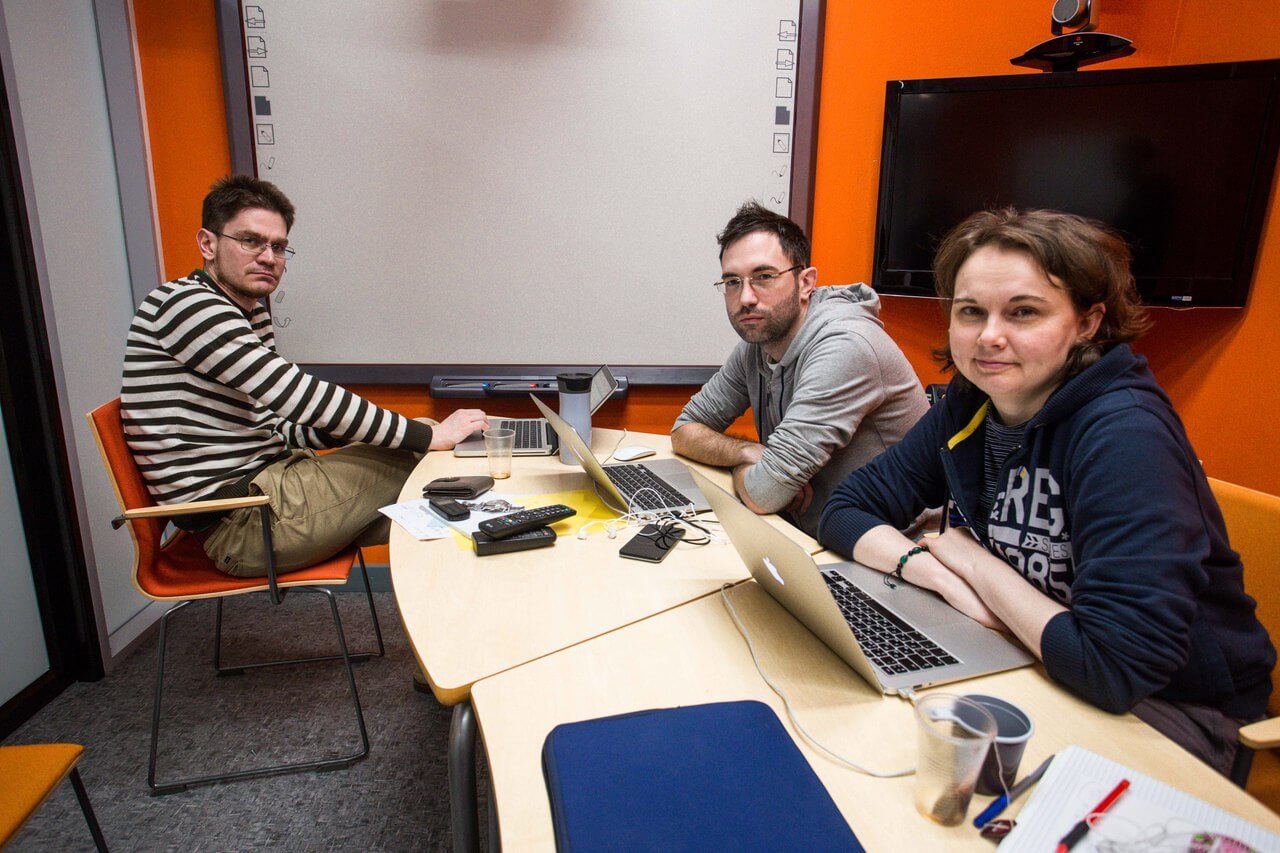
Andrei Zhvirblis, together with experts, managed to conduct an inventory of accumulated data on the declarations of the Declarator project.
3. "K.L.A.V.A."
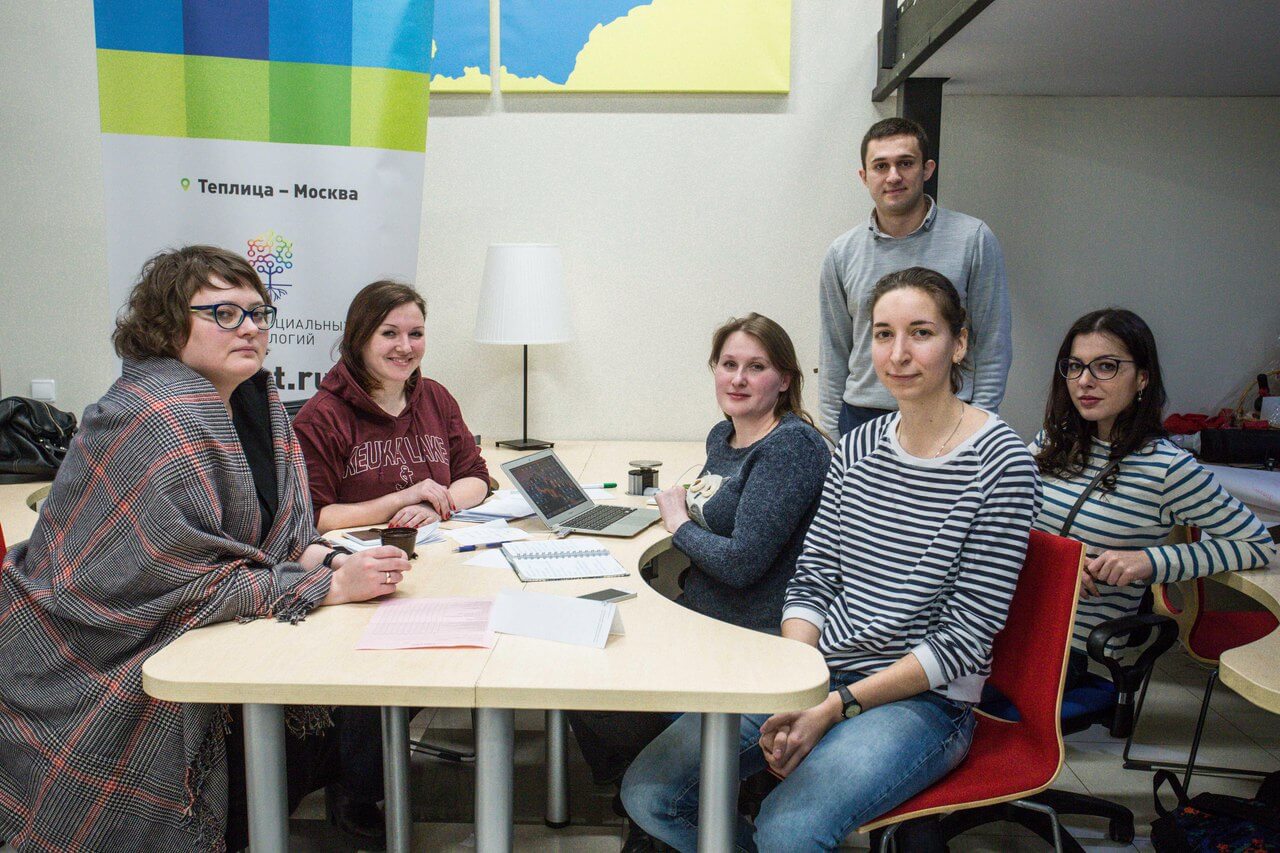
Oksana Klimova and representatives of the crisis center for women - Elena Bolyubakh , Anna Reshetnikova and Olga Boytsova , together with specialists created a detailed analysis of householding statements in St. Petersburg.
4. "Beautiful Petersburg"
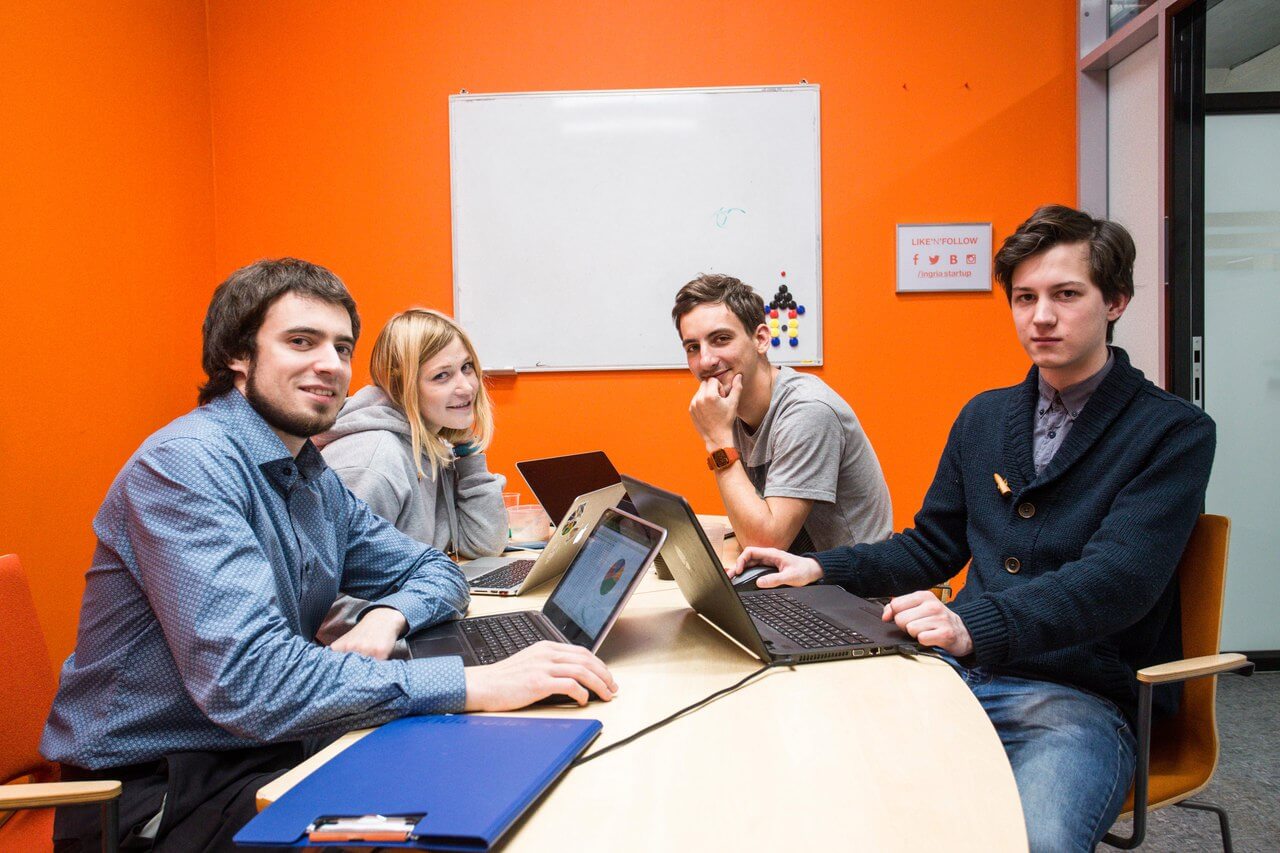
Steve Caddins from the Beautiful Petersburg movement together with Alexander Kalashnikov , Pavel Suvorov and Tai Lavrinenko visualized 100 thousand units of appeals of residents of the city.
5. NP "E.V.A."
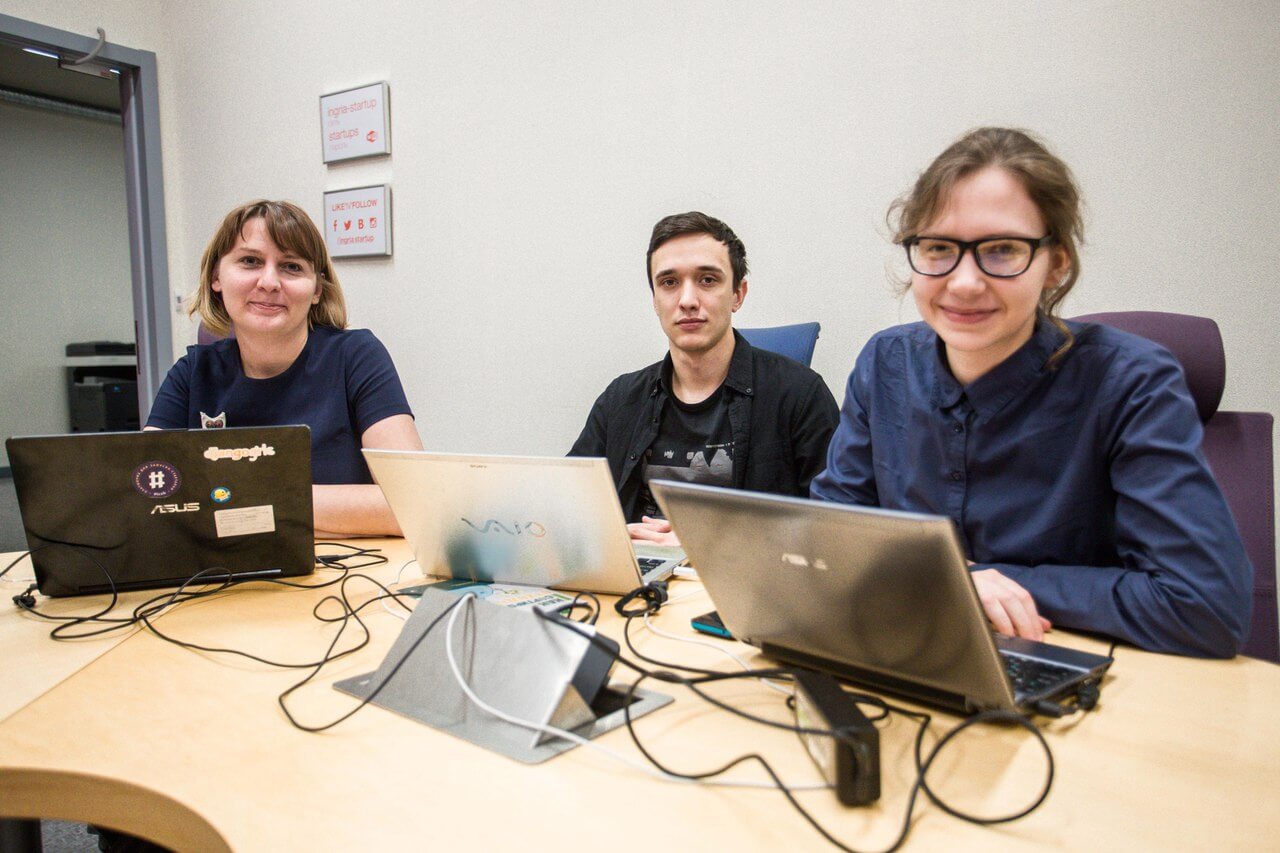
Irina Evdokimova, together with colleagues, conducted a detailed analysis of public procurement in the field of HIV/AIDS prevention and made a number of unusual discoveries.
Analysis of public procurement
6. BF "Raul"
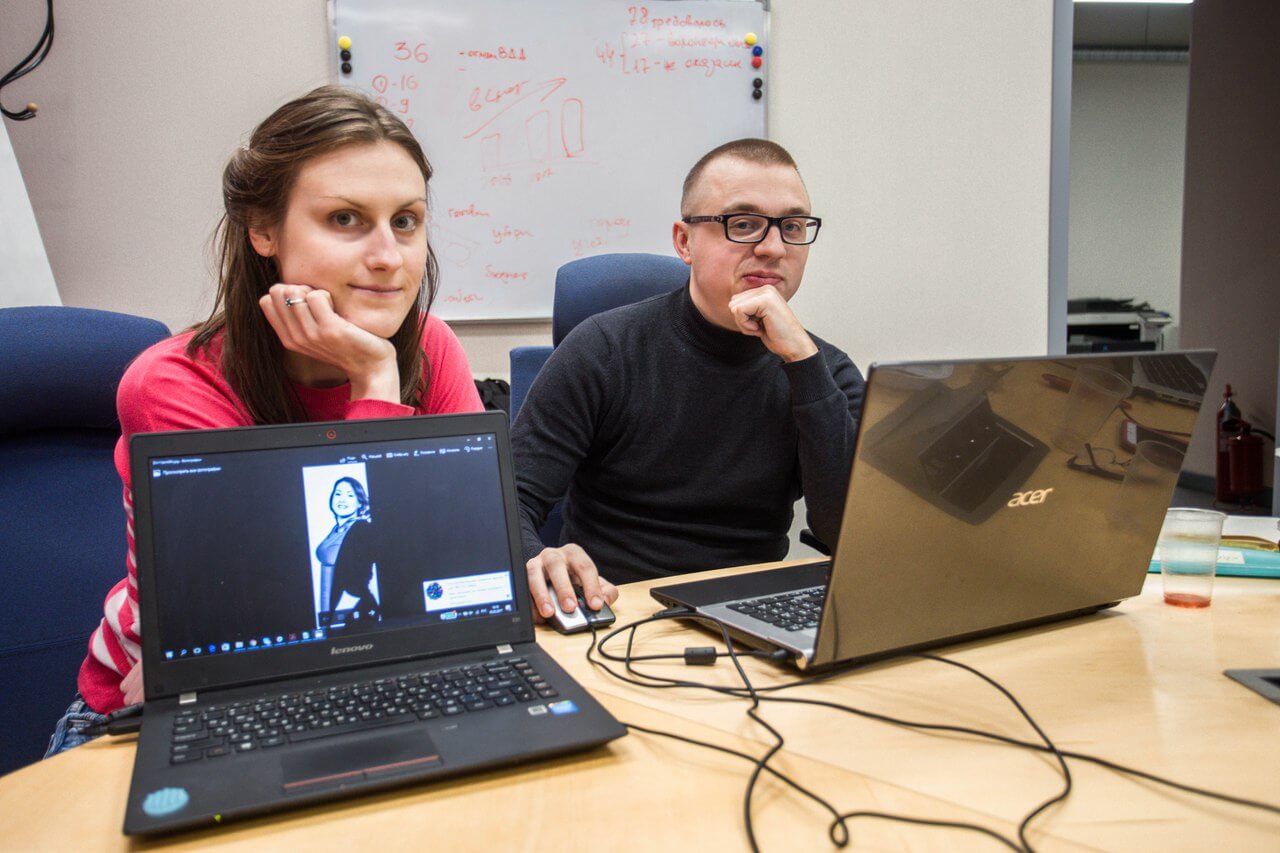
Alina Svetova , Olesya Kataeva, together with Kirill Dmitriev, made a detailed analysis of data on graduates of boarding schools and their needs for work, as well as data on boarding schools in St. Petersburg.
Hakaton projects
7 teams participated in the protection of the jury: E-Code, Ride Mate, Open Recycle, STEP by STEP, CRASHMAP, Smart Open Ecology 2017 and work for people with disabilities for health.
1. "E-Code"
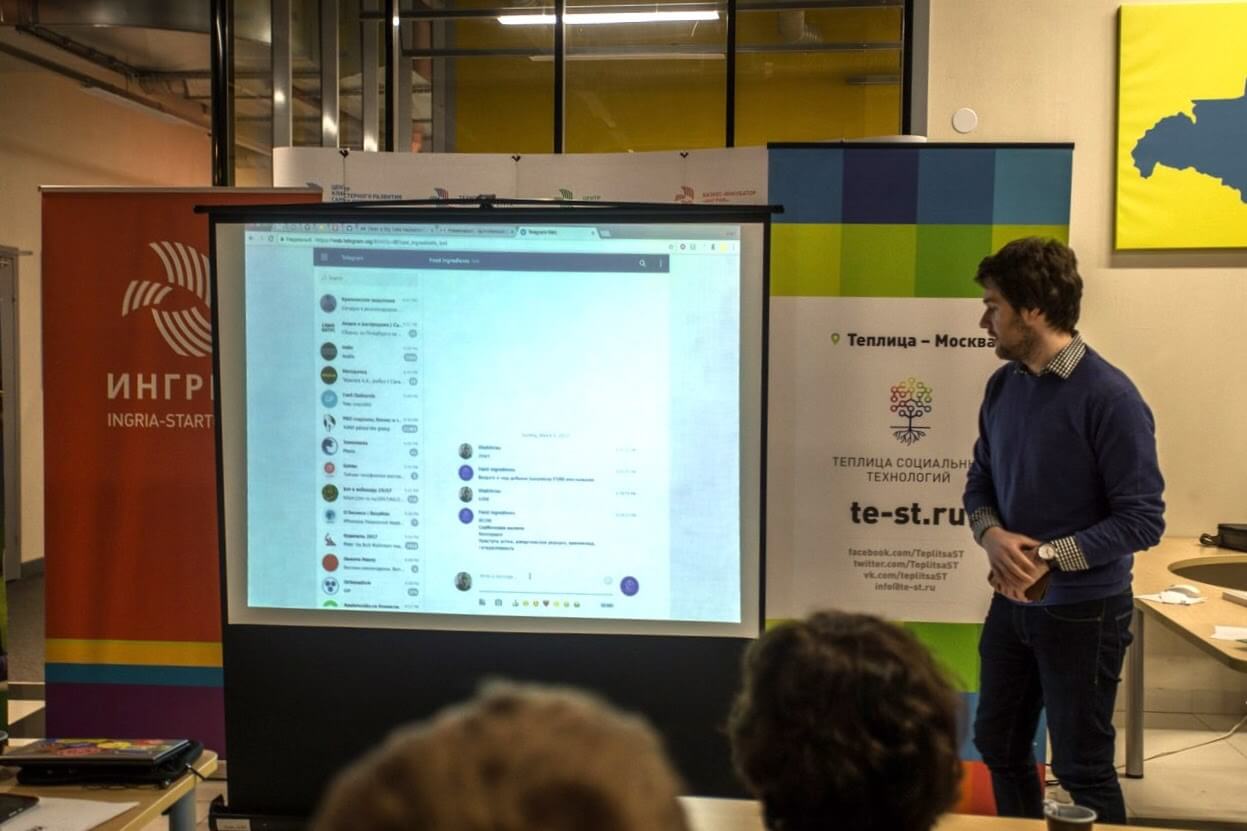
The TELEGRAM chatbot project for the Telegram messenger solves the problem of checking the products for harmfulness and allows you to find out detailed information about food additives using a chatbot that determines the danger and consequences of food e-feeds.
2. "Ride Mate"
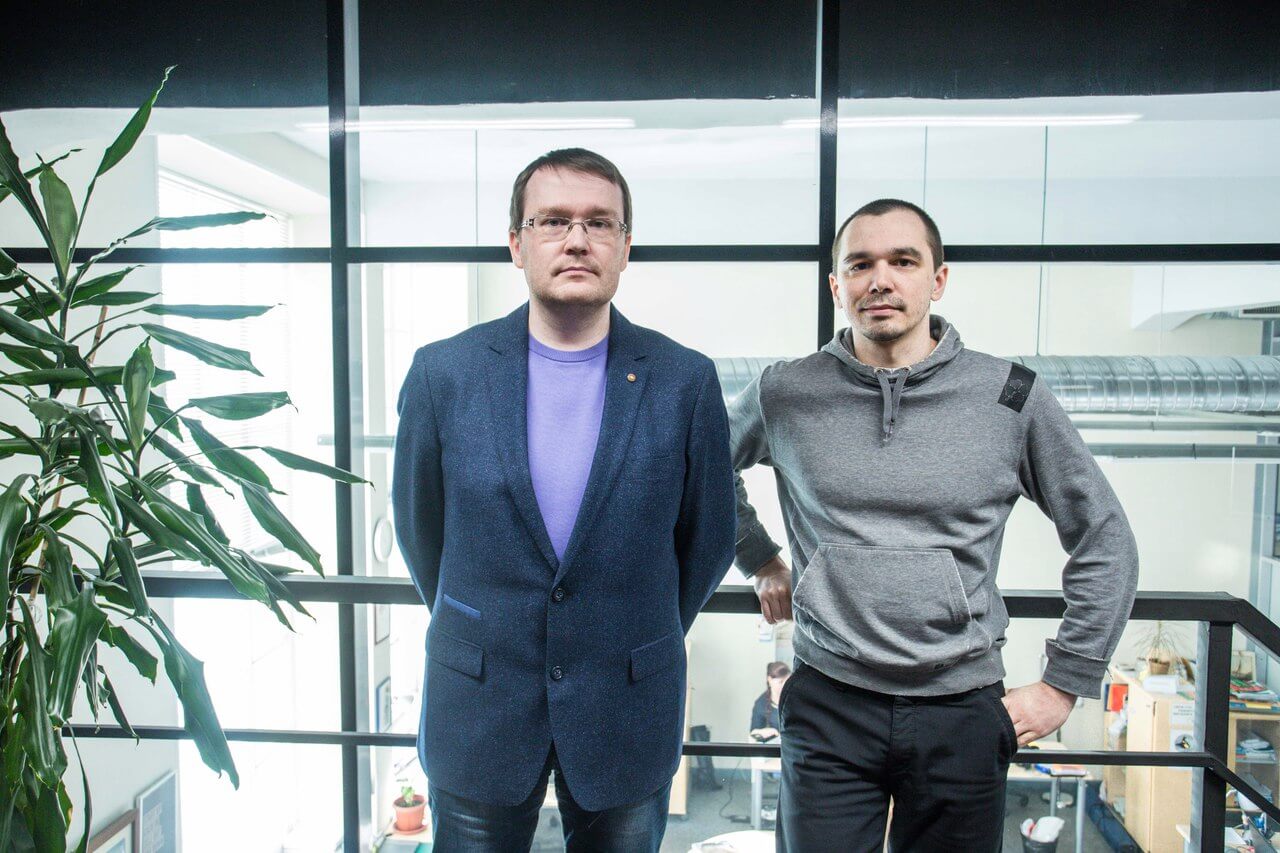
The project is aimed at reducing the number of cars on the streets of the city by searching for fellow travelers for joint free trips. If the car owner every day makes trips on the same route and he has free places in the car, he can take other people with him who need a similar route.
3. "Open Recycle"
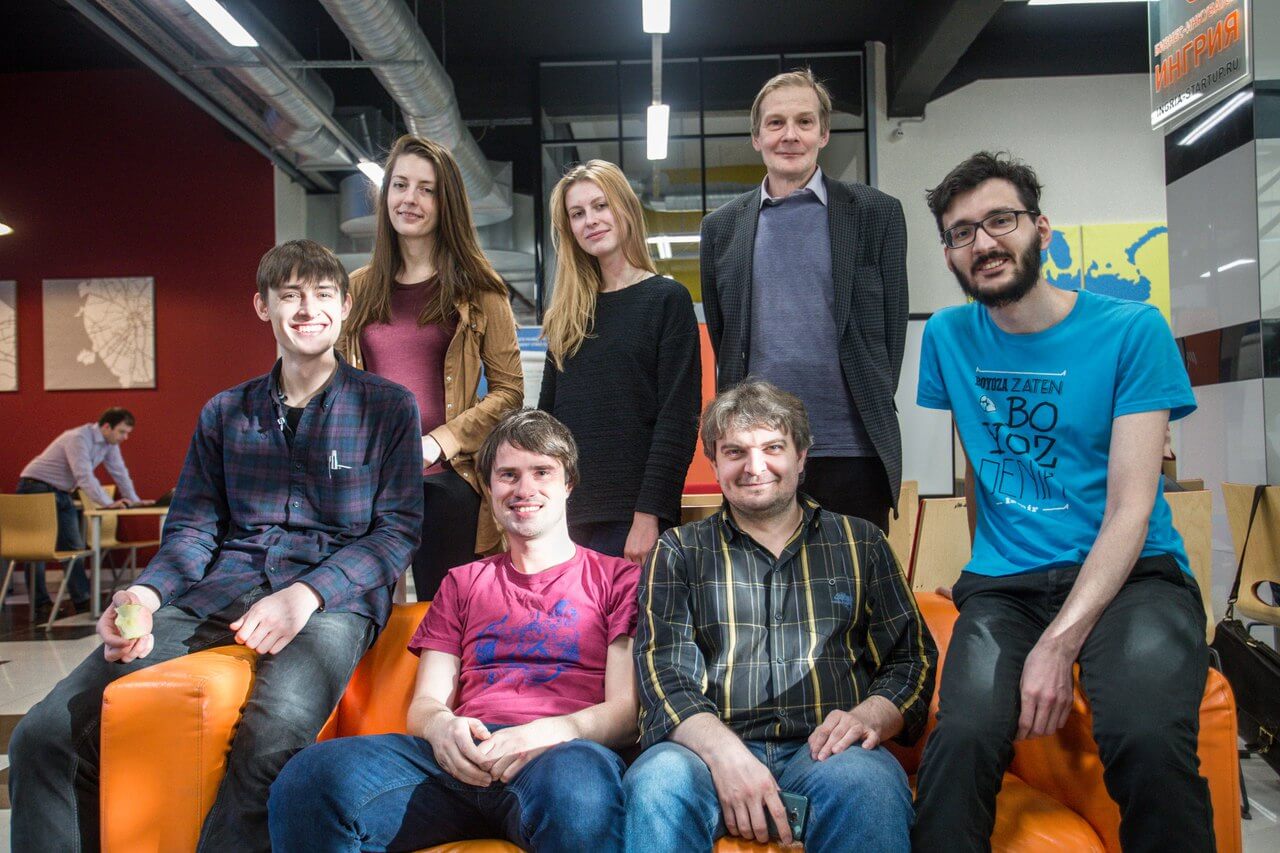
The project team created a chatbot for Telegram, which, based on a neural network, determines by photography whether this item is subject to secondary processing or not. Using such a chatbot, you can quickly determine whether it is possible to pass bags, bottles, plastic, paper and other items as recyclables.
4. "STEP by Step"
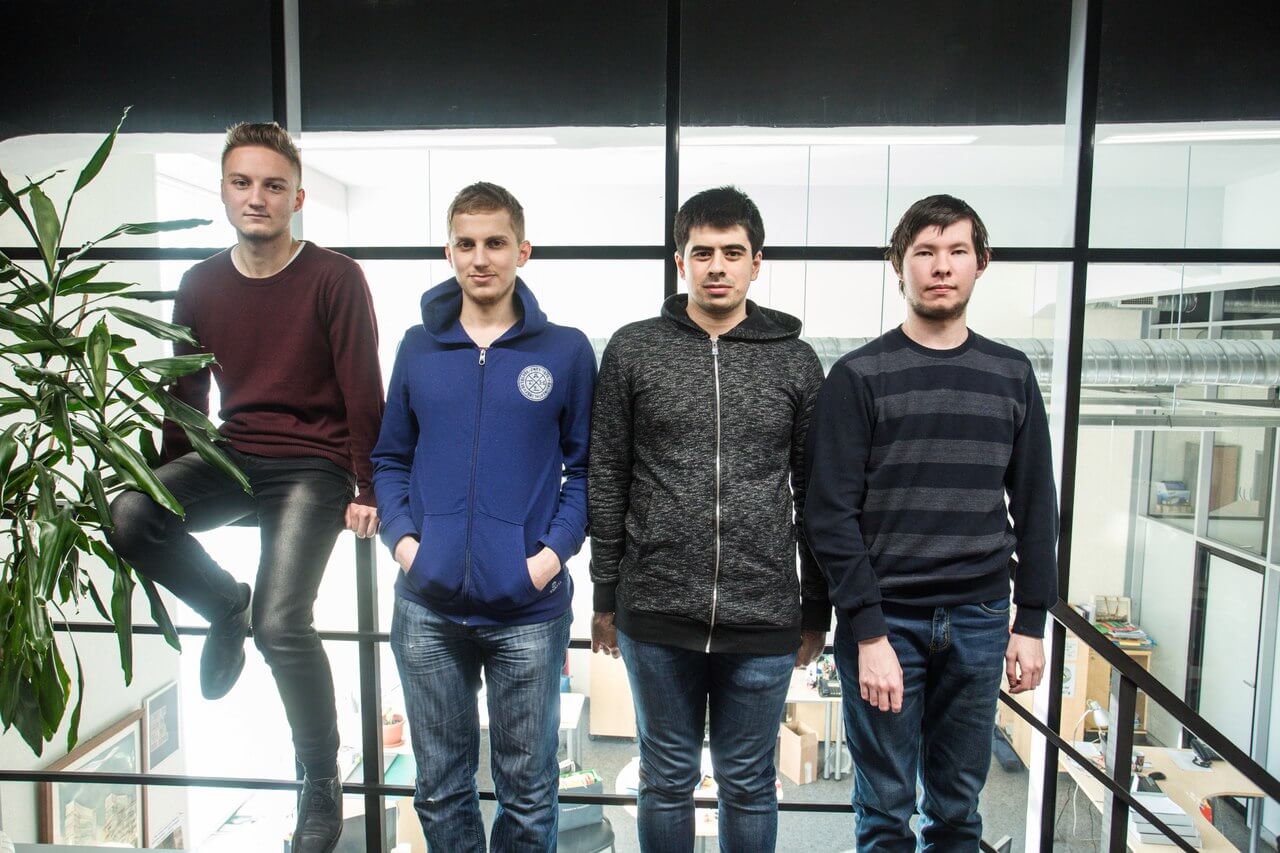
The project is a plugin for a browser that provides information about the educational resources necessary for teaching a particular computer language, as well as information about the popularity of a particular programming language on the basis of vacancies on the HeadHunter website.
5. "Smart Open Ecology 2017"
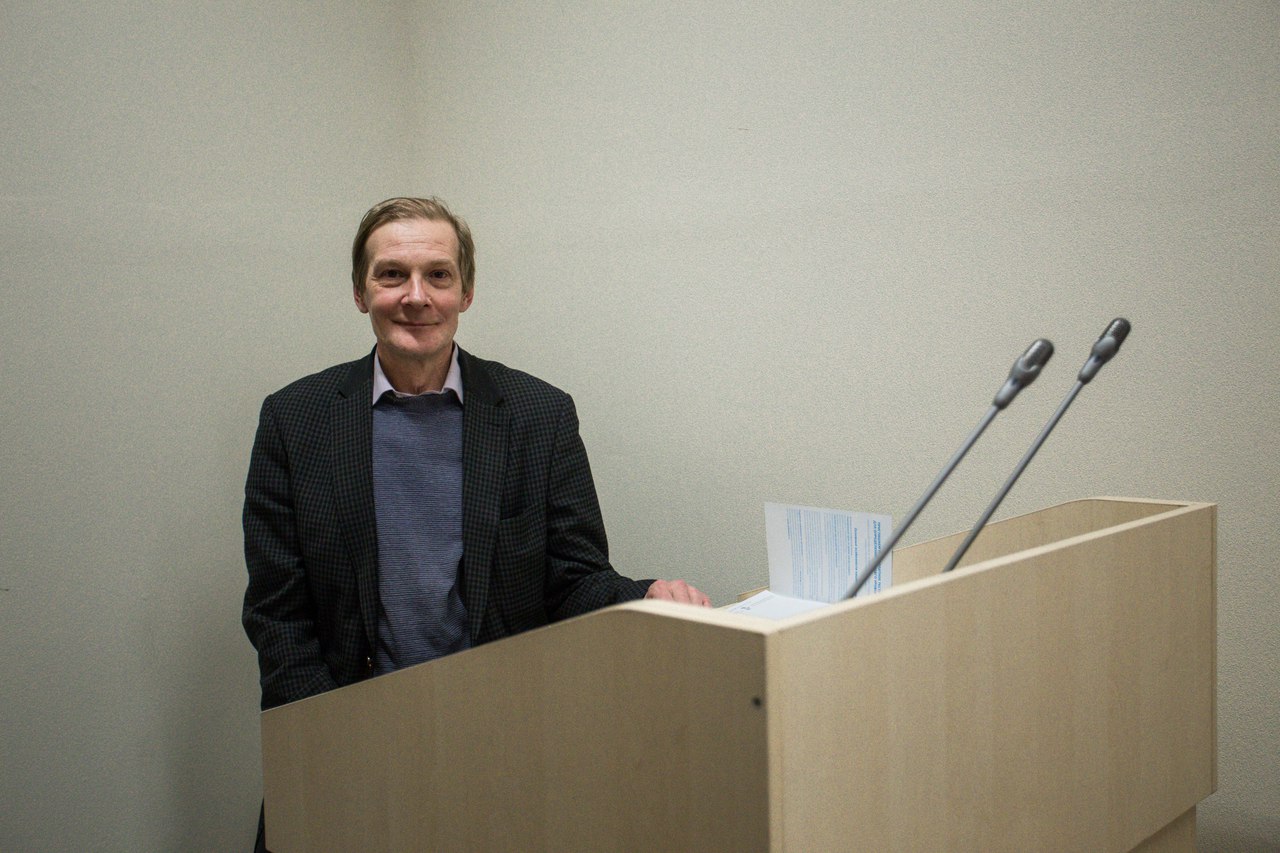
The project is a concept of smart environmental services that will ensure the access of citizens to analytics in an environmental situation and other important data.
6. "Crashmap"
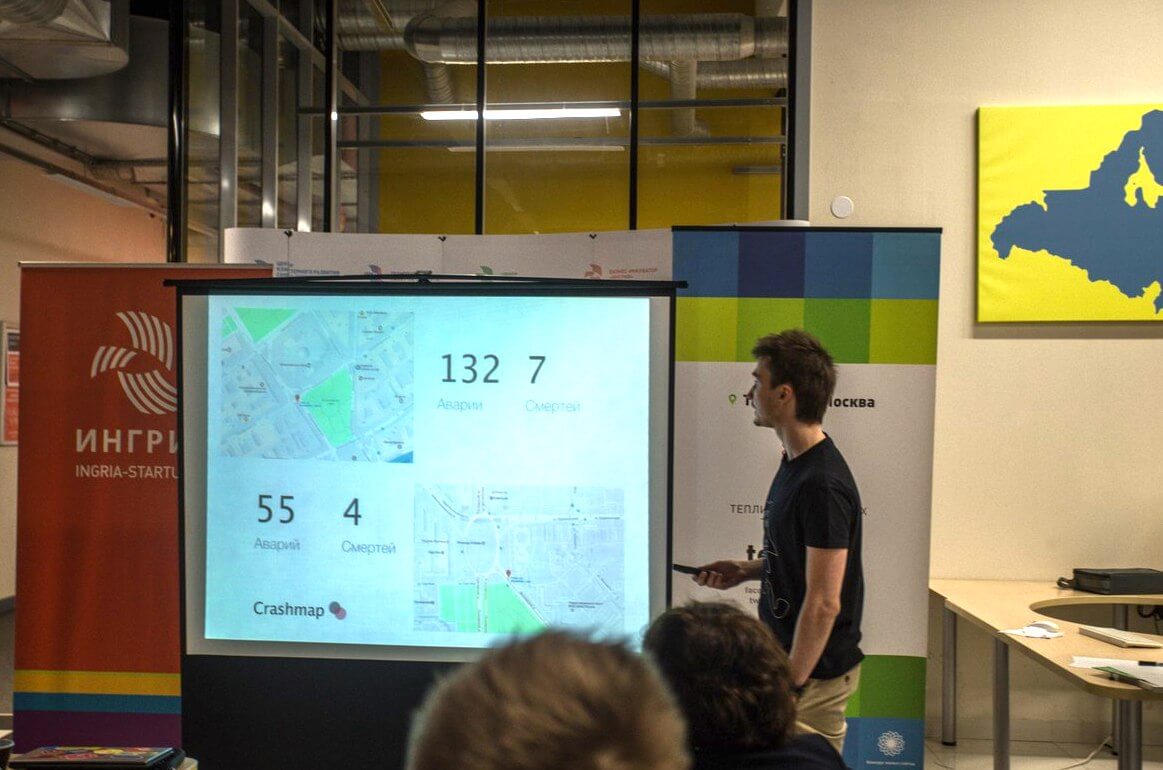
The project visualizes the data of more than 2000 traffic accidents in St. Petersburg and determines the most dangerous places in the city.
7. "Education and work for people with disabilities for health"
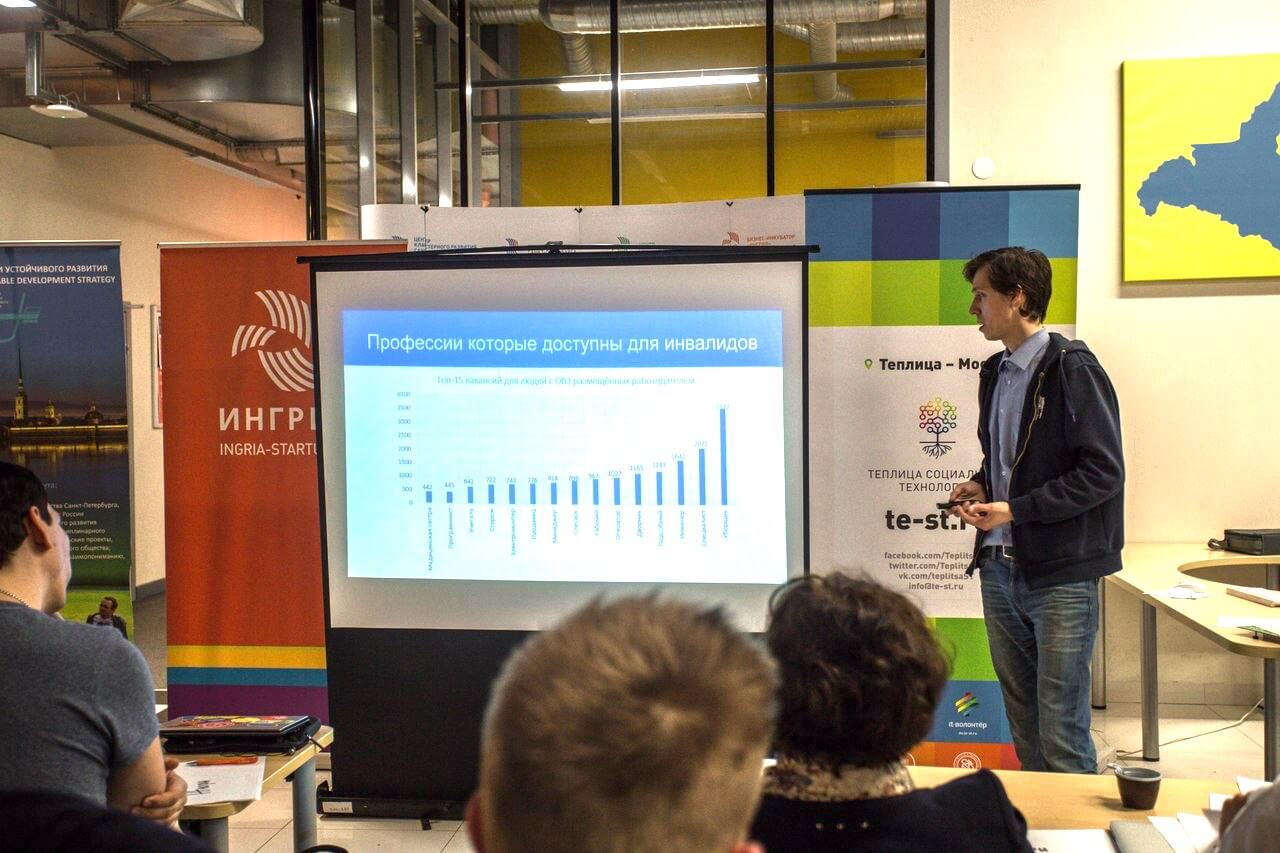
The project presents a platform for finding work and education for people with disabilities for health. Thus, the problem of determining the specialties with which people with disabilities will be in demand in the labor market is solved.
Hakaton jury:
- Angelina Davydova is an ecological journalist, an expert in the TSUR, writes for Kommersant+1, a scholarshipist of the Reuters, UC Berkeley, California program;
- Dmitry Kibalnikov -head of the IBM software development direction in the northwestern region. Extensive experience in it;
- Anna Orlova -Chairman of the Board of MBOO "Center of the RNO", coach consultant, fundraizer
- Sergey Petrenko -investment analyst of the venture fund and the startup accelerator Idealmachine;
- Irina Radchenko - Associate Professor ITMO University, Expert in the field of open data and data journalism;
- Alexander Chistyakov - a programmer, a leading engineer in Git in Sky, worked in Reksoft, Dataart, Mail.Ru, Yam Labs.
Criteria for evaluating projects
- Correspondence 17 to the goals of sustainable development . 1) the importance of the problem posed 2) whether the project solves the problem.
- Implementation . Preference was given to minimalist, implemented projects, with elegant, concise solutions that can be created with a small volume of resources.
- The presence of a digital/technological component . How much the project uses new technologies (sites, social networks, crowdsourcing, crowdfunding, etc.).
- The progress reached while working on the project as part of Open & Big Data Hackathon 2017.
Winner Open & Big Data Hackathon 2017
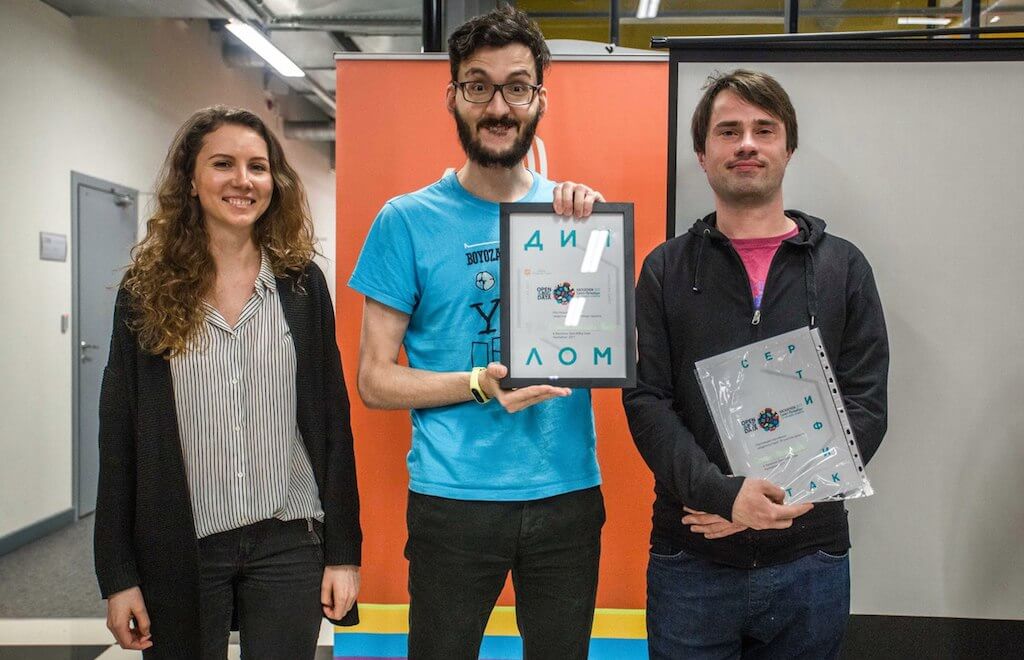
The winner of the Khakaton and the holder of the contract in the amount of 70 thousand rubles for revision was the Open Recycle project. Congratulations!
The winner of the audience sympathies was the project “Education and work for people with disabilities for health”. Congratulations!