
Translated material
Ex-President of Bulgaria: Russia interferes in the intra-Bolgarian policy
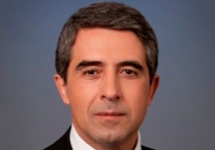
Former Bulgarian President Rosen Plengeliev said that Russia was interfering in the internal affairs of his country. With such an accusation, he acted in the program of the BTV TV channel Tazi Week (Bolg. "This week"). According to the politician, Russia and personally Vladimir Putin are trying to destabilize and split the European Union by all means.
The problem of Russia's intervention, Plevneliev, raised, commenting on the words of the current president of the country Ruman Radev about Turkey's attempts to influence the intra -Bolgarian processes. "There are Bulgarian political parties financed from Turkey, and there are many that are financed by Russia," the ex -president said. The politician said that, as the president, he repeatedly received reports that Bulgarian politicians entered into agreements and worked in close cooperation with Russian non -governmental organizations, as well as legal firms financed from Russia.
Plevneliev recalled that in Bulgaria, political organizations are prohibited from receiving money from abroad. He urged the new head of state to take a closer look at the problem and approach such cases "with a single measurement."
In connection with the possible visit to Bulgaria Putin next year, the politician noted that now every visit of the head of the Russian state to one or another country is very problematic. He recalled that Putin’s trip to Budapest caused a sharply negative reaction in European institutions.
In January, Plevneliev, at that time, the current president, and another 16 east and central European politicians turned to Donald Trump with an open letter in which they warned about the dangers of transactions with Putin. Such transactions were stated in the document, will undermine trust in the United States. It was Eastern Europe, and not Russia assisted America in the wars, that the signathers recalled.
The Air Force General Radev, who replaced Plevneliev at the post, was elected with the support of the Socialist Party . During the election campaign, he called for the abolition of EU sanctions against Russia.