
Translated material
Big change
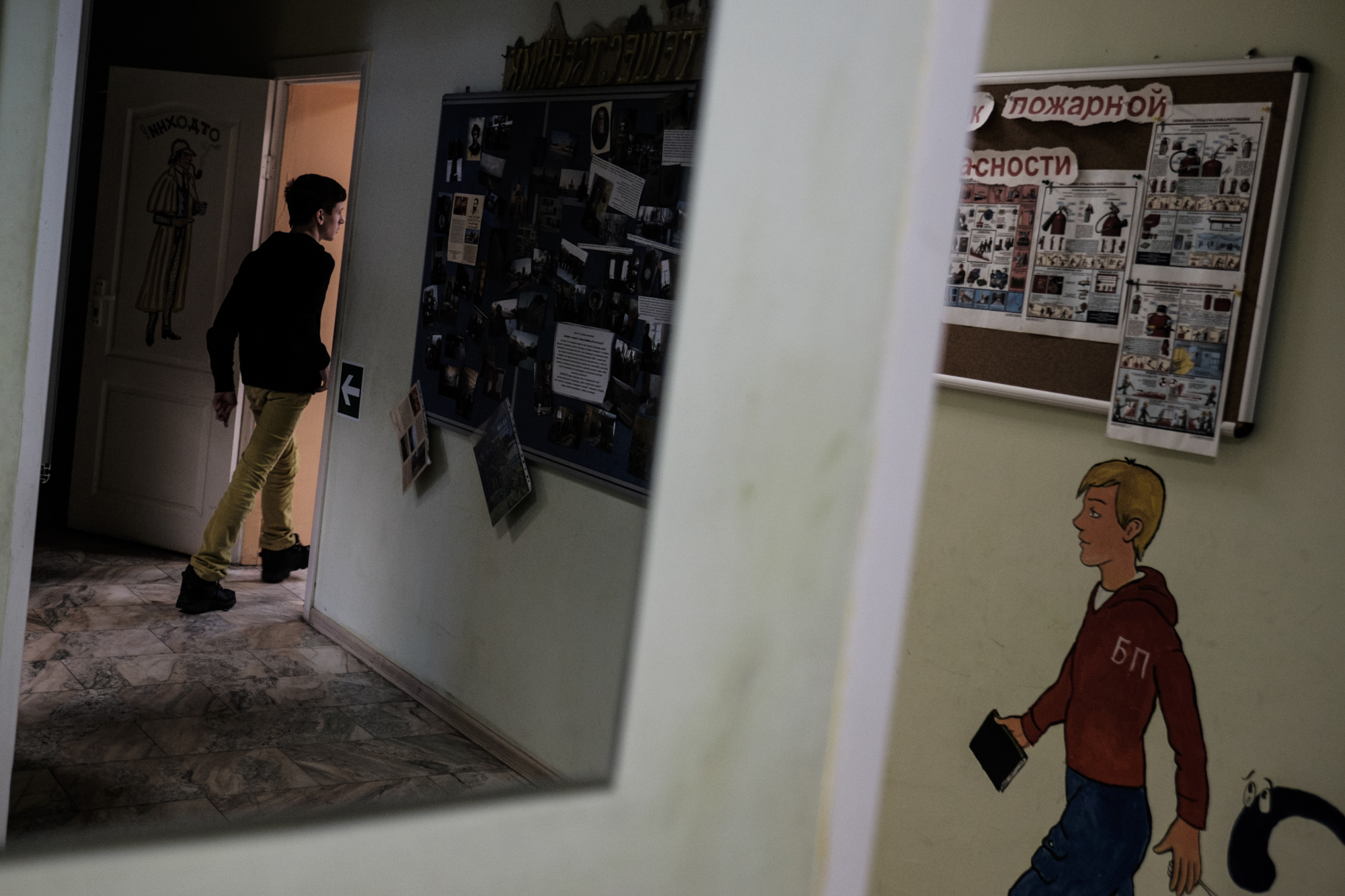
The charity fund changes the fate of orphans
We help to teach you cannot be refused. Put a comma collected 1 915 530 R required 1,898 320 rThe collection of funds is over
“Such things” continue a joint project with the New Gazeta, in which we talk about people working in charitable foundations, and collect money for these funds.
Who is an orphan? What do we even know about orphans? This is a child left without parents. He gets into the orphanage and lives there until he is adopted by foster parents. Or until he turns 18, and he will not leave the orphanage. And then? The state gives him an apartment and money, and then he can live as he wants. Everything seems to be simple and clear. But what happens in practice? But what.
When a child at the age of 18 goes beyond the limits of an orphanage, he falls into real life, as a rule, not adapted to it. According to the Ministry of Education, 75% of graduates need further social support. Very often, the pupil of the orphanage gets used to the fact that they decide for him, he is fed and dressed. Many do not have skills to care for themselves, not everyone is accustomed to clean up, close the door to the key, move around the city. There is practically no concept of personal space, your own or a stranger, so all yours is mine, and vice versa. And if you liked the thing, you can just take it.
Such a child most often does not know what he wants from life, who wants to become, what it is to have his own taste, his desires and his own opinion. And if he still wants something, in his head he has no idea how to get closer to the desired, how to build a plan in order to achieve this.
He is not used to independence, does not know what responsibility is, not to mention how to plan and conduct his budget. It is not difficult to imagine what in practice gives a combination of freedom, money, housing to manage all this with absolute unpreparedness.
“The guys have a distorted picture of the world. They gave the apartment, they gave money, everywhere benefits, even it’s easier to enter the institute, ”says Irina Ryazanova, director of the Big Change Foundation for Assistance. -There is often no motivation for something, and there are no such skills either. It is difficult to build relationships with others, because for them it seems to be from another planet. It is also difficult to comply with the rules at work and fulfill the duties, there is no basic awareness that you must get up in the morning and come and work at a certain hour. ”
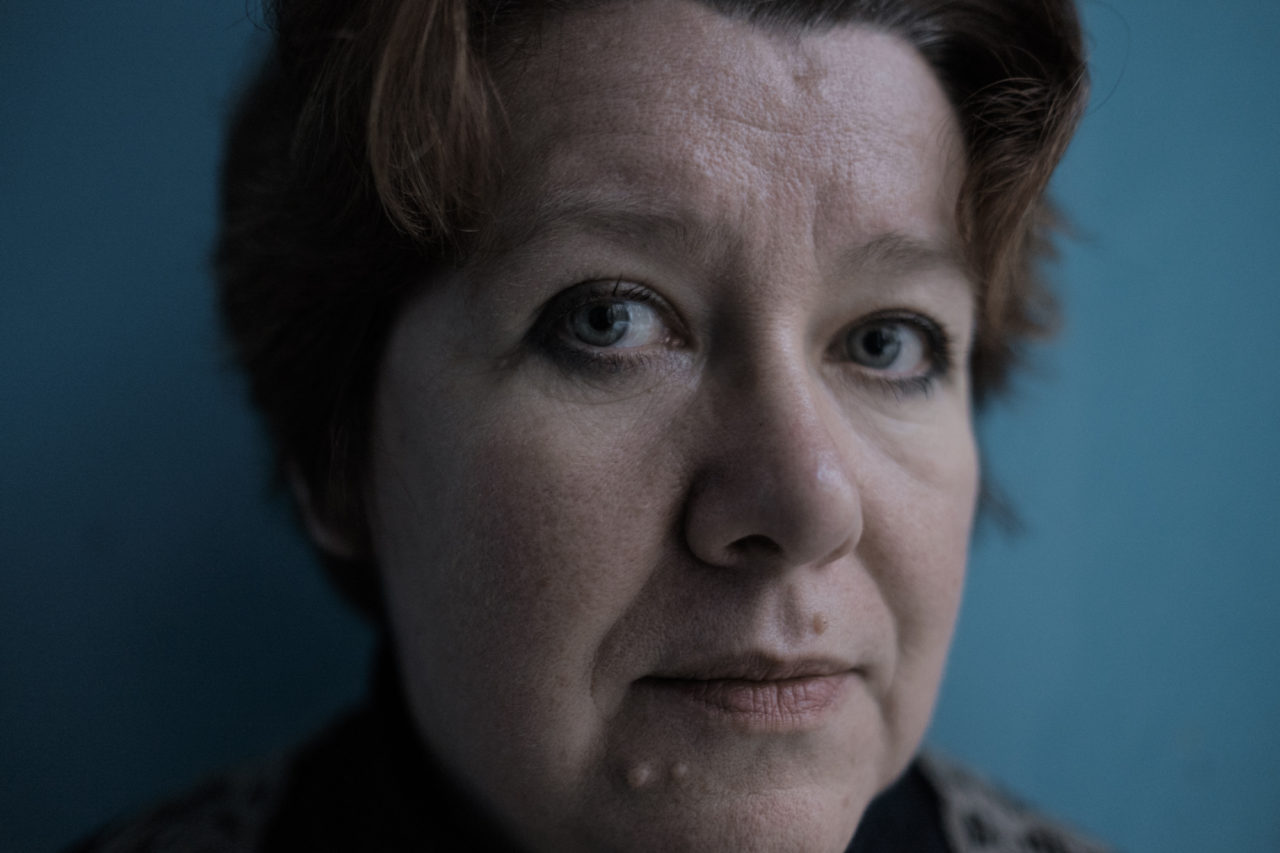 Executive Director of the Big Change Foundation Irina Ryazanova. Photo: Vasily Kolotilov for TD
“The orphan forms an idea that everyone should, simply because he is an orphan,” Irina continues. - They bring gifts to him, make decisions for him, while he has less freedom of choice than children living in the family. Lonely, abandoned, incapable, dependent, outcast - this is how he perceives himself. And gradually begins to understand that all this is not only a problem, but also an advantage that can be used to get what is desired without difficulty. Underlociety and infantilism, combined with a dependent worldview, prevent him from becoming a full -fledged member of society. The longer the child lived in an orphanage, the more this is expressed. Now I can almost always communicate with my child, I can understand how much time he spent in an orphanage. ”
Fourteen years ago, Irina founded the Bolshaya Change Foundation, which is engaged in the fact that it helps all coming graduates of orphanages to fill in the gaps in education and acquire skills for a successful independent life. And the gaps are usually huge.
The horror is that sometimes healthy from birth children confess to mentally retarded. Often, children in orphanages do not perceive the information, do not remember, restlessly and do not want to studyEven those who studied according to the general education program are behind their peers. As a result, they cannot enter the institute or even college. A recently introduced inclusive system, when children from orphanages go to ordinary schools, does not help much. Schools are not yet ready and are not able to take into account the features of the development and perception of orphans.
With those who studied according to the correctional program, things are even worse. The level of knowledge of such graduates ranges from primary school to sixth grade. And these are 18-year-old people. To master the program of at least the ninth grade, after which they could enter the college, it is usually required five to six years of hard work.
“Among our students there are those who, after a correctional boarding school or boarding school for mentally retarded children, were recognized as unacceptable and aimed at living in neuropsychiatric boarding schools for adults,” says Irina. - Among them there are guys who, due to the conditions of life and training, could not develop. Such guys have an extremely narrow circle of ideas, knowledge and skills. They hardly read, write, do not know how to count. In our experience, the indicative duration of the program for such children can be from eight to 12 years. And some generally need lifelong support for teachers and social workers. ”
The staircase down
The horror is that sometimes healthy from birth children confess to mentally retarded. Often, children in orphanages do not perceive the information poorly, do not remember, restlessly and do not want to study. This has its own explanation, and this is not always a sign of mental retardation. And if such children are not found a person who will support them and help, someone from the orphanage, a volunteer or teacher, they are sent to study under a correction program. If the child does not cope there, then he can get into a boarding school for mentally retarded children. And after release from there, even in a neuropsychiatric boarding school for lifelong accommodation. This means that he will most likely never get an apartment, profession and will not be independent. “It turns out the staircase down,” says Irina.
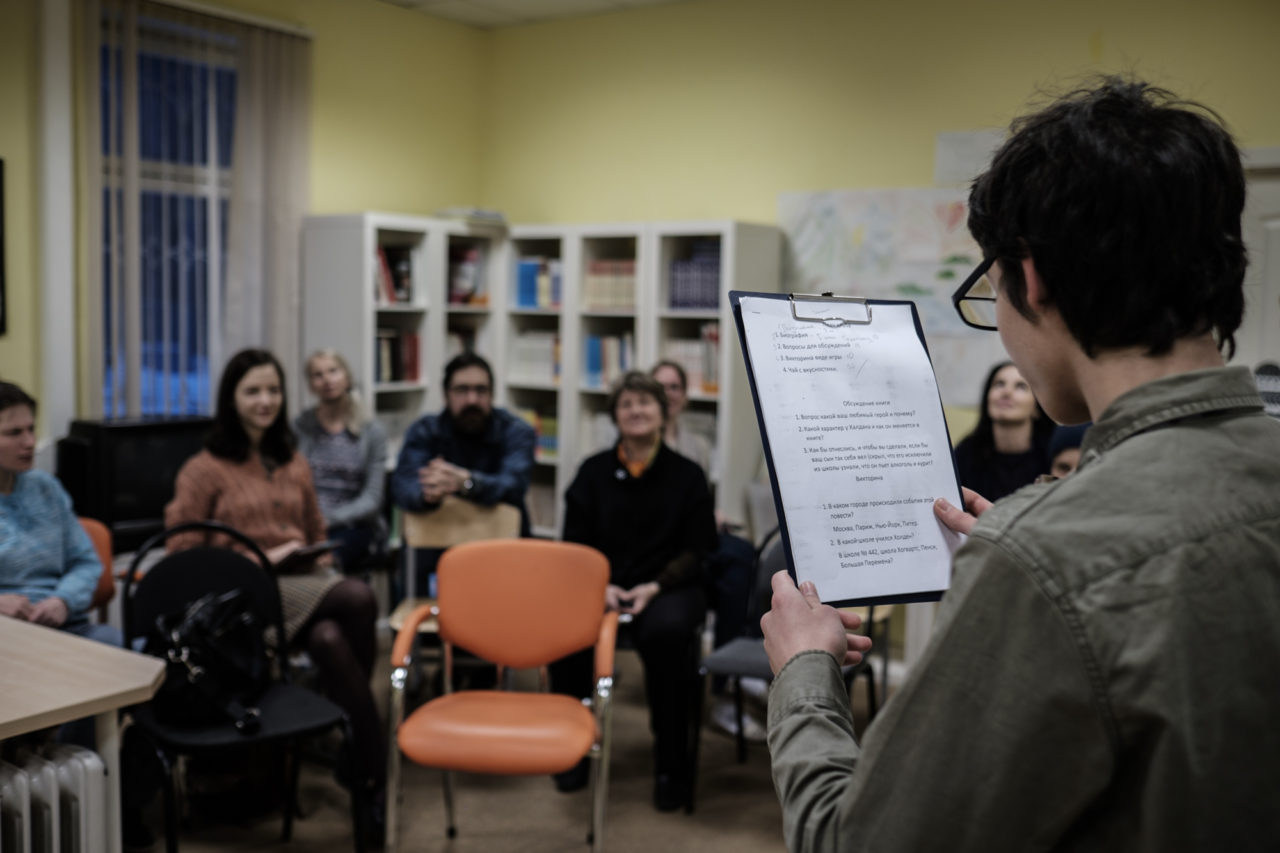 Teachers and students at the meeting of the book club in the Big Change Foundation Photo: Vasily Kolotilov for TD
But even here you can help. The fund has 11 graduates who have left neuropsychiatric boarding schools and live on their own. But even more in the fund of students from correctional boarding schools who could well study according to the general education program. “To their 18 years, they have mastered the ninth grade of a correctional program, which is equated with the fifth or sixth classes of ordinary,” says Irina. - That is, the guys did not have physics, chemistry, English and much more. On the basis of such a program, a very limited number of professions are available that can be obtained in colleges and technical schools. But these are not lost children, you can and should work with them. With the help of competent pedagogical approaches, you can achieve very good results. ”
One of the graduates of the "Big Change" is Galya. Parents refused her in the hospital. Once from a correctional orphanage to a neuropsychiatric boarding school, Galya finished nine classes, proved her legal capacity, entered college, and now lives in Italy and learns the art of mosaics. Gale needed incredible power of spirit, perseverance, love and support of teachers of “big change” to finish school and understand that she wants to be an artist, enter college, learn Italian and continue studying abroad.
In a “big change” they are ready to help everyone who wants and can study, who has a dream, or who is looking for it. “I love complex tasks,” Irina laughs. But complex tasks are different, and for some reason she is engaged in orphans. Why should she?
Pedagogical poem
In 1999, Irina, a school teacher of mathematics, began teaching in the Roof charity organization, where her students were children from orphanages. Seeing with his own eyes the difference between ordinary children and orphans, Irina realized that they needed to teach them differently. Together with colleagues, she began to think about how exactly. We discussed, tried, mistaken, discussed again and tried. Gradually, on her own experience in the process of working with children, Irina began to understand how to find a pedagogical approach to orphans. So four years have passed. Irina realized that this is what she wants to devote life.
And in 2002 she decided to create her own fund.
The fund did not have starting capital. With friends-pedagogues, they sat in the evenings in the kitchen, invented the name, discussed where to start. Irina began to look for money, met with potential donors, wrote letters, called, asked. And everywhere she received refusals.
The first room was found in Otradny, where colleagues had a private school. In it, the fund was allocated classes in the evenings - with the condition of leaving them after themselves, cleaner than before. The first lesson took place on October 1, 2002. Then in the "Great Change" there were eight teachers and 13 students. Adults already graduates of orphanages sat at small desks for first -graders, and after classes they took a mop with Irina and washed the floors.
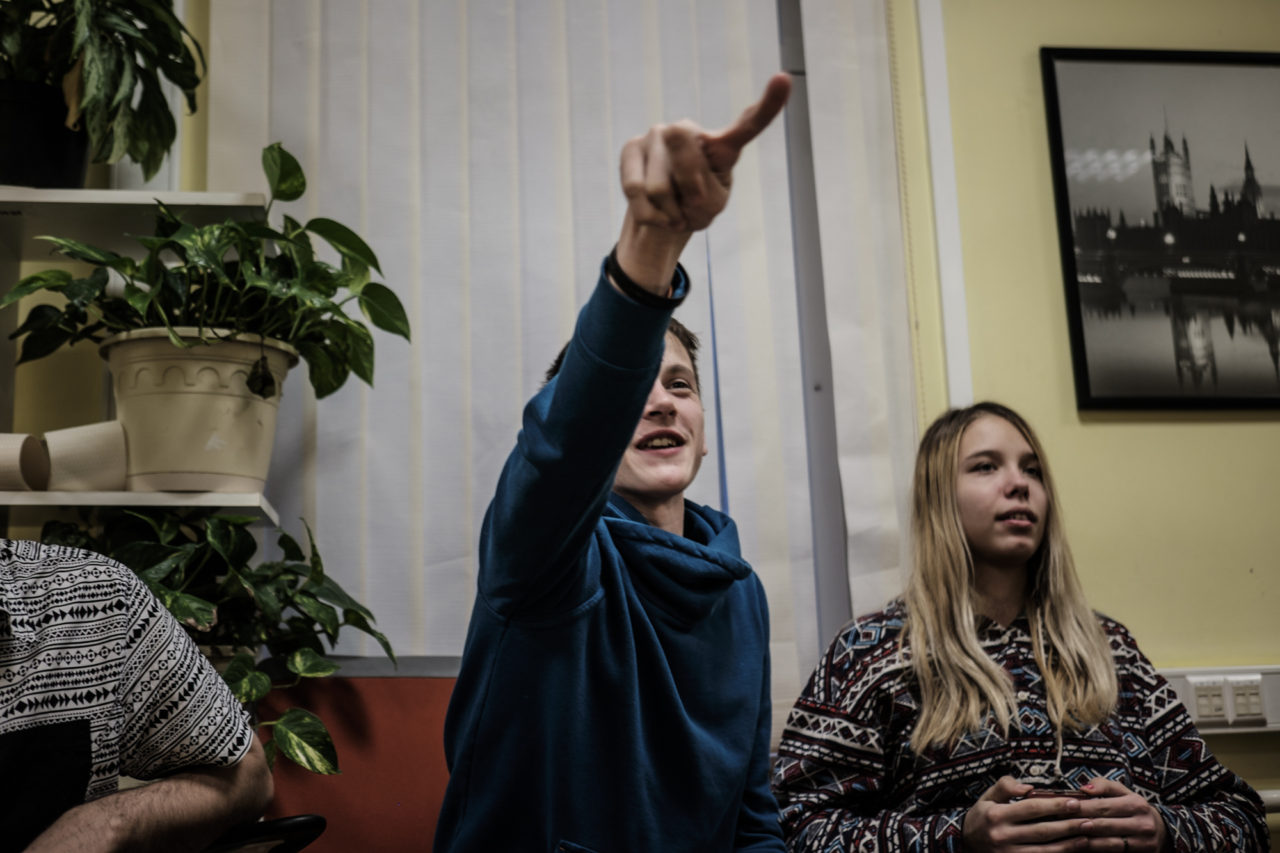 A student during a quiz at a meeting club meeting at the Big Change Foundation Photo: Vasily Kolotilov for TD
By the end of the first month of the money raised, it was still zero, and the future of the fund was seen, to put it mildly, foggy. When at the end of October Irina her old friend Alexei called and said that he wanted to sacrifice a thousand dollars, she cried. But this was not enough, and the refusals continued. Many wanted to see some result, and for this it was necessary to work out at least the first academic year. But time passed, and donors gradually began to appear.
Initially, it was planned to engage only with graduates of orphanages, helping them adapt. But then they decided to work with the pupils if the director of the orphanage was released for classes. The sooner the child begins to see life outside the orphanage, the faster he adapts to life after him.
The fundamental approach of the “big change” is based on the fact that students come to classes themselves. “An orphanage is a place where the children live,” Irina explains. - This is a house. But there they study, just moving from one building to another. We wanted to share these two spheres. The child must understand that study is a separately organized process. And in order to participate in it, he needs to make a certain effort - in any weather to get up at the appointed time, gather and come to study. This creates a completely different mood in him and, as we saw, affects the learning process itself well. ”
You can save a child who was in trouble in different ways. Someone needs help with medicines and doctors, someone needs adult support and help in learningIt is adaptation to real life, and not teaching subjects as such - the main goal of the fund. Therefore, the program of the educational center is not only lessons in mathematics, physics and chemistry, but also communication lessons; English and theater clubs, travelers club, film club, have his own garden, each student has a curator - that adult who will always support not only in compiling the curriculum, but also with advice. Teachers do not just teach to write and read, but help learn to understand their desires, set goals and achieve them.
Ideal school
There are no classes in a “big change”, as in a regular school. Each student has an individual program, depending on his goals and the level of training. Someone does not have a single subject from the school curriculum at all. When a new student comes, he talks about his problems and desires, on the basis of which teachers along with him make up the program. “For example, a young man comes to us, a graduate of a neuropsychiatric boarding school, and says that he had a son, and he would like to become a good father,” says Irina. “We ask him how he represents a good father.” He says: "The father must read fairy tales to the child, go to the forest with him and talk about plants and animals, learn to communicate with the child." So the initial program appears - literature, biology and psychology. ”
If a person comes and says that he wants to learn how to use a gas stove, they will teach this. If a graduate of the orphanage comes, who would like to enter the university, then a program is compiled for it. Today, 118 graduates of the "Big Change" entered colleges and universities.
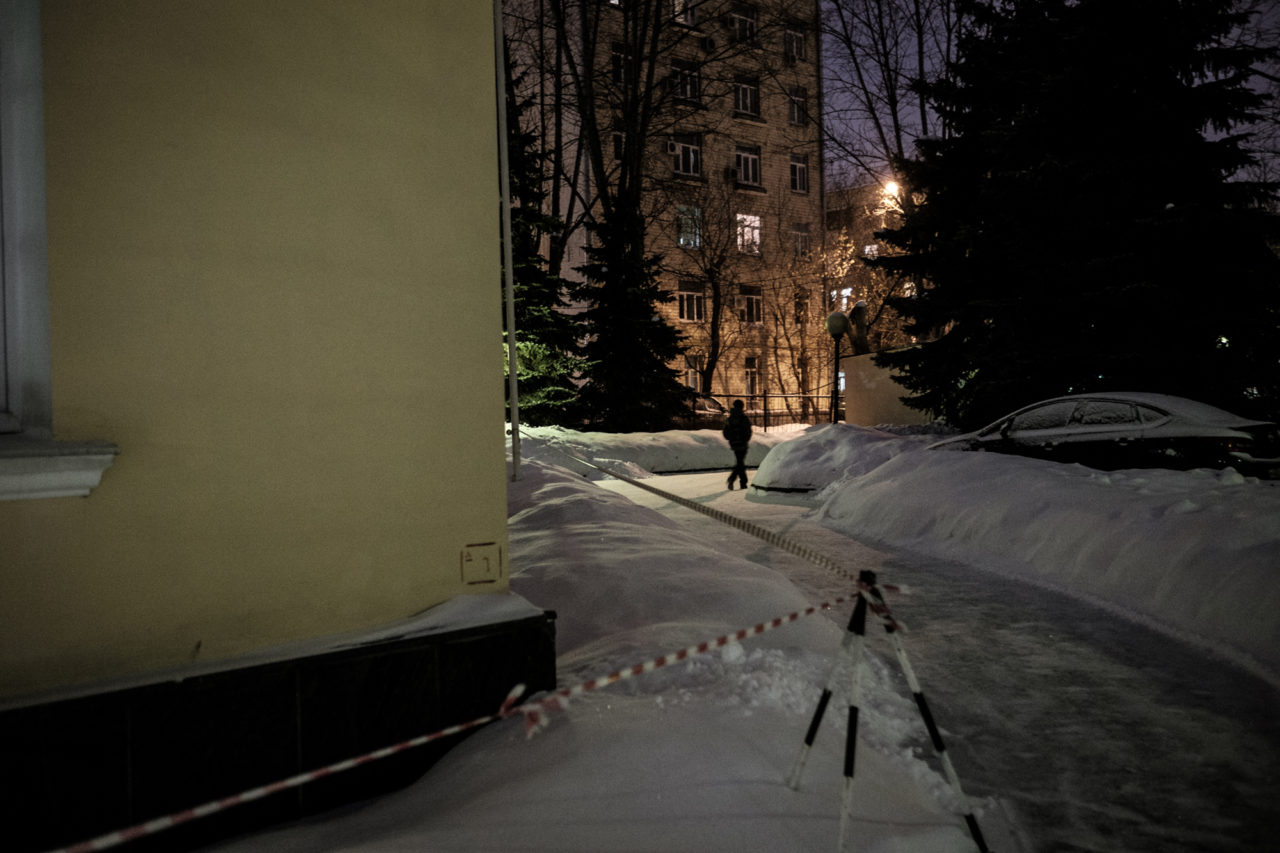 The student goes home after meeting the book club at the Big Change Foundation Photo: Vasily Kolotilov for TD
Now in the "Great Change" 30 teachers and 77 students. The youngest is 12, the oldest is 40. These are pupils of orphanages who go to a regular school, and children from foster families, and graduates of orphanages. Pupils of orphanages learn about the fund from educators, directors or friends. It often happens that the child learns about the “big change” himself and goes to the director with a request to let him go to classes.
Students come voluntarily, all classes are free. They take place in the afternoon so that students can combine study with classes in secondary schools, colleges and universities or work.
The “Big Change” approach to children can be envied by any school. The training system here is built on respect and trust in the student. There is no hierarchy, the teacher and student are partners. Here they do not shout and not scold, there is no fear and coercion, and a personal initiative is welcome.
You can save a child who was in trouble in different ways. Someone needs help with medicines and doctors, someone needs adult support and help in studying. Children who find themselves in an orphanage are children who are in trouble, children who need our help.
The fund exists on donations. Money is needed for the salary of teachers, for equipment for classes and for training materials. To arrange a small but regular donation is very simple, and is made in one click. Thanks to your support, the Big Change will be able to continue its work.