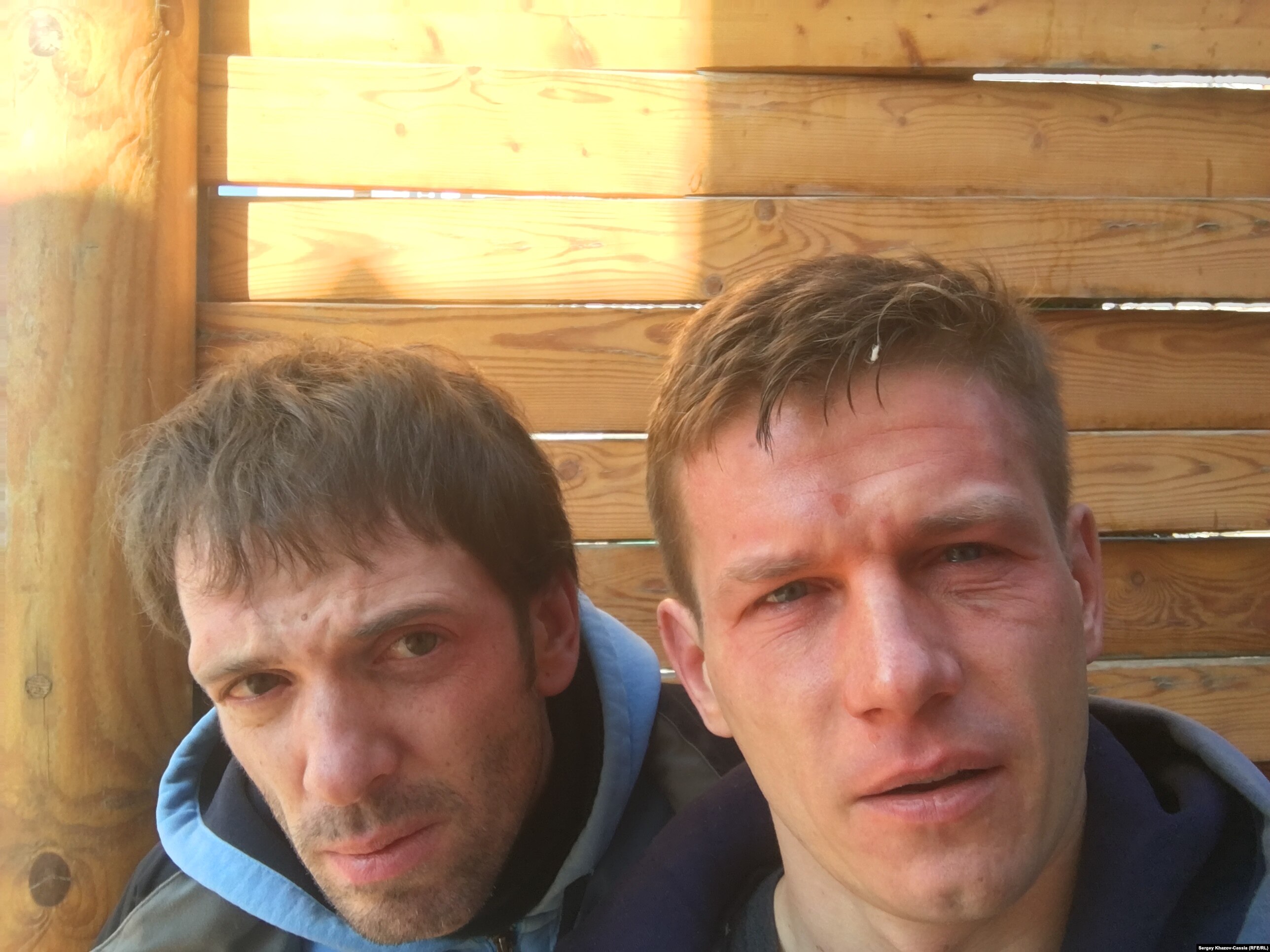
Correspondent Sergey Khazov-Cassia (right) and operator Andrey Kostyanov
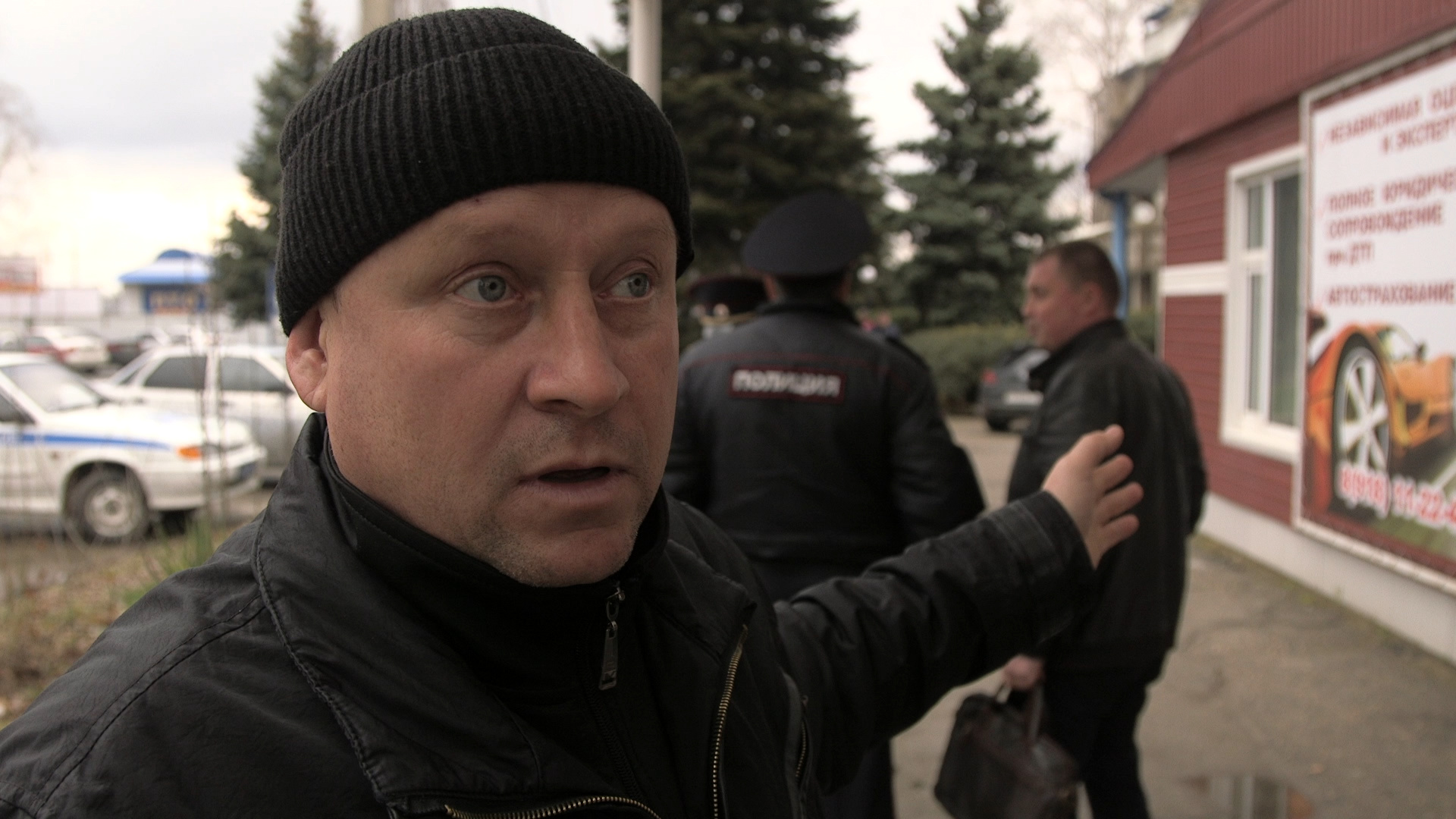
Eleven in the morning, March 27, the outskirts of the city of Kropotkin in the northeast of the Krasnodar Territory. Dull panel buildings, car wash, broken roads, missing sidewalks. Radio Liberty and I and I came to Andrei Kostyanov came to make a documentary about a tractor march, which was supposed to take place the next day. On the phone, they agreed to meet with local lawyer Sergei Zemtsov and one of the participants in Marsh Oleg Petrov - it was at his base in the village of Kazan that the participants should have gathered. From here, participants in the first similar march began in August last year. However, everything on this day did not go as planned.
Instead of the farmer, the police officers arrived at the White Casket Hotel, who somehow learned about the meeting we planned, and not the operatives, but the deputy chief of the police officer for the law enforcement of the Ministry of Internal Affairs in the Caucasus District, Lieutenant Colonel Vitaliy Berezhnoye: he just needed to hand the agenda to the dacha on the morning of March 28. Zemtsov passes the victims in two cases: on February 8, glass was broken in his car, leaving a bottle of incendiary mixture inside, and on March 7 they tried to beat in the parking lot near the shopping center. Zemtsov is confident that attacks have been connected with his video blog, which he has been conducting since August last year, as, indeed, a call to the investigator on the day of the march - so as not to remove. "They did nothing for two months, but then they called!" - Zemtsov is indignant.
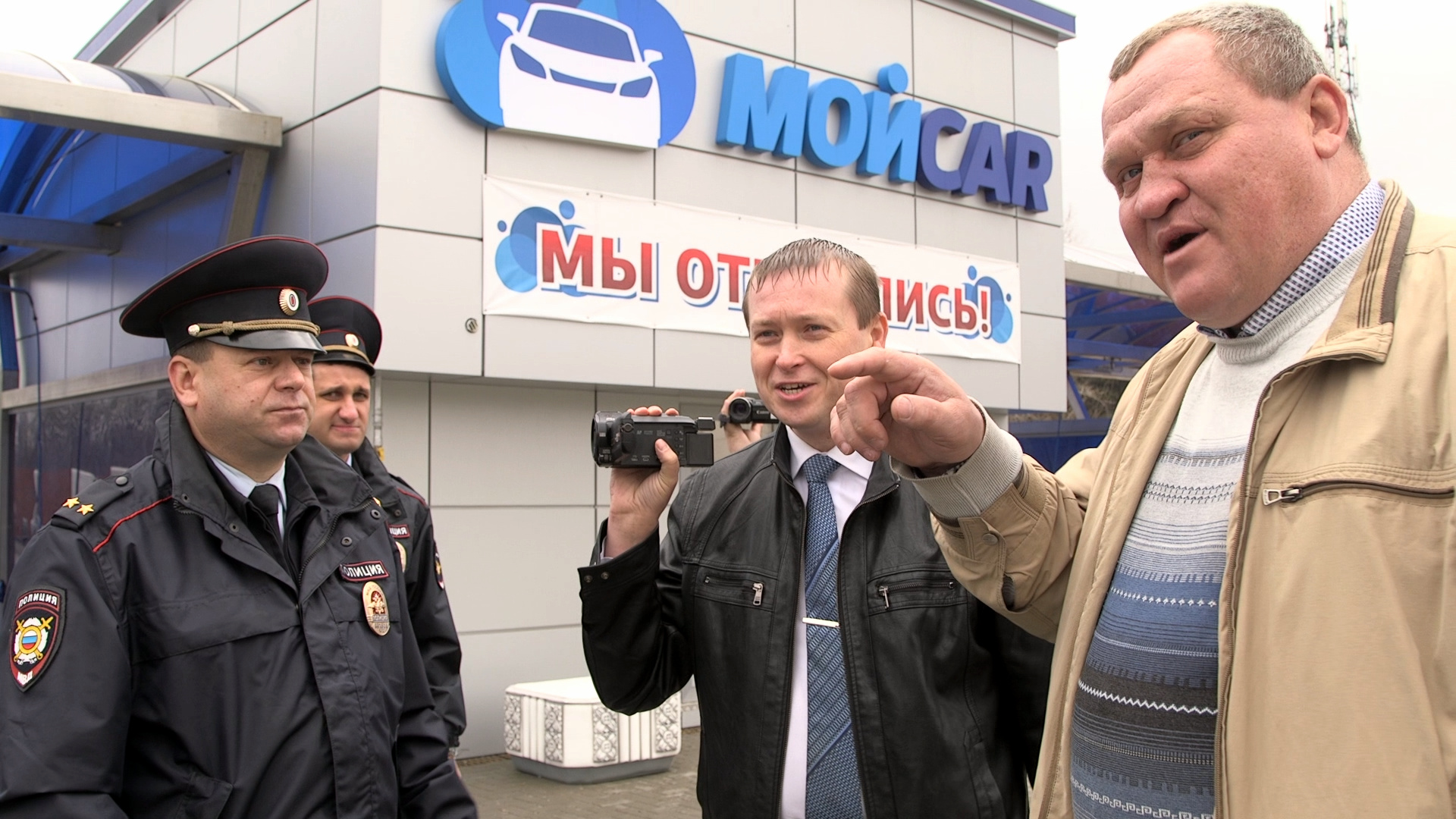
Deputy Head of the Police for the Protection of Law and Acts of the Ministry of Internal Affairs in the Caucasus District Lieutenant Colonel Vitaliy Berezhnoy, lawyer and video blogger Sergey Zemtsov (in the center), participant of the Tractor Marshal Farmer Oleg Petrov
Immediately, captain Akhtyrsky, who needs to be awarded to Petrov, also drives up to the place of the local OBEP - to the cottage of explanations in an unknown case, in which a pre -investigation check is being conducted. Zemtsov accepts the agenda, but then he calls the investigator under the record to say that he is busy on the 28th and is ready to come to the 29th. Petrov refuses the paper, and Akhtyrsky is chasing him all day throughout the area, finally gives the agenda at the gates of his house, but the farmer informs the captain that he cannot give explanations on the day of the march.
We get in the Petrova car and go to the city of Gulkevichs to visit the striking truckers, but along the way Petrov and Zemtsov find out that the traffic police detained another participant in the tractor march, farmer Nikolai Maslov. Allegedly at night in Kropotkin, a man was shot down, and according to eyewitnesses, the culprit was traveling on a white Niva - just like Maslov’s. On the way, Oleg Petrov says that the march, most likely, will not be: the organizers and participants are either detained under various pretexts, or are called for interrogations in criminal cases against themselves or even according to their requirements: “The authorities have been shared, as if we were some criminals, although criminals are they,” he says.
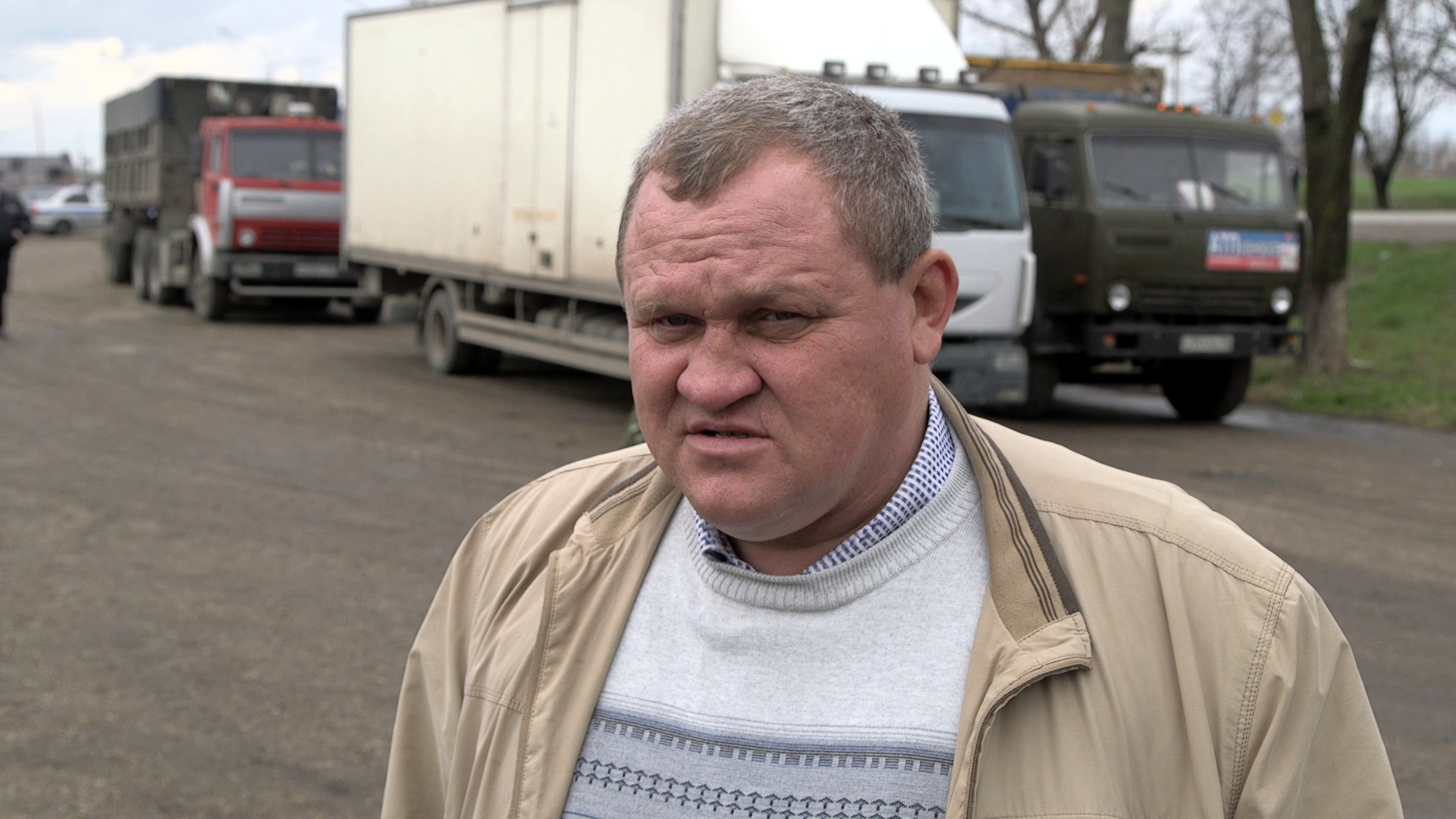
Member of the Tractor Marshal Farmer Oleg Petrov
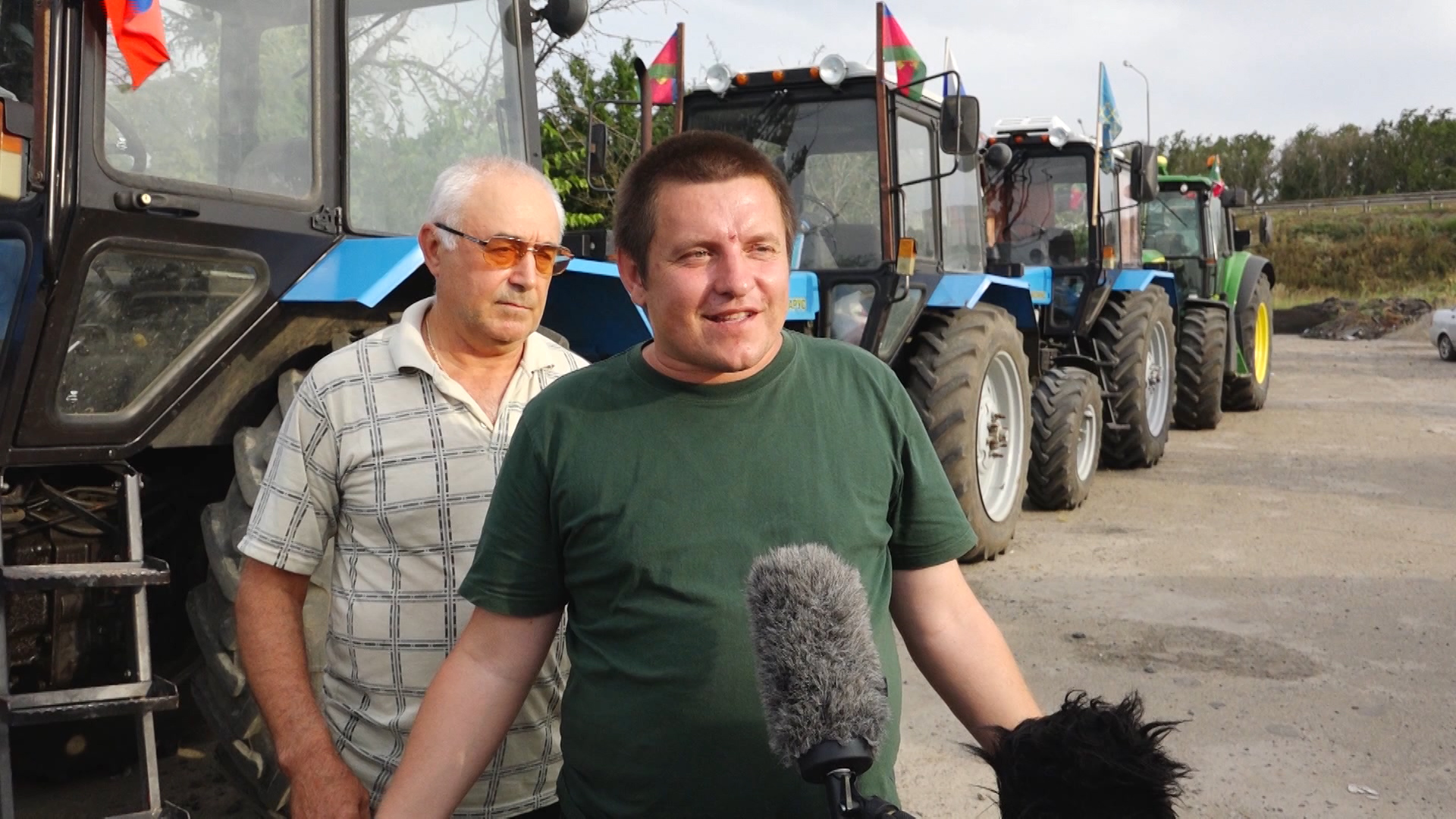
Farmers submitted an application for the march in mid -March. According to Nikolai Maslov, farmers Alexei Volchenko and Lyudmila Kushnareva drove around the regions from the Krasnodar Territory to Moscow, permission to hold the event gave the authorities of all regions except the Krasnodar Territory. In the application, farmers indicated the route, terms and numbers of vehicles that were supposed to take part in the march - in this way the authorities had a list of participants. Oleg Petrov claims that if the march was allowed, at least 200 farmers who protest against the illegal weapon of land, “lawlessness of the authorities and vessels” would take part in it (see the Report of the RS of Kuban Farmers and the documentary “Earth” ). “Corruption eats the state,” says Petrov, good -naturedly moving the massive lower jaw. “We cannot live, there is a rejoice of land. There are terrible decisions on the ground - to deprive the right of property, and that’s all. After the first tractor march ( August 21–22, 2016 - RS ), legally justified decisions began to be issued, but criminal cases in relation to my wife, Nikolai Borodina, were instantly arose. ( Petrova’s neighbor, another member of the march.-RS ), they also prepare something in relation to me.
“Some visitors are affiliated, they are affiliated with the authorities, it is unequivocally, they take the land from ordinary peasants. It came to the point that we cannot work on our land at home,” Petrov continues, which opened the farm in 1991. “I was born here, my grandfather, father, great-grandfather. In the Kuban, there is profitability of agriculture, there are ports, lands nearby, nearby, lands near Good, so there is an income, and the oligarchs are taken away, and where to go in the Kuban, in the richest region of Russia, they began to die out the villages, even 20 years ago, here, in the village of Dmitrovskaya, where Nikolai Maslov was 7.5 thousand. According to the farmer, if last year they wanted to convey their troubles to the president, confident that he did not know about what was happening in the Kuban, today the illusions were scattered: “We were promised a lot, they talked a lot, but the promises remained promises. We saw that Putin gave the Minister of the Interior [Vladimir] Kolokoltsev and [Yuri], the General Prosecutor - to send the commission to the commission to the commission to the commission. And to find out whether these violations have this violations, but we have not seen this commission on TV, Ilya Shablinsky ( member of the Presidential Council for the Development of Civil Society and Human Rights. - RS ) asked Putin the question that the farmers rose, that the commission rose, does not work. We did not want to complain to the president, but we have to get hope of political demands that the leadership in the central apparatus, the government, does not want to close the questions with us. They say: it is necessary to transplant them all, and everything will be as it was before.
On the field under the escort
According to Petrov, a few days before the march at farms on the list from the application almost around the clock began to be on duty by police officers - sometimes on patrol cars and in uniform, sometimes in civilian and ordinary cars. “We planned in advance to assemble tractors in Kazan on the base, but no one was even allowed to leave the yard,” says Petrov. “One farmer had to go to his own field under escort to introduce fertilizers: his police escorted to the place, waited for him to finish and returned home with him.”
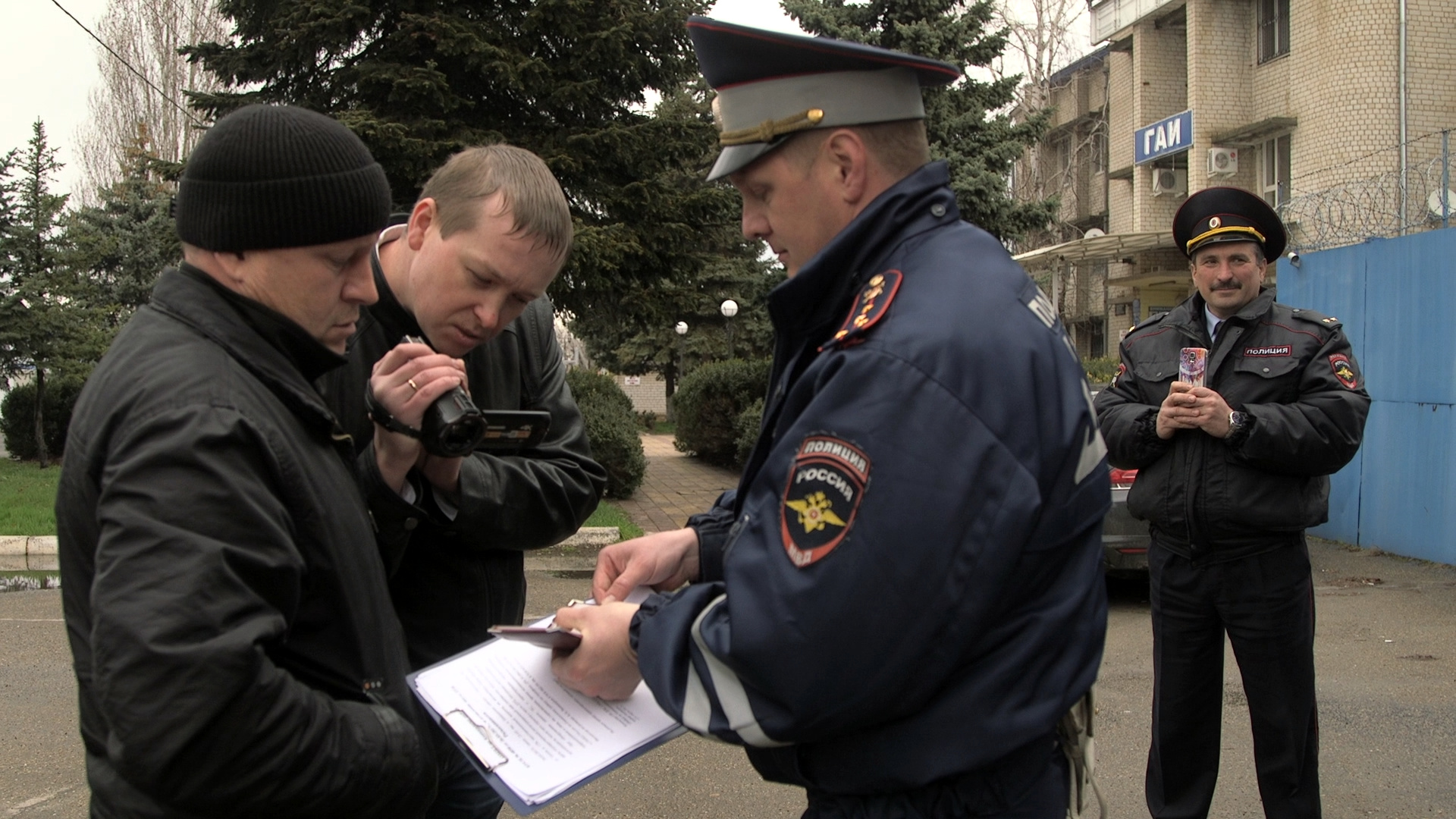
Traffic police officer and participant of the tractor march farmer Nikolai Maslov (left)
We drive up to the building of the traffic police department in the Caucasian district, which has a Niva Nikolai Maslov. Sergei Zemtsov includes his camera, demands from the employees to introduce themselves and explain on what basis they detained the farmer, they are being stewed, inspecting the Maslov car, do not find any damage and are ready to release him, demanding that he sign the inadmissibility of violations of the Federal Law No. 54 "On meetings, rallies, demonstrations, processions and pickets." This document has nothing to do with the man knocked down at night, Maslov throws it out the window, leaving the parking in front of the traffic police building, the warning remains lonely lying on wet asphalt.
Member of the tractor march farmer Nikolai Maslov
We again go to the truckers, which is not so simple-along the way we have to help farmers Sergey Gorbunov and Nikolai Svetlichny-they were also detained by traffic police, withdrawing their passports due to the fact that they did not have insurance policies. Zemtsov walks with the camera around the crew of the traffic police, asks on what basis they took the documents, one of the guards calls the leadership every now and then, but gives the passport, begins to write out a fine for the lack of insurance, while the lands are required to make a protocol for themselves - windshield in a service car with cracks. Having written out a fine, farmers are released, but before that aloud the same warning about the inadmissibility of violation of the rallies' law is read out - it is today at every post.
Farm of Nikolai Borodin, from where the tractor march was supposed to start
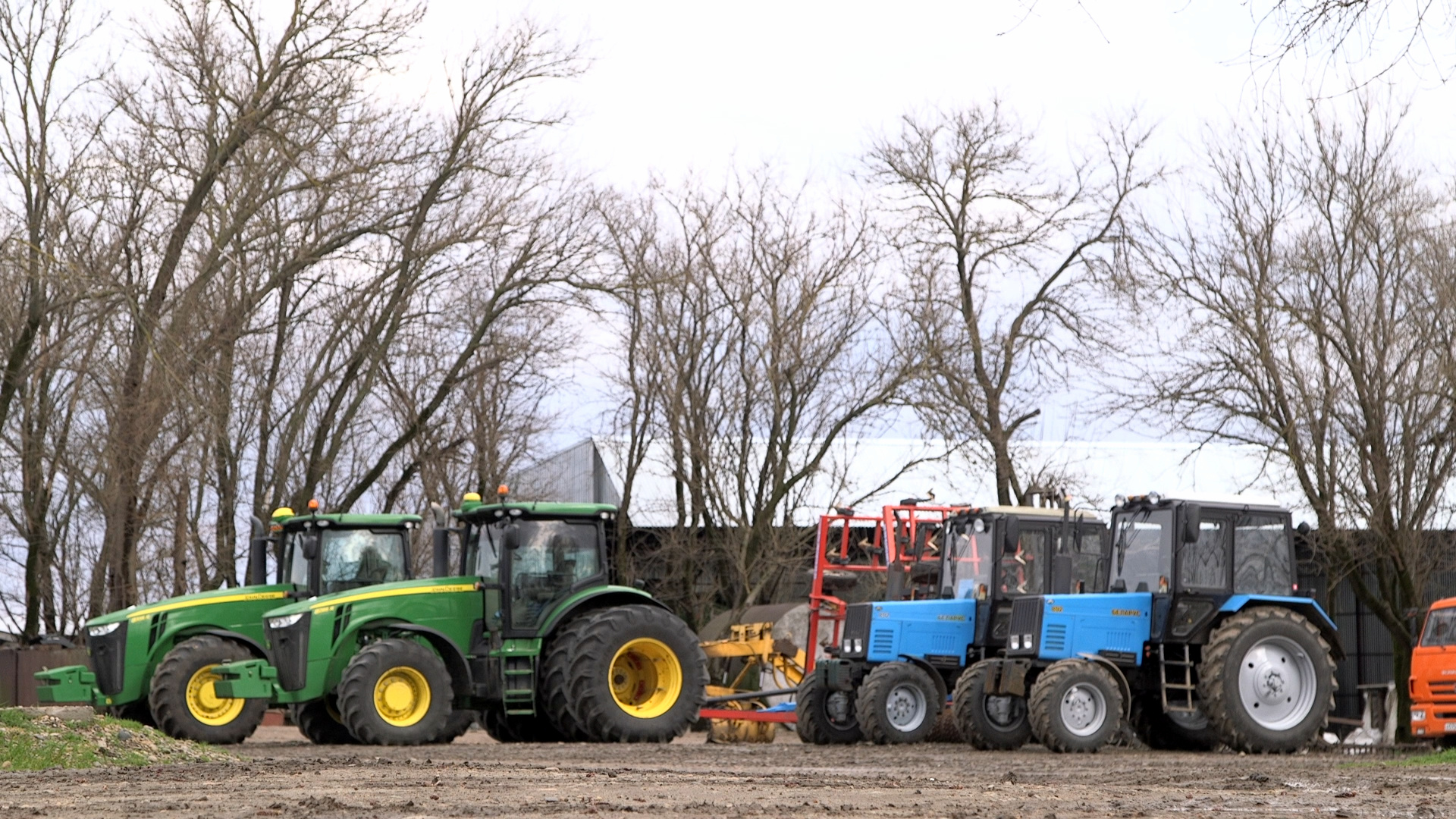
Truckers in Gulkevich are not bitter: 15 drivers, somewhat parked at the roadside of the trucks, a whole bus of police officers, deputy head of the Gulkevich district, Alexander Shishkin and the head of the Ministry of Internal Affairs of the Gulkevichsky district, Vladimir Krikun. While we are talking to them, Petrov’s mobile calls: in touch, the investigator from the investigative department of the Ministry of Internal Affairs in the Caucasus District, which informs him that a criminal case has been instituted against him under Part 4 of Art. 159 - "Fraud on an especially large scale", and invites to talk on the same day at 16.00. Leaving the truckers, we stop to the base to Petrov and Borodin - brand new tractors under the canopies, black fields breathing spring steam, in a small office on the walls of the early XX century with the Cossacks in the papaki - the ancestors of Borodin, who have been working on this earth for several centuries. Farmers shrug their hands and again embarrassedly say that they do not imagine whether someone will come to the march.
At 16.00 we are in the investigation department, we are waiting for Oleg Petrov in the corridor, chatting with one of the employees who complains about a small salary of 25 thousand rubles and boasts that he went to work in Crimea as part of riot police-did not let the chairman of the Majlis of the Crimean Tatar people Refat Chubarov in 2014. Meanwhile, they are trying to give Petrov to aquate for interrogation in a criminal case - also on the morning of March 28, he asks him to give him a copy of the decision on initiating the case, the investigator claims that the decision was sent by mail. “Then send the agenda by mail,” says Petrov, throws the document on the table and goes to the street - in the morning he will be forcibly delivered to the police department, in the evening they will search for his house for five hours, and about 23:00 will be detained for 48 hours - before the election of a preventive measure.
Organizer of the Tractor March Alexei Volchenko, August 21, 2016
About the same fate was waiting for the rest of the march: Alexei Volchenko detained the bailiffs on March 25: according to him, he overdue the payment of alimony for two days, for which he received 12 days of arrest. In the police departments, under various pretexts, Lyudmila Kushnareva, Nikolai Maslov, Sergey Zemtsov and many other farmers spent the day. According to farmer Natalia Pozdnyakova, who managed to get to Kazan, at the base of Borodin and Petrov, only 20 farmers without equipment gathered - even a railway crossing, which leads to a farm, was closed for repairs. "We were afraid to even talk about something, because we were afraid of provocateurs. At about noon, a rumor passed that in a recreation center in Kropotkin we had to meet with us some big official, almost weaver, all went there, but the DC was closed. We stood forty minutes and returned home."
Unable soil
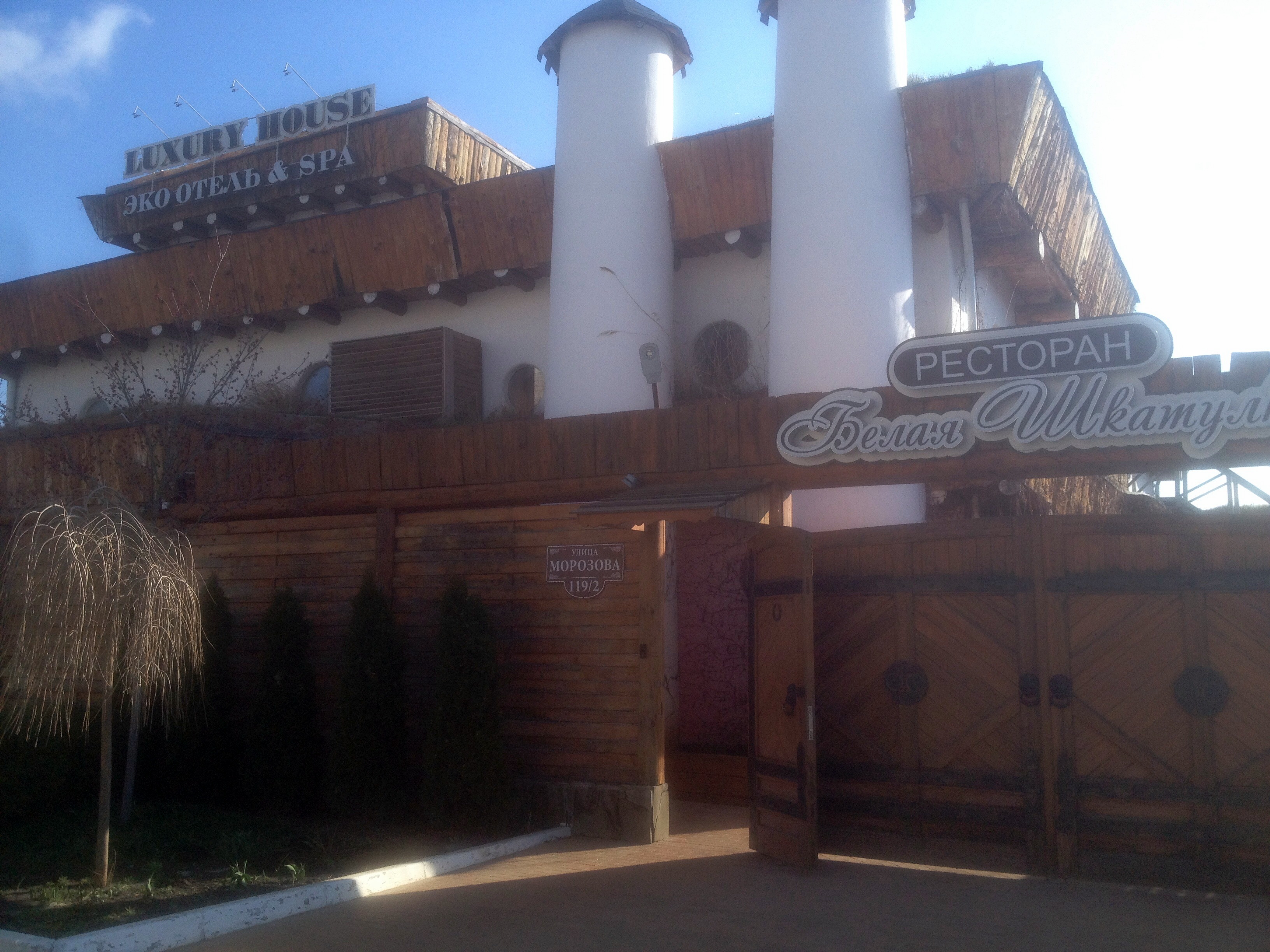
Place of attack - Parking at the Hotel "White Casket"
For us, the sunny morning of the farmer’s march began on the visit of the police to the hotel - the operator Andrei Kostyanov ran into them at the registration stance at half past eight, according to the hotel administrator, they were interested in the names of the guests. At 8:50 we went out into the street, went to the taxi, asking the driver to open the trunk, but did not have time to fold things, as we heard the clatter of many legs behind. 10-15 young guys in medical masks and balaclavs ran to us, tumbled to the ground, tore off my backpack, tearing the straps, they began to beat their feet on the head and body, spray pepper gas into their faces, demanding to leave Kropotkin. They tried to pull out from Andrei the phones lying in the pockets of the jeans, but it was not easy to get them, the attackers had little time - only thanks to this we were able to stay in touch, so that the news about the attack quickly scattered around the world. While we were beaten, the administrator of the hotel Svetlana screamed at the door (the other administrator managed to click on the “anxious button”), a Tamaz taxi driver was sitting near the car - he hit the head, he fell, and one of the attackers stood next to him, ordered not to touch him.
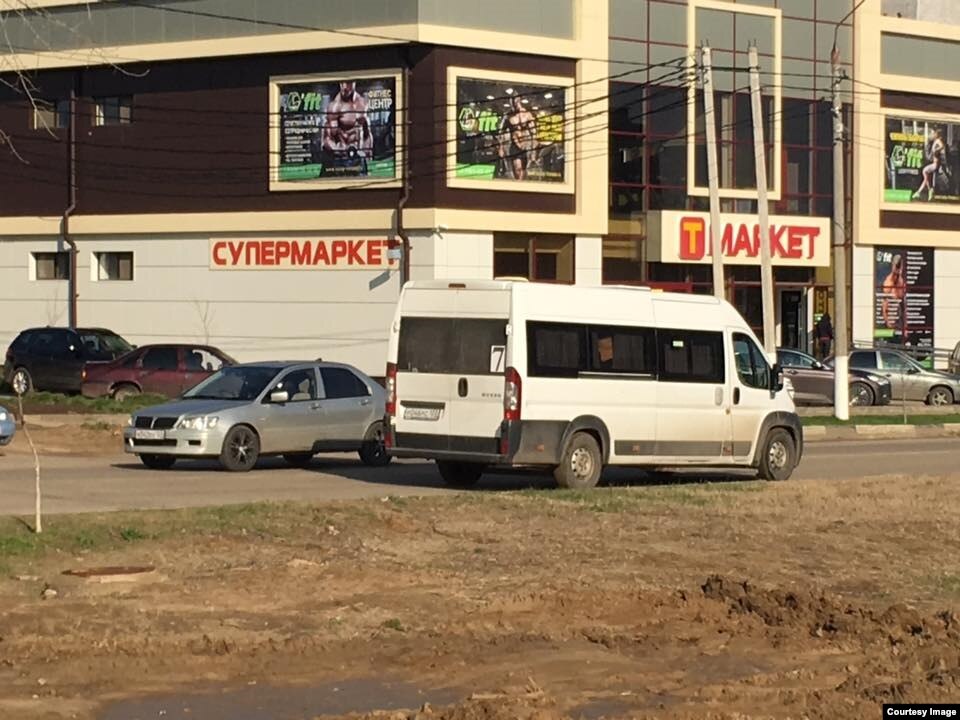
A minibus on which the attackers disappeared
After a couple of minutes, a girl literally crashes into a crowd on a dark green passenger car, she signals loudly, the attackers are scared and run away with our things-my backpack with a computer and documents, a backpack Andrei with a camera and filming equipment and even a coffee with a tripod that they pulled out of a taxi trunk. We rise and run after them the three of them - along with the second hotel administrator Roman. Young people sit in a minibus parked around the corner, which immediately drives away and goes towards the Kropotkin center, I manage to photograph its number - P046RS 123, this number writes on a leaflet and a novel.
When asked why they drove for so long, they answered that all employees are involved in the tractor march
We immediately called the police and dictated the bus number, but the police and the traffic police were in no hurry to look for it - there is still no information about who owns this vehicle. 10 minutes after the attack, a private security caused by the “alarming button” arrived, the police appeared on the spot only half an hour later. When asked why they drove for so long, they answered that all employees are involved in the tractor march - it really, according to farmers, was almost all of the personnel that day in Kazan.
The arrived paramedic takes Andrei Kostyanov to the hospital, where he was diagnosed with a fracture of his ribs. I have only abrasions. At first, the hotel employees reassure us, they say that the hotel has cameras that look at the entire perimeter around the building and who accurately recorded the moment of the attack, the hotel director on the phone promises to personally come to the place and share records not only with the police, but also with us, but later they are informed that the record is not maintained, and the director does not appear.
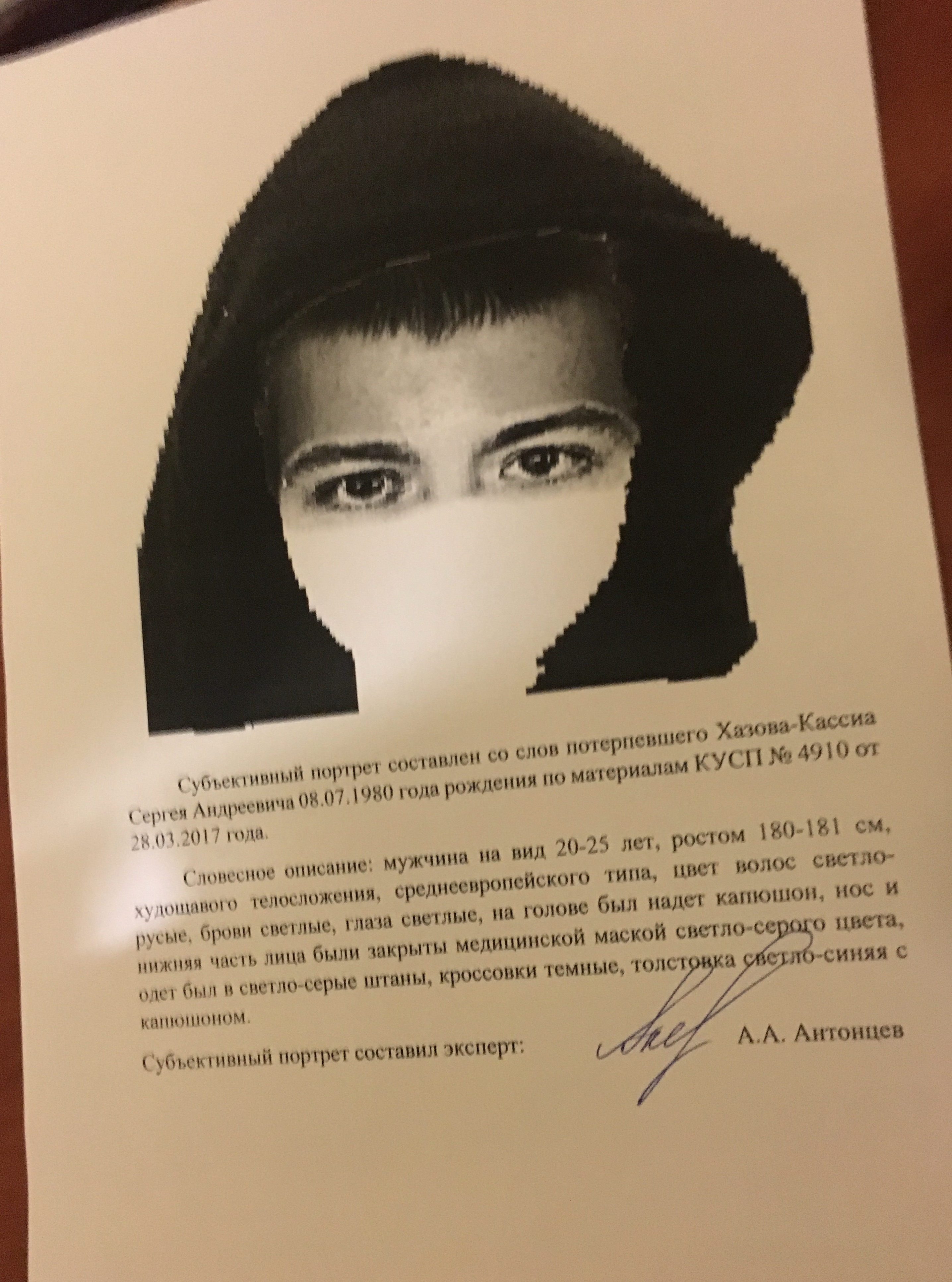
Photobot of one of the attackers
Around noon, Andrei is still in the hospital, and I was being taken to the investigation department, where they went with Oleg Petrov a day before. Inside - poorly, broken chairs that you cannot sit on, there are not even a toilet, employees are forced to run across the road to the police department. Investigator of the Ministry of Internal Affairs in the Caucasian district, Senior Lieutenant of Justice, Sergei Grigoryev, begins to interview me, after some time Andrei is brought, but the survey is suddenly interrupted by the head of the police by lieutenant colonel Alexander Malyukov, he offers to return to the "White Casket" to re-examine the scene and remove the recordings from the cameras. But after all, the scene has already been examined in the morning, and the cameras did not write anything? “No, we must verify this ourselves,” he says. Investigator Grigoryev tries to object: they say, let's at least finish the survey, but Malyukov insists on going right now.
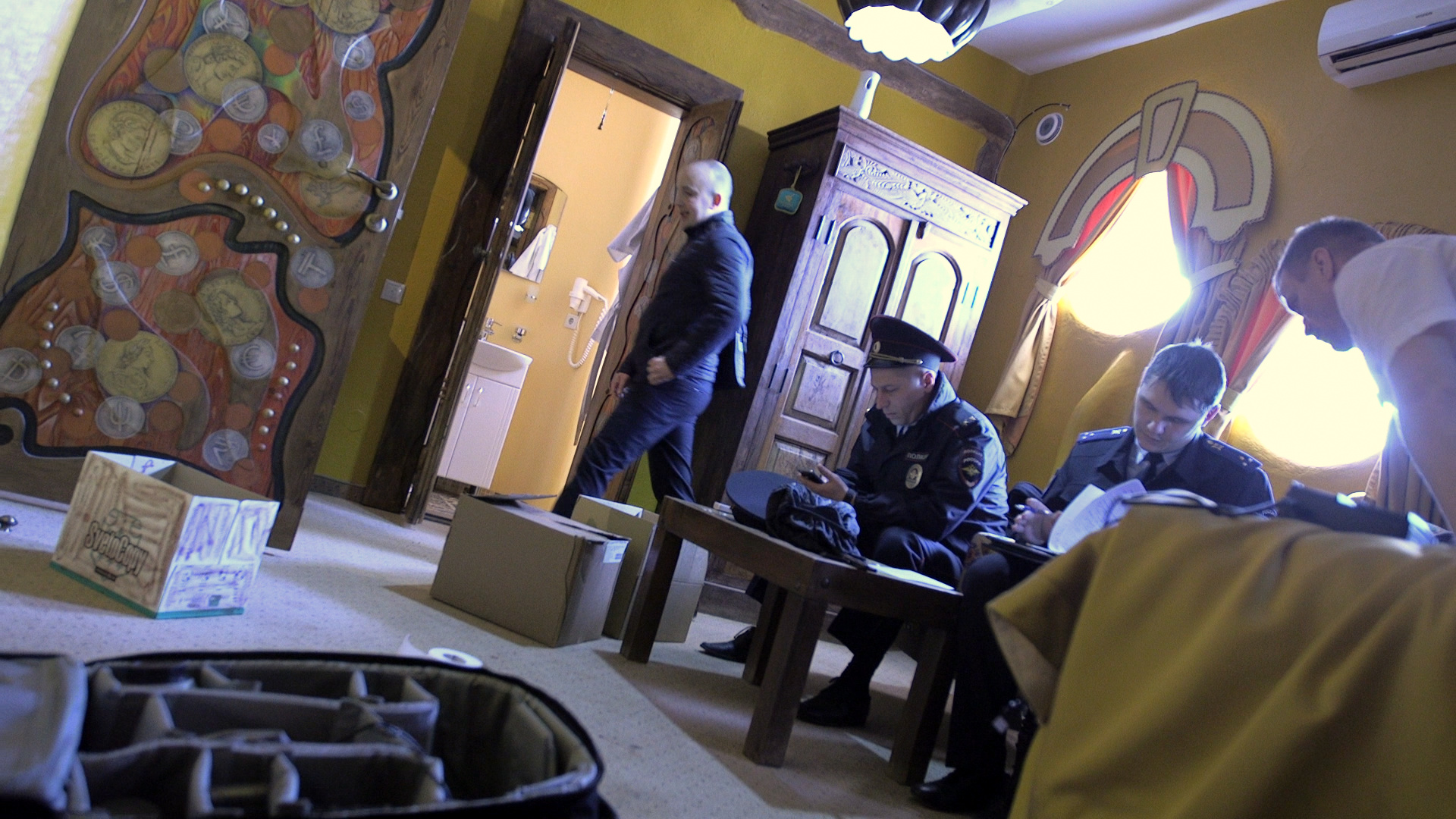
Upon arrival at the hotel, however, we do not inspect the scene of the incident, there are still no entries on the cameras, and the police offer to inspect ... our numbers. Surprisingly, we go up to the third floor, Andrei opens his number: “Here, look, no traces of the struggle,” he says and enters the bathroom. "What is this?" -the investigator Grigoryev asks, pointing to things hidden behind the cabinet: the abducted backpack, in which there was a camera, a coffee from a tripod and a cardboard box from under the printer paper, which we see for the first time. Hotel employees say that they did not see anyone, but not to go past the reception and not to penetrate the room otherwise through the door. Only later, one of the employees told anonymity that the hotel management asked them at some point to "go down to the basement of tea."
Inspection of the number by the forensic expert
At first, nothing is impossible to touch, the police call forensic experts who, in the presence of witnesses, open the thrown backpacks and find almost all things there, with the exception of my Andrey’s professional headphones, torn in a fight, hidden in a cover from the computer, and, perhaps, they decided not to return us, so that they still leave us without leaving us without anyway. connection. The expert removes fingerprints, but does not find anything suitable for the study, our travel certificates and the cover from the computer stay with him - for further examination. На месте и весь отснятый материал, впрочем, как потом выяснилось, некоторые файлы, относящиеся к фермерскому маршу, в частности интервью с Олегом Петровым, были перекачаны на "Яндекс.Диск".
Что, неужели вчера ужинали и ни до какой официантки не до***? Я все время до официанток до***"
ИТАР ТАСС со ссылкой на МВД тут же сообщает , что "якобы украденную у журналистов технику" обнаружили в их же номере, ГУ МВД по Краснодарскому краю уверено , что бытовая версия конфликта рассматривается в качестве основной, а тот же Малюков, попыхивая сигареткой, говорит мне, что слышал, что накануне вечером мы повздорили с местными жителями из-за девушки: "Что, неужели вчера ужинали и ни до какой официантки не до***? – спрашивает он. – Я все время до официанток до***". Не исключено, что эта версия на самом деле родилась в полиции, где мы сообщили, что ужинали в "Денди", кафе недалеко от отеля. Вот только когда приехавшие в "Денди" полицейские стали по телефону расспрашивать меня, в каком зале мы сидели, стало понятно: они решили, будто мы развлекались на дискотеке и в караоке "Денди", а не ели в ресторане "Денди Сад", который находится в том же здании.
Все в подвал
Мы его в подвал спустили, он сейчас вот тут в подвале сидит
Ближе к полуночи полицейские довезли нас до гостиницы, однако нам пришлось вернуться в отдел на следующий день – отдать акты судебно-медицинского освидетельствования из Кропоткинской городской больницы. Мы снова разговорились с начальником полиции Александром Малюковым, который курил на пороге, матерился на Кропоткин, куда его отправили из Краснодара, "как в ссылку", и хвастался тем, что лично задерживал фермера Олега Петрова. "Он на прошлый Тракторный марш приехал на "Ленд-Крузере", его сын приехал на "Ленд-Крузере". Я вчера к нему приехал, у него дом больше нашего отдела! – удивляется он. – Откуда это всё? Думаете, работает? Да ничего он не работает, работники на него работают. Ну мы его в подвал спустили, он сейчас вот тут в подвале сидит". По гордому виду начальника видно, что подвалов у него хватит на многих. Но, наверное, не на всех.
"Крым не мой!" Пикеты в Петербурге March 17, 2017
Серия одиночных пикетов прошла на Невском проспекте в Петербурге вечером 16 марта в рамках международной акции, посвященной третьей годовщине аннексии Крыма. Активисты продолжают настаивать на том, что Россия должна соблюдать международное право, следовать тем международным договорам, которые она подписала. Прохожие реагировали на пикеты по-разному – некоторые выражали сочувствие и солидарность с активистами, даже фотографировались рядом с плакатами, но было также немало агрессивных граждан, которые буквально набрасывались на участников пикетов, ругались и вырывали у них плакаты.
Серия одиночных пикетов прошла на Невском проспекте в Петербурге вечером 16 марта в рамках международной акции, посвященной третьей годовщине аннексии Крыма. Активисты продолжают настаивать на том, что Россия должна соблюдать международное право, следовать тем международным договорам, которые она подписала. Прохожие реагировали на пикеты по-разному – некоторые выражали сочувствие и солидарность с активистами, даже фотографировались рядом с плакатами, но было также немало агрессивных граждан, которые буквально набрасывались на участников пикетов, ругались и вырывали у них плакаты.