
Translated material
Comment of a sociologist
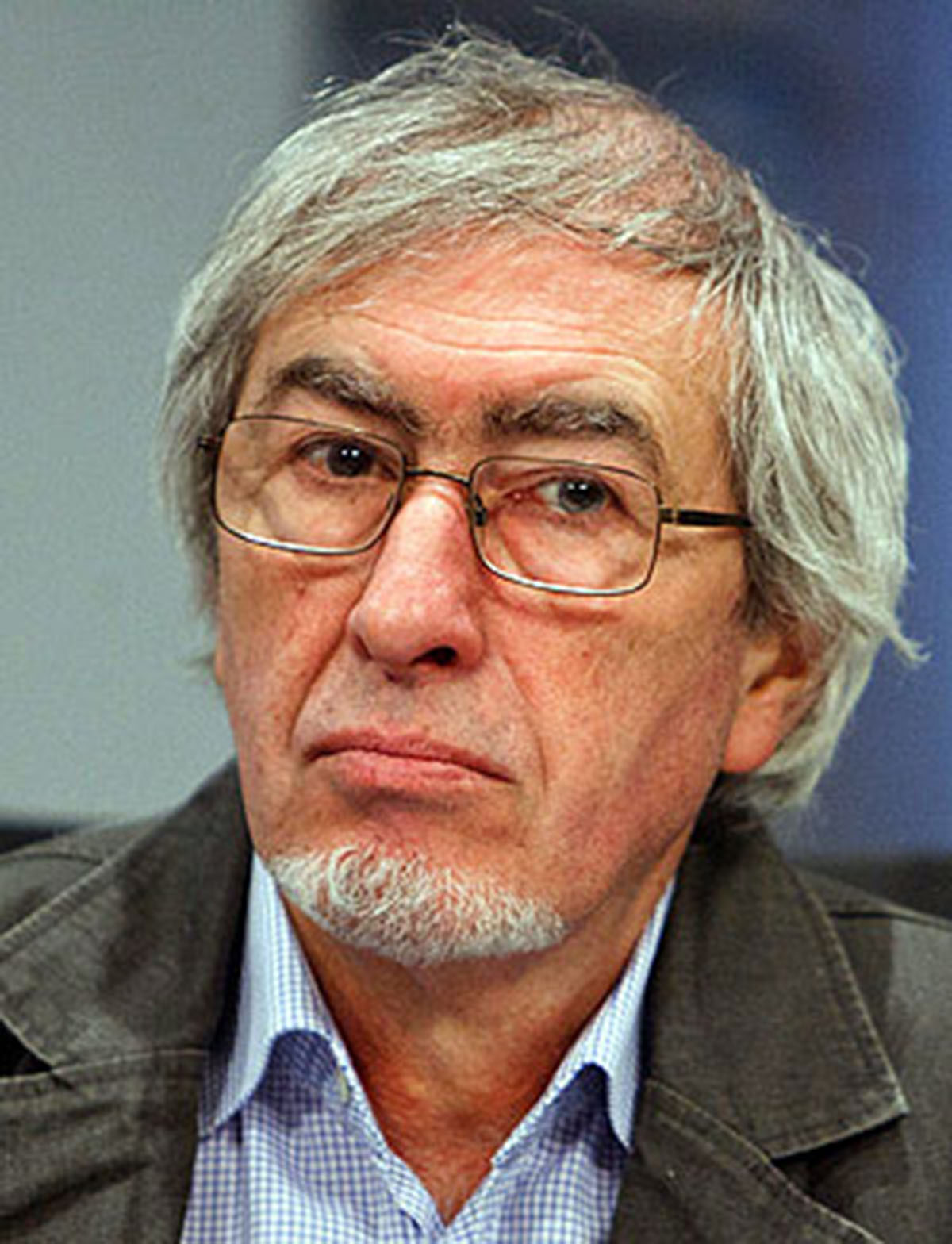
Alexey Levinson, "Levada Center"
Unfortunately, there are no accurate data on the composition of the participants: there are own observations plus the opinions of qualified participants and observers. If you generalize, then the event had fewer those who went to rallies earlier, including in 2011-2012, fewer and those who came to the last marches of Boris Nemtsov’s memory. These “veterans” (men and women are approximately in the same proportion, age is medium and older, in 2011 they were 40–45, therefore, now 45–50) at least there were fewer in Moscow at least in Moscow. But there were many who went to rallies for the first time, a significant part of them are very young people. Some are minors, schoolchildren, which was uncharacteristic for previous shares (only about Moscow).
I also think that a relatively more educated part of the Moscow public was presented wider. Young people are more represented, less - older age, more people with average and higher income. There were many who specially came from other cities and even countries. But those whom we call “visitors”, “migrant workers” were not on Tverskaya, apparently, there were no.
It was also noticeable that on March 26 men prevailed. If we take into account that there are more women statistically more, it means that the idea that physical resistance or violence is possible at the rally influenced the composition of the participants.