
Translated material
Bloomberg: Experts are no longer waiting for the abolition of sanctions against Russia this year
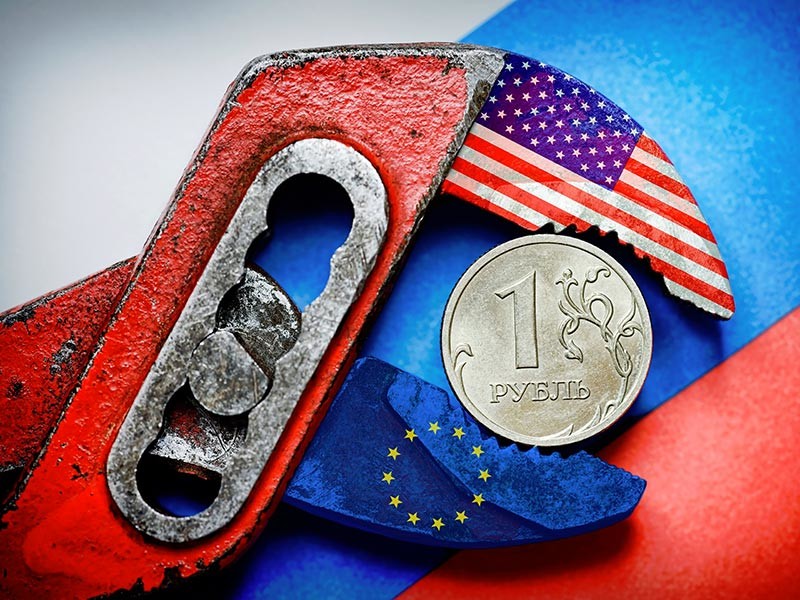
In recent months, the predictions of the probability of cancellation of Western sanctions against the Russian Federation have changed dramatically, economists no longer wait for it this year, Bloomberg writes.
Of the 20 economists surveyed by Bloomberg from March 28 to 30, only three (15%) expect that both the United States and the European Union will begin to mitigate sanctions in the next 12 months. Two more believe that this process will begin in the USA, but not in the EU, and one expert believes that Brussels will be the first to give an example to Washington and weaken sanctions.
In January, the double softening expected almost a third of the analysts surveyed, and the weakening of sanctions only from the United States - 28%.
In December, Bloomberg surveyed experts agreed that the abolition of sanctions could add 0.2 percentage points to the growth of Russian GDP and 0.5 percentage points in 2018. In March, the question of the degree of influence of sanctions was not asked.
During the election campaign and before the inauguration, Donald Trump made enough promises that most economists at that time believe in the inevitable mitigation of the sanctions imposed on Russia due to the crisis in Ukraine.
However, against the backdrop of scandals, due to the interference of the Russian Federation in the US presidential election and increased pressure on the Trump administration, analysts quickly abandoned this idea. The question has left the agenda, they say.
The last few weeks in statements by Secretary of State Rex Tillerson, Minister of Defense James Mattis and other close -laws of the US president, the idea that sanctions should be left in force. The European Union also retains the unanimousness necessary to extend the restrictions.