
Translated material
Live while alive
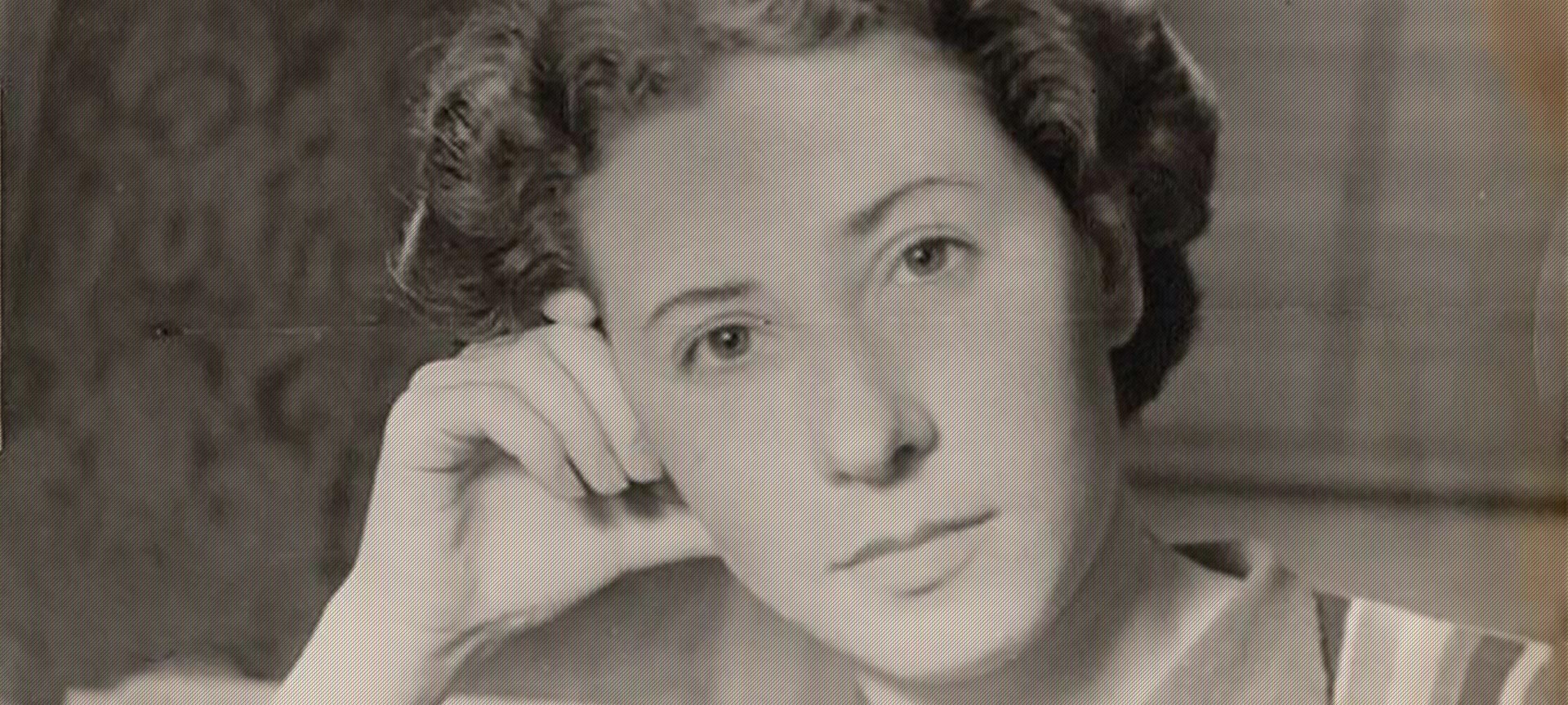
When the diagnosis of Cancer is made, the worst thing is to stay with the disease alone
We help Vera help“Hello, Irina Markovna! Alexei, Papa Olya, writes to you, - if you remember, she studied with you a few years ago. Irina Markovna, I heard that you can give advice, and maybe you will help us. We have a trouble in the family, Olin Grandpa (father of the wife) was seriously ill. He is given an oncological diagnosis, the stage is very neglected. He does not want to be treated, he says, it makes no sense. How can we help him? Maybe you will advise something? Maybe he needs a psychologist? "
“Irina, good afternoon! We were advised to turn to you, they say that you and friends help in such cases, and they themselves were sick, so maybe you will understand us. My mother -in -law is 79 years old, she lives in the outback. She has had a serious illness for several years, but she kept on, walked, even worked in the garden. And from this winter she stopped prescribing the medicine that helped her, and she fell down. They say that you can pay, but it is very expensive for us. You will not tell me where to go? "
“Irish, hello, dear! Listen, Andrei is worse. I am afraid that we need to think about the hospice or some other Palliative. Where to run, what do you think? "
These are not excerpts from the story and not a remark of the characters. These are fragments of messages that I receive almost every day at the mail or in messengers of social networks. From the moment I found out that I have a rather serious diagnosis, my life has changed dramatically. No, no, now I do not mean treatment and everything that is connected with it is, of course. It's about something else. As soon as I got a minimum experience, and I found out that, it turns out, now I belong to a special group - those who have information. Information about what is usually perceived as the worst - oncological diagnosis. And all these messages remind me of another plot: the stories of my mother.
As soon as I got a minimum experience - and I found out that now I have a special group - those who have information1984. March. I am studying at the institute in Moscow, my parents live in a small town in Central Asia. Every week we talk on the phone, and I begin to notice small oddities: my mother, always literally remembering my most insignificant news, begins to ask me several times about the conversation that I just told her. I somehow really do not like it, but I am twenty years old, I have friends, tests, first love and tickets to the Bolshoi Theater for March.
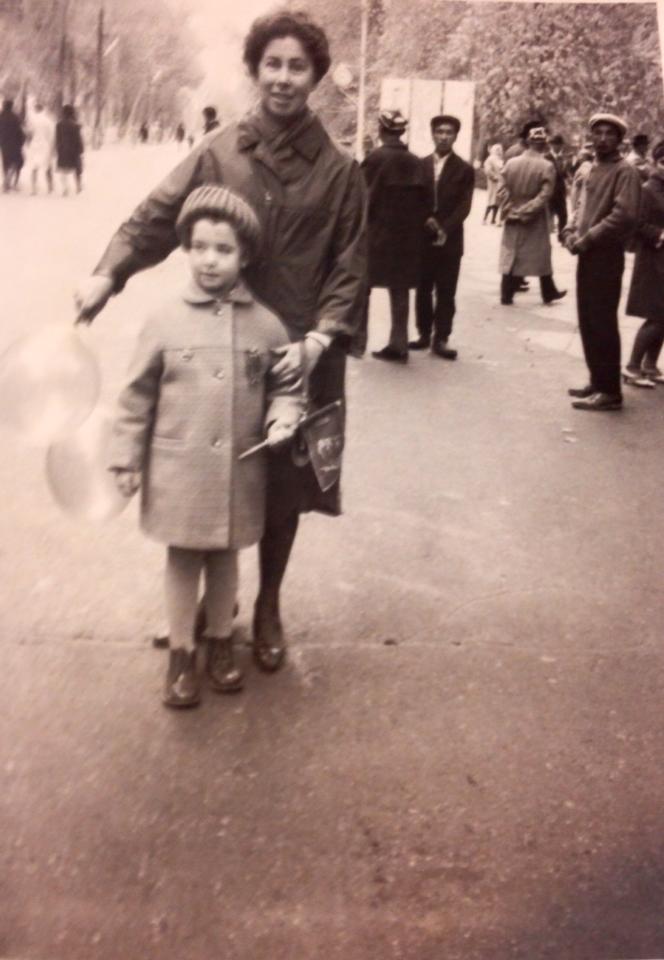 Irina and Inessa Efimovna Photo: From Personal Archive
“You will come to me in May,” I say to my mother, “you and I will go to watch the“ Bayader ”. With Maksimova! "
I know that my mother will now dream about it - the ballet was the biggest passion of her life, and she herself was in her youth a beautiful dancer. But at the end of April, I decided to call to find out if a plane ticket for my mother in Moscow was bought, with chagrin I hear my father’s word: “Mom, apparently, will not come, she does not feel unimportant.”
I begin to seriously worry, but I am comforted by what was said by my dad: "In the summer I will send you to Truskovets - to relax."
I’m going to the ballet with a friend, then there is a session, state exams, a diploma protection, life flies, I call home less often, I have no time at all. And only protecting myself and flew home before going to Ukraine, I begin to realize the scale of the problem - my mother has changed beyond recognition, she does not remember what was yesterday, begins to lose coordination in space, forgets the way from home to the nearest store. He and the dad already had two doctors, but doctors look quite optimistic at things and believe that this is a nervous disorder, severe overwork, and a trip on vacation should help her. Dad and I doubt very much whether in such a situation it is worth leaving far from home, but still decide to try - what if the doctors are right? Suddenly this is really stress-she was so worried about my exams! - And overwork?
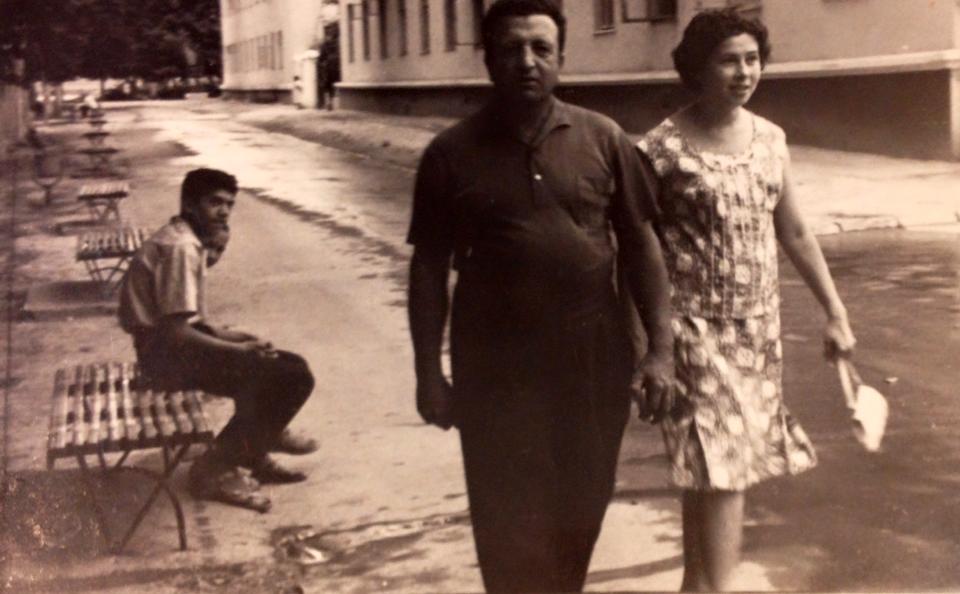 Mark Yakovlevich and Inessa Efimovna Photo: From Personal Archive
We are leaving, and - incredibly, but the fact - the trip really brings benefits to mom. After two weeks, in her favorite town, her head still dizzy, and she still forgets different little things, but in general there is a feeling of improvement. Alas, this is a brief improvement. Two weeks after our return home, dad carries her to leading doctors to Tashkent to hear a terrible diagnosis: brain sarcoma. My thought flashes - now I know what thunder is among the clear sky. In 1984, this is a sentence.
We are scared - we do not know what to do if she starts with pain. And we have no one to seek help in the whole world - What will happen now? I ask dad. - Hospital?
Dad shakes his head.
“There is no sense,” he tells me. - Everything will have to.
We are scared - we do not know what to do if she starts with pain. And we have no one - at all, in the whole world there is no one to see for help.
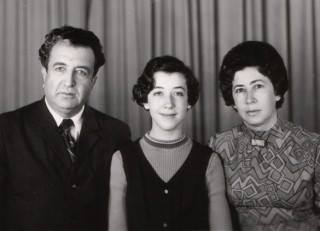 Mark Yakovlevich, Irina and Inessa Efimovna Photo: From Personal Archive
Then begins everyday, everyday, but from this no less terrible nightmare. We do not know how to care for a dying mother. We do not understand how to facilitate her care. Everyone we are addressing with questions are shrugable - that, they say, here you can do. 1984, a rare diagnosis at that time.
We are alone with this huge trouble. Perhaps this is the worst thing - that one on one.
I remember this all my life, and this is the first thing I think about when reading the messages of my correspondents. Cancer knocks out the soil so much from under the feet, precisely because you think-what's next? And who will help? A person who heard about this diagnosis in himself or his loved ones rushes to all others in order to understand whether he has someone to rely on.
Fortunately, now there is already. Now not 1984, and exits that were not before. This is probably stupid and wild, but I often think about how lucky my mother would not be if she had not got sick - and if she fell ill for twenty years later. Of course, the disease did not disappear, on the contrary, the number of cancer is growing, the world speaks of cancer pandemia, but medicine does not stand still, and a special industry has appeared - palliative medicine. Yes, she will not cure and will not return health. But she will help to live with the disease, because, you may be surprised - but even with an incurable disease, a person is alive while he is alive. He, too, can walk along the street, listen to music, read books, enjoy the sun, sometimes even do a favorite thing - but only when he is anesthetized, when there is medicine, psychological support (and sometimes psychological help), when he does not need to fight for the right to receive what is laid according to the law.
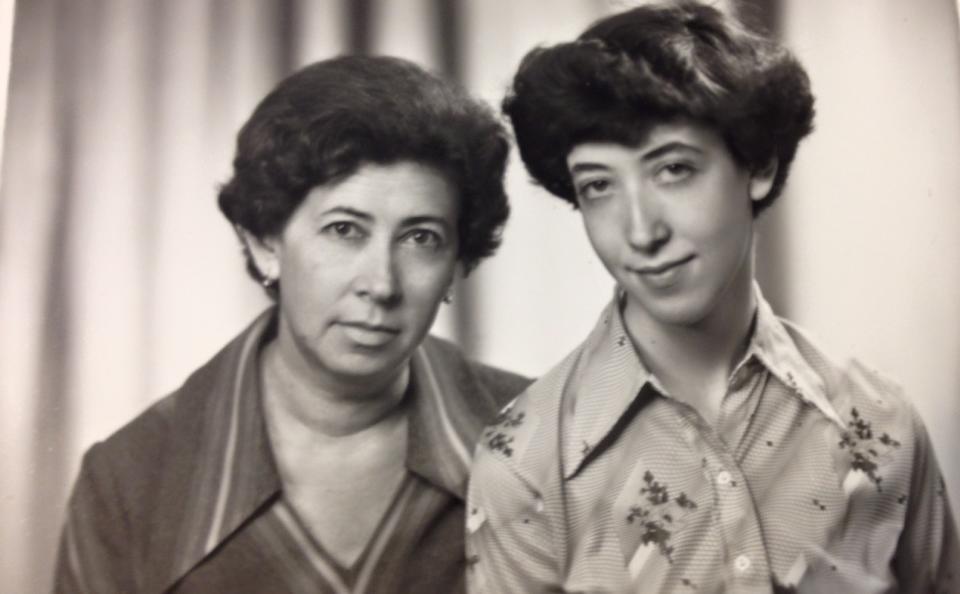 Irina and Inessa Efimovna Photo: From Personal Archive
About all this - how to solve the problem with painkillers and medicines, with hospitalization, if it was required, How to care for the sick at home, how to draw up the necessary documents, how to find a psychologist - now you can ask the operators a round -the -clock "hot line" on the provision of palliative care. These are not random people - all of them underwent training in the outbound service of the First Moscow Hospice named after Vera Millionshchikova. And therefore, fortunately, I have something to advise to everyone whose letters I receive. They have someone to help. Let it continue to be so, let no one be left alone in trouble , and each sick will help for life - full -blooded and painless life, as far as enough strength.
Hot Line number: 8-800-700-84-36. The call is free. The line works around the clock, seven days a week. On holidays and weekends, day and night, five operators will always answer questions from patients and their relatives.
It is for this work - the duty of five operators, as well as the involved specialists (doctors, psychologists, lawyers), the rental of equipment and workplaces - the “Need help” fund collects money. Please make a regular donation so that the project always lives, and so that no one will ever be left alone with the disease.