
Translated material
The end of the operation "Geopolitics"
Forces are on the verge of a direct military clash
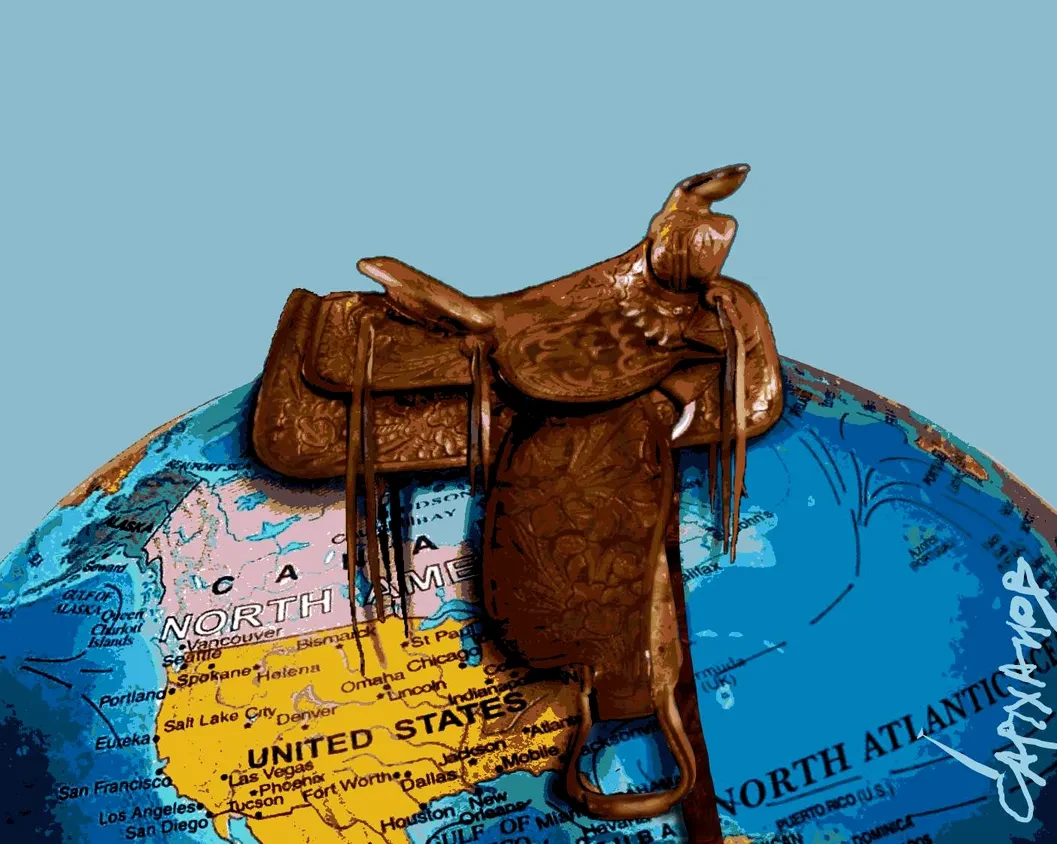
While the American Tomagavka flew in the night sky over Syria, the inhabitants of the Kremlin could feel what it means to live in a world where the decisions make unpredictable political leaders. Starting at least since 2014, this was our tactical skate: to act so that you were taken seriously already for the reason that no one knows that you can throw it tomorrow. Trump, who suddenly attacked the ally of Russia Assad, showed that this game can be played together. Now there are at least two military-political forces in the world arena, prone to unexpected and impulsive acts (Trump, using a rather familiar rhetoric, said that the missile attack was caused by empathy for children innocently killed by Assad). In the Middle East, these forces are on the verge of a direct military clash.
The Foreign Minister Lavrov was forced to make a special statement that it was unknown about possible victims among the Russian military who were in the area of the attacked Syrian base - “apparently, they are not.” Lavrov’s statement lifted the line under many -month “power demonstrations” organized by the Russian authorities in the Middle East. It turned out that one attack from the American fleet could leave an ally of Russia completely defenseless, and Russian military and diplomats - discouraged and confused. In the area, Russian air defense missile systems were deployed, and the press discussed information that they were not ventured to use during a missile attack so that this did not lead to a direct clashes with the Americans.
The need for the presence of the Russian army in Syria was often explained by the so -called geopolitics, national interests and the need to be independent in the foreign policy arena. And now the real price of all these reasoning is known. Kremlin geopolitics exists as long as the United States allow it. At some point, the administration of our recent friend Trump begins to speak with the Kremlin from the standpoint of strength, and the only thing the latter can answer is the statement of the representative of the Foreign Ministry of Maria Zakharova.
There is nothing to rejoice here, except perhaps the fact that the Kremlin may be able to pacify their own hot military heads. But I would like to say: we warned. Trump has always been a bad candidate for Russia. It was not necessary to listen to his populist stories that he would establish relations between our countries (build a wall with Mexico, force American plants, etc.). It was worth paying attention to the fact that Trump had no political experience, and his ideas about foreign policy, judging by the massive attack in the Middle East, coincided with dinner of the American president with China Xi Jinping, were drawn from Hollywood films. The Obama administration, no matter what our propaganda speaks on this score, never allow itself to rush to “tomahaws” with the risk of impressing the Russians.
Dmitry Medvedev wrote in VKontakte that after an attack in Syria, Trump declared himself as an non-self-state policy (in the sense that the Washington establishment had twisted his hands to our Donald). This, of course, is wrong. Trump is the same independent politician as those Russian leaders who made a decision on the accession of Crimea in 2014. Moreover, if the judiciary and the mentioned establishment in general restrained the domestic policy of Trump, then the Commander -in -Chief of the United States does not have such problems in the foreign policy arena. In the style of Twitter of the American president, this could be commented by Very Sad. Very sad.