
Translated material
How Wood lives - the disappearing people of the Leningrad region. Report from the village of Luzhitsa
How Wood lives - the disappearing people of the Leningrad region. Report from the village of Luzhitsa
In Russia, there are only a few dozen representatives of the driver-the smallest Finno-Ugric people. Most of them live in the villages of the Leningrad region near the Gulf of Finland. At the same time, purebred leaders who would speak the language freely.
Puddles in the Kingisepp district is one of the historical settlements of the water. Although in Soviet times the entire population was evicted, and in the 2000s the village was almost demolished due to the construction of the port, couples still live here, who remember the history of the area and can speak their native language.
“Paper” went to the puddles and talked with the inhabitants of the indigenous vodsky village, which lived the settlement during their youth and what is happening there now.
The smallest people of the Leningrad region
For some time, the broken asphalt of the regional road is unexpectedly replaced by a wide even highway at the entrance to the port, and the gloomy rickety houses standing along the highway are large-scale port structures. Following the industrial zone, settlements begin again. The village of Luzhitsa is located next to the port "Ust-Luga" 160 kilometers from St. Petersburg.
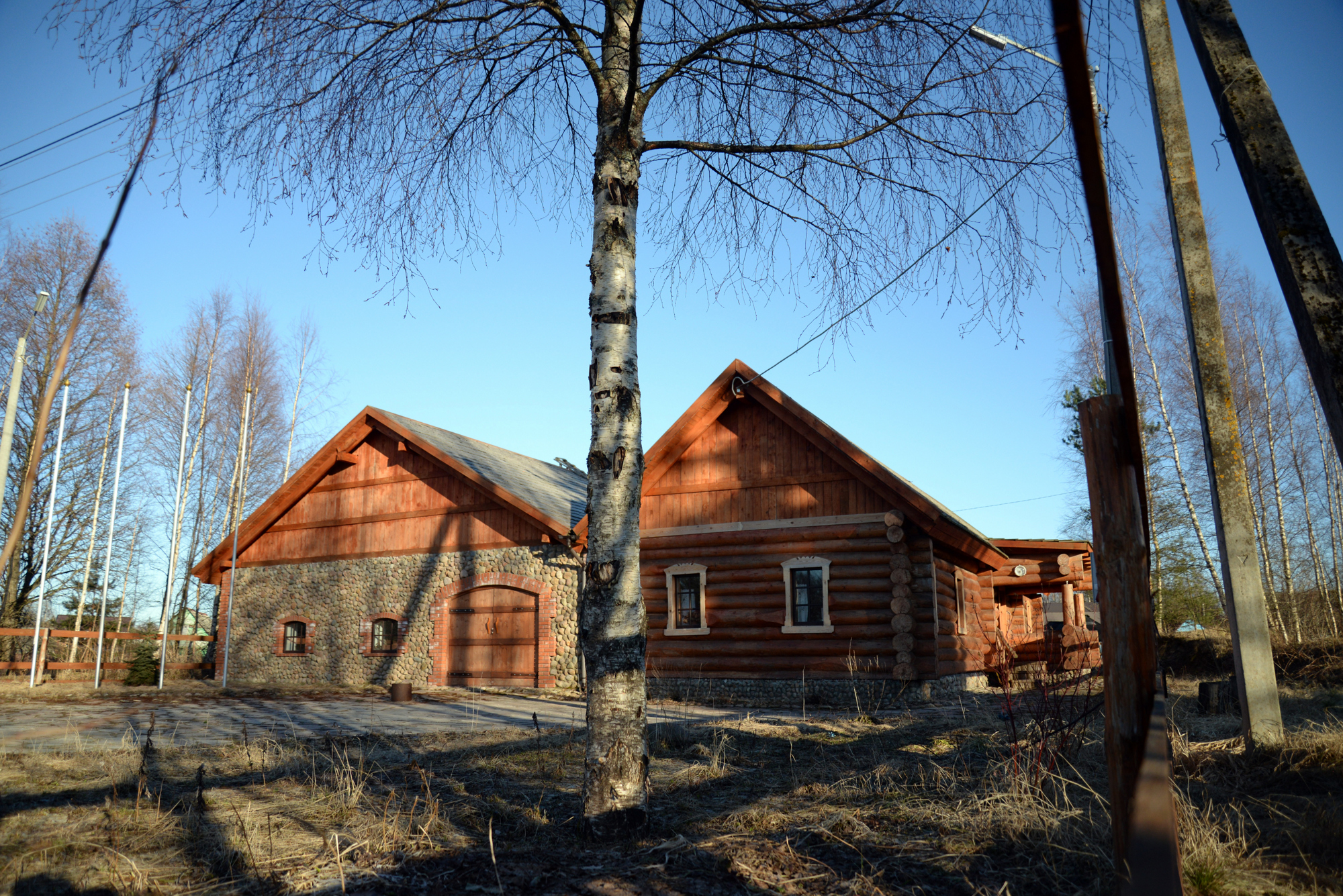
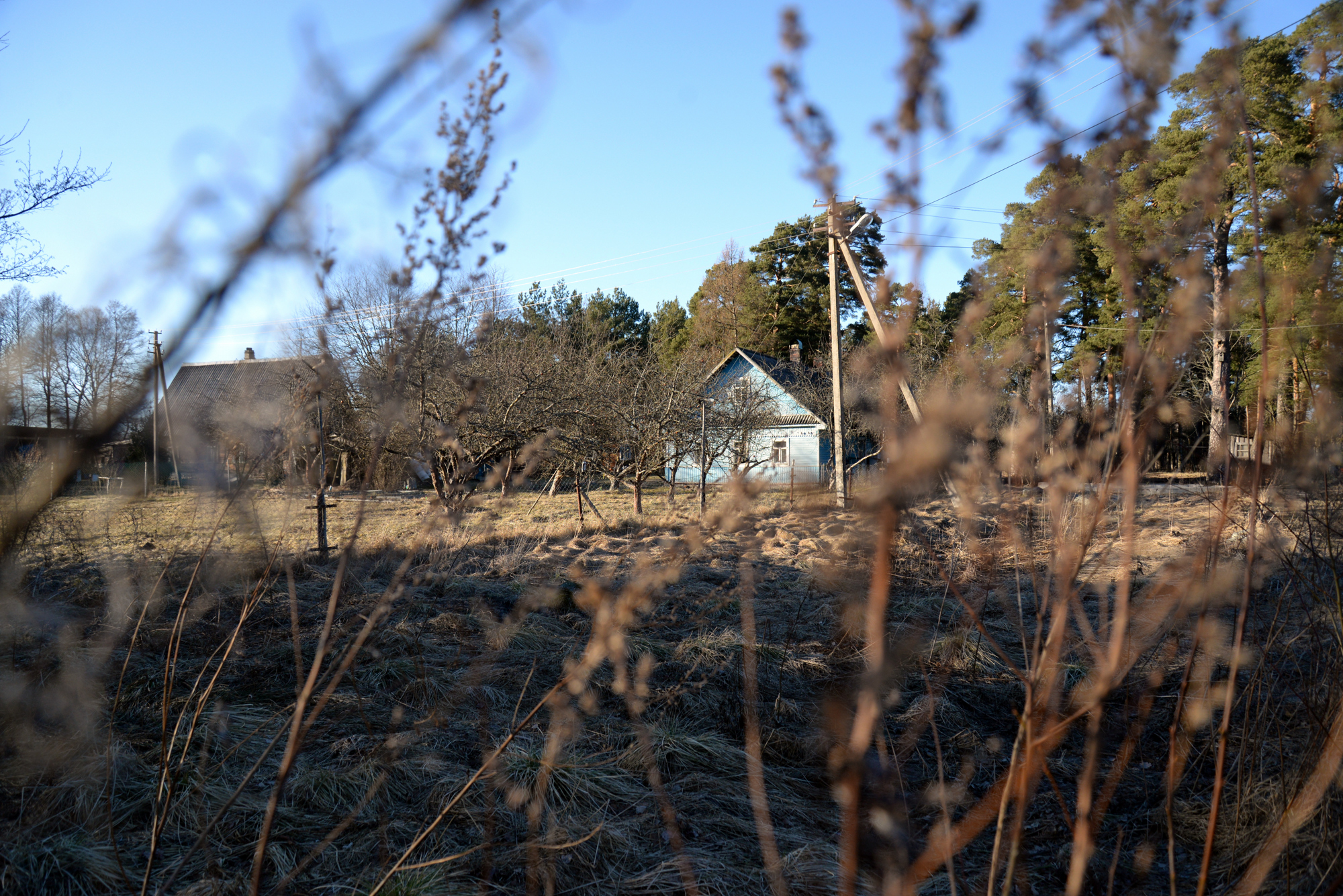
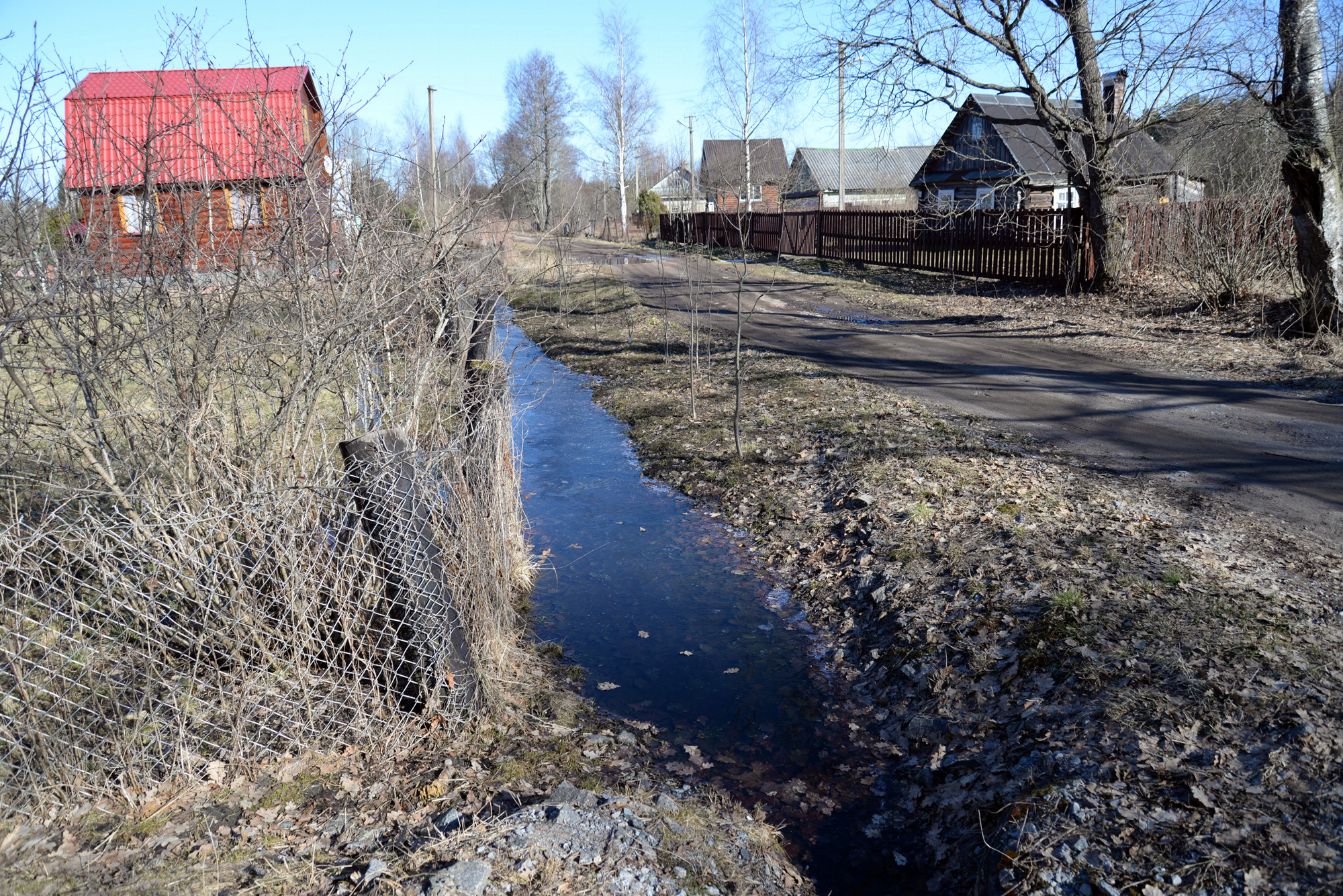
At the main street, a small store building rises at the entrance to the village, next to which several cars are parked. Behind it is a couple of dozens of small wooden houses, among which a large one -story building with log walls, a wide terrace and masonry on one of the walls stands out.
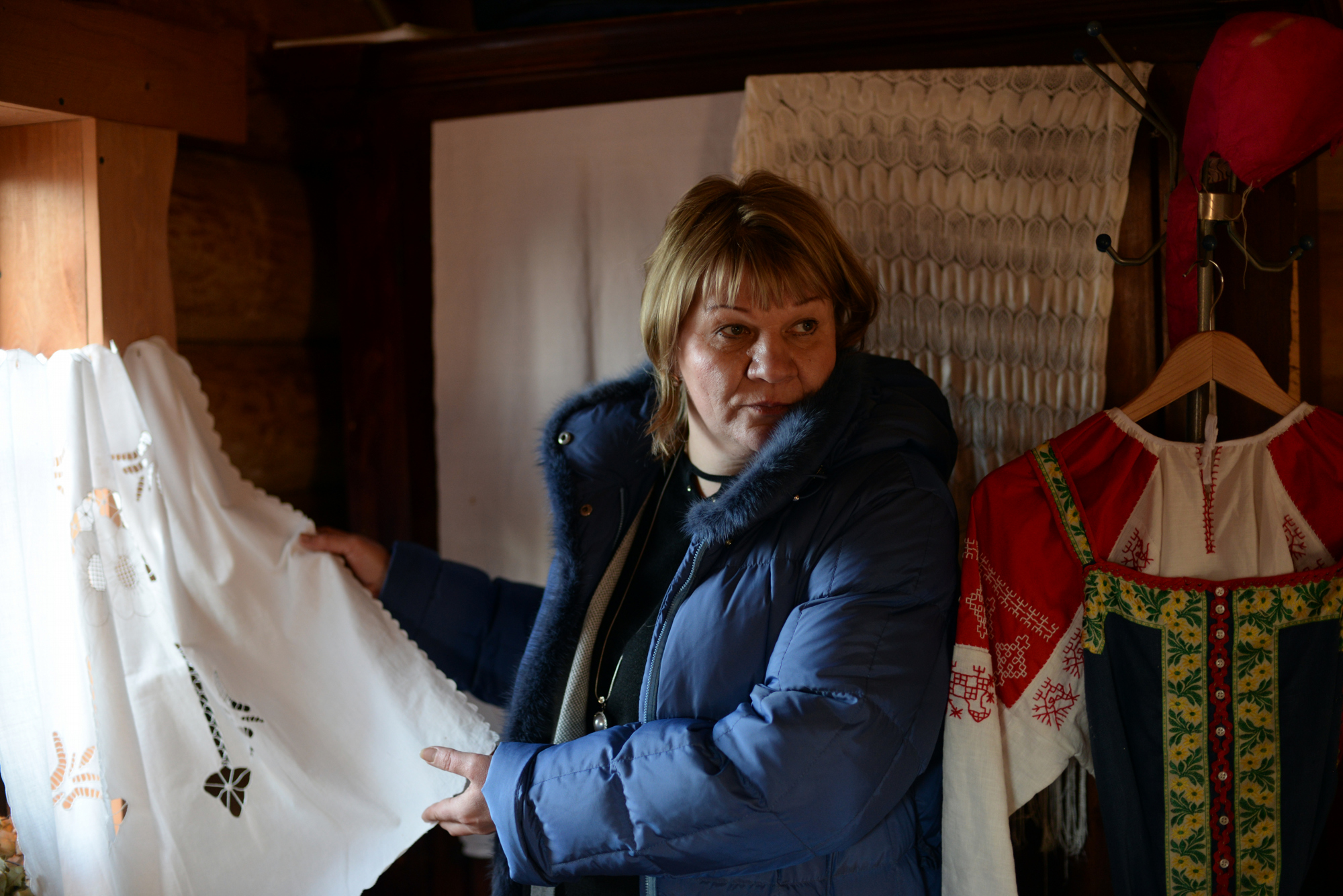
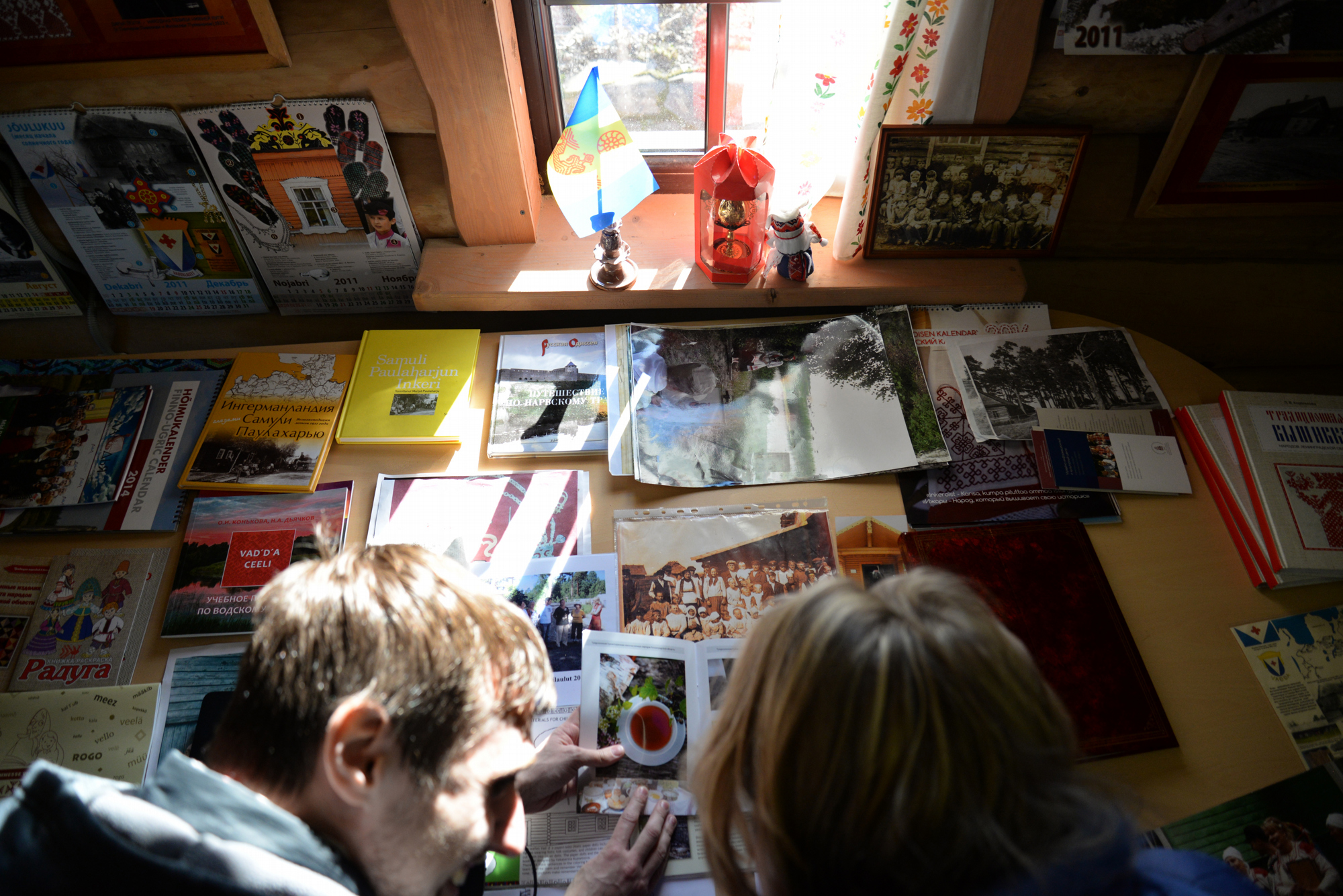
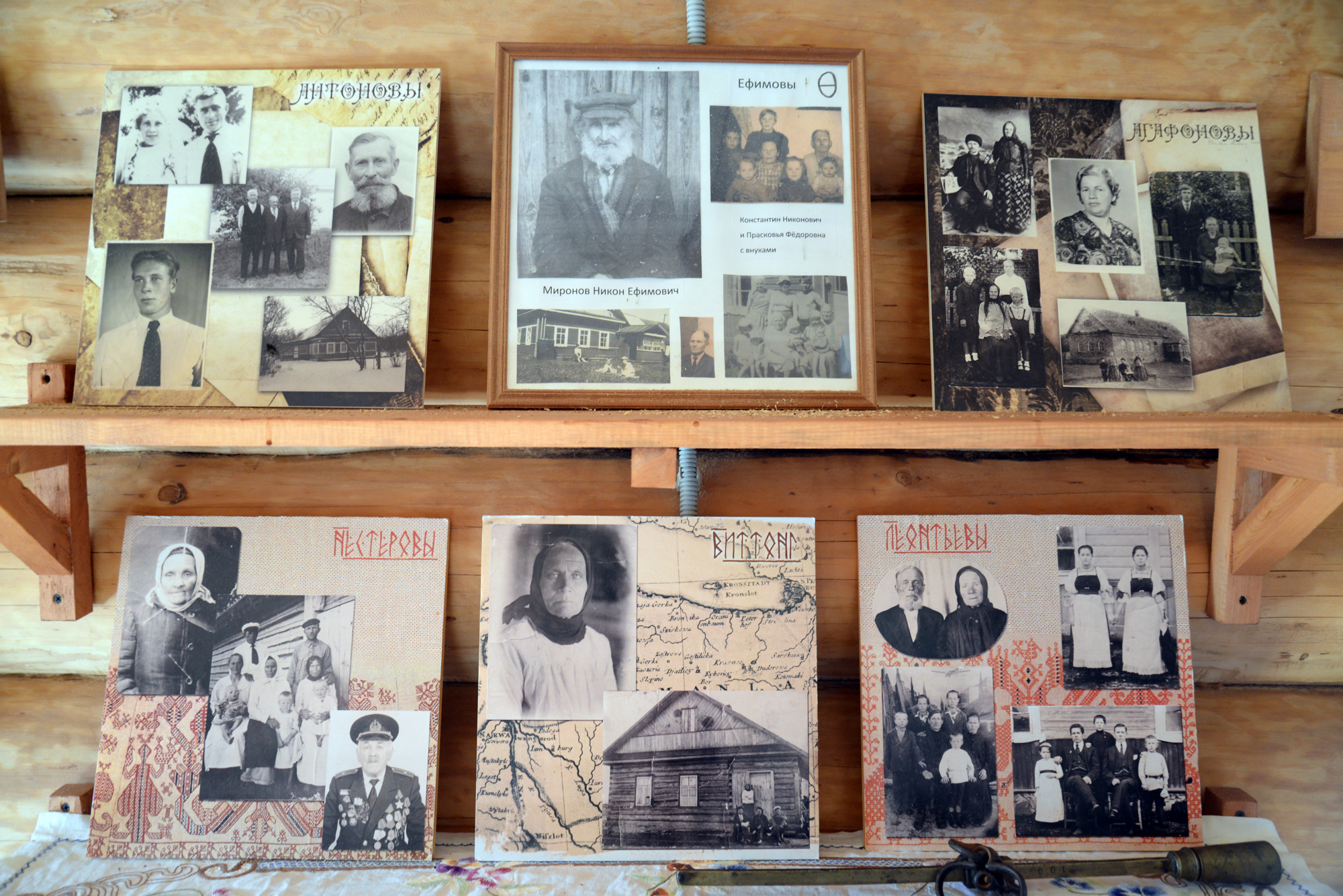
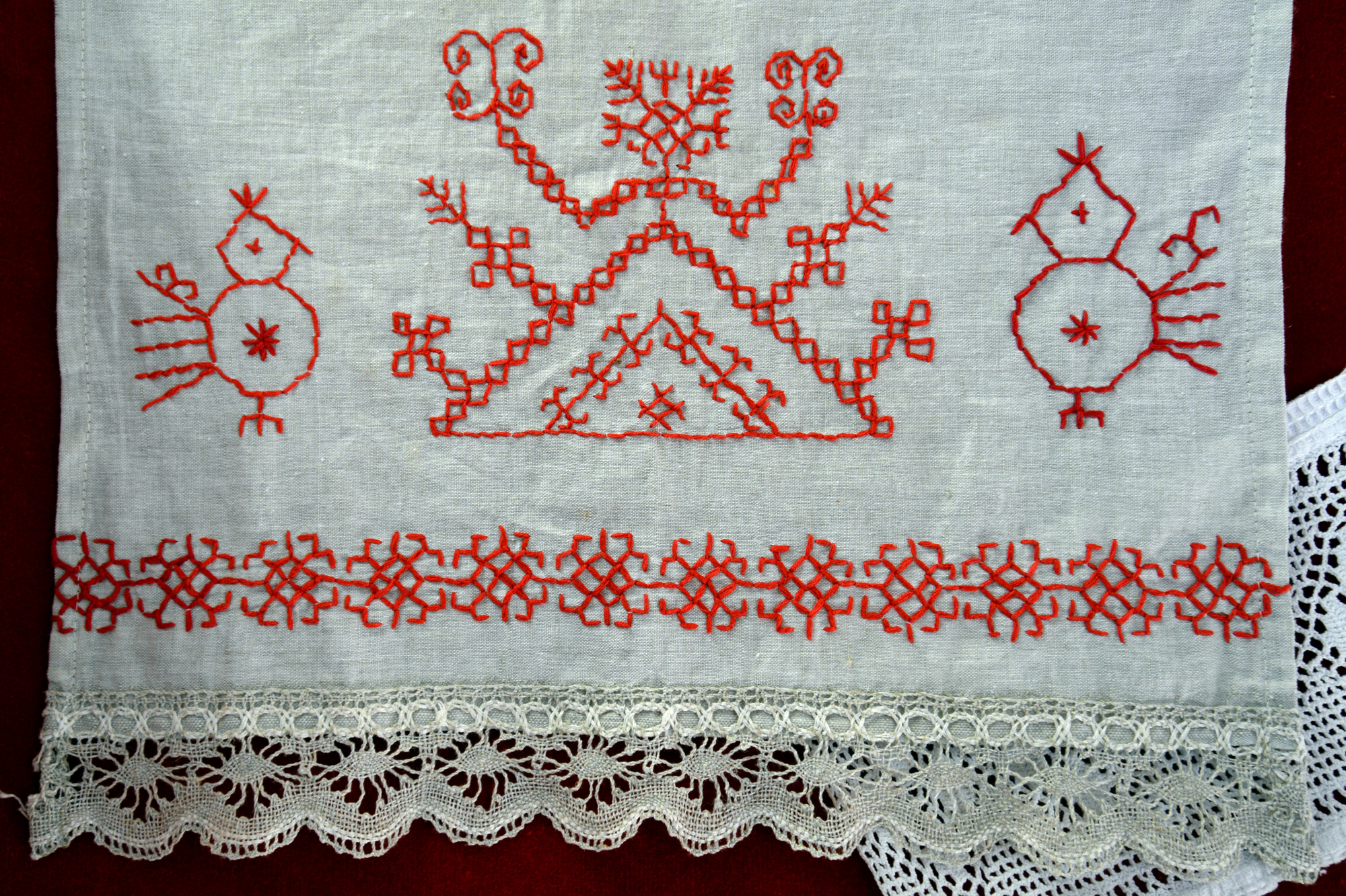
The fair -haired woman gets out of the car, hastily unlocks the door of this house and, without removing the down jacket, goes inside. Embroidery is hung everywhere in a spacious estate, and photos are carefully laid out on the table by the window: in old and modern pictures - Luzhitsky houses, families and rustic holidays.
Marina Ilyina is the keeper of the Museum of the Water Culture, which is located in a puddle. Both of her parents are counselors. Marina studied in the livery (Makarovka), and now he lives in a puddle and is engaged in the museum. She says that now her main task is to try to preserve the Vodsk culture from disappearance.
“Eight people own Vodsky as a family,” she throws in passing. - Old counselors are leaving. Everyone who speaks the language and who can tell about the history of the village, worth its weight in gold.
Marina approaches a long wooden table and lays a pot with still warm millet porridge and cheesecakes for the elderly leader from a wicker basket, which should come here to engage in the water language.
- When they say “you are so few,” I answer: there are so many of us. Based on the fact that people around the world were scattered.
Wood is the smallest people of the Leningrad region and is recognized as the disappearing people of Russia. According to the latest census, the couples are 64 people. Most lives in the Leningrad region-the villages of Luzhitsa, boilers and Krakowe in Ust-Luga, pine forest. There are also leaders in St. Petersburg and Estonia.
"Club, dances, cinema twice a week": the village of Luzhitsa earlier and now
In 1500, when the first mention of the village of Luzhitsa appeared, according to records, eight people lived in the village. The population reached its peak to the Great Patriotic War: in 1943, about 550 people lived on the territory of the villages of Luzhitsa and the Sands (later, leaving them, leaving the name of the first).
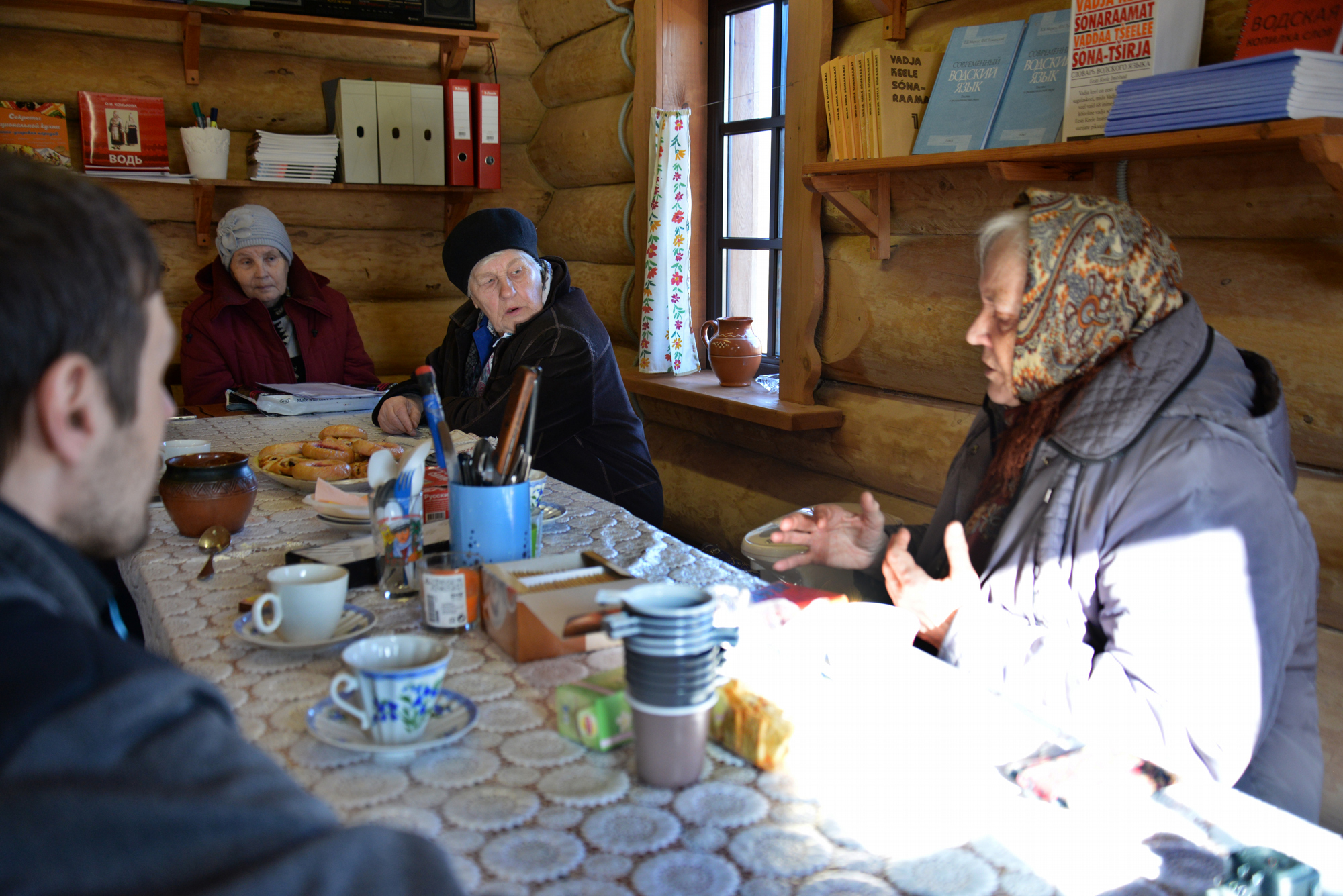
The leader in a warm red jacket and a knitted hat with a flower sits on a bench by the table and lively begins to talk about childhood spent in the village.
- We were born and grew up here. Our parents, grandparents were couples. All of them are in our cemetery - you can go on it and draw up a pedigree.
Nina Konstantinovna Witton was born in a puddle in the post -war period - in 1947. In the Soviet years, there was a collective farm, and many villagers worked at the fish factory.
- We had a big village [after the war]. Everyone had their own economy - both cattle and gardens. There were a lot of young people, a club, a movie two or three times a week, dances. We went to the Gulf of Finland, they caught red fish, salmon-for some reason it was mainly in winter. We always had a barrel of dried fish.
After school, Nina Konstantinovna left to study in St. Petersburg, then worked nearby for many years, in Kingiseppe, and returned to the village with her husband, only retired.
The modern number is driven
64 people
The largest center
Luzhitsa village
The name is in Vodsk
vaďďalaizõ
The first mention
XI century
After the difficult for all Finno-Ugric peoples of the Soviet era, when they were evicted from historical lands, they were forbidden to speak their native language and limited the rights to education, the Vodsk population was greatly reduced and mixed with other peoples. Now 35–40 people constantly live in the village, some still come only for the summer. Purebred leaders of them remained units.
“Ten years could not return to their home”: how they deported the village
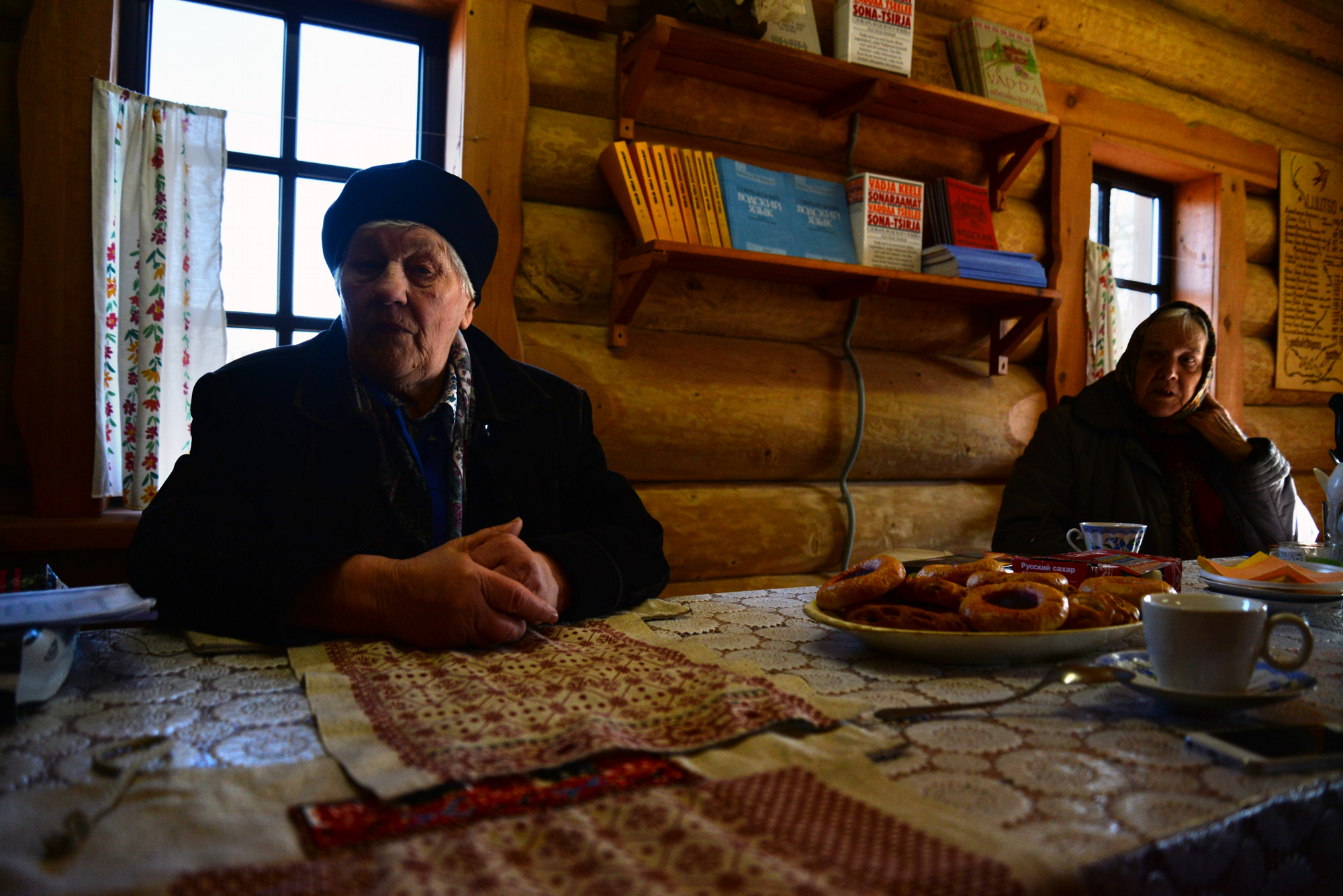
An elderly woman in a patterned scarf enters the room, welcomes other residents of the village on a fugitive Vodsk and takes out packaging of sweets from the bag. Women exchange a few phrases in their native language, sometimes adding Russian words to them.
Zinaida Andreevna lives in a neighboring village of Krakoi and a teacher by profession. “Throughout their lives, the language was forbidden, the youth simply did not want to [learn it]. She said: let the grandmas say. And now we ourselves are grandmothers, ”she says in an even quiet voice, squinting her eyes with a smile.
In 1943, when Zinaida Andreevna was five years old, she was deported from puddles to Finland with his family and with the whole village. Both parents were taken away from Marina Ilyina. “They took everyone into the hold. There was a 9-point storm-so everyone decided that they were taken to drown in the Baltic Sea, ”says Marina.
A year later, the leaders were allowed to return to the Soviet Union, but they did not allow their native villages, but instead sent to different regions.
Zinaida Andreevna was able to return to Luzhitsa in general only in 1954: shortly after her family was in the USSR after the Finnish deportation, they were again sent by the NKVD resolution on eviction from the border territories of the unreliable people. “Unreliable in the sense that they spoke an incomprehensible language,” Marina explains.
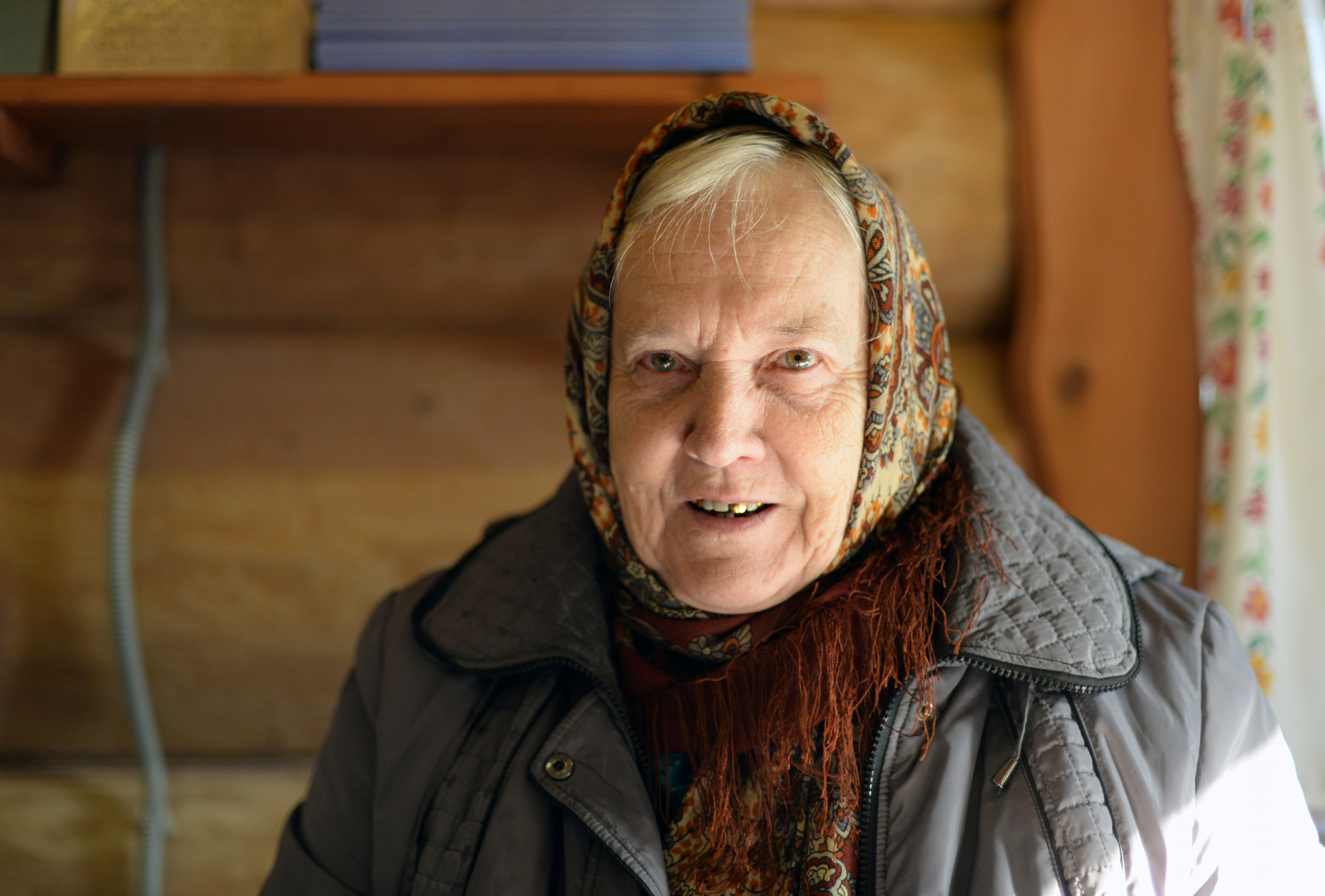
The Savelyeva family managed to move to Estonia, where they lived for several years.
- Ten years we could not return to our home. Through the bay to the Finns, then we came here - we were not taken home from here, but to the Novgorod region, then we returned for six months, but we were again given 24 hours [to leave]. Then we managed to cross the border to Estonia - and there we spent eight years there. There we were accepted well: either a related language, or something else. This is all passed.
Talking about eviction, she seems to try to switch to positive aspects. In Estonia, Savelyeva graduated from eight classes, although due to the fact that she initially did not know the language, she had to go to second grade twice. “I am grateful, but I know Estonian,” she says. “And in Estonia I liked it: they ate well there, while there was hunger.”
After the leaders were expelled from the village, the puddles were empty. But sometimes strangers occupied at home, so it happened that, returning to their homeland, some families were forced to settle in their home.
Neither during the deportation, nor after, the counsers recall, the parents did not discuss what was happening to them. “They forced to be silent. And right: it was necessary to survive, ”adds Zinaida Andreevna and, breaking the topic of deportation, begins to discuss the village news with the leader.
Puddles and port construction
Again, the inhabitants of the Luzhitz faced the threat of eviction in the early 2000s, when they began to build a port in Ust-Luga. Then it was reported that due to the construction of the industrial zone, the village should be demolished.
When conversations about this began, many warned that this would lead to the extinction of the Vodsk people. For example, the director of the Institute of Linguistics of the Russian Academy of Sciences, Viktor Vinogradov, wrote to the Ministry of Economic Development with a request to protect the village - one of the last places of compact residence of the water. “The resettlement of native speakers from traditional places of residence will inevitably entail the death of the language,” Vinogradov said then.
Later they reviewed the southern border of the port - in the end, she did not affect the puddles, although she came close to her. The village remained in its place. Today, residents practically do not talk about this: they have retained the village, and they try not to return to the topic of the port - they are tired.
Although, due to the construction of the port objects, the territory around has changed-for example, there are much smaller forests near the puddles. On the other hand, part of the local population went to the port, and the villages began to be replenished with new residents.
How interest arose in the traditions and language of the couples
Wood for a long time was a closed people, says Marina. Firstly, in this territory there was a border zone, and secondly, its number was always relatively small. As a result, in the villages, a way of life has been preserved for a long time.
- We had our own traditions - it turns out that they were so ancient, but for us it was the norm of life. In childhood, many diseases were treated with conspiracies, there were grandmothers who “read” (Lukkama) - they spoke bruises, skin and eye diseases. It was normal, I thought everyone was doing this, ”Ilyin shrugs.
While women drink tea, sitting in the cool room of the museum, Marina gives them the Sappano hats with manual embroidery - gifts from Ekaterina Kuznetsova, which heads the St. Petersburg Society of Vodsk Culture.
The Vodan language and culture are close to Izhora, so the peoples understood each other well, although individual things could be called absolutely differently. Many local residents could speak both in a water and izhly, depending on the situation. “In my life, they spoke in different languages: in the Vodsk, and in Izhora, and in Russian. We did not share them then, ”recalls Nina Konstantinovna.
How modern Izhora live. Reporting from the village of streams in the Leningrad regionPaperpaper.ru
Who retains the almost lost language and culture of the indigenous people
There were many mixed families in the area of Ust-Luga. In the Russian language, the leaders were often called izhors, although different words were used in their languages for two peoples.
In the puddle, the leaders of the counses began to actively study the local resident Tatyana Efimova. She, having Vepsky roots, married a leader - brother Nina Witton - and moved to the village. At first, Efimova was engaged in her pedigree, but then became interested in the history of the whole people, opened the first museum in Luzhitsa and began to spend the holidays of the Vodsk culture.
- She was wondering what kind of people were. She traveled to museums, archives - then we were already pulling us, ”recalls Nina Konstantinovna.
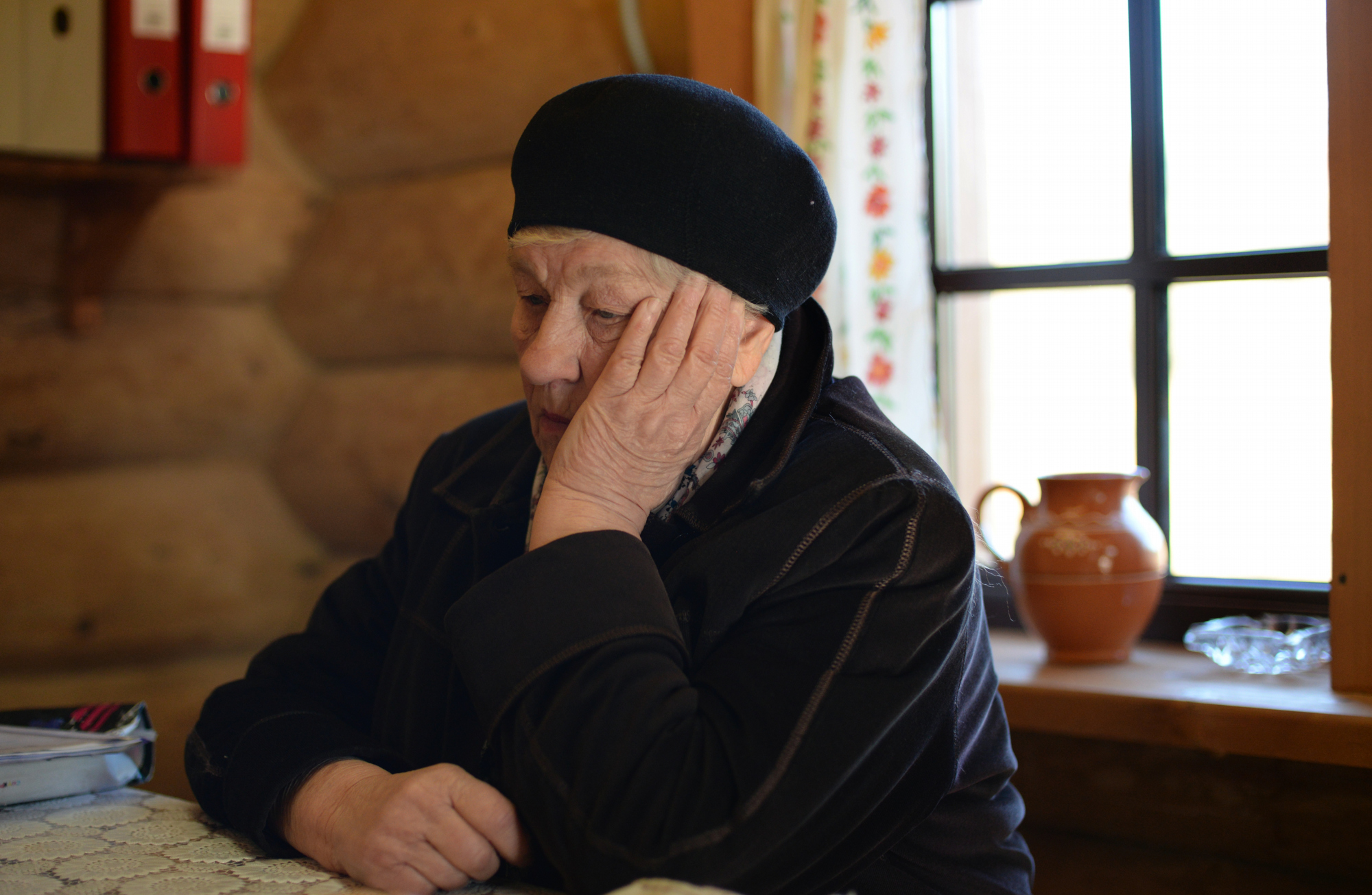
- Now you begin to forget the words - and not even someone to ask. Sometimes I don’t sleep at night and I think, as it is called, ”another leader picks up, Taisiya Alexandrovna Mikhailova. Like other women, she comes to classes in the Vodsk language, which is conducted in the museum by a young specialist Nikita Dyachkov, who also teaches Izhora.
Often, specialists from Estonia came to study. In the twentieth century, Vodsk villages regularly visited the university of Tartu University Paul Ariste-a linguist and ethnographer, who was engaged in Finno-Ugric languages. Then he was replaced by a student Heinsoo; She still comes to the puddles every year for 40 years and also conducts classes in language.
Since the Vodsky was always primarily spoken by the conversational language, the writing as such did not exist-it was created on the basis of the Latin alphabet only in the 2000s. Therefore, all the books written in Vodsk, modern ones are mainly translations.
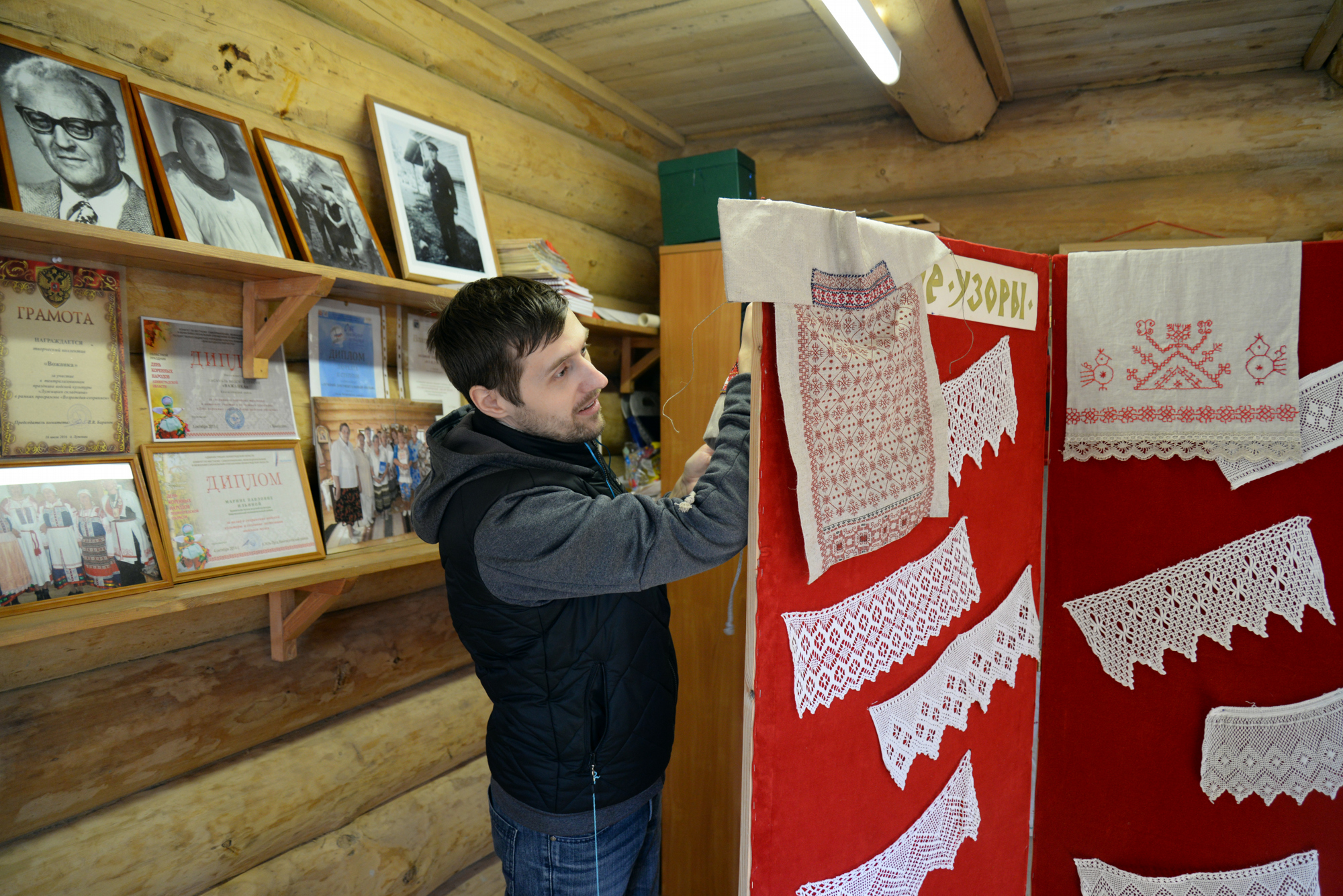
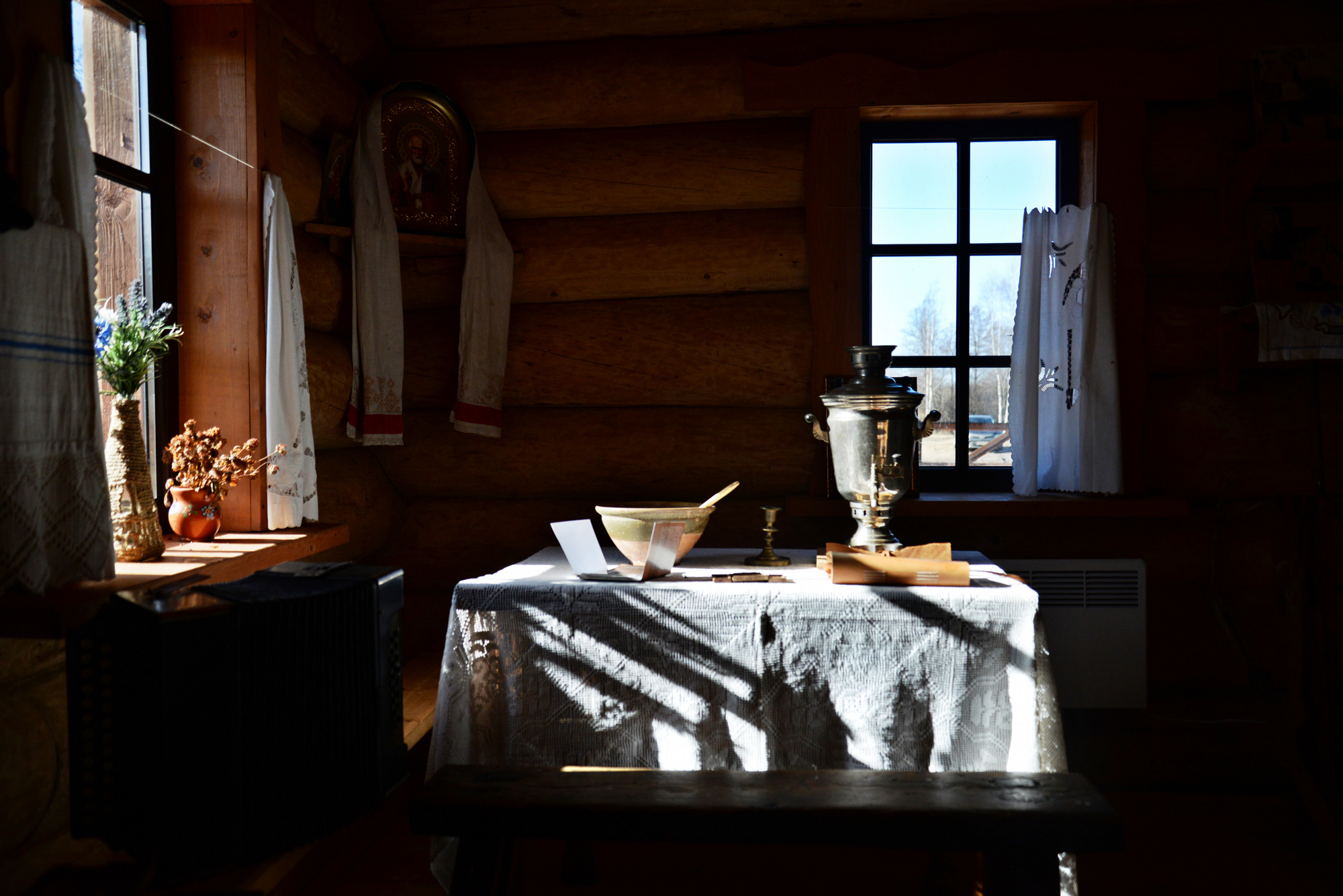
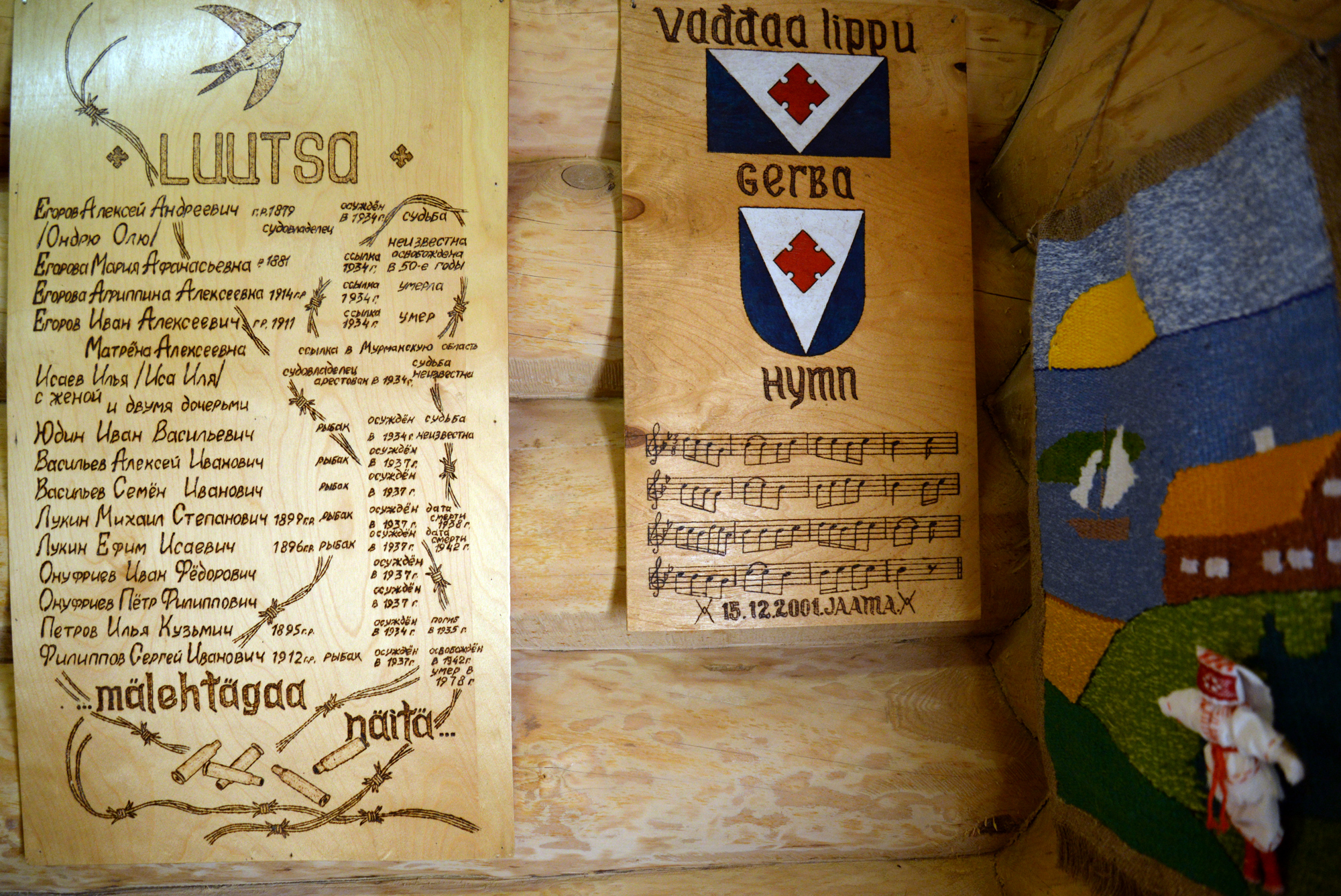
Three museums and two fires
A typical water house is divided into two halves: winter and summer. According to the traditions of the people, the summer half could be given to his son if he married. The museum building - with two rooms, a dressing room and a huge indoor yard - built a leader of Krakoli in size and layout of a really existing estate.
“This is a remake,” says Marina and shows a large white stove in the center of the winter half. The furnace is only a dummy, since the present after the construction of the building was no longer enough funds.
This museum of the Vodsk culture is already the third in puddles. The two previous museums that were opened by Tatyana Efimova burned in 2001 and 2006. One of them was in her house. In the village they say that in the first case it was arson, but its perpetrators were not installed. The fire destroyed many valuable exhibits and originals of old photographs.
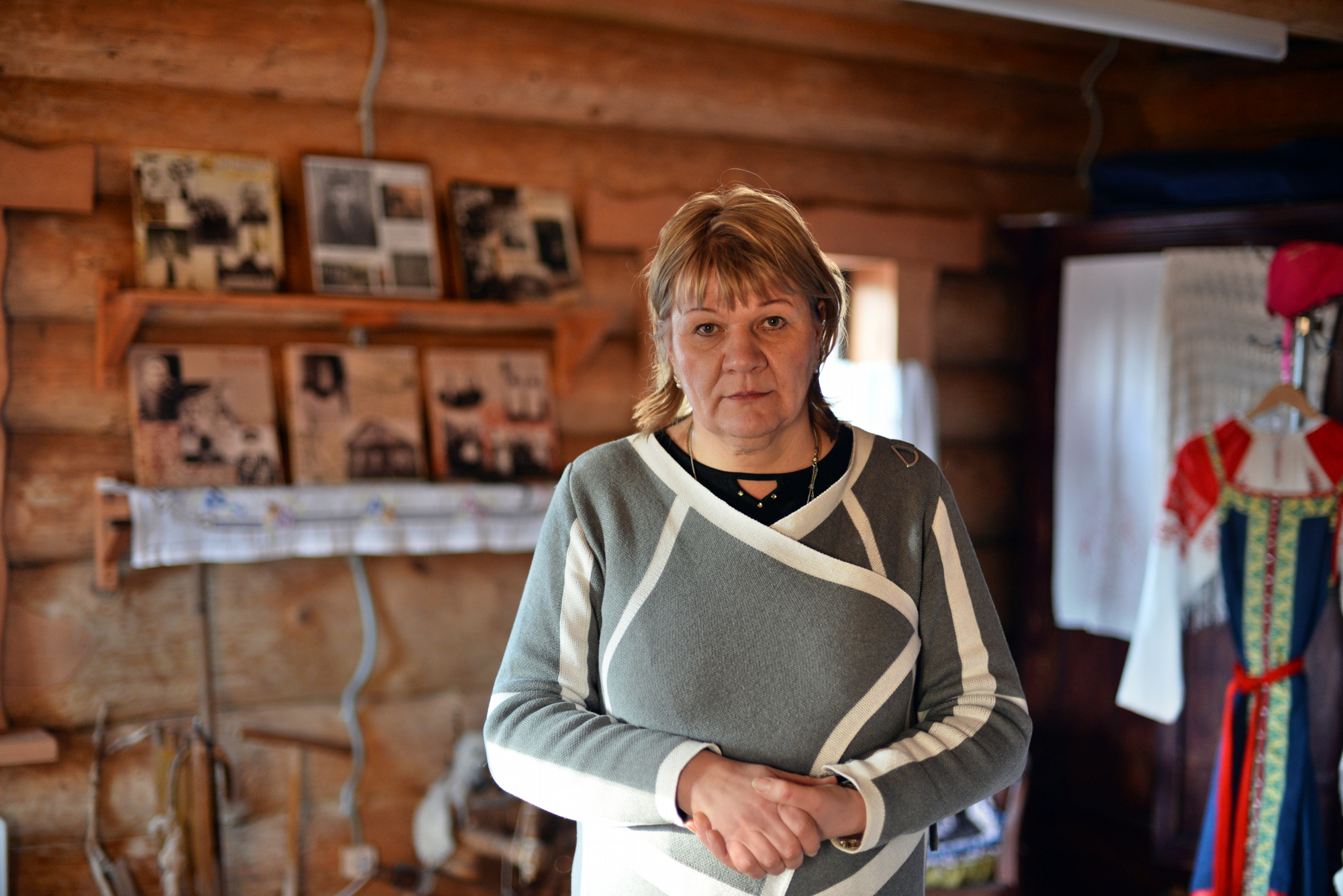
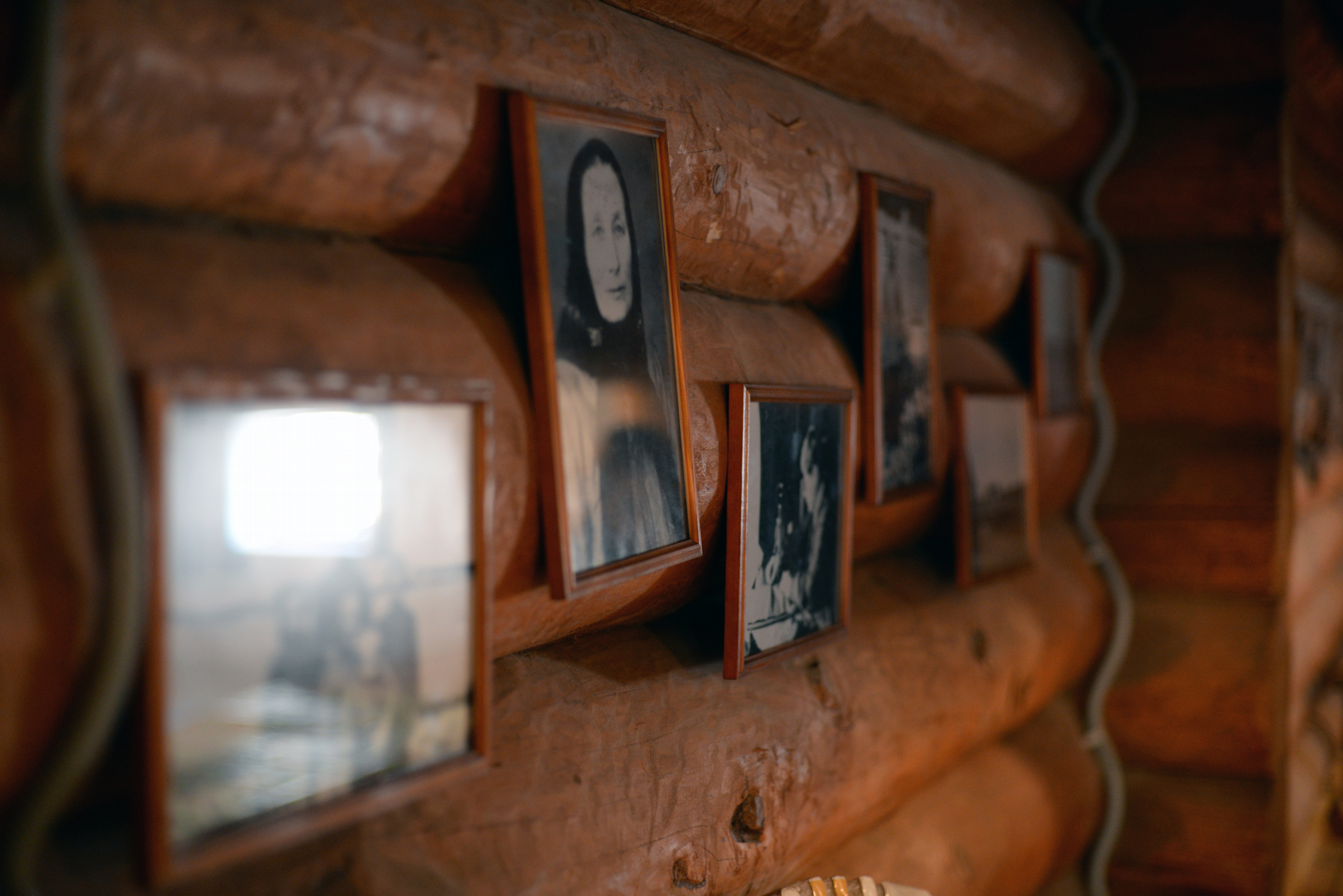
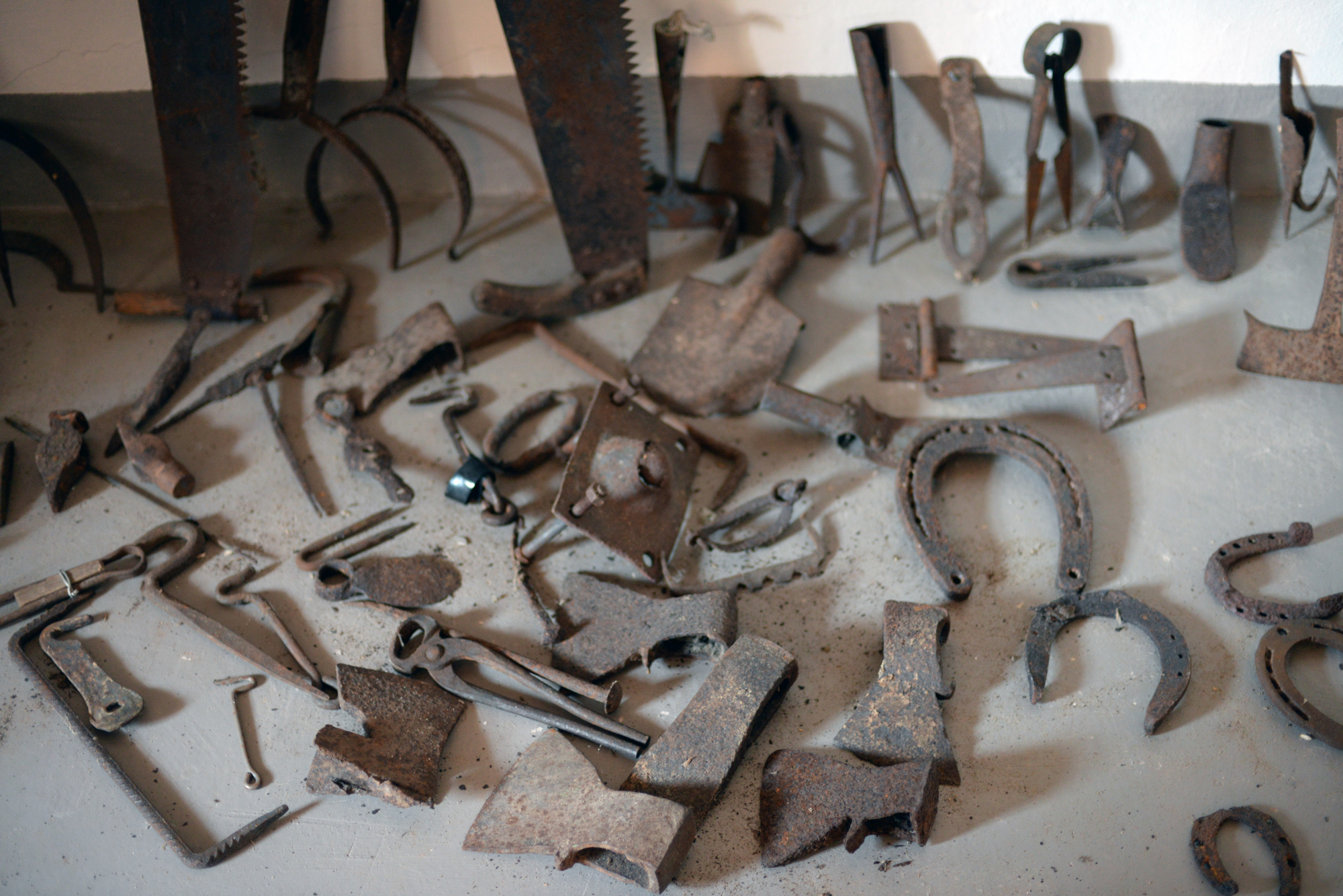
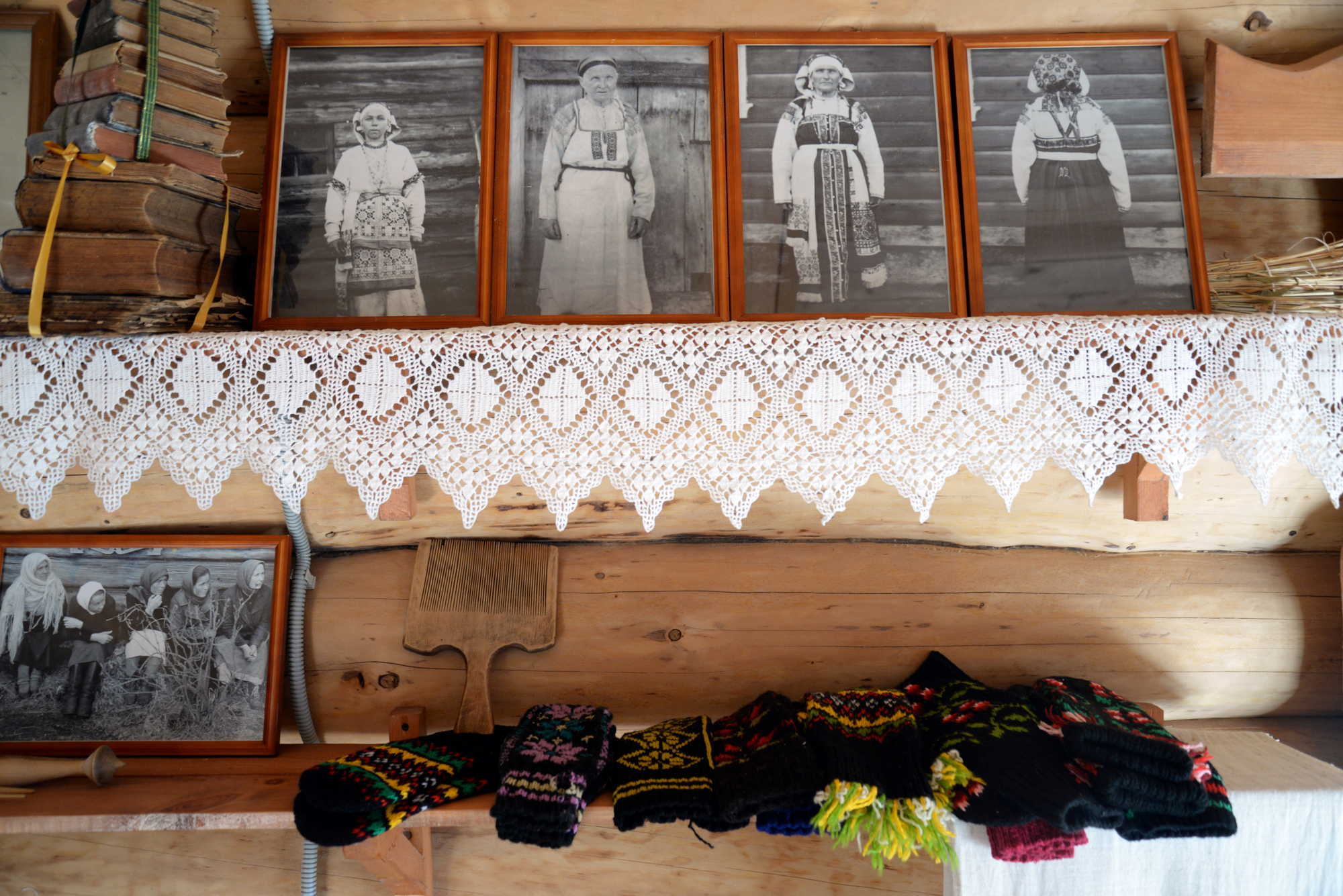
“My mother’s veil burned down in the first museum,” Marina passes past the old photographs hung on the wall. Now the museum is hanging mainly copies of the pictures. In the corner of the courtyard is a heavy stone coil for threshing - one of the few exhibits that managed to save from the fire.
The money for the construction of the new museum was allocated by Siber Portenergo, which runs the terminal in the Ust-Luga port.
- In 2007, at public hearings, they asked what was needed for the village. People said: nothing is needed, please build a museum, ”says Ilyina. This year the museum was transferred to the administration of the Kingisepp district.
Marina returns to the room to discuss with the leader the program with which they will perform this summer at the nearest holiday of the village of Luzhitskaya Plant. Traditionally, the participants of the leader of the “leader”-women of 70–80 years of age-sing songs in the Vodsk language, which were collected at different times by ethnographers who studied Wood.