
Translated material
Karelian Hyperborea

Just as Solovki in the mass consciousness is no longer the Arkhangelsk region, so many people do not associate the Kuzov archipelago with Karelia. It’s easier to get to them through Solovki, although it’s just a stone’s throw from Kem. I used to visit Kuzova often in the summer, sometimes three times a week, but for 3-4 hours at a time. Now I go less and less often, although I try to go there at the first opportunity twice a season. Below is a selection of photographs from different times and some useful information...
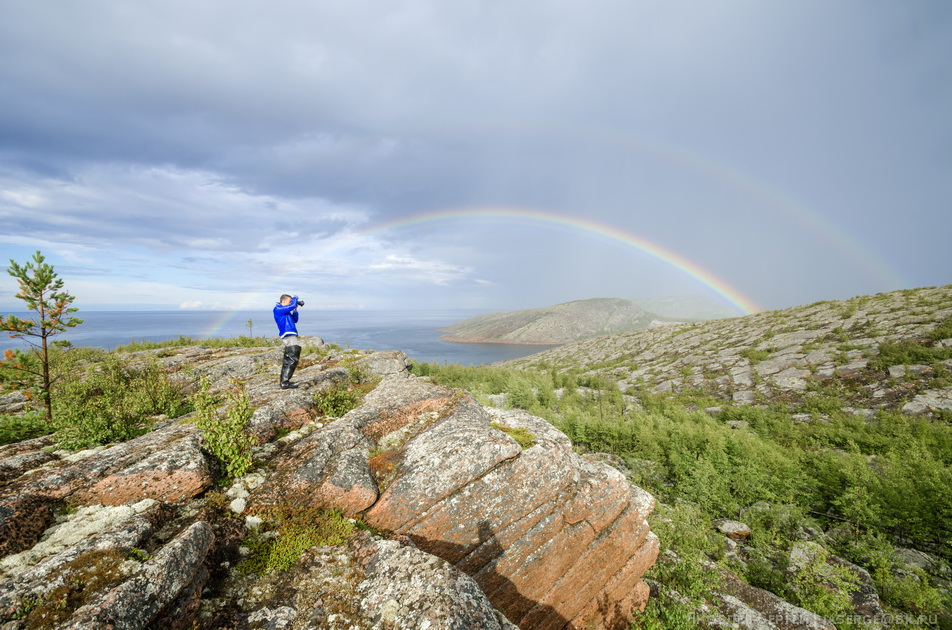
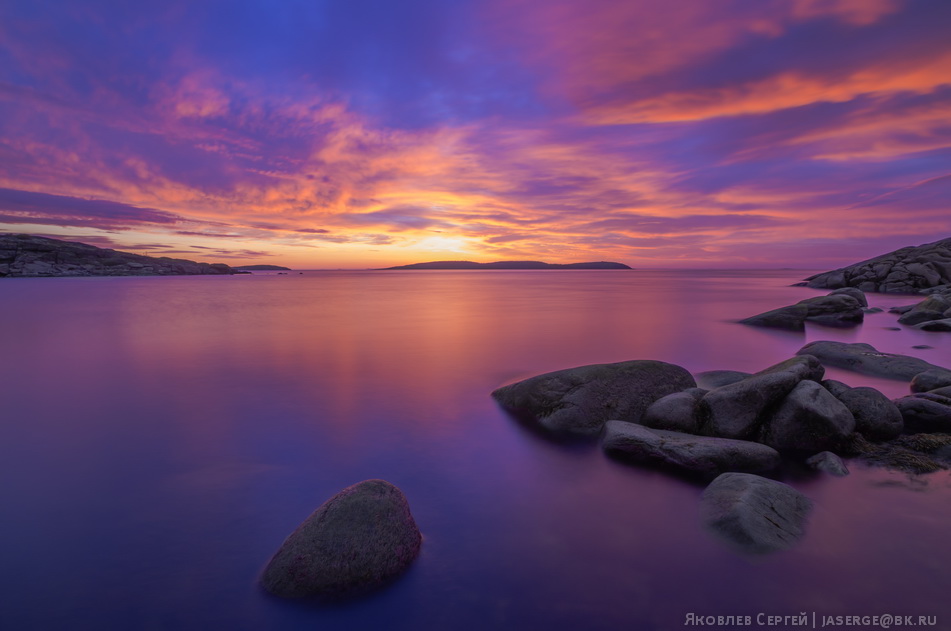
The Kuzova Islands are located in Karelia, or rather 14 km from the city of Kem. These islands are a unique landscape monument with an area of about 5000 hectares (890 hectares are the islands themselves and 3600 hectares are the water area). They were formed back in the Archean era, billions of years ago. Here you can see glacial boulders and polished glacial rocks, stairs of sandy sea terraces and ancient coastal ramparts composed of pebbles.
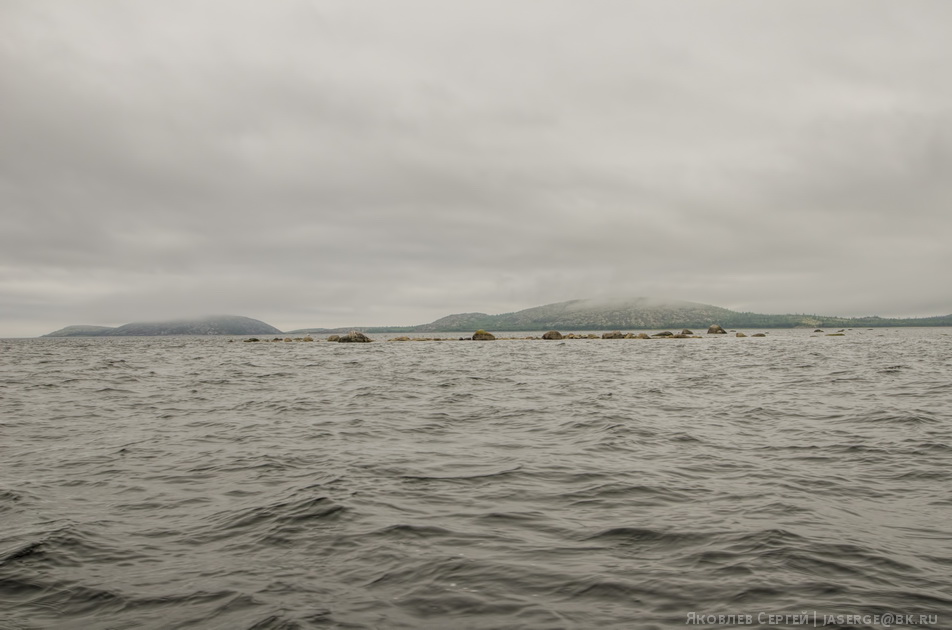
The body is also a nesting place for seabirds, a place where rare and unusual species of plants, mosses and lichens grow. The islands contain monuments of primitive and medieval history. 8 ancient settlements, 2 labyrinths, 2 large and 2 small cult complexes, small groups of individual stone structures were discovered here.
In the photo: a carbass broken up in the strait between Nemetskiy Kuzov and Voronii Island.
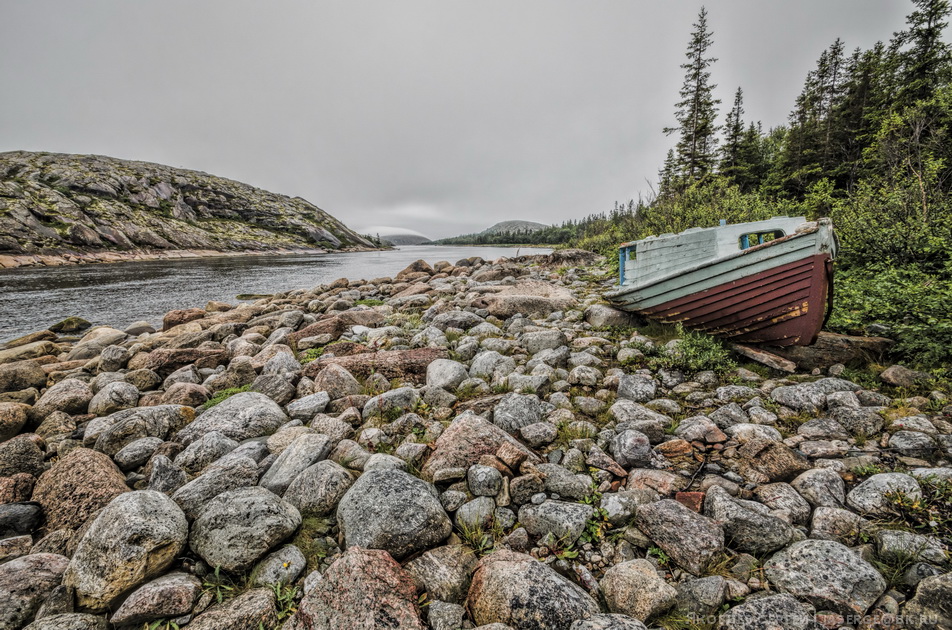
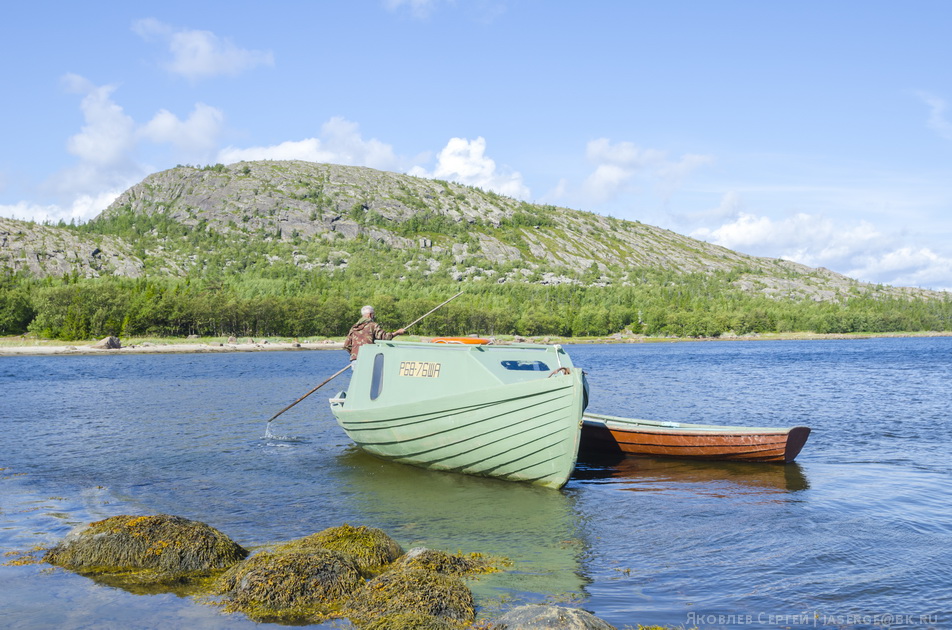
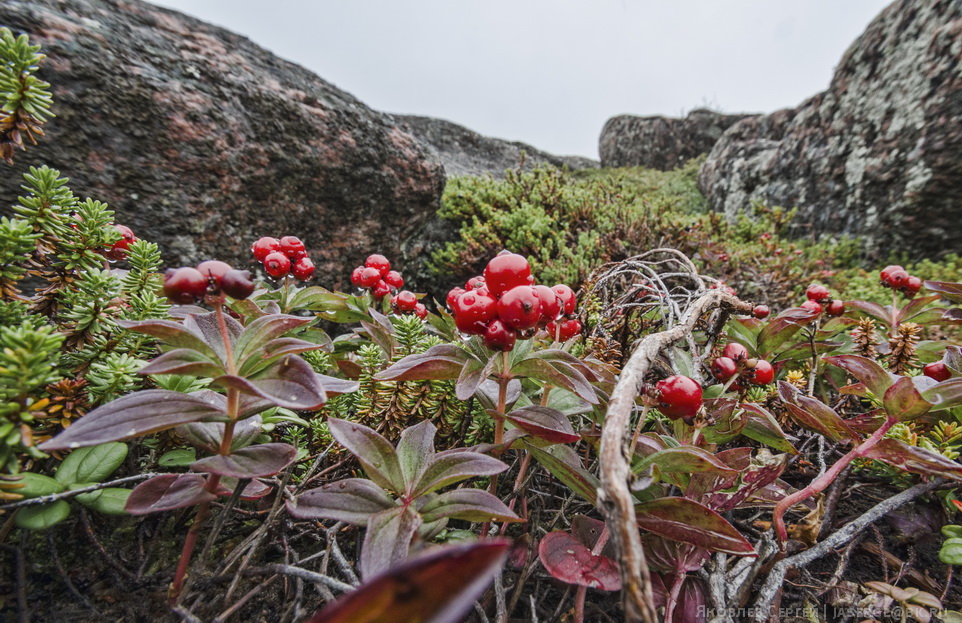
One of the "caves". There are a huge number of such shelters here.
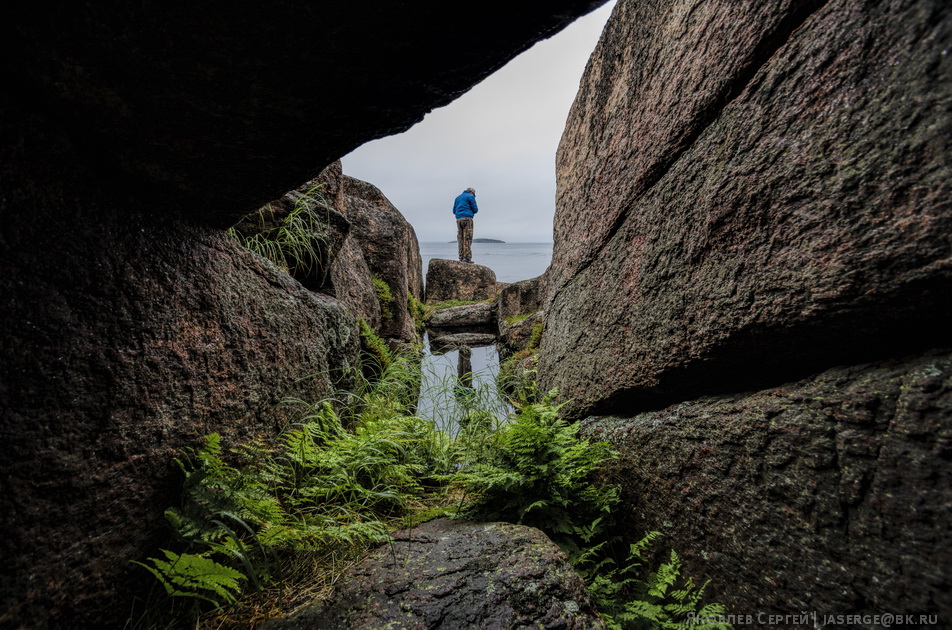
The Kuzova Archipelago is a group of 16 islands in the Onega Bay of the White Sea. The archipelago is part of the Kem skerries, which administratively belong to the Kem and Belomorsky regions of Karelia. In total, the Kem Skerries consists of about 200 islands.
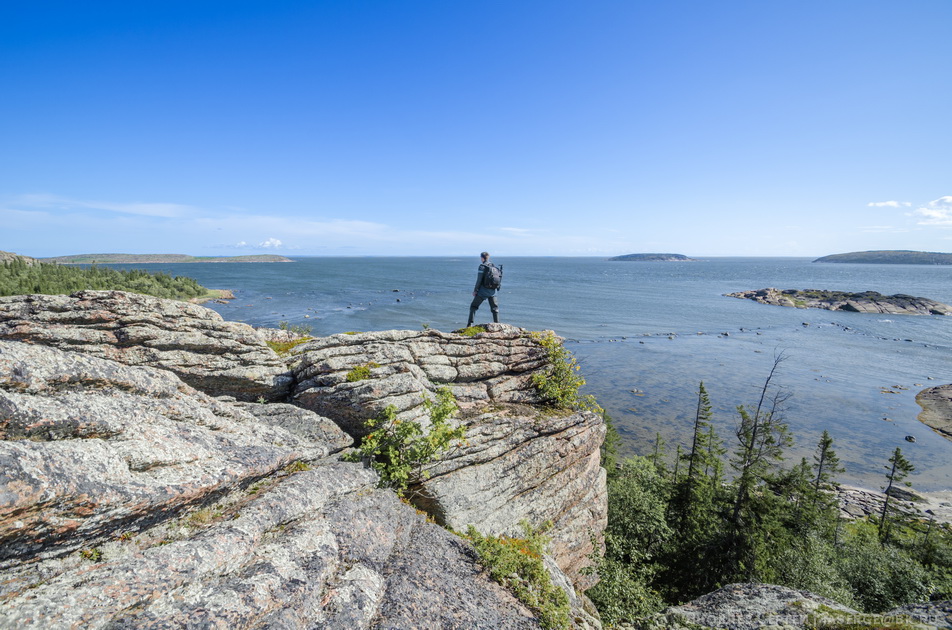
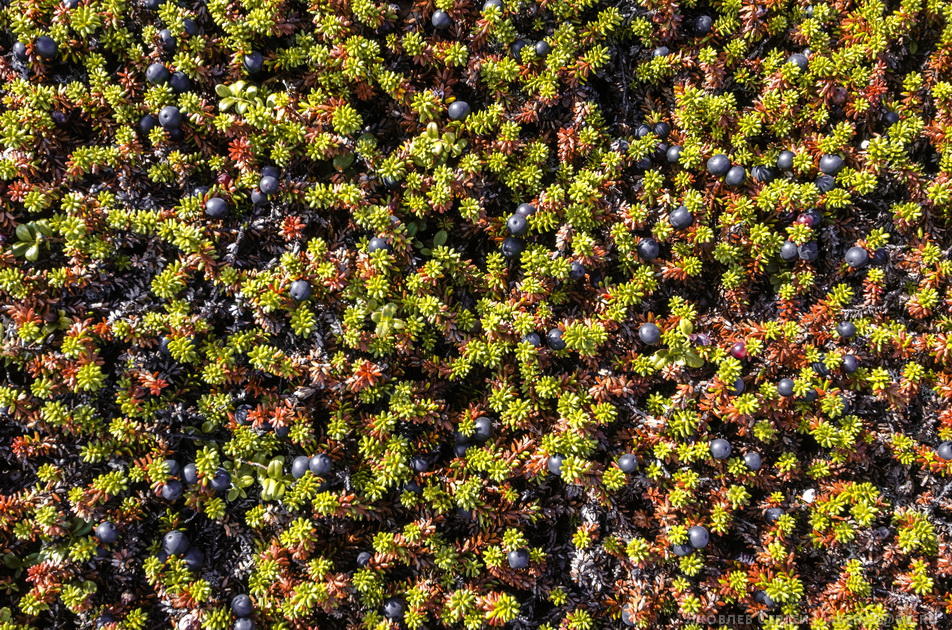
Ledum thickets on the top of the islands.
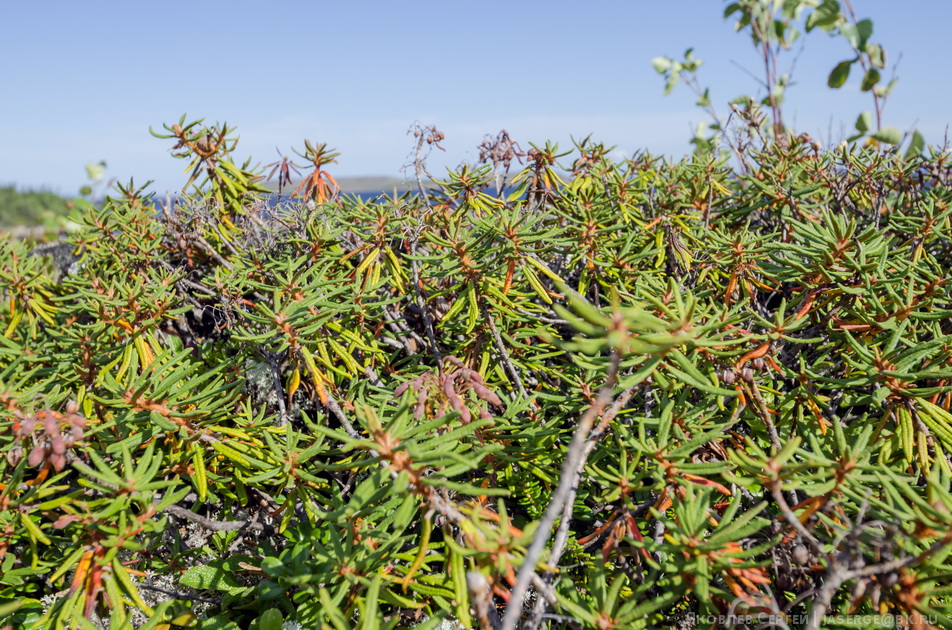
There is also a shiksha carpet
The name of the islands comes from the Finnish word “kuusi” - spruce, spruce islands. This name is a typical abbreviation in Russian transcription of long vowels. Such vowel reductions are quite common in local place names, for example, vara (Finnish - vaara) mountain), sari (Finnish - saari) island.
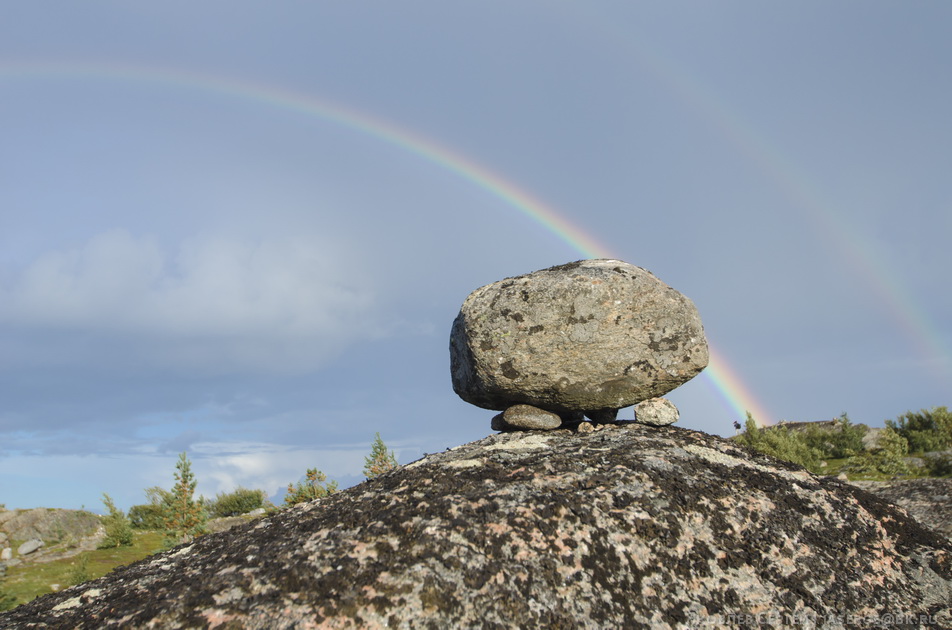
There are also folklore versions of the origin of the name, where the words “Russian” and “German” are contrasted. In the XVIII – XIX centuries. similar legends were widespread in the Arkhangelsk and Olonets provinces. According to popular legend, in 1611 the Swedish military detachment of Andreas Stuart intended to capture the Solovetsky Monastery (It should be noted that in earlier times many foreigners were called “Germans”).
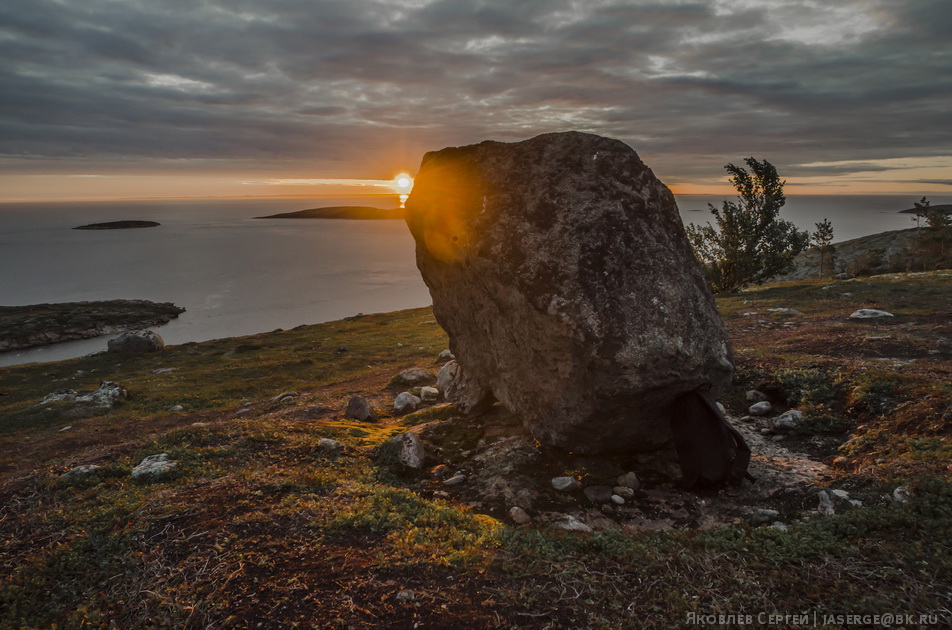
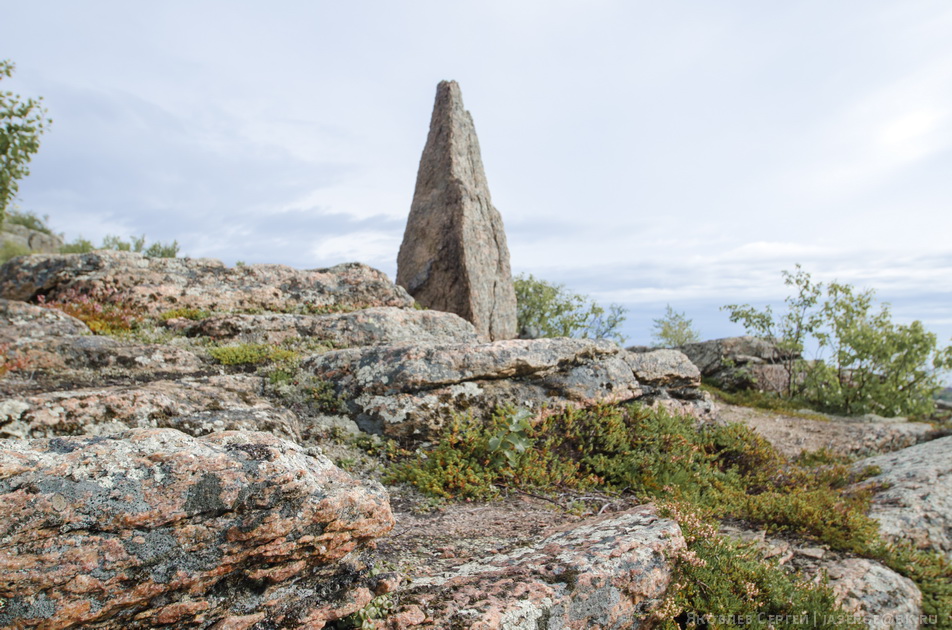
But having climbed to the top of one of the islands and seeing the Solovetsky Monastery on the horizon, the Swedes turned to stone. So one of the islands received the name “German Body”. Another large island was named “Russian Body”. In the photo, the menhir is the “petrified Swede.”
The Kuzova archipelago represents fragments of a Late Archean intrusion of granites, which broke through the folded White Sea gneisses and was transformed by weathering and leveling processes over many hundreds of millions of years. The last ice sheet, which significantly transformed the relief of the intrusion, retreated from the territory of Kuzov about 11,600 years ago. Since that time, the Kuzova archipelago was formed, surrounded by the waters of a freshwater periglacial basin.
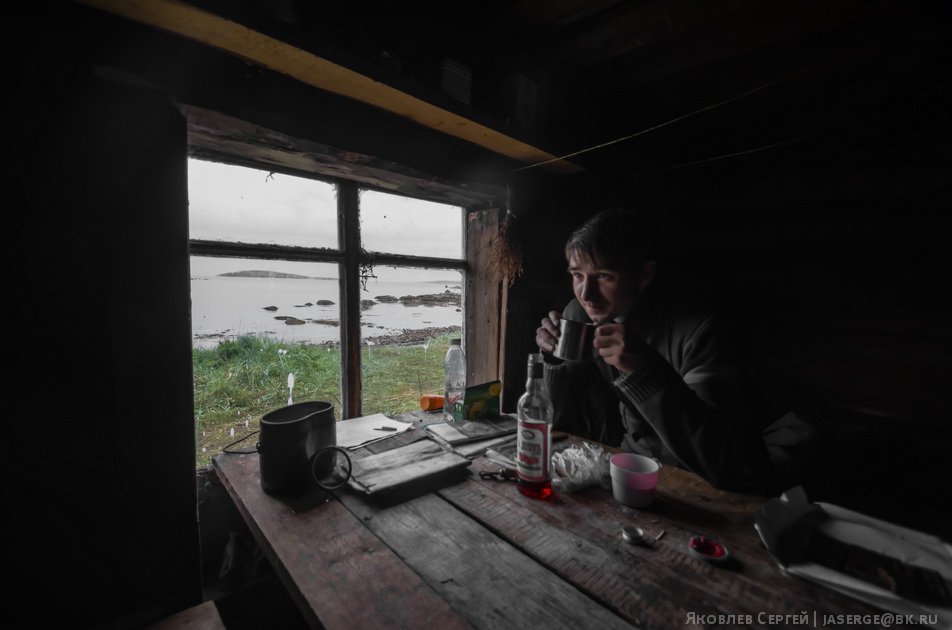
There is a hut on the island where the island's caretakers live in the summer. By the way, a day stay here will cost 300 re.
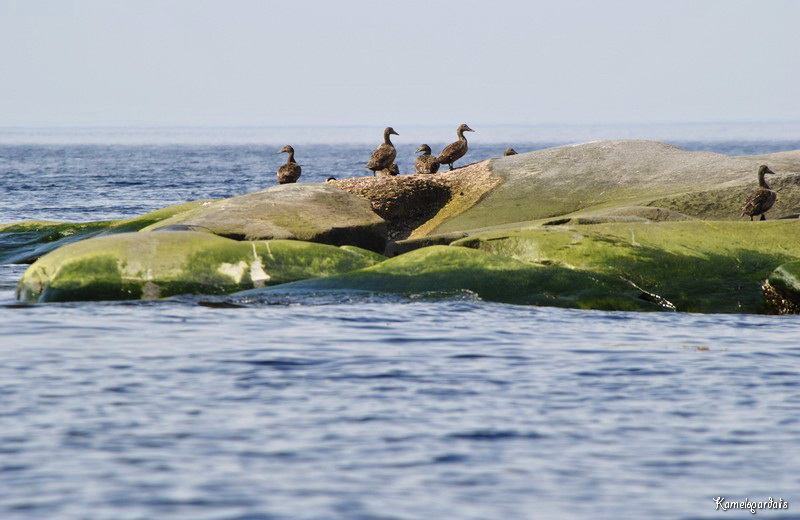
117 species of birds have been recorded on Kuzov. There are 61 species nesting within the archipelago. On Kuzovy, the highest participation in the avifauna of northern (52% of the total species diversity) and arctic bird species (33%) for the territory of Karelia is found.
View of the German Body from the Russian Body. By the way, bears live here.
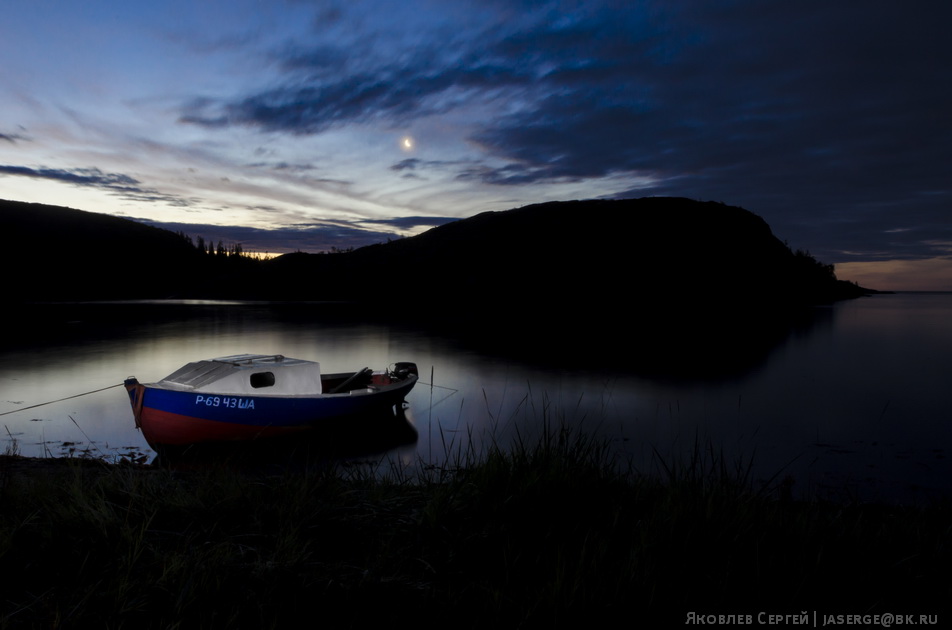
A quiet good night on the archipelago. Day tourists leave and the islands are completely relaxing.
And a short video about our kayak trip near Kuzov in 2014.