Date
Author
Кирилл Успенский

Preserved copy
Translated material
Flexive mercy

On that rainy April morning, at the end of the first pair, at which half -worn environmental students wrote a lecture on biotechnical methods for monitoring natural processes with the framework of the “Nature Protection” course, a mobile phone rang. A pleasant young female voice busily said: - Kirill Viktorovich, we came. I quickly interrupt the lecture, tell students to go to the library reading room, and I go down to the main entrance, where I find a curious sight.
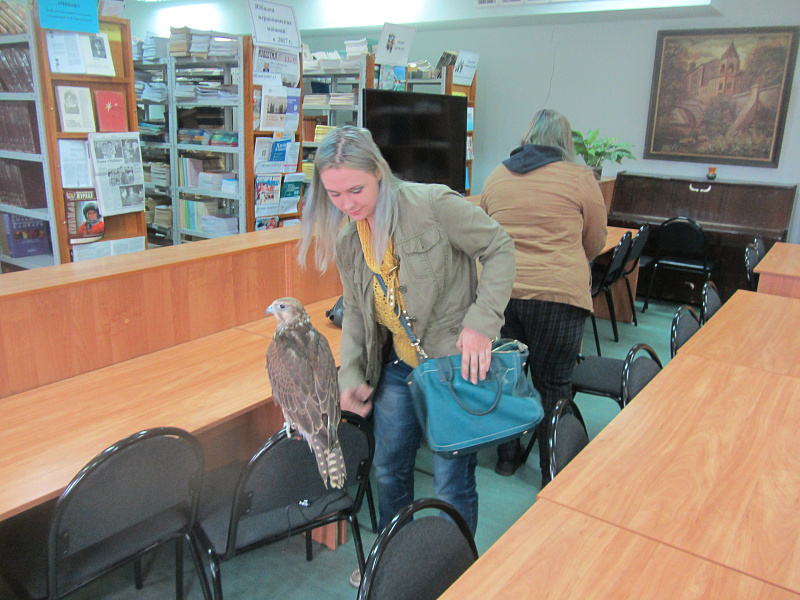
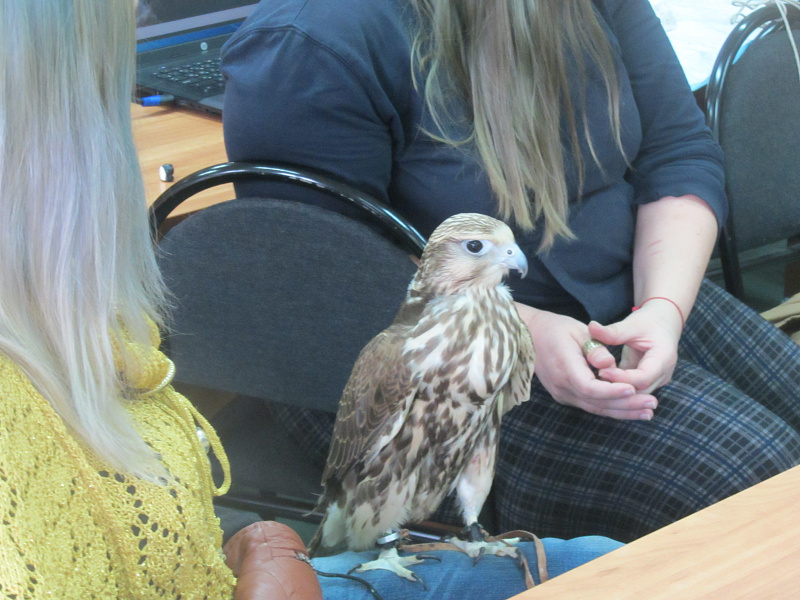
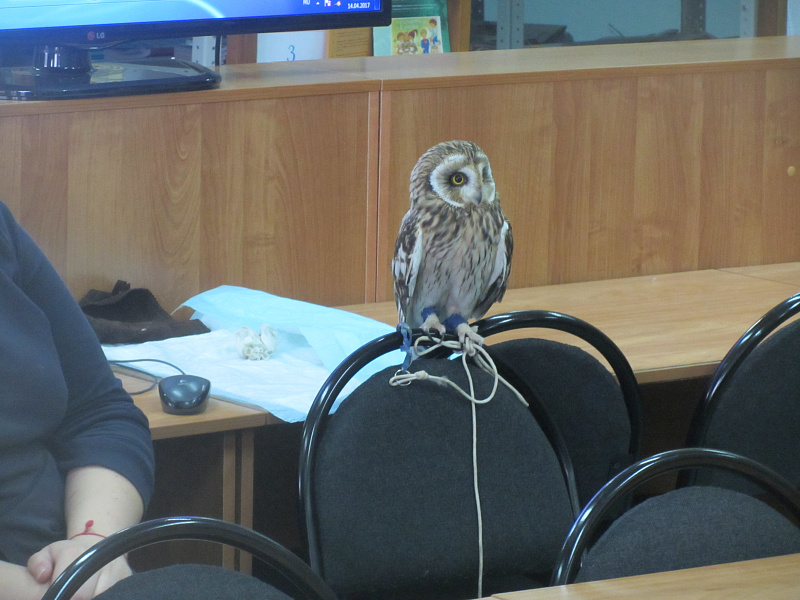
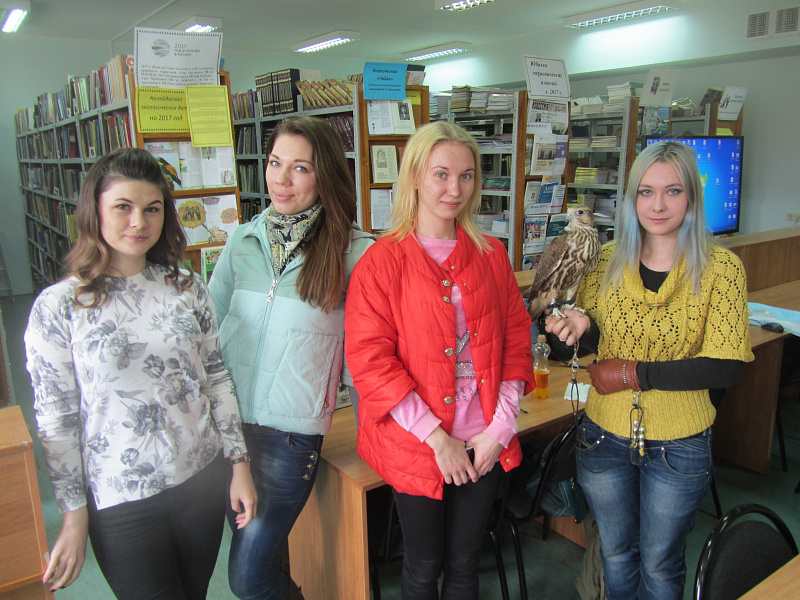
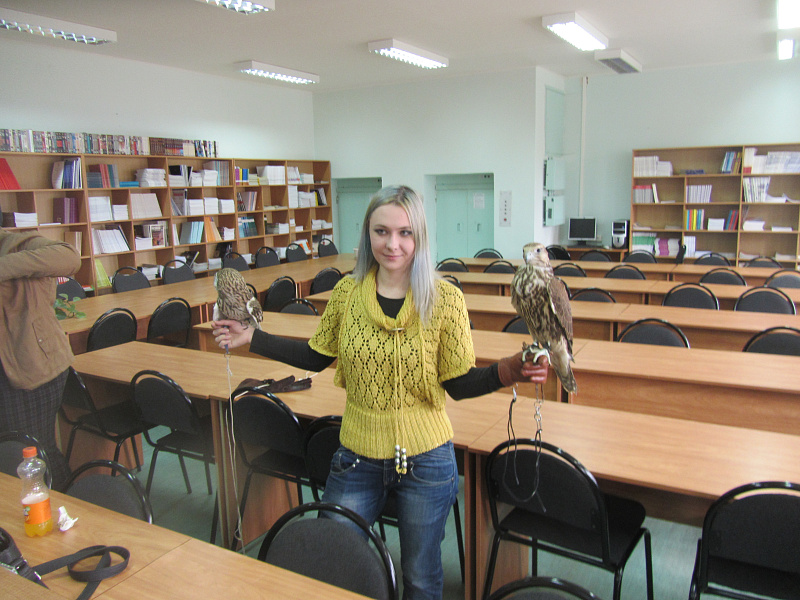
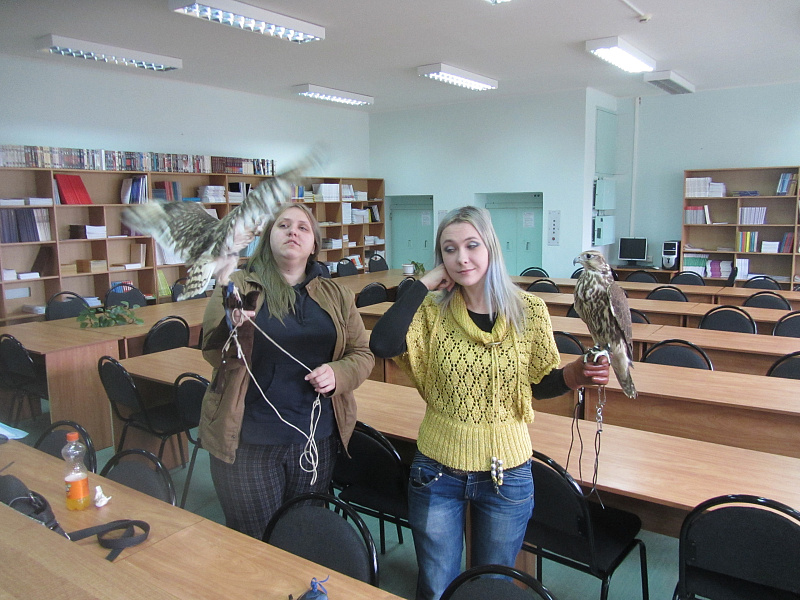
Two pretty young girls stood surrounded by crowds from both sexes. But the object of attention of young people, nevertheless, became not girls (for all their undoubted attractiveness), but the feathered creatures sitting on their hands: the swamp owl and the falcon Baloban. Students pulled their hands to them, tried to stroke and asked for permission to make Salfi. It's time to give some explanations. Girls (their name is Anita and Julia), who are the founders of the Center for Rehabilitation of Wild Animals, with their pets were not accidentally in our pedagogical university. They came to hold an environmental lesson called "destructive mercy."
The essence of this problem is that the first bird fits are already beginning to appear in our forests. Their appearance is often touching and helpless. Our various fellow citizens, guided by the best motives (“Ah, poor bird! Ah, she will disappear !! Ah, she will die !!”) grab these creatures and dragged home. Further problems arise. How to feed her? Where to keep it? And the bird has already been torn out by their usual environment. With their unnecessary compassion, people often doom these creatures (often quite healthy) to death. Here, Anita and Julia came to talk about what cases should the bird help, and in which it is better to pass by. The girls decided to use the pets with them as live textbooks.
The zoo robber begins their story with a video show of two wounded poachers of eagles - white -tales that are currently inhabiting in their center. One of them soon promised to take the Lipetsk zoo, and the other - a private nursery. It is not possible to keep such huge birds in a small room for a long time. And now the center is waiting for new receipts: from under Belgorod they should bring an eagle owl shot down by the car, and from the mobile circus the girls take up an old she-wolf who has been working in the arena for a long time. Anita begins his story by the fact that the chicks of various birds differ in the degree of need to help them in nature. At all, you should not touch the chicks of the brood birds: chicken, waders, shepherds, duck. Their chicks are born already covered with fluff and briskly moving. Parents, of course, feed them, but the chicks rise quite quickly to the wing. Another thing is chick birds. Their chicks are born naked and completely helpless. Growing up, they are first covered with fluff, then with feathers and turn into fits. The raids leave the nest, still poorly flying, and here they are just caught the eyes of various compassionate citizens. Anita urged only if the bird was injured (there are traces of blood, a broken wing hangs, the bird is lame, etc.). In other cases, it is best to pass by, unless the bird is in danger: cats, dogs, children, or just a street with a lively movement of transport. In these cases, it is enough to drive away all the above individuals of any kind or transplant the bird to a safe place (just remove it from the roadway). The chicks of swallows, cuts and pigeons that have fallen from the nest almost always need help. Feed the first two architecture.
Until recently, they were not taken to the center at all, but now the Moscow sponsor has appeared at the Voronezh zoo defenders, supplies to the center of Chinese crickets as a feed of birds. You have to feed these birds every half hour. During the day they eat crickets weighing half of their own mass. Pigeons feed is relatively easier. Their chicks grow normally on children's nutrient mixtures. Interestingly, and haircuts, and swallows, and pigeons practically do not need additional rehabilitation. It is enough to release their brothers in the nearest flock of their counterparts. Swifts, by the way, have currently become the most numerous guests of the center. This is probably due to their total high number. The colonies of cuts are found in three buildings of our five university towns. The second place in terms of numbers is occupied by various owls. Their fits appear already in May, when our citizens are felled with a shaft in the forests on the first picnics. Flights that leave the nests later, in June, fall into the center less often.
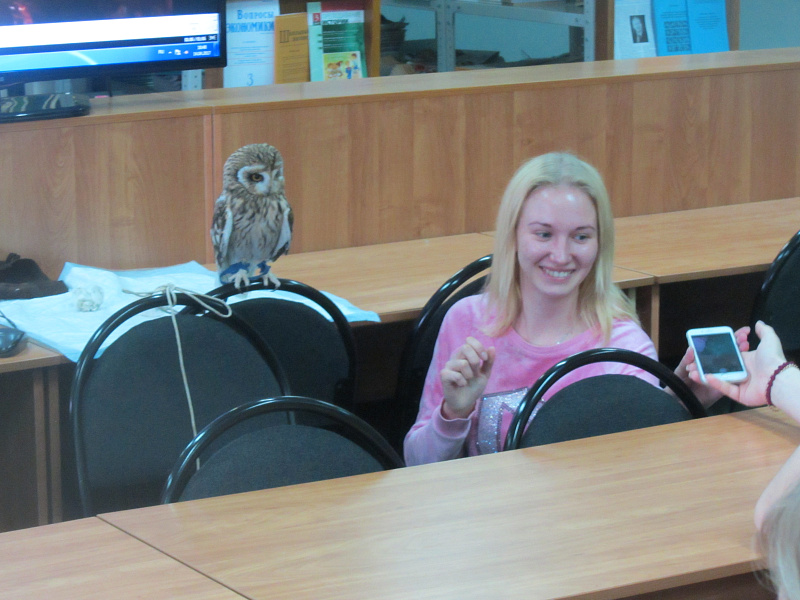
Here, in my opinion, there are several reasons. By the summer, grass is growing, allowing fits to hide from prying eyes better. The second reason is due to the fact that in the summer the flow of vacationers in our forests has noticeably subsides. People are relocated to summer cottages, suburban camps and gardens or go to the Black Sea. Anita, by the way, noticed that, having discovered a chick that had fallen out of the nest, one should first of all make sure that the nest is close and accessible. If possible, the bird must be returned there. Anita considers the fact that parents will not accept the chick who has visited human hands, since the sense of the sense of the birds is quite weak. Anita also told about the ordeal of her favorite, a male swamp owl named Floki, who was present at our meeting. Before getting to the center, Floppi replaced several owners, having traveled half the country, having managed to live in Kazan and Novosibirsk. In the conclusion, the zoozashititsa answered questions that were quite a few. The meeting participants promised to tell about what they heard to their friends and relatives. Anita gave her phone and asked to call if the wounded or sick bird was found. She also told about her ordeals for deputies and officials who have to go in view of the desire to give the Center for Rehabilitation of Wild Animals an official status. At the end of the meeting to its feathered participants, the line of those wishing to take pictures with them was lined up. What came of this, let the readers judge for themselves.