
Translated material
"Assad decided that his hands are untied"
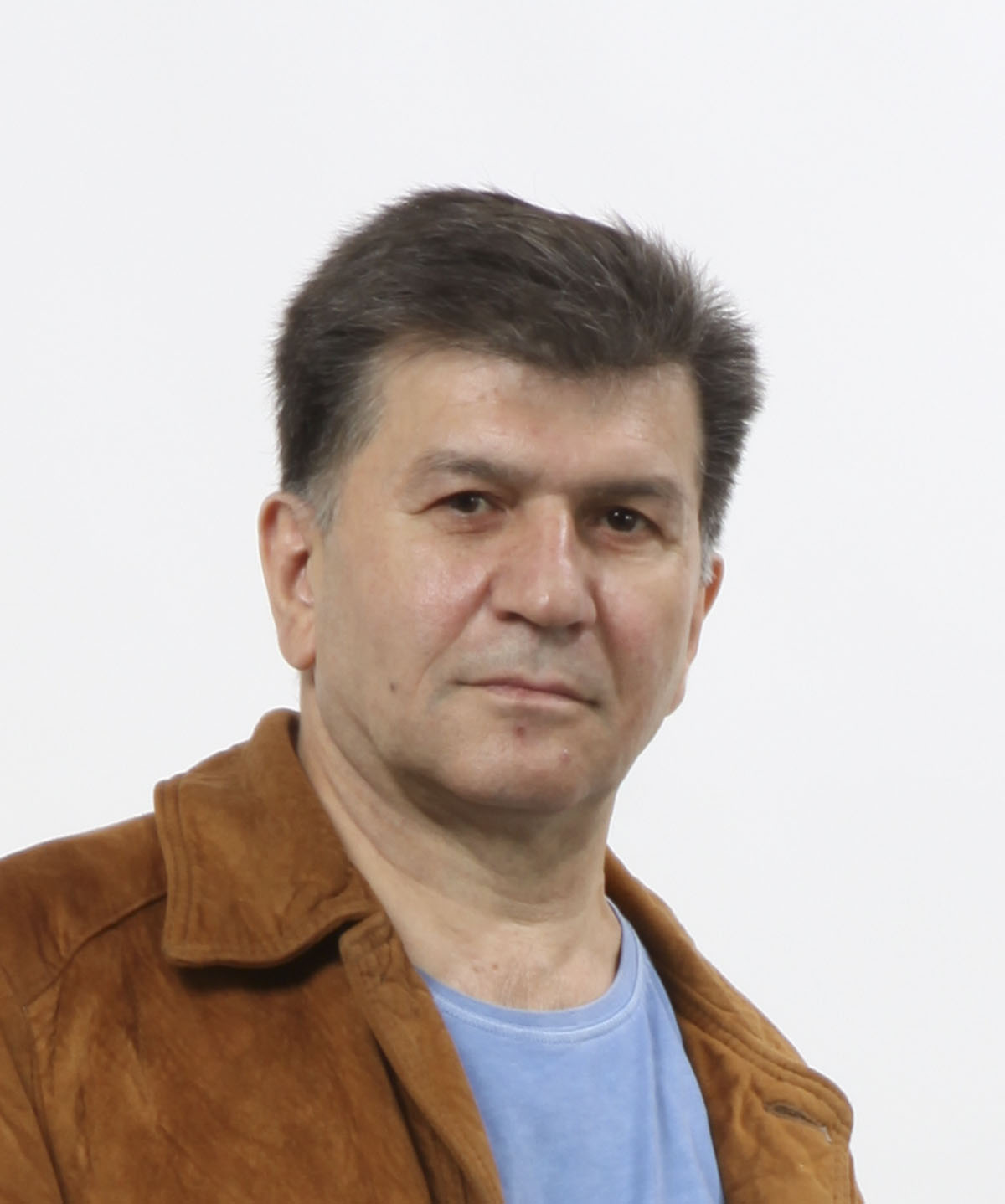
After the change of administration in the United States, Assad and his entourage decided that America revised priorities and would no longer insist on changing the regime in Damascus. The signals on this score were that the departure of Assad was no longer an imperative, literally two weeks ago, the US Permanent Representative to the UN Nikki Haley stated. Assad decided that his hands were untied. I can say this, since I am familiar with the mentality of the current Syrian government. But you need to understand something else: Assad now does not make serious decisions in the military field. Many of his generals are under the full control of Iran. But Iran did not have complete confidence in the change of US course. According to my reports, the idea with Himatak was prompted by the Syrian military elite Iran and Hezbollah commanders in order to thus identify Trump's genuine intentions and understand how far America is ready to go. Assad was mistaken in the calculations and received in the response of Tomagavka. Russia, as the main patron of Assad in the international arena, was nailed to a shameful pillar. But Iran, as it were, remained aside, except for the threats of the Iranian Minister of Defense against the United States - they say, if you hit Syria again, we will answer you.
In Moscow, in my opinion, they misunderstand that Iran is an unreliable ally. He claims not just the first roles - the main role in the region. And he has been seeking this for a long time. After all, there is evidence that Iran played a role in organizing the murder of the Lebanese politician Rafik Hariri, which was planned by the Syrian intelligence services. The goal was to level the Syrian influence in Lebanon, which happened after the broken international scandal, and build Iranian through the Hezbollah Shiite group, which, I note, now strengthen its influence in Syria. Iran does not need Russia to influence Assad. He wants to influence him himself. But it's funny. Alavites* and Shiites will never agree.
* The ruling clan of Assad in Syria belongs to the alavites, who represent one of the branches of Shiism professed in Iran.
Photo: Wikipedia.org, AP/Fotolink/East News