
Translated material
In Western countries comment on the results of the referendum in Turkey
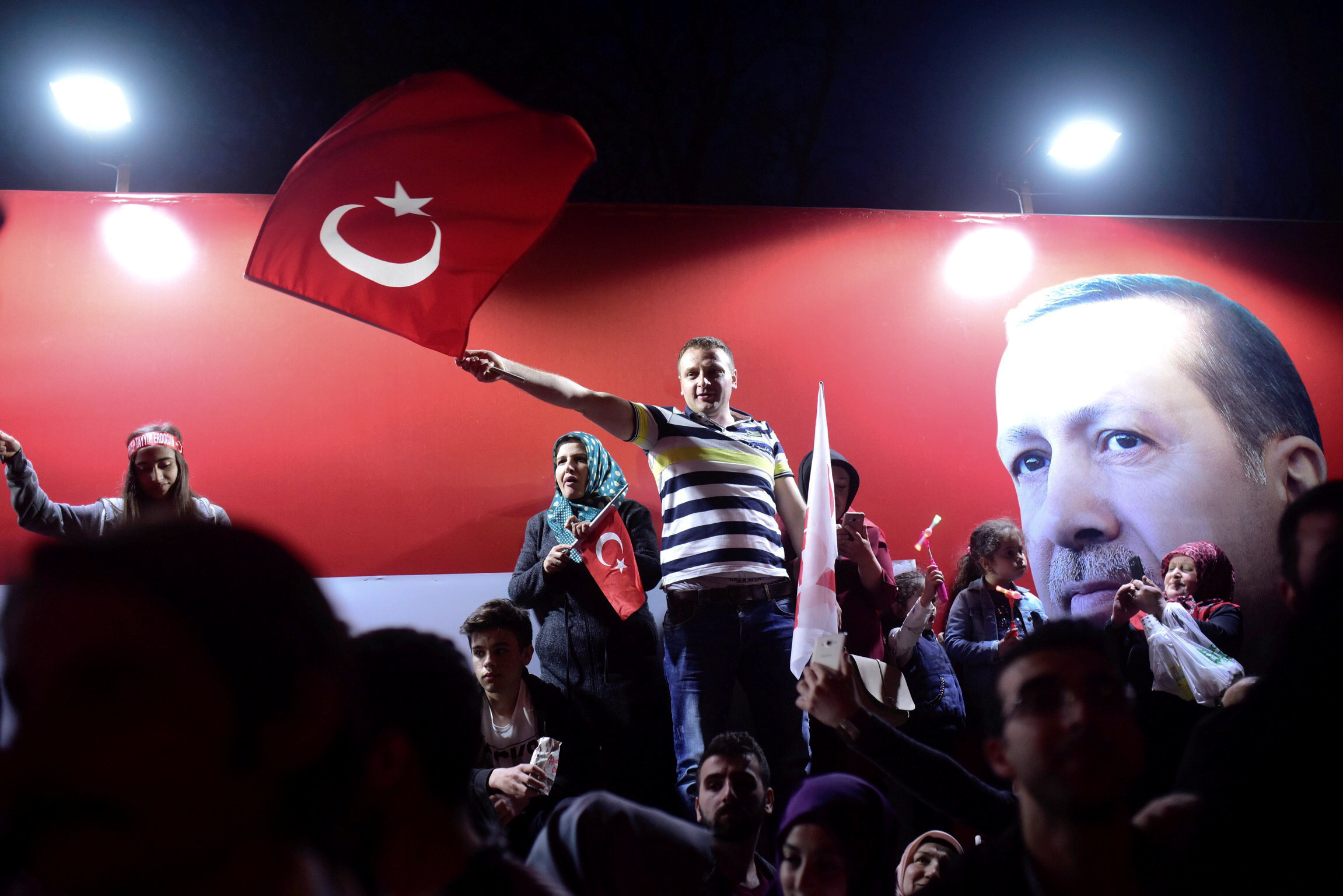
The results of the referendum on constitutional reforms in Turkey, according to Western politicians, indicate deep contradictions in Turkish society. German Chancellor Angela Merkel said that the country's authorities respect the right of Turkish citizens to change their laws. At the same time, Berlin believes that a small advantage in the results of the vote speaks of a serious split in Turkish society. Merkel emphasized that this "imposes a great responsibility on the authorities of Turkey and President Erdogan personally." This is stated in a joint statement by the Chancellor of Germany and the country's foreign minister Sigmar Gabriel.
France President Francois Hollandes also noted the contradictory attitude of Turkish inhabitants to planned reforms. A possible referendum on the return of the death penalty in Turkey will be a violation of obligations that the country has taken over as a member of the Council of Europe, the French leader believes.
The European Commission in its statement called on the Turkish authorities to look for the "widest national consensus" during reform.
The Kremlin was called to respect the results of the referendum. Press Secretary of the President of Russia Dmitry Peskov said that changes in the Constitution are "sovereign business of the Turkish Republic."
In favor of constitutional amendments at a referendum in Turkey, 51.3 percent of voters spoke on April 16. The opposition called the results of the vote "illegitimate." As a result of reforms, the country's President Recep Erdogan will receive expanded powers and will be able to remain in power until 2029. One of the first steps declared by Erdogan after the referendum was preparations for the return of the death penalty.