
Translated material
Political technologists of the Kremlin
The other day, the Ministry of Justice was registered by the “Expert Institute for Social Research” (EISI), which will perform the Think-Tank function under the Presidential Administration, an analytical center with a domestic political unit. Who and what is engaged in the new structure - learned The New Times
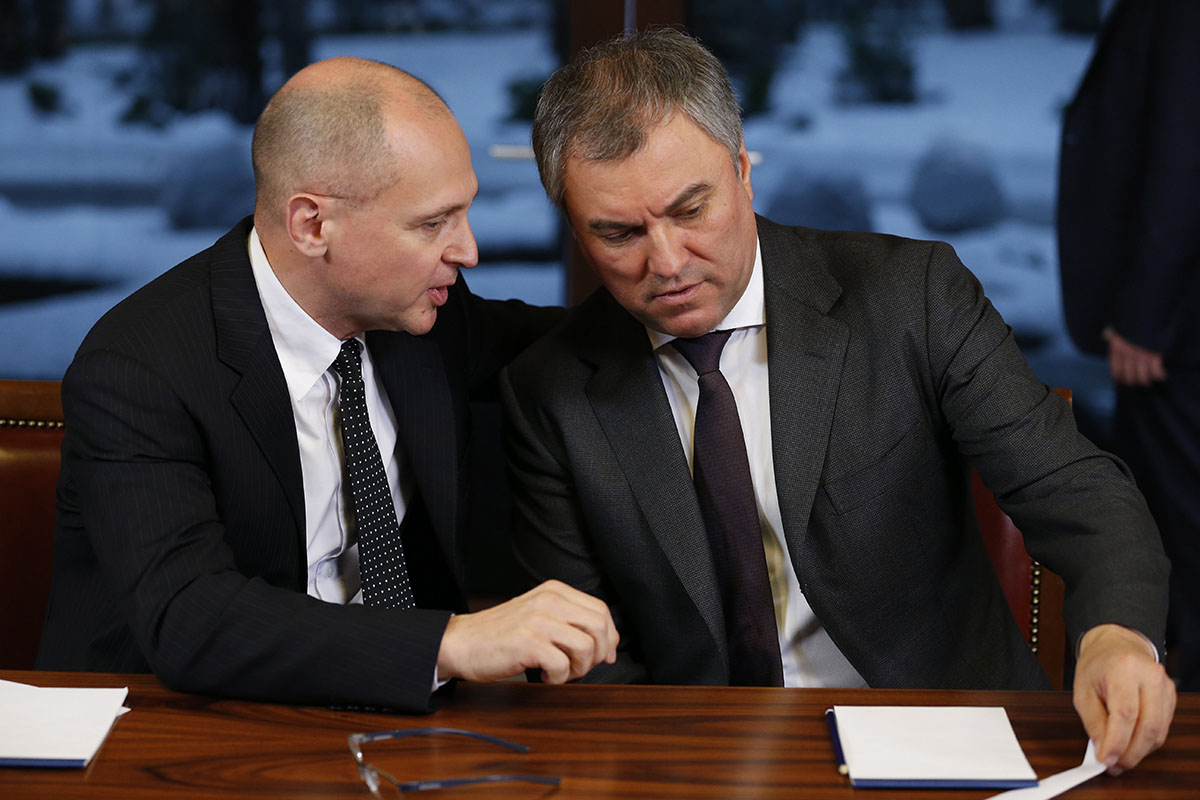
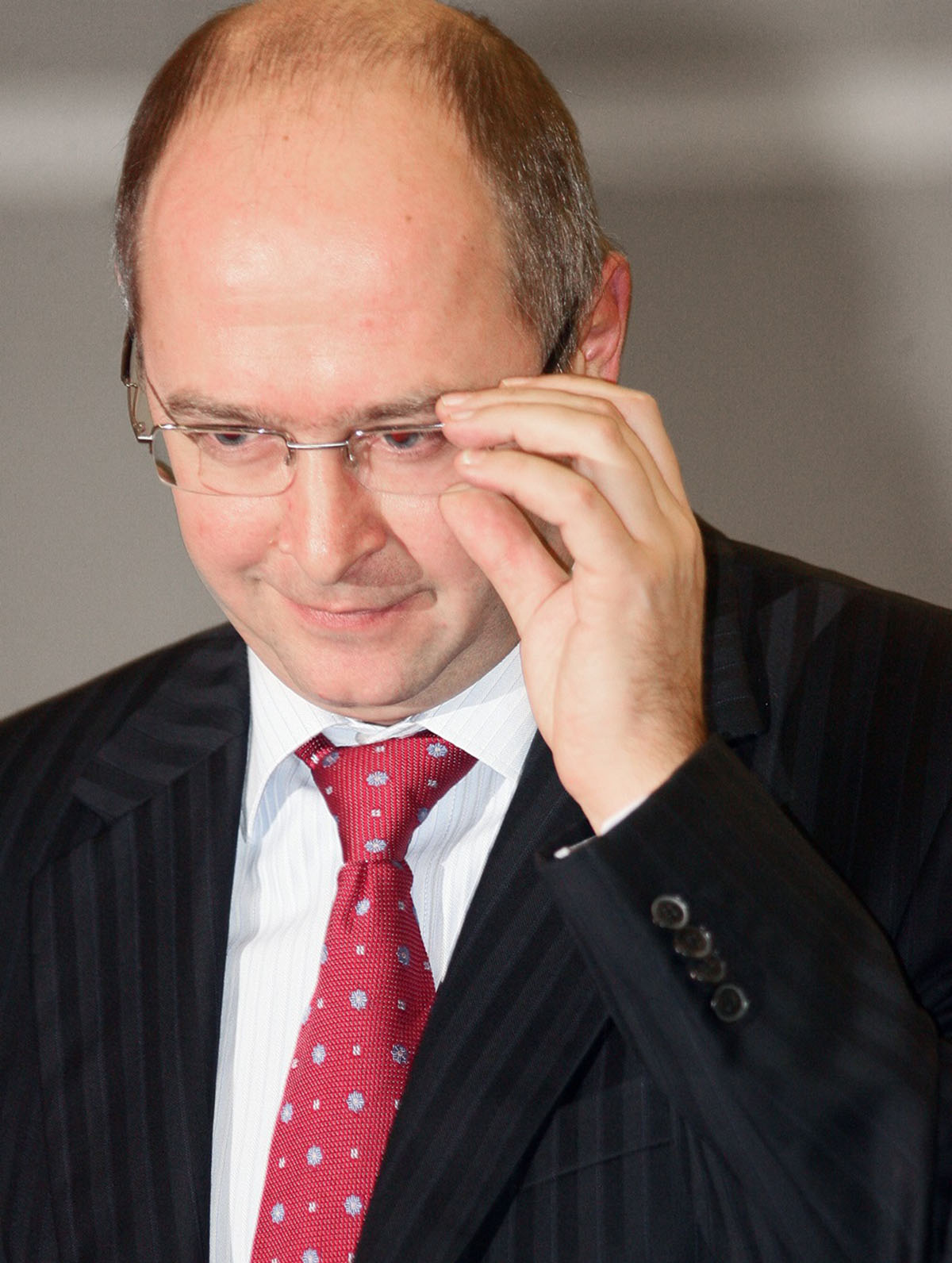
According to NT, the institute will be headed by the dean of the Faculty of Political Science of Moscow State University Andrei Shutov, who has extensive experience in a political strategist. Political consultant Gleb Kuznetsov will work with the expert community, and the ex-head of the territorial department of the internal policy of the Presidential Administration (AP) under Vladislav Surkov, the ex-deputy plenipotentiary of the Urals State Technical University will analyze the elected processes in the regions in order to identify problem points and possible conflicts.
The board of trustees will be headed by the ex-speaker of the State Duma, the head of the Supreme Council of United Russia, Boris Gryzlov, and Anna Fedulkin, who is now working in the same position in the PR agency Polylogi, will be the executive director. The work of the institute will be overseeing the Deputy Head of the Department of Internal Policy, Alexander Kharichev, who went to work in AP from the State Corporation Rosatom after the current main in the ideology of the Kremlin Sergei Kiriyenko.
The images of their future
“The new center was created just near Kiriyenko and can be considered part of his team. However, the selection of key personnel takes place not so much by the criterion of personal loyalty or previous joint work, but for specific tasks: the work of the new center looks more likely political technological than communication, ”Tatyana Stanva, head of the analytical department of the Center for Political Technology, says NT. She notes that the new Kremlin Think-Tank is selected more likely political scientists than ordinary PR people, which “indicates the desire to more actively monitor problems and prepare proposals to respond to them than to ensure the AP PR-overturning,” she believes.
The new Kremlin Think-Tank selects more likely political scientists than ordinary PR people, which “indicates the desire to more actively monitor problems and prepare proposals for response to them”
Earlier, at the end of January, Kiriyenko chose 11 advisers on a voluntary basis (see NT No. 2 of January 30, 2017). The informal election headquarters begins work, the task of which is to prepare a platform for the presidential election in 2018, at which, as few doubts, Vladimir Putin will run for the next term. It is known that the headquarters is arranged on the principle of design groups. The “image of the future” is supervised by the host of the Sunday Time program, the chief editor of the Expert magazine Valery Fadeev, counter -propaganda - the head of the board of directors of the Mikhailov and Partners Group of Companies Igor Simonov, the issues of increasing the appearance of the election - the deputy chief of the internal policy of the AP Alexander Kharichev. The number of groups will gradually increase.
Verified personnel
Some experts and advisers, such as Kolyadin and Shutov, worked with Vladislav Surkov, others - like Valery Fadeev - actively interacted with Vyacheslav Volodin. The list of experts with whom the Kremlin is dealing is not enough, says political scientist Abbas Gallyamov. “It gradually expands due to the inclusion of new faces in it, but the old faces practically do not fall out of it. Almost all of them in one form or another remain in the clip. The only thing Kiriyenko did was minimized communication with part of the “first expert echelon” and, it seems, began to bring people from the “second”. This is not to say that these are fundamentally new people-they were involved in some projects under Volodin, however, it seems that now they will be used more actively. However, Kiriyenko has not yet organized systematically with experts, so far it is all nothing more than trial steps, ”says Gallamov. The interlocutor of NT in expert circles leads as an example of the “specialist of the first echelon” Dmitry Badovsky, who worked with Volodin, when the latter first deputy head of the AP and continues to advise Volodin as a speaker of the parliament. An example of a “specialist of the second echelon” is Shutov, who was not involved in Volodin to participate in closed meetings of political scientists, and Kiriyenko turned out to be in demand. The same can be said of Kolyadin.
Boris Gryzlov also does not need to be represented - he was from the very first “St. Petersburg call”, was both the head of the Ministry of Internal Affairs and the speaker that “there is no place for discussions” (these words have already entered the history of the Putin era), in the last years - in the Security Council (until the spring of 2016), then the special representative in the Donbass group has experienced several generations of the curators of the internal political bloc presidential administration.
“Gryzlov was the chairman of the Rosatom Nabsy Council and at the same time remains the head of the Supreme Council of United Russia. At one time (it seems, at the beginning of 2016) he tried to restore his active party activity, but was promptly transferred to the Ukrainian site. Then Vyacheslav Volodin, internal policy in the Kremlin, was still not allowed to allow the pluralization of centers of influence within the party in the party, especially in the year of the elections, ”recalls Stanaya. It suggests that GRESLOVA can be entrusted with an informal function GR (Goverment Relations): Ensuring the ties of the analytical center with elites-Igor Yurgens played such a role in the similar Think-Tank Medvedev-President. “Gryzlov is compatible with security forces, Surkovtsy, United Russia, well familiar with Kiriyenko’s people,” says Stanovaya.
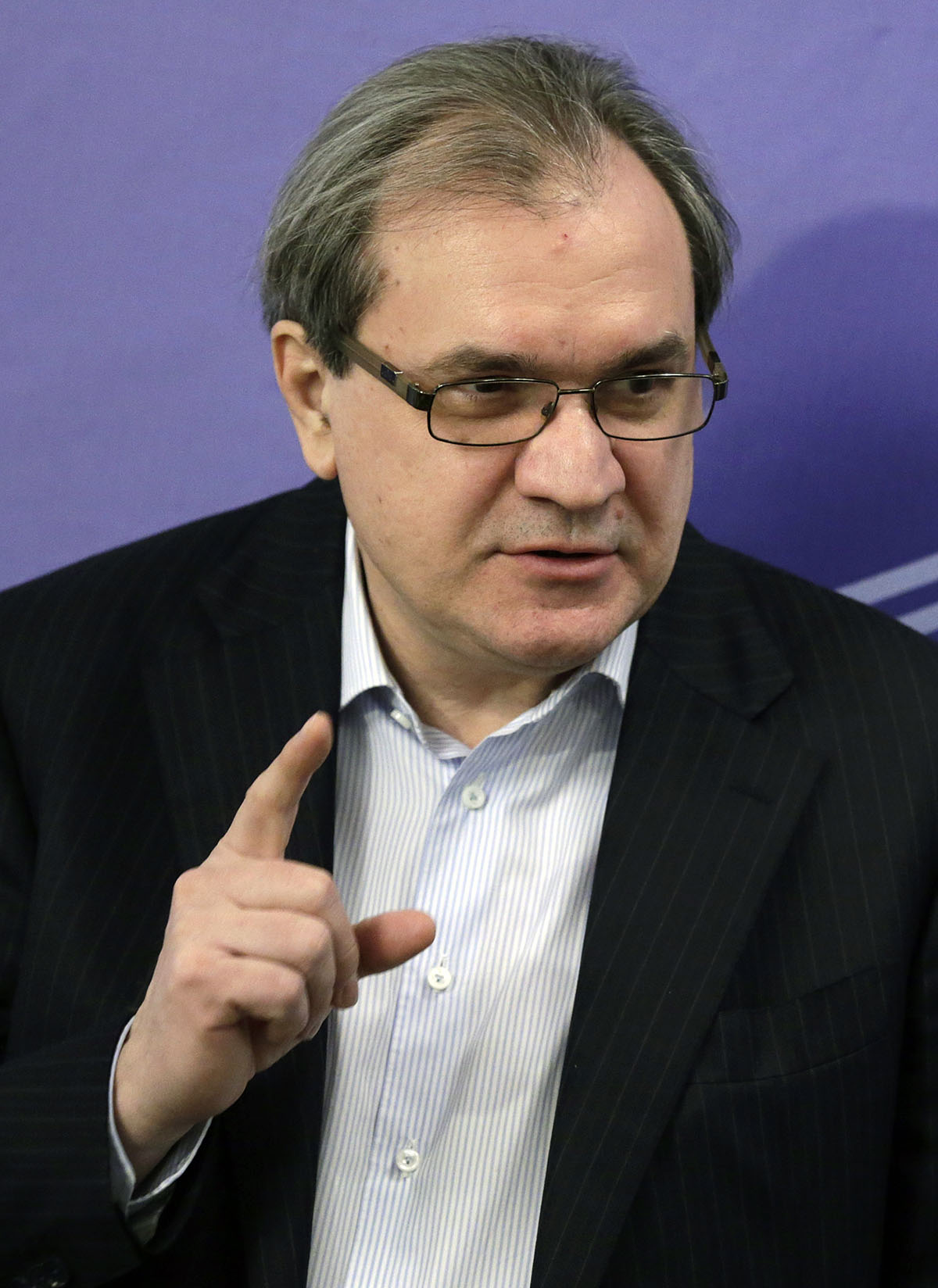
"The image of the future" is oversee by the host of the Sunday time program Valery Fadeev
The interlocutors note the “relatively soft management style of Kiriyenko”: he is not trying to actively expansion against the party in power or intercept strictly control over the ONF, but is looking for opportunities to assign his people to existing institutions or build work in accordance with his priorities, Stanovaya notes.
Selection technologies
The practice of creating outsourcing analytical centers that operate on special -wings of the AP is not new, as well as the creation of the Institute for Advisors on a voluntary basis around the curator of domestic policy, as well as holding informal meetings with political scientists and political technologists: Kiriyenko, by the way, conducts them on Saturdays. Under Vyacheslav Volodin, the role of the main Think-Tank was played by the Institute of Socio-Economic and Political Studies, which is now headed by Dmitry Badovsky-he also moved after Volodin with his people is also closer to the hunting series.
Part of the expert community loyal to the Kremlin, nevertheless, is still quite cool. In recent weeks in social networks, many political scientists are very critical about the policy of the new presidential administration, in particular, about its reaction to protest on March 26 and about the application of an administrative resource to organize mourning rallies in memory of the victims of the attack in St. Petersburg. Some people directly say that the new administration does not give them orders and stopped the practice of half-closed meetings that Vyacheslav Volodin liked to conduct.
Andrei Kolyadin, who, recall, is responsible for the Kirienkovsky “Expert Institute of Social Research” for the analysis of regional elections, said NT, which, as a rule, in the “first line of defense” people working in the domestic political bloc, take those with whom, on the one hand, they are personally comfortable to work, and on the other hand, who, as they believe, will not fail in a difficult situation.
“Then they invite people with whom the first -line people are familiar, and then the expert community is invited to work. As far as I know, Kiriyenko regularly meets with a variety of experts, someone is closer to him, someone is not, ”explains the mechanisms of the formation of the Kremlin expert pool Kolyadin. He confirmed that among the people who were now invited to active work, there are those who collaborated with Surkov and Volodin and those who have been working directly with Kiriyenko for a long time. “As for Shutov, I know him for many years, we worked together on election campaigns even before he became the head of the faculty of political science. He is a bright, creative person with whom I have discussed many times a variety of concepts many times. I am an orgovik, and when I needed a concept, I immediately fled to Shutov. He knows how to “build locks”, but in politics it is impossible without them, ”says Kolyadin.
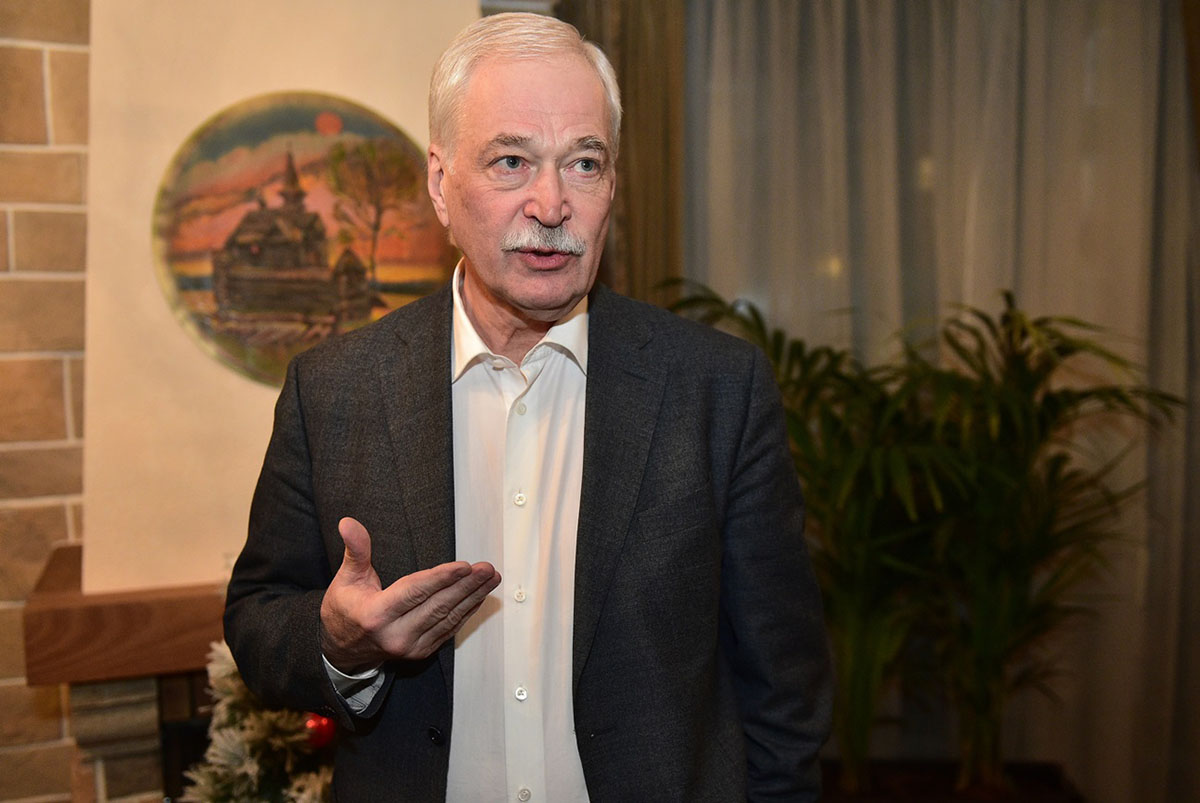
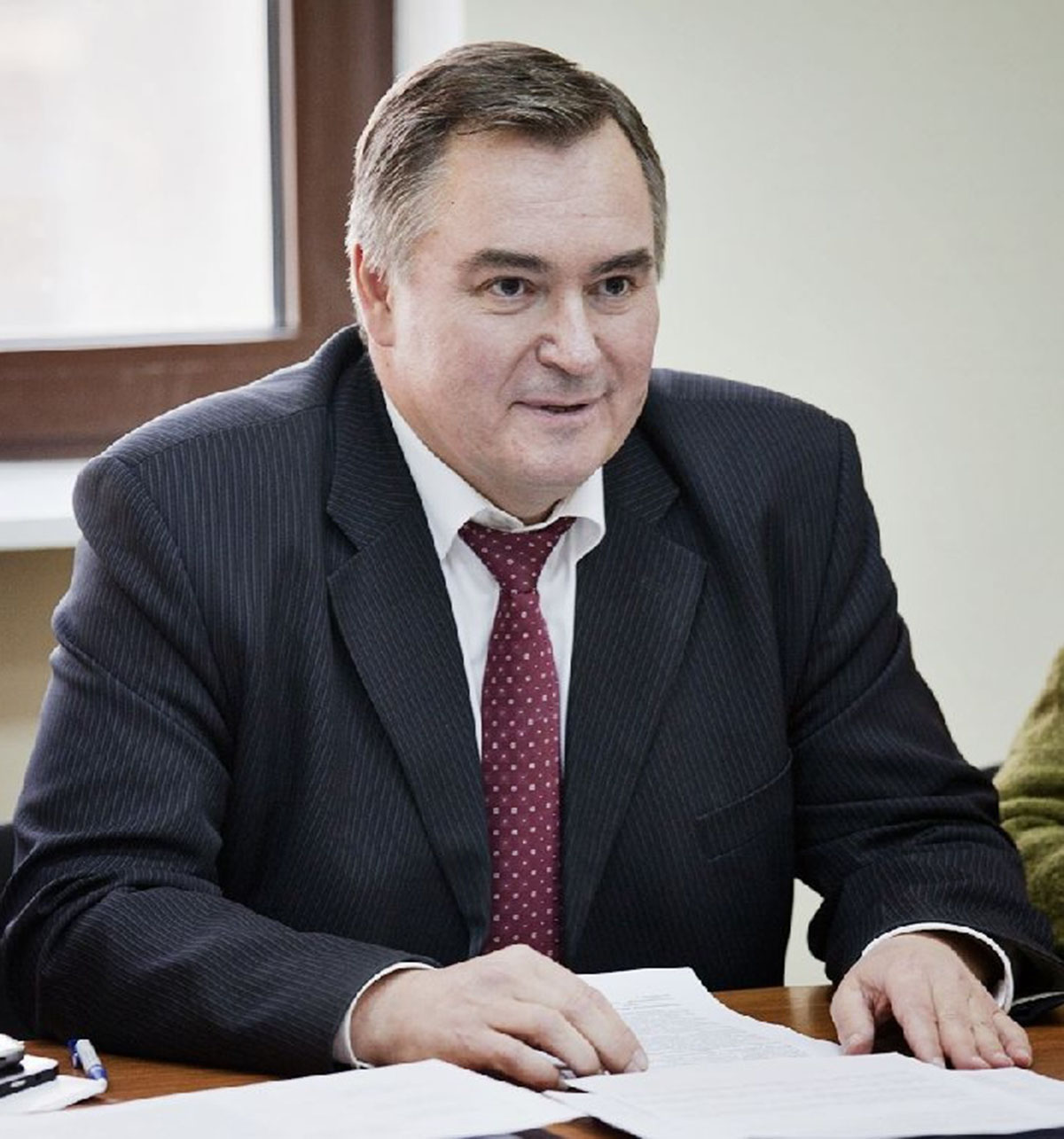
"Gryzlov is compatible with security forces, Surkovites, United Russia, well familiar with Kiriyenko people"
Stanovaya draws attention to two factors in the personnel approach of Kiriyenko: “The first is functional. Kiriyenko is distinguished by the fact that he is trying to recruit analysts and managers to his team, and not PR managers and public experts. Its task is to prevent regional crises, nor political, nor socio-economic, which means that a solid analysis, monitoring and rather assistance to governors are needed than their upbringing. ” Stanovaya recalls that Volodin adhered to distance tactics from the governor’s corps, considering the function of supervision and soft pressure, even the contrasts of the federal “political technological” and regional. Kiriyenko, in her opinion, seeks not to separate, but to build interaction, albeit with a certain subordination. Both approaches have their drawbacks and pros: the first gives birth to the nervousness of governors, tension, but at the same time allows you to form a kind of counterweight to regional elites, which, in conditions of a deficiency of democratic and civilian control mechanisms, allows you to at least somehow compensate for such a shortage. Kiriyenko’s approach “reduces conflict, but at the same time makes mechanisms of public control over governors less open and more technocratic,” says Stanovaya.
The expert notes that the selection of personnel is depending on the tasks: for Volodin, the communication function was important, and therefore public, politically experienced figures with an increasing level of recognition were more popular. Kiriyenko selects technocrats, managers for whom publicity is not in demand.
“Another key factor in personnel policy is directly a matter of loyalty. Volodin, for example, selected those with whom he worked for a long time, whom he knew well, despite the fact that his whole career was connected with public policy, and there was no personnel deficit. Kiriyenko has a different situation: he rather has to select personnel in related areas, in a corporate environment, more close to him, says Stanovaya. - This allows not only to form a team, but also to build intra -elite ties. In addition, part of the previous AP team will be
It is saddled to updated leadership, and who will not be able to take root will leave the ap. ”
Photo: Dmitry Astakhov/TASS, Anna Isakova/Press Service of the State Duma/TASS, Alexander Miridonov/Kommersant, Peter Kassin/Kommersant, Letopis.msu.ru