
Translated material
"There are a bunch of completely disgusting videos"
Employees The New York Times - about how to make films in the genre of virtual reality
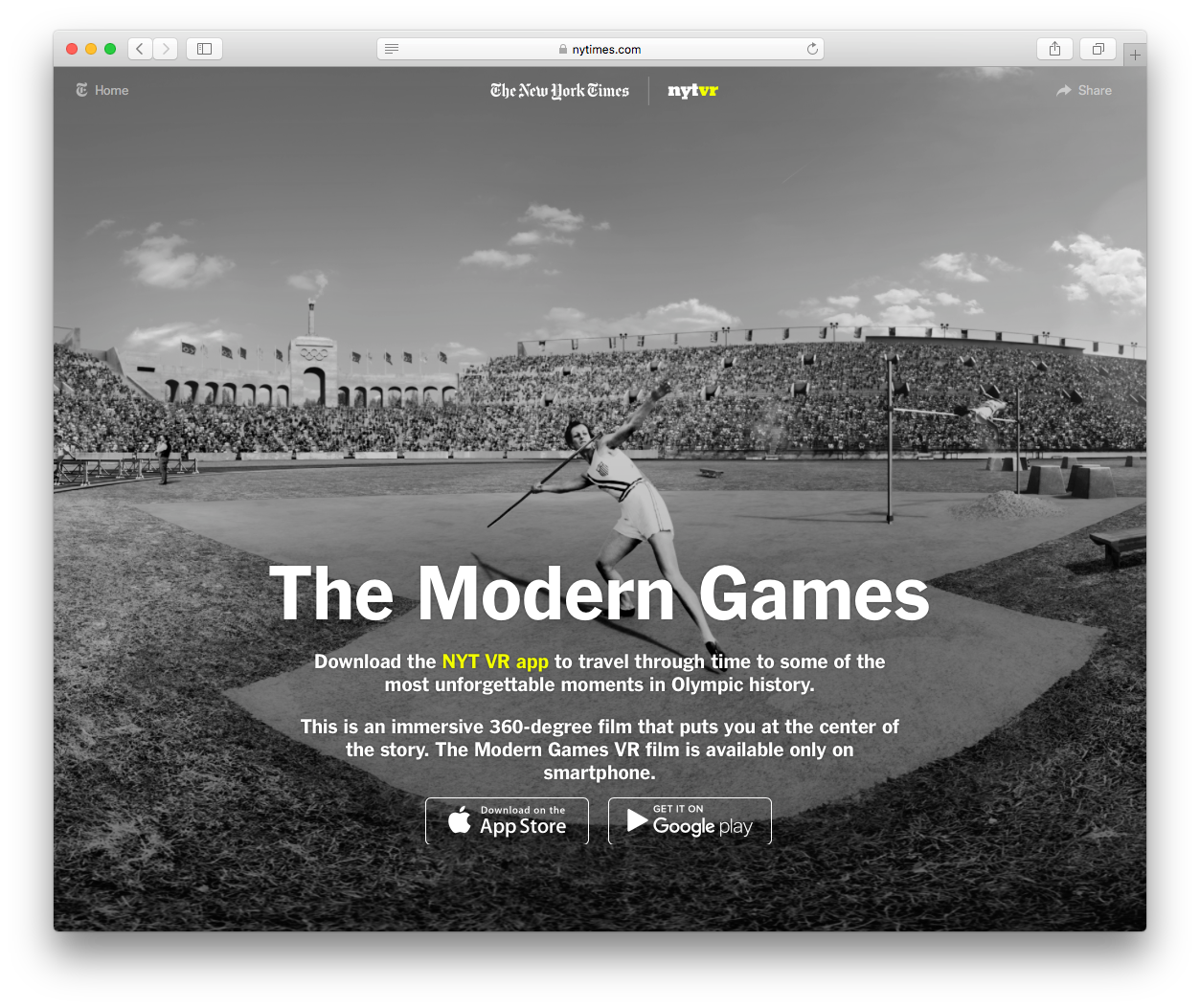
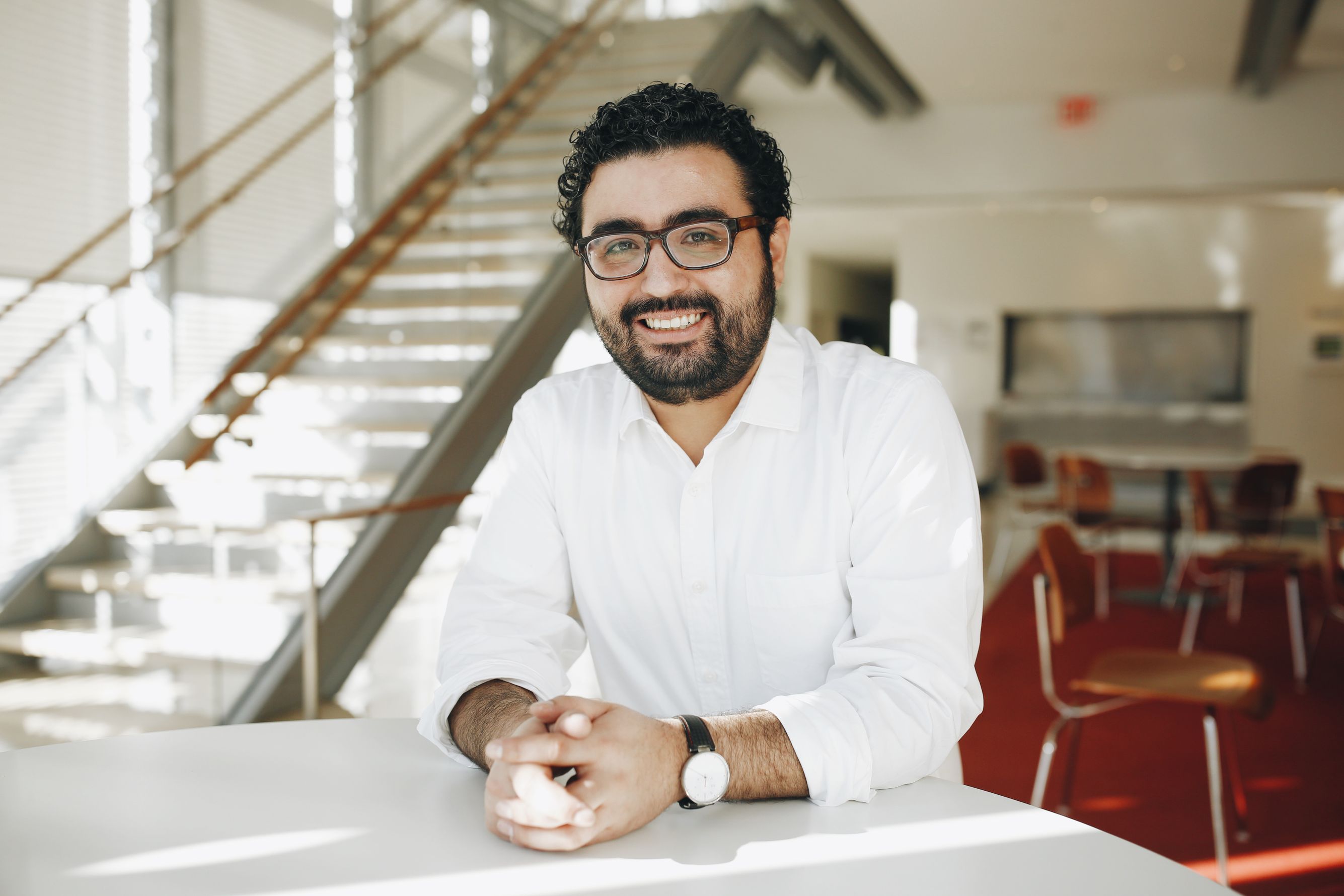
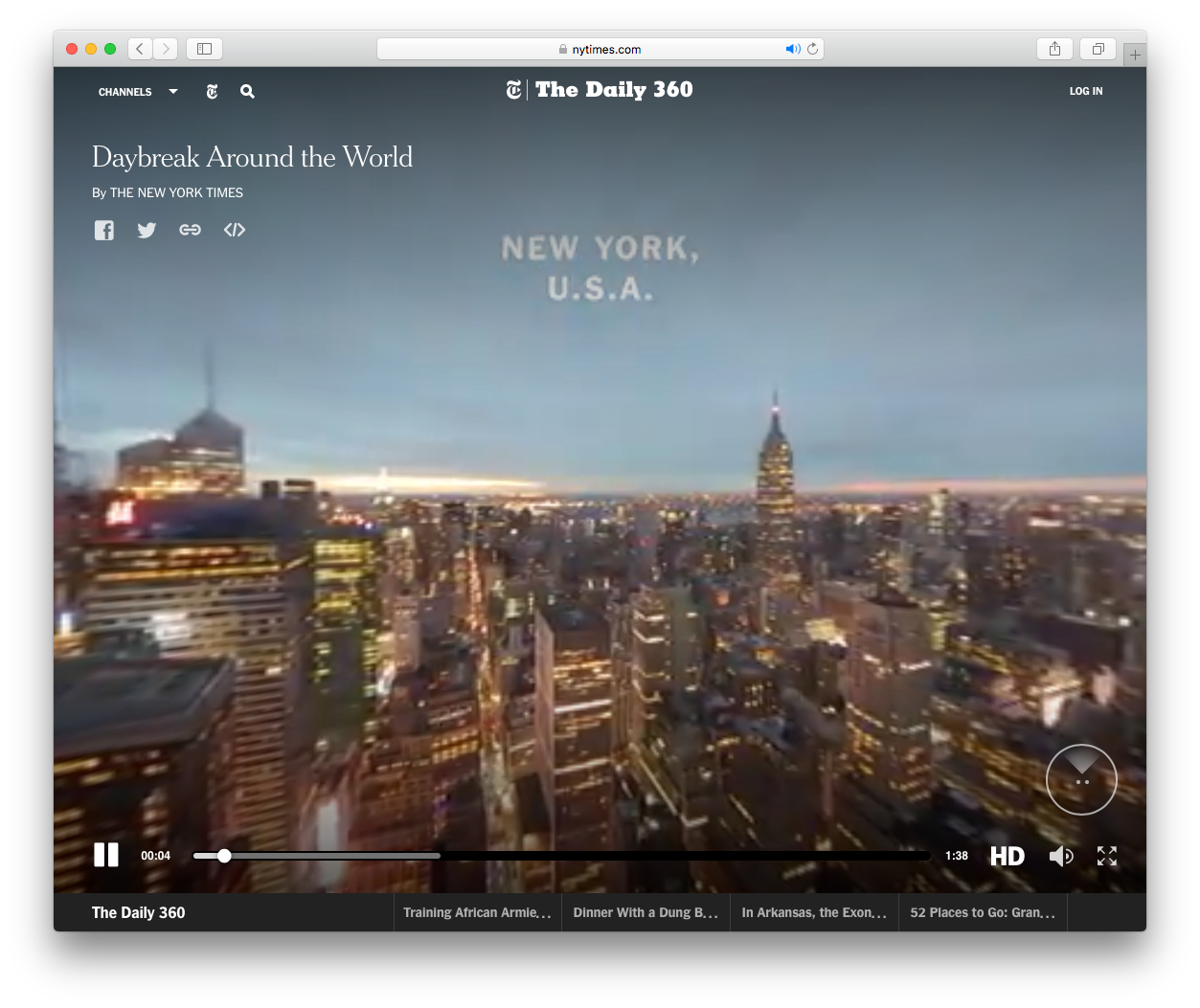
At the Storm conference, we will discuss cross -platform media, notifications, social videos and podcasts - and all this is difficult to compare with films made in virtual reality format. This format appeared literally just, so far almost no one knows how to do it, and the insufficiently developed technologies constantly put sticks in the wheels - but if the film is made according to the mind, then the viewer has a feeling of a miracle. Medusa called to the “storm” of T Brand Studio employees-The New York Times, an publication that not only can make 360-degree films, but was able to put their production on the stream and began to sell them to advertisers. On May 27, in the ZIL Cultural Center, the director for advertising innovations, Michael Vilushenor and VR journalist Graham Roberts will read a two-hour master class.
Buy tickets for the "storm" on Timepad. Do not forget to enter the NYT promotional code to get a 30 percent discount!
- Why did you decide to do virtual reality?
Graham Roberts: I have been working in The New York Times for ten years now - and all this time I have been busy with visual surrounds and invent how it can be developed. In 2014, I went to Vancouver at the Siggraph conference, where they discuss the production of films in terms of technology. I have been there before, but that year everyone spoke only about virtual reality. Well, it became interesting to me whether this technology can be used in journalism.
Michael Wilmushenor: Well, I was wondering how it could earn. And how brands can, using this new technology, achieve something new.
-When I watch VR or try to play VR games, I have the feeling that I am again in the 90s and they showed me a computer. That is, the head is spinning, the eyes hurt, it’s bad, but the feeling of a miracle will continue to be something.
GR: Yes, that's right. This is only the beginning, nothing has happened yet. At the moment, this is a minimum viable product. For the first time we can do this for a mass audience, and not just for a couple of people at the exhibition. We can do this on the scale on which The New York Times allows. And it is clear that so far the technology has a lot of problems. All of them are associated with complexity and high cost. Especially if you want to achieve the quality of the video to which people are used to. For VR, you need a higher resolution three to five times so that people have the impression of watching a video in HD quality. In fact, we see only 30% of the video at the same time. Because of this, other problems arise. One of the largest is distribution, that is, how we bring it to people. Stream broadcasting is simply not suitable for video with a quality of 6k. And this is the quality of the resolution that is necessary for the effect of presence in virtual reality. In addition, the files themselves occupy a wild amount of space, and people are not ready to load them and are not ready to wait for loading. These are all the problems being solved, just the technology is still at a too early stage.
-Do you somehow expect what place this technology will take when it will become more perfect?
GR: Well, this is definitely not a video replacement. The best analogy that comes to my mind is the emergence of photography. When she just appeared, people thought that this would replace the picture, because all the paintings could be made instantly. But two things happened: the painting continued to develop, and the photograph became a separate form of art. I think that something the same will happen to the VR and the production of films. Virtual reality will become a separate means of information and a separate form of art. Currently, these are just films with a circular review, since people still do not know what to do with them except just watch back or on the sides, but over time it will change. “Casablanca” in the VR ... Perhaps this is not the best comparison, but when great people do this, they will show what this technology is capable of.
- And tell me, why is it to advertisers? Because it is fashionable? Nevertheless, it is clear that these formats have a much lower audience so far.
MV: Because this is a new format of advertising - and it is exciting. At the same time, if you make it out of it just an advertisement, it will kill him. With the help of VR, you can tell such stories that cannot be told anymore.
GR: Yes, of course, there is a bunch of completely disgusting videos. But if this is done well, then it does not look like anything else. The viewer becomes part of the story, this turns into personal experience. For the advertiser, this is good because the emotional connection with the product is created.
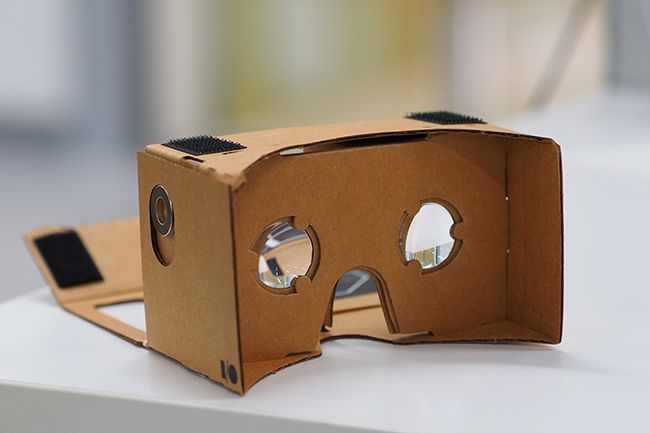
- There is another problem, let's call it the problem of the second screen. We are all used to doing ten things at the same time, open 20 tabs in the browser, look at the computer or at the phone. With VR, this is impossible. You have to wear a conditional Google Cardboard and not be distracted by anything until the film ends.
GR: Yes, this is a problem, but again because everything is just beginning. Experiments are underway now. We are trying to find something, do something worthwhile. As for the fact that VR involves the concentration of the viewer only on it ... Imagine that a laptop is not what you will always use? That you will not need screens, and all the information will be broadcast into your eyes. You no longer need a physical screen, since information can be projected in any form, in any amount, as you like. VR will be completely built into our way of obtaining information. I think that this is a very likely scenario, since the technology for this already exists, it is just uncomfortable. But if you can place a virtual screen in front of your own eyes, why do you need a physical screen?
- Well, that is, you hope for Magic Leap?
GR: This is only one of the experiments. The technology that will be the most harmonious human nature will win. The one that will be easiest to use. And I do not think that looking at these luminous rectangles, having millions of rectangles in our lives is the most convenient way to interact with information for a person. In any case, we are at the very beginning. What we see now is only the first drops of what we can call the platform with the effect of presence.
MV: At the same time, from the point of view of the advertiser, every second that the viewer spent in VR is an incredibly high -quality second. Because the viewer is experiencing this experience entirely - of course, provided that the advertisers received the story that they wanted, and the audience enjoy watching. Therefore, from the point of view of advertising, this is very cool - you are not distracted by anything.
- What numbers do you rely on when you evaluate the success or failure of your films?
GR: Oh, these are different numbers ... You can just put a VR video on Facebook and get millions of views. And you can put it in our application and get good numbers, but not like that-because you need our application, you need time, you need VR-Okchi. But then in the application, all this will be felt in a completely different way. Therefore, it is difficult with numbers, and it’s not very interesting for me to look at it from the point of view of business, but as a VR creator I wonder how many people will watch my video to the end. These numbers show that we make a product that involves people.
- How do you decide - this story is good for VR, but this one is not?
GR: So far we are only understanding this. But the key word is “presence”. Will the story win from the effect of presence? The point is not to make people look in all directions. The fact is whether you will understand a better story if you feel in it. Since this is what BP does better than anything else. You cannot get this from other sources. I think this is something like the starting point.
MV: I will say this: we make a person for three minutes put on some kind of device like Google Cardboard, and since we are doing this, it means that we need to show him something really interesting. So that the viewer does not have the feeling that he had spent time in vain.
- Tell us a few VR rules - what should you do and what should never be done?
GR: First, do not move the camera so that the audience becomes bad. You probably don't want a person to vomit. This is clearly worth avoiding. The camera is a head, so you should handle it accordingly. Do not move her too fast. Second. Do not place the camera so that it seems to people that they are too low or too high. Or another unnatural and strange way. If you move the camera, you should avoid acceleration and slowdown. It is necessary to move at equal speed, since acceleration and slowdown are moments in which eyes begin to doubt that everything really happens. Here.
- It was not necessary about. And what needs to be done?
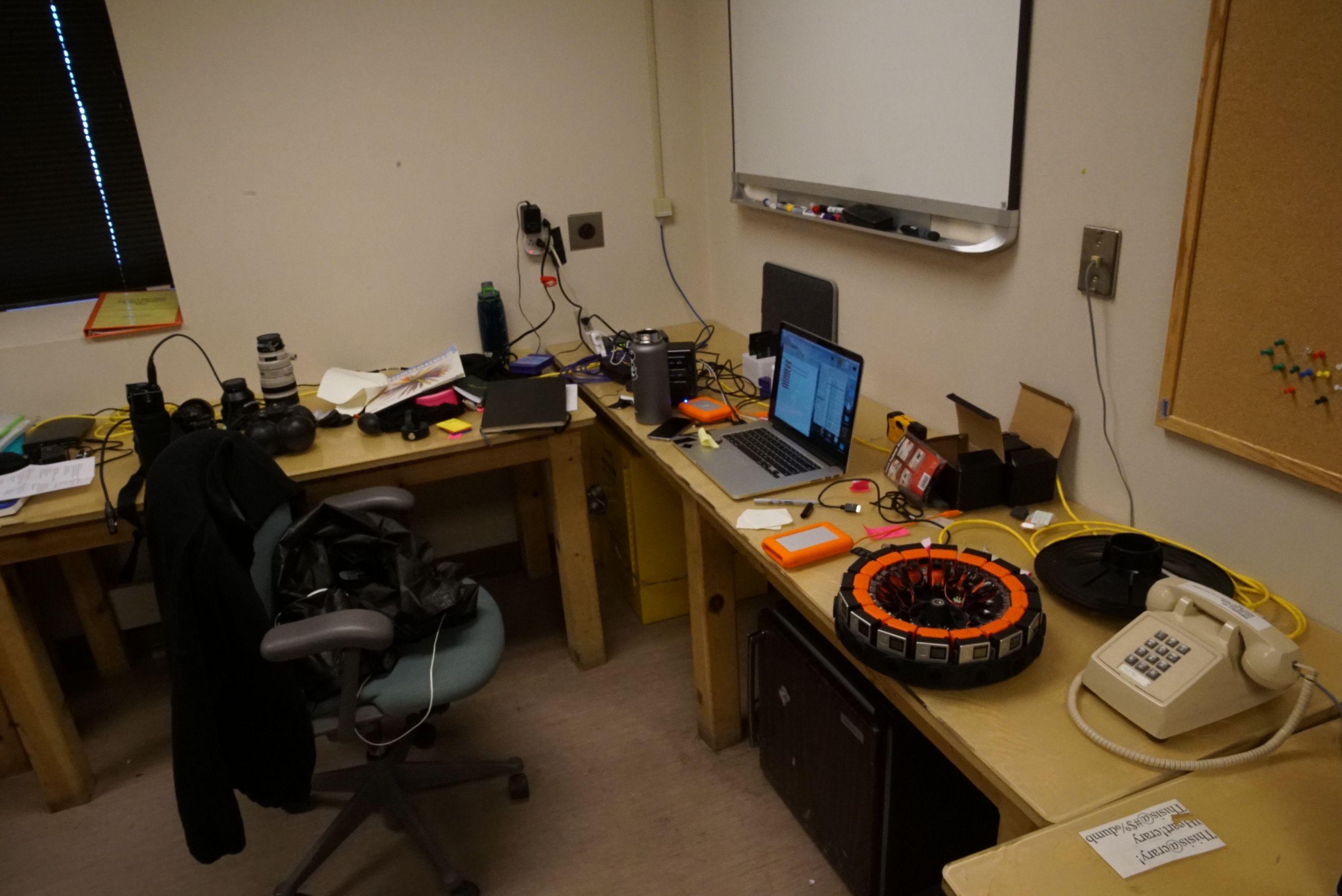
GR: Oh, what is needed ... The most important thing is that you need is to properly distribute the budget. For example, depending on where you are going to show this, you need completely different equipment for completely different money. In general, if at first you do not sign everything correctly, you can very much increase the time you need after filming.
- Since you have talked about the budget: how many people do you use for filming?
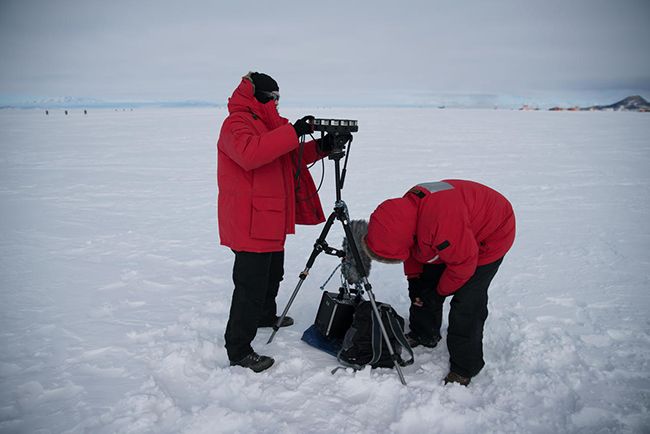
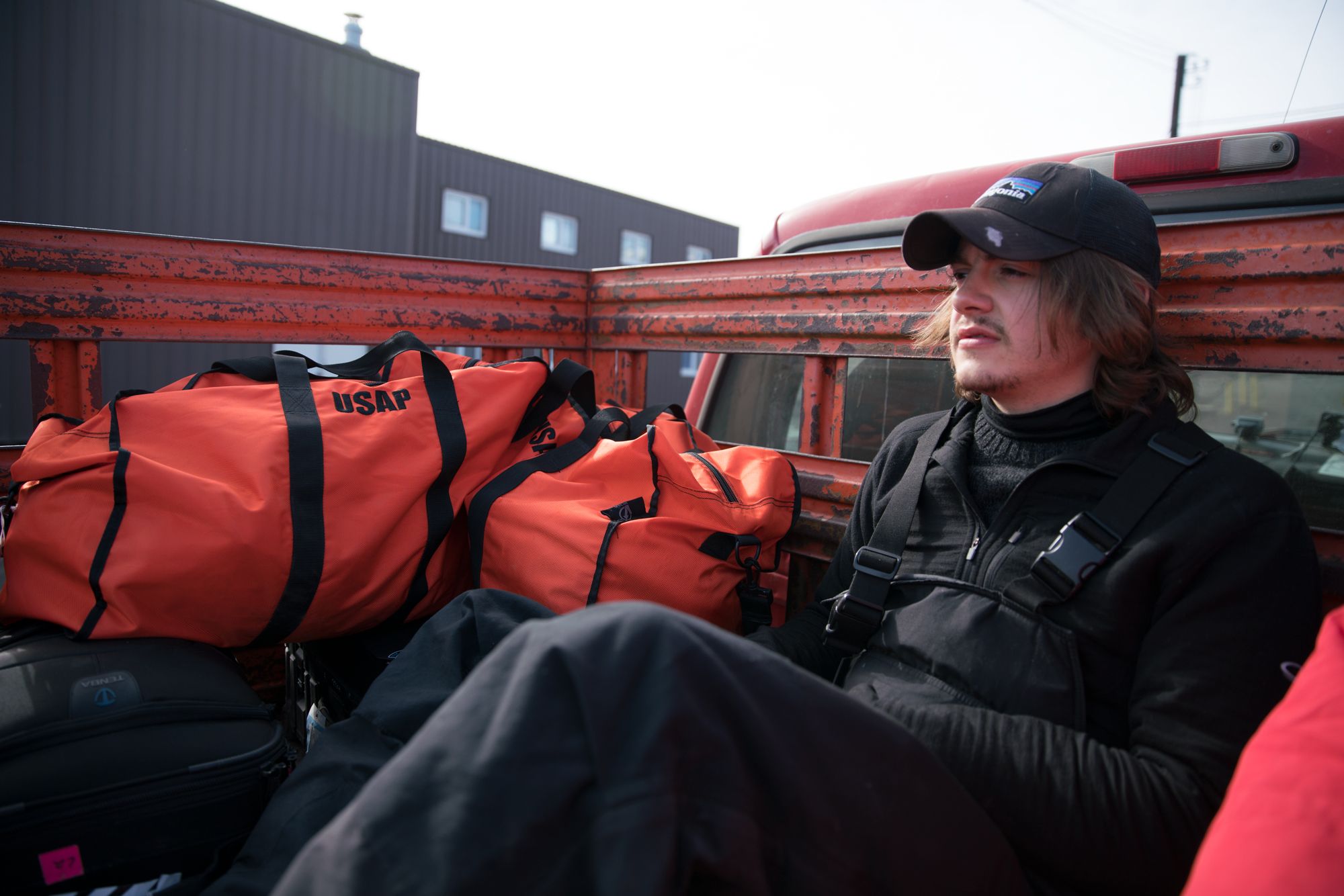
GR: There are three of us. Well, that is, in general it can be done alone. But I would recommend two or four people. And in no case is it 30. It just takes off the camera in all directions. And the more people you have on your site, the more difficult it is to hide them, so every additional person is additional anxiety.
- What, in your opinion, is the main problem of technology now?
MV: Devices on which they look. It is impossible to predict how you will see our film. It depends on your device, on the phone, on the laptop, on the quality of communication. This is a very difficult task.
GR: Well, yes, this is a new media, I want it to look cool, but when I do this, I think about eight different platforms, about eight different formats. We need to make excellent films using technologies that are still developing. But they really develop.
Buy tickets for the "storm" on Timepad. Do not forget to enter the NYT promotional code to get a 30 percent discount!
Ilya Dewarer