Date
Author
Анастасия Стребкова

Preserved copy
Translated material
Processing and shame: suicide in modern Japan
In the public consciousness, Japan is the main suicidal country in the world. The Tokyo journalists of the Kimono Internet magazine Anastasia Strebkova and Marisa Kirisame specifically for Samizdat “Batenka, you transformer” tell how the social and corporate system of the rising sun pushes their own citizens to suicide. Why is group suicide and suicide is popular due to processing, health problems and difficulties in promoting the career ladder; And can the emergence of the young generation of enlightened Japanese be able to change the situation?
The Japanese approach death with their inherent thoroughness. It is worth breaking in the search engine “I want to commit suicide” - and you will find a huge flow of information in the public domain. An infinite number of sites: which suicide is easiest, which is more painful, after which the body remains mutilated - a nation with an aggravated sense of beautiful and in death is conceived about aesthetics. On many sites there is a disclaimer that they are created not for incitement, but only for familiarization. In Japanese stores, you can also find printed manga about suicides, and the book Vatar Tsurumi “Complete Suicide Guide”, published in 1993, and today remains cult.
Every fifth Japanese knows what it means to lose a loved one due to suicide. Among the countries of the Great Eight in the number of suicides, Japan is inferior to the championship only in Russia. According to the study conducted last year by the Nippon charitable foundation, a quarter of citizens at least once thought about suicide and more than half a million people made an attempt within a year.
Among our acquaintances were those who were faced with the suicide of a relative or a loved one. We met Tarot in the bar about three years ago. A sociable Japanese, friendly to both “their” and foreigners. He is twenty -nine years old, helps in the family business and from time to time earnings with freelance. He has no desire to enter a serious company and give the lion's share of strength and time “for uncle”. The main thing is that there is enough life, and so - prefers to do what you like: music. It is not customary to talk about suicide in Japanese society, and therefore even close friends are not always ready to share their experiences in this regard. “In our family, the topic of suicide is a taboo. I was still small and I don’t remember the details, but I don’t dare to ask my grandmother, ”says Tarot. - My relatives have been engaged in real estate for twenty years. When the business was just beginning, they had a permanent job. My grandmother’s brother was a driver of a city bus. Once he almost had an accident, but everything seemed to cost: the passengers got off with fright and minor injuries, the car had damage, but not strong. However, in addition to the check for repairs, he received a merciless reprimand from the authorities and the flow of complaints from customers. The cost of repairs was not sky -high, and the family paid it. But his grandfather was not easy to survive psychological pressure, guilt before the company, passengers and relatives. In the end, he hanged himself in one of the premises of the transport company. Then the enterprises did not bear any responsibility for the suicide of employees (it seems like “it was to blame that it was so disturbed”), and everything that they did was changed their place and name so as not to spoil their reputation. ”
Tarot introduced us to Yuki’s friend, she also shared a story from life. Unlike the Tarot, his peer-the usual modest Japanese “O-Eru”, from the English “Office Lady”-is the name of the company employees. “We studied together in high school. Misako was always quiet, good -natured and, I would say, soft, ”says Yuki. - This happened after the release, during entrance exams, choosing a profession and your future. We were eight-nineteen years old. I remember she just broke up with a young man. The elders pressed on it - they demanded that they decide on the university, work and in general with life. Misako already lived separately from her parents, and we could not even think that she was so worried and afraid of the wrong step and disapproval. Mother found her in the apartment, and packaging pills were scattered around. Thank God, Misako was pumped out, but I can’t forgive myself that I did not notice how hard it was to my friend. Now he lives with his parents, works in a boutique - everything is fine. We, friends, after almost lost it, began to write more often, calling and meeting. ”
Official statistics on suicides in Japan have been underway since 1897. After the Second World War, three suicidal surges were observed in Japan: 1953-1959, 1983-1986 and 1998-2003. In 1998, the number of suicides increased sharply - for the first time exceeded thirty thousand people a year (or twenty -six per hundred thousand people) and did not decrease over the past fourteen years. The causes of bursts are associated with economic events. So, the latter is the result of the Asian financial crisis of 1997, which led to mass bankruptcy and dismissal against the backdrop of the practice of lifelong hiring and mortgages with an average period of thirty to thirty-five years. In 2003, 34.427 people had already committed it with them, and this indicator became the highest over a hundred and twenty years of observation. It should be noted that in statistics the category of “suicide” includes only cases when death occurred within twenty -four hours. Unsuccessful attempts and those when the suicide survives, but remains a “vegetable”, does not fall into statistics.
In Japanese society, suicide is not a taboo, but a personal business of everyone.
Why?
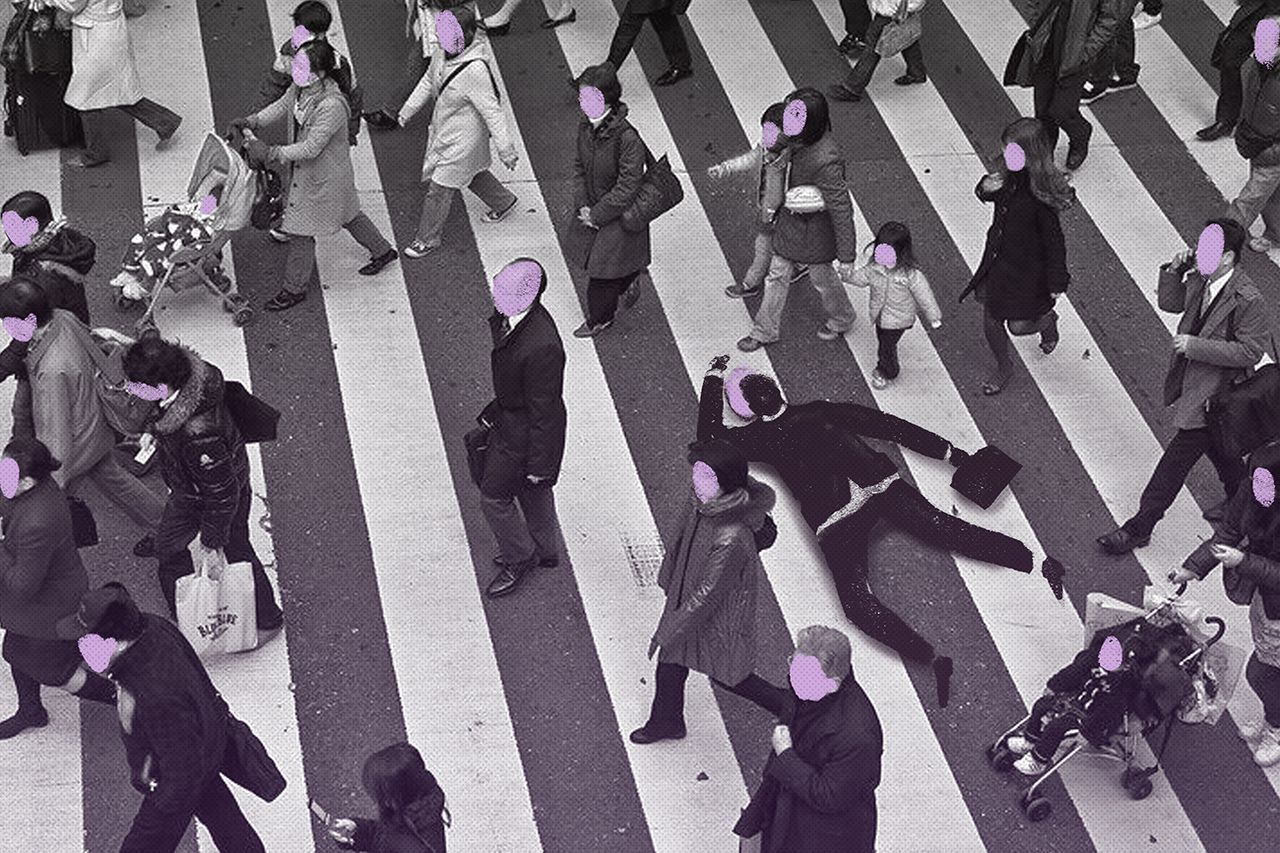
The ritual of Sappuku was considered an honorary death, the meaning of which is to atone for guilt, express devotion to overlord or protect his honor. But it was a privilege of samurai, the suicide of commoners were strictly punished. And although foreigners are accustomed to associate Japan with Harakiri, the current causes of suicide, as elsewhere, are trivial.
The Ministry of Health and the police annually publish a detailed report in which it is possible to find statistics on the floor, age, kind of activity and on what causes of suicide indicated in suicide notes or which were found out during communication with loved ones. The level of female suicides in Japan from year to year remains approximately unchanged, in the region of nine thousand people. Male is seventy percent, and it is they who affect the number of suicides per year. This can be explained by gender imbalance in a society where in families men traditionally act as breadwinner and, practically without seeing children, they “burn” at work. They are more vulnerable to financial and social problems.
Take, for example, the last year. The most common reason is health problems - for several decades have been leading by a large margin and is thirty -nine percent (11 014 people). Further - economic and household problems (3,522), family problems (3 337), problems at work (1,978), problems of relationships with the opposite sex (764) and school (319). As a rule, the causes are imposed or stirring one of the other, so the statistics are quite approximate. For example, health problems include suffering from serious physical diseases and mental - schizophrenia, psychosomatic disorders, depression and alcoholism. The appearance of the last three is often facilitated by completely unrelated causes.
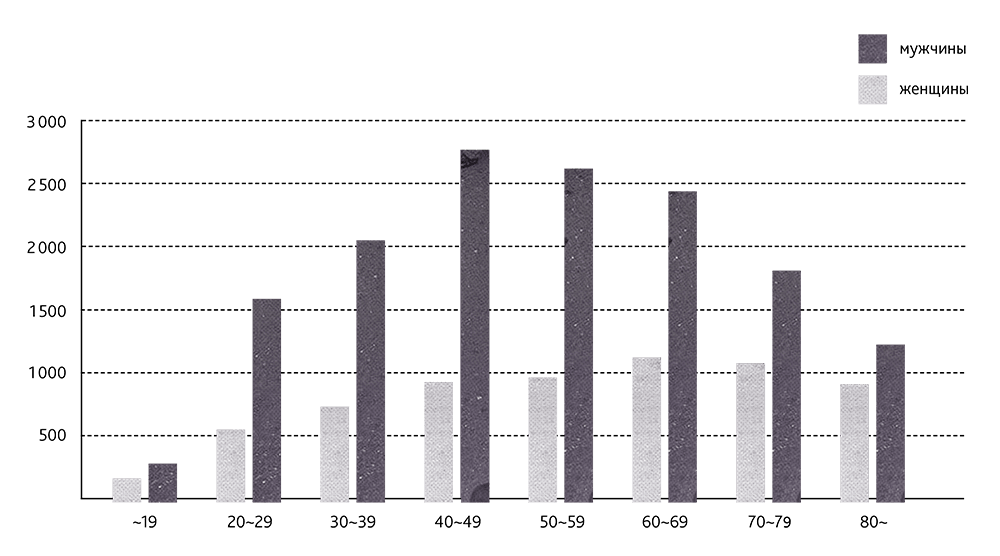
To understand the motives more specifically, you need to take into account the relationship with age, profession. And in Japan it is quite logical. The maximum number of suicides is made by people aged sixty years and older - 8,558 people. The general aging of the nation is affected. The rhythm of life is changing: in Japan, sick leave are not paid, and the disease causes inconvenience to colleagues and customers, so all the ailments are restrained by the principle of “you can’t get sick, you need to work!”, And after retirement, they finally make themselves felt. And many of the diseases simply get tired: "If I can’t restore health, then it’s easier to die." Euthanasia is prohibited. Loneliness immediately affects: the children have grown up, and the old people remain on their own. Those who have families feel guilty in front of them: "I live too long and interfere with the children."
They follow the category of forty to five years nine years-7,783 cases. This age in Japan, oddly enough, is considered a “flourishing of strength” when a person already has experience and has reached a certain level of responsibility. But the elderly are more and more, and every year there are rumors that there are not enough pensions for everyone. And the bankruptcy of the company or the dismissal at this age is akin to disaster. It is impossible to find a new place, and the forces are not the same. In an attempt to ensure a comfortable future, some Japanese risk and take loans for business, but this does not always become a salvation - rather the opposite.
In modern Japan, the average age of marriage in women is twenty -nine years, in men - thirty -one. Therefore, at the age of thirty to nine years, family difficulties come to the forefront: disagreements in a couple, problems of young parents and disappointment in marriage. In April 2015, in the prefecture of Totigi in a small town with a population of a little more than one hundred thousand people with a difference of a week, two women-girlfriends committed suicide (their names and age are not revealed) whose children studied at the same school. The first, A., the mother of two children, became the object of bullying by the mothers of classmates of her daughter, a primary school student. The woman was reported for improper education of the child, then deliberately ignored both “alive” and in the parent group on the network. And the reason for hostility and persecution was the girl's harmless story to classmates about a family trip, which was perceived as boasting. “She found her daughter in the morning and called an ambulance, and the terrain is hilly, and the brigade did not immediately get home. All this time the girl ran from side to side and screamed: there is mom, mother! ” - says the neighbor.
The second woman, B., the mother of four children, an active participant in parental committees, turned to the school leadership about bullying in relation to the old-time daughter, which also caused open hostility from the “colleagues”. “At a meeting after suicide, A. told her so:“ A. Hanged, what will you do? ” She went all in tears. And exactly a week after A. she also hanged herself, ”says the witness of what happened.
At the age of twenty-twenty-nine years, problems at work are unbearable. Everything is also logical here: the beginning of a career in Japan is a real test. The strict system of the senior Jr. breaks the brand new: they require processing and unquestioning subordination. You are young, so you must work hard to show fidelity and willingness to serve the company. Often, one of the working conditions is a mandatory presence on Nomikai - corporate gatherings. Hence the increased stress from relations with colleagues and fatigue from work are the main reasons that youth in the dying notes indicate. But do not think that the more and more productive they work in a Japanese company, the faster career growth. A strict order reigns here: the advance goes slowly, according to the length of service.
“I don’t feel anything but the desire to sleep,” Matsuri Takahashi wrote on the eve of the death of the twenty -four -year -old employee of Dantsi, although not even a year has passed since its entry into the company. The girl could not stand the processing, which reached one hundred and five hours a month, and the bullying of the authorities, and on December 25, 2015 she ended her life, jumping from the fourth floor of the female hostel. Only a year later, under the pressure of the company, the head of the company resigned.
And the latter are children and youth up to twenty. Devil in educational institutions is a problem that is not alien to Japan: due to cruel bullying, nine children died last year. But most of all, young people are experiencing due to performance and learning process. One of the triggers leading to a decision to take their own life is a fear of exams. The peak of suicides in young people falls on the student. The case that occurred two years ago still pops up in Japanese Internet forums: the third-year student of the Faculty of Economics of the University of the city of Oita could not withstand the nittle of the scientific leader who constantly criticized him at the meeting and sent offensive messages at any time of the day. The persecution lasted at least six months. The found correspondence with the teacher shows how the guy “broke”. A few months after communicating with the leader, the student asked for forgiveness at every reproach: “Excuse me, I became completely irresponsible.” The guy’s father recalls that he has repeatedly heard from his son: “I can no longer cope with the instructions of the teacher.” In February 2015, he committed suicide at home, leaving a suicide note, which became the reason for the proceedings. “I just wanted to act as a supervisor,” the “culprit” of the case tried to explain. A few months later he left the university.
In total, in 2016, one hundred and fifteen death cases occurred.
Analysts also note the effect of the Werther effect in Japan-a wave of suicide due to the lighting of suicide in the media. Most often, it occurs within ten days after the release of the news, and in Japan they note an average growth by an average of five percent. The more famous that committed suicide, the more he has followers. But the Japanese surprise: the most vulnerable layer in this sense is not so much sensitive teenagers as housewives and working men for about fifty years. The suicides of creative personalities and politicians are most affected.
But because of love, suicides do not happen so often. Steam suicides in a romantic impulse have gone the past. In an industrial society, love torments do not occupy the same place as before. But new motives have appeared dictated by modernity: the issue of orientation and the relations of others towards representatives of LGBT. The most sensational case is the suicide of a student C. twenty -five years. He got the courage to tell about the feelings of a classmate. “I cannot reciprocate, but I can continue my friendship,” he answered. But he did not save the secret and two months later he wrote in a group of friends in social networks: “Sorry, I can’t hide that you are gay.” S. lost the outbound*, he began nervous breakdowns and bouts of panic. He repeatedly turned to the psychological consultation office with doubts whether to leave the university or change the group, but he never received a good advice. Four months later, in August 2015, another attack occurred in the lesson, and S. dropped from the roof of the university. The family of the deceased filed a lawsuit against a student who issued a secret (1,000,000 yen), and against the university who did not provide moral assistance (2,000,000 yen). The trial has not yet been over.
Auting (English Outing) - a tradition of publicity, public disclosure of information about sexual orientation or gender identity of a person without his consent.
How?
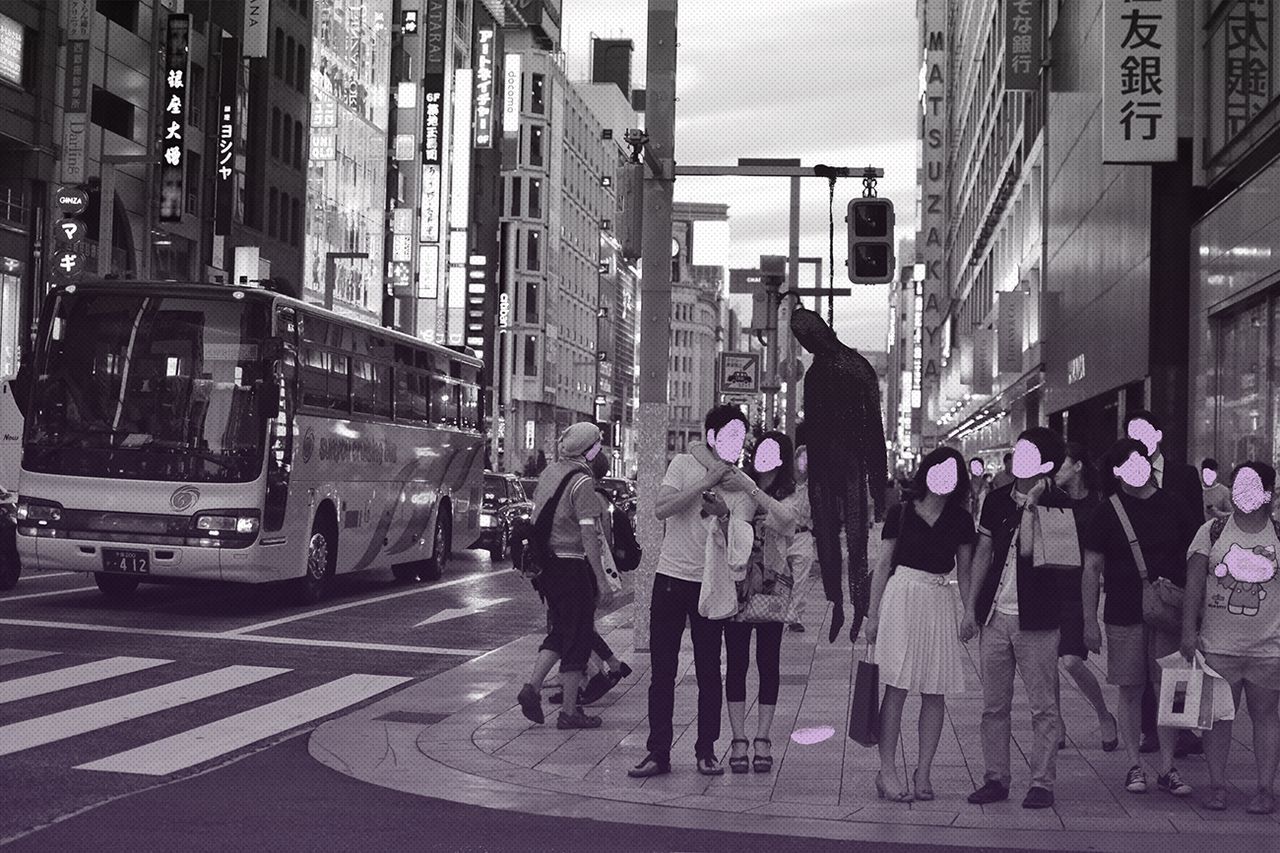
Japan won the reputation of the country of suicides - lovers of jumping for the train, but this is only a stereotype. Statistics say that in women and men, hanging is more popular (more than fifty percent). In men, in decreasing order, gas poisoning, heights, poisoning by substances, drowning, and only in sixth place are popular - jumping under the train. In women, the order is slightly different: the second most popular - jumping from heights, then - poisoning by substances, drowning, gas poisoning, train.

In 1993, Vatar Tsurumi Vataru was published. The author classified the degree of pain and the duration of agony, cost, reliability and consequences in the case of non -lethal outcome, as well as the appearance of the body after death. Here, statistics and a detailed analysis of examples were attached. The text has neither incitement to suicide, nor discent from it. “I wanted an outlet in a society where they say too confidently: you need to be strong, suicide for weaklings - and thereby easier to make life a little,” the author said in the afterword.
The book made a lot of noise and divided the country into two camps. Part believed that she provokes suicide and demanded to ban as “harmful information”. The publishing house had to print the cover: "A request not to be acquired by minors and youth." Others, on the contrary, claimed that she brings “satiety” from thoughts of suicide. “It becomes somehow easier when you understand that there are many ways to die,” one of the readers shares his impressions.
A year later, a continuation was published - “Our“ Complete Suicide Guide ””, where the author posted letters and reviews of fans and opponents, which allowed to look at the problem from different points of view. There is not a single direct indication that the publication provoked suicide, but there were cases when it was found near the dead. Vatar Tsurumi on Twitter asks to pay attention: "The book was a bestseller for two years, and at the same time the number of suicides throughout the country decreased."
Помимо этой книги и сотни сайтов с советами есть и другие ресурсы, они не только снабжают информацией, но и помогают организовать групповой суицид. Несмотря на то, что случаев немного — около ста в год, меры борьбы с ними пока неясны. Впервые групповой суицид случился в 2000 году и в 2003–2004 годах коллективные самоубийства достигли пика популярности, как раз из-за эффекта Вертера. В префектуре Саитама в феврале 2002 года произошёл тройной суицид: две женщины и мужчина отравились угарным газом. «Грустно умирать одному», — писал на одном из сайтов организатор, подыскивая единомышленников. Участники выпили снотворное, чтобы смерть была безболезненной, и сожгли угольные брикеты. Получив большую огласку в СМИ, этот способ стал основным среди групповых интернет-самоубийств. Чаще всего выбирают машины, в них плотно закупориваются все щели. Однако случаются «неудачные» попытки, когда кто-то передумал в последний момент и открыл дверь. Но не так всё просто: выжившие подвергаются аресту и могут быть посажены на срок от шести месяцев до семи лет как «причастные к самоубийству» или даже «убийству».
Интернет-суицид — это новая версия коллективных самоубийств «синдзю». Когда-то к синдзю относился только двойной суицид влюблённых, но сейчас в это понятие входят все групповые самоубийства. Например, семейные, совмещённые с убийством. Родители с финансовыми проблемами, чувствуя ответственность за оставляемых сиротами детей, убивают их, а затем умирают сами. Ещё один вид, ставший распространённым — совместный суицид из-за усталости от ухода за больным. Долгожительность японцев сыграла с ними злую шутку: родственники не выдерживают быть сиделками и решают уйти из жизни вместе — по своей инициативе или по просьбе больного убивают сначала его, а затем пытаются покончить с собой. Сейчас средняя продолжительность жизни у мужчин — восемьдесят один год, у женщин — восемьдесят семь лет. Существует легенда, что японцы раньше избавлялись от стариков, оставляя их умирать в одиночестве в горах. Но документальных сведений, что «убасутэ» когда-либо на самом деле практиковали, нет.What are the consequences?
В японском обществе самоубийства не поощряются, если в них не замешаны честь и сохранение лица, и считаются слабостью духа, хотя семьям погибших сочувствуют. Но отношение государства иное. В зависимости от способа и места умерший может принести немало хлопот близким. На них накладывается штраф, если был вред имуществу или очевидцам. Самый затратный из очевидных примеров — те самые прыжки под поезд. Нарушается движение, требуются расходы на уборку и ремонт (бывают повреждения на линии и у поезда), пассажиры от экстренной остановки могут получить травмы, вдобавок железнодорожная компания возвращает им стоимость билетов. Нередко набегает сумма в несколько сот миллионов иен (1 миллион иен – около 510 000 рублей). И всё ложится на плечи и без того страдающей семьи. Возможно, поэтому этот способ самоубийства непопулярен.
Квартиры, где кто-то повесился или порезал вены, пустуют долгое время и сдаются заметно дешевле. Помимо счёта за ремонт и уборку гарант (а он обязателен в Японии) вынужден оплатить оставшуюся аренду плюс сумму, равную, как правило, ещё году съёма. Примерно такая же ситуация с прыжками со зданий: стоимость недвижимости падает, к этому добавляется повреждение имущества и, не дай бог, травмы свидетелей. Не так-то просто уйти из жизни, не принеся проблем своим близким.Where?
В Японии немало мест, которые заслужили печальную славу площадок для самоубийств. Чаще всего это обрыв или глухой лес, до которых довольно легко добраться и где можно встретить смерть наверняка, не боясь, что тебя остановят. Популярность отдельных мест также объясняют эффектом Вертера — ярко освещённые в СМИ, они привлекают к себе новых желающих расстаться с жизнью «по-модному». Помимо всемирно известного «Леса самоубийц» Япония может похвастаться ещё парой-другой чаще всего красивых, но зловещих мест.
Водопад Кэгон
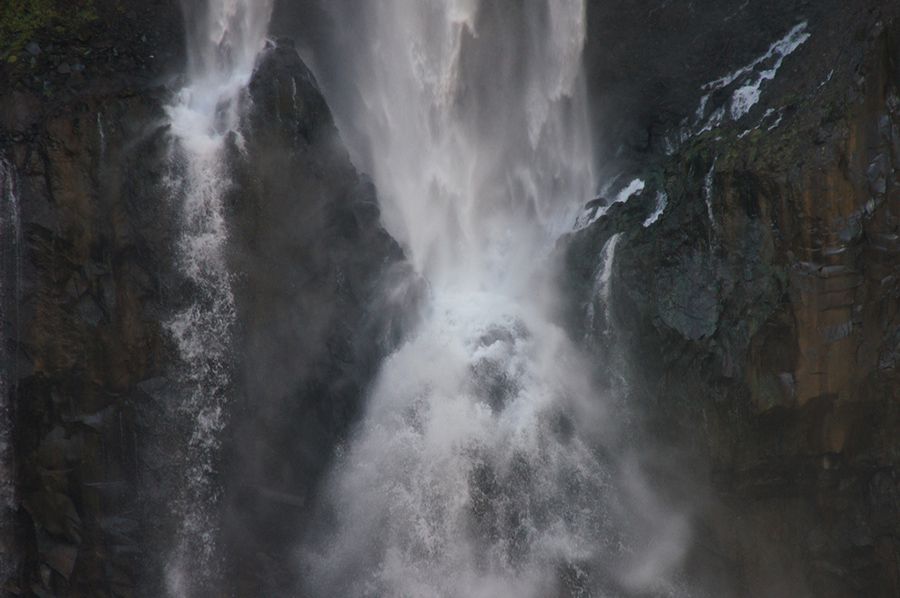 Фото: ume-y / Flickr / CC BY 2.0
Водопад недалеко от Никко, знаменитого живописными храмовыми комплексами, входит в тройку самых больших в Японии и очень популярен среди туристов, а в XX веке — и среди самоубийц. Первый случай, повлёкший за собой череду других, произошёл ещё в 1903 году. К счастью, сейчас суициды здесь случаются нечасто.
Станция Синкоива
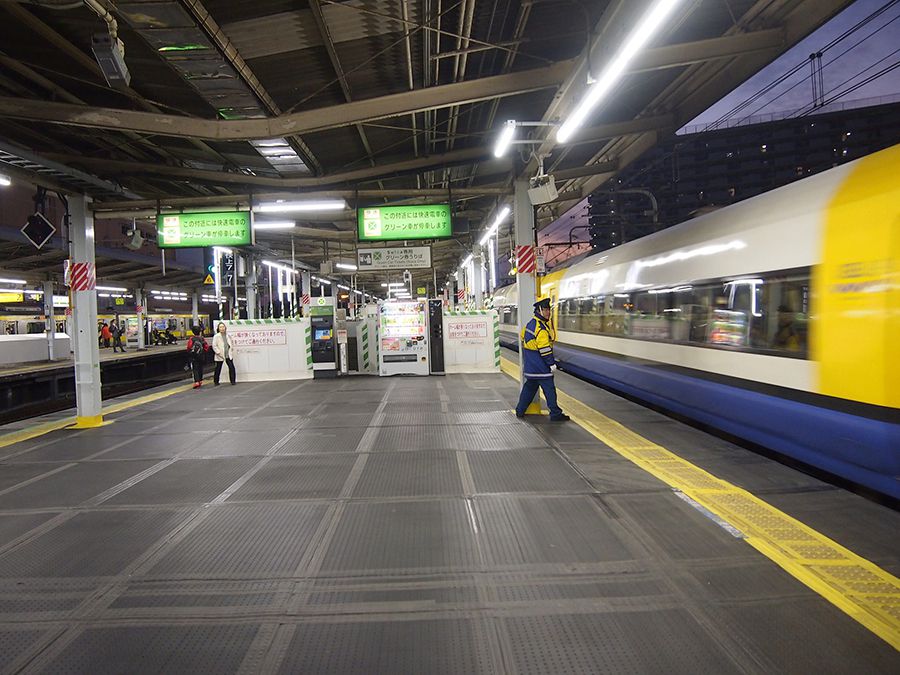 Фото: Yuno Ando / Flickr / CC BY 2.0
Эта небольшая станция в Токио с пассажиропотоком всего семьдесят две тысячи человек в день (сравнить с Синдзюку — семьсот пятьдесят тысяч человек) приобрела дурную славу после первого самоубийства в 2011 году. С того времени произошло уже сорок случаев со смертельным исходом, последний — совсем недавно, 21 марта 2017 года. Поговаривают, что в округе можно увидеть привидения. Причины популярности — проходящие здесь на большой скорости экспрессы и отсутствие ограждений. Чтобы остановить желающих, патрулируют специальные группы, играет расслабляющая музыка, повсюду развешаны постеры с телефонами «психологической помощи» и заменена часть освещения — считается, что холодный свет успокаивает. Недавно началась установка барьера.
Скалы Тодзинбо
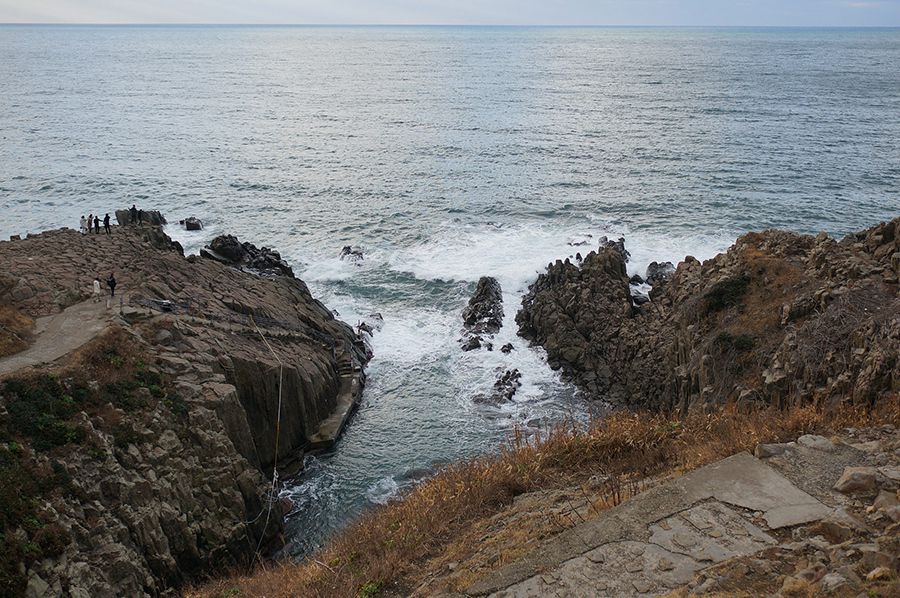 Фото: Richard, enjoy my life! / Flickr / CC BY-SA 2.0
Базальтовые скалы высотой около двадцати пяти метров растянулись на километр вдоль побережья Японского моря в префектуре Фукуи. В живописном месте с шикарными закатами за десять лет простились с жизнью не менее двести сорок человек. Однако в 2017 году пока не случилось ни одного происшествия — удивительно, но игра Pokemon Go, кажется, пригодилась. Именно здесь появляются редкие покемоны, и у самоубийц стало меньше возможностей остаться наедине. Несмотря на это, полиция не дремлет и продолжает патрулировать скалы и использовать дроны.
Мост Ягияма
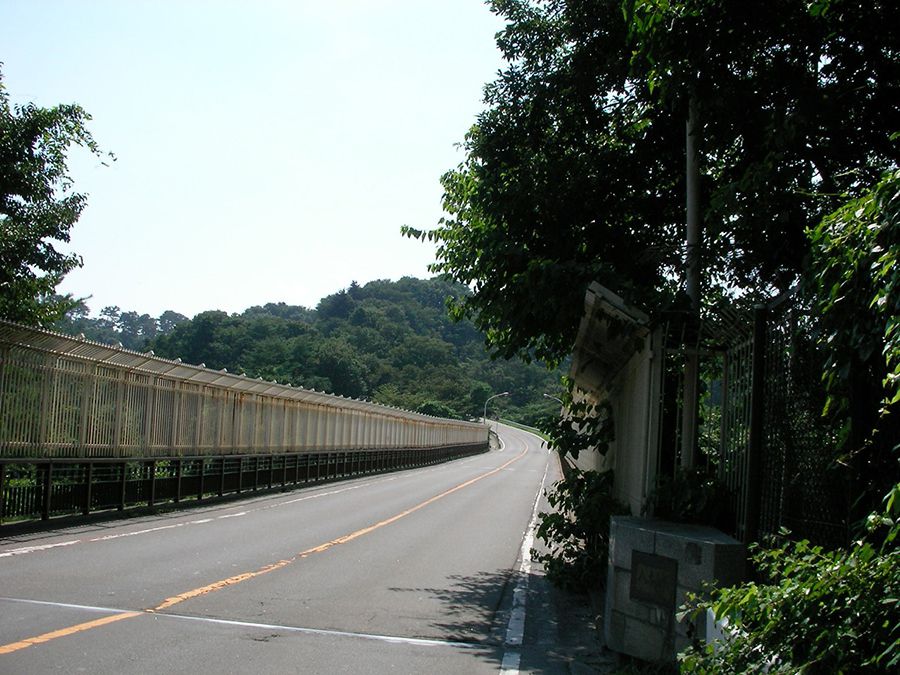 Фото: allegro Takahi / Flickr / CC BY 2.0
Этот мост в префектуре Мияги находится над небольшой речкой на высоте семидесяти метров и, несмотря на то, что установлен двухметровый барьер, популярен среди самоубийц. Количество смертей не афишируется, чтобы не испортить репутацию достопримечательности поблизости — старинного замка Аоба.
When?
Сезон самоубийств наступает весной, самый активный месяц — март, более девятнадцати процентов самоубийств происходит в это время. Экономический год в Японии начинается в апреле, поэтому третий месяц — стрессовое время бухгалтерской отчётности, банкротства, смены рабочего места или увольнений. День недели очевиден — понедельник. Состояние упадка сил накануне начала рабочей недели даже получило название «Синдром Садзариэсан» — это аниме, что идёт вечером воскресенья.
Как с этим борются?
Первый «телефон доверия» начал работать ещё в 1971 году, а центр предупреждения самоубийств в городе Осака — в 1978-м. Но тема долгое время оставалась табуированной, и проблема не освещалась в масс-медиа. А количество звонков от потенциальных самоубийц составляло менее 10 %.
Только после того как число смертей перевалило за тридцать тысяч, в 2006 году Япония приняла специальный Закон по профилактике суицида. Появилось больше центров помощи потенциальным самоубийцам, а также выжившим после неудачной попытки и их родственникам. Увеличились дотации и налоговые послабления частным и некоммерческим организациям, направленным на предупреждение суицидов: центрам занятости и переподготовки, консультациям по управлению долгами, компаниям по уходу за больными и пожилыми людьми.
Сейчас профилактика ведётся по группам риска (учащиеся, взрослые, пожилые). В школах появились штатные психологи, в программу ввели «уроки жизни». В ежегодное медицинское обследование служащих добавили психологический тест на уровень стресса, в некоторых компаниях запретили переработку. С февраля 2017 года началась программа «Премиальная пятница» (Premium Friday), и домой разрешили уходить в 15:00. Для одиноких пенсионеров в местных муниципалитетах стали организовывать кружки по интересам и вовлекать их в волонтёрскую деятельность.
На эти цели государство выделяет 10-15 миллиардов иен ежегодно. В результате в 2012 году число самоубийств впервые не превысило отметку в тридцать тысяч человек. А в 2016-м цифра стала самой низкой за последние двадцать два года — 21 764.
Но, по словам основателя Lifelink, крупнейшей некоммерческой организации по профилактике суицидов, Ясуюки Симидзу, радоваться пока рано. Согласно исследованию Lifelink, большинство самоубийц, которые обращались за консультацией в центры помощи, спасти не удалось.
В 2001 году двадцатидевятилетний Симидзу работал режиссёром на канале NHK в программе «Современность: крупный план». Иногда в ней поднималась тема суицида, а после выпуска о сиротах, чьи родители совершили самоубийство, а таких детей оказалось порядка девяноста тысяч, программа стала резонансной. Позже Симидзу снял документальный фильм «Папа, не умирай!» А в 2004 году молодой журналист ушёл из профессии, основав с двумя единомышленниками Lifelink. «Эта проблема, дети, захватили и задели меня так, что я не мог думать ни о чём другом», — говорит Симидзу.
«В 2005-м мы были инициаторами проведения форума с участием правительства и лоббировали Закон о профилактике суицидов, который был принят через год. В то время уже более десяти лет количество самоубийств превышало количество смертей в ДТП в пять раз. Правительство игнорировало проблему, а волонтёрские организации действовали разрозненно и не всегда компетентно, — рассказывает Симидзу, — Нужен был общий подход к решению, не хватало обученных людей — чем мы и стали заниматься».
Успехи и вклад Lifelink оценили на высоком уровне, и в 2014 году Ясуюки Симидзу удостоился награды «Здоровое общество», на церемонии вручения присутствовал и премьер-министр Японии Синдзо Абэ.Что такое поколение Сатори?
Снижение количества самоубийств связывают и со сменой поколений. Молодёжь, родившаяся после 1985 года, уже не стремится к высоким финансовым или карьерным достижениям, предпочитая корпорациям подработку и фриланс. Им не нужны статус, дорогая машина, путешествия, а брендовой одежде они предпочтут шопинг в многочисленных секонд-хендах района Симокитадзава. Они дорожат душевным спокойствием, даже любовь им в тягость, ведь она приносит страдания. Как правило, не пьют и не курят — это вредит здоровью и напрасная трата денег. И никаких кредитов.
Такую молодёжь называют Сатори (букв. «просветление»). «Они не станут делать ничего там, где результат неизвестен. Бесчувственные. Конечная выгода для них важнее процесса. Не допустят потерь», — легендарный твит основателя имидж-борда 2chan, где в 2010 году в обсуждении книги Таку Ямаока «Поколение, которое ничего не хочет» впервые прозвучало словосочетание, давшее название целому поколению японцев.
Конечно, не вся молодёжь такова, и степень «просветлённости» у каждого разная. Но сатори влияют на общество самим присутствием — видимым примером для изнурённого работой «сараримана».***
Большинство причин суицида в современной Японии не удивляет оригинальностью. Нет больше самураев, нет и сэппуку. Но вспарывание живота для сохранения чести не исчезло бесследно. Чувство вины и желание искупить причинённые неудобства остаются в характере японца и сегодня. Это доказывает история двоюродного деда Таро. Социологи и психологи видят причины популярности самоубийств в изолированности японцев в век интернета, вынужденном трудоголизме и в строгих рамках поведения. Государство старается исправить ситуацию, и сдвиги наметились, но и в самом уставшем от правил обществе зародилась ответная реакция — появление нового поколения, сатори. Интересно, как бы поступил Таро на месте своего родственника?
Текст подготовлен в соавторстве с Марисой Кирисамэ.