
Translated material
The founder of the meeting
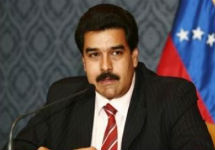
The leader of the Venezuelan opposition Enrique Kapriles called the decision of President Nicolas Maduro to call the constituent meeting with a constitutional coup. It is reported by the BBC.
In a speech at the May Day rally, Maduro told his supporters that he intends to change the existing constitution. According to the President of Venezuela, the deputies of the Constituent Assembly will be "working and representatives of the civil community supporting the government."
The meeting will replace the current national assembly in which the opposition has the majority, and will have the authority to change the country's constitution. According to Maduro, this step will help to overcome the political crisis, as it will deprive the influence of opponents, representing, according to him, "danger to the country."
The chairman of the National Assembly Hulio Borges called Maduro’s statement another attempt to deprive the Venezuelans and another step to the political coup. The opposition has outlined large -scale protests throughout the country on Wednesday.
Since the beginning of April, Venezuela has been undergoing anti -government demonstrations, which often develop into clashes with the police. According to the latest data, 28 people have already died as a result of such clashes.
In January, the National Assembly approved the resolution according to which Maduro was recognized as "leaving his post." During the vote on this issue, 106 deputies out of 167 spoke out "for". The opposition majority accused the president of "non -fulfillment of official duties."
Maduro on Twitter called on the parliament to refuse the decision, which he called "unconstitutional", but appointed the successor in case of resignation. In addition, the president announced an increase in the minimum wage and pensions by 50 percent. Maduro said that this would help fight inflation.
The Venezuela Supreme Court recognized the decision to resign as the president’s resignation. The court also confirmed its decision from November 2016, requiring the members of the parliament to refrain from declaring the "political responsibility" of the current president.
Venezuela's economy largely depends on oil revenues. In 2003, the left government introduced state regulation of prices for main food. As a result, now up to 40 percent of subsidized products is exported to neighboring Colombia for resale. The country has a shortage of food, medicines and essential goods. Inflation in Venezuela in 2016 exceeded 700 percent.
Following the results of the elections held in December 2015 , the qualified majority in the parliament received the opposition . However, the government and the country's Supreme Court, which are still fully controlled by Maduro supporters, successfully break any legislative initiatives of the parliament. There is no impeachment in the Venezuela constitution.
In January last year, Maduro signed a decree on the introduction of an emergency economic situation in the country. The document gives the state the right to intervene in the activities of companies and regulate foreign exchange operations.
In July, Maduro issued a decree that obliged the army to coordinate the production and distribution of food . The military took control of the ports and enterprises of the food industry in order to ensure the supply of food and medicines to the population. Maduro said that new measures were caused by the "Economic War", which, according to him, is leading against the regime by his political opponents and businessmen with the support of the United States.