
Translated material
Clothing on a descalator
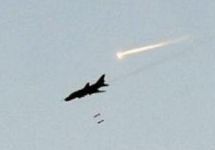
At negotiations in Astana, Russia, Türkiye and Iran signed a memorandum on the creation of de -escalation zones in Syria. This is reported by Interfax.
At the same time, two members of the delegation of the Syrian armed opposition defiantly left the plenary meeting. “We do not take part of Iran as a guarantee country,” shouted one of the members of the opposition delegation during the speech of the Kazakh Foreign Minister Kairat Abdrakhmanov at the meeting. The head of the opposition delegation, Muhammad Allush, did not arrive at the plenary meeting.
Damascus announced the support of the Russian initiative to create de -escalation zones in Syria. At the same time, the Syrian authorities emphasize the commitment to the ceasefire in Syria, reached on December 30, 2016 through the mediation of Russia, Turkey and Iran.
On the eve of the creation of the de-escalation zones in Syria was discussed by the presidents of Turkey and Russia Recep Tayyip Erdogan and Vladimir Putin at negotiations in Sochi, the Kremlin press service reports .
“The creation of security zones should lead to further peace and strengthening the ceasefire,” Putin said following negotiations. - As for aviation flights. If this is a de -escalation zone, then aviation will not work there either. Provided that no military activity will be observed from these zones. ”
The fourth round of negotiations on the settlement of the crisis in Siyria in Astana began on Wednesday. At the same time, the Syrian armed opposition announced the suspension of its participation in them. "The delegation suspended its participation by introducing a memorandum of the obligation to terminate (government. - Ed.) Bombing," said Ahmad Ramadan, a representative of the opposition Syrian National Council.
In December last year, moderate rebels and Assad regime came to an agreement on the beginning of peace negotiations, and therefore a truce was announced on the night of December 30 in Syria. On January 9, Assadannounced readiness for negotiations with the opposition in Astana .
On January 3, it was reported that some Syrian rebels refused to participate in negotiations . This was stated by twelve groups included in the Syrian Free Army.
On January 24, it became known that the Syrian opposition refused to sign a commander following a meeting in Astana .