
Translated material
Track
She could scare anyone. But the work was done. People in the sky and on the earth Alsib
Krasnoyarsk Territory in World War II - deep rear. Although the Germans in the 42nd-Operation “Wunderland”, or “Wonderland”-erupted here: Dixon fought with the heavy cruiser Admiral Sheer. But - nothing like the great battles in Europe. Can the lands of hard labor and links, the Gulag and prisons experience a shortage of those historical events for which it is not a shame? Maybe. In Krasnoyarsk, there have been disputes about branding the region for a long time, and its historical component is depressing.
This land has no shortage of heroes, but they died far from it. A mountain is visible from the windows of my house, on it is the oldest Trinity cemetery. It creates an impressive impression of humanity. For one male grave - with a dozen female. The men from here, from the middle of the continent, were moved to the west and east, where they were raked into mass graves.
Since November 17, 1942, a nameless monument to the dead pilots stood on the Trinity Pogost. And only recently surnames appeared on it, and it became clear that he was put in memory of the pilots who died in 1942-1945 during the distances of Lend-Lease aircraft to the front. From Krasnoyarsk, the American AeroCobra, Kittihauki, Bostona and Douglas flew to the west. In April-June 1943, in the Kuban sky, ours in the "aerocobra" was already steadily smashed by the Luftwaffe.
Materials on the Alaska -Siberia (Alsib) highway remained classified until 1992, Alsibovtsy, who did not manage to meet with the enemy before the highway, were not considered veterans of war. But this road to war is comparable to the front with the front. The Alsibov distillation is a real story. Nothing in common with the mythology that they are trying to compensate for the shortage of local heroics. Seeks the truth and reveals it to the light, including Vyacheslav Filippov. A person who is really passionate and most versed in the history of the secret route.
Alexey Tarasov,
"New"
Almost forty years ago, when I was a schoolboy and a “red raven”, I was with friends behind the summer cottage of Anna Fedorovna Shvetsova at Kryuchkovo station, west of Krasnoyarsk. We are standing among the conquered explosions and burned shapeless “pieces of iron”, which once had a plane, look at a piece of casing with part of the Big Red Star and scraps of inscriptions in the English in black letters “... Danger ...”, “...” and we don’t understand how the American aircraft during the war with the Germans found ourselves in the middle of the Soviet Union-the deeply rear city of Krasnoyarsk. Attempts to clarify the situation failed, adults tried to help us, but also to no avail. The “secret” vulture from documents related to this plane crash has not yet been removed.
Years passed, the Soviet Union curled up to the Russian Federation, the archives opened, and we have matured and completely differently began to perceive those children's impressions. Articles appeared in the newspapers about the Alaska - Siberia Parsing Air, an interview with the former head of the highway, the famous polar pilot Ilya Pavlovich Mazuruk, and everything fell into place. It turned out that Krasnoyarsk during the war years was a final point for Mazuruka-pilgrims, and on the concrete of the Krasnoyarsk airport there were new American fighters, bombers and transport aircraft ready to send to the front. The "non -hazardous" pilots arriving from the front from the front retrained in Krasnoyarsk to new equipment and flew to the west to smash the enemy. It turned out that the first aircraft who came from Alaska on this route in the late autumn of 1942 had already fought in Pekla, on the Stalingrad Front.
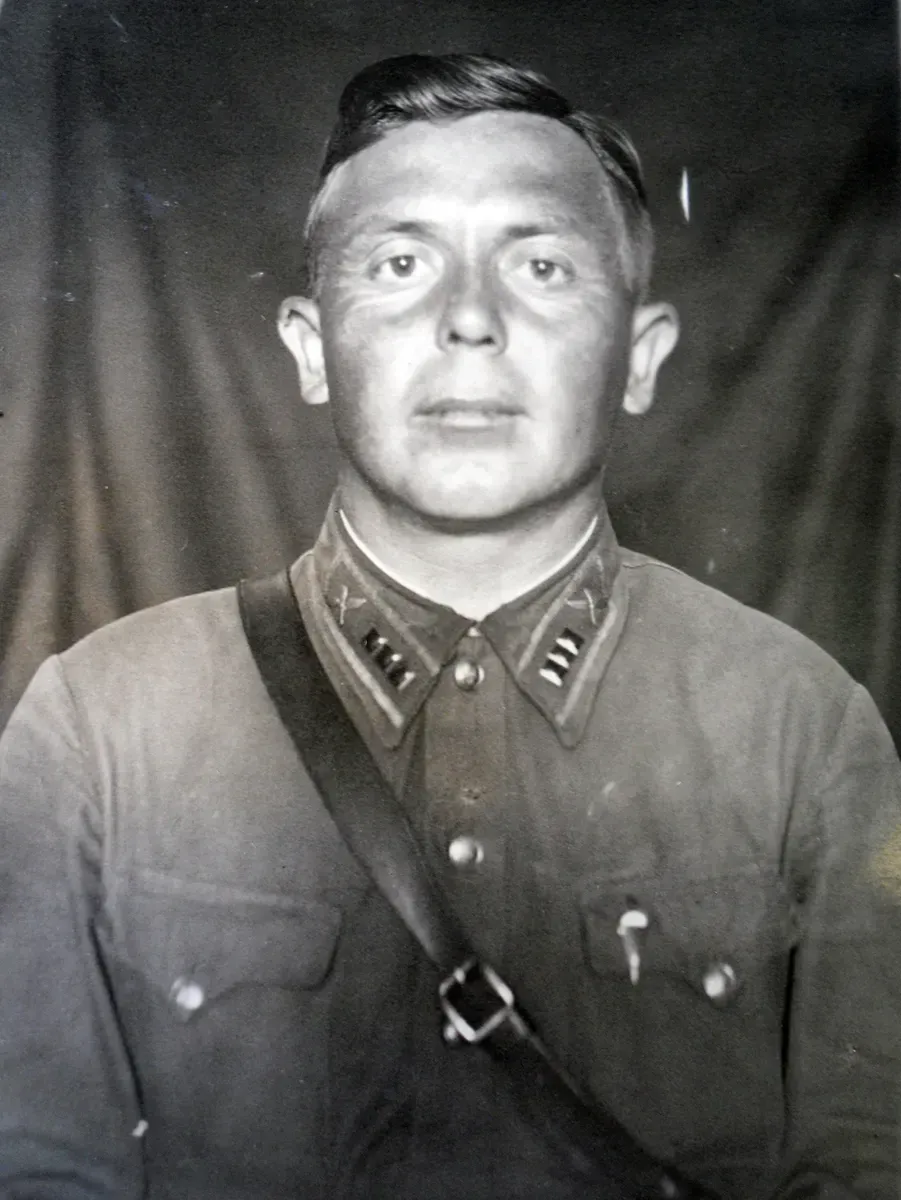
The same plane that did not fly to the front in Kryuchkovo-the A-20 Boston bomber-from which my personal story began, I, almost 50 years old by that time, still waited. The bones of the pilots scattered throughout the district and the schoolchildren of the 11th lyceum and the 148th school scattered and solemnly buried the dead pilots at the Trinity cemetery of Krasnoyarsk on October 26, 2012 at the memorial on October 26, 20143 waited throughout the district. In the crew of Captain Peter Stepanov, not the distillery of the Krasnoyarsk air route served, these were pilots of the front-line 242th bombing air regiment, who received planes in Krasnoyarsk and headed to the west. And Stepanov himself turned out to be our fellow countryman from the village of Karnaukhovo, the Sukhobuzimsky district, one of the first Krasnoyarsk Planists and Aerocracytians, who managed to fight in China back in 1937-1938 and with the Germans in 1941. The world, as usual, is cramped.
With this, everything began again. Trips to archives. Horror from the information found: the Krasnoyarsk land was the last refuge for 123 (!) Pilots, who did not reach the front. Expeditions to search for what remains of people and aircraft. Satisfaction of the results: a memorial has been created for the dead pilots. And now the names of all of them have been immortalized, and already three crews, we found in the vicinity of Krasnoyarsk, have gained a worthy place of repose.
Work
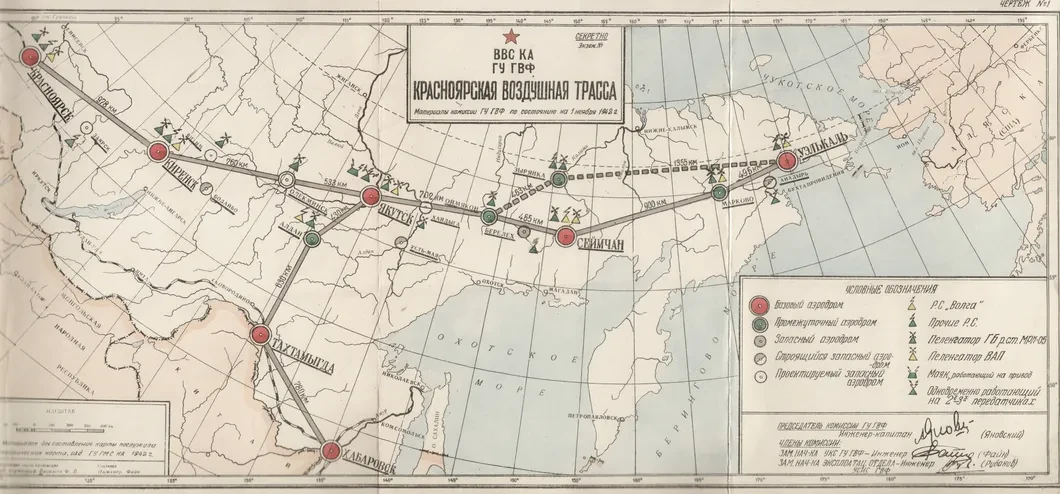
The Krasnoyarsk air highway of the Air Force of the Red Army, it is also the air route Krasnoyarsk-Welkal (official names), now known as the Alaska-Siberia, Alsib.
In June 1942, Roosevelt wrote to Stalin: “The Litvinov ambassador informed me that you approved the transfer of American aircraft through Alaska and Northern Siberia to the Western Front ... I want to emphasize that if it were possible to supply aircraft from the United States to the Soviet Union through Alaska and Siberia, instead of delivering them through Africa, as it is now being practiced, it would be now practiced, it would be now practiced. A large amount of time has been saved. "
At the same time, the American side proposed distilling aircraft with their pilots. To which Stalin answered Roosevelt on July 1 of the same 1942: “... the Soviet government has already given the necessary instructions on the end of the work being carried out in Siberia in preparation for the reception of aircraft. As for the forces of whose pilots to deliver aircraft from Alaska, it seems to me that this case can be entrusted to ... Soviet pilots ... "
The Supreme Commander -in -Chief approved the staff of the highway. Five banging regiments, the sixth regiment - transport crews, five aviation bases and three intermediate airfields with commanders in Markov, Oymyakon, Olekminsk. Command, headquarters, political department of the track - in Yakutsk, in the middle of the route. Here are the 4th Parshal Aviation Regiment and the Avia Technical Base.
And from the airfields, only Krasnoyarsk and Yakutsk met the requirements. In peacetime, years would have gone to build military towns and airfields in Chukotka and in Yakutia. But the time was not peaceful, and not years were given, but months and days.
The route of the route passed over the north-east of the country. Hundreds and thousands of kilometers are no human housing, as much as the eye sees - tundra or taiga, endless piles of mountain ranges, ice and snow. During the flight of the pilots, unpredictable storms, thunderstorms and other surprises of the northern climate kept meeting. Before the war, civil aviation only mastered these places. Flights in the Siberian northern regions were episodic, considered as a feat. Now this should have become mass and ordinary.
The track is primarily a huge team of people who worked for the result: give the front as many aircraft as possible. With the least losses on the way. The result is impressive: for three years of the route-from October 1942 to October 1945-8094 new combat and transport aircraft passed through Krasnoyarsk. Calculate, simply based on the fact that the aviation regiment had an average of 30 aircraft in an average of 30, how many fighting regiments were beaten by ASs of the Luftwaffe in the air and bombed the Nazis on the ground on the Alsibovsky vehicles?
Pilots and technology
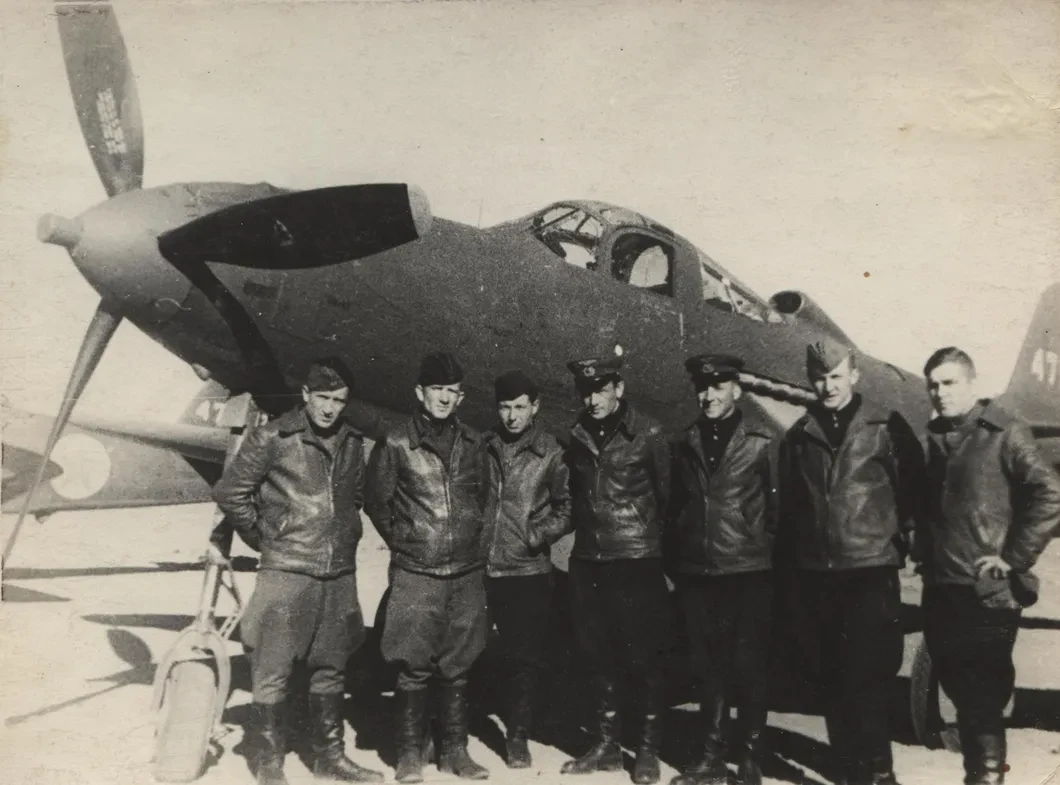
The pilots on the highway were cool: 90% of them were front-line soldiers who managed to smell powder in air battles in Spain, at Khalkhin-Gol, Hassana, in Finnish, with the Nazis at the beginning of the war, some with the experience of distillation of Iranian aircraft to Azerbaijan (there was such a route, but this is another story).
From the memoirs of the first head of the political department of the highway Konstantin Vasilievich Orlov: “... I remember that in those days I was struck by one common feature for all the pilots who worked on the highway-they were all calm and businesslike. Outwardly - as if even indifferent. Well, there is a task - you need to complete it. Completed. Tomorrow to fly again - we will fly. No acute manifestations of emotions are only wise self -confidence, in your flight skill, in knowledge of the matter.
It happened, you will ask the pilot after the flight at the landing airfield: "How did you get?" - You ask a traditional such question as it is accepted at a meeting. He meets the most ordinary tone: “Nothing, everything is in order ...“ Düws ”, however, had to be brought up, he had to sit on the forced, in Oymyakon ...”
And so it says that nothing had happened. And if he had not reached Oymyakon because of these very “Duretics”? Would he go to the Verkhoyansk ridge forced somewhere in the area of the Verkhoyansk ridge? "
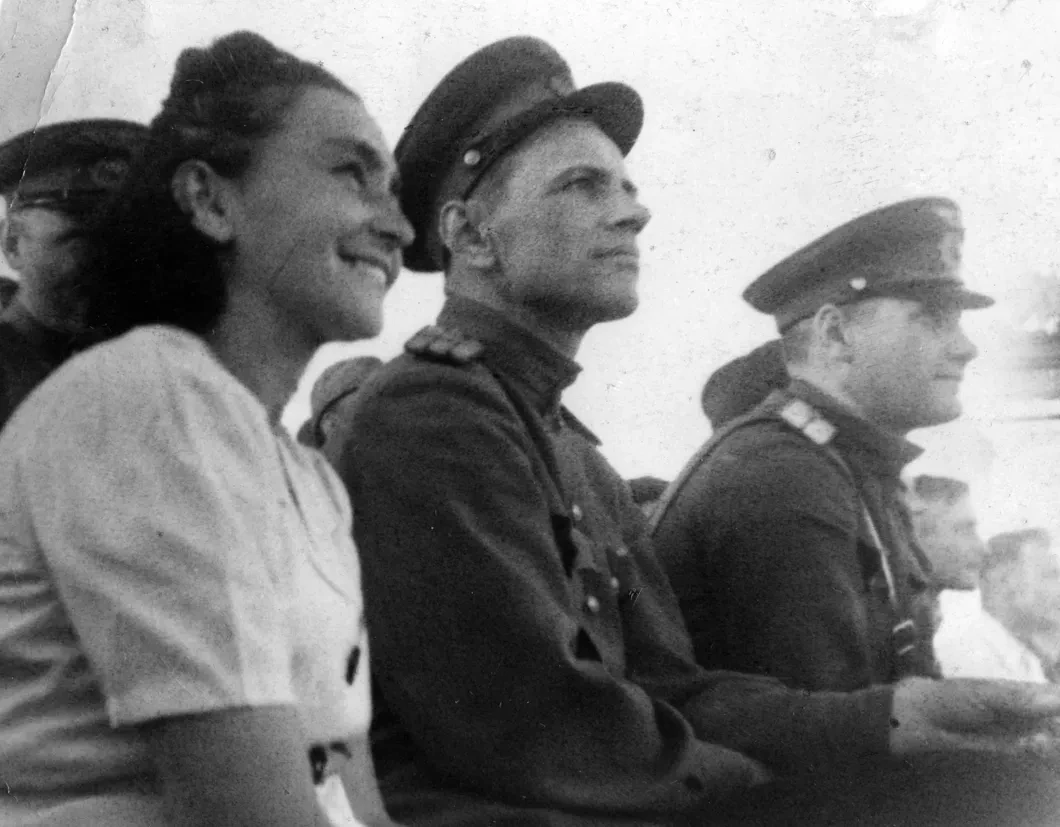
The worst of all were techniques: there were no hangars at the airfields, neither warm nor cold ones. All work for the matters was carried out in the open air and in any frost. The planes were covered with ice, the rubber froze and became breaking, hoses burst, and the flowing oil became like a stone. But people worked, and the planes that came from Alaska flew further. In Krasnoyarsk and - to the front.
Commanders
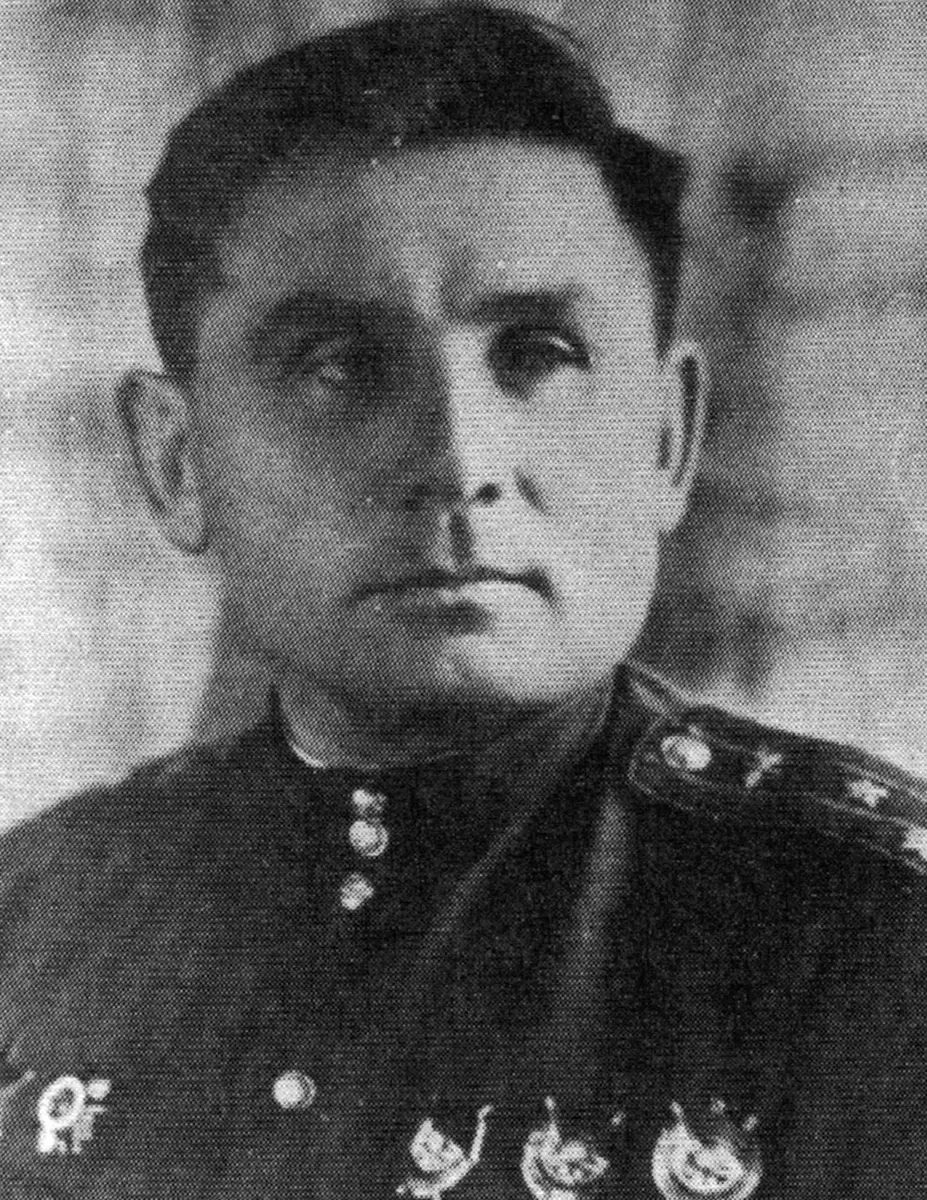
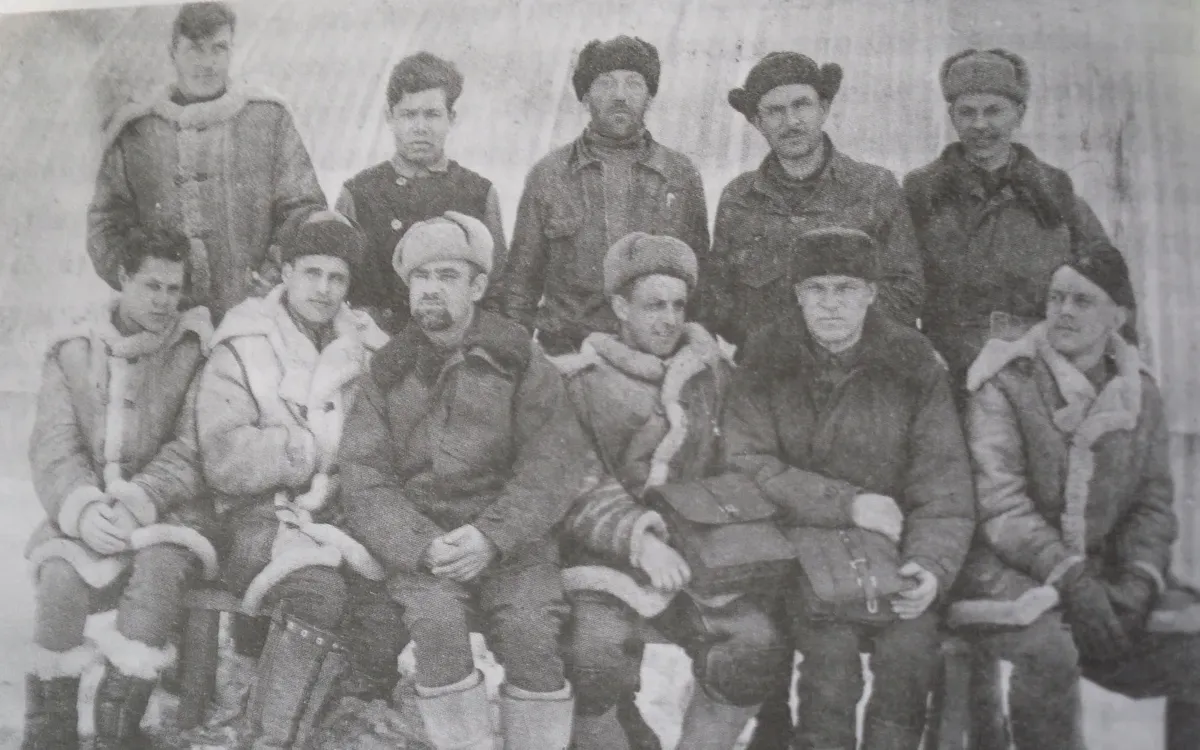
The first group of imported aircraft in Krasnoyarsk on November 11, 1942 was brought by Vasily Vasilievich Fokin, Lieutenant Colonel then, deputy head of the flight training route. They could admire: tall, slender, very spectacular in a leather flight suit, with a helmet shifted to the back of the head, and even crowned with dark “conservatives”, obviously “non-nursing” origin. He was directed to the Krasnoyarsk highway after organizing a distillation along the southern highway - from Iran to Azerbaijan. An unconditional authority for everyone who flew and who was engaged in airplanes on Earth. He knew everything and knew everything. He was a wonderful mentor.
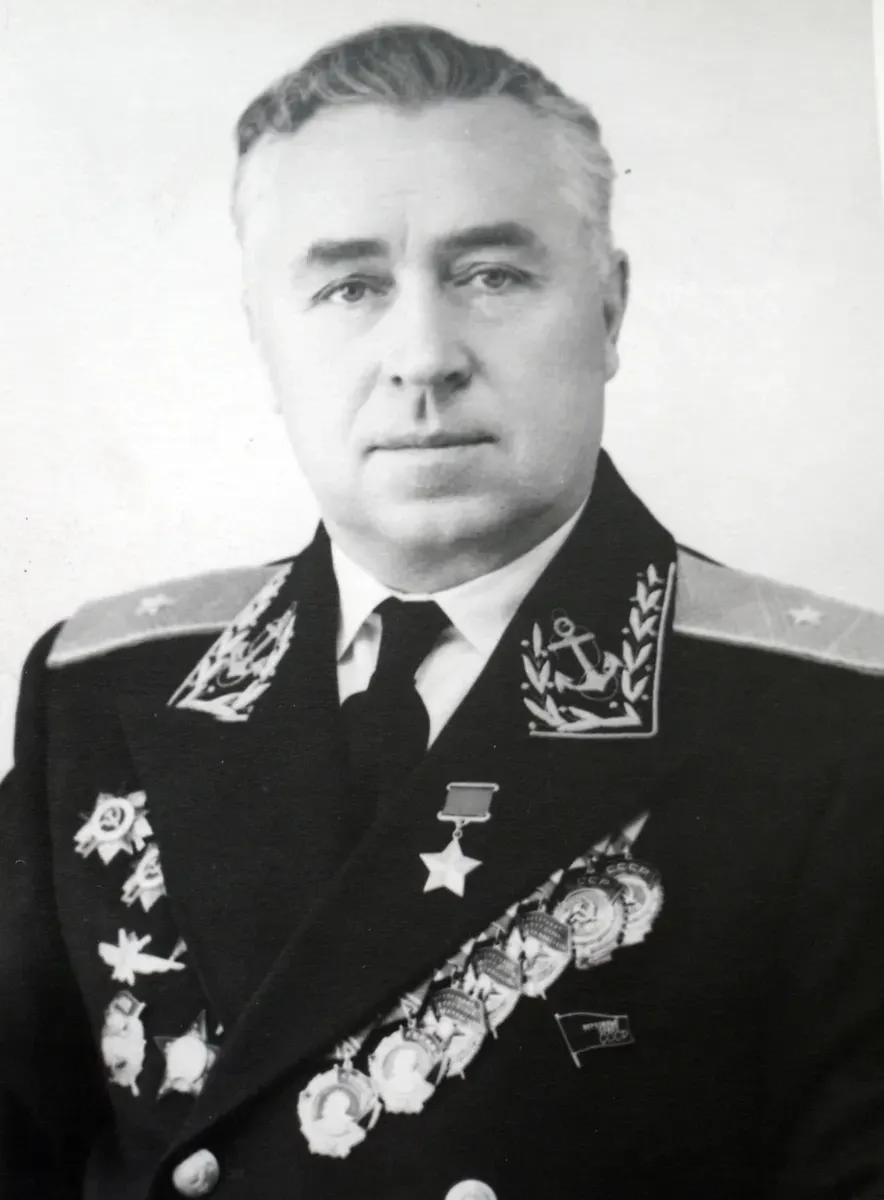
Mazuruki was known about the head of the Mazuruka highway not only in the USSR, and in world aviation by that time he became indisputable authority. He came to the highway from the post of head of the polar aviation department of Glavsevmorput. The title of Hero of the Soviet Union was awarded to him in 1937 for heroism and courage when delivering Ivan Papanin to the North Pole of the famous expedition. Not only Soviet aircraft knew very well, very quickly mastered the American ones - and their material part, and features of operation. All that he knew how to generously conveyed to his colleagues - both the flight personnel and the technical.
What was he in the case? His right hand recalls-Commissioner Orlov: “Once in Yakutsk, Mazuruk and I went to the airfield. Frost is fifty degrees. We see: people gathered at the American transport aircraft of the S-47, they argue about something. We approach. Here is an engineer of the 4th regiment, equipment, pilots. It turns out that a malfunction was discovered in the machine’s oil system, and the engineer does not allow the departure. And the ship commander proves that you can fly, nothing terrible, they say, did not happen.
Ilya Pavlovich listened carefully to everyone and now I see: Raglan takes off, pulls on himself a technical overalls and is hiding in an airplane.
After some time, he peels out and says to the engineer: "Now we will test him in the air." He calls the ship commander with him, and they go to the cockpit. And now the motors have already been launched, they warm for a long time, and then, noting the whirlwinds of hard snow, the plane steers on the starting platform and takes off. Mazukuk makes two circles over the airfield and goes through a gap in the heap clouds somewhere there-in a fierce frosty scope.
At this time, on the ground to the parking lot, where we crowded, having lifted our heads, the officer’s duty officer runs up and shouts: “Where is the mazuruk? Urgently to the phone, from the headquarters of the highway, urgently! ”
And then someone answers, loudly, clearly and even, it seemed to me, with some admiration: “And Mazukuku is: in that cloud!”
At this time, the plane completely ceased to be visible, the clouds over us closed.
The case of the born phrase forever sunk into my soul: "Mazukuk in the cloud." I always remember this case when I think about Mazuruk.
The plane emerged from the clouds and landed.
Leaving the cab, Ilya Pavlovich ducked under the plane again, studied something there for a long time, crawled out and said confidently: “Now you can fly. Come on, I allow. "
This was the whole Mazukuk, his style, his handwriting as the commander of the aviation unit: a personal example, perky dashing, rational firing. ”
Archival documents were told about the second episode.
Mazukuk was the leader in the next group of aircraft along the Welkal -Seymchan route. He walked on the B-25 “Mitchell” bomber. They landed in a severe meteorological situation: when approaching Seimchan, it turned out that he was closed by fog and did not accept. To leave for a spare airfield in Oymyakon late is not enough fuel. Turn on Magadan is a huge risk: it is not known what the weather is there. The nine fighters led by Mazuruk was critical in a situation. There was a way out so terrible that I didn’t even want to think about him: to find a suitable snowy clearing and try to sit with the chassis removed.
What the leader was supposed to survive at these minutes is difficult to imagine. The pilots, continuing to keep the system, were waiting for his decision.
This is where the whole tremendous experience of the polar pilot affected. Mazukuk knew all the back streets on the route of the highway, he also knew the place where they were now. Confidently turned the group to the north to the village of Zyryanka, on the Kolyma River. There were large sand shallows, which at that time the frost hit to the state of asphalt or even concrete. Here on this coating and made a forced landing all nine fighters. The leader’s bomber sat down, although he could go to one or another airfield, he still had fuel. But I did not consider it possible to leave the group.
On Earth, the struggle for survival continued. After all, in order to get to Seimchan, the next day, it was necessary to take off. No heaters, of course, are not. Frost overnight would just break the engines. And then again the note of the pilots and their leader helped out. They called for help from the inhabitants of the Zyryanka. They found tarpaulins and covered them with planes. Under the guidance of the mechanic of the aircraft, iron stoves were drowned all night under these tarpaulins, and in the morning the whole group took off safely and came to the destination airfield - the village of Seimchan.
"Earth"
There are always those whose daily work we may not notice when everything is fine remain in the shade.
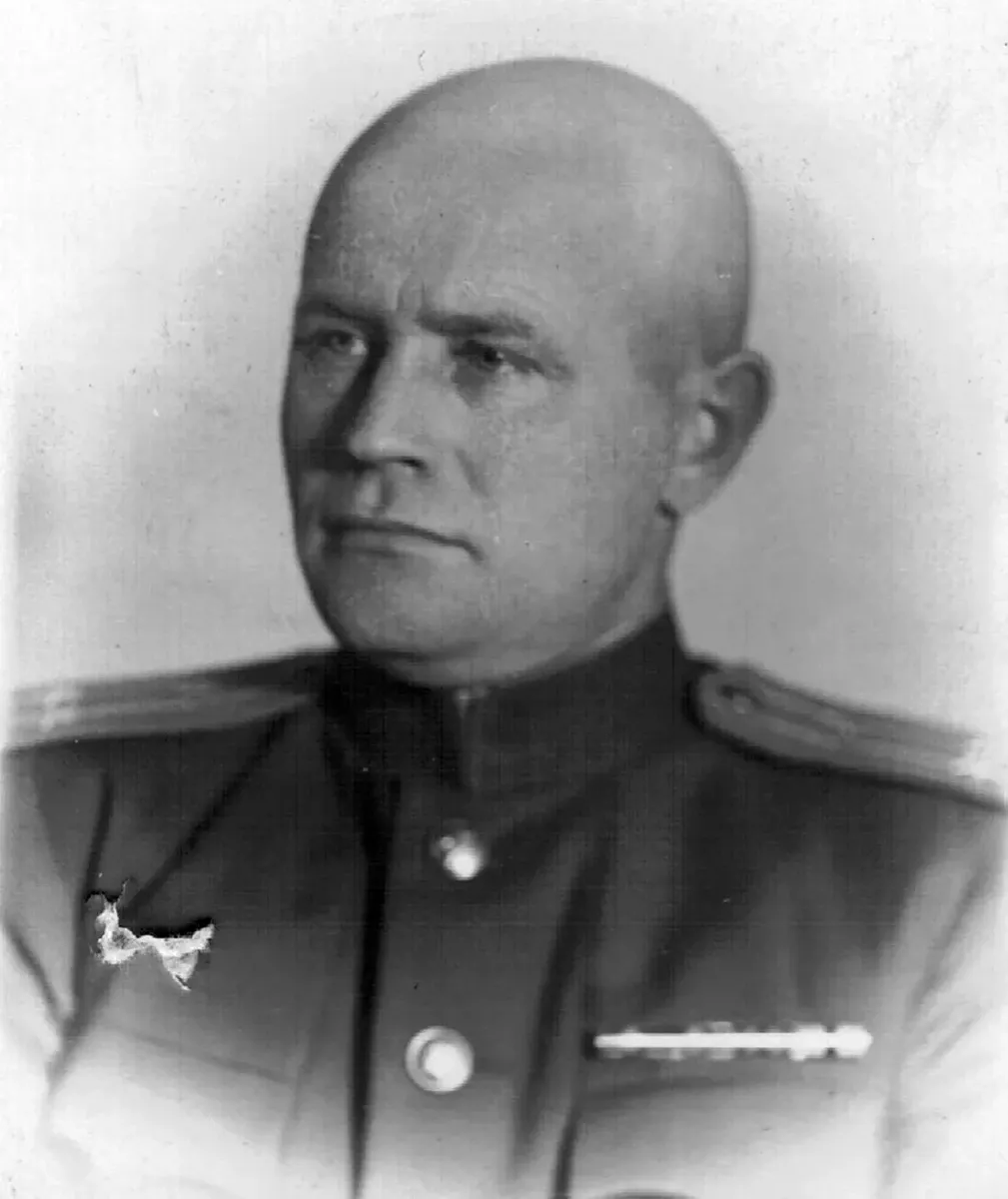
In November 1942, in Khabarovsk, the 7th air base for Oymyakon airport was formed in Khabarovsk. It was required to relocate 120 people with a load of 60 tons, food (a margin of 9 months), clothing and technical property. The base commander Major Alexander Prokopyevich Smertin from Vladivostok to Magadan (Sea), from Magadan to Oymyakon (1000 km expensive) in December at -50-60 in the context of frequent drifts brought his team to Oymyakon in full force and health -there was not even a single frozen. In Oymyakon, he organized a wintering in unfinished rooms, built a power plant from scratch, underwear the airfield and prepared it for reception of aircraft.
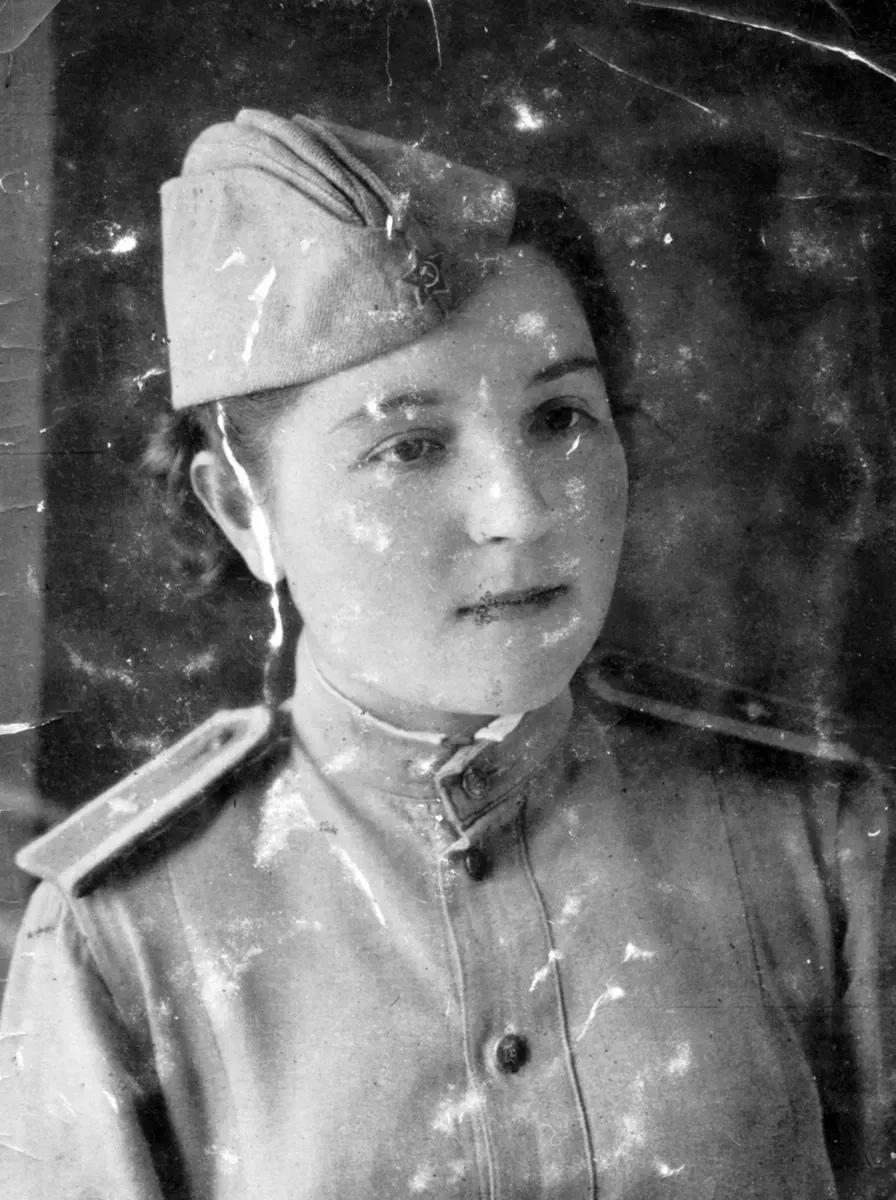
Employees of weather stations and radiopeling points often worked in winter. In the taiga, 300-400 km from the nearest housing, two specialists were on duty around the clock, maintaining uninterrupted communications with aircraft. In many cases, these were girls who graduated from short -term courses. Products - dry ration for many months, water - melted snow. When asked how they coped with all this, Krasnoyarka Valentina Georgievna Ryakhovskaya, who served on the highway by a radio engineer, answered monosyllabic: “It was difficult, but this is not the front.”
Such we see them in the photographs of that time. Beautiful guys in leather jackets, aircraft mechanics with frost-blueped faces, hiding frostbitten hands, smiling mute girls in tidy dresses. Youth…
Vyacheslav Filippov -
especially for "new",
Krasnoyarsk