
Translated material
Aria of the Moscow guest
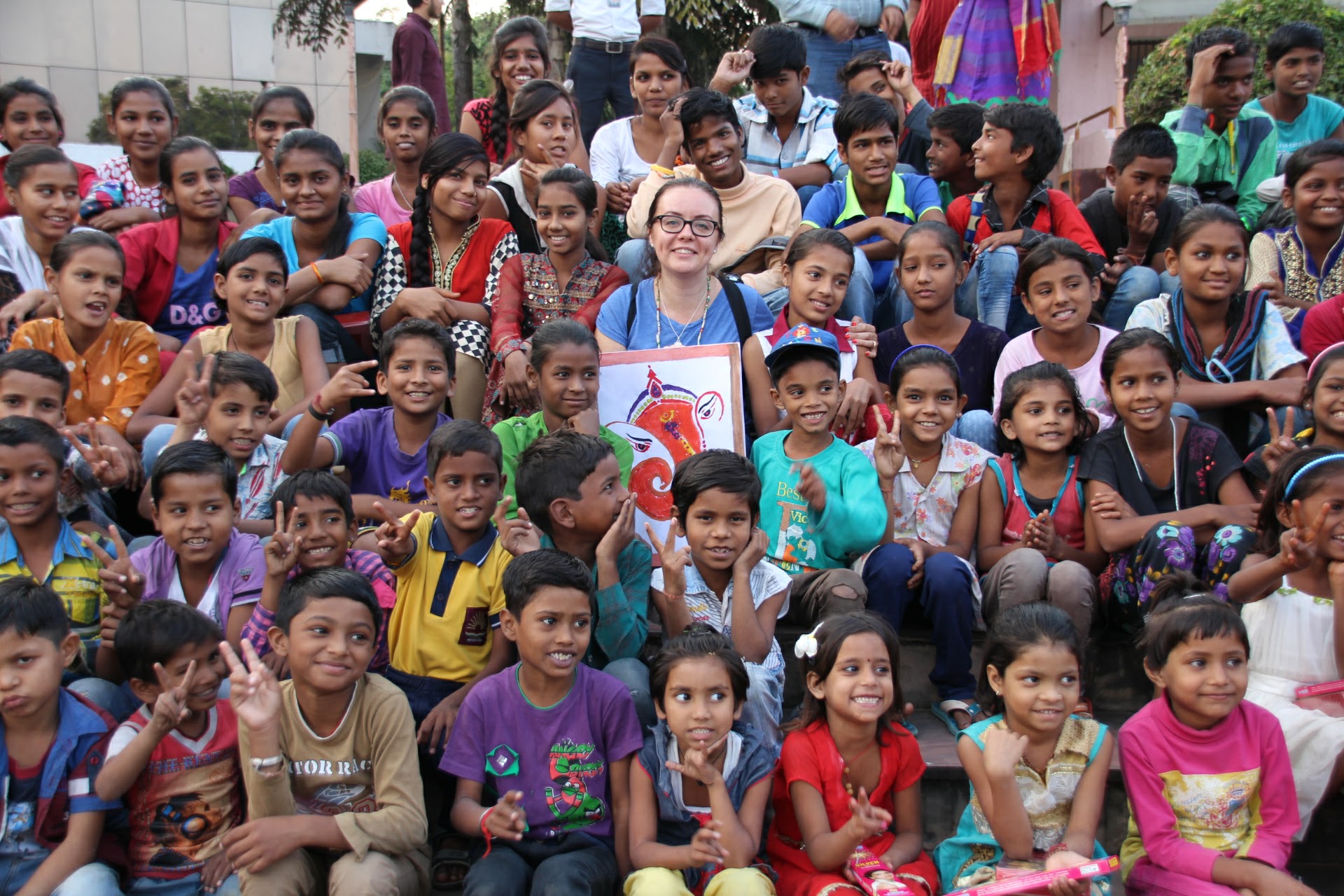
These children have fifty shades, the hair is lighter and wider, but the eyes-beads are the same. For a month I was a volunteer in the city of Bhopal: I talked about winter, Moscow, Gagarin and ballet schoolchildren from slums, many of whom live during shoeman without electricity and water
"Hi, NATASHA DIDI, Kai Se Ho?" - They scream from the bus and run to hug. DIDI is a common appeal to older girls in India, like a “older sister”. “Kai Se Ho” - “How are you” on Hindi. I just can’t get used to that forty pairs of identical eyes meet me daily with this question.
Project. Start
“Bhopal is the capital of Madha Pradesh, this is the very center of India and the city of seven lakes, we really have seven lakes, the main thing is artificial, because of the dam,” Pradip and Shiban Gosh met me at the airport and take breakfast to themselves. I see the dawn over a large lake, around which paving stones are neatly laid, and cows, dogs and sometimes people sleep on it. In the early days of my big trip, a lot is surprising.
The volunteer project in India, and certainly so as to work with children, I could not find almost three months: I re -read many sites with the dictionary and without I wrote letters with requests, officially contacted the AISEC international youth organization and no longer believed in luck. The Indian friend of Juteshko, who gave the father of his fellow student, the head of social projects, helped. I wrote a letter to Pradip, and everything spun.
We come to the prestigious area where the Gosh family lives, in our own house - white, two -story, with a small parking and terrace - typical for India. Here, with a separate entrance, since 2003, the ASIS office is also located-A Social Innovations Laboratory, which already has ten different directions: children, volunteers, newspaper, laboratory of innovation for rustic residents ... Shiban treats with sweet Masala-Chai, and I, for the first time in the real Indian living room, are considering endless Souvenir figures of Hindu-Bogs, gift figurines, tourist plates. One rack is full of diplomas and awards - the success of the ASIS.
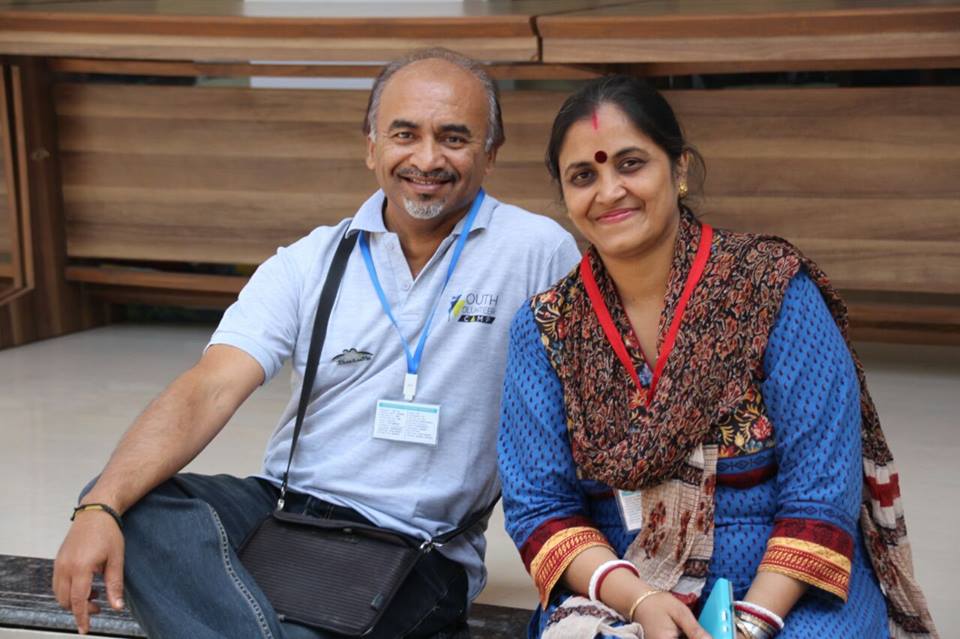 Shiban and Pradip Photo: From the Personal Archive
Pradip turns on the computer, leafing through the photos and tells how one day I realized: enough to wait for help from “from above”, you need to act by ourselves. “But not just to help the poor, but to find bold ways to solve their problems.” He leads me into the yard and shows not global, but important and cute achievements. Here is a bicycle with an unusual seat - it is difficult for teenagers from villages to get to the nearest school on an uneven bumpy road among the jungle, and depreciation was invented in the laboratory. And here's more: in rural areas in the season, spontaneous dumps of coconuts are always formed - what to do with them? "We decided to use it as garden pots, for flowers and seedlings." So the project after the project, the grant for a grant over 13 years, the social laboratory has grown, and most of all Pradip is proud that it has a lot of young people. “Once a week, volunteers gather in our house-they are 20-25 years old, this is always a laughter for the whole area.”
It is immediately evident that Pradip is a fascinated romantic, and the whole family with it at the same time: Shiban is engaged in the Museum School project, in which I will work, the son of Piyush leads The Optimist Citizen newspaper, his twin sister Puyuli studies pedagogy.
We decide that I will go to the children tomorrow, and now I’ll take a rest and after the daytime heat to Molla: Bhopal is a city of strict rules, I can’t wear a transparent one here, tight not to wear, the elbows and my knees are not opened, and even my skirt, it requires leggings.
In the evening I fall asleep, repeating like mantras, the names of the people I met today: Shiban, Ranneta, Primyansh, Piyush, tennison, Tuin, Svanzil, Puly.
Friend Ganesha
The volunteer in Asia needs to be prepared in advance for domestic deprivations and leave squeamishness at home. In all the projects that I found, the condition was indicated - accommodation in hostels or common rooms, and they relate to cleanliness in India differently than in Russia. I was lucky: I live "in the family", in my room with a shower, on the ground floor of a slender White House with a garden, where there are mangoes, snails and squirrels. The room is small, but bright, it has a lot of air, a bed and four cabinets along the walls littered with old books, newspapers and portraits. Previously, a grandmother lived here, who moved to live with her son.
In the first minutes I rejoice: spacious, there are windows. I consider closer - everything is covered with an even layer of dust, toilet in a terrible state, a shower - a hose from the wall. Later it begins to seem to me that India is experiencing my character: I do cleaning and find that there is no hot water, promise to solve this issue - and give a huge boiler that I burn a plastic bucket, I get used to washing in cool water - I don’t understand how and where to wash clothes. The constant volunteer of the project Svanzil offers to take my wash to her twice a week, her family has a washing machine. It seems, victory - I solved all household issues or changed the attitude to those that cannot be solved. The next night I wake up from the squeak: in the middle of the room with my cookies, the mouse crunches.
“The mouse is Ganeshi’s friend, which means a good sign,” I recall and fall asleep again.
Everything is covered with an even layer of dust, toilet in a terrible state, shower - a hose from the wall. India experiences my characterMy whole life here is the absolute output and comfort zone, for 30 days I do not belong to myself. Every day at 9.00 I will be Anita, she comes to wash the floor in the room.
By 10.00 I go up to the living room, have breakfast with the mistress of the house of the military and her daughter Ananya, who is the name Anya, who is terribly amused by everyone. A rattae is 60 years old, and she does not look like a typical Indian woman: slender, with a short haircut, a beautiful woman, always in dim, very modern sari. Ratna widow, her husband was a professor of literature, they traveled a lot around the world, lived in China, she herself taught Russian in her youth.
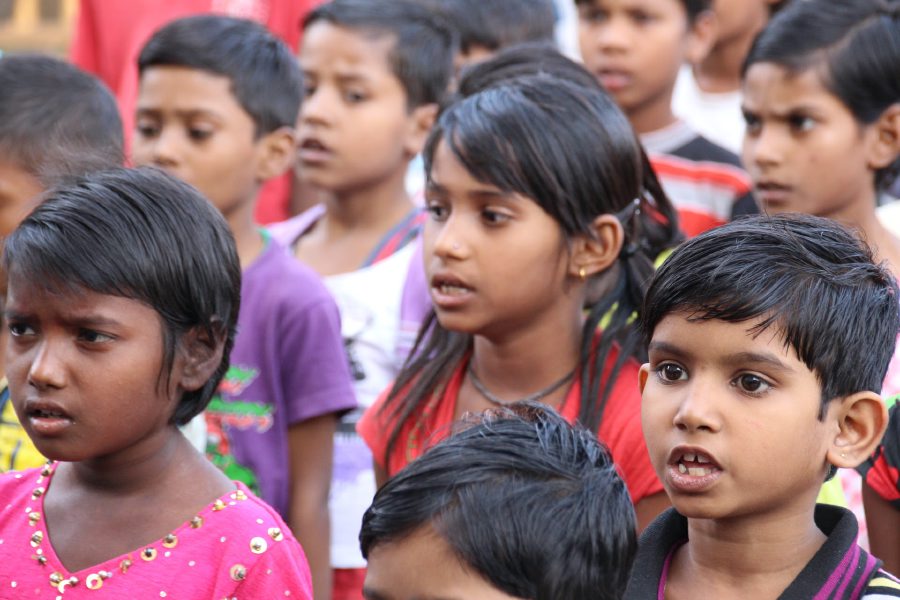 The Museum School School Photo: Praharsh Bhandari
- How to Say "To You" in Russian?
- Thank you.
- o Yes - spasibo ne nado - yes?
She is very happy about such recognitions.
In the family’s home library I find “Quiet Don”, “Lolita”, “Crime and Punishment” in English, at breakfast with the military, we are talking about literature, politics and China. Anya is interesting to chat about men and marriages. She is 26, on a special Indian site for those who wanted to marry, she met a guy. Until they met, but every day they correspond, call up, Anya even spoke with his mother on Skype - in modern India, this is a relationship, and there are enough of them to plan a wedding.
Ratna and Anya - from the very middle class on which the entire Pradip project is based, which decided: who, if not we. Ratna is not rich, but consists in several public councils, it helps in social work, takes volunteers in his house.
Every day, besides Sunday, at 11.00 Svanzil calls for me, we go to the office - I am preparing lessons for India, I write texts for Russia. At 14.00 - lunch, we eat strictly with the right hand, they try to cook not sharply for me. From 15.00 to 18.00 - lessons at Museum School, in the evening an office again, but for another project - The Optimist Citizen newspaper. I help the editorial office - five friends who once decided that the media pouring too much negativity into the ears of the city, and founded a good news. We are released at 21.00, and I have a couple of hours for a walk around the market. There are few attractions in Bhopal, the city is even large, but very provincial, and on the Indian Market there is something to see and take a picture. And although Ratna lives in a very prosperous area, she closes the doors at 23.00: in real India, if there are no men in the house, it is unsafe at night.
School on the steps
Shiban Gosh is not at all like Ratna, she is a traditional-modern Indian woman-she wears a classic sari stunning beauty, always collects her hair in a tail, while masterfully drives a bike and a car, does not part with the tablet. Her main project has been 11 years old, the third child after the twins is Museum School.
On the way to the Museum of Science, she says that free secondary education in India is available to children from poor families, but if private schools are the best textbooks and at least five interested teachers for class, then state -owned ones are old books and one teacher with a low salary for a whole grind. Parents from slums and villages believe that their children still do not have a big future, is it worth it to spend time on training?
Parents from the slums believe that their children still do not have a big future, so whether it is worth wasting time for training“The government of the city“ extension ”in the form of Museum School approved, only there are no premises or money,” says Shiban. - But we had a ready answer: museums! There are many of them in the city, and these are not just classes, but super-classes, with interactive maps, bright layouts, historical installations-what is needed. The first time was taught by students of pedagogical universities, it was their practice. ”
Later, the project began to finance the large American fund - they were able to pay teachers, gather children with a school bus, and feed the dinner. 2016 is the first year when the fund refused, and Museum School may be closed. I saw Shiban's page on Facebook, she is a well -known person in the city, open to the media, is looking for support from influential acquaintances. But in India, finding money for a social project is still very difficult, even harder than in Russia.
In India, finding money for a social project is very difficult, even harder than in RussiaAt a traffic light, a boy of about six is suitable for the window of our car, offers to buy a balloon. Shiban speaks with him on Hindi, but by intonation and rare English words I understand what. In 30 seconds of the red signal, she strictly questioning where and with whom he lives and why now is not at school. The child already regrets that he chose us. After Shiban, he explains to me that their organization has a fundamental position: not to give money to such children. They earn very well and will never go to study.
It is difficult not to serve: children are charming and very persistent. I find my way and often buy something inexpensive to them: cake, “phantom” or pencils. Children are children - gifts are happy sincerely.
We come to the museum simultaneously with a school bus. Pupils are 40 people, from six to 16 years old. The little ones are more, they look at me with great interest, but so far they are shy. The most courageous greet them and immediately flood with embarrassed laughter, are looking for support in peers. The first thing I pay attention to is the same eyes, the second is unusual clothes. The girls have beautiful dresses, sieges embroidered with sequins - in such we dress our children on holidays. Svanzil says that this clothing has also been donated to charitable funds and public organizations, and the Indians since childhood like everything bright - the tradition that has developed for centuries. At the same time, it is noticeable for children that they do not take a shower every day, the clothes are also erased infrequently.
The third and most important - there is no shadow of that social rejection that is always visible in the pupils of Russian orphanages, they are open, funny and carefree.
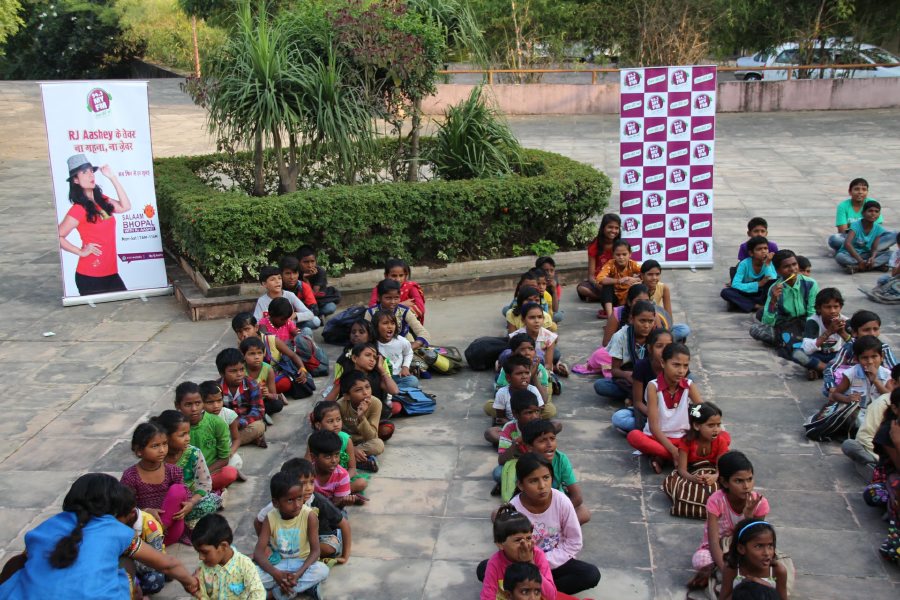 The Museum School School Photo: Praharsh Bhandari
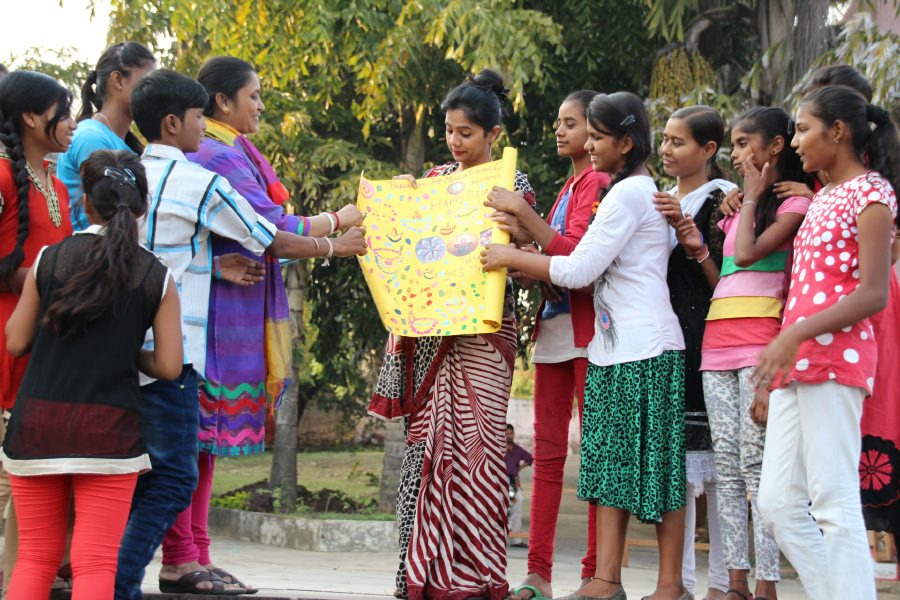
On the ground, in the shade of trees, on a huge museum porch under the visor, children spread rugs, divide by age into groups of five to eight people-lessons begin.
They disassemble the topics with teachers, do homework. One “class” goes inside the museum, stand right on the floor near the interactive stand, they say about the “Milky Way”, about the properties of the planets.
Svanzil says that 60 children regularly come to Museum School lessons, they all live in slums, most are studying at a state school, but some do not visit it either. I have never seen everyone together, many do not regularly go.
Of course, sometimes they get sick, but more often parents simply do not have motivation: knowledge of physics does not seem important for them for a simple life. On my first day, I get acquainted with three sisters, one another younger. They are from a very poor family, and my mother is pregnant again: it is still important for people with a low level of education in India to give birth to a boy. And not only because there is no need, and these are working hands, first of all, the father needs a son, his support, male pride. Sophie, the eldest in this family, a talented and gifted girl, I never met anymore: it is already difficult for my mother to cope with the household, and the daughter of ten years old will help.
Spacious or bathroom
I join older children, the most numerous group. They are 14-16, they are modern, liberated and very friendly, they speak English well: they ask about my city, about the flight, about the journey. They ask them to write their names in Russian letters. I am writing on leaflets: kicks, retic, raja, arun. Boys rewrite on their hands, like a tattoo. In a notebook, they bring to Hindi my difficult name for them, which they cannot even pronounce: Natalya Alexandrovna. Laugh. When they get used to me, they begin to discuss the most relevant: the head of Bhopala decided to eradicate slums. There are enough reasons: the world laughs at them, they are not hygienic, in the rainy season they flood them, the stream of water blows entire areas; The Earth belongs to rich people, and once they can expel thousands of poor people. The city is building houses in which every family is relied by a small room with a kitchen, and most importantly - a shower and a toilet, which has never been in slums. Shiban showed me new areas on the way to the museum, and they look sad, this is a gray concrete ghetto. But still for the city - a social step forward.
Read also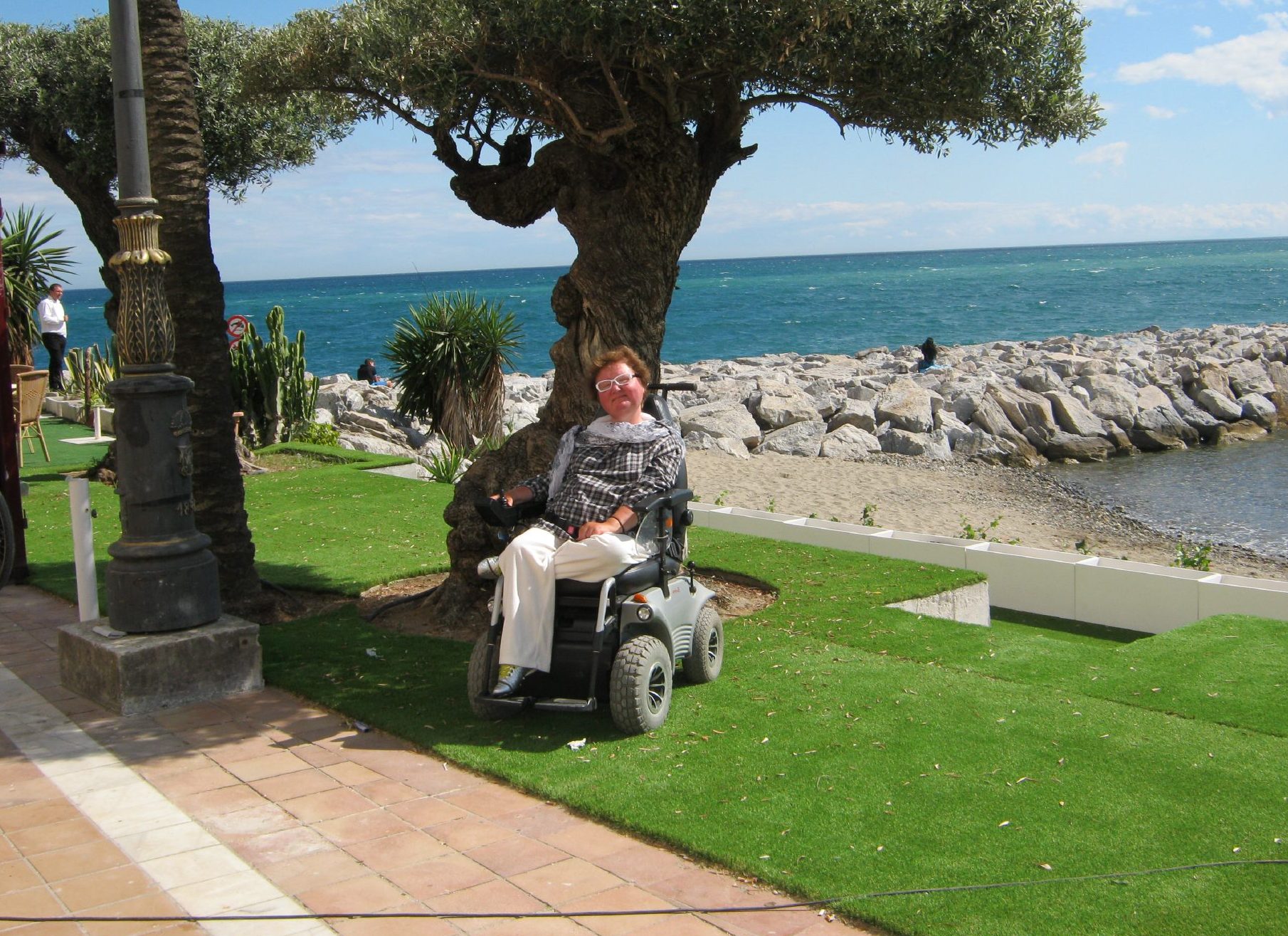
 Natalya Kashkurievich: How I flew away by Natalya Kashkravich from my youth lives in the House of the elderly and disabled people near Minsk. Movies in a stroller. 85% immobilized. Cannot do without outside help. Endowed with an excellent sense of humor and an adventurous character. At any opportunity travels
- Why are you against moving?
- There is not enough space, and in the slums there is space and freedom.
These older children are visual evidence of the project for the project. They came here 10 years ago, without knowing how to read or write, their parents were not sure at all whether the school was worth the attention. Today I communicate with interesting teenagers who know by heart all the museums of the city who have repeatedly been in the theater, artistic, courageous, who saw the best than slums, life planning to enter universities. Pride of Museum School - Lakshmi.
A beautiful tiny girl with the name of the Indian goddess brought here a child, she graduated from school, now she teaches and prepares for the university. There is no Internet and even electricity in her house. But Lakshmi is studying while there is daylight - he wants to be a teacher.
Trees that do not happen
In correspondence with Pradip two months ago, we decided that I would also teach, the details agreed to discuss on the spot. Surely English or geography, I thought. But they offer me to prepare lessons about Russia: children probably do not know anything about your country.
Two days later, I get six lessons. The first-with a map, we look at how to get from Bhopal to Krasnoyarsk, my hometown, in two ways-through China and through Pakistan-Afghanistan-Tajikstan-Cyrgyzia. Children do not pronounce either Tajikistan or Kyrgyzstan funny, but this is their first, important conversation about the boundaries of the world: city, state, country, other countries - we consider the map as a magic box full of miracles.
Yes, they are six to ten years old, but it is difficult for us to introduce a child who has grown almost in an information vacuum, outside the endless TV and Internet porch. They rejoice at every discovery.
- Oh, Rusia - Vicchal!
- Yes, Russia is huge - like six India.
Now I know this myself and hit Indian children.
 The Museum School School Photo: Praharsh Bhandari
From Monday to Friday an hour and a half every day we are sitting on the ground and talking about my huge country, watch photos and videos. I talk about Russia as a whole and separately about Moscow and St. Petersburg, about our culture, about the Krasnoyarsk Territory. I’m looking forward to the effect of the lesson about the winter: I downloaded a video where in three minutes in accelerated rewinding the snow by a meter covers the ground from which the grass has already broken. Children are delighted and do not believe that this is possible. Many first see snowfall. They do not believe in the existence of a white bear, the photo of which I show. The next day I bring a video, and the joy of dating occurs. Not only winter is striking-from children's works-phydes we learn that they did not understand about autumn and spring. Svanzil, who is always with me as a translator, explains: in India there is no such thing. "We have summer, winter and rain season." So, we are talking about the offseason in more detail. Photos of multi -colored autumn trees, like "naked" winter trees causes incredible delight. In the naked, they seem to have not believed. At first, they often doubt it.
Read also My husband, an alien Ksenia Elkin, is about how she remained to live in a distant, distant galaxy, on another planet, in France
- Rain cannot go all year round.
- The hare cannot change the color.
- The bear cannot sleep underground.
Later, I think, I can tell them that green men live in Russia, and they will not doubt.
It is impossible to explain to Indian children how it is - minus 30. I bring a refrigerator as an example, but they never opened it. Favorite photo for all the time - a man in shorts lies on a sunbed in the middle of snowdrifts. Their new hero is Yuri Gagarin, however, the name will not be remembered in any way.
Any, even the longest and most monotonous video, makes you show completely and more than once, although I planned only a couple of introductory minutes. But no, about ten and twenty, we watch how the Balalayer Arkhipovsky plays, how Volosozhar and Trankov dance on ice, how a street parsley pounds the audience with a club.
Favorite photo of the guys - a man in shorts lies on a sunbed in the middle of snowdrifts. And their new hero is Yuri GagarinWhen Svanzil cannot help, I ask you to “highlight” the questionnaire for me. Ему восемь, и его дядя оплачивает племяннику частную школу — у нас с Анкетом одинаковый уровень английского, он переводит другим детям на хинди.
— Наташа-диди, а Дед Мороз настоящий?
- Certainly.
Я не была готова.
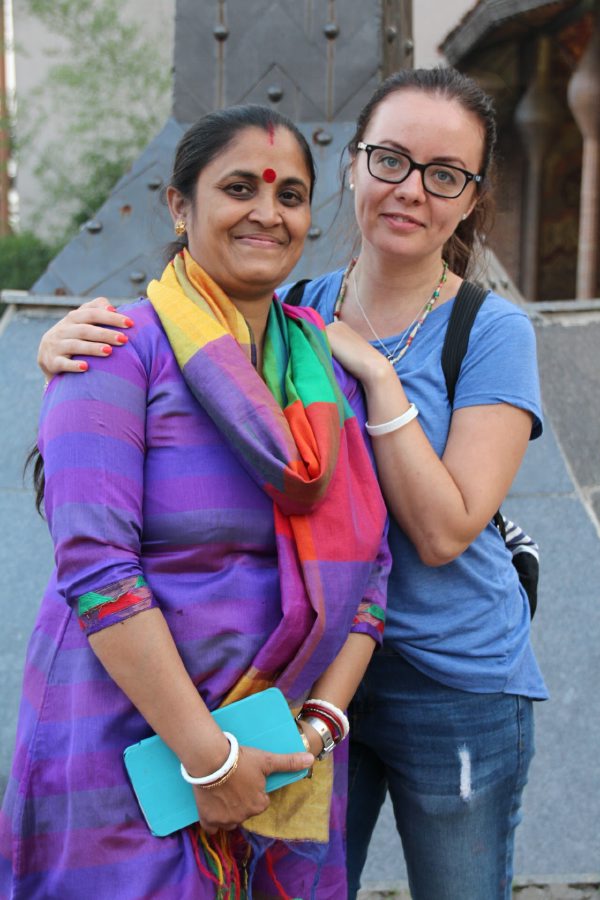 Шибани (слева) и Наталья Дубашинская
фото: Praharsh Bhandari Фото: из личного архива
Дети, которые живут в картонных домах без питьевой воды, подходят после урока и просят написать английскими буквами русские слова «хоровод», «Петрушка», «балет». Они очень любознательны, им интересно все. Дарят подарки: цветочки, букетики из листьев, рисунки. На одном рядом с жирафом нарисована большая куртка — явно мое влияние. Часто предлагают воду из своих бутылок. И первый раз я теряюсь. Мир помнит Бхопал по техногенной катастрофе 1984 года. Она в прошлом, но до сих пор рождаются дети с генетическими последствиями, прежде всего из-за не очищенной подземной воды, которую пьют бедные. Решаю не отказываться, если на самом деле хочу пить.
За четыре недели мы очень сближаемся, мои руки покрыты мехенди и браслетиками — тоже подарки, ученики научили меня считать до 10 на хинди и приветствовать их «намасте, сундар баче» — «здравствуйте, красивые дети».
Заканчивать свой курс Россиеведения я решаю на 26-м уроке. Да, для учеников Museum school приезд иностранки — событие года, я изменила их мир и представление о его границах, но математика и хинди все же для них важнее. Меня же изматывает гиперопека — в проекте у волонтера очень мало свободного пространства, личного времени. Месяц — оптимальное время для такой работы.
В мои последние дни в Бхопале прилетели две важные новости. Museum school стал победителем престижной премии The Wenhui Award for Educational innovation-2016 от ЮНЕСКО. Шибани, узнав об этом от мужа, долго не может перестать плакать: 20 тысяч долларов призового фонда означают, что проект будет жить, да и с такой победой станет проще искать спонсоров и партнеров. А у десятилетней Софи родилась третья сестренка.
The material uses links to publications of social networks Instagram and Facebook, as well as their names are mentioned. These web resources belong to Meta Platforms Inc. - It is recognized in Russia as an extremist organization and is prohibited.
The material uses links to publications of social networks Instagram and Facebook, as well as their names are mentioned. These web resources belong to Meta Platforms Inc. - It is recognized in Russia as an extremist organization and is prohibited.