
Translated material
Experts in Central Asia: due to xenophobia, children go to study in China, not Siberia
To agree with Russia, always reminds of the "Union of Fraternal Peoples", is more difficult than with China, where everything is in a businesslike way. The dream of the railway Paris-Pekin will soon remain only a dream. Kazakh youth travels after education in China, and not to Siberia, where xenophobia is growing. Central Asian experts Bakhtier Ergashev (Uzbekistan) and Adil Kaukenov (Kazakhstan) told Alexei Mazuru why, without cultural cooperation, independent states-neighboring states are not even economic.

Kazakhs teach Chinese
Taiga.info: Uzbekistan, Kazakhstan and Russia unites not only the common past, but also the “big neighbor” - China. But about Central Asia, Russians have about the same representations that were in Soviet times - it is believed that this is the Russian border. At the same time, important integration processes are taking place in all directions of Central Asia. Transport corridors are built south, west, and east to China, which now proclaims the policy of the "new silk path."
Bakhtier Ergashev (independent expert, former coordinator of the Center for Economic Research, Uzbekistan) : there is an economic belt of the Silk Road. There is a "sea silk path." When they are united, they say: "One belt is one path." 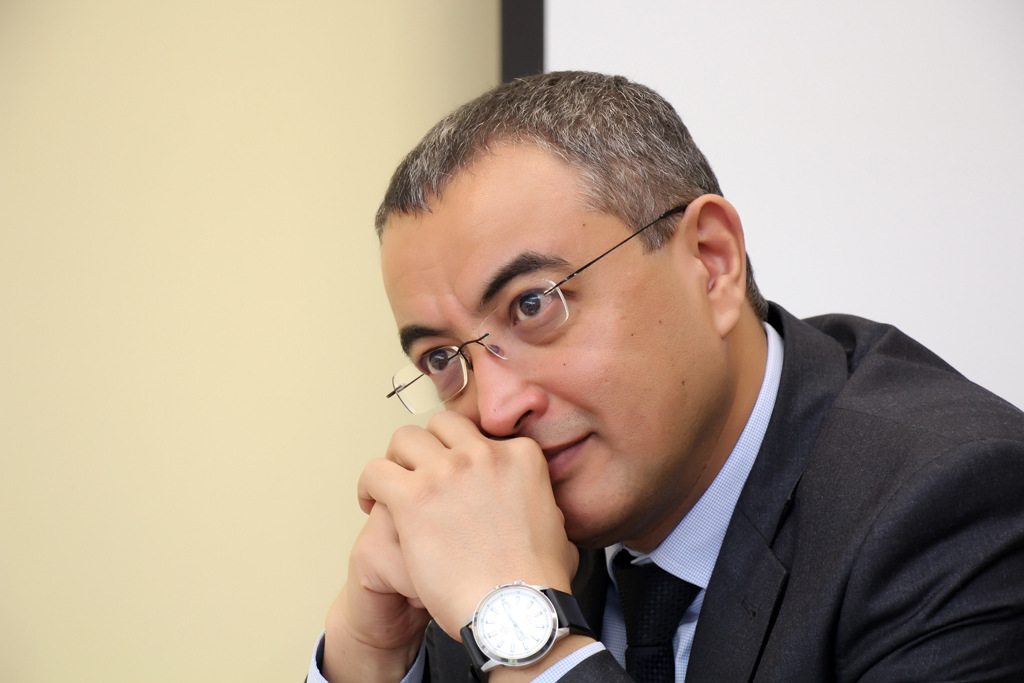
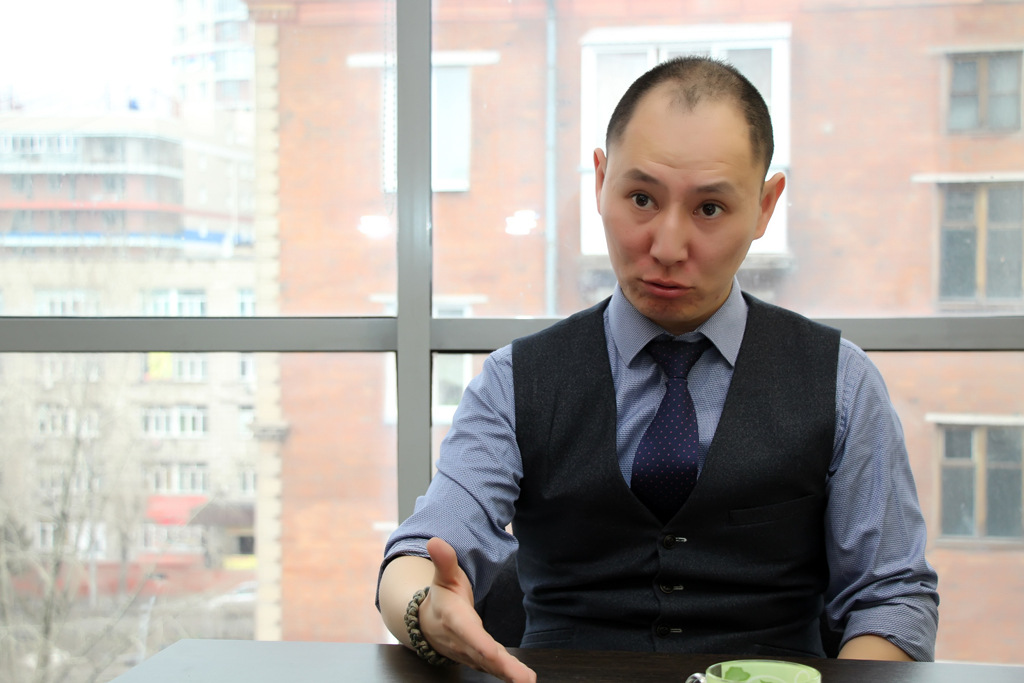
Adil Kaukenov (political scientist, general director of the Chinese China Center Center for China Center, Kazakhstan) : with the advent of the fifth generation of Chinese leaders-Chairman of Xi Jinping and Prime Minister Lee Kesian-in the external and domestic economic policy, the concept of the "Economic belt of the Silk Road" through the Central Asia, part of which is Kazakhstan. In the future, other concepts were proposed - the “sea silk path”, the way through Mongolia, through Russia, and a number of other directions. Together, this was united under the so -called strategic initiative “One belt - one path”.
Bakhtier Ergashev: “One belt is one path” is very short and capacious. The road from Manchuria to Khabarovsk (connecting), the China-Cyrgia-Uzbekistan road (which is planned) and the “Pearl Necklace” road, which goes through the Burma, for them it is all one belt. There are seven directions in this concept: investment, tourism, folk diplomacy, humanitarian (serious part). People are mistaken when they think that this is a purely economic, investment or transport project. This is wrong. The Chinese initiative involves a very serious humanitarian, educational part. “People’s diplomacy” is also a very voluminous concept for them.
Adil Kaukenov: When the chairman of SI spoke in 2013 announced the initiative of creating a new silk path, he did this to Nazarbayev University, in Kazakhstan. Then it was announced that about 25 thousand grants from the government for higher education in China would be allocated for Central Asia.
Taiga.info: Now a young man living in Kazakhstan, who is not going to study at home, will choose a university in which country?
Adil Kaukenov: The prestige of foreign education in Kazakhstan is high, and many young people try to leave to study abroad. Naturally, the United States and Europe are a number for the landmark. But getting a Western grant is far from so simple: the competition is very high, knowledge of English at a high level is required. In second place is Russian education, but the attractiveness of Chinese universities is growing rapidly.
Outbreaks of xenophobia are observed in Russia, parents are not ready to send their child to the country, where they will be potentially hostile to him
If literally 15 years ago, units of Kazakhstani students went to China, now about 10 thousand are studying there, in a variety of specialties. Most, of course, are studying by grants that the Chinese government, universities, cities and companies of China are allocated. There are a lot of scholarships, many of them cover almost all the student’s costs for accommodation and training. In the framework of bilateral cooperation, serious funds are allocated for training. Therefore, young people have already discovered China for themselves. If 10 years ago, the knowledge of Chinese was something exotic in Kazakhstan, it caused respect and surprise, now many young specialists will not be surprised by this. 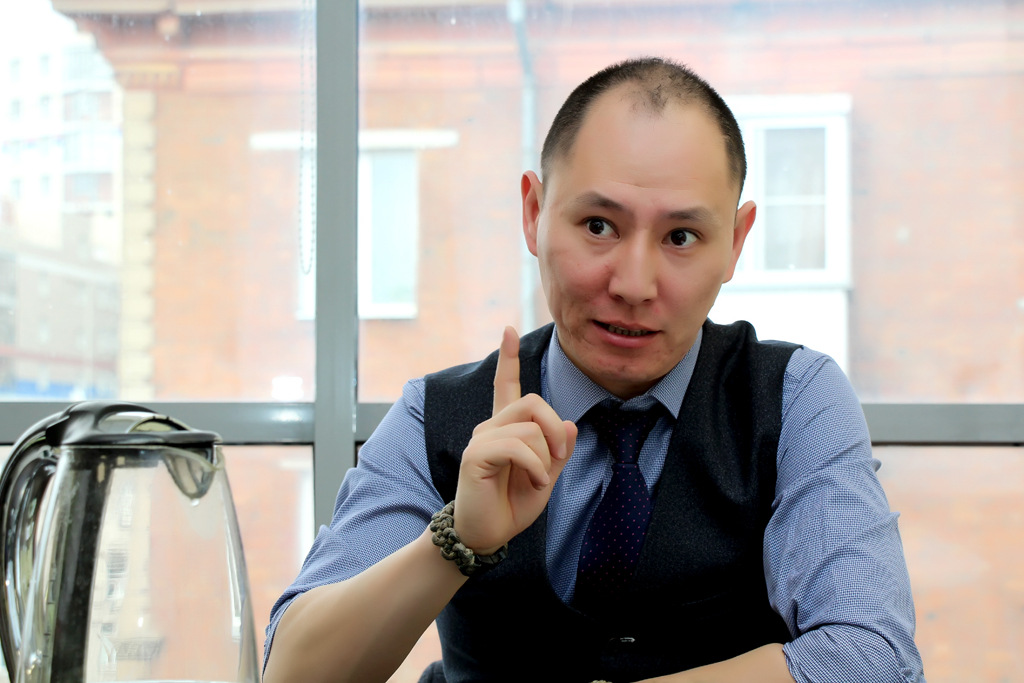
Adil Kaukenov: In my opinion, taking into account the depths of Kazakh-Russian relations, it is rather not enough. Although Russian universities in technical and military specialties are popular among Kazakhstanis.
Taiga.info: That is, Russia is competitive in this area?
Adil Kaukenov: So far. But in Russia there are outbreaks of xenophobia, a neglect of migrants, there are “marches” directed against visitors, and this is all not without attention. Parents are not ready to send their child to a country where they will treat him potentially hostilely. Accordingly, the Russian direction loses attractiveness literally daily, and from China does not come news about attacks due to ethnic or racial hostility. China is an economic power, there it is safe for the Kazakhstani student, with Chinese education he will be able to realize in economic cooperation between the two countries, because it requires personnel. Now in almost any city of China, where there is a university, there are Kazakhstani students, and in large cities (Beijing, Shanghai, Tincyn, Guangzhou, Urumchi, Harbin) - large Kazakhstan student formations.
Taiga.info: And what is the situation in Uzbekistan?
Bakhtier Ergashev: She is quite seriously different from the situation in Kazakhstan. Firstly, the self-penetration of Chinese business in Uzbekistan is much less scale than in Kazakhstan. Accordingly, we have a request for Chinese and culture less than in Kazakhstan. So far, it can be said for sure that most of the students (with the exception of those who go to European universities) are leaving now (if I am not mistaken, more than 10 thousand) to Russia. There are fewer in China. But this is for now. Indeed, for several years the Confucius Institute has been working in Tashkent, there is a Chinese department at the Institute of Oriental Studies.
Trade routes bypassing Russia
Taiga.info: It is clear that Russian education began to concede, and what place does Russia occupy in the transport strategies of Central Asia and vice versa?
Bakhtier Ergashev: For the past 25 years, even such a small and maybe not such an economically strong country as Tajikistan, I tried to engage in its transport communications - railways and roads. I'm not talking about Kazakhstan, Uzbekistan and Turkmenistan. We do not think primitively that "the Chinese will come and build us roads on which they will carry their goods back and forth." In fact, the countries of Central Asia with a particular measure of success, depth and thoughtfulness realized their transport communication strategies. As a result, 5 years ago, a Caspian transport corridor was built, uniting Russia, Kazakhstan, Turkmenistan and Iran, walking along the eastern coast of the Caspian Sea. And he was built without a “silk path of economic belt”, which was actually declared only three years ago.
Taiga.info: Is this a railway?
Bakhtier Ergashev: Yes. Recently, during the visit of the President of Uzbekistan to Turkmenistan, two new bridges were opened through Amu Darya (railway and road). In addition to the bridge that has been built for a long time. And now the goods can go in the direction of the east - the west through Uzbekistan and Turkmenistan. They now invest almost $ 2 billion in the reconstruction of the Sea Port of Turkmenbashi (this is a former Krasnovodsk), which should do and go to Baku a year in a year. And with Baku, to go along the Transkavkaz corridor Azerbaijan-Georgia-Sturius to the Black Sea and Mediterranean ports of Turkey. For example, the port of Mersin, and this is already Europe and the USA, the Middle East and North Africa. He was also built without a means of an economic "Silk Way belt." It was the economic strategy of Turkmenistan, which speaks of its transport transit potential. 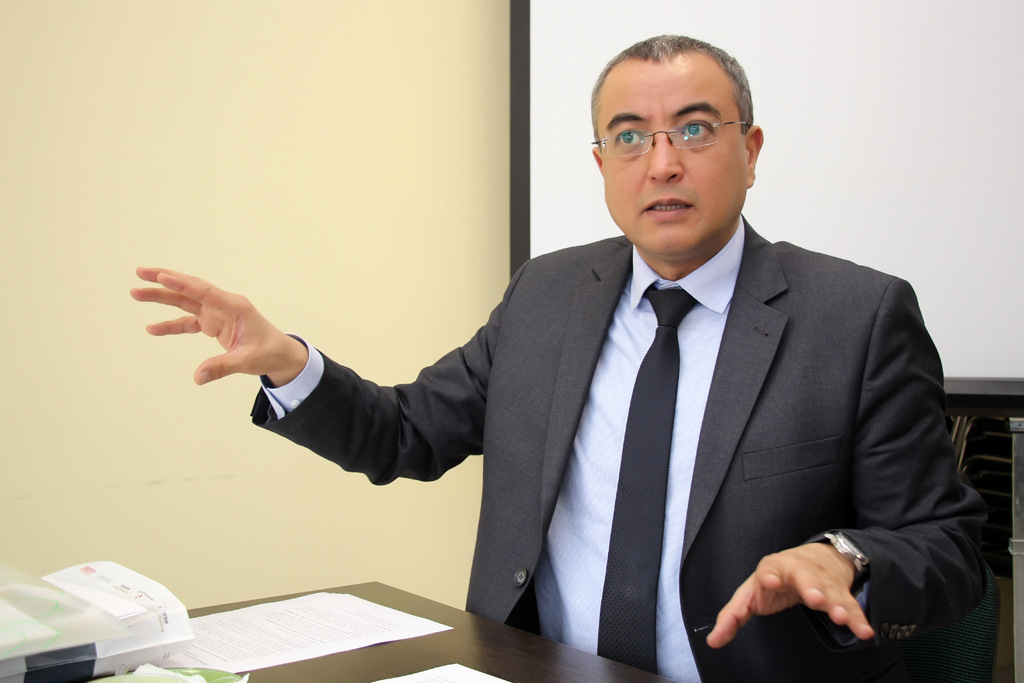
The cargo turnover between China and Western Europe is now more than $ 600 billion, sometimes it approaches 700 billion. At the same time, more than 90% of the trade flow went on sea transportation. This is about 45 days through the Suez Canal, there are two narrow places where they can linger. But, in principle, from Shanghai to Rotterdam for 45 days by sea. If you try to build new transport corridors through the center of Eurasia in order to connect China and Western Europe - this is the railway and 14 days (two weeks) of the journey. There are attempts to bring to 11 days. But railway transportation is more expensive, so no one claims that cargo for 600 billion will go by rail. To whom the speed is more important, they will go. If 10% of this cargo turnover is allowed through Central Asia, this is already $ 60 billion. And about two billion remains about two billion remains to Kazakhstan-Kazakhstan-Kazakhstan, Turkmenistan, Uzbekistan, Russia.
The more alternative routes, the more export-import operations-several tens of millions of lost dollars will return through business
Transport and transit strategies that have been implemented by the countries of the region over the past 25 years led to the fact that alternative routes for delivery of goods are not only east-west, west-east, but also the North-South and South-Severs.
Taiga.info: It turns out that Siberia loses its transit function.
Bakhtier Ergashev: You remind me of our transporters who say: “Here Russia, Kazakhstan, Turkmenistan and Iran built a railway along the Caspian, and now we will lose several tens of millions of transit money a year. Badly! They bypass Uzbekistan. " I am a supporter of a different point of view: the more alternative routes, the more choice for business, for export-import operations. In the final case, several tens of millions of lost dollars will return through the business, through the optimization of transportation costs.
Taiga.info: Monopoly is more important.
Bakhtier Ergashev: You have the point of view of the transporter: "We will lose." The Trans -Siberian Railway will not lose - South Korea is unlikely to be lucky through China. She will be lucky through the ports of Vladivostok, and there she will put everything on one container and through the entire territory of Russia.
Taiga.info: And Japan too.
Bakhtier Ergashev: Yes. We do not say that the Northern Sea Route strongly hits the transport potential of Uzbekistan, although these are also goods that could go through Uzbekistan to Europe. You can’t like that! This is a corporate narrow -second position of transporters.
China VS Russia: Who is more reliable?
Taiga.info: I would like to touch on another question. We have some kind of fear in Russia about China. That China does not come in order to develop the economy of another country (Russia or Kazakhstan), but in order to make its infrastructure in order to, roughly speaking, to pump resources and use them. At the same time, it may not be a question of giving. China says: "We need Baikal water." We have fears: "But are they not pumping Baikal?" In Uzbekistan and Kazakhstan, there is much more experience in interacting with China. How wary should you be?
Bakhtier Ergashev: I am not expressing the point of view of the government, but only my own. I see how in Russia an expert and business community, state power refers to China. Some say: "Let them come, we will do something together." Others say: "They cannot be allowed." The same thing, one to one, say in Kazakhstan: “We have a lot of land and few people. The Chinese will come, take it away. ” The Kazakh colleague will say better about this.
There is a different policy in Uzbekistan. In 2010, he signed an agreement with China on the interaction in the development of high -tech and non -people. What prevents other countries from signing similar agreements? We said to the Chinese colleagues: “Come to us. Just let's cooperate. ” This means, in electrical engineering, in other areas with a high share of added value, we will include Uzbek enterprises in the value added chains that are already in China. 
Taiga.info: I observed how a business to export forest to China developed in Irkutsk. At first, Irkutsk entrepreneurs chopped the forest, brought it to the Chinese border, they sold to Chinese comrades. Then the Chinese comrades sat in Irkutsk. They began to buy from lumberjacks. And now the full cycle: they themselves are chopped, they themselves are taken out.
Adil Kaukenov: Any country, if it does something, comes from its own interests. And Russia too. It is simply important to understand where these interests coincide. If you have the feeling that Russia is an altruist in foreign policy, then let's see how it behaves in the Eurasian Union. How much does she listen to the interests of partners? Let us recall the shameful history of the introduction of a recycling fee for cars in Russia, which, frankly, was a “knife in the back” to many integration processes.
Russia is always trying to “press emotions”: what are all traitors, what are all bad. Say: "This is our national policy." And then talk about the selfish policy of third countries
Taiga.info: Can I go in more detail?
Adil Kaukenov: Please. When we earned the Customs Union, we removed customs barriers. Kazakhstan has its own automobile assembly production, several plants (including Toyota, Hyundai, Kia). In the interests of AvtoVAZ and some assembly enterprises located in Russia, a “utilization fee” was introduced, which Russia compensates for its own manufacturers, and, of course, external manufacturers have not been compensated for its own manufacturers. As a result, Kazakhstani (and some other manufacturers) turned out to be uncompetitive. The Kazakhstani manufacturer was in the Eurasian market in the same disadvantageous conditions as if it were imported from the United States. What was the point of creating an Eurasian Union? Or on meat and milk? Ahead of the import may arise in the blue. They unexpectedly find things that are not.
Taiga.info: Rospotrebnadzor?
Adil Kaukenov: Yes. First of all. And in this vein, you need to understand that Kazakhstan has to take serious efforts (Kazakhstan also introduced a utilization fee, respectively) and in Kazakhstan prices for goods of Russian manufacturers rose. And we see in this narrow -to -national egoism. Very often in Russia, he dominates even a sense of common sense. It is very difficult to build some kind of integration association if the rules are changing every second. For the sake of not the whole country, but a group of companies! Therefore, when we say that some country has “selfish interests”, let's recall this story.
Taiga.info: China in this sense is a more reliable partner?
Adil Kaukenov: It's not that he is more reliable. At least there are no illusions with China. And Russia, when it introduced counter -sanctions, why did not consult their partners in Eurasian integration? If you are part of an integration association, then you need to listen to your partners. If you look at the Russian media, then the feeling of a “white and fluffy” position of Russia develops. As for China, we will agree specifically, without appealing to “fraternal feelings”, conscience and “curling of the elbows”. That's the difference. Russia is always trying to "put pressure on emotions." What are all traitors, what are all bad. Say: "This is our national policy." And then talk about the selfish policy of third countries.
Kazakhstan has its own specific interests. Kazakhstan is a large country in the territory, ninth largest in the world. Such distances must be connected. Our settlements should be connected by reliable, modern, comfortable communications and transport infrastructures. Therefore, Kazakhstan leads its development policy, always led and will lead. Когда мы говорим о китайской инициативе «Один пояс — один пути», встает вопрос сопряжения. И Казахстан начал политику сопряжения с китайским экономическим полем даже раньше, чем весь Евразийский союз. Казахстан изначально использует свой транспортный потенциал, чтоб быть транзитной зоной, чтобы все города и населенные пункты были связаны между собой, чтобы была «экономическая мобильность».
Вопрос не в том, что «китайцы пришли и все профинансировали». Казахстан и так строит и будет строить новые дороги, здесь вопрос синхронизации наших усилий
Это идеально совпадает с национальной программой по развитию нашей инфраструктуры и промышленности. Вопрос не встает о том, что «китайцы пришли и все профинансировали». No. Казахстан и так строит и будет строить новые дороги, здесь вопрос синхронизации наших усилий. Если им нужны сухопутные пути, они строят и мы строим. Задача, чтобы на всем протяжении маршрута у нас было общее видение строительства. А что такое отсутствие общей идеологии? Это когда на автомобильной дороге «Китай — Западная Европа» Казахстан свою часть построил, Китай тоже. And Russia? А Россия только приступила. И мы видим в «Одном поясе — одном пути» возможность больше координировать усилия. Если у какого-то партнера не хватает денег закончить свой участок, давайте использовать инфраструктурный банк (который был создан под проекты «Шелкового пути»).
Успех ЭПШП в том, что совпали интересы. Почему в Белоруссии сейчас это все популярно? Потому что она тоже хочет использовать преимущество нахождения в Евразийском союзе и наводить мосты. Отсюда и активность китайских инвестиций в Белоруссию. Не стоит думать, что никто кроме России не может отстаивать свои национальные интересы. Казахстан уже давно независим. Прошло уже целое поколение, казахстанская дипломатия «подзакалилась». У нас есть умения, возможности, понимание своих интересов, кто мы есть в этом мире и как мы хотим дальше развиваться. Не стоит представлять, что в Казахстане (и других странах Центральной Азии) нет собственных интересов и они идут на поводу у третьих стран. Absolutely not. Каждая страна четко использует свои программы и радуется, когда возникают новые возможности для достижения собственных целей. Как раз здесь все прагматично и настроено. Что важно в этом дискурсе: меньше эмоций, больше расчета, больше понимания выгод. 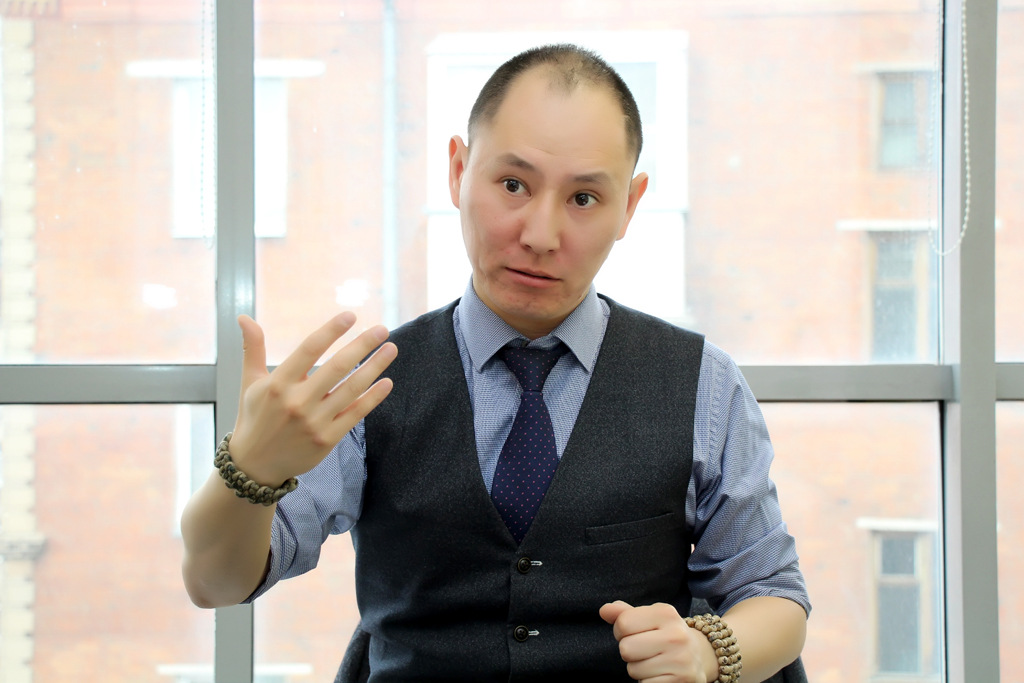
Мечты о сотрудничестве
Тайга.инфо: Планируется, что в «Шелковом пути» появятся высокоскоростные железнодорожные магистрали?
Адиль Каукенов: Есть прекрасный план. Китай довел высокоскоростную ветку до Урумчи (это ближайший к Казахстану город). Россия сейчас ведет ветку до Казани от Москвы, а от Москвы есть до Питера. Есть такая мечта: высокоскоростная дорога «Москва-Пекин». Пекин-Урумчи-Алматы-Астана-Петропавловск-Казань-Москва-Питер. И если дальше довести ветку хотя бы до Польши, там присоединиться к высокоскоростным веткам европейским, и можно сделать Париж-Пекин. С точки зрения перспектив, эта мечта прекрасна — из Москвы в Алматы всего один день на поезде. А сейчас с Астаны до Алматы самый скоростной поезд идет ночь, а так бы ехал три часа. Как сейчас в Китае: если раньше из Пекина до Тяньцзиня было 5 часов, то сейчас — 20 минут. Тяньцзинь десятимиллионный город и Пекин 15 миллионов. Получился огромный гигаполис!
Но скоростная ветка Астана-Алмата сейчас стоит, и о практической реализации никто не говорит, есть проблемы по финансировании. И «великая ветка» Пекин-Париж тоже из разряда мечты, потому что кто будет по ней ездить? У нас проблемы с визами, со взаимным доверием. Есть много проблем, которые не решены. И до этой поры никто выделять таких денег не будет. Хотя огромная Евразия нуждается в том, чтобы пространство сузилось. Кто долго жил в Китае, тот знает, как прекрасны скоростные поезда. Это чудо света, они «сузили» Китай. Это дало огромные возможности для бизнеса.
Бахтиёр Эргашев: Проект ЭПШП и сопряженности Евразийского союза и ЭПШП, которую Путин выдвинул 18 мая 2015 года, должен быть интересен не только в транспортном отношении. Как мне кажется, идея сопряженности ЭПШП и ЕЭС имеет еще и конкретную экономическую составляющую вне транспорта. Да, транспорт — это хорошо: оптимизация, сокращение транспортных издержек для товаров.
Но Узбекистан не входит в ЕЭС и в средней долгосрочной перспективе не будет входить. Внешняя политика Узбекистана — принцип равноудаленности от мировых сил (Пекина, Москвы, Вашингтона, коллективного Запада). У нас приоритет на двусторонние отношения и отказ от вступлений в интеграционные объединения. Это наша позиция. Казахстан и Киргизия — члены ЕЭС. Если речь идет о сопряжении ЭПШП и ЕЭС, то Узбекистан (как не входящий в ЕЭС) отсекается. И поэтому мы будем продолжать работать на двусторонней основе. По большому счету, идея сопряжения ЭПШП и ЕЭС нас не касается. Одновременно мы выступаем против создания зоны свободной торговли ШОС. Потому, что это зона, где сидит Китай. Свобода торговли в ней означает, что через несколько лет наши производители оказываются в очень невыгодных условиях. Сейчас протекционистский режим, который защищает нашего производителя, есть и работает. 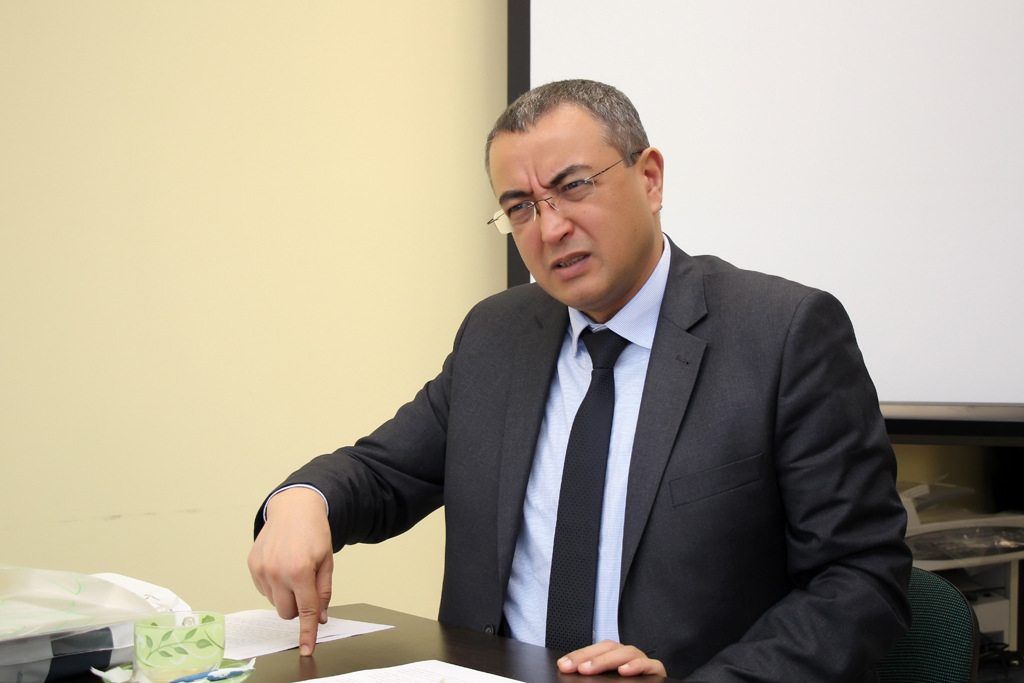
Узбекистан хочет преодолеть монополию китайского оборудования в процессах технологической модернизации. Китайцы хотят это монополизировать. Чтобы преодолеть ту монополию, нам нужны российские технологии. Но россияне не приходят. Давайте тут придумывать новые вещи. Я про визит президента не зря сказал. Там на 15 миллиардов подписаны договоры. Из них 11 — инвестиционные: строительство новых производств, металлургия и т.д. Может, сейчас наконец-то начинается новый этап, когда российские технологии и экспортеры стали более конкурентоспособны по цене? Почему Белоруссия строит Туркмении огромный завод по производству калийных удобрений? Россиян там не было. Где российские станки, оборудование и технологии? Только потому, что Туркменистан не входит в ЕЭС? Stupid.
Адиль Каукенов: В России плохо понимают специфику Центральной Азии, своих ближайших соседей. Узбекистан и Казахстан братские страны. Нас объединяет общий язык, культура. Но у нас разные экономические модели и разная политика. Если мы говорим о зоне свободной торговли, Казахстан рвется со своими товарами на тот же китайский рынок. Производители мяса, зерна, воды, масла пытаются пробиться на китайский рынок. Сейчас китайский рынок для нас закрыт квотированием. Казахстан вообще выступает в этом смысле за максимальное открытие рынков. Потому, что казахстанский предприниматель за годы независимости серьезно закалился и на данный момент испытывает возможность, потребность и желание выхода на другие рынки. Откройте нам другие рынки! Почему Казахстан участвует в Евразийском союзе? Сама логика вхождения была в открытии прежде всего сибирского рынка. Он ближайший, нам интересно здесь участвовать. В частности, нашим пищевикам. Кстати, казахстанская продукция в России имеет хороший имидж. Это экологически чистый продукт. Так как у нас в меньшей степени используются всякие добавки. Казахстан имеет долгую историю производства мяса и других продуктов. В Китае есть запрос на экологически чистую продукцию, казахстанский продукт мог бы частично эту потребность удовлетворить, но пока еще предстоит долгий путь по правовому урегулированию выхода на китайский рынок.
Talked by Alexei Mazur