
Translated material
Ukraine decided to block the largest Russian sites and services. Why is it very bad?
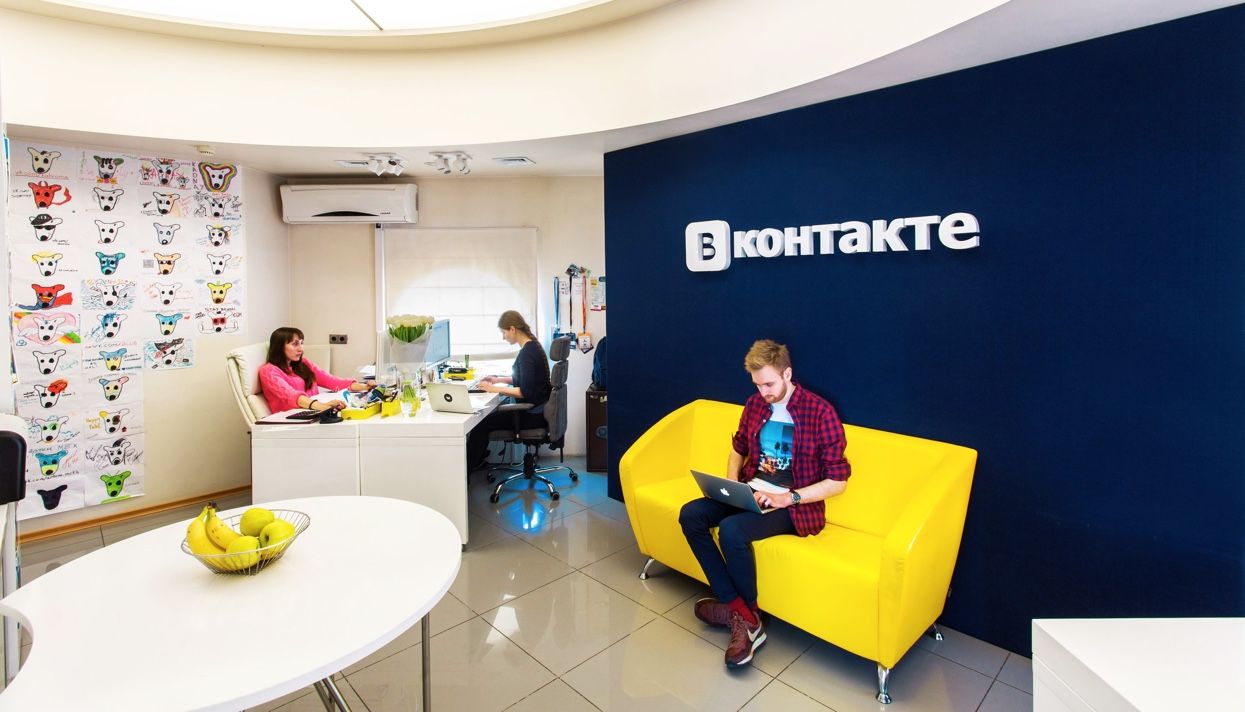
On May 16, a decree of the President of Ukraine Petro Poroshenko on the expansion of economic sanctions against Russian individuals and legal entities was published . Almost 500 organizations were included in the sanctions lists, among them the most popular sites and services of VKontakte, Mail.ru, Odnoklassniki, 1C and others. On his page on VKontakte (it will be closed), Poroshenko explained that this measure was directed against Russian propaganda and cyberosis. Medusa explains why new sanctions are at least a dubious decision.
Blocking on the Internet - the path of authoritarian states
Such a large -scale lump -sum blocking of the most popular sites is an unprecedented event for a European country, except for partly European Turkey. In the ranking of countries in terms of the level of Internet freedom, which is Freedom House, Ukraine is considered a partially free country (Russia is one of the lack of free); The decision of Petro Poroshenko can greatly reduce the position of the state in this indicator. Obviously, Russian propaganda is not fiction. But it is equally obvious that the restriction of access to information is not the best solution to the problem.
In addition, the inclusion in the Ukrainian sanctions list of the largest Internet resources was not preceded by a serious public discussion. Even the adoption of the repressive “package of Yarova” , which limits the rights of citizens, took place in Russia more openly.
Millions of users will affect locks
The Decree of Petro Poroshenko strikes primarily to Ukrainian users of social networks. According to the ELEXA, the VKontakte website is in second place in popularity in Ukraine; yandex.ua, “classmates” and mail.ru - in the top ten . According to Mail.ru, about 25 million residents of Ukraine - more than half of the country's population use their services monthly. The Ukrainian VKontakte audience - 16 million, Yandex services - 11 million, classmates - 9.5 million. Now it will be more difficult for all these people to communicate with each other; Their right to free search and dissemination of information is limited by the direct decree of Poroshenko.
Many useful services will stop working
Cartographic and weather services, taxi services, fell under locks. The activities of ABBYY-the developer of dictionaries and program recognition are prohibited, whose technologies use the largest IT companies, such as Microsoft and Samsung. It is not very clear how the activities of these services threatened the security of Ukraine, but it is obvious that without them it will be worse for users than with them.
The authorities blocked the independent television channel RBC
This is one of the last independent Russian television channels. Another independent Russian television channel - Rain - was banned in Ukraine at the beginning of 2017.
Hundreds of thousands of Ukrainian organizations will have to look for a new way to keep an accounting department
The Poroshenko decree prohibits the activities of 1C, which is used by accounting for 300 thousand Ukrainian organizations - this is the data of the Eurosoftprom company, it is engaged in the distribution of 1C products in Ukraine. The Eurosoftprom claims that the sanctions are aimed only at some legal entities related to the company, that is, customers will be able to continue to use products. On the other hand, in addition to individual Ukrainian partner companies, the software developer was also on the sanctions list-the Russian company 1C, so it is not clear how Ukrainian users will be able to update their programs.
Many Ukrainians will lose their jobs
The ban on the largest Russian Internet companies deprives the work of not only employees of these organizations in Ukraine, but also other people. For example, he can hit the business of citizens who distributed their products through advertising on VKontakte and on other resources. It is not clear what will happen to the programmers who specialized in servicing 1C programs.
It is not clear how the prohibitions will work
The Internet associations of Ukraine have already stated that providers will need a lot of money and time to fulfill the decree of Poroshenko. Moreover, Ukrainian legislation does not provide for sanctions for ignoring the decision on blocking, Medeza reported about this by the Executive Director of the Ukrainian Institute of Mass media Oksana Romanyuk. Even if you manage to close simple access to resources, it will not have much sense, because users will easily bypass blocking. The instructions for the bypass began to appear on the Ukrainian Internet almost immediately after the publication of the decree.
Alexander Borzenko, Denis Dmitriev