
Translated material
This block knows that
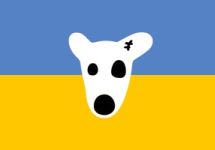
President of Ukraine Petro Poroshenko must immediately cancel the decree on the blocking of Russian sites and take steps to protect freedom of speech and information in the country. This statement was made by the international human rights organization Human Rights Watch.
Ukraine, human rights activists recalled, is a member of the International Covenant on Civil and Political Rights and the European Convention on the Protection of Human Rights and Fundamental Freedoms. Both of these agreements imply that any restrictions on freedom of speech and access to information can only be introduced if they are necessary and proportionate.
The ban on Russian sites, including Yandex, Mail.ru, Odnoklassniki, VKontakte and RBC, does not meet these criteria, is emphasized in the statement by Human Rights Watch.
“Poroshenko may try to justify this last step, but this is a cynical, politically motivated attack on the right to receive information affecting millions of Ukrainians and their personal and professional life,” said HRW expert Tanya Cooper in Ukraine.
On Wednesday, Poroshenko’s decree on the expansion of sanctions against Russia entered into force on the eve of the on the eve. The sanctions list included 1228 individuals and 468 legal entities. Among them was the social networks "VKontakte" and "Odnoklassniki". Access to them in Ukraine will be blocked. Mail.ru Group and Yandex LLC, their subsidiary Ukrainian companies, the developer of dictionaries and programs for recognizing the text of ABBYY and the largest supplier of software for 1C's paperwork, were also saved. Ukrainian providers were obliged to block all their resources. The sites of the "Kaspersky Laboratory" and DRWEB, which are already under sanctions, will also be blocked.
In addition, a number of Russian banks, airlines and the media are included in the sanctions list of Ukraine. In particular, sanctions are extended to RBC. His broadcasting in the country is prohibited.
Representatives of the Yabloko and Parnassus parties and Parnas also fell under the sanctions, which in 2016 were nominated to the State Duma of Russia in the district, which included Crimea and the Krasnodar Territory. Among them is the former political prisoner Evgeny Vitishko. At the same time, Parnassus even in the summer of 2016 after consultations with the Ukrainian authorities refused the election campaign in Crimea . The election documents of Yabloko said the illegality of the annexation of Crimea and the referendum "conducted under the" protection "of the Russian armed forces.
On Tuesday, the deputy head of the Russian Ministry of Communications, Alexei Volin, called the decision to block social networks "meaningless". "If you are engaged in blocking a massive popular resource, then you discredit power, because you show that the decision of the authorities is unrealistic, it is treated. You are raising legal nihilism in citizens and increasing their computer literacy," the deputy minister said.
According to him, Ukrainians "instantly master anonymizers, VPN services and a tremendous number of programs that allow you to bypass blocking." "Blocks are effective only when there is a wide public consensus on the blocked resource, as in relation to child pornography, drugs or propaganda of suicide. When there is no mass desire to get around this lock," said Volin.