
Translated material
Makarevich, Posner and Violin
May 19 in the concert hall named after P.I. Tchaikovsky took place the premiere of the multimedia musical performance "Damn, Soldier and Violin" based on the "History of the Soldier" and other works of Igor Stravinsky
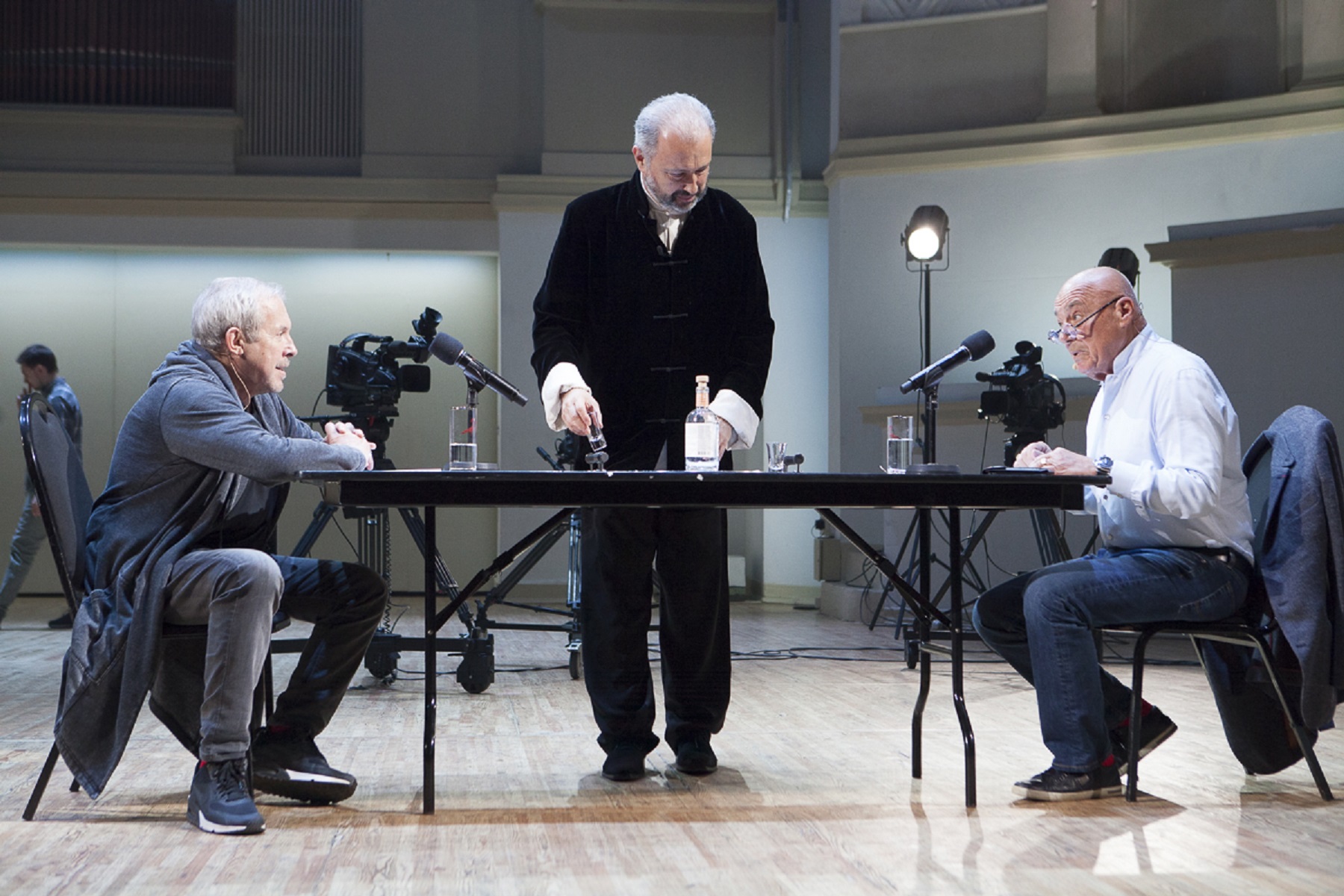
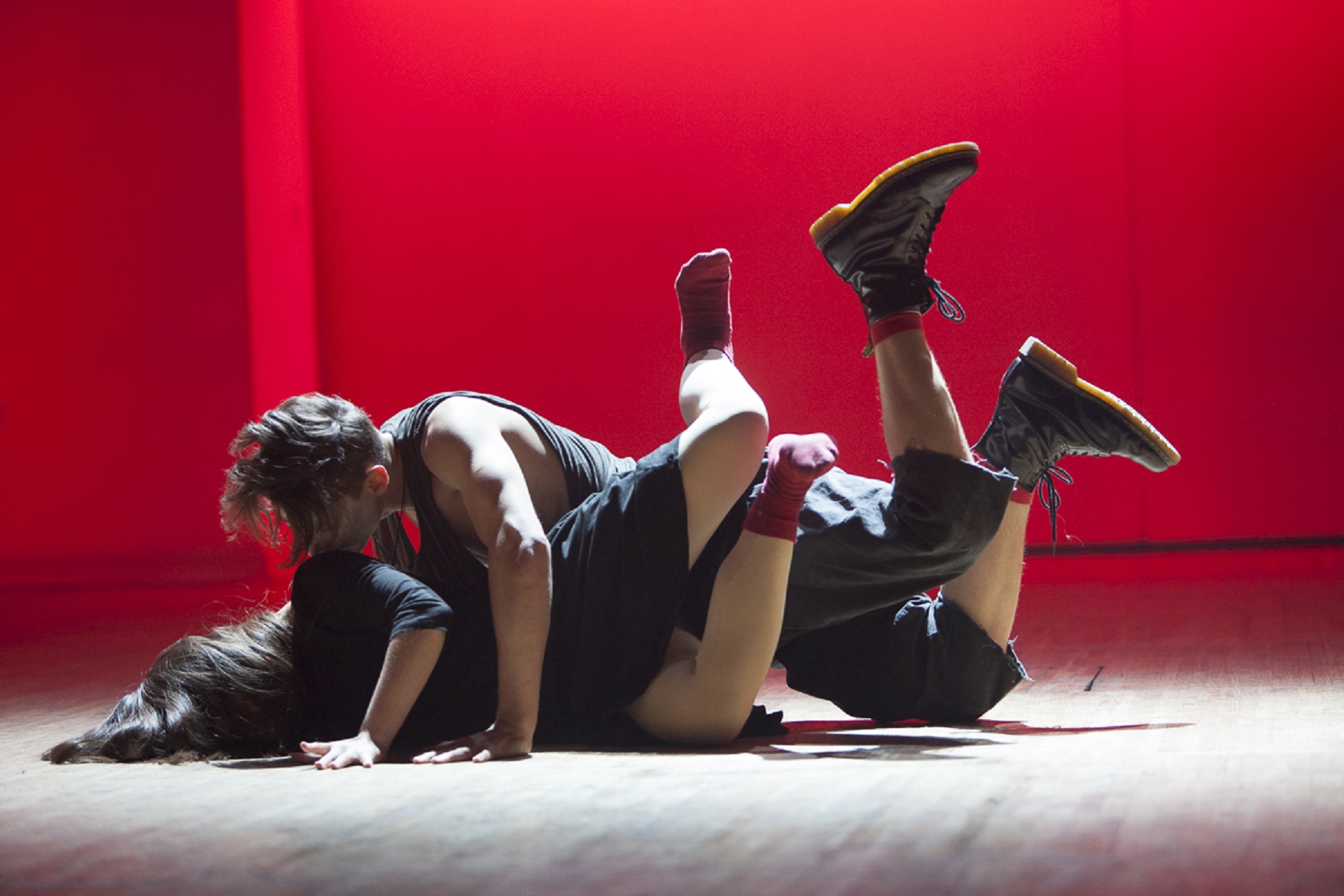
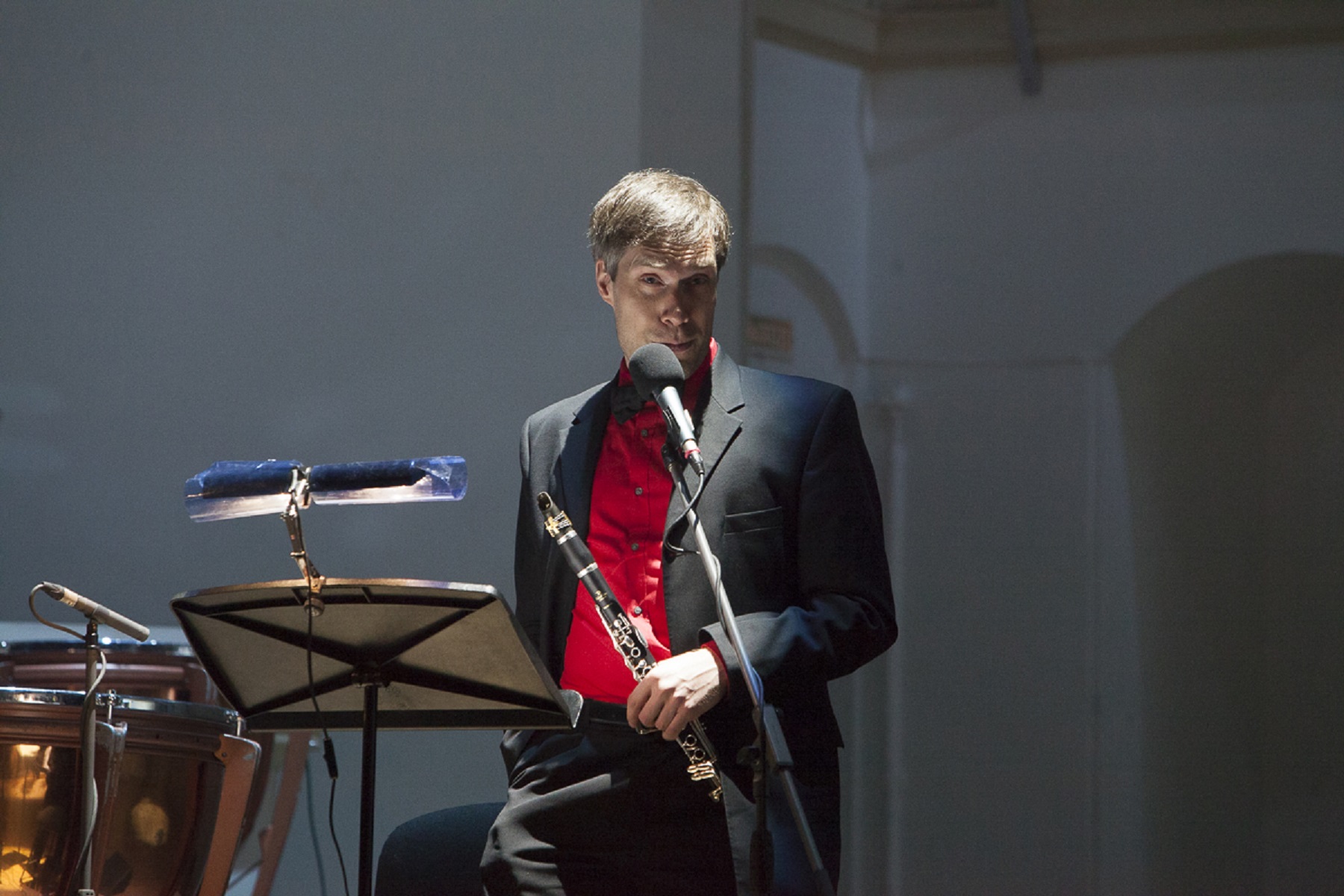
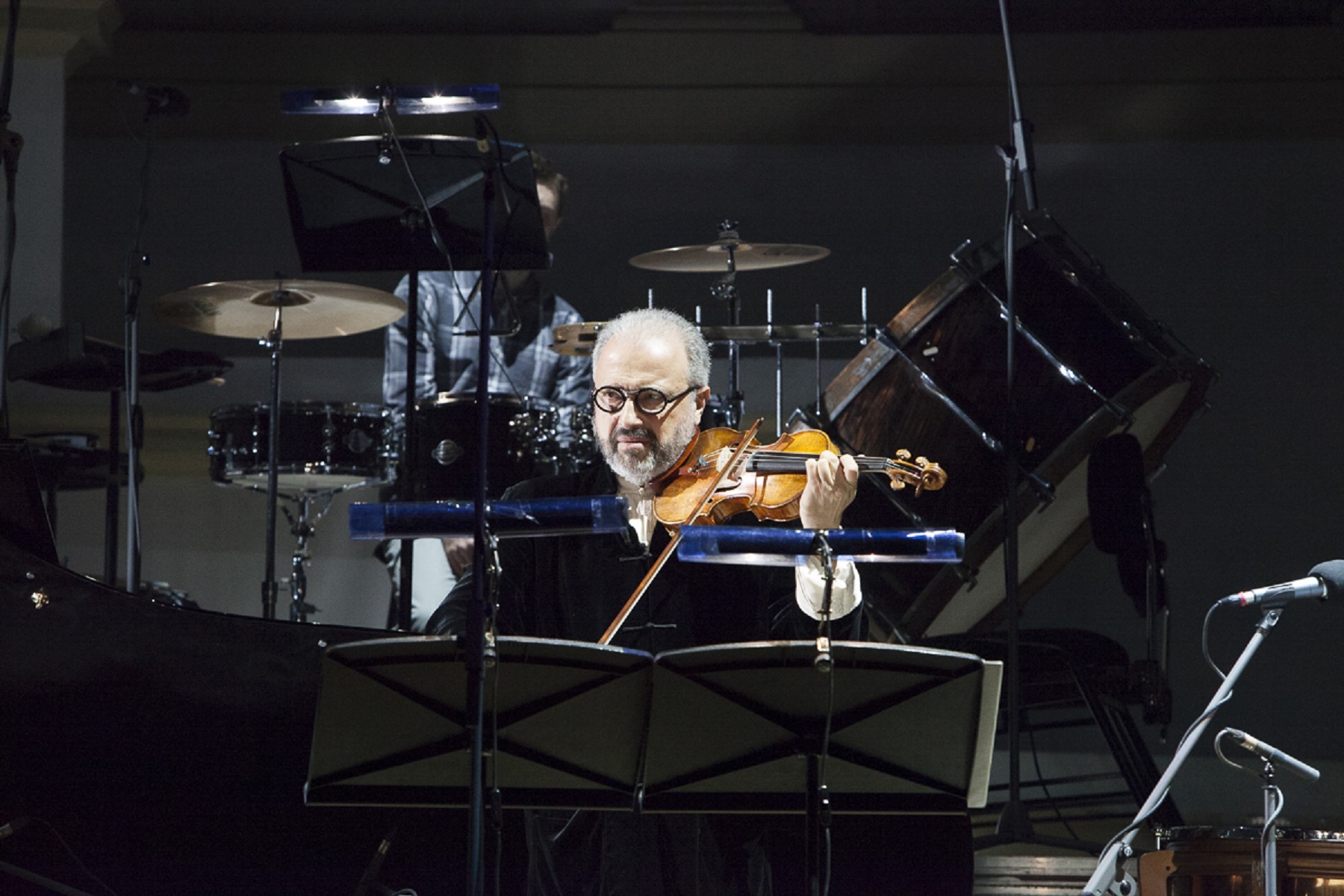
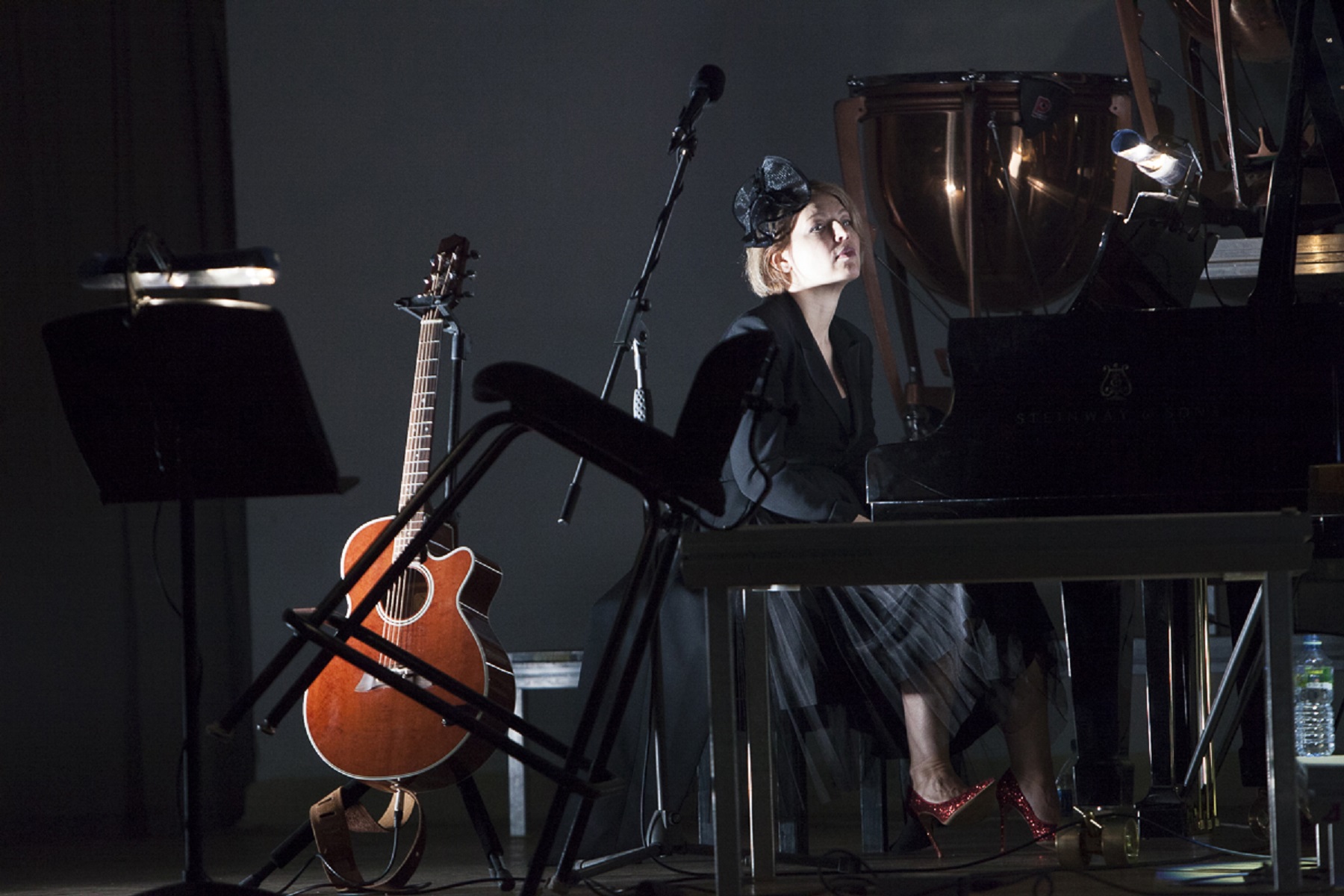
In the play, staged by the 135th anniversary of Igor Stravinsky, director and choreographer Mikhail Kislyarov, the main roles are not played by professional actors, but by people known in completely different hypostases: TV presenter Vladimir Pozner (narrator) and rock musician and artist Andrei Makarevich (soldier). Other participants are Polina Ossetian (piano), Igor Fedorov (Clarnet), Anton Pleskach (drums), dancers Alexander Tronov and Anna Deltsova. The violinist and conductor Dmitry Sitkovetsky - the performer of the role of the devil, as well as the author of the idea of the performance and his musical version - told NT how this complex project was born.
Questions: Leonid Moizh
The story of a soldier
How was the idea of setting?
This play has been tormented from the very moment it was written - for almost 100 years. It is very difficult to combine three genres into one whole - music, dance and text - almost no one succeeded in this. There were wonderful ballets, but they completely did not correspond to what Stravinsky had in mind. They came up with wonderful new texts - for example, Kurt Vonnegut wrote an excellent adaptation in 1991, but in a completely different style: his American Soldier's Tale is rather the play “Based on”, the story of a soldier of the American army, who deserted during the Second World War.
“Initially, the play was written in French, but the plot was taken from the tales of Alexander Afanasyev, and now it is returning to his homeland”
This led me to the idea that the text was outdated. The texts are generally aging much faster than music, but in order to increase the chances of success, it seemed to me necessary to change the musical series. I know the style of Stravinsky well and complemented the music for the play by his other works related to this or written at about the same period, and Mikhail Uspensky wrote a wonderful rake. Initially, the play was written in French, but the plot was taken from the tales of Alexander Afanasyev, and now it is returning to his homeland.
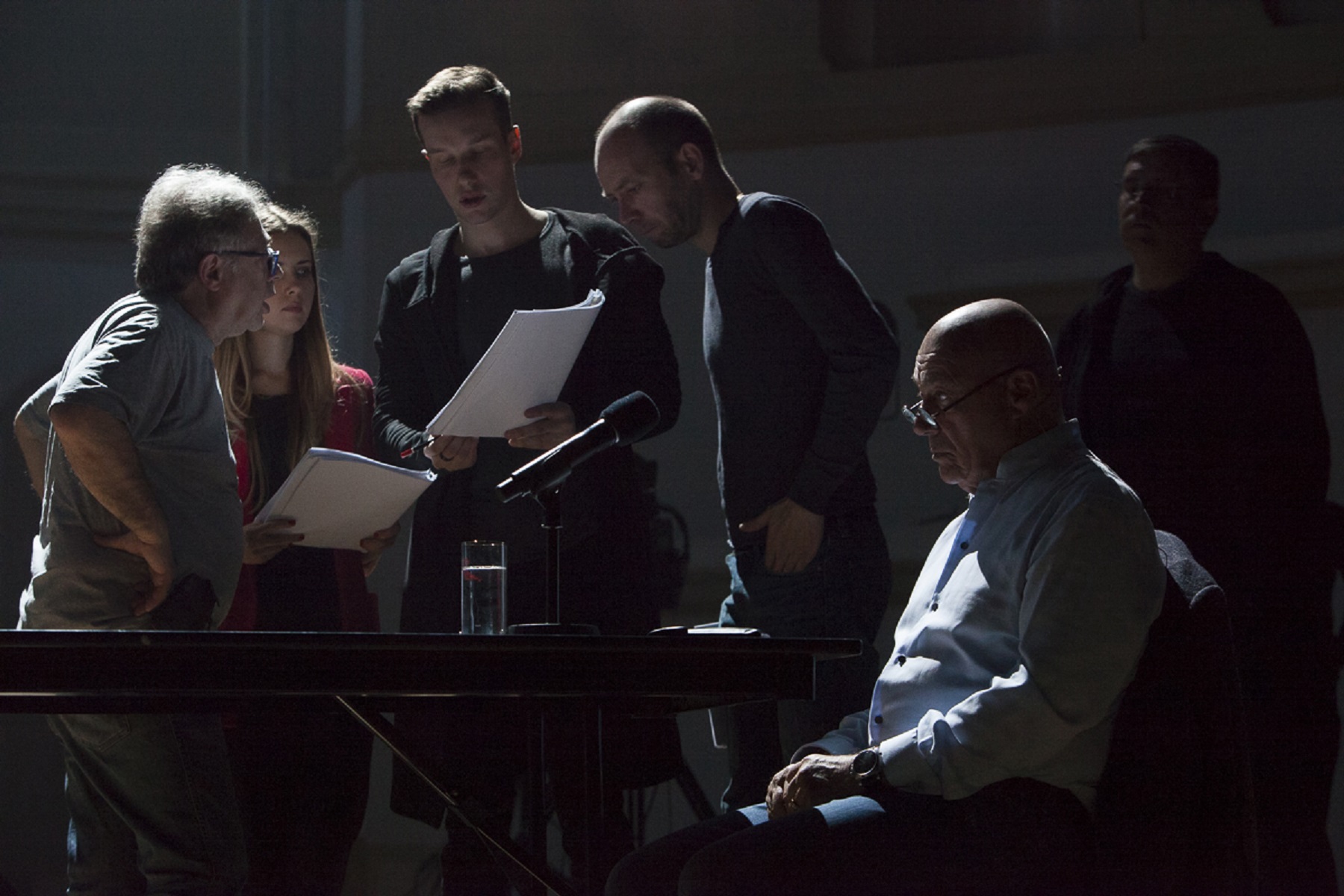
In the history of this play by the narrator, the line and soldier have played unprofessional actors many times. In the USA it was performed by composers Aaron Copland and Virgil Thomson, it was read by Sting and many others. However, our production is precisely the performance, and not a concert performance. Therefore, it was difficult to combine everything together, especially since Posner and Makarevich, and Polina Ossetian are busy people. So as a result, everything lay on the shoulders of Mikhail Kislyarov, who also edited the text. Of course, we already got a slightly different essay. We will see if it will work.
“The texts generally age much faster than music, but in order to increase the chances of success, it seemed to me necessary to change the musical series”
What led you to put this play in general?
40 years ago, shortly after my departure from Russia, I, as a violinist, participated in almost 20 performances according to this particular play in the Lincoln Center. I was terribly liked by music, but from the inside I saw and felt that the play itself failed. In the first part there was too much text and not enough music, in the second - on the contrary. And since then she has not left me.
Then the period of work on the transcriptions of Stravinsky began. Recently, I actually orchestrated Stravinsky’s whole violin concert, based on the “Fairy kiss” and his ballet on Tchaikovsky. In general, I did not part with Stravinsky for a long time and pondered my version of this play all the time. Specifically, I have been doing this project for almost seven years.
New roles
How was your cooperation with Andrei Makarevich and Vladimir Pozner?
I have been familiar with Andrei for a very long time, I even participated a little in the history of his group in the 1970s. But then we did not communicate for a long time until we met in Odessa, where he had a concert the next day after mine. I came to their performance and mentioned that there was such a project, and Andrei became very interested in them. He participates in the production in three hypostations. Firstly, he reads the role of a soldier (this role is also dancing, but it is done by Alexander Tronov). In addition, he is an artist of the performance. And finally, at some point, his guitar will sound from the stage. Andrei is a huge multifaceted talent, I always treated him with great interest as a poet, musician and just personalities.
“We do not put ballet, music is not an accompaniment for dancers. But their performance serves in many respects an illustration as for music,
So for the text "
I have been familiar with Vladimir Pozner not so long ago, seven years old. We fell into some companies, and in the summer we rested nearby in France. I used to see him as a narrator, he is the best interviewer in Russia. And his very life of a person of three cultures to me, a man of two cultures and three countries, is very close. Therefore, I invited him to speak on stage not the same as he speaks, according to his books or answering questions, but in the role of the narrator. At first he reacted carefully to this, but he listened to music and text and agreed. It all started with him - after Pozner, Makarevich connected to work, then Kislyarov, then Polina Ossetian, Igor Fedorov, and so the full team gathered.
What role does the dance play in your production?
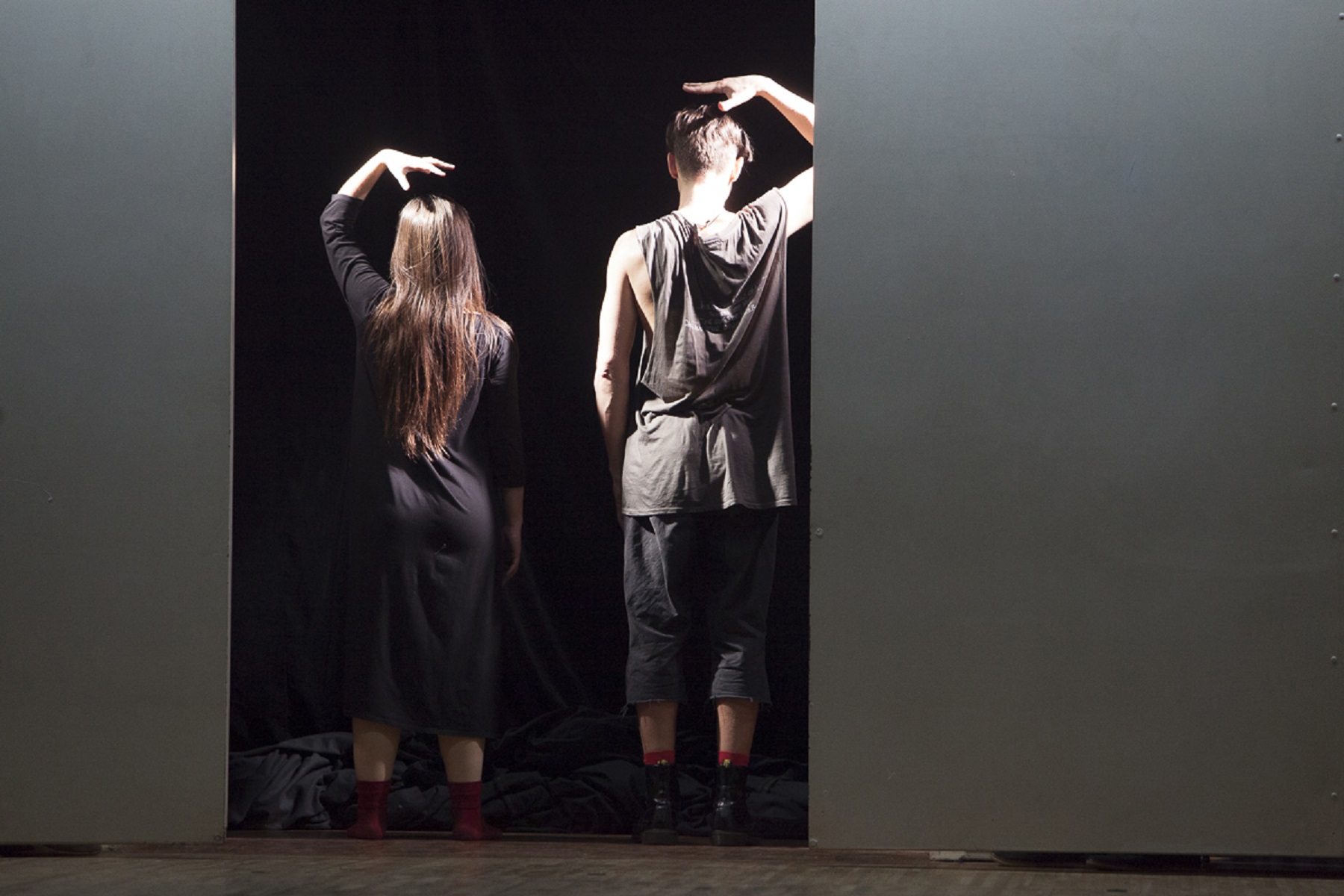
This is a very important component. On the one hand, we do not put ballet, music is not an accompaniment for dancers. But their performance serves in many respects an illustration for both music and text. That was exactly what I was very interested in from the very beginning. The director and dancers were also interested in trying something new. In general, everyone in work on this performance is in contact with a sphere with which had nothing to do with.