
Translated material
Green Valentine
I left this school in the Far East twenty years ago. I never thought that I would see her again and I will find out about myself what all these years did not recognize
It somehow did not set this trip somehow. The vacation had to be shifted for a week - a large project suddenly began at work. Throw contractors a week after the start? Risky. Postponed a vacation.
The tickets were changed, the return flight was transferred for a day, and whoever doubted, four hours before departure, I received an SMS - the flight was detained. I flew out at eleven nights, my mother with a screaming two -year -old turned out to be with my neighbors, the baby yelled for a couple of hours, I forgot melaxen, tried to fall into a dream, but alas: fasten your belts, unfasten your belts, water, we got into the turbulence zone, dinner, ice cream, I got into the turbulence - I am feverishly sipped, my neighbor stuck it out, my neighbor stuck it out, my neighbor stacked. Crying, soft drinks, you can unfasten the belts.
In eight hours of flight I watched three films, and, cheers! - Khabarovsk, the Italian bright sun eight thousand kilometers from Milan, the turbines are more motionless, the lines of the blades are impeccable. I was always delighted with engineering structures - supports of bridges, turbines, and skeletons of buildings. I take out the phone and hastily until they say “impossible”, photograph the tail of the plane. The phone is dying, I do not have time to photograph the turbine. But, cheers! I am again in the Far East. There is a bright sun, and everything is not at all like in the usual Moscow life.
Who needs your hectare
Tomorrow I am going to the heating, one hundred kilometers from Khabarovsk, seventy on the highway, thirty in gravel. I worked there for eight years, left in the mid -nineties. For twenty years, the railway was dismantled, the bus goes once a day. You can’t call a taxi there - taxi are refused to send drivers to the wilderness. We need a car for the whole day.
The driver of about forty looks decent, the car is good, I agree with him about a trip to the heating, in the morning he will call the price. He is worried so that there is no rain, he will take the way. I do not understand how gravel can take it.
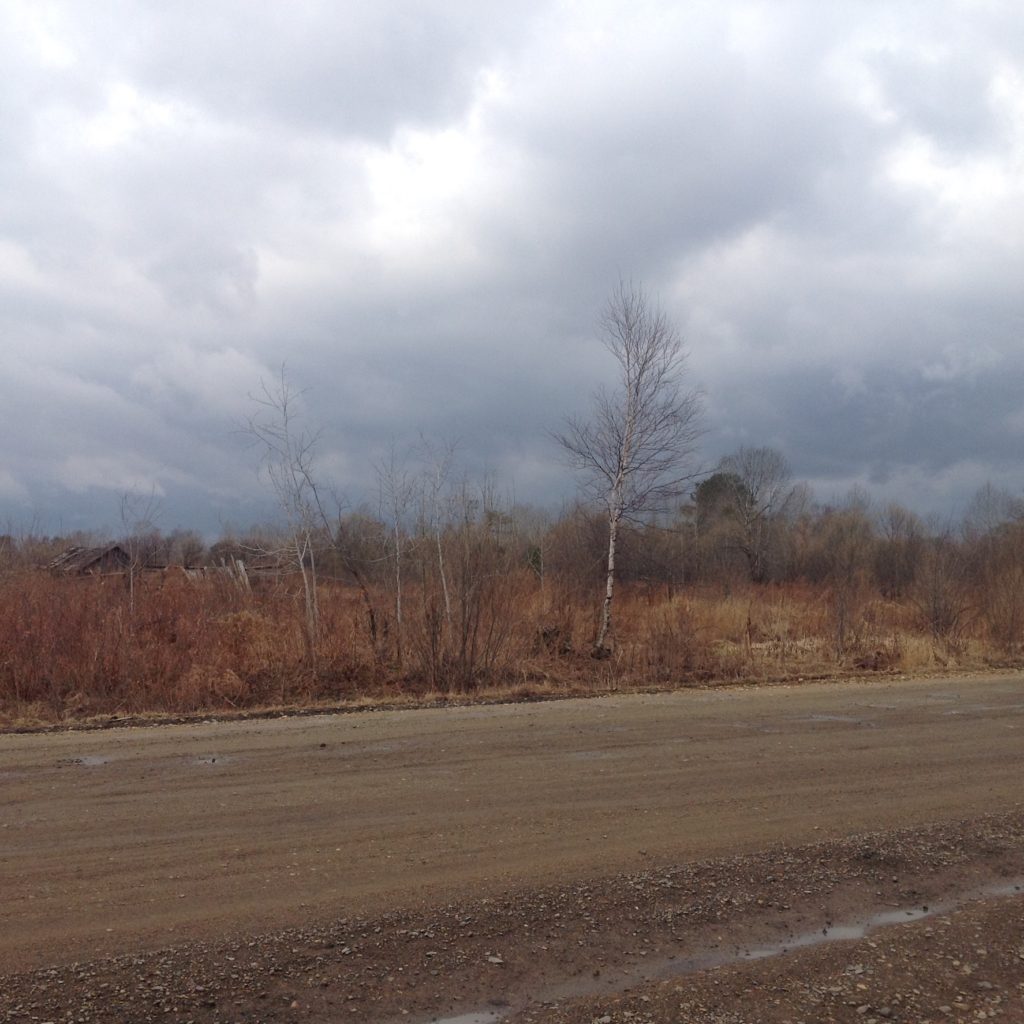 Road to the heating photo: Svetlana Komarova
We leave Khabarovsk at the beginning of the tenth. Rain. The driver has calm smart eyes. Two higher education, he is a mechanical engineer and a programmer. The business left his wife during a divorce, expected to rise again. It did not grow together, there is no work in the city, only a taxi. The salary of thirty -five thousand. This is not bad. His wife had seventy, but after an increase in salaries, doctors were canceled some kind of allowances. The salaries were raised, now she gets fifty.
-Andrey, you need to buy water and have a snack on the road,
- We will buy there.
- There we are likely to buy anything.
We stop at the roadside tent. Along the road is high grass of dense hoarse color. The wind, the grass moves. She looks like a long wool of a large mobile beast. It is pleasant to launch your fingers in soft wool. In fact, the grass is dry, prickly and dangerous - a cigarette butt thrown out of the car window, and it will engage in a high flame, and the wind will quickly disperse it through the clearings and lift the trees to the tops. Every spring here is Pala. The fire running the fire burns all small animals alive.
We pass by the billboard “Get your hectare”, Andrei grins:
- Who needs him, this hectare without roads and communications! On it, even trees cannot be cut, fined. You will receive Hectar Taiga, and what to do in it if you can neither get to her or build?
Who needs it, this hectare without roads and communications! On it even the trees cannot be cut off, they will be fined- Locals take?
- Why? Look at the bears?
- A lot of bears?
Andrey laughs:
- Not the same word! They began to get down into herds like cows. Where in a deeper, pieces of ten are gathering and roaming the garbage dumps. They enter the villages with a herd. A herd of bears! Hochma ... Now it turns out, however, in Russia, bears walk through the streets. Why did they divorce herds? Not clear.
We get to the turn to the Sito and leave in the opposite direction, to gravel. Now I understand why Andrei spoke about the rain - the road is covered with clay mixed with small gravel, the clay was carried, the right -handed little Japanese woman leaves from side to side. Deep ditches on the sides. Scary. With each drift, I wait for us to fly off the road. On the left, a familiar water tower of a military town appears on the left, immediately behind it the house in which I lived. I let me go slightly - there are six kilometers left, which 20 years ago I walked every day.
The forest comes
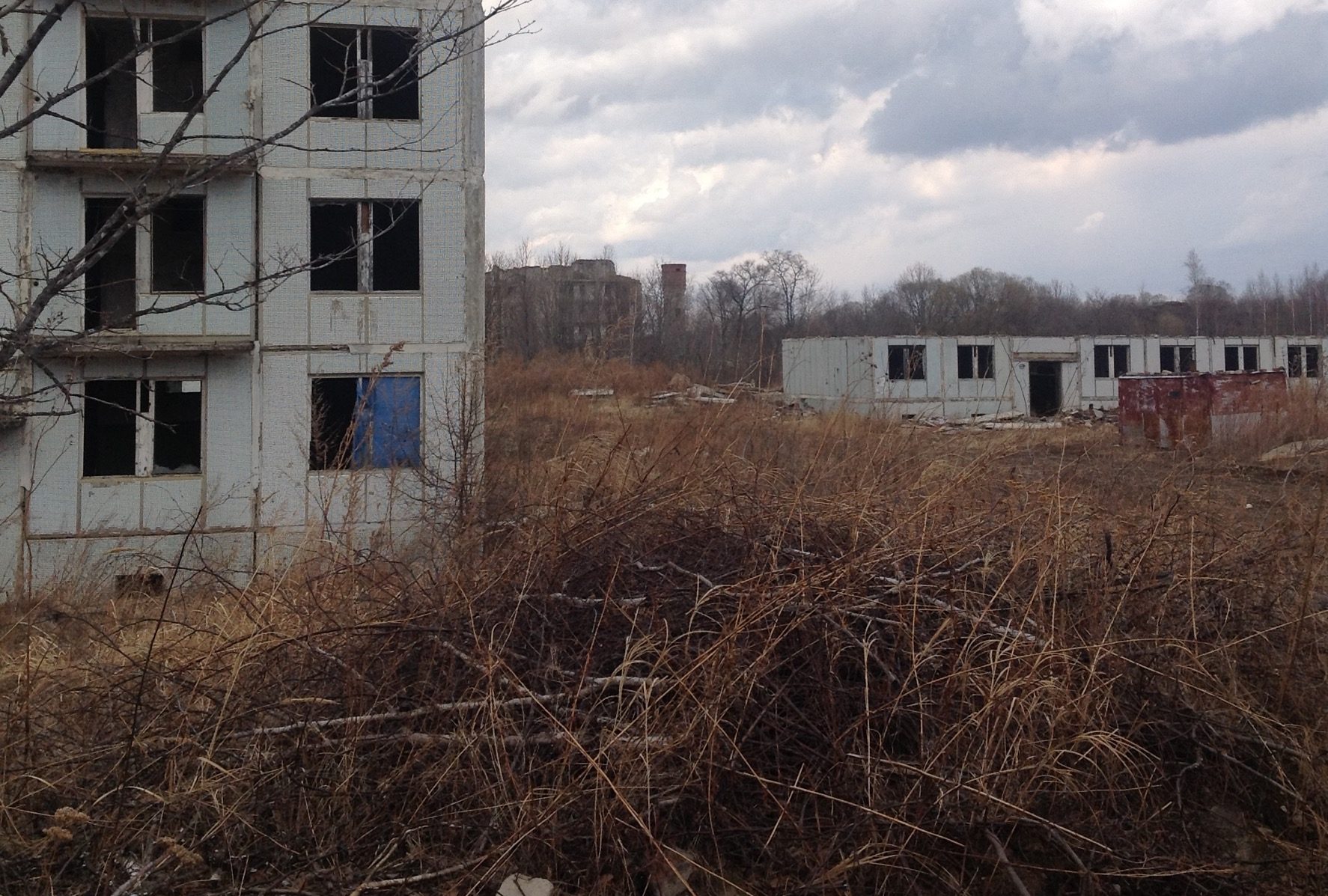
We turn it on to the heating. The first thing that meets us is the abandoned car. The flooding fence is under the boards. The forest came close to the edge of the village. When I worked here, under the falling fences they substituted the same boards. And for some reason this truck was called Mormon. Mormon and then there was no young.
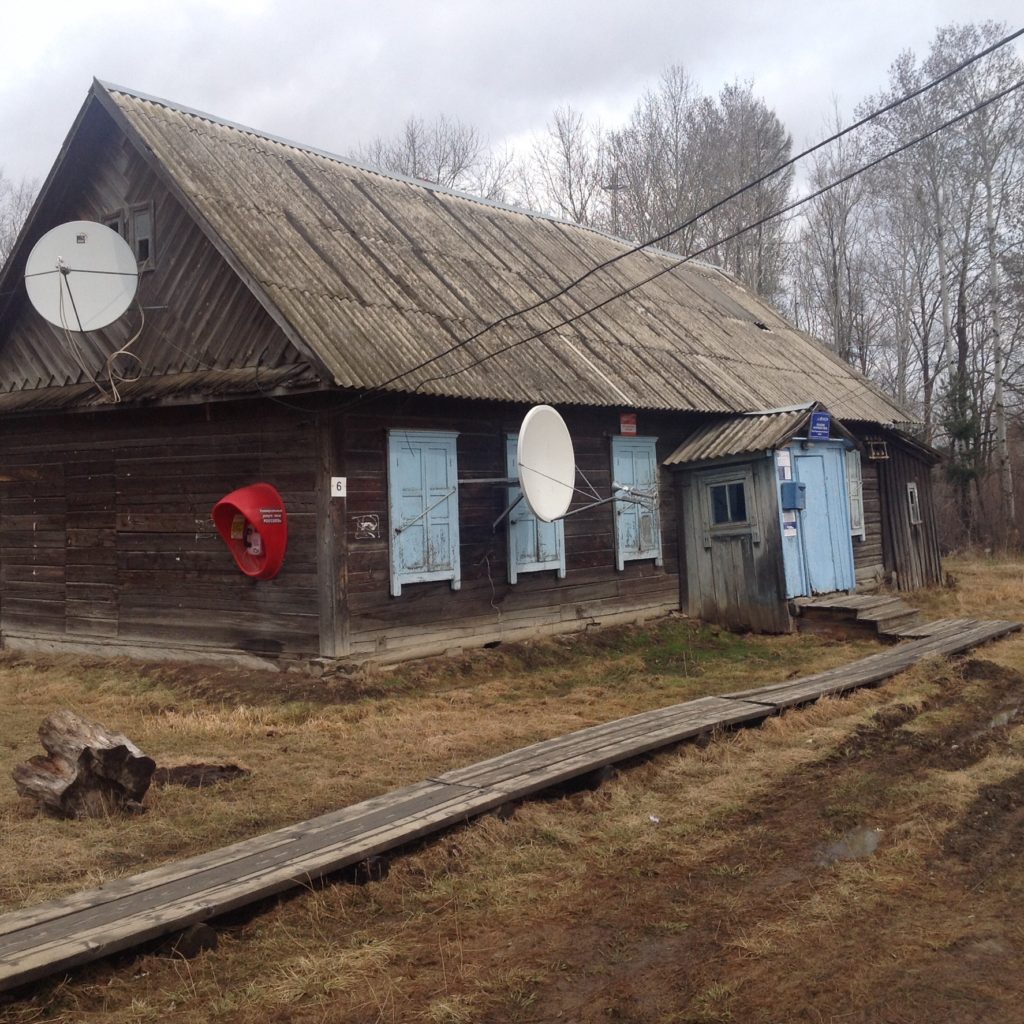 Mail building in the village of Trout Photo: Svetlana Komarova
A dead house with empty windows through the road from rusty Mormon. Previously, there was a street and neat wooden sidewalks along the road. Now nothing and no one but birds.
A couple of hundred meters to the nearest houses. Somewhere here was the house of Sasha Gabelkin. Now a young undergrowth is everywhere.
-Yo-mine! - It breaks out at the driver, - we definitely will not be here. Are they still living here?
- Live.
- How do they live here?!
I don't know, but somehow they live. In a dying village, where abandoned houses are no longer visible behind young trees. The rain stopped, the sun beats in the gaps between the clouds, an unpleasant sight - dead houses, singing birds and clearly defined fast clouds.
We are rolling along the village road, I say where to go. Mail. Satellite plates, a red phone, rickety black walls, a holey porch. Not a single living soul. No sounds of the village - neither clocking chickens, nor barking dogs, only the singing of birds in the forest.
The windows of the ward of the women in labor took to the windows of the morgue. The beginning and end of the pathWe drive up to the abandoned building of the hospital. Nearby froze a bobik with a red cross. Here my daughter was born twenty -five years ago. Could be born right in the taiga. Lucky - the hunters picked up and took them to the birthplace.
There should be a hospital behind the hospital, it is not visible.
- You were not mistaken, exactly here?
- Well, Andrey! I remember she was here! - I'm not mistaken, the hospital was! A cheerful swear by Olga worked in it, in which they did not die. She sat with me in the ward all night, prayed and held my hand when I almost lost my child.
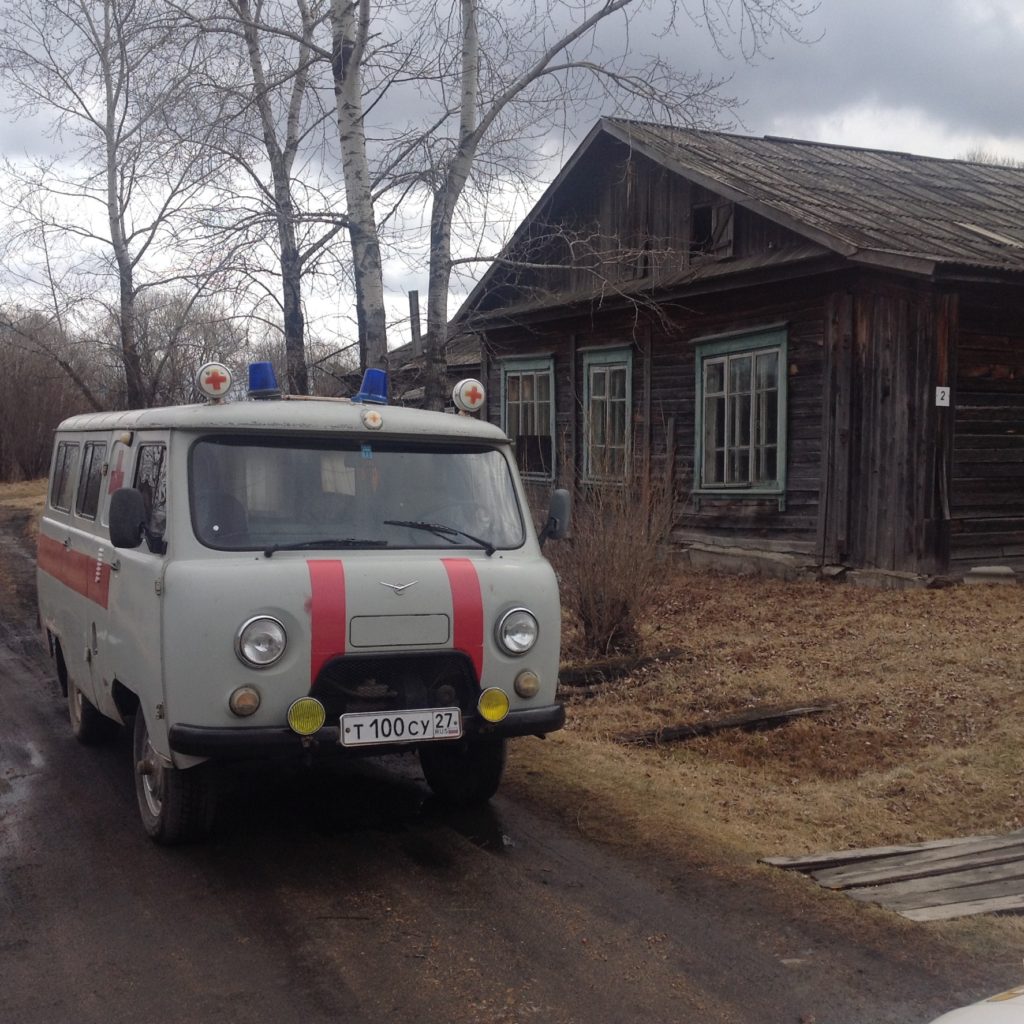 Former maternity hospital photo: Svetlana Komarova
I turn behind the hospital, everything is correct, followed by a dilapidated morgue overgrown with trees. The windows of the ward of the women in labor took to the windows of the morgue. The beginning and end of the path.
I go back and forth several times, until it comes to me that the hospital was where young trees were standing with a wall. All that remains of her is pieces of foundation sticking out between the trunks. Olga has gone for a long time either.
The streets, along which once there were wooden sidewalks, turned into paths in the forest. How do people walk in the evenings on them? Without light. Especially in winter. Taiga around, terrible. We quickly get into the car.
- We go to school.
- Where did they get the school? In such a forest ...
- I watched the school website on the Internet. The school works.
School in the forest
I left school twenty years ago. The decision was balanced and sober. Unfortunately or fortunately, but when I need to make a decision, emotions dissipate, a cold, logical mind remains. With a cold mind, I understood that either I care about my own children, or about strangers.
For many years I did not miss the school, I was not touched by the first of September and children with armfuls of flowers. This part of life was completed and was not subject to revision. I finished it on November 16, 1996, hanging the class on the carnation key.
I climb the familiar steps, open the heavy high door, I am covered by the familiar smell of washed floor and fresh paint. The lobby shines with glossy bright herbs.
The first I see is the former laboratory assistant of the chemistry cabinet.
- Hello, you will not recognize me?
- No.
- I am Komarova Svetlana Yuryevna.
- Svetochka! We received your letter! We all were waiting for you. What did you reach?
“By taxi,” I hug her and swallow a lump. I was remembered and waited. Most of all I was afraid to come and be superfluous.
- Svetlana Yuryevna, you probably will not recognize me? I am Tanya, - a young woman comes up to me.
- Excuse me, I don’t know at all - she persistently repeats the name, and I hardly understand that this is my student, Ivan's classmate. Children grew up for a long time.
- And who is working in my class now?
- So there is no one there, the first floor was given to the kindergarten.
The first floor is blocked by a locked door. Behind her is my class. It had a brown board and blue stands. In the summer, before leaving the Far East, I painted these stands with proteins and hares. I wanted something to stay here after me. In this class, Seryozha, who was killed in Chechnya, told me that he would definitely buy a red varnish to his mother when he grows up and looked at my thin incontempt fingers. “Your fingers are beautiful. Thin ones. " In this class, I cut all the flowering Decembrists in winter, so that, holding the powerless evil tears, throwing them in front of a Serezhkin coffin in a fierce frost.
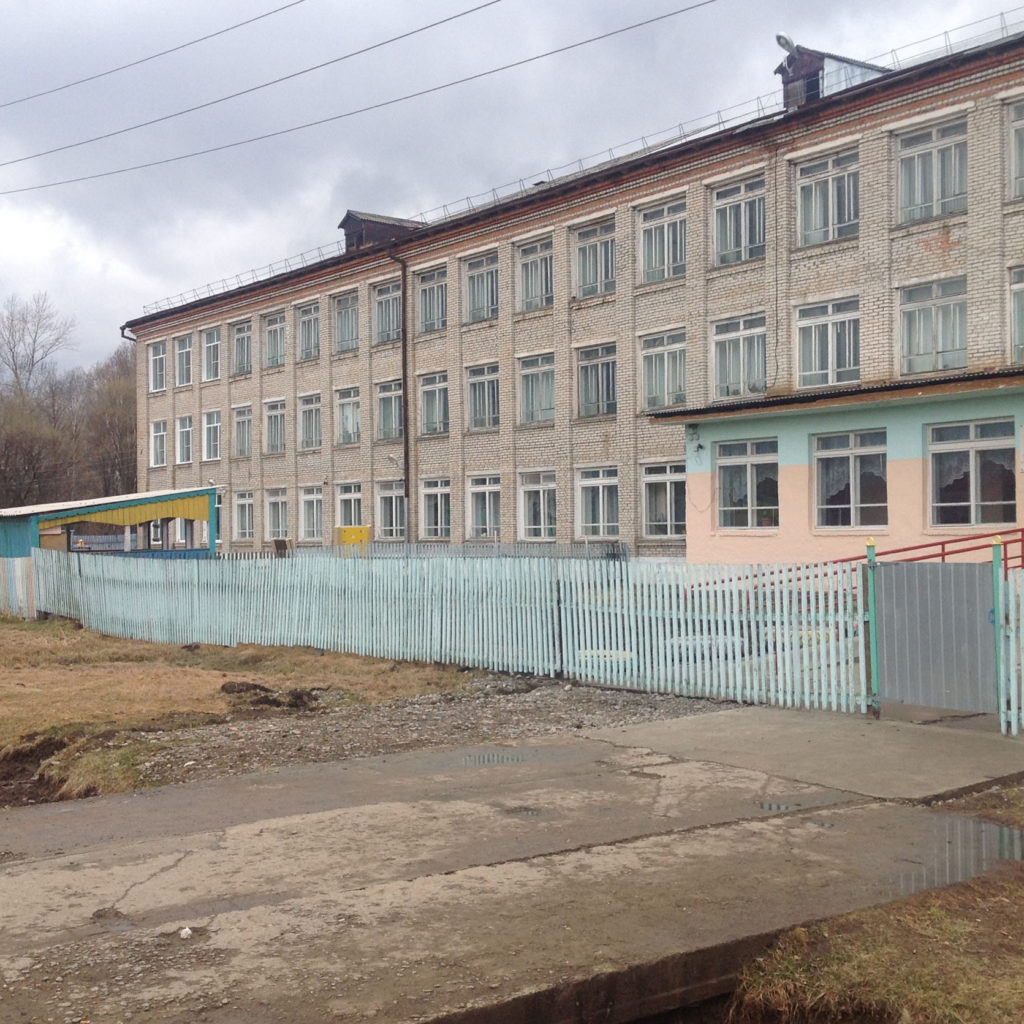 School in which I worked photo: Svetlana Komarova
Here on Valentine's Day, children's school mail brought me an armful of naive valentines from my children. A bright green heart lay on top. Inside him, the terrible handwriting of the six -year -old Antoshka Shevchenko was written “Light Lawyer! I love you!" Without a signature.
Antoshka’s mother, the head teacher of the school, ate Antoshka at the stubborn “Sveta Yuryevna”. Anton was scorched by a lobasty head, admitted that he was wrong, nodded and, as soon as his mother left the class, took up his own. Antokha and I defended his right to write with clumsy handwriting and call me Sveta Yuryevna. Now I stand in front of a locked door and touch it with fingered fingers with her nails broken on the road. A strong wooden door to my last world is closed. No need to open it. There are no longer a hare, no protein, no antoshka, no Seryozha. There is a teacher Tanya who has matured without me.
The director of Ira, similar to a stately large Cossack, had a practice for me a thousand years ago. Blonde Larisa with thin features was also my trainee. I gave her all my books and materials, putting an end to the teacher's life. We chat in the Ira office, but I really want to break and leave. I went to Lyudmila Nikolaevna, my wise director, Irina’s mother, and to another Ira - the former pioneer leader, and to the Trudovik Semenich, and to his wife, philologist Nadezhda Omelianovna, and to the head teacher of Methodevna. I get the time, afraid to ask about them, but time goes on, and I decide to ask a terrible question. Everyone is alive.
- Ira, where is mom?
- In the teacher. She handed over, really. Andrey died.
- How died? He is younger than you - how could Irin brother die? He should have been about forty.
- Nobody knows how. There were no mothers, he was found dead at home. Why he died, the doctors never said.
The body did not forget anything, nor the height of the steps, nor the smell of the school, nor the cold of metal door handlesI throw everyone and go to look for Lyudmila Nikolaevna. She taught me to stop young ardor and categorical: “You will put him a deuce in a quarter. And what? Leave in the second year. Will someone get better? It will become worse for everyone. Do not blow them with deuce. Do not leave for the second year. This will not help. Give them the opportunity to get a certificate. They need to get out and find a job. ”
There is a lesson, the school is quiet and empty, I climb the familiar staircase to the second floor and, until no one sees, leads my palm along the wall. I stroke walls, railing, windowsill, door handles. The body did not forget anything, nor the height of the steps, nor the smell of the school, nor the cold of metal door handles, nor the creak of chalk. I have only two hours. Time leaves and leaves. When the call rings, I go out into the corridor, look for Lyudmila Nikolaevna. The school hugs me unusual for a change in silence. There are almost no children in the spring greenery of corridors. Silence instead of a homon, laughter and clatter of the legs. Teachers are returning to the teacher’s and do not believe that I flew to Khabarovsk for the only purpose - to them:
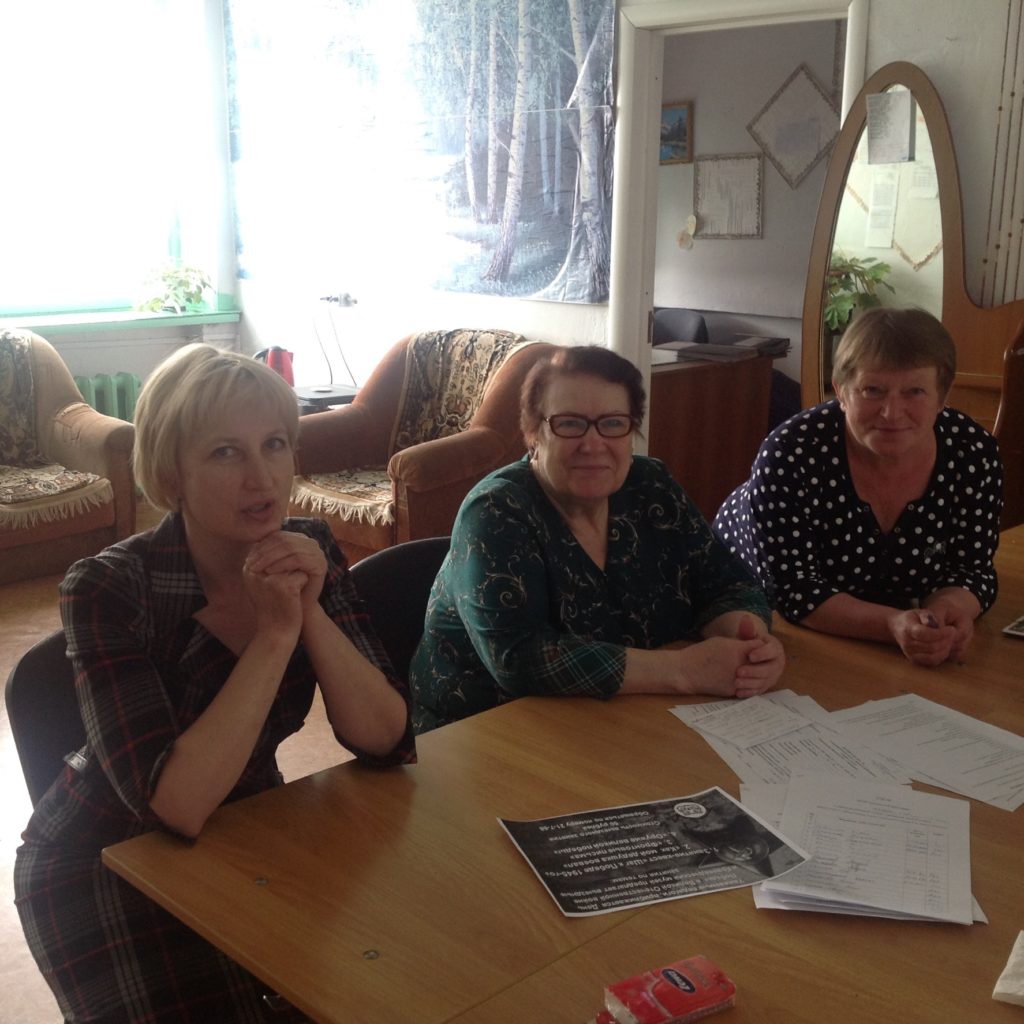 Meeting in a teacher's photo: Svetlana Komarova
- Do you have a business trip?
- Yes, to you.
-And where did you go?
- To you. For nothing more. To write about you.
“You write, be sure to write about us how we live here.”
We sit at a large table and touch each other's hands. I am trying to remember and remember them with my fingers, I stroke Lyudmila Nikolaevna on the arm.
- Andrey died. You don't know.
“I know Ira told me.”
- In December, he died. I don’t know why, the doctors did not determine - she shakes her head and draws the patterns with her finger. “See how everything became here here?”
I nod my head silently. I don't know what to say. The kindergarten was in the neighboring building, there are no more buildings, they dismantled, trees are already rising in this place. Mail? It works, just for some reason closed. Bobik at the former maternity hospital? So there is a paramedic point. In this dead building? Yes, one room has been preserved there. The paramedic sits in it. What is the bright house in front of the school? Library. And Methodyevna? No longer works. Left. And Omelianovna? I broke my leg, you drop to her, be sure to drop. We received your letter. She will be upset if you do not drop.
Read also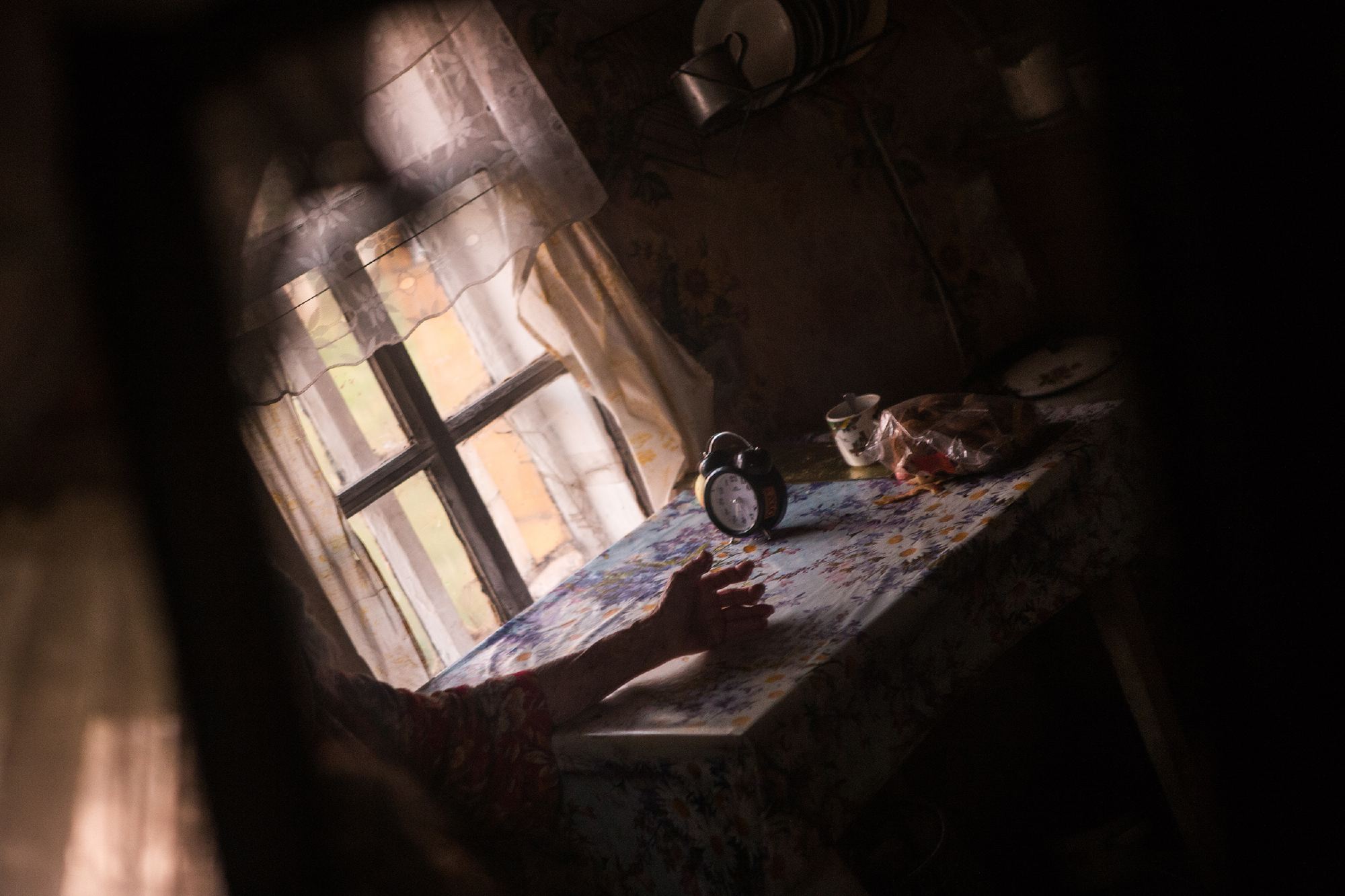 Left the minus how the most dying area of Russia lives
Nadezhda Omelianovna, once at the exit from the class, stumbled upon the word “star” freshly executed across the wall. I soared with indignation. Omelianovna straightened her glasses and gently said: “You see, we still taught them something. At least they write it without errors - now they do not know how to write even obscenities. The rhyme to the star is written through the letter "and"! And nothing else! And in the middle the letter "z", not Es! " My second -year -olds knew how to write without mistakes at least it.
Our only school man comes - Semenych. He was forbidden to teach OBZh, which he taught back in my time. New orders - you can teach OBZH only by receiving additional training. Now a bulky Semenych with bear paws leads drawing lessons.
A thin tall boy is spinning in the teacher. As soon as he takes a cool magazine and leaves, I ask who it is. A graduate of a pedagogical university. I arrived for three years. If he works at school for three years, he will receive a very large amount - five hundred thousand. By the way “five hundred thousand” is said, I understand that this is an incredible amount for the village.
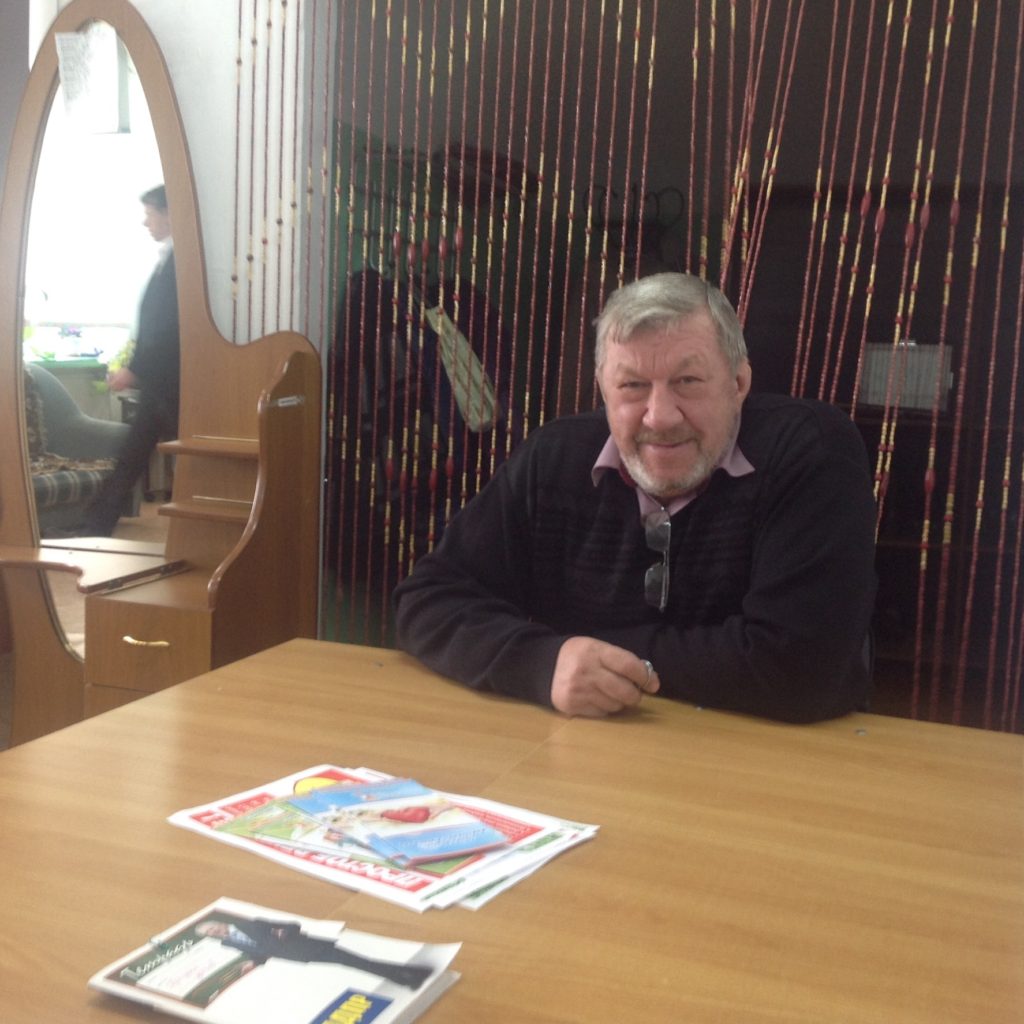 Our Semenych photo: Svetlana Komarova
The school has twelve teachers and sixty -five students. In the teacher’s old cabinets, chairs with a worn upholstery, but there is a computer class. Everything is very clean, very neat and very poor. The school is still holding, there were plans to close it. Six hundred people live in the village. There is work at a school, a village council, a library and in the surviving military unit by forty -third kilometers. Forty -third kilometer will be closed in 2020.
- And then what? How will you live?
- Until we know, it will be seen.
- Can I look into classes? - In the near class, the door is ajar. A boy with warm good eyes sits near the wall.
- Have you kicked out?
- Yes, not ... I'm just waiting. I have the next lesson here. Who are you?
- Yes, I'm so .... Well, just arrived. Yes. I just came to visit.
- To whom?
“Well, how to say ... to all of you,” he nods knowingly. I am sitting next to him on the red floor.
- And what is there, in the classroom?
- Mathematics. In the fifth. I'm in the fourth. I will go to the fifth for next year.
What will they do next? They will close the forty -third, and life will finally leave the village. Where will this solid comrade with warm eyes will study in three years if they close the school? An abandoned, forgotten village in a deaf taiga. To the boarding school? In order to leave here, you need money so that it is, you need work so that there is work, you need to leave from here. All. We stood on a circle. When work ends in cities and towns, hopelessness and desolation begin.
A couple of months ago I was on a television business channel, where they discussed what to expect people from the next technological revolution-threats or new opportunities. A fiery conventional speaker cited the example of humane contractions at Ford factories, said that many people would not have the previous job, but they will have the opportunity to do their business or creativity. I wanted to ask her if she saw the photographs of Detroit from which automobile plants left, French chamber towns, where there was no work, or hundreds of Russian wrappers, of which hope and life left work? Do those who talk about new opportunities and reducing the cost of life, about saving and freelance as positive symptoms understand, that Uber brought down the salaries of drivers, freelance will bring down the security of the employee, and a decrease in the cost of life will bring down the profitability of companies, and a series of bankruptcy will begin. Who will need your business and your work, if so?
Desolation, hopelessness that fell on me at the entrance at once, advanced gradually and imperceptibly for the remainingLyudmila Nikolaevna rented her apartment for the forty -third and bought a house in the village. The house cost thirty thousand. For what? For a two -room apartment in one of the three houses of a military town, it was necessary to pay ten thousand every month. After the military leaves the forty -third, the town will remain abandoned, without warmth and without light. No one knows how to live in a dead town of unemployed civilian civilians.
- Lyudmila Nikolaevna, maybe buy a house in a sieve?
- What are you! You won’t buy anything there now, there large alcoholics buy everything, give birth to children every year to get maternal capital, and buy collapses. There are now five hundred thousand at home. What are they only going to feed children then? You can’t live there, can you imagine what will happen there soon?
Я хорошо помню многодетные семьи поселковых алкоголиков в домах-развалюхах и не хочу думать, как может выглядеть такая жизнь в густой концентрации.
Запустение, безысходность, обрушившиеся на меня на въезде разом, наступали постепенно и незаметно для оставшихся. Это привычная для них среда, она не менялась все эти двадцать лет. Время остановилось, началась разруха.
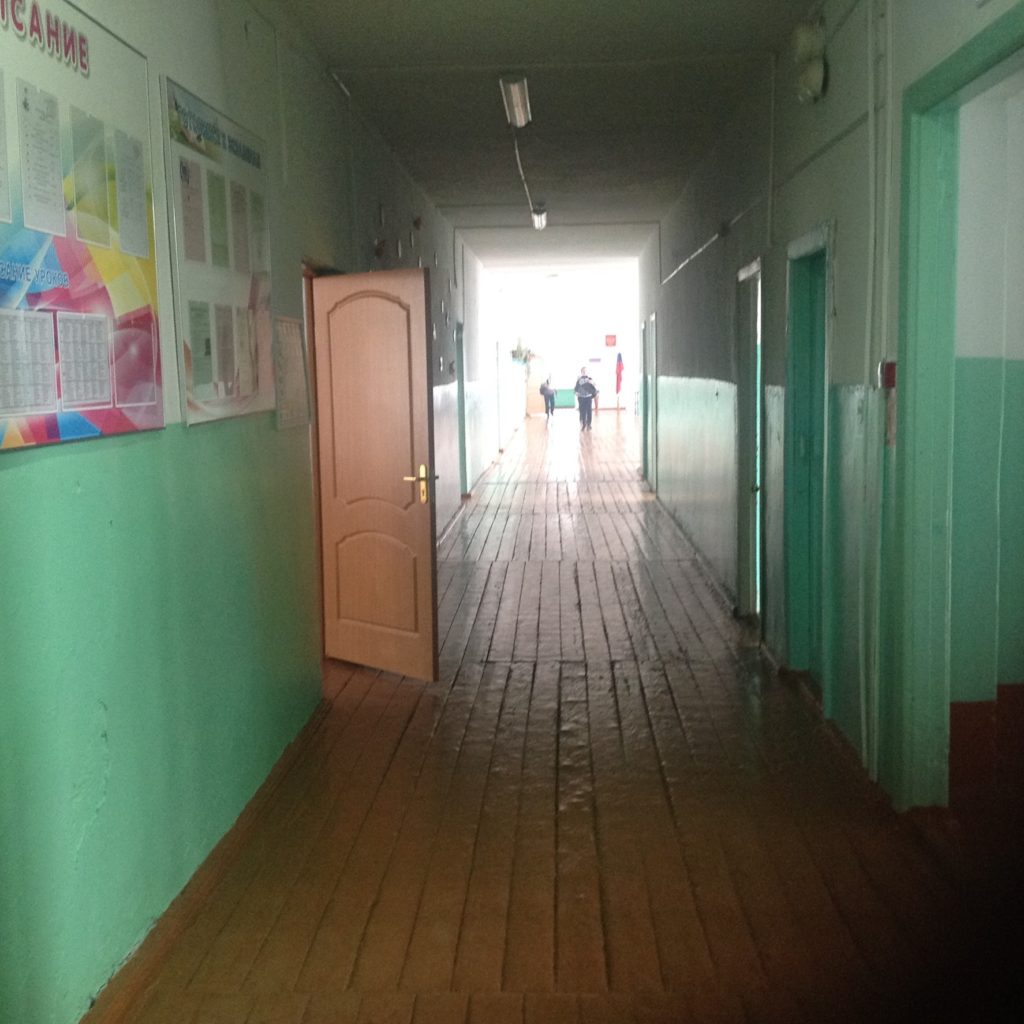 Школьные коридоры пахнут свежей краской Фото: Светлана Комарова
— Ты то как, рассказывай! Ты куда после нас попала? — и я не знаю, как ответить на этот вопрос, и не знаю, как я буду писать об этой поездке. Я соскальзываю в рассказ о сыне, дочери, быстро показываю пару фотографий и закрываю айпад.
В айпадной фотосвалке фотографии Антона и Маруськи перемешаны с Миланом и Флоренцией, Таллином и Плитвицкими озерами, Веной и Зальцбургом. Я не могу им это показать.
— Помните Сашку Габелкина?
— Нет, а кто это?
— Он у меня учился. Помните, я отвозила его в приют. Его мать бросила. — Сашку никто не помнит. То, что врезалось в мою память и осталось в памяти непрощенным себе предательством ребенка, не запомнилось — таких семей было много.
— А Сергея помните? Мы хоронили его зимой. Он погиб в Чечне.
— Сережка Рузавин? — Да, Рузавин, теперь я помню его фамилию.
У меня два часа на разговоры. Мы стараемся дотронуться друг до друга. Двадцать лет назад я уехала. They stayed. Делать очень важную работу — давать детям шанс жить другой жизнью. Сельские учителя из забытых богом мест, которых полно на карте страны. Единственный шанс для тысяч детей. Мы говорим с ними о том, что дети уходят в колледжи и боятся заканчивать одиннадцать классов. Они боятся не сдать ЕГЭ, но почти все поступают в колледжи. Они гордятся своими учениками и очень хотят, чтобы дети не боялись ЕГЭ. Институт — это лучше, чем колледж, но дети боятся. Чудесные, улыбчивые дети, поднимавшие ко мне открытые лица в коридоре, выкрашенном веселой зеленой краской.
Мы прощаемся в школьном вестибюле, я дохожу до выхода и возвращаюсь обратно, ухожу и возвращаюсь еще раз. Я больше никогда их не увижу. Я обнимаю Людмилу Николаевну, и мы долго плачем в коридоре. Ей семьдесят, но может быть, она ко мне приедет. Она может — в пятьдесят четыре села за руль, в шестьдесят с лишком перебралась жить в дом на краю поселка, под семьдесят съездила в Китай. Может быть, когда-нибудь, было бы здоровье. А пока мы плачем и не можем разойтись.
I love
Вот и пятьдесят второй километр. В какой-то из этих мертвых квартир жил Иван, рано повзрослевший, угрюмый шестнадцатилетний волчонок, отвечавший за пьющих родителей и младших братьев и сестер. Когда ушли военные, оставшиеся были вынуждены бросить свои квартиры в мертвом городке. Теперь здесь ветер, низкие облака и мерзость запустения. And birds. Заткнулись бы они уже наконец!
Это не сараи и не гаражи. Это — пятиэтажный панельный дом, разобранный до первого этажа. Где-то здесь недалеко моя коллега наткнулась на медведя. April. Они уже месяц как проснулись. Наверное, голодные. И бродят стадами.
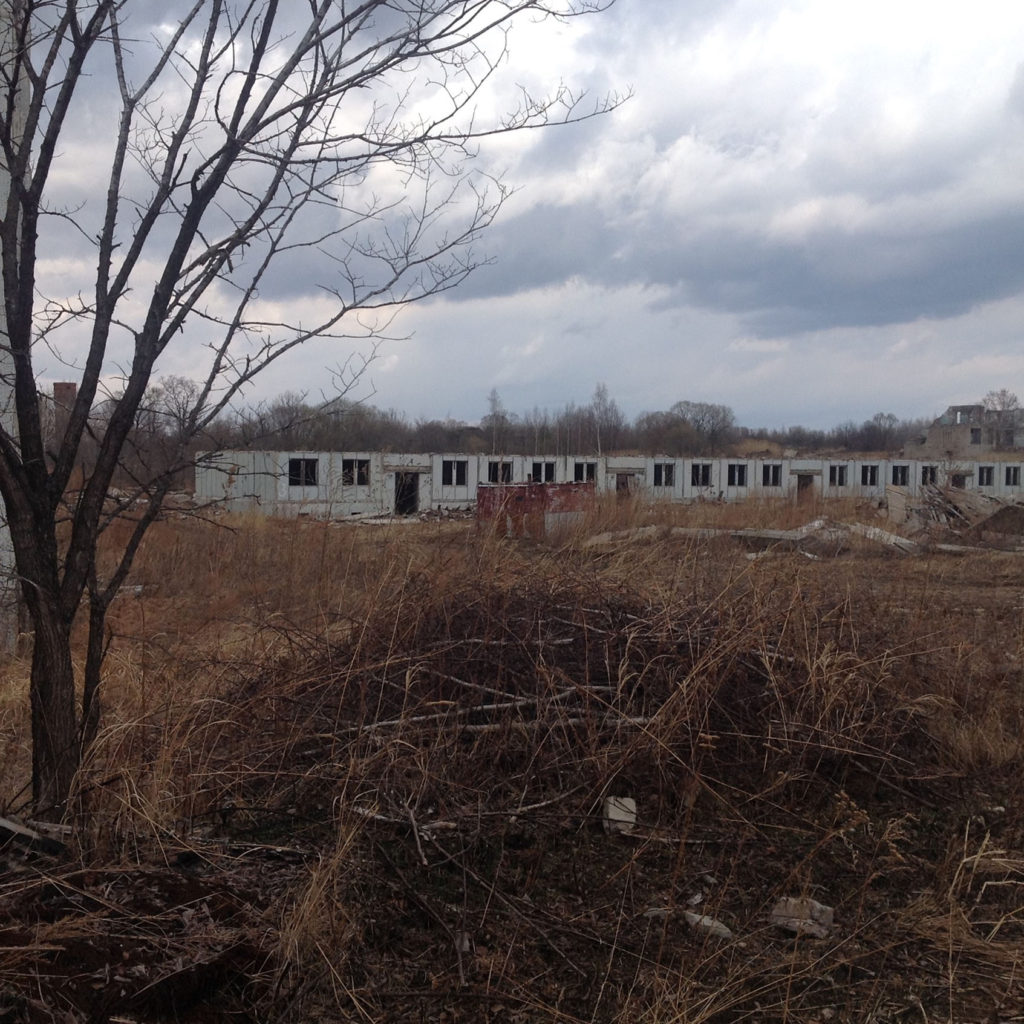 Разобранный дом на 52-м километре Фото: Светлана Комарова
Тороплюсь сделать снимки и поворачиваюсь к машине. До машины метров сто. Андрей куда-то отошел. Из раскуроченной пятиэтажки наперерез мне идет горбатый худой мужчина. Самое страшное, с чем можно столкнуться в таких местах, это человек. Вряд ли он живет здесь один. Хорошо, что сумка в машине — меньше соблазнов. Прячу айпад под куртку и иду ему навстречу. Смотреть в глаза или не смотреть? Look. Спокойно и безразлично.
Я так и не поняла, откуда взялся Андрей, но он выходит из-за спины бомжа и окликает его, тот глядит на нас. Я открываю дверцу:
— Андрей, нам пора, — мы садимся в машину, сдаем назад, выходим на дорогу и уезжаем.
— О чем ты с ним говорил?
— Он спросил, зачем нас сюда занесло.
— Надо было задать ему тот же вопрос.
Мы, не сговариваясь, переходим на «ты» и облегченно смеемся. Выбрались. Дорога подсохла, машину больше не кидает, мы доезжаем до сорок третьего.
— Андрей, я жила вон в том доме.
Read also Вишневый ад Репортаж о том, как обитатели старинной дворянской усадьбы воюют с управляющей компанией за право получить элементарные бытовые удобства
Городок закрыли железными воротами, раньше он был открыт. Меня не пускают, запрещено. Я здесь жила. «Здесь многие жили, нельзя». Вон там мои окна. «Все равно нельзя, если хотите, ждите командира части». Я знаю, где заканчивается этот бетонный забор, и как пройти к дому, но бомж на пятьдесят втором отбил мое кошачье любопытство и умение договариваться о том, чего нельзя. Я хочу отсюда уехать. As quickly as possible. Я не хочу видеть места, где люди вынуждены жить так, как жить нельзя. Я хочу вернуться в гостиницу, там горячий чай и улыбчивая администратор. Мне пожарят там картошки, я куплю себе нама-шоколад и заберусь под одеяло. Я буду искать слова.
— Андрей, поговори со мной, пожалуйста, — мне все равно, о чем говорить, я цепляюсь за мягкий мужской баритон, как тянущийся к солнцу плющ цепляется за нагретый лучами ствол платана. Поговорите со мной кто-нибудь. Наберите мой номер, несмотря на то, что в Москве ночь. Рассыпьте у меня на коленях наивные детские валентинки, как рассыпал муж, когда мне было так плохо, что я могла только сидеть и молчать…
— Мой первоклассник называл меня Светой Юрьевной…
— Поедем-ка мы с тобой, Света Юрьевна, мыть машину… А ты, пока я моюсь, кофе попьешь.
***
Я сегодня вернулась на двадцать лет назад. И созналась себе, что отчаянно тоскую по светлым классам, скрипу мела по школьной доске, неприятной сухости испачканных мелом пальцев, шуму перемен и открытым детским взглядам, дающим невероятную энергию жизни. Я очень хочу в класс. Very. Я любила свою работу, потому что каждый день ты заходишь, и на тебя смотрят эти глаза. Тебя любят просто так, ни за что, потому что ты — первый учитель. И когда закончатся наши жизни, нас будут помнить только те, в кого мы вложились своей жизнью, своей любовью и энергией. Вложились просто так, ничего не прося взамен. Просто потому, что было, что отдавать.
Rain. Турбина Боинга. Самолет в Москву. Может быть, завтра поселившийся внутри мучительный клубок исчезнет. И может быть, кто-то когда-то еще раз напишет мне на зеленом сердечке кривые буквы: «Света Юривна! I love you!" и не оставит подписи.