
Translated material
"Why do you need this moron?"
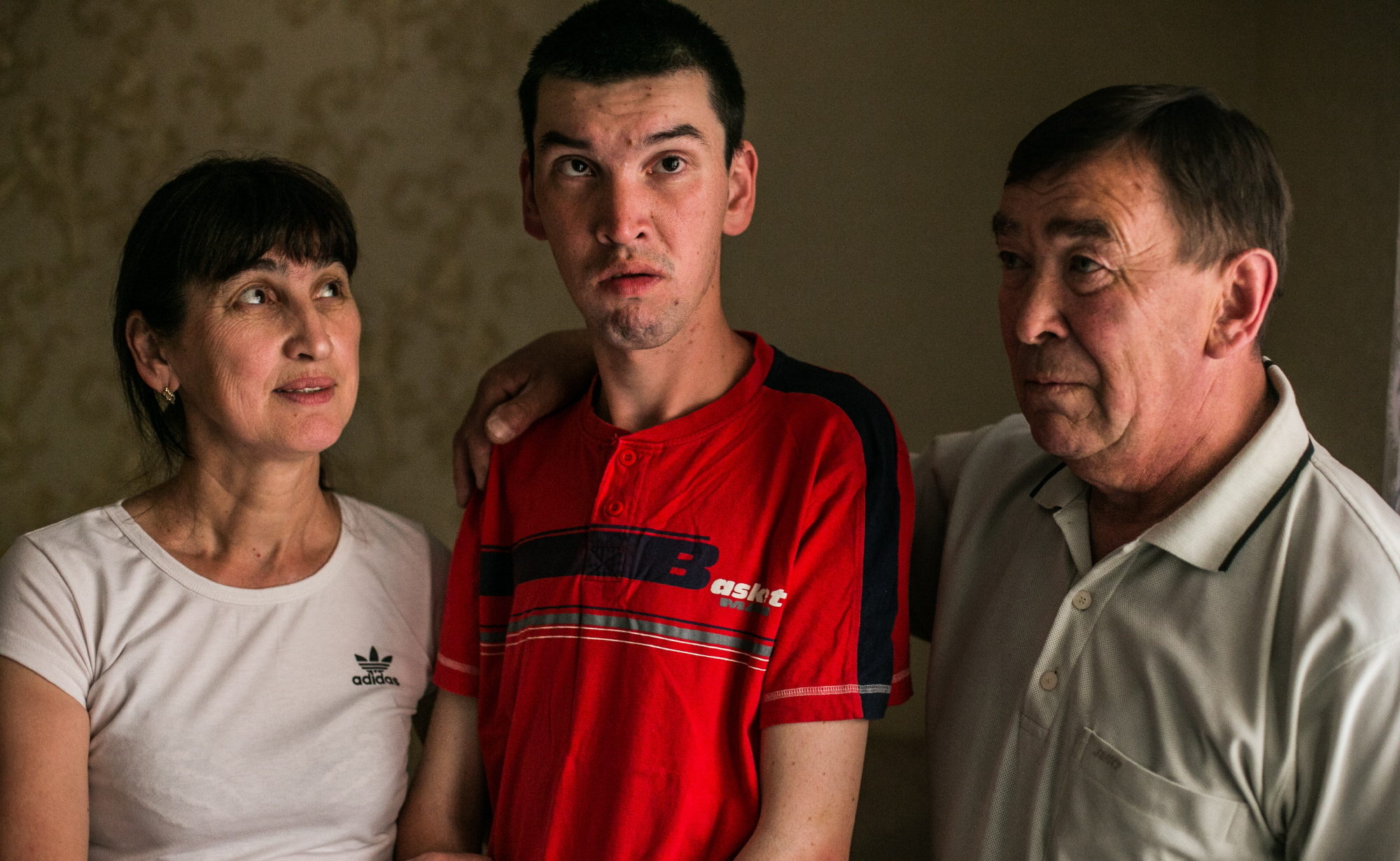
People with severe mental disorders are not interesting to the state. The only thing that can offer to help parents is a “specialized institution”, where they will live the time allocated to them under the drugs. Parents of special children in Irkutsk did not agree with this
Help hope to help"He will not walk, he will not see, he will not hear!"
Maulida sets on the table and tells what life the doctors promised to her son Radik. He is right there - and also prepares for tea party, brought a bag of marmalade and troublesomely pours it into a crystal vase, drops pieces, gasp, throws up with his hands, worries. “So, calm down! Calmly!" - Farid, his father, cheerfully and firmly says to Radika. The radical freezes and really calms down, his hands stop trembling, and Marmelad falls into place.
Radik sees, hears and walks - even runs. A few years ago, he began to speak and now quietly mutters under his breath: “Then, in the plan, in a way.” Radik wants sweets, but persuades himself to wait until the others sit down at the table.
Something human
In the university district of Irkutsk, houses are similar to a building from Lego - if the children's designer were a continuous gray color. Five and nine-story blocks are closed into the same yards. The area stands on the hill, to the right - gray "cubes" overlap the sky, on the left - the same, a series of identical windows. Behind one of them is a radical and looks into the corner of the courtyard, in the arch. Nothing happens there, a person passes very rarely around the yard, a car passes even less often. But finally, a small minibus squeezes into a narrow passage, and Radik immediately runs to the door. Farid managed to call in the middle of the day to feed the chopped radical. Usually Radik does not sit at home, because he has a job.
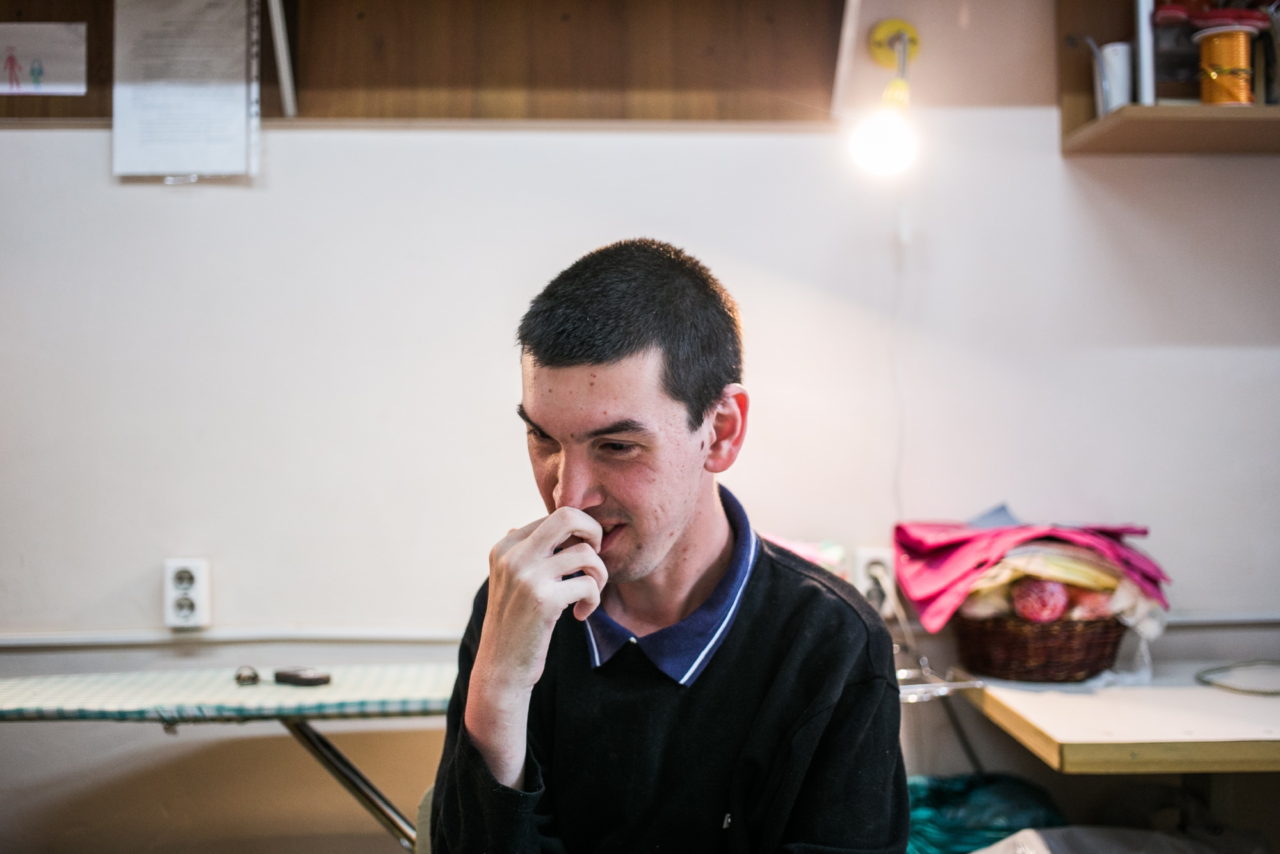 Radik at his workplace at the Nadezhda Center Photo: Anton Klimov for TD
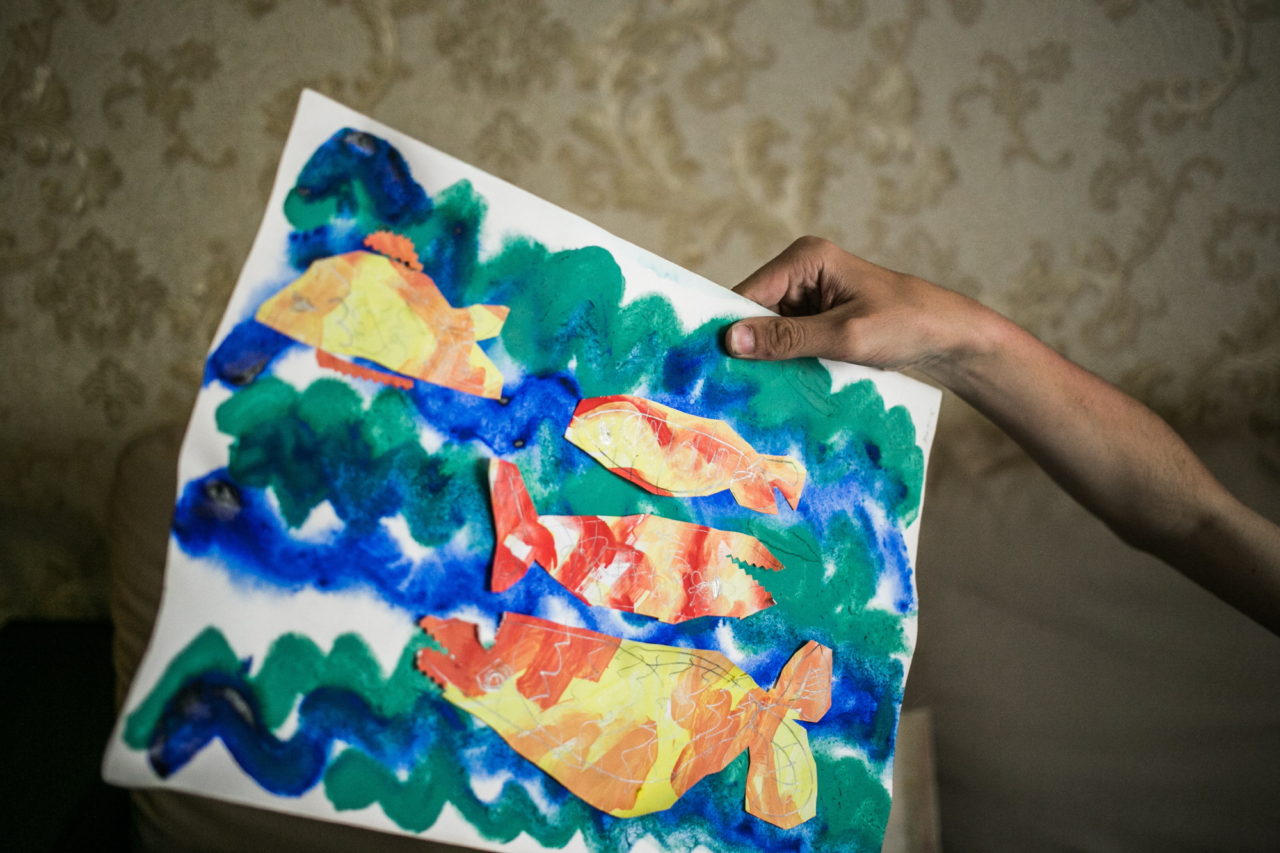
Radica is twenty -six years old, and he has a lot. There are household chores - to help make a bag to make a bag, remove in the kitchen, fold your clothes. There is a hobby - if Radik filled out a questionnaire with questions about his life, in this column it would be "to draw and go to Lake Baikal." There is a family - parents, Farid and Maulida, sister Lily and her husband Gosh, grandmother, aunts, cousins, Radik knows and loves them perfectly, they love him. And there is a diagnosis - oligophrenia in the degree of imbecility.
This is an old diagnosis, children's. Now the words “IMBECIL”, “oligophren”, “moron” are completely removed from the ICD, the international classification of diseases as “giving up a purely medical framework that carry a social (negative) shade”. But this shade, having eaten into public consciousness for decades, is difficult to remove.
“When Radik was small, we went to the state psychiatrist, it was a young man, with a degree,” Maulida tells evenly, even inexpressively, only a spoon trembles finely in his hand, and fights against the edge of the cup. - He told me: “Think about yourself, you have a daughter, why do you need this moron?” I was still not married then, and he processed me every visit: give it to where they can study, live your life. ”
 Radik, Maulida and Farid photo: Anton Klimov for TD
To the last visit, the doctor said to Maulide, on whose knees a seven -year -old son jumped: "There is nothing human in him, only a look!"
“I only see that the nurse turned away to the window and swallows tears, - Maulida has tears in his eyes, Farid frowned. “I asked the doctor:“ Is there at least something human in you? ”
Life after life
Radik lived healthy for several months. Somewhere there, in the memory of Maulidi-a strong and beautiful baby who did everything “by age”: he fixed his eyes, raised his head, smiled at his mother, grew the first tooth ... When the radical had a temperature, on his teeth and thought-first mother, then a doctor, then an ambulance. He was taken to the hospital under a calm refrain: “Well, mommy, do not worry, your teeth often with such a temperature, see, go home.”
Radik had purulent meningitis. This is generalized - the most severe and rapidly spreading - form of meningococcal infection. Between the circulatory system and the central nervous system of a person is a hematoencephalic barrier, a physiological boundary that does not pass microorganisms and toxins into the nervous tissue. Meningococcus is able to overcome this barrier, cause damage to the brain membranes and substance of the brain.
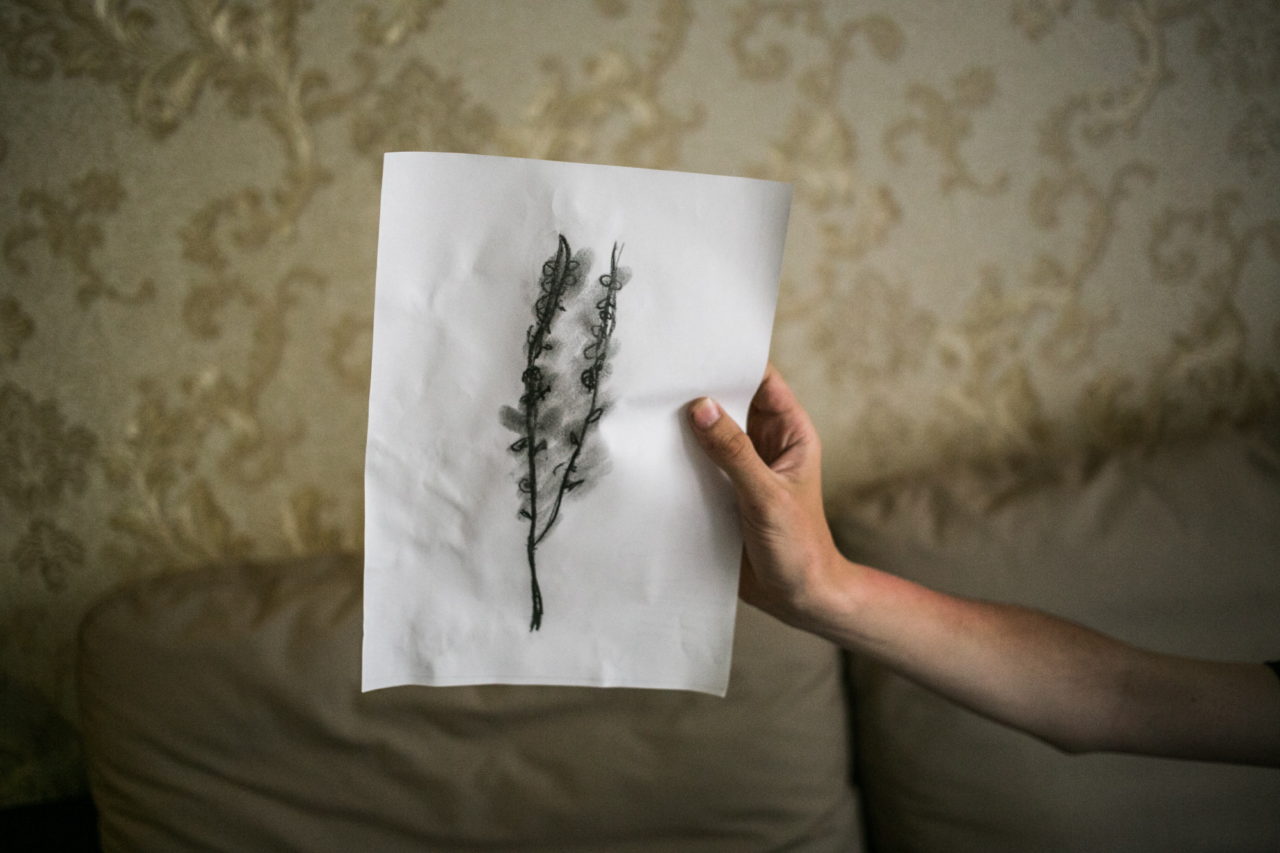
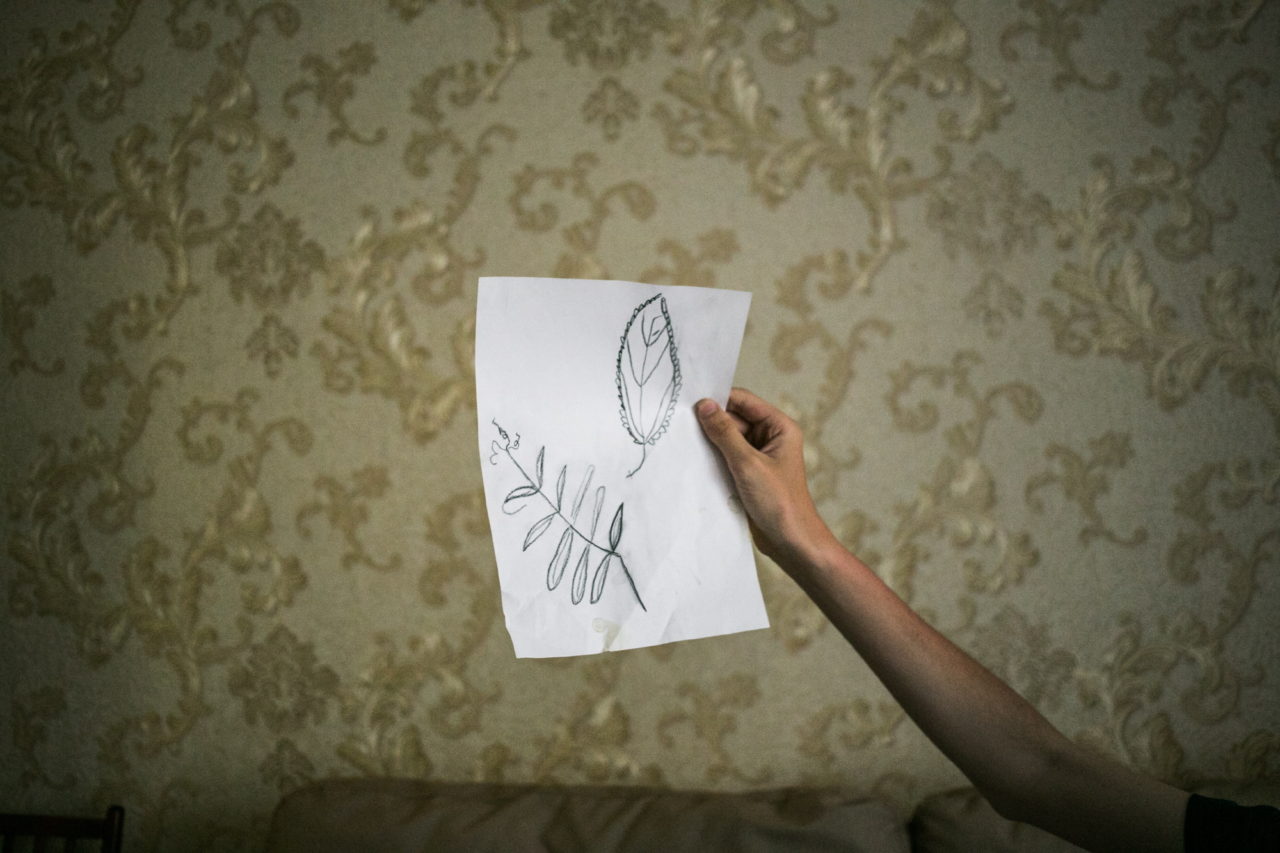
For the life of the boy they fought for a long time - and successfully, because they saved life itself. But the life functions were almost lost.
“You can say, Radik has become ... I do not like the words“ vegetable ”, but he lay and lay, really like a vegetable,” says Maulida. - Until three years, I only did that I was lying with him in hospitals. But we pulled him out. He sat down with us, and got up, and learned to serve himself.
- And learned to cunning, yes, Radik? - asks Farid. “He can do a lot if he wants.” And if he doesn’t want - no one will force us, yes, Radik?
Radik carefully laids sausage on bread and pretends that dad speaks not about him.
Orphanage
The blood father of the radical died when Maulida was just expecting a second child. Farid is a stepfather, but his tongue does not turn so. Father - he is the father. Farid tells how he was looking for a suitable school to radical and he suited him there - only one Irkutsk educational institution was capable of working with special children. A man with burning eyes describes the popular Waldorf Theory - an approach to education based on a deep understanding of the creature of the child. Who is he? How is it developing? How does it respond to influence? With a special child you ask these questions every day, says Farid. You try to break through the shell of the disease, experimentally find the right words and actions. If you set such a goal, you can achieve a lot.
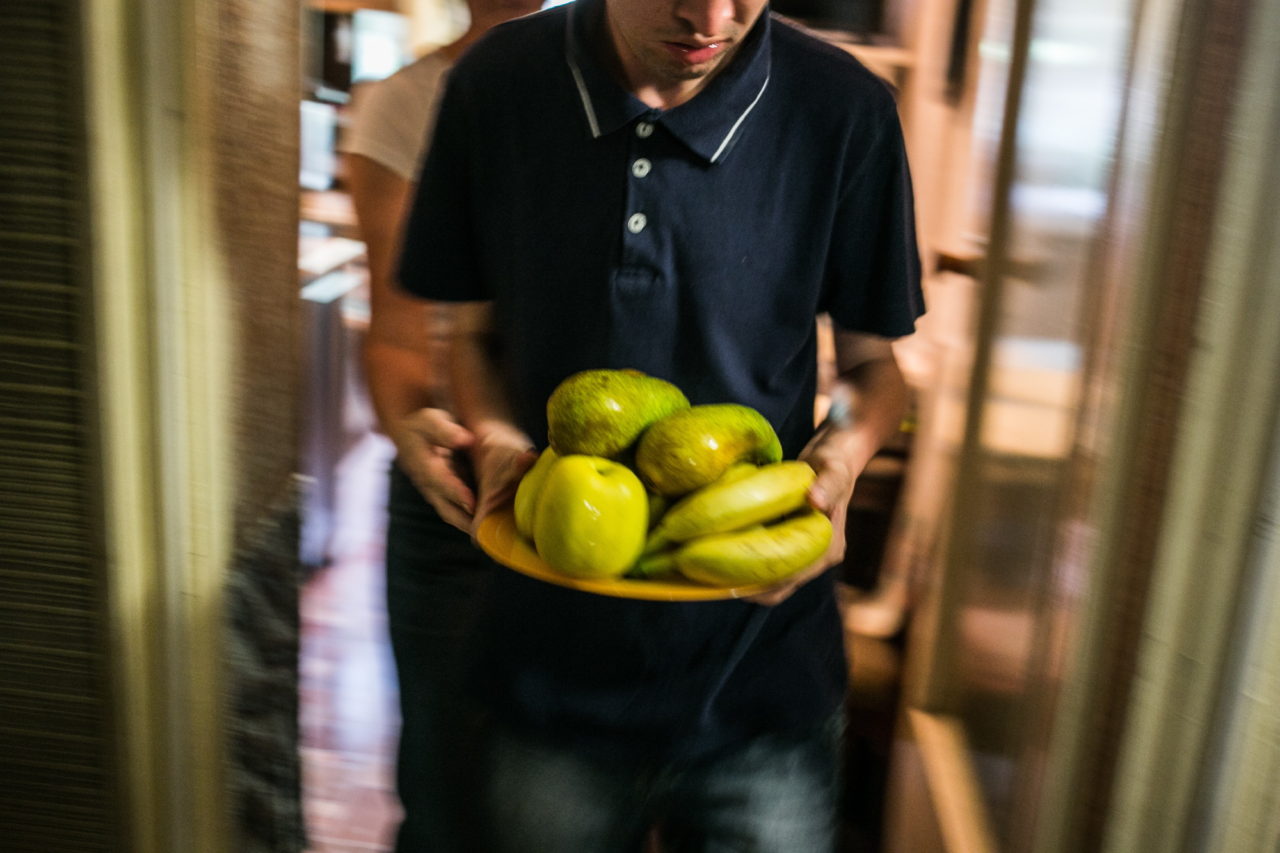 Maulida helps the radical to transfer fruits photo: Anton Klimov for TD
And you can not put it - before the Waldorf school, Radik spent days in an orphanage. Maulida yells when he recalls this, then hastily says: “No, no, he didn’t live in an orphanage, he just went to the orphanage.”
Children with severe mental retardation of the road to an ordinary kindergarten are closed. Maulida, when Radik was three years old, came to the social protection department and began to beg a kindergarten - any kindergarten. It was necessary to feed the eldest daughter, it was necessary to somehow survive at all, which means that work was needed. They were given a referral for “daytime stay in the orphanage”, simultaneously asking for more than once why a woman does not want to finally pass this burden to where “experts know how to work with it”.
“Of course, no one was doing anything with them there,” says Maulida. - Just looked after. Radik just died there, literally. In the morning we are going - sobs, clinging to the legs. He sobs, I'm sobbing. At work, at night in a pillow, in a store, in the evening. Once, after she took a radical, she walked along the street and prayed: “Lord, or you take him so that he doesn’t suffer like that, or make me not taking him there.” God does not take, only gives. A month later, we met Farid. ”
Hope
“I set only one condition: we will no longer drive a radical to an orphanage,” says Farid. - So he said, or I, or ... "
When Farid fell in love with Maulida, he was not embarrassed by anything. Two children? Great. One of them with a difficult diagnosis? Happens!
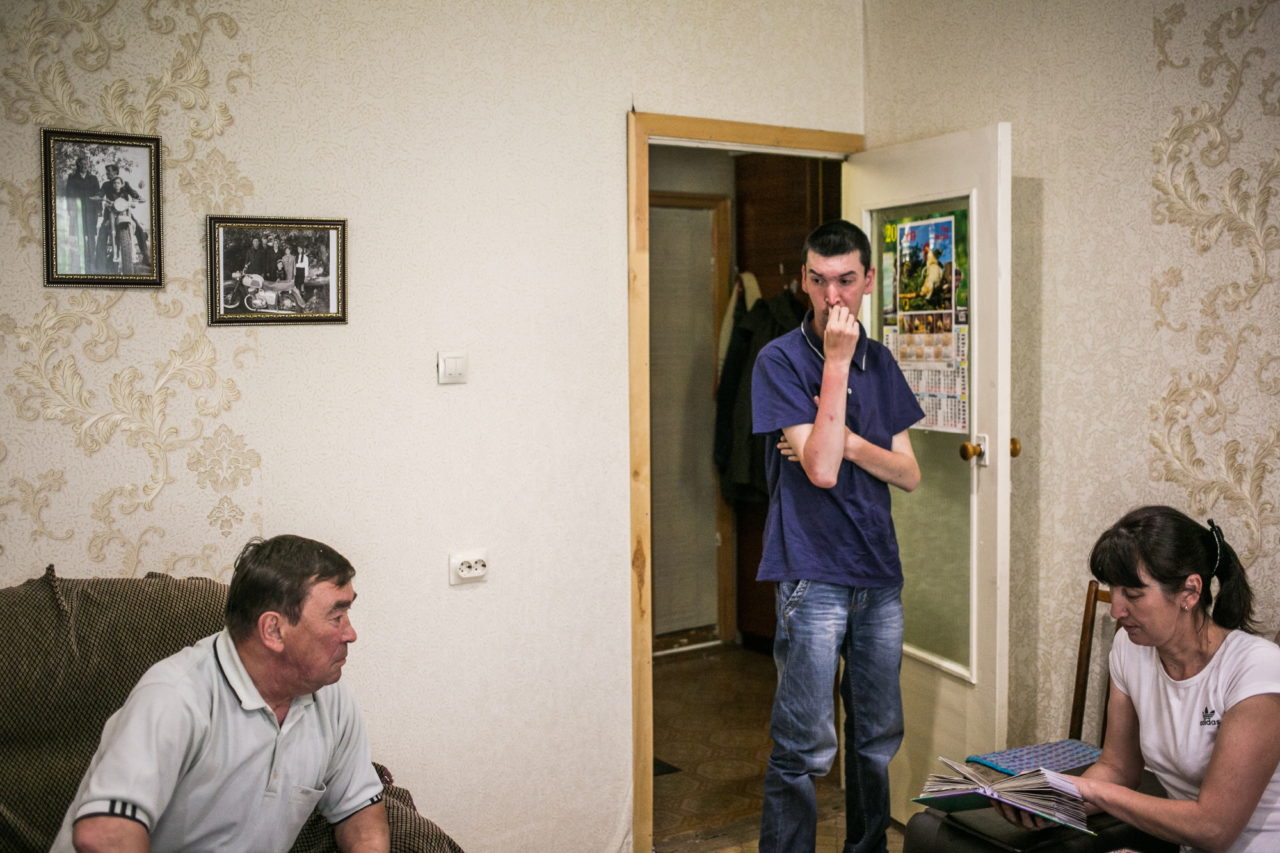 Radik, Maulida and Farid at home photo: Anton Klimov for TD
“When Farid came to our house for the first time, Radik showed himself in all its glory! - Maulida laughs. -Taku-oo-oo-yu tantrum rolled up! ”
Farid waves off and says that he does not remember any tantrums. He remembers how he arrived for the first time for a radio to an orphanage. Then again, and then everything, he went away.
“I looked at this economy and says: my heart is weak, does not stand it,” says Maulida. “I decided that we won’t lead him there anymore.”
The school years of the radical were difficult, but this could not be compared with the "state house". Only after the school of Radik was waiting for what was waiting for every adult with mental problems - emptiness. Four walls and a window in a concrete box, a meaningless clock before the parents arrive from work.
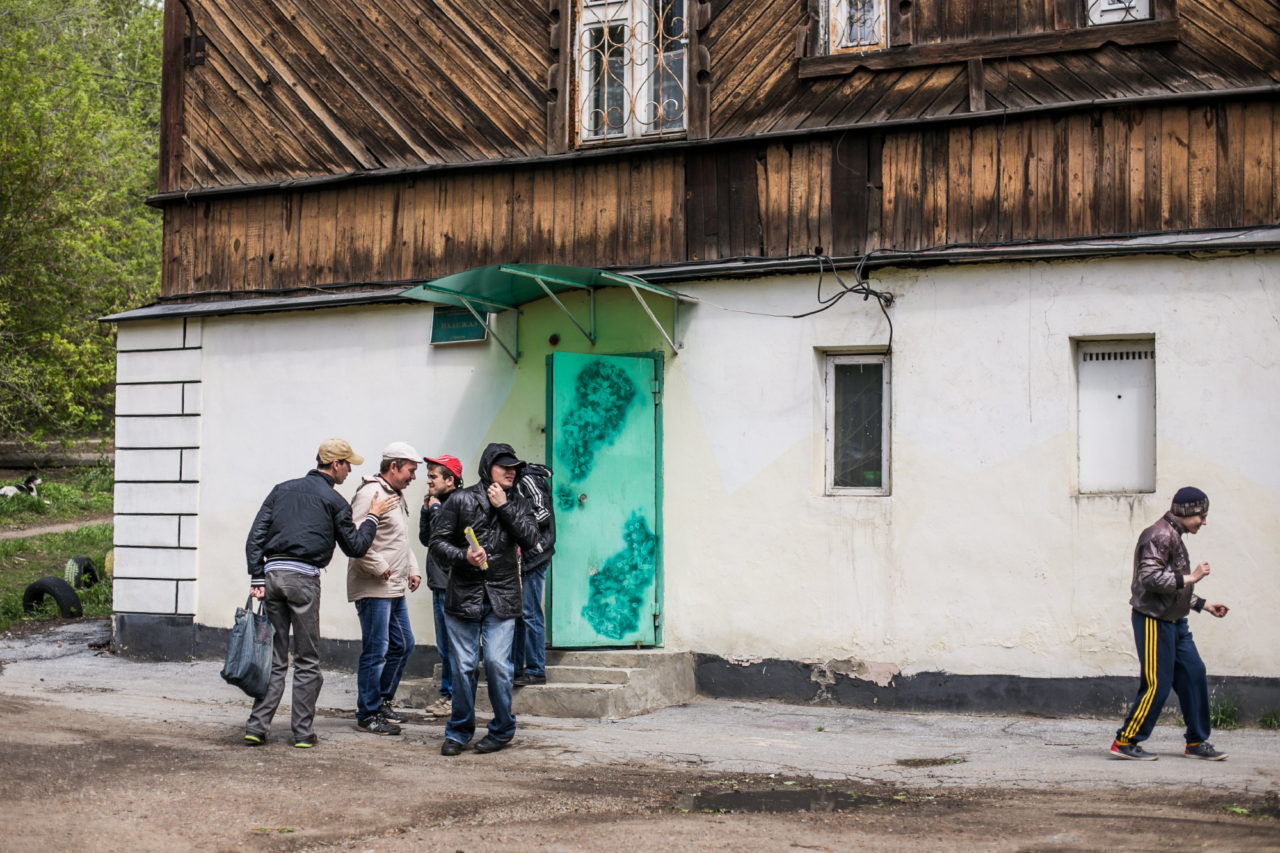 Pupils of "Hope" are going to go to the temple for a lesson in music photo: Anton Klimov for TD
“I was in a neuropsychiatric boarding school only once,” Tatyana Fedorova, the chairman of the Irkutsk “Hope”, also involuntarily jerks his shoulders. - I saw how the children go down for lunch. Do you know that they are constantly kept under medicine? They do not go like people, but as somnambuli, zombies. ”
People with severe mental disorders are of little interest to the state. All that they proposed is a lifelong disability and disability. You, parents, can not cope? Then you can give an uncomfortable member of the company to a “specialized institution”, where the specialists will be a doctor who provides stay under the drugs. Neither labor nor social therapy are provided, only isolation, only learning. In 2008, five Irkutsk families united so that this would not happen to their children. So the public organization of childhood disabled “Nadezhda” appeared. So there were craft workshops for people with mental characteristics and a whole system of labor and social adaptation for these five and several dozen other families.
"Radik, Radik, Radik, yes!" - Radik shows me a small wooden blank of the toy horse, which he made, draws on it with my hand - the grinding is thorough, smooth. Today everyone works in a woodworking workshop, and there is also needlework, candle, felting and printing. In orphanages or boarding schools, people with mental deviations do not even give forks - it is dangerous, impossible, not supposed to. Here the workshops are equipped without any discounts, the emphasis is on teaching, and not withdraw and limit.
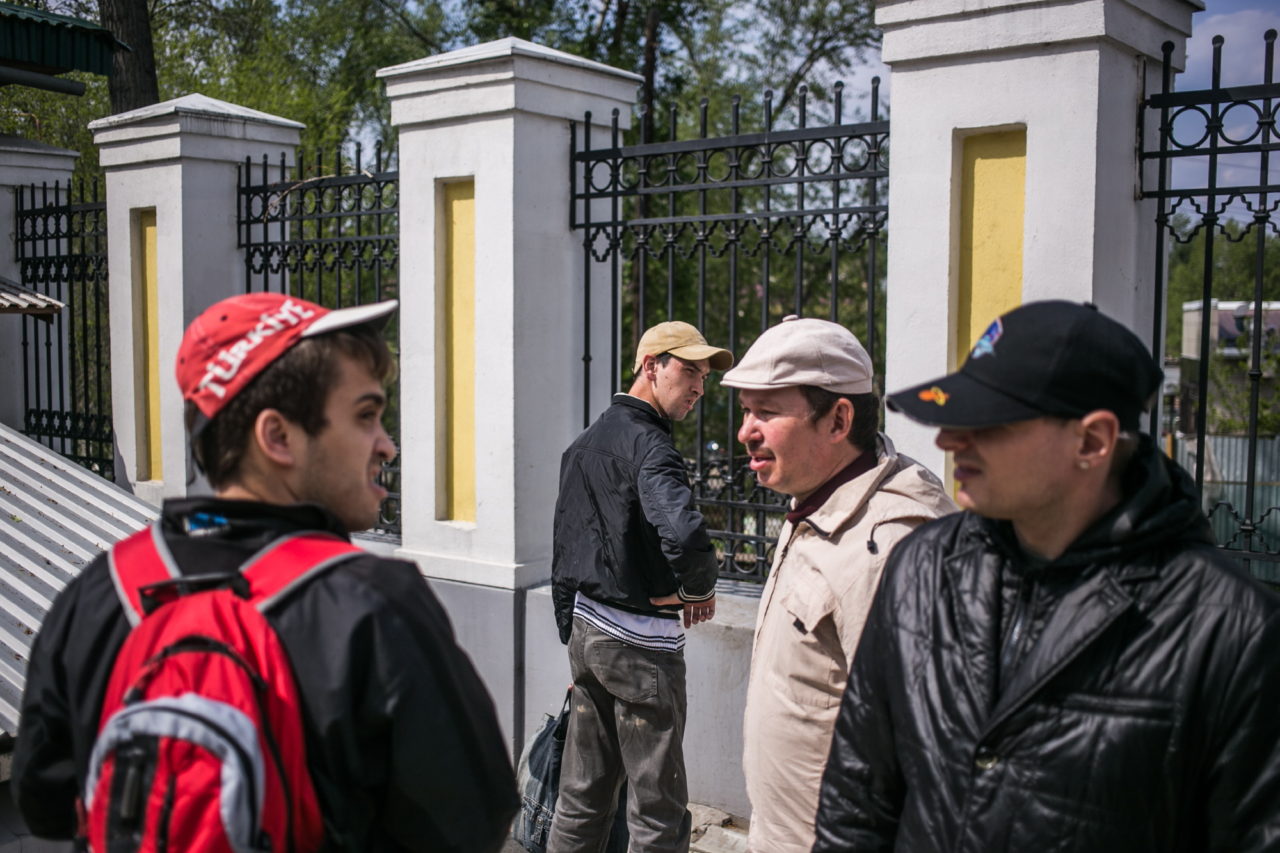 Pupils of "Hope" on the territory of the temple photo: Anton Klimov for TD
In the basement of the workshops, everything stands strictly in their places, a board of duty hangs on the wall, guys are engaged in the room and also without any discounts. “If Radik can spille at home, then everything is strict here,” says Farid. - Well, how? Work, he has responsibilities, he knows it! " But the point here is not only in duties, the workshops are very crowded, any thing is not in its place - and no longer turn.
Now the workshops are working at the limit, and Tatyana Fedorova says that every day he thinks about those who want, but cannot get into them. He cannot.
The house in which ...
“Here is a sewing workshop, the light is very good, convenient, here is a dining room,” Tatyana easily climbs the stairs without a railing, approaches the window. - And the garden and greenhouse will be there, you see? " I see a brick box and a wiped courtyard, but enthusiasm is contagious, behind the words the contours of the future house of "Hope" arise. At home, thought out to the smallest detail, because in fact he is already eight years old. Four years for approval and approval, then the slow, painstaking work of dozens of people. Tatyana can tell the story of every brick, a bag of cement, a window frame.
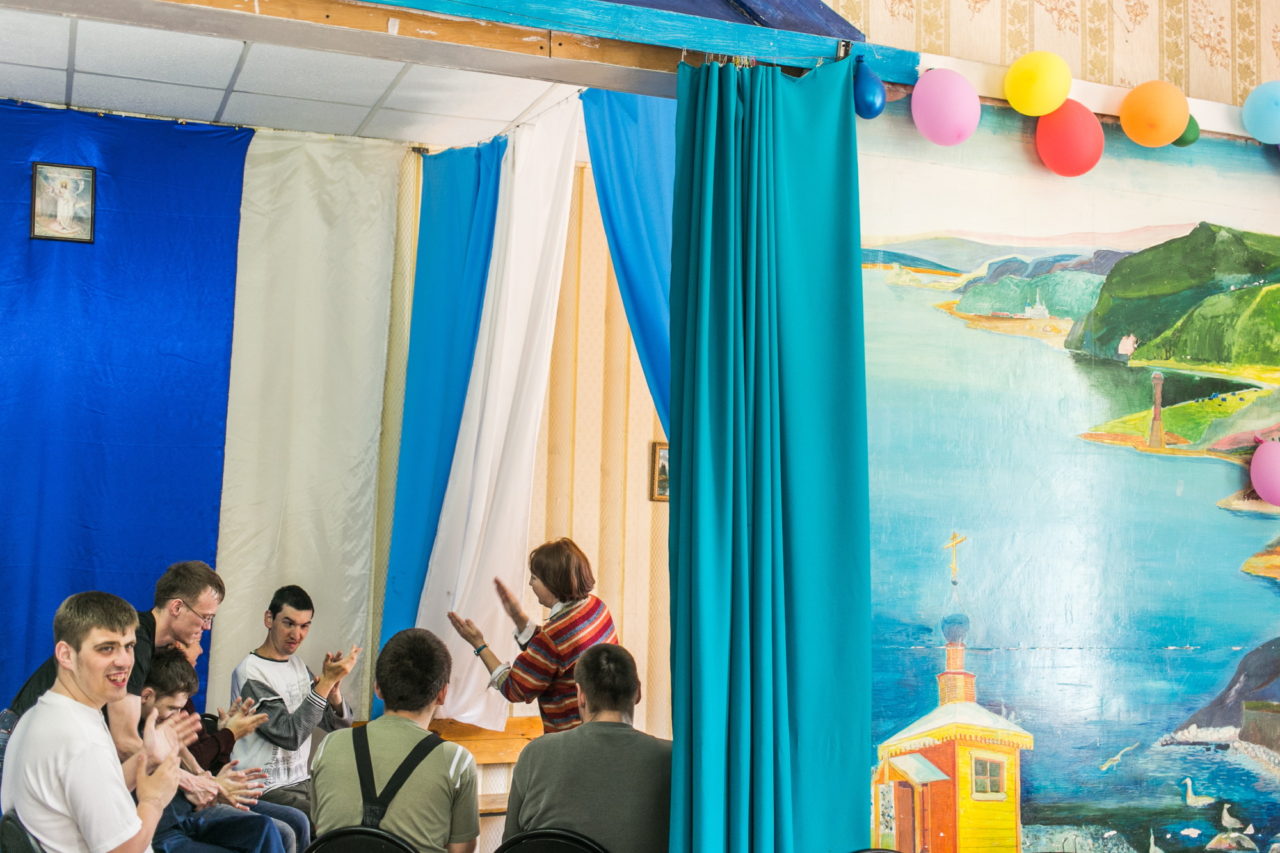 Pupils of "Hope" in a lesson in music photo: Anton Klimov for TD
The house survived four governors. The penultimate of them called his priorities the social sphere and the creation of new jobs. When Tatyana finally managed to meet him, he said: “The center believes that you need to build schools and kindergartens, and you are not a school and a kindergarten.” Nadezhda has not yet made its way to the current governor.
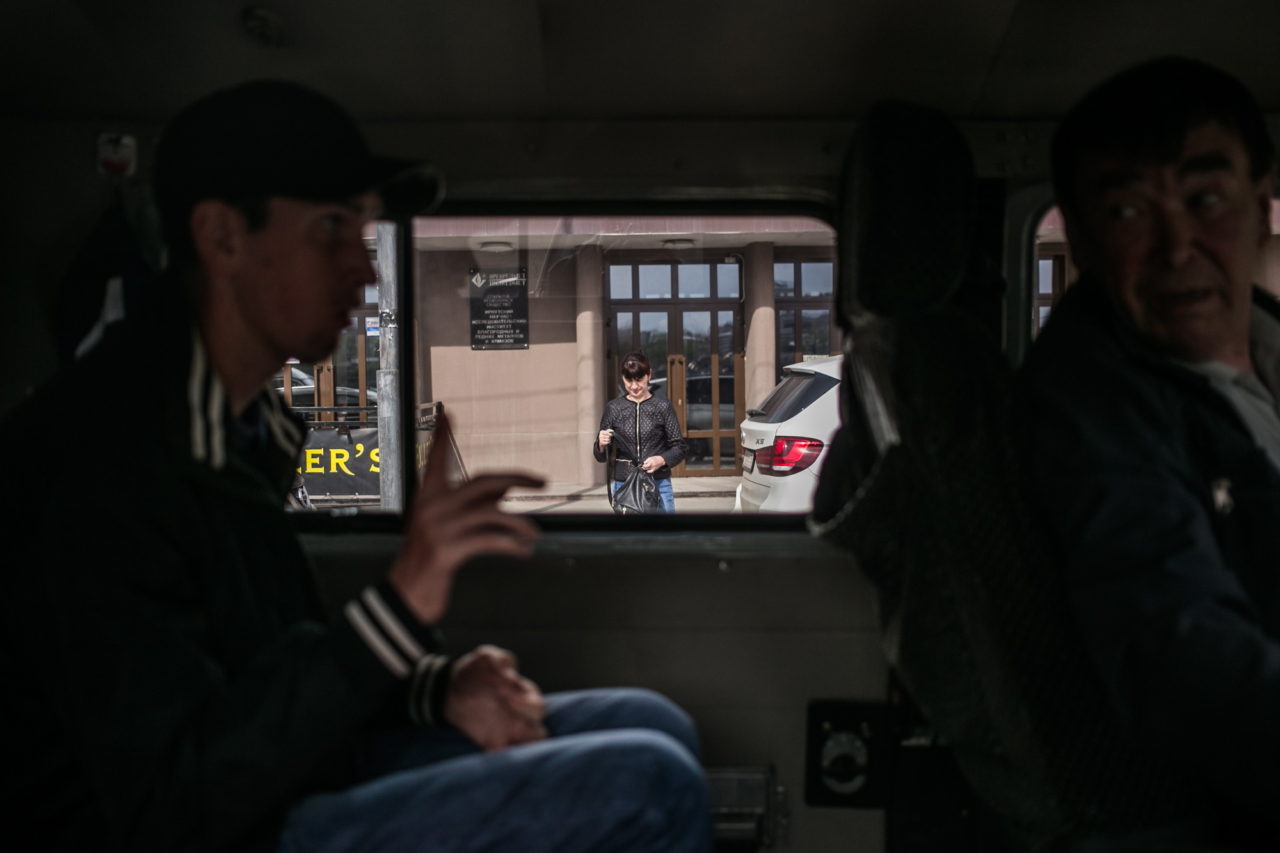
Every morning, Farid gets up very early, he loves to get together calmly. Watching the news, breakfast tightly, prepares breakfast Maulide and Radik. “They immediately begin to fuss,” he laughs. “They run, dig ... They change clothes.” Radik is careful, he is very picky and met, in clothes too. At half past seventh, everyone gets into the car, without ten seven of the Radik already on the spot - the very first of all the employees of Hope. Fifteen minutes later, Danila comes, the best friend of the radical, and then all the others. Farid imports Maulida to work and begins his working day - calm, filled. Parents know that their son will have the same day, in front of their eyes there is no small figure, waiting for hours waiting for their return by the window.
The Hope House is already ready, it stands under a blue roof - spacious, thoughtful, convenient. In this house, everything is done with the money of parents, sponsors and donors - your money. Radik and Danila, Lesha and Sasha, Maxim and Lena, other guys from “Nadezhda” disassemble construction garbage, do simple work - how else, this is their house too, they know that they will work here, here - dine. And here they will arrange a greenhouse.
The Hoping House is very necessary for those who are already working in "Hope", and even more - those who have not yet been able to get there. It remains to make communications and decoration. It remains not to do so much, to help in our power.
Do you want us to send the best texts of “such cases” to you by e -mail? Subscribe to our weekly newsletter!