
Translated material
Grand slam
In 2017, photo projects on colta.ru will be divided into several blocks. In the second of them, called the “archive”, various types of “archival” images will be presented: photographic series of little -known authors of the recent past, the archives and modern works found and released recently, only mimicating under the archival chronicle or installationly invading the old image. The archive will never be out of place!
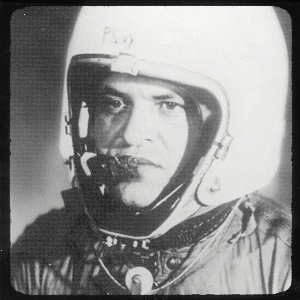
In the last issue of the “Archive”: Sergey Lostev’s project “Big Helmet” about the history of the American pilot Francis Gary Powers and how much you can believe the press.
Russia and the USA are secretly in a permanent race, the victims of which are sometimes ordinary citizens. The Cold War filed the level of fear and paranoia on both sides. We hear the echoes of this to this day. The news reports from time to time report spying in one direction or another.
The most famous event occurred on May 1, 1960, when the American pilot Francis Gary Powers was shot down over Sverdlovsk (now Yekaterinburg). His goal was to photograph secret objects in the USSR. The program was called a “big helmet” - in honor of the four largest tennis tournaments, the winner of which receives the title of winner of the “large helmet”.
The American pilot was not destined to finish the mission: he was seized by local residents and delivered to the KGB department. Later he was convicted of 10 years in prison, but a year and a half later in Berlin was exchanged for the Soviet spy Rudolf Abel.
Soviet newspapers presented this as a great success of the army, which found and neutralized the enemy of the state. But the newspapers fell silent about the fact that during this operation, who was shot down by mistake, died. They also hid the fact that for a couple of years American planes at an unattainable height circled over the USSR with an intelligence mission. The media was full of reports from the trial, presenting every news as the victory of the Soviets.
The project of Sergei Losteva asks the main question: how much can you believe the press? Where does the truth ends and the propaganda begins? The author focuses on the fact that photography can become an instrument of influence on public opinion.