
Translated material
Catherine! Pedro! Nicole! Isabelle! ..
The stars of the Cannes festival are called upon compassion and tolerance
On the eve of the celebration of their anniversary, Cannes published a communique with the support of the inhabitants of Manchester, calling the attack “an attack on culture, youth and joy, freedom, nobility and tolerance” - all that the festival values. The most influential film inspection is trying not only to record the trends of the film process, but also to present a picture of the world to the audience.
During the holiday, the choice of the main festival theme cleared up: "Family as the focus of the problems and hopes of the modern world." The seventieth anniversary of the Cannes review was celebrated as the anniversary of the marriage union, proven over the years of the festival and world cinematography. It is no accident that during the holiday, Jean Cocteau was quoted-the president of the jury of 1953, who called Cannes "a romantic meeting of souls and hearts." Glamor, a lot of money and industrial problems have deduced cordiality. But on this May evening, world cinema, gathered on the same staircase, glowed with gracious smiles. Perhaps for the first time there were more stars and celebrities, ascending the red carpet into the Lumier Hall, more than photographers traditionally dressed in tuxedos.
The photographers did not have time to shout: “Catherine! Pedro! Nicole! Isabelle! .. Look here! " They non-stop sparkled with flashes, collecting the richest yield of pictures. But even in such a pompous evening, sparkling with diamonds from the scene, decorated with gold and sparkles, calls for tolerance, compassion for contemporaries deprived of rights sounded, it was said about the impossibility of dividing people into “we” and “they”.
Russian cinema at the anniversary festival looks worthy. According to festival critics, Zvyagintsev has the highest position (unfortunately, often the assessment of critics and the jury did not coincide, it is worthwhile to at least recall the story with the ignored “Dogville” Lars von Trier).
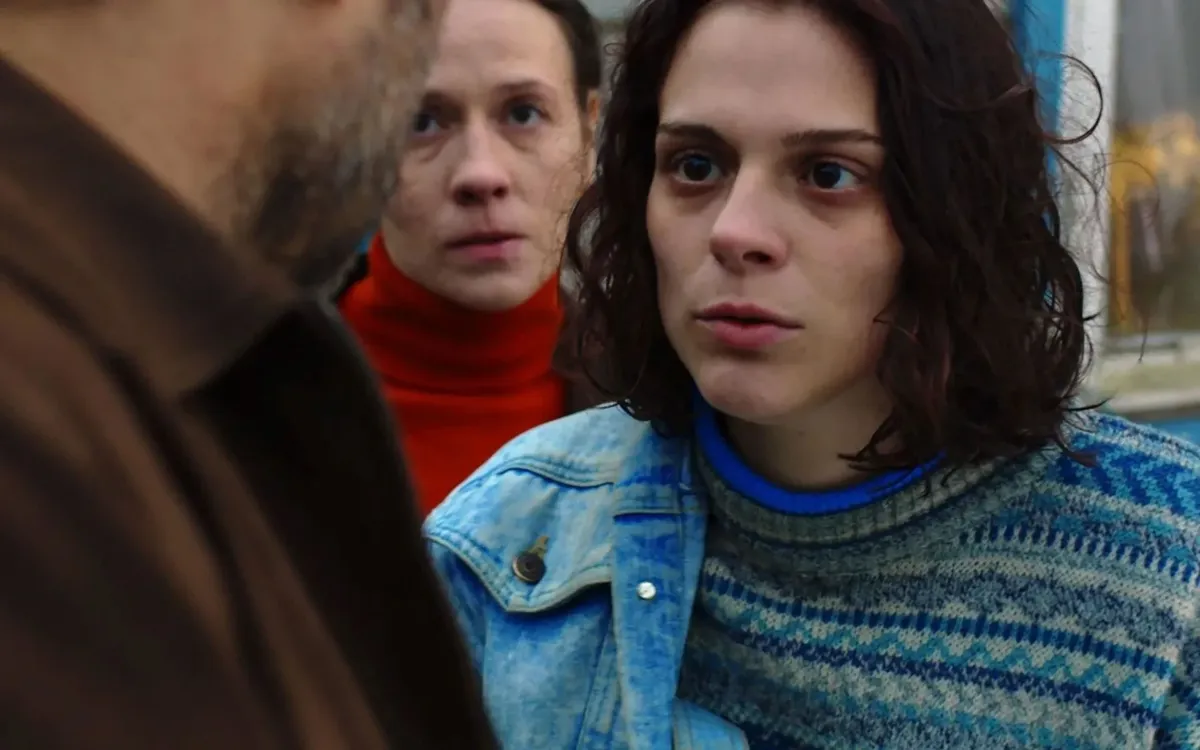
“Testamus” is the directorial debut of Kantemir Balagova, shot under the artistic leadership of Alexander Sokurov. Kabardino-Balkaria-a new territory on the map of world cinema-after Sokurov was opened by the Cannes Film Festival (the picture was also invited to other sections of Cannes, as well as to other festivals). Another non -trivial view of the dramatic life of our compatriots, who were on the crossing from one system to another. In the same way as Zvyagintsev, Balagov is scrupulous in the designation of time. 1998. Nalchik. The trouble in a Jewish family - the youngest son and his bride disappear. The amount of the ransom is overwhelmed, the family is forced not only to sell a small business, but also to seek help from the commune. This story was told to the director by his father, who lived in Nalchik and talked with the local Jewish diaspora. Therefore, the film is distinguished by a subjective author’s look emphasized by the credits (“My name is Kantemir Balagov. This story happened ...”) and the image itself. For example, in the first frame, the camera looks from the underground up, then it turns out that this is not from Zindan, but from the automobile pit. But even further the feeling of a close, stuffy, hostile world will be enhanced by color (many red, many dark personnel), a cash in a “close” camera.
The action is woven from different motives. There is a plot of Jewish Juliet (Ilana Days and spends the night with dad in a car repair shop, prefers a denim overalls to dresses) and Kabardian Romeo (peace -loving hero is a heap of refueling). There is a hidden hostility in the relationship of all diasporas, the notorious division into “they” and “we”, the abduction of Jews who are not considered people. There is a criminal line of kidneping and moral choice, which a family is forced to go for the sake of collecting funds. There is a conflict between medieval foundations and spraying through the edge of the one permitted by youth, seething with hormones and a thirst for life: not tomorrow, now. The metaphor of a narrow, devoid of air of the world is felt in space of almost every episode. People live in small-sized ones literally on each other's heads, they wear a spacious clothing with wide shoulders (in the fashion of the 90s), but too close intra-family, intra-communal relationships suppress individuality, force them to be like everyone else. Parents say to the children: “You have grown out of us”, as if a child has grown over last year’s dress. And I don't want to leave. And live at home dreary and anxious.
The topic of the victim is important. Unbearable video frames of the murder of Russian soldiers during the Chechen war (they cut their throat as cattle), friends of Zalim look with interest, arguing about the justification of cruelty in relation to the invaders. According to the plot, the older sister of Ilan should be made for the voluntary sacrifice for the sake of the brother. She is the center of the narrative, and actress Daria Zhovner with her vitality, boiling temperament, an amazing person, paradoxical reactions - a real discovery.
In "crowding", not without roughness, there is a high tension current, the unpredictability of life. This is a real trip to the 90s, confused, dangerous, drivers. We are accompanied by music: a disc “virus”, crying Bulanova. The author’s gaze is not good, he is a bit of people trying to preserve human qualities in a humiliating, eerie situation. The family here appears to be a real hot spot, in which the closest ones painfully wipe each other. But on the other hand, in the “cramped”, it is the family that turns out to be unstable, passing water, but the last raft in the worldwide flood of hostility.
Closer to the final of the forum in the Russian pavilion, the presentation of the book “ Cannes Chronicles” was held, collected from discussions and texts of the film studies Daniil Dondurey, Andrei Plakhov and Leo Karakhan. A unique selection is built into a double portrait of the Cannes festival, which portraits reality. How the forum changes, how it captures the world agenda, defines a new type of artistic thinking. Beautiful and terrible films need a creative person who can not only read meanings, but understand the context, hidden potential. Without a talented gaze, the picture fades, remain unfinished, misunderstood. Alas, the presentation of the book was held without one of its authors - Daniel Dondurey, who was fully with such a look.