
Translated material
In Peru, traces of a settlement of 15 thousand years were found
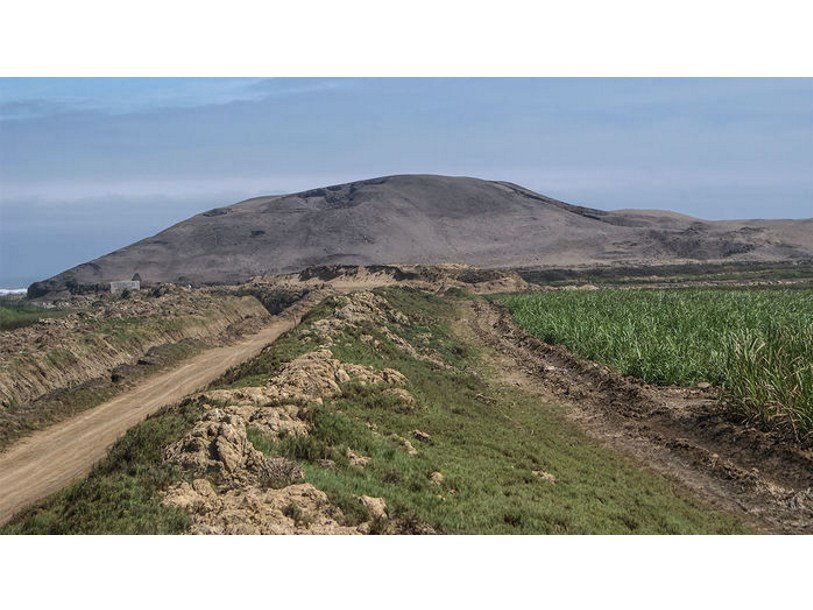
Traces of the ancient population of the New World discovered archaeologists on the coast of Peru. Earlier in UACA Prieta, about 600 kilometers north of Lima, a mound was known, built about 7800 years ago. But now, during the excavations, traces of a much earlier culture were found under it.
Among the finds there are stone tools, animal bones, plant residues, the age of which is at least 15 thousand years, which puts UAC in a row with the oldest parking of people on the American continent. The find also confirms the version that, having moved from Asia to America, people moved south along the Pacific coast.
The archaeologist of Tom Dillehay from the University of Wanderbilt in Nashville, who headed the study, initially assumed that he would mainly engage in the contents of the mound himself, but geologists from his expedition wanted to explore the relief under the embankment, so it was decided to continue the excavation until the base of the mound. The deepest pit, done for five years, has a depth of 31 meters. And the deepest layers, as it turned out, contained signs of human presence: primitive guns made of stone, animal bones, and traces of bonfires. Their age was established using radiocarbon dating of bonfire coal.
It was usually believed that, having crossed the Beering Isthmus, people could not penetrate deep into the American continent for a long time, since the glaciers blocked the path to them. The passage in the glaciers, known as the “Mackenzie Corridor”, opened only about 14,000 years ago. But over time, examples of the presence of the population in North and South America south of the Corridor Mackenzi of an earlier age became known. Therefore, there was a hypothesis that the resettlement of the first Americans went along the route along the coast, around the edge of the glacier.
According to archaeologists, the oldest residents of UAK of the NEAC settled in temporary camps on a marshy lowland, they ate the fruits of wild avocados, chili peppers, beans, produced mollusks, sharks, fish, birds and sea lions. Scientists did not find traces of networks, forests or harpoons, so they believe that the inhabitants of these places were used to extract marine animals by the fact that the storm is catching up with high waves, and after the water retreat, there are small basins filled with water, where there are always a lot of living creatures. So often the sea inhabitants also get the modern Indians of Peru, living on the coast.
The results of the study are published in the journal Science Advances.