
Translated material
Formula "dislike"
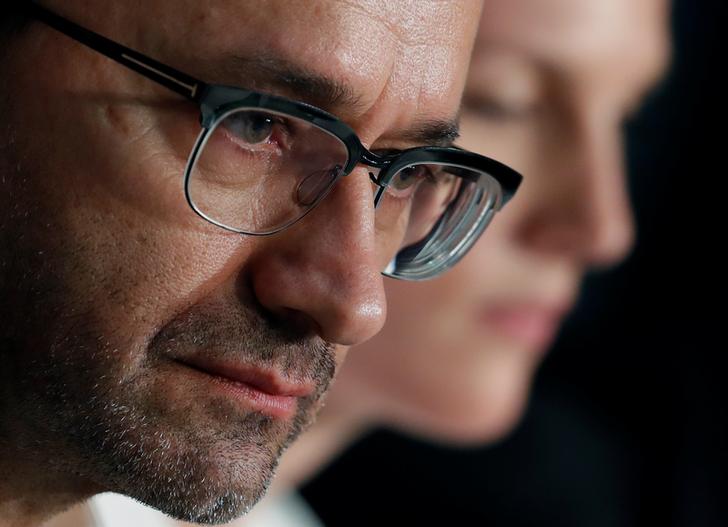
The Cannes Film Festival did not end the unconditional, but important victory of Andrei Zvyagintsev, a film that passionately wanted to talk about Russia with the whole world. There are four ways to watch this movie, the author of "such cases" believes
The three main awards of the Cannes Film Festival-a gold palm branch, the Grand Prix and the jury-this year took films about activism-art, political and civilian.
Three positions
In the “Square” (gold palm branch, director Ruben Estlund, Sweden) we are talking about the curator of the Museum of Modern Art, which loves to arrange art provocations for and against others-but at some point it himself becomes a victim of the performance. The most piercing episode of the film is the attack of a Russian actor depicting a Neanderthal, on a whole banquet hall stuffed with bohemia. The collision of alpha male society with a man from a primitive system develops according to the predictable scenario, but ends with a real tragedy. “Square” is an exposing the film, but not arrogant: it laughs no less at himself than over a damned contemporary art. And not just laughs, but mocks. But still looking for a way out - and finds it in sincere humanism, re -education of feelings.
In “120 shots per minute” (Grand Prix, director Roben Campyio, France), activists from the French ACT UP organization are fighting for the state that the state does not stop the AIDS epidemic among sexual minorities-and in their struggle they are ready to get to the pouring of artificial blood officials and chained the columns to the columns. And they also make their way to the offices of pharmaceutical corporations to demand accelerating the testing of drugs, and burst into schools to distribute pamphlets and condoms to students.
And they gather for brainstorming to come up with slogans and dancing for a gay parade. And they arrange parties once a week, each of which is similar simultaneously both a feast during a plague and on the last day of Pompeii. This is a real revolutionary cell, and since everyone is equal before the revolution, the script almost does not distinguish the main characters. There are a lot of them-no less than in the American television and ordinary heart, where Julia Roberts, Mark Ruffalo, Jim Parsons, Taylor Kitsch and Matt Bomer fought for the memory of the VIV-epidemic victims. But, unlike the Americans, the French mix three tragedies in one boiler at once - political, love and family. And therefore they draw a portrait of reality, not a campaign poster.
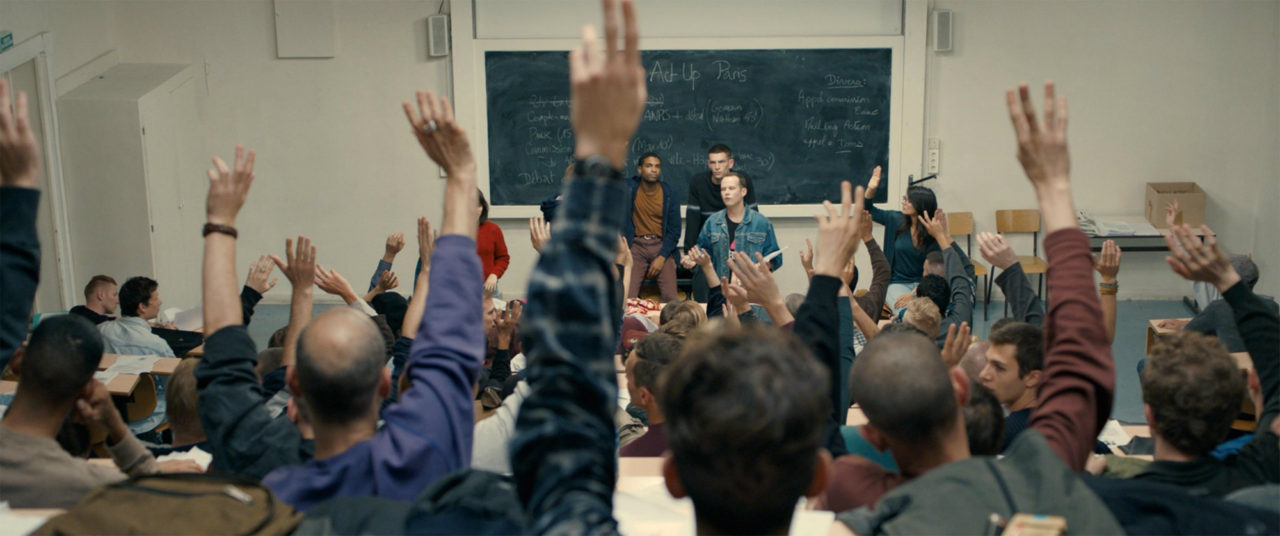 Frame from the film "120 Bunning per minute" Photo: Capital Pictures/East News
In the “non -people” (jury prize, director Andrei Zvyagintsev, Russia) , the work of volunteers from the Lisa Alert organization - volunteers who are looking for missing people are indirectly illuminated ; Those who sacrifice their time, and sometimes health, so that small puzzles do not fall out of the common mosaic of society, in the place of which the void will remain. At a press conference in Cannes, Andrei Zvyagintsev said that there are a lot of such puzzles: “About one“ Boeing ”disappears throughout Russia every day.” Why did the director choose a comparison with Boeing - for clarity or for desire to even tie his family parable to the international political context - the question is speculative: Zvyagintsev’s films often find meanings that later surprise him. But it is impossible not to dream up - after all, “dislike” with its ordinary plot in the peak of the radical tragedy of the hero of “Leviathan” turned out to be a story about each of us. The director is tired of telling about Russia and now prefers to shout about it - and if so, then it is difficult not to hear.
The director is tired of telling about Russia and now prefers to shout about it - and if so, then it is difficult not to hearA ugly marriage ends with an ugly divorce. Employee of the beauty salon Zhenya (Maryana Spivak) has been living with another man for a long time - richer, more careful and more careful in words: when she says after sex that she loves him, he will be disobediently silent. The manager of the Orthodox corporation (this is the term from the film) Boris (Alexei Rozin) has already created a new one - but in the future exactly the same - a family: a young girl who loves to make a selfie and call him half an hour is pregnant. Zhenya and Boris are so passionate about accounting that they do not notice how 12-year-old Alyosha (Matvey Novikov) cries behind the wall.
Therefore, Alyosha will once disappear - either at night, when his mother will be at the lover, or in the morning, when dad will be too busy with work to go look for him. The only ones who try to do something are extremely collected, laconic, energetic volunteers who will comb the forests, on duty in hospitals and go to morgues.
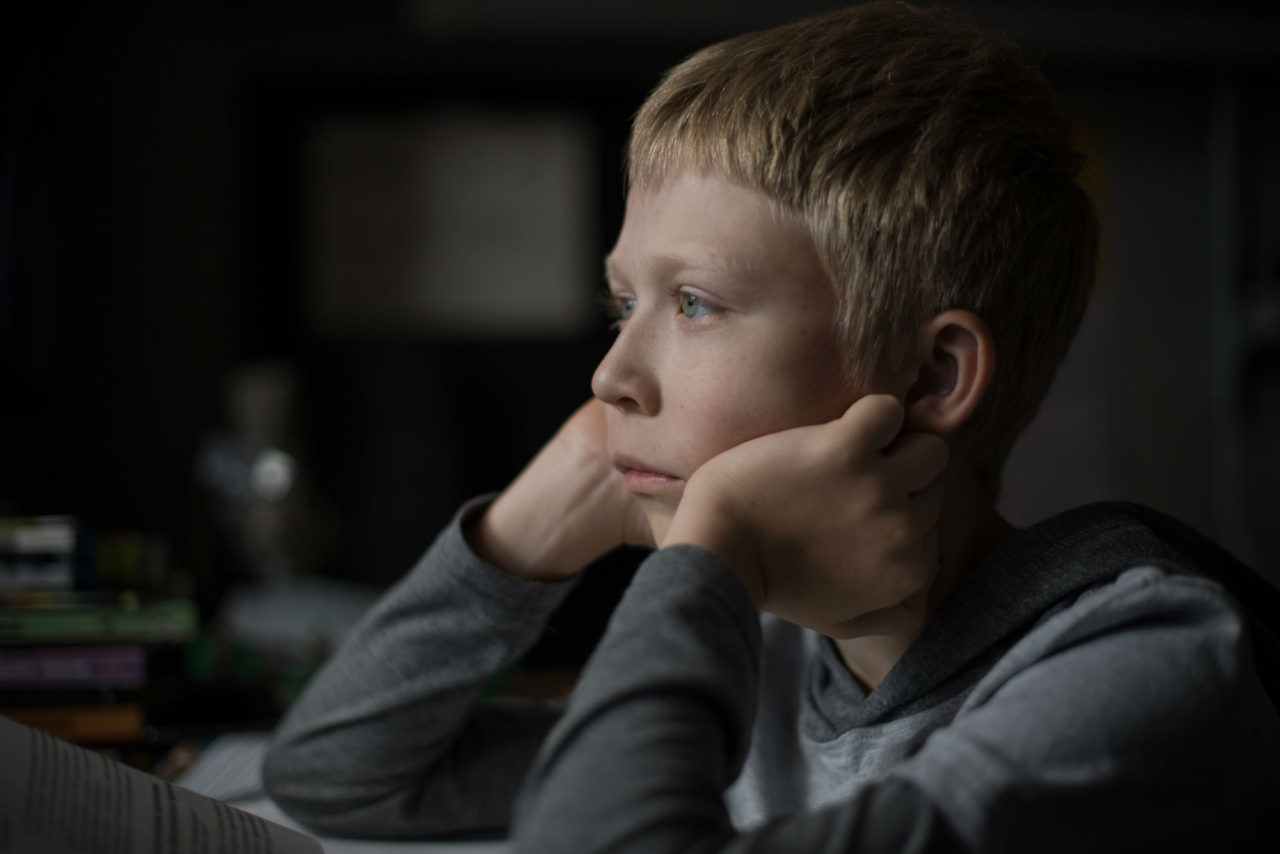 Frame from the movie "Dislike" Photo: Anna Matveeva/WDSSPR
Volunteers in the film are a compressed fist, all the rest is a guilty, dumbfounded and substituted face. The viewer’s attitude towards “dislike” will depend entirely on who he feels himself and the director - his face or fist.
In the victorious films from Sweden and France, everything is clear with this. Ruben Estlund - both the victim and the provocateur. Roben Campyio - a participant in the struggle, completely solidarity with good heroes - and he does not have others. With the Russian picture, everything is more complicated - and this can also be one of the reasons why it took only third place in the Cannes hierarchy.
How to see
The worst option is if the viewer identifies himself with the flawed main characters, and Zvyagintsev - with who came to give them free rein. This position immediately causes rejection.
The film ceases to be delicate (as a “return”) and becomes screaming. Each of his artistic techniques begins to seem redundant. Private tragedy fits very rudely into a nationwide context: first in the background are radio broadcasters about the opposition, about the FSB, about Putin and the end of the world according to the Mayan calendar, and in the final heavy artillery in the form of Dmitry Kiselev’s programs about Ukraine. The movie should be the joint work of the director and the viewer, but Zvyagintsev does not seem to allow us to be volunteers, revealing all their metaphors on their own.
The main characters have long been dead, but the worse is that the slightest trace of life is not what surrounds them. In Boris’s office, bearded slaves work, hiding their personal life from an overly pious chef - an “Orthodox fundamentalist” (and again the term from the film).
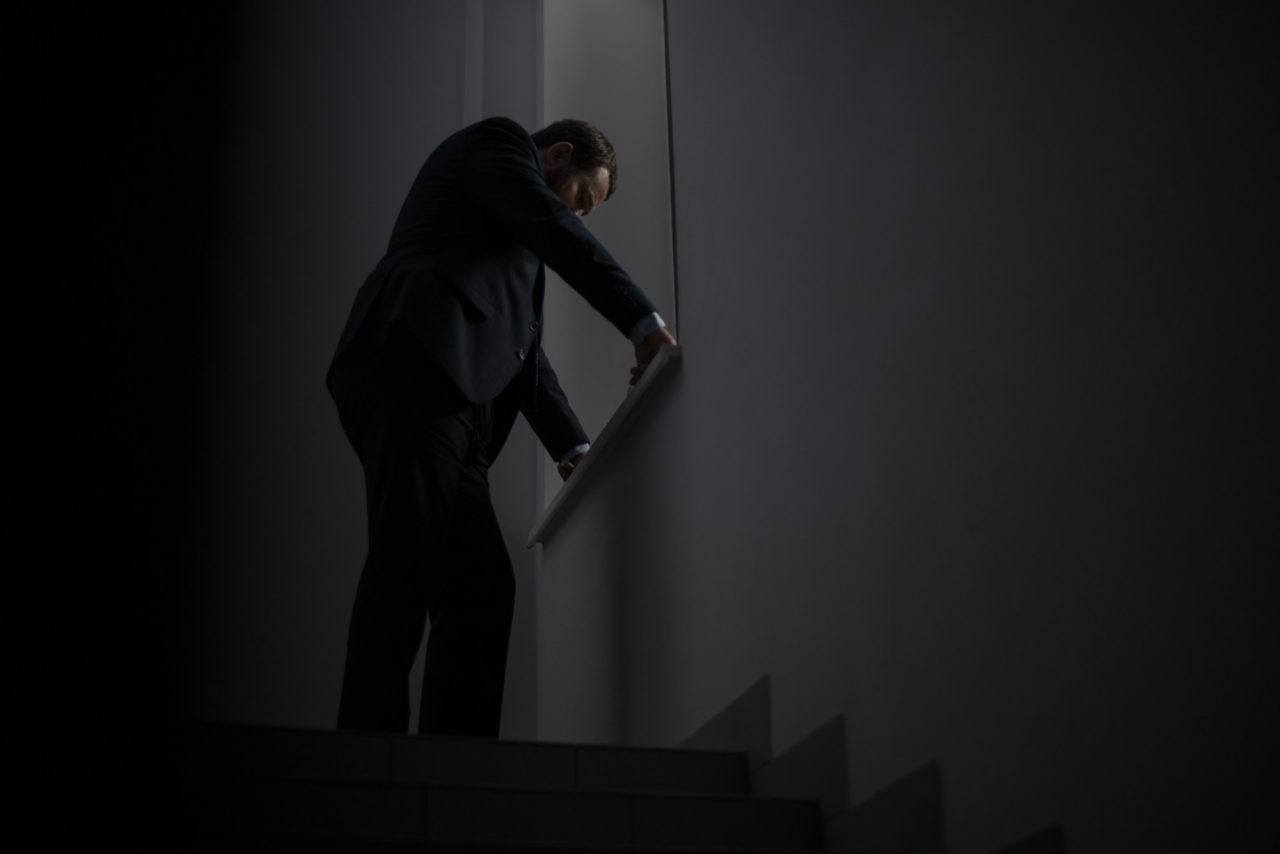 Frame from the movie "Dislike" Photo: Anna Matveeva/WDSSPR
The camera of Mikhail Kricman glides from the icon to the accounting room - and this technique seems especially helpless if we recall that we have already met with him in the hero of the hero of Leviathan. The bourgeois life of the characters, as always with Zvyagintsev, is thought out to the smallest detail: specially for the film set up three apartments. But the trouble is that the heroes themselves are as schematic as the layout of their houses. Some girls in a restaurant-about horror-make a selfie and jump from beds to bed. Crazy mothers sculpt dumplings and solve apartment issues.
A woman in a sports t -shirt of a luxury brand with a Russia inscription on her chest runs under the snow along a treadmill. It is so clear that it is no longer funny.
And the lack of irony in the cinema is almost always a sentence. Because where she is not, there is no love - the matter of any art itself. Cinema Zvyagintseva in this sense is antimatter. A black hole trying to swallow the rest of the Cannes competition. There is only one funny moment here, and the one seems to be unplanned: the volunteers comb the dense forest and long, as in the Russian folk tale, shout: “Aleeeeeeaaaaaaaaaaaaaaaaaaaaaaaaaaaaaaaaaaaaaaaaaaaaaaaaaaaaaaaaaaaaaaaaaaaaaaaaaaaaaaaaaaaaa
The viewer’s attitude towards “dislike” will depend entirely on who he feels himself and the director - face or fistThe insensibility of the “dislike” ceases to be noticeable if the viewer decides that he and the director on one side of the barricades are among the ascetics who are not indifferent to Russia. Then everything immediately falls into place: the expositing pathos of the film seems courageous, the unwillingness to make a movie for the state’s money - a spit in the face of Leviathan, and the excessive visualization of images is a cry of the soul. After all, the callous people do not reach out with the help of elegant metaphors, the batons are more omniped here. And even better - to introduce an international peacekeeping contingent under the leadership of the chairman of the Cannes Jury Pedro Almodovar.
The third possible position of the viewer is to consider Zvyagintsev to those who need to be saved, and himself - an omnivorous guide. But she is the most barren and arrogant, but it is precisely her who are occupied by critics dissatisfied with the film; For example, in this article.
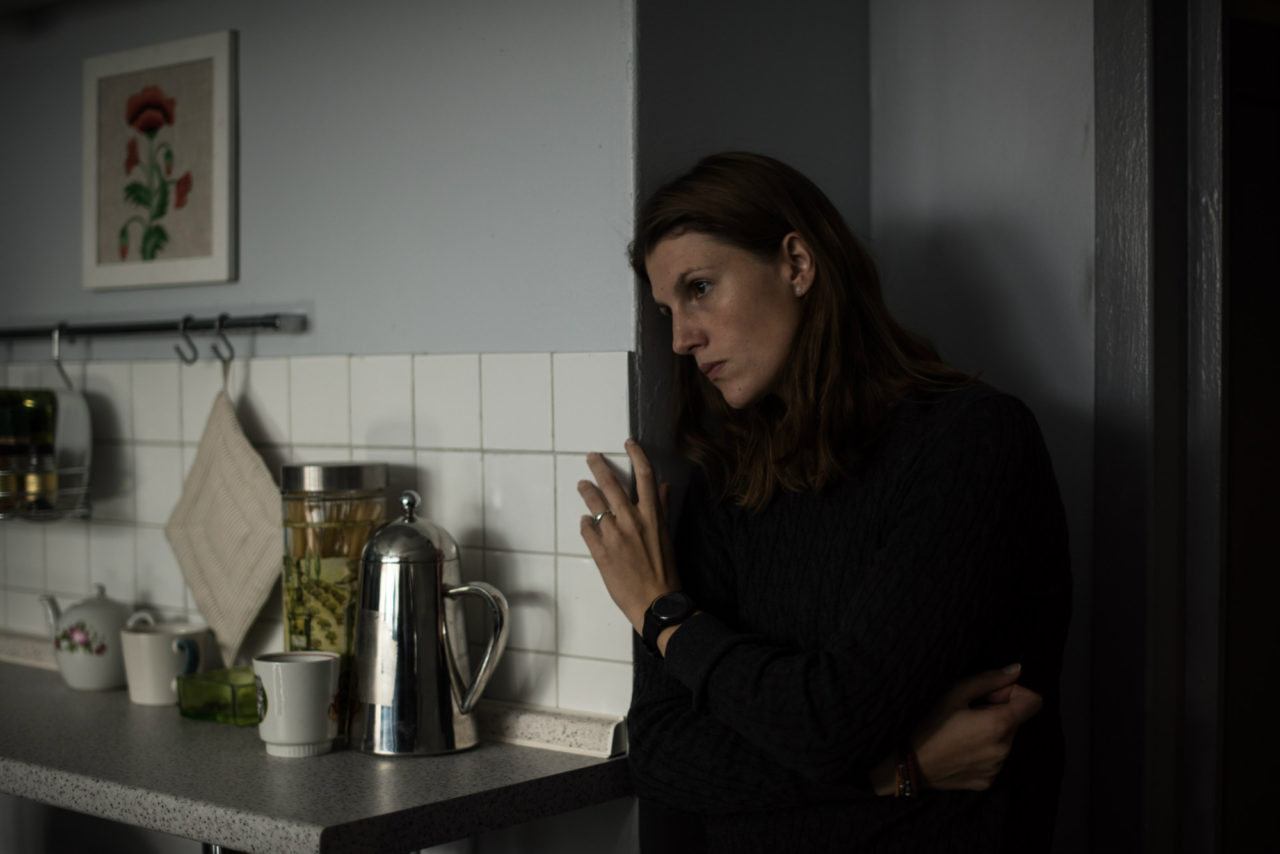 Frame from the movie "Dislike" Photo: Anna Matveeva/WDSSPR
There is another fourth - to equate to the heroes of both himself and the director, and leave the volunteers (really saints and not seeking people who are not looking for awards) alone. But in order to be on one side of the barricades, you need to experience feelings for each other, but in the "dislike" there are no defaults. This is a film about the absence of the slightest empathy among the Russian people at any level - to themselves, to their relatives. And nothing free can be born in dislike-so that the only even more or less feeling creature dissolves here among birches in the tenth minute of the film.
Read also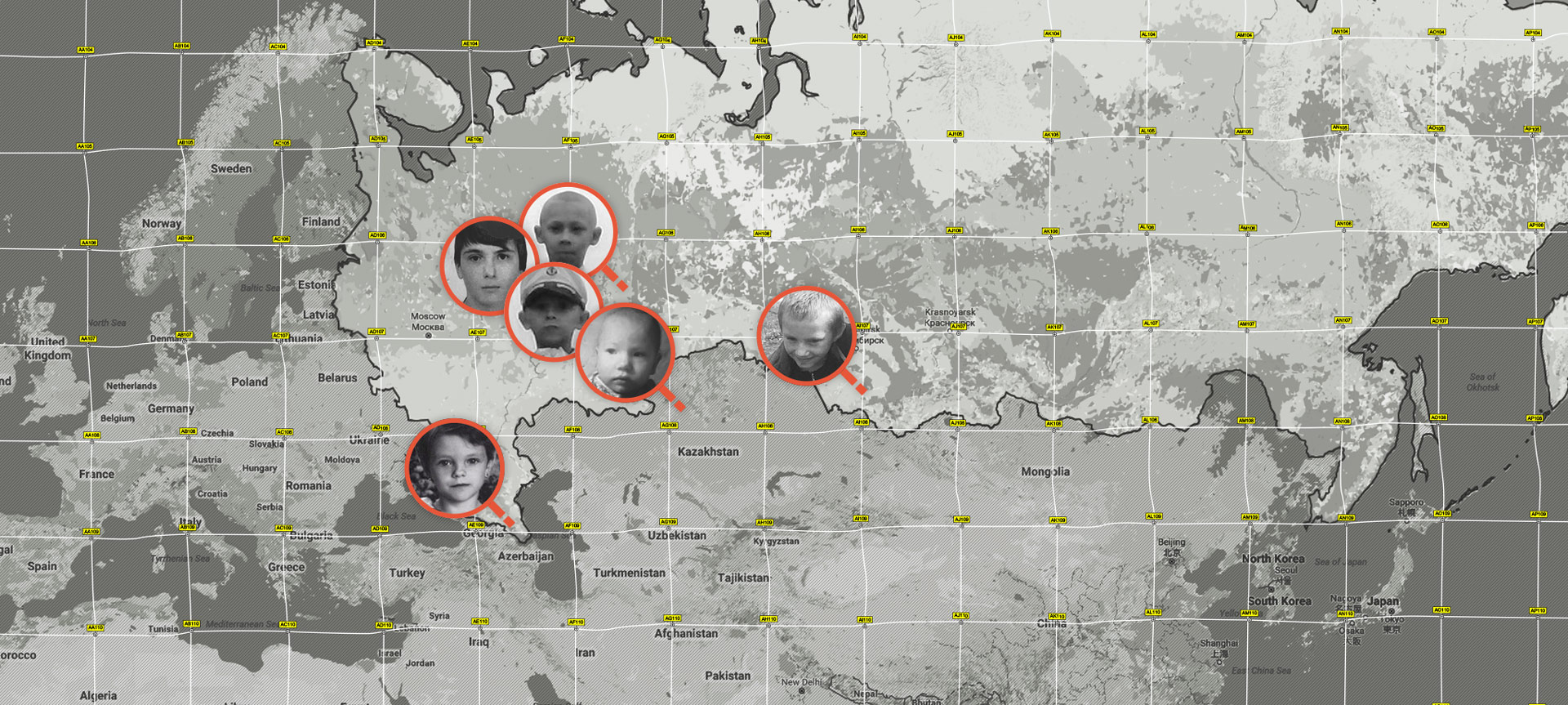 “I hope always” the child plays in sight in the courtyard, in the playground, in the garden in the country, maybe he even holds his mother by the hand, and then suddenly just disappears. Most often, children are still found, but in the most rare cases, searches have nothing to lead to anything for years
As a result, the most comfortable position for the viewer is not to judge the author and try to stay above the fight. Then it turns out that Andrei Zvyagintsev, once a master, if not fresh copyright statements, then the skillful reproductions of Bergman and Tarkovsky, and then the ruthless satirist of the Russian world-suddenly became a specialist in genius cinema. And he took off the terrible, smart and cold -blooded Noir. Something like David Fincher’s “disappeared” or the “missing” Starz channel. Or something like the Scandinavian nuars. Cinema with impeccable logic and style. A step forward is or a step back, each viewer will be able to decide on June 1.
Andrey Zvyagintsev Cannes Kino Film