
Translated material
How to make a kafka a past
Cultural escort in the offensive: The New Times analyzes the results of the theater season
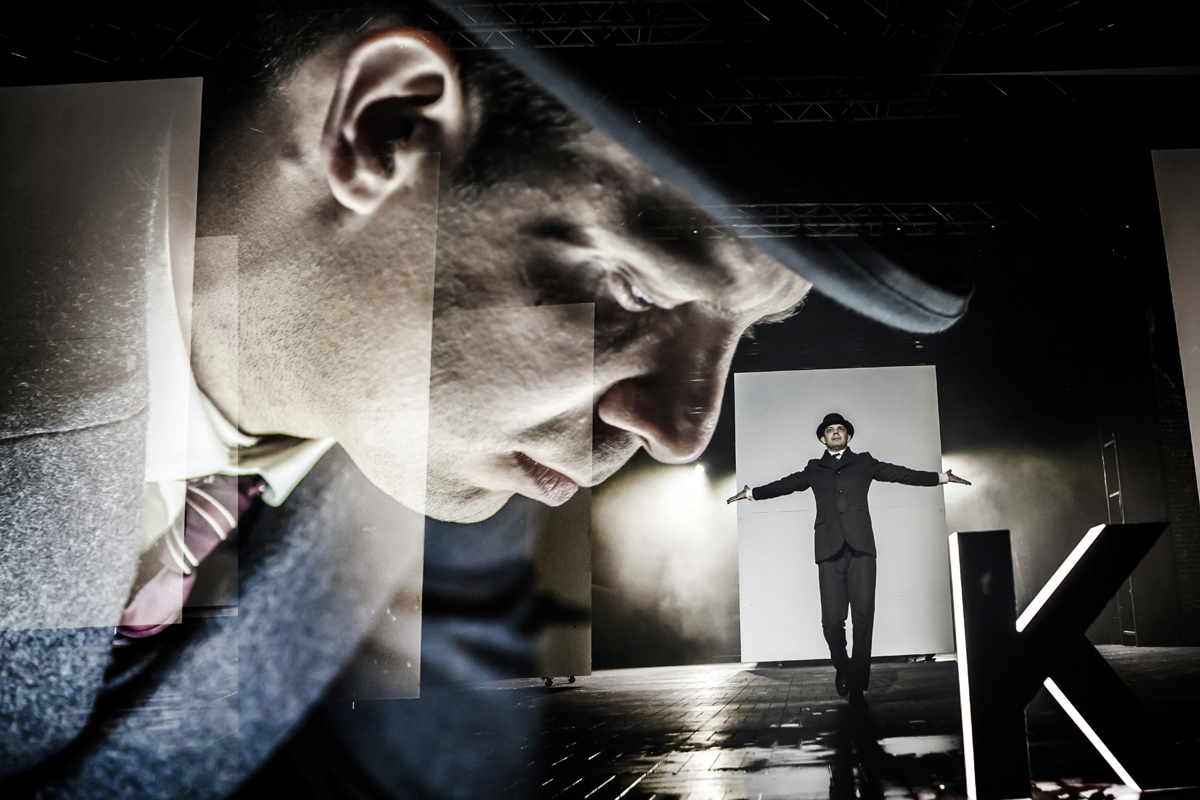
One of the main socially significant events in culture this season was the evening-campaign “Stalin's funeral” in the Gogol Center, conceived by his artistic director Kirill Serebrennikov as a powerful civil statement. The reminder of what this era made with creative people on the example of the fate of Sergei Prokofiev turned out to be prophetic: in the next chapter “Power and Artist”, Kirill Serebrennikov himself became a protagonist, as if an invisible hand moved into the most terrible artistic fantasy. Antiophy has become part of everyday life. The people of the theater are the heroes of their own performances.
Raikin is next?
The protest season was opened by Konstantin Raikin, blowing up the peacefully sleeping next congress of the Union of Theater Workers (STD) with a passionate and angry speech about the impending censorship and revival in the culture of the Soviet command-administrative system. Raikin did not disrupt the applause at the congress, and his hot call to the workshop solidarity and to the general cultural resistance of bureaucratic lawlessness and rudeness left without response. The discussion of his speech in the professional community was reduced to money and bewilderment: “What is there not enough? Who forbids it? Probably asks for money? " A tooth is borrowed to Raikin, and all year this tooth is swooped. A completely loyal cultural figure, listed in the allies of the regime, replenished the unspoken list of “unreliable” with all the ensuing consequences.
During the days of searches in the Gogol Center, the main pogar of contemporary art of Enteo with a poster loomed at the theater door: “Raikin is next”
The performances and improvisations of the Satyricon artistic director are now monitor with special attention and use any reason for the next campaign of insults and persecution. The performance “All shades of blue” Orthodox extremists tried several times to tear off on tour in St. Petersburg.
And Konstantin Raikin himself, vigilant patriots caught “Russophobia”, seeing it in the words of the artist “we have a necrophilian state, it loves the dead more than the living”, which he said on a poetic evening, recalling the executed Nikolai Gumilev, tortured Osipa Mandelstam and the Pasternakae's Osipa. And during the days of searches in the Gogol Center, the main pogrom of the contemporary art of Enteo with laconic and all doubts with a poster: “Raikin IS NEXT” was again loomed at the theater.
Crusade
However, desperate signals about the attack on the freedom of creativity reached the very upper top: at a joint meeting of the Presidential Council for Culture and the Council of the Russian Language, the leader, answering the alarming questions of their vassals from the arts, invited them to determine the criteria by which the degree of public danger of a work of art should be evaluated. The figures scratched the turnip for a long time, something mumbled about competent commissions with the participation of theatrical authorities, but the Ministry of Culture did not wait for their proposals, but fulfilled the president’s desire quickly and simply, creating an expert council for theater affairs.
Experts were headed by a hot exposure of “mockery” and “mockery of the classic” Nikolai Burlyaev, and the vast majority of members of the newly made council are ardent representatives of the conservative-patriotic wing. These are the moralists and righteous of all stripes, famous and multi-experienced “Soviet Orthodox” levels of Tatyana Doronina and Yuri Solomin, somewhat unknown critics-artisans, several unknown losers-resisters who have lifted up in the genre of denunciation of their colleagues, the light of the Russian drama Yuri Polyakov and several representatives of the so-called Russian spiritual theater. And all! Some in the face of such a formidable army, Alexander Galibin and Oleg Basilashvili, who also entered the Council, are unlikely to compose a “fifth column” in it. What is this body going to do? Zorko to monitor the compliance of dramatic works with the norms of Christian morality, national traditions, respect for the classics and the basics of state policy in the field of culture.
In fact, the same, only on a wider front - all types of art - will also be engaged in the Russian Artistic Union (RHS) convened at the end of the season, which declared a “crusade” against the liberal culture. Eduard Boyakov, a liberal, a Westernik and avant -garde, the creator of the Golden Mask and the Practice Theater, is in charge of the theater in the RHS, and since recently, an Orthodox patriot, a Russian nationalist and a sovereign statesman, such a Yampol with a beard. In his programmatic documents, Boyakov calls the modern Russian theater “The territory of liberal stagnation”, and the leaders of the theater process-“liberal gendarmerie”, which riots and requires money for its projects.
It is noteworthy that the searches in the apartment of Serebrennikov and the Gogol Center occurred just a couple of days after the creation of the RHS. And no “liberal gendarmerie” saved and did not protect against humiliation of one of the best and reputable artists of modern Russian art. After all, Kirill Serebrennikov is not just a talented director, he is a real theatrical builder, who managed to create a completely new, unusual model of a stationary theater on Russian, as an open, transparent, multi -trunk house of contemporary art. Serebrennikov’s projects preceding the Gogol Center-“Platform” and “Seventh Studio”-brought up a new generation of not only artists, directors, artists, musicians, but also spectators who discovered the theater as a young, acute and tomorrow.
The arrest of the former director of the Seventh Studio and the current director of the Yaroslavl Drama Theater named after Fedora Volkova Yuri Itina, a search of the director of Ramt Sofia Apfelbaum, offensive stories and articles in federal media, breaking through the knee of the fate and reputation of respected and honest people, this is the same “crusade”, the continuation of a massive attack on independent artists preaching freedom of thought and creativity. Actually, this is what Konstantin Raikin’s colleagues warned in the workshop in October last year: the authorities want to bend art for their interests.
Without state support, the theater is not able to survive, but not everyone wants to turn into a cultural escort of power, into waiters and lackeys for state needs.
“Not all”, however, units.
Not everyone
Theater.doc this season continued its human rights discourse, releasing several iconic works that grew out of the most painful and heavy pages of our history.
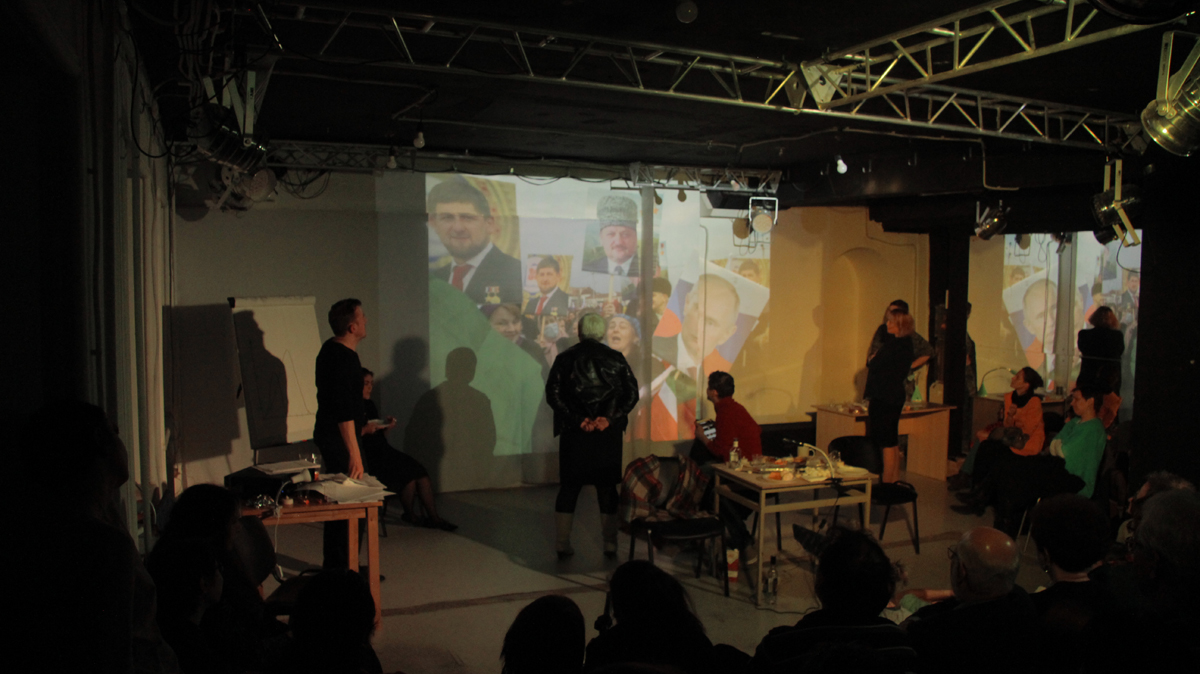
“New Antigon” is an Elena Gremina Documentary and the journalist of Novaya Gazeta Elena Kostyuchenko, based on the transcripts of the trial over the mothers of Beslan, who dared to raise their vote in defense of the truth and their own honor. Elena Kostyuchenko was a witness to the shameful dispersal of a rally of sorrow on the site of a shot school. “New Antigone” is a performance about how the state monopolizes human memory.
The play “Human Rights Environmentalists” - about real people who have chosen for themselves this mission and doomed to an eternal unequal struggle against the state machine, with the contempt of the obedient majority, with slander and lies. The authors - Elena Gremina and Anna Dobrovolskaya - invited the newly released Ildar Dadin, who took part in the discussion and answered questions from the audience.
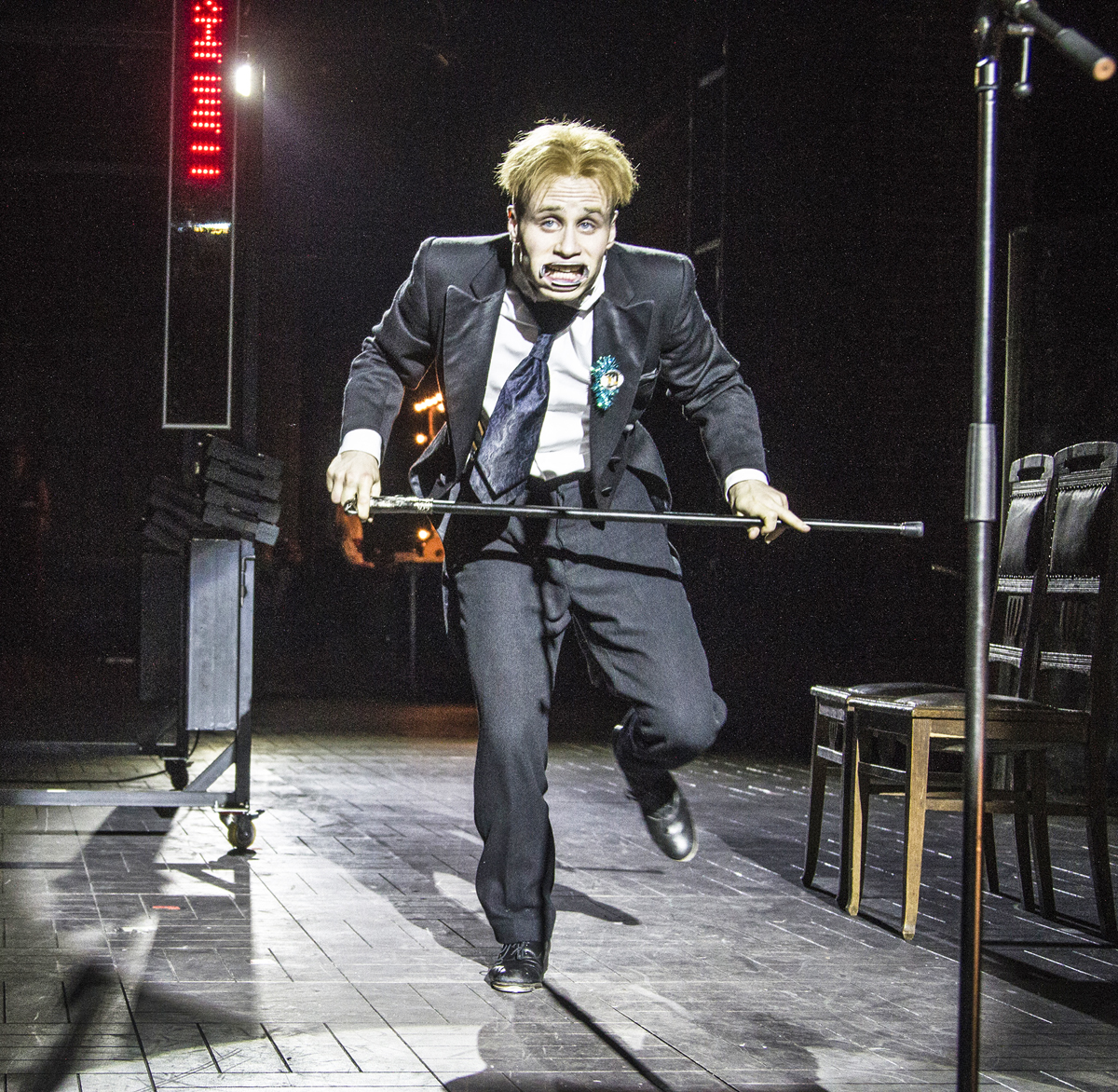
This year, Kirill Serebrennikov set the Kafka tragifars, in which he mockingly and mercilessly expressed everything that he thinks about today. Not yet knowing how this day will end
The final chord of the season in the Dock was reading a new play by the popular Lithuanian playwright Marius Ivashkevichi. Marius is a permanent co -author of the director Mindaugas Karbauskis. This year he received a “golden mask” as the best playwright of the season, and the production of the theater. Mayakovsky “Russian Roman”, according to his play, is called the best setting of the season. Marius is well known in Russia and as a public figure - he collected a thousands of many thousands in memory of the victims of the Holocaust in his homeland in the Lithuanian town of Moletai.
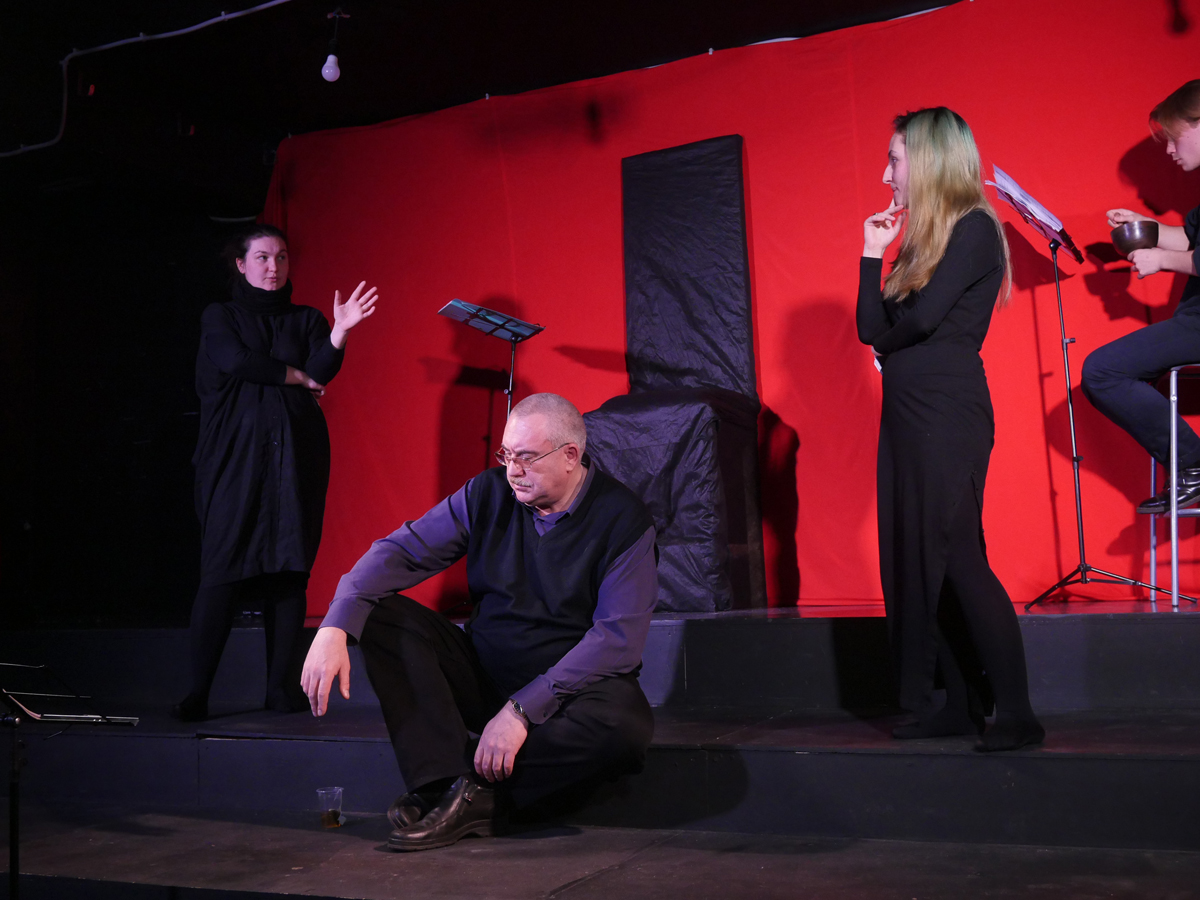
The play “Hell and Peace”, which was read by the artists of “Doc”, is shocking and merciless, naturalistic and non -altitude. It begins with an episode in which a plane chair with a dead woman is falling on a ceiling peacefully lunch at the table. The action takes place in the Donbass, and the plane is a shot down by the Malaysian Boeing. So the war literally bursts into the house of ordinary people. In the play, the genre of which is impossible to determine - it is a phantasmagoria, and anti -utopia, and black comedy, and absurdity, there are a lot of provocations and ethical disorders, but it is necessary to see it on the Moscow scene.
Dust on boots
The Gogol Center continued the Zvezda cycle about the fate of Russian poets of the 20th century: these are screaming performances sounding as terrible omens in which the memory of the long-leaving-Akhmatova, Kuzmin, and Mandelstam-is grinding into the eyes of modern Vertukhaevs. This year, Kirill Serebrennikov himself set the Kafka tragifars, in which he mockingly and mercilessly expressed everything that he thinks about today.
True, when he released the prime minister, he did not yet know how this day would end.