
Translated material
Years "dashing", years "saints"
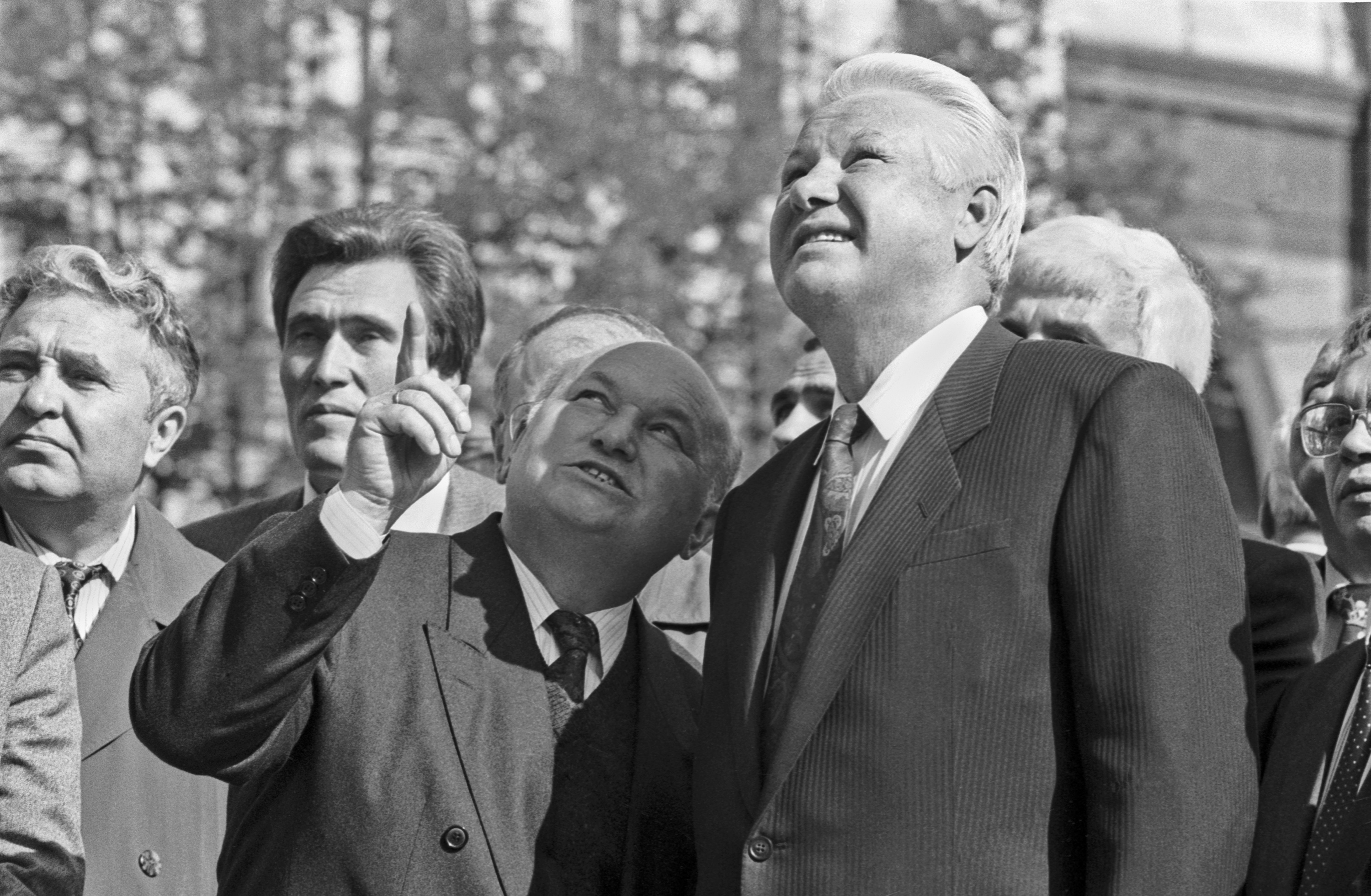
Naina Iosifovna Yeltsina, the widow of the first president of Russia, presented her memoirs at the Red Square book Festival. The book is named "Personal Life" and seems to be doomed to become a bestseller. Kirill Shulik talks about the difficult circumstances of her birth:
It was evident how she was worried. Not for himself, but for us, for he wants us to like it. She worked for five years, threw and started again. She was persuaded by Tatyana Borisovna with Valentin Borisovich. The author says that she wrote for grandchildren and great -grandchildren to know the story of their family. In Soviet times, they missed her and now it is necessary to restore literally everything.
Here's how Yeltsin herself told about the book in an interview with Interfax :
According to her, she began to work on the book "quite by accident": "It all started with stories about our time my grandchildren."
“I tried to restore my life in those years - in the 30s, military, post -war, recent years. Yes, it was a difficult time, difficult time. We went through dispossession, gulag, war years and post -war construction. It was hard, of course. But it was even harder that we were accustomed not to say anything, to be silent about everything. But finally, we could tell the next generations about our lives,” Yeltsin noted.
Naina Yeltsin was born in 1932 and visited a lot in her lifetime, but discussion on the network in connection with the presentation of her book was still reduced by the 1990s. The widow of Boris Yeltsin herself proposed the interpretation of the nineties:
In my opinion, the 90s should not be called dashing, but saints and worship those people who lived at that difficult time who created and built a new country in difficult conditions, without losing faith in it.
According to Naina Iosifovna, Gaidar went to shock therapy, but, like surgeons with a severe patient - and the collapsed country was just like that - shock therapy was necessary in order to abruptly switch to a new level. Yeltsina emphasized: "I love my people, I love my country and believe that everything will be fine."
This love is not always mutual-many on the Web criticized the words about "holy years", someone from pro-Soviet positions, and someone from anti-Putin.
Nina Yeltsin called the 1990s "saints" from this point of view means I am a satanist
- Armen Gasparyan (@a_gasparyan) June 6, 2017
Naina Yeltsin proposed counting the nineties to be saints, but we are the children of amphetamine, Baphomet and nu-metal.
Naina Yeltsin proposed considering the 90s to be considered saints ... Question, now we are Chubais, Gaidar and Yeltsin will create an icon and will we pray for them? pic.twitter.com/np6amgdse8
- Eduard Barchuk (@1990barchuk) June 6, 2017
We will worship the holy economic spirit to the champion Yegor Timurovich, who saved all the budget boarders as well as Boris Nikolayevich who gave the entire progressive world Vladimir Putin.
Not all, however, are so categorical.
Nina Yeltsin called the "dashing" 90s "saints"
Yes, when compared with the Putin.
If not all agree with the “canonization” of Yeltsin or Gaidar, the idea of considering the holy people who lived in the nineties attracts many.
Saints should be considered those people who survived these dashing 90s, without pensions and salaries, in ruin and chaos, and without hope for the future
- Mr. Iksss (@iKsmister11) June 6, 2017
I absolutely agree with Naina Joseph (although I didn’t read the interview) - for those who did not receive salaries, but continued to work in their place - this is exactly what it is. Then - in the satisfying years - too often happened the opposite. But those saints are still among us.
It seems like this is Naina Yeltsin and meant.
She admitted that in the 1990s, when the country collapsed, it was extremely difficult to live.
“But they still tried to create a new country, strengthen democracy, freedom of speech. And this became the basis for the further development of democracy and the country,” said Boris Yeltsin’s widow.